How To Make Pesto In A Ninja Blender: Quick & Easy Guide
Making pesto at home is easier than many people think. With a Ninja blender, you can prepare this classic Italian sauce in just minutes. Pesto brings fresh flavor to pasta, sandwiches, and even salads. Many store-bought versions taste bland or contain preservatives, but homemade pesto is full of vibrant taste and natural ingredients.
If you’ve never tried making pesto before, you’ll be surprised how simple and rewarding it can be. This guide will show you every step, from choosing ingredients to storing your pesto, all tailored for Ninja blender users.
Why Use A Ninja Blender For Pesto?
Pesto is traditionally made with a mortar and pestle. This method creates a unique texture, but it takes time and effort. The Ninja blender offers speed, consistency, and convenience. Its strong blades can process tough ingredients like basil, pine nuts, and Parmesan without any trouble. Most Ninja blenders have multiple settings, letting you control the texture from chunky to smooth.
Here are some advantages of making pesto in a Ninja blender:
- Speed: You can make pesto in under five minutes.
- Consistency: The sauce turns out even, with no large chunks.
- Easy cleanup: Most Ninja blender parts are dishwasher safe.
- Versatility: You can blend other ingredients, like spinach or kale, for different flavors.
Many beginners worry about over-blending. The Ninja’s pulse function helps you control the process, so you get the right texture. If you want creamy pesto, blend longer. For a rustic feel, use short pulses.
Classic Pesto Ingredients And Quantities
The original pesto recipe, called pesto alla Genovese, comes from Genoa, Italy. The most important ingredients are:
- Fresh basil leaves: 2 cups, packed
- Pine nuts: 1/3 cup
- Parmesan cheese: 1/2 cup, grated
- Garlic: 2 cloves
- Extra virgin olive oil: 1/2 cup
- Salt: 1/2 teaspoon
These amounts yield about one cup of pesto, enough for four servings of pasta. If you want a stronger flavor, use more garlic or cheese. For a milder taste, reduce the garlic.
Here’s a simple table showing ingredient amounts and their role in the sauce:
| Ingredient | Amount | Purpose |
|---|---|---|
| Fresh basil | 2 cups | Flavor, color |
| Pine nuts | 1/3 cup | Nutty texture |
| Parmesan cheese | 1/2 cup | Umami, richness |
| Garlic | 2 cloves | Sharpness |
| Olive oil | 1/2 cup | Smoothness |
| Salt | 1/2 tsp | Balance |
Many people substitute pine nuts with walnuts, cashews, or almonds. Parmesan can be replaced with Pecorino Romano for a sharper taste. If you’re allergic to nuts, sunflower seeds are an option.

Credit: www.sharkninja.com
Step-by-step Guide: Making Pesto In A Ninja Blender
To make pesto, you don’t need special skills. You just need to follow clear steps. Here’s how to prepare pesto using your Ninja blender:
Step 1: Prepare Your Ingredients
Wash the basil leaves well. Dry them with a towel—wet leaves can make the pesto watery. Peel the garlic and grate the cheese if it’s not already grated. Measure all ingredients to ensure the balance of flavors.
Step 2: Add Ingredients To Blender
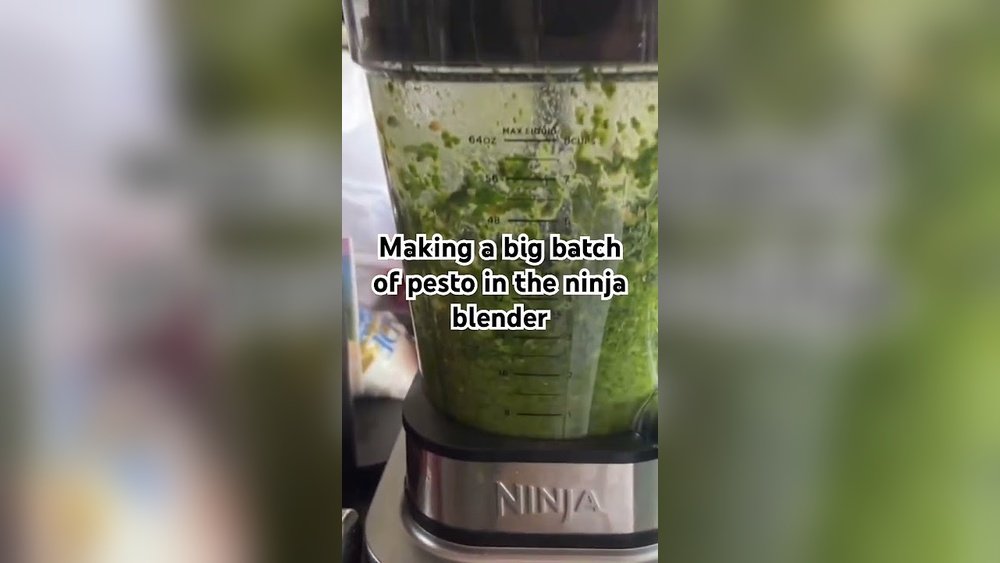
Place basil, pine nuts, garlic, and cheese into the blender. Pour in half of the olive oil. Add salt. Keep the rest of the oil aside; it will help adjust the texture later.
Step 3: Blend Using Pulse Mode
Use the pulse setting on the Ninja blender. Blend for 10–15 seconds, then check the mixture. If it’s too thick, add more olive oil. Repeat until you reach your desired texture. For chunkier pesto, pulse less. For a creamy sauce, blend longer.
Step 4: Taste And Adjust
Taste the pesto. If you want more flavor, add a pinch of salt or another garlic clove. Blend again for a few seconds. Some people add a squeeze of lemon juice to brighten the taste.
Step 5: Store Or Serve
Transfer the pesto to a bowl. If not using right away, cover it with plastic wrap. Make sure the wrap touches the surface to prevent the pesto from turning brown. Store in the refrigerator for up to five days.
Here’s a comparison table showing blending times and resulting textures:
| Blending Time | Texture | Best Use |
|---|---|---|
| 5–10 seconds (pulse) | Chunky | Sandwiches, salads |
| 15–20 seconds | Medium | Pasta, pizza |
| 30+ seconds | Smooth | Dressings, dips |
Many beginners forget to scrape the sides of the blender. If you see dry basil or cheese stuck, stop and use a spatula to push everything down, then continue blending.
Tips For Perfect Pesto Every Time
Pesto is simple, but there are ways to make it even better. Here are some practical tips:
- Use fresh basil: Old or wilted basil gives dull flavor and color.
- Toast pine nuts: Lightly toast them in a pan for 2–3 minutes for a richer taste.
- Add oil gradually: Pour oil slowly to control the texture.
- Don’t over-blend: Too much blending heats the sauce and can make basil taste bitter.
- Use high-quality olive oil: This affects the flavor more than you might expect.
- Add cheese at the end: For a smoother sauce, stir in Parmesan after blending.
- Keep ingredients cold: Chill your blender jar for a brighter green pesto.
- Try different greens: Spinach, arugula, or kale can replace basil for new flavors.
- Experiment with nuts: Walnuts, cashews, or almonds work well if you don’t have pine nuts.
- Add lemon juice: Just a few drops keep the color fresh and add brightness.
An insight many beginners miss: pesto freezes very well. Make a large batch and freeze it in ice cube trays. Pop out cubes as needed for pasta or sandwiches.

Credit: thehungrywaitress.com
Variations: Beyond Classic Basil Pesto
Pesto is not limited to basil and pine nuts. You can create many versions to suit your taste, dietary needs, or what you have at home.
Spinach Pesto
Replace half of the basil with spinach. This gives a milder flavor and a brighter green color. It’s great for kids or anyone who finds basil too strong.
Sun-dried Tomato Pesto
Add 1/2 cup sun-dried tomatoes and reduce basil by half. Use walnuts instead of pine nuts. This version is richer and pairs well with grilled chicken or fish.
Vegan Pesto
Skip the cheese and use nutritional yeast. Replace pine nuts with sunflower seeds. Vegan pesto is dairy-free and allergy-friendly, but still full of flavor.
Arugula Pesto
Use arugula instead of basil for a spicy, peppery taste. This works well on pizza or mixed into mashed potatoes.
Here’s a table comparing different pesto variations and their main ingredients:
| Pesto Type | Main Greens | Nuts/Seeds | Cheese/Alternative |
|---|---|---|---|
| Classic Basil | Basil | Pine nuts | Parmesan |
| Spinach | Spinach & Basil | Pine nuts | Parmesan |
| Sun-Dried Tomato | Basil | Walnuts | Pecorino |
| Vegan | Basil | Sunflower seeds | Nutritional yeast |
| Arugula | Arugula | Almonds | Parmesan |
Trying new variations can help you discover new flavors and make use of leftovers. For example, carrot tops or beet greens work well and reduce food waste.
Common Mistakes When Making Pesto
Even simple recipes can go wrong. Here are mistakes people often make, and how to avoid them:
- Using old basil: Fresh leaves are key. If basil is wilted, your pesto will taste and look dull.
- Over-blending: This creates heat and makes the sauce bitter. Use short pulses instead.
- Adding too much oil: The sauce can separate and become greasy. Start with less oil and add slowly.
- Not scraping blender sides: Ingredients can stick and not blend evenly. Use a spatula to push them down.
- Skipping toasting: Toasting nuts brings out flavor. Raw nuts can taste flat.
- Using pre-grated cheese: Freshly grated cheese melts better and tastes richer.
- Forgetting salt: Pesto without salt can taste bland and lifeless.
A non-obvious insight: pesto’s flavor improves after resting. Make it ahead of time and let it sit for an hour in the fridge. The flavors will blend and become deeper.

Credit: mercoradecoracion.com
Storage And Serving Ideas
Pesto is best fresh, but storing it right keeps it tasty for days. Cover the surface with plastic wrap or a thin layer of olive oil to prevent browning. Refrigerate for up to five days. For longer storage, freeze in small containers or ice cube trays.
Here are some ways to use your homemade pesto:
- Toss with pasta: Classic use, quick meal.
- Spread on sandwiches: Adds flavor to grilled cheese or turkey.
- Drizzle on pizza: After baking, for a fresh taste.
- Mix into salads: Makes a unique dressing.
- Swirl into soups: Adds richness and color.
- Serve with grilled vegetables: Brightens roasted flavors.
- Use as a dip: For bread, crackers, or raw veggies.
Avoid heating pesto directly. High heat can dull the flavor and change the color. Instead, add it after cooking, just before serving.
Ninja Blender Models: Which Is Best For Pesto?
There are several Ninja blender models. Most can handle pesto easily, but some are better for small batches or large families.
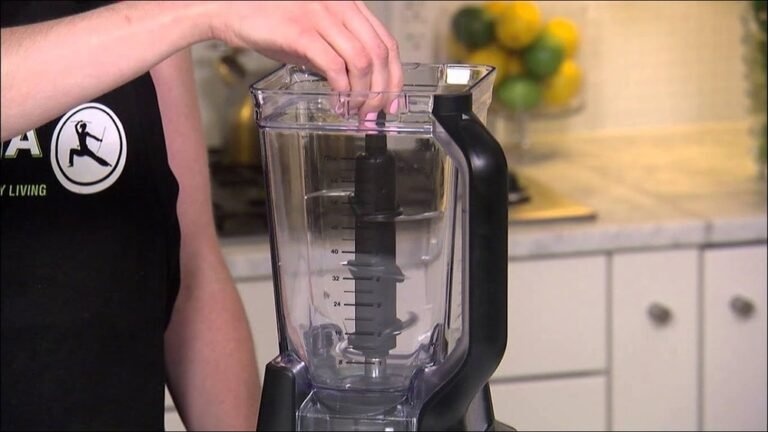
- Ninja Professional Blender (1000): Powerful motor, good for big batches.
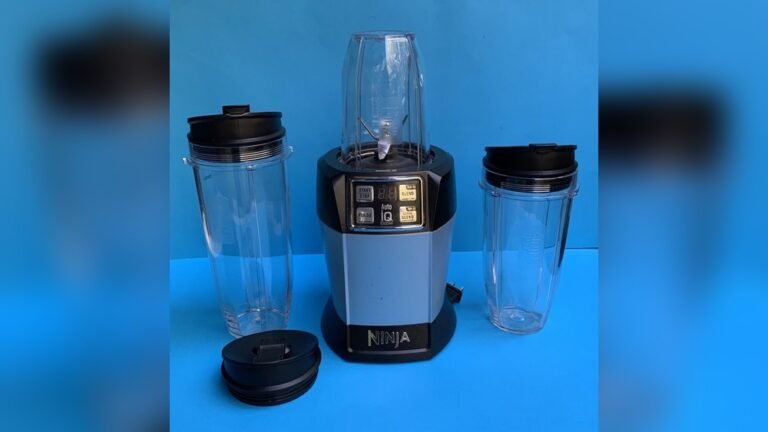
- Ninja Nutri-Blender Pro: Smaller size, ideal for single servings.
- Ninja Foodi Power Nutri Duo: Has special bowl for thick sauces.
If you plan to make pesto often, look for a model with a pulse function and easy-to-clean parts. Blade design matters too. The Ninja’s stacked blade system blends tougher ingredients, but it can sometimes leave small chunks. Scraping the sides and pulsing helps.
Nutrition: Is Homemade Pesto Healthy?
Pesto contains healthy fats from olive oil and nuts. Basil is high in vitamin K, vitamin A, and antioxidants. Parmesan adds protein and calcium. Here are some nutrition facts for classic pesto (per 2-tablespoon serving):
- Calories: 170
- Fat: 17g (mostly unsaturated)
- Protein: 2g
- Carbs: 2g
- Sodium: 220mg
Homemade pesto has no added preservatives or fillers. You can lower calories by reducing oil or using lower-fat cheese. For vegan versions, skip cheese and use seeds for added minerals.
For more information on basil’s health benefits, visit Wikipedia.
Frequently Asked Questions
What If My Pesto Is Too Thick?
If your pesto turns out too thick, add a tablespoon of olive oil and blend again. You can also add a splash of water or lemon juice to thin it without making it oily.
Can I Freeze Pesto?
Yes, pesto freezes very well. Spoon it into ice cube trays and freeze. Once frozen, transfer cubes to a sealed bag. Use as needed for pasta or sandwiches.
Is It Possible To Make Pesto Without Nuts?
Absolutely. Substitute nuts with seeds like sunflower or pumpkin seeds. The flavor changes slightly but still tastes great. This is a good option for people with nut allergies.
How Do I Keep Pesto Green?
To keep pesto bright green, use cold ingredients and a chilled blender jar. Add a little lemon juice or cover the surface with olive oil before storing. Avoid over-blending, as heat can darken the color.
What Can I Do If My Pesto Tastes Bitter?
Bitterness often comes from over-blending or using old basil. To fix bitter pesto, add a pinch of sugar or more cheese. Use fresh basil and pulse the blender to avoid heat buildup.
Homemade pesto made in a Ninja blender is fast, easy, and full of flavor. You control every ingredient, so the sauce is always fresh and healthy. Once you master the basics, you can experiment with new greens, nuts, and cheeses to find your favorite version.
Pesto is more than a pasta sauce—it’s a versatile spread, dip, and topping that brings taste and color to many dishes. With these steps and tips, your Ninja blender will become your best tool for delicious homemade pesto.