How To Make Salsa In A Ninja Blender: Quick & Easy Recipe
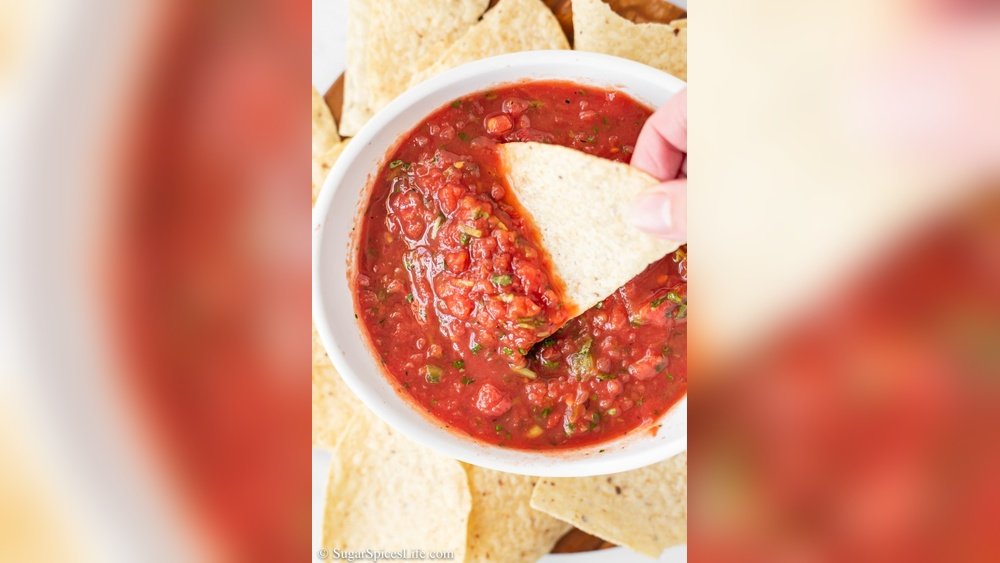
Making salsa at home is a delicious and rewarding experience. When you use a Ninja Blender, it becomes even easier. You can make fresh salsa in just minutes, and you control the taste, texture, and ingredients. Whether you love classic tomato salsa, something fruity, or a spicy variation, the Ninja Blender is a powerful tool that helps you get the perfect blend every time.
But there’s more to making great salsa than just tossing ingredients into a blender and pressing a button. The choice of ingredients, preparation, and blending technique all affect the final result. Many people who use a Ninja Blender for salsa for the first time are surprised by how quickly it can turn chunky vegetables into a smooth dip—or how easy it is to over-blend.
In this guide, you’ll learn exactly how to make salsa in a Ninja Blender, from selecting the freshest ingredients to storing your finished salsa safely. You’ll also discover tips for customizing flavors, troubleshooting common problems, and making your salsa stand out from the crowd.
Why Make Salsa In A Ninja Blender?
Using a Ninja Blender for salsa offers clear advantages over chopping by hand or using less powerful blenders. The Ninja’s sharp blades and strong motor can break down tough vegetables quickly, giving you smooth and consistent results. Here are some key benefits:
- Speed and Convenience: You can prepare salsa in under five minutes, including cleanup.
- Consistency: The blender gives you an even texture, whether you want it chunky or smooth.
- Easy Customization: Adjust flavors and ingredients for your taste with simple tweaks.
- Large Batches: Make enough for a party or just a small batch for yourself.
- Less Mess: Fewer dishes and no need to finely dice every ingredient by hand.
A Ninja Blender is also versatile—you can use it for smoothies, soups, sauces, and more. But for salsa, it’s especially useful because it can handle both soft and hard ingredients, like tomatoes and onions, without turning everything into mush.
Essential Ingredients For Classic Salsa
A great salsa starts with fresh, quality ingredients. Here’s what you’ll need for a classic tomato salsa:
- Roma tomatoes (4-5 medium, about 1.5 lbs): These have less water and more flesh, perfect for salsa.
- White onion (1 small): Adds sharpness and crunch.
- Fresh cilantro (about 1/2 cup, loosely packed): Gives a bright, herbal flavor.
- Jalapeño pepper (1, seeded for mild, with seeds for heat): Brings the spice.
- Garlic (1-2 cloves): Adds depth.
- Lime juice (from 1 lime): For acidity and freshness.
- Salt (1/2 teaspoon): Enhances all the flavors.
- Optional: Black pepper, cumin, diced green chilies, or a pinch of sugar.
You can use other tomatoes, but Roma tomatoes are ideal because they are less watery. If you want thicker salsa, remove tomato seeds before blending. For extra heat, try serrano peppers. If you prefer a milder salsa, remove all seeds and membranes from the peppers.
Credit: thekitchengirl.com
Equipment You’ll Need
- Ninja Blender: Any model works, but larger pitchers are best for big batches.
- Cutting board and knife: For prepping ingredients.
- Measuring spoons: Accurate seasoning makes a difference.
- Spatula: To scrape down sides of the blender.
- Serving bowl: For your finished salsa.
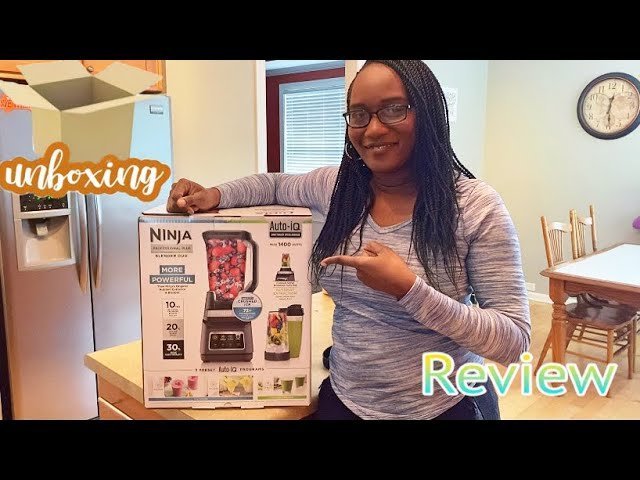
The Ninja Professional and Ninja Foodi blenders are particularly popular for salsa. They have large, sturdy pitchers and strong blades that chop ingredients quickly without overheating them.
Step-by-step: How To Make Salsa In A Ninja Blender
Follow these steps for a foolproof salsa every time:
1. Prep Your Ingredients
- Wash and dry all vegetables and herbs. This removes dirt and bacteria.
- Chop tomatoes, onion, and jalapeño into large chunks. No need for perfect cuts—the blender does the hard work.
- Peel garlic and remove stems from cilantro.
- Juice the lime and set aside.
2. Layer Ingredients In The Blender
The order you add ingredients matters. Start with the softer ingredients at the bottom (tomatoes), then layer onions, peppers, garlic, and cilantro. Add lime juice and salt on top. This helps the blades catch everything evenly.
3. Pulse, Don’t Puree
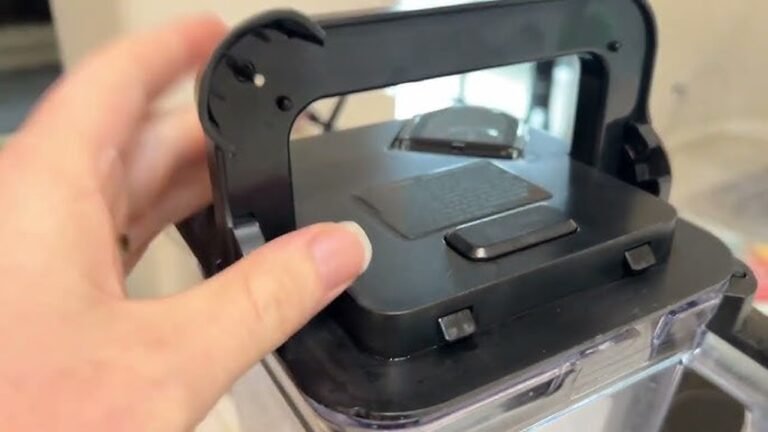
- Secure the blender lid.
- Use the “Pulse” function in short bursts. This gives you better control over texture.
- Pause and check after a few pulses. Scrape down the sides with a spatula if needed.
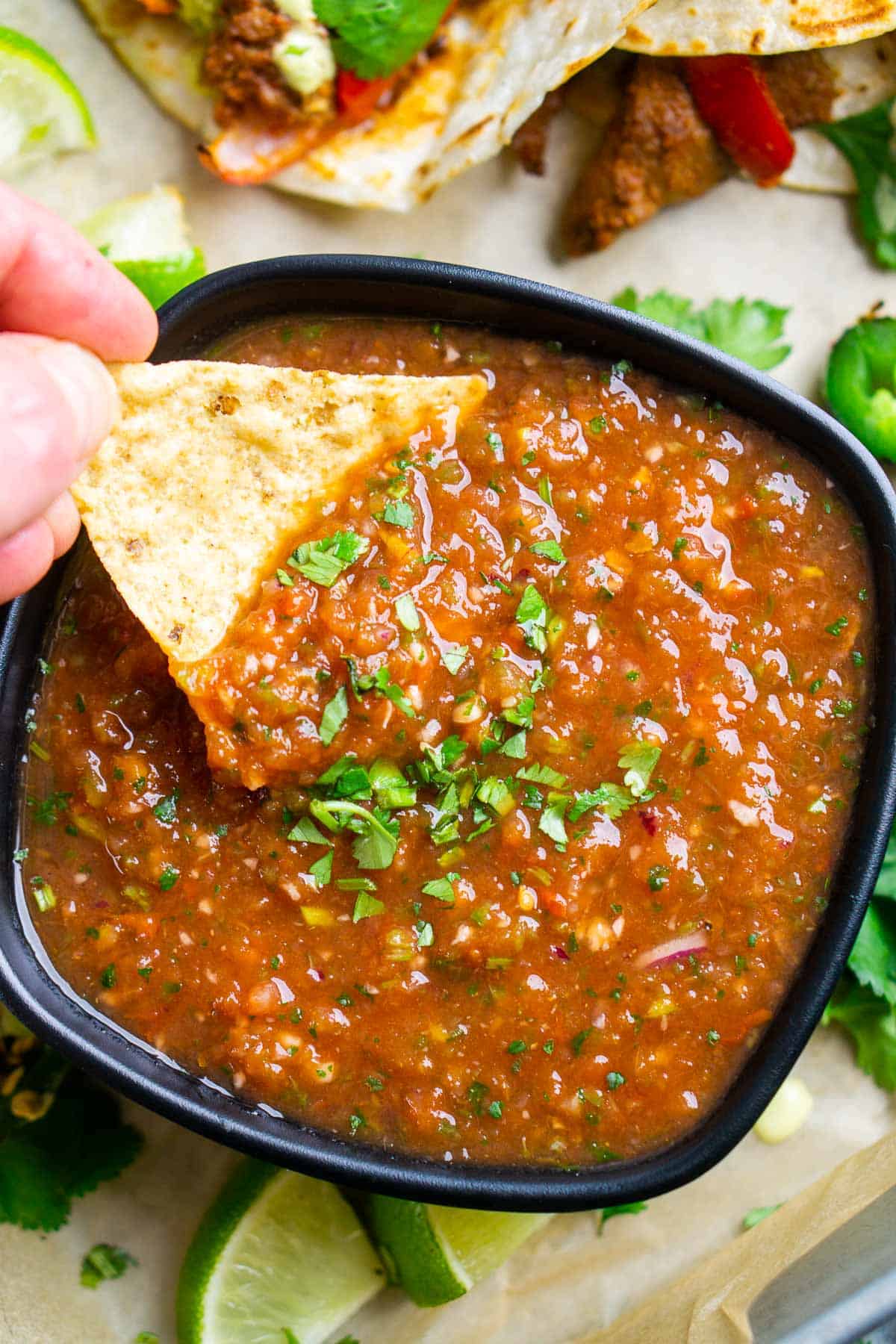
- Keep pulsing until you reach your desired consistency—chunky or smooth.
Pro tip: Over-blending turns salsa into soup. Most people prefer some chunkiness.
4. Taste And Adjust
- Taste your salsa.
- Add more salt, lime, or pepper if needed.
- If it’s too spicy, blend in another tomato. For more heat, add extra pepper.
5. Chill And Serve
Salsa tastes best after chilling for at least 30 minutes. This lets the flavors blend together. Pour your salsa into a bowl, cover, and refrigerate.
6. Store Properly
Homemade salsa lasts 3-5 days in the fridge in an airtight container. Always use a clean spoon to avoid contamination.
Ninja Blender Salsa Recipes: Variations
The classic tomato salsa is just the beginning. The Ninja Blender lets you try creative salsa recipes with ease. Here are three popular variations:
Fresh Pineapple Salsa
- Ingredients: 1 cup diced pineapple, 2 Roma tomatoes, 1/4 red onion, 1/2 jalapeño, juice of 1 lime, 1/4 cup cilantro, salt to taste.
- Method: Pulse all ingredients until chunky. Great with grilled chicken, fish, or tortilla chips.
Roasted Tomato Salsa
- Ingredients: 5 Roma tomatoes, 2 cloves garlic, 1/2 onion, 1 jalapeño, 1/2 cup cilantro, 1 tsp olive oil, lime juice, salt.
- Method: Roast tomatoes, garlic, onion, and jalapeño at 400°F for 15 minutes. Cool, then blend with the rest.
Avocado Salsa
- Ingredients: 2 ripe avocados, 2 Roma tomatoes, 1/2 onion, 1 jalapeño, 1/2 cup cilantro, juice of 1 lime, salt.
- Method: Pulse until smooth and creamy. Serve immediately, as avocado browns quickly.
Each variation highlights the power of the Ninja Blender. You can combine ingredients that might be hard to mix by hand, and get a fresh, flavorful salsa with just a few pulses.
Choosing The Right Ninja Blender Model
If you’re shopping for a Ninja Blender mainly for salsa, it helps to know which models work best. Here’s a comparison of three popular models:
| Model | Pitcher Size | Power (Watts) | Best For |
|---|---|---|---|
| Ninja Professional BL610 | 72 oz | 1000 | Large batches, parties |
| Ninja Foodi Cold & Hot | 64 oz | 1400 | Versatility, hot salsa |
| Ninja Nutri Pro | 24 oz | 900 | Small batches, single servings |
The Ninja Professional BL610 is a favorite for salsa because of its large pitcher and strong motor. Smaller models like the Nutri Pro work well for quick, small servings, but may need more scraping down.
Common Mistakes When Making Salsa In A Ninja Blender
Even with a great blender, some mistakes can affect your salsa. Here are the most common issues and how to avoid them:
- Over-blending: Using the “blend” function for too long makes salsa too smooth. Always use “Pulse.”
- Wrong ingredient order: Harder ingredients on top help push everything down toward the blades.
- Too much liquid: Extra water or juicy tomatoes can make salsa runny. Use Roma tomatoes or drain excess juice.
- Under-seasoning: Fresh salsa needs salt and lime to bring out flavors. Taste and adjust before serving.
- Not chilling: Fresh salsa can taste harsh if eaten immediately. Resting time helps flavors meld.
Non-obvious insight: If your salsa is too watery, add a spoonful of tomato paste. It thickens salsa and boosts flavor without cooking.
Salsa Texture: Chunky Vs. Smooth
Everyone has a different preference for salsa texture. The Ninja Blender gives you control, but you need to watch closely. Here’s a guide to help you:
| Pulse Count | Texture | Best For |
|---|---|---|
| 2-3 | Very chunky | Pico de gallo, topping tacos |
| 4-6 | Medium | Chips, side dip |
| 7-9 | Smooth | Pourable salsa, enchiladas |
Tip: Stop and scrape the sides of the pitcher between pulses for even blending.

Credit: www.amazon.com
How To Customize Salsa To Your Taste
Home salsa lets you play with flavors. Some ideas:
- Add fruit: Mango, peach, or pineapple brings sweetness.
- Try roasted vegetables: Roasting deepens flavor.
- Swap peppers: Serrano for heat, poblano for smoky taste.
- Herbs: Add parsley or mint for a twist.
- Spices: Try cumin, smoked paprika, or chili powder.
If you have dietary needs, salsa is flexible. It’s naturally gluten-free, vegan, and low in calories—about 15-25 calories per 2-tablespoon serving.
Storing And Serving Salsa
Fresh salsa is best within a few days, but storing it right extends its life and flavor. Use these tips:
- Airtight containers: Glass jars or BPA-free plastic work well.
- Keep chilled: Store in the coldest part of your fridge.
- Avoid double-dipping: Use a clean spoon each time.
- Freeze for longer storage: Salsa texture changes after freezing, but it’s safe for up to 3 months. Thaw in the fridge and stir before serving.
If salsa separates in the fridge, just stir before serving. If you notice any sour smell or mold, discard it.
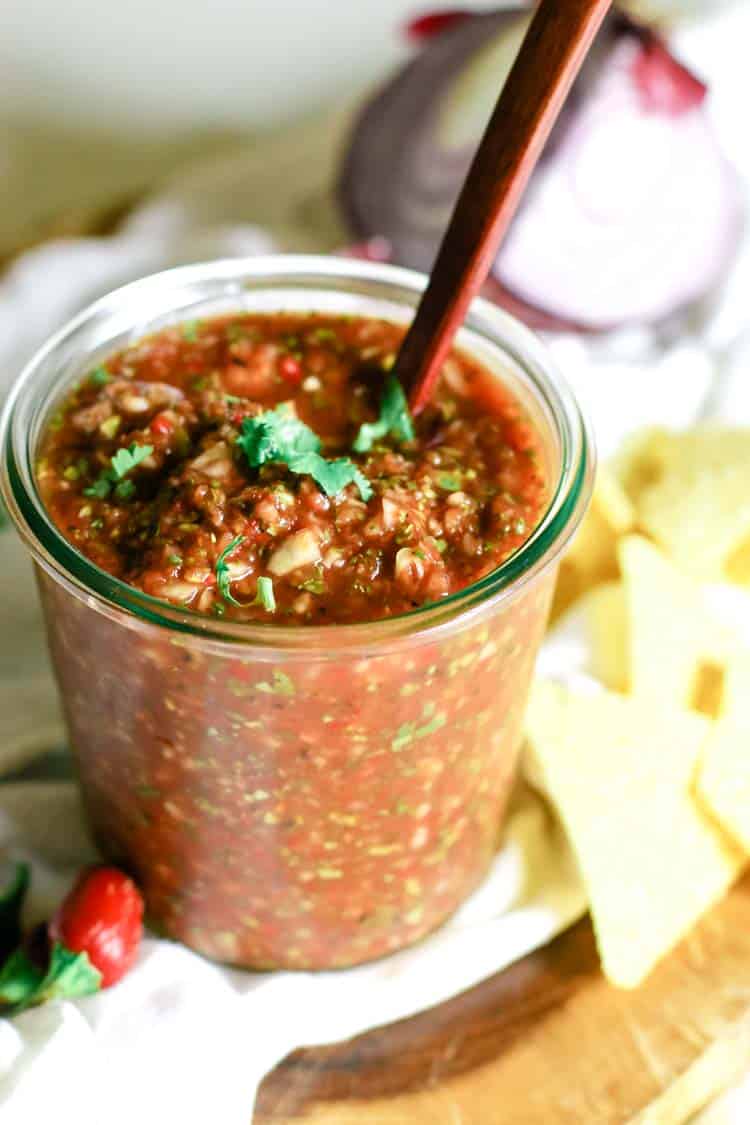
Credit: prepareandnourish.com
Salsa Safety Tips
Because salsa is made with fresh, raw ingredients, it’s important to handle it safely:
- Wash all produce: Even if you peel it, washing removes bacteria.
- Use clean utensils: This prevents contamination.
- Chill quickly: Don’t leave salsa at room temperature for more than 2 hours.
- Check pH for canning: If you want to preserve salsa, it needs a pH below 4.6 to be safe. Use a food-safe pH meter.
For more information about safe salsa preparation, the National Center for Home Food Preservation offers detailed guidelines.
Ninja Blender Salsa Vs. Store-bought Salsa
How does homemade salsa in a Ninja Blender stack up against store-bought?
| Feature | Homemade Ninja Salsa | Store-Bought Salsa |
|---|---|---|
| Freshness | Maximum, made-to-order | Varies, often weeks old |
| Custom Flavor | Fully customizable | Limited |
| Preservatives | None | Often used |
| Cost per serving | Lower | Higher |
| Texture Control | Complete control | Fixed by brand |
Homemade salsa is fresher, healthier, and cheaper. You also avoid unwanted additives.
Advanced Tips For Salsa Enthusiasts
If you’ve mastered the basics, try these expert tips:
- Smoke your tomatoes or peppers: Use a grill or smoker for a deep flavor.
- Add charred corn: Slice kernels off grilled corn for sweetness and texture.
- Balance acidity: If salsa tastes harsh, add a pinch of sugar or a splash of orange juice.
- Experiment with tomatillos: For a tangy green salsa, swap half the tomatoes for tomatillos.
A common mistake is thinking all salsa must be spicy. Some of the best salsas are mild, focusing on freshness and balance.
Frequently Asked Questions
What If My Salsa Is Too Watery?
If your salsa is runny, try draining excess tomato juice before blending. You can also add a spoonful of tomato paste or a small chopped tomato with seeds removed, then pulse again for a thicker texture.
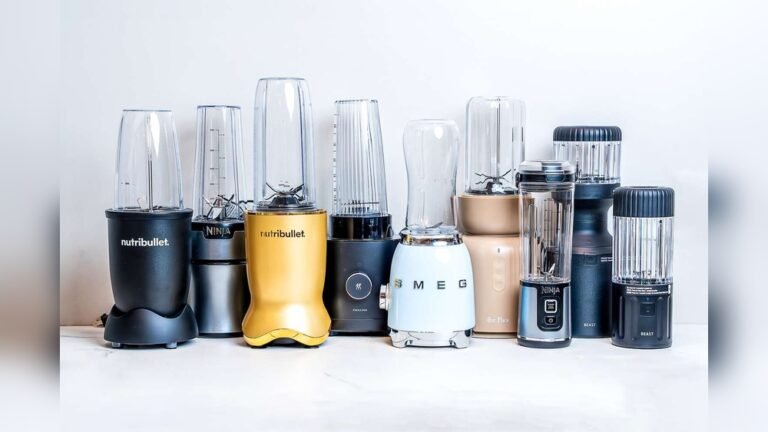
Can I Make Salsa In A Ninja Bullet-style Blender?
Yes, you can make salsa in smaller Ninja blenders like the Nutri Ninja. Use the same technique—pulse in short bursts. You may need to work in batches or stir between pulses for even blending.
How Long Does Homemade Ninja Blender Salsa Last?
Fresh salsa lasts 3-5 days in the refrigerator when stored in an airtight container. Always check for signs of spoilage like sour smell or mold before eating.
Can I Can Or Preserve Ninja Blender Salsa?
Yes, but you must follow safe canning practices. Not all fresh salsa recipes are safe for canning due to pH and water content. For safe recipes and methods, see resources like the National Center for Home Food Preservation.
What’s The Best Way To Serve Homemade Salsa?
Homemade salsa is perfect with tortilla chips, tacos, grilled meats, eggs, or as a topping for baked potatoes and salads. For best flavor, chill the salsa for at least 30 minutes before serving.
Making salsa in a Ninja Blender is fast, easy, and opens up a world of fresh flavors. With the right approach, you’ll never want to buy store-bought salsa again. Enjoy exploring new ingredients and sharing your creations with family and friends.