How To Make Powdered Sugar In A Ninja Blender: Quick & Easy Guide
Making powdered sugar at home is easier than most people think. Many people run out of powdered sugar when baking, or they want a fresher, cheaper alternative. If you own a Ninja blender, you already have the right tool. This guide will show you exactly how to make powdered sugar in a Ninja blender. You’ll learn step-by-step instructions, tips to avoid common mistakes, how to store homemade powdered sugar, and even ways to use it. By the end, you’ll understand the process fully—and know how to get perfect, fluffy powdered sugar every time.
Why Make Powdered Sugar At Home?
Powdered sugar, also known as confectioners’ sugar or icing sugar, is simply granulated sugar ground to a fine powder. Sometimes, a bit of cornstarch is added to prevent clumping. Store-bought powdered sugar is convenient, but there are reasons to make your own:
- Save money: Granulated sugar is often cheaper than powdered.
- Control ingredients: Avoid additives or unwanted starches.
- Freshness: Homemade is fresher and sometimes tastes better.
- Emergency baking: Never pause a recipe just because you’re out of powdered sugar.
If you have a Ninja blender, you can create powdered sugar in minutes. Let’s see how.
Understanding Powdered Sugar
Powdered sugar is more than just ground-up sugar. It’s used to make smooth icings, frostings, and dustings on baked goods. Its fine texture dissolves quickly, giving a silky finish.
Granulated sugar is coarse and crunchy. It doesn’t work well for icing or dusting. When you grind it finely, it becomes powdered sugar. Sometimes, 2-3% cornstarch is added to keep it dry and free-flowing. This is especially important if you plan to store it.
Here’s a quick comparison:
| Type | Texture | Uses | Additives |
|---|---|---|---|
| Granulated Sugar | Coarse | Sweetening drinks, baking | None |
| Powdered Sugar | Fine, powdery | Icing, frosting, dusting | Cornstarch (optional) |
Understanding the difference helps you see why powdered sugar is essential for certain recipes.
Choosing The Right Blender: Why Ninja?
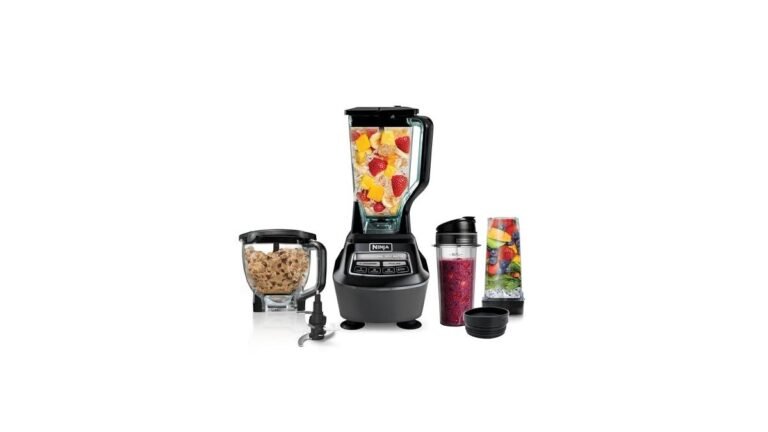
Not all blenders can make powdered sugar. The Ninja blender is powerful, with sharp blades and high speed. It can turn granulated sugar into powder quickly.
Here’s how Ninja compares with other common kitchen appliances:
| Appliance | Efficiency | Result Quality | Ease of Use |
|---|---|---|---|
| Ninja Blender | High | Fine powder | Easy |
| Coffee Grinder | Medium | Fine powder (small batches) | Easy, but limited |
| Food Processor | Low | Coarse powder | Messy |
| Mortar & Pestle | Low | Uneven, labor-intensive | Difficult |
The Ninja blender stands out for its ability to handle larger batches and produce consistent results.
What You Need: Ingredients & Supplies
To make powdered sugar in a Ninja blender, gather these:
- Granulated sugar – Choose white sugar for the most neutral flavor and color.
- Cornstarch (optional) – Helps keep sugar dry, especially for storage.
- Ninja blender – Any model with sharp blades and high speed works.
- Measuring cups – For accurate quantities.
- Airtight container – For storing the finished sugar.
- Fine mesh sieve – To sift out any lumps.
Typical Quantities
- 1 cup granulated sugar yields about 1 cup powdered sugar.
- For storage, add 1 tablespoon cornstarch per cup of sugar.
Step-by-step Guide: Making Powdered Sugar
Follow these steps for perfect powdered sugar every time:
1. Measure Your Ingredients
Start with 1 cup granulated sugar. If you want to store the sugar, add 1 tablespoon cornstarch.
2. Prepare Your Ninja Blender
Make sure the blender is clean and dry. Wet or sticky surfaces cause clumping.
3. Add Sugar (and Cornstarch) To Blender
Pour the sugar and cornstarch into the blender jar. Secure the lid tightly.
4. Blend On High
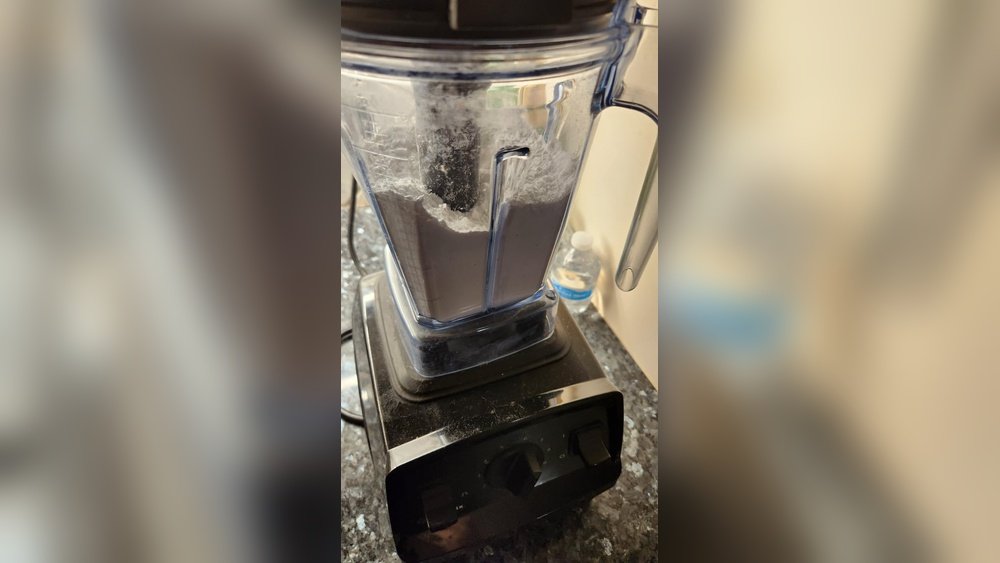
Turn the Ninja blender to its highest speed. Blend for 30–60 seconds. Watch for the sugar to turn from gritty to powdery.
5. Check Consistency
Stop and open the blender. Feel the sugar between your fingers. If it’s fine and powdery, you’re done. If it feels gritty, blend for another 30 seconds.
6. Sift The Powdered Sugar
Pour the sugar through a fine mesh sieve into a bowl. This removes any lumps or unblended bits.
7. Store Properly
Transfer the finished sugar to an airtight container. Keep it in a cool, dry place.
Example Batch
Suppose you want to make powdered sugar for a cake. Measure 2 cups granulated sugar, add 2 tablespoons cornstarch, and blend for 1 minute. Sift, then store. You’ll have enough for most baking needs.
Tips For Perfect Powdered Sugar
Making powdered sugar is simple, but there are ways to improve results:
- Don’t overload the blender: Blend in batches if you need more than 2 cups.
- Use pulse function: If your Ninja has pulse, use it to break up sugar before blending at full speed.
- Check for heat: Blending too long can heat the sugar and cause clumping.
- Sift every time: Even after blending, sifting removes lumps for a smooth finish.
- Store with care: Moisture ruins powdered sugar. Always use a dry, airtight container.
Non-obvious Insight: Blade Quality Matters
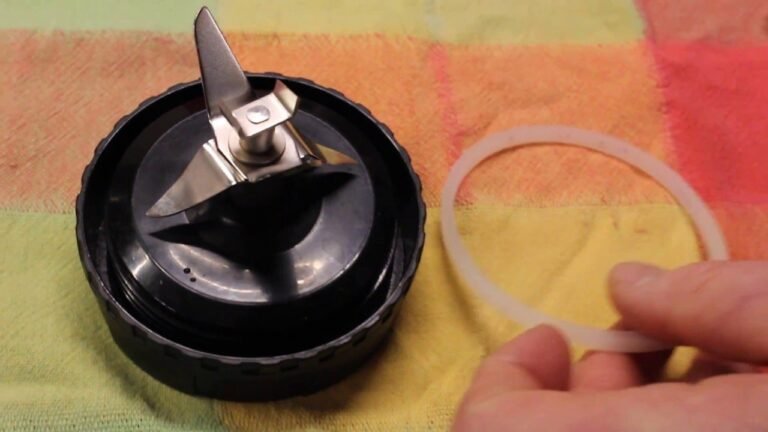
Many people don’t realize that blade sharpness affects the result. Dull blades won’t grind sugar as finely. If your Ninja is old, consider replacing blades for best results.
Non-obvious Insight: Cornstarch Quality Impacts Shelf Life
Low-quality cornstarch can cause clumping. Use fresh, high-quality cornstarch for longer-lasting, smoother powdered sugar.
Credit: cookieandkate.com
Common Mistakes And How To Avoid Them
Homemade powdered sugar is easy, but beginners often make mistakes:
- Using damp sugar: Moisture causes clumping and uneven grinding. Always use dry ingredients.
- Overfilling the blender: Too much sugar leads to uneven grinding and can strain the motor.
- Skipping sifting: Even after blending, some lumps remain. Sifting is essential for smooth sugar.
- Not adding cornstarch: If you plan to store the sugar, cornstarch prevents clumping. Leaving it out can ruin your batch.
- Blending too long: Extended blending heats the sugar and may cause melting or clumping.
Avoid these mistakes for reliable results every time.
How Powdered Sugar Differs From Other Sugars
Powdered sugar is unique. Here’s a quick comparison with other sugars:
| Sugar Type | Texture | Best Uses | Solubility |
|---|---|---|---|
| Granulated Sugar | Coarse | Baking, sweetening drinks | Slow |
| Powdered Sugar | Fine, powdery | Icing, dusting, frosting | Fast |
| Brown Sugar | Moist, coarse | Cookies, sauces | Medium |
| Caster Sugar | Fine | Meringues, cakes | Medium-fast |
This shows why powdered sugar is essential for recipes needing quick dissolving.
Storage And Shelf Life
Homemade powdered sugar is easy to store. Here’s how:
- Airtight container: Keeps moisture out and sugar dry.
- Cool, dry place: Pantries work well, away from heat and humidity.
- With cornstarch: Cornstarch prevents clumping for up to 6 months.
If you skip cornstarch, use the sugar within a few days. Moisture can cause it to harden.
How Long Does It Last?
- With cornstarch: Up to 6 months
- Without cornstarch: 1–2 weeks
Check for clumping or off smells before using. If you see lumps, sift again.
Uses For Homemade Powdered Sugar
Once you’ve made powdered sugar in your Ninja blender, you can use it in many ways:
- Icing and frosting: Essential for smooth, creamy finishes.
- Dusting: Sprinkle on cakes, cookies, or pancakes.
- Sweetening whipped cream: Dissolves quickly, making whipped cream fluffy.
- Homemade sprinkles: Mix with food coloring for colorful dust.
- Decorative finishes: Adds a professional touch to desserts.
Example: Simple Glaze Recipe
Mix 1 cup powdered sugar with 2–3 tablespoons milk and a splash of vanilla. Stir until smooth. Drizzle over cakes or donuts.
Nutrition And Health
Powdered sugar has the same calories as granulated sugar. One cup contains about 773 calories and 200 grams of carbohydrates. Cornstarch adds only a small amount.
Homemade powdered sugar lets you avoid additives and preservatives found in some store brands. If you want to reduce sugar, use less in recipes or try natural sweeteners.
Cleaning Your Ninja Blender After Use
After making powdered sugar, your blender needs cleaning:
- Empty all sugar: Use a dry cloth to wipe out residue.
- Wash with warm water: Add a drop of dish soap.
- Blend water and soap: This loosens stuck sugar.
- Rinse thoroughly: Remove all soap and sugar.
- Dry completely: Prevents rust and keeps blades sharp.
Cleaning right away makes the next batch easier and keeps your blender working well.

Credit: northernyum.com
Troubleshooting: What To Do If Sugar Isn’t Powdery
Sometimes, your sugar doesn’t turn out as powdery as you want. Here’s how to fix it:
- Blend again: Another 30 seconds can make a difference.
- Check blade sharpness: Dull blades won’t grind well.
- Don’t blend too much at once: Try smaller batches.
- Sift and re-blend: Sift out coarse bits, then blend again.
If you still struggle, try a different Ninja jar or blade attachment. Some models work better for powdering.
Is Making Powdered Sugar In A Ninja Blender Safe?
Yes, it’s safe if you follow a few simple rules:
- Don’t overload: Too much sugar strains the motor.
- Secure the lid: Sugar dust can escape if not sealed.
- Watch for heat: Overheating can damage the blender.
The Ninja blender is designed for tough jobs. As long as you use it correctly, it’s safe and reliable.
Comparing Homemade Vs Store-bought Powdered Sugar
Is homemade powdered sugar as good as store-bought? Here’s a comparison:
| Factor | Homemade | Store-Bought |
|---|---|---|
| Cost | Lower | Higher |
| Freshness | High | Medium |
| Ingredients | Controlled | May contain additives |
| Availability | Anytime | When in stock |
| Texture | Very fine (if blended well) | Consistently fine |
For most baking needs, homemade powdered sugar is just as good as store-bought—and sometimes better.
Practical Example: Making Powdered Sugar For Frosting
Suppose you want to make frosting for a birthday cake. You need 3 cups powdered sugar. If you’re out, follow these steps:
- Measure 3 cups granulated sugar and 3 tablespoons cornstarch.
- Pour into Ninja blender. Blend for 1 minute.
- Sift through a mesh sieve.
- Use immediately, or store for later.
Your frosting will turn out smooth and creamy.
Adapting For Different Sugar Types
You can make powdered sugar from other sugars, but the results vary:
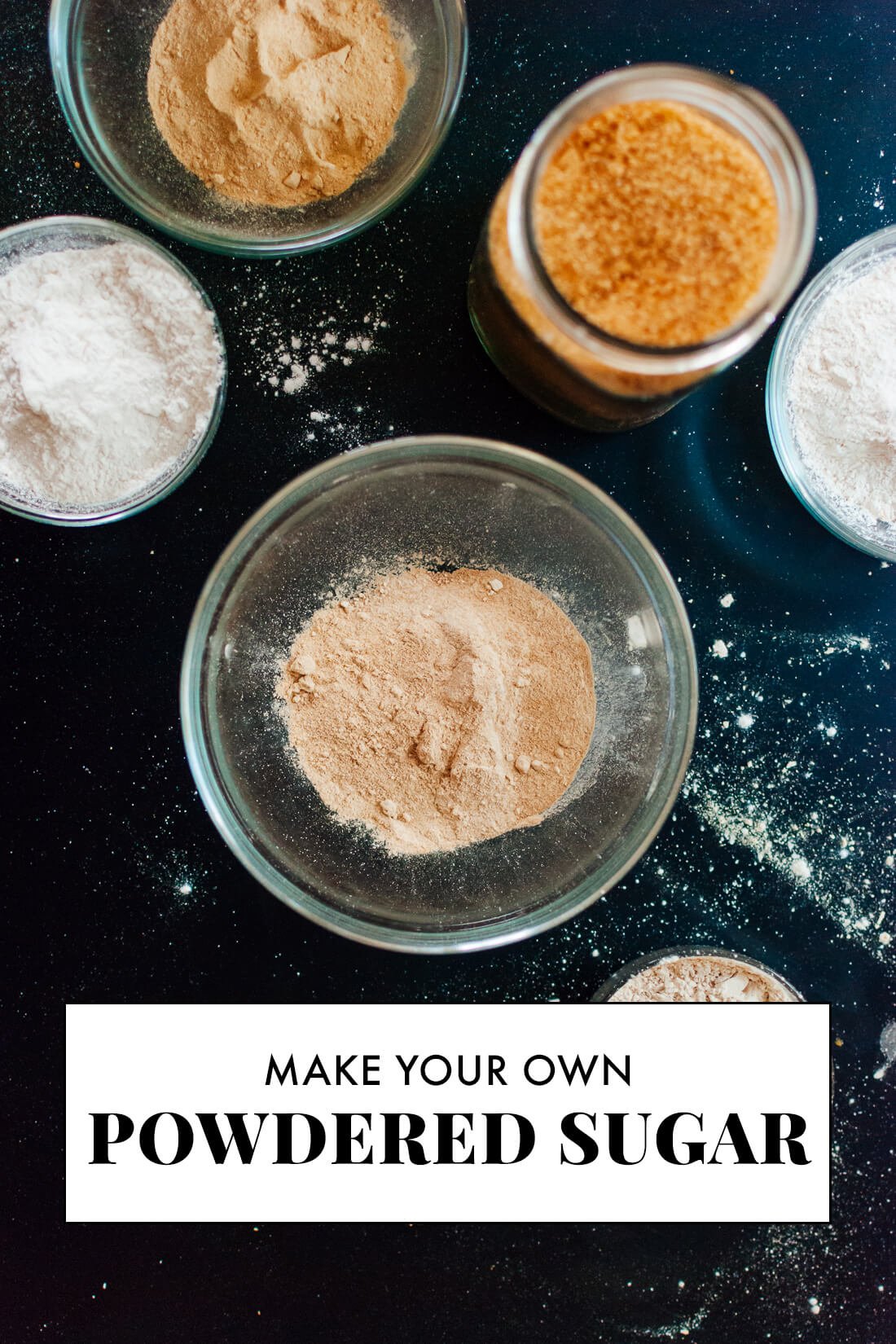
- Brown sugar: Powdered brown sugar is softer and clumps more. It works for some frostings but is not as fine.
- Coconut sugar: Makes a tan, slightly caramel-flavored powder.
- Organic cane sugar: Works well, but may be slightly coarser.
Always check the result and sift well.
Environmental And Economic Benefits
Making powdered sugar at home reduces packaging waste. Store-bought sugar comes in plastic or paper bags. By making your own, you use less packaging and save money.
Granulated sugar is cheaper by weight. Making powdered sugar at home can save up to 40% compared to buying ready-made.

Credit: www.youtube.com
Advanced Tips For Experienced Bakers
If you bake often, these tips can help:
- Pre-blend cornstarch: Mix cornstarch with sugar before blending. This gives a more even powder.
- Use cold sugar: Cold sugar blends smoother and avoids melting.
- Blend in short bursts: Prevents overheating and keeps powder dry.
- Upgrade your Ninja blades: Some Ninja models offer sharper blades for dry grinding.
Real-world Example: Restaurant Use
Some bakeries and restaurants make powdered sugar in-house. They use large blenders like the Ninja for cost savings and freshness. Homemade powdered sugar is used for dusting desserts and making fresh icings daily.
If you bake in large quantities, making your own powdered sugar is practical and economical.
When Not To Make Powdered Sugar At Home
There are times when homemade powdered sugar isn’t ideal:
- If you need super fine texture for delicate icing: Store-bought may be slightly finer.
- If your blender is weak or blades are dull: Results may be gritty.
- For commercial baking: Uniformity is essential; industrial machines do a better job.
For home use, though, Ninja-blended powdered sugar works for most recipes.
Resources For More Information
Want to learn more about sugar types and baking? The Wikipedia page on sugar offers in-depth information: Wikipedia.
Frequently Asked Questions
What Kind Of Sugar Works Best In A Ninja Blender?
White granulated sugar is ideal. It blends smoothly and creates the finest powder. You can use organic cane sugar, but it may be slightly coarser. Avoid raw or extra-large crystals; they may not blend as well.
Is It Necessary To Add Cornstarch?
Cornstarch is optional but recommended if you plan to store the powdered sugar. It keeps the sugar dry and prevents clumping. For immediate use (like icing), you can skip cornstarch.
How Long Should I Blend The Sugar?
Blend for 30–60 seconds. Check the texture after 30 seconds. If it’s not fine enough, blend for another 30 seconds. Avoid blending too long, as heat can cause clumping.
Can I Make Powdered Sugar Without A Ninja Blender?
Yes, you can use other tools like a coffee grinder or food processor, but results may vary. The Ninja blender is best for large batches and consistent texture.
What Should I Do If My Powdered Sugar Clumps During Storage?
If clumps form, sift the sugar before using. Store in a dry, airtight container with cornstarch to minimize clumping. If clumping is severe, re-blend the sugar for a few seconds.
Making powdered sugar in a Ninja blender is fast, easy, and cost-effective. With a few simple steps, you can have fresh, smooth powdered sugar ready for any recipe. Whether you bake often or just need a quick fix, homemade powdered sugar gives you control over ingredients, saves money, and ensures you never run out.
Try it next time you need icing or want to add a finishing touch to your desserts. It’s a practical skill every home baker should master.