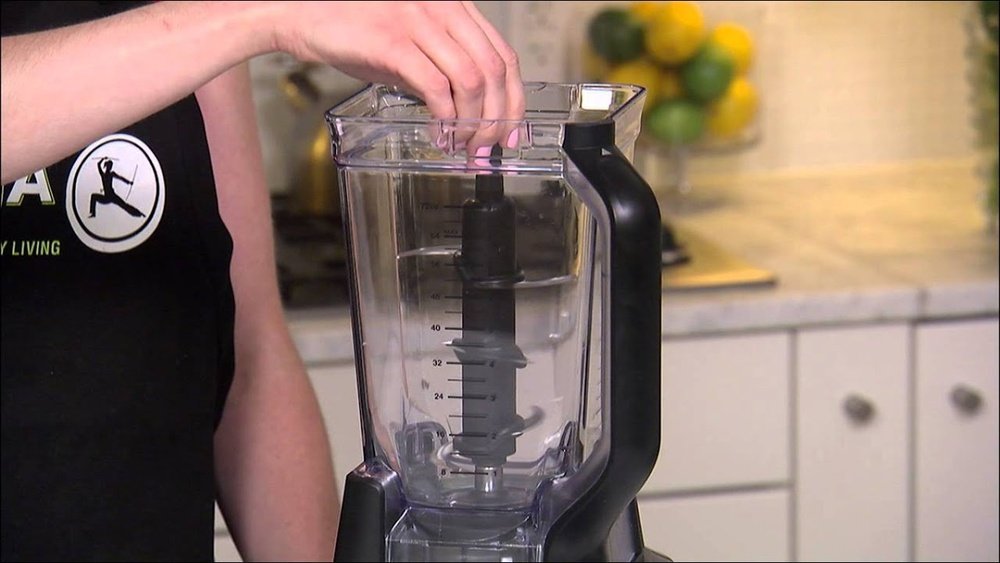
How Do You Put A Ninja Blender Together: Easy Step-by-Step Guide
As kitchen technology grows, more people choose Ninja blenders for their homes. These blenders are popular because they are powerful, versatile, and can make everything from smoothies to soups. But if you’re new to using a Ninja blender, putting all the parts together can feel tricky. Maybe you just bought your first Ninja blender, or perhaps you took it apart to clean and now want to reassemble it. Either way, understanding how to put your Ninja blender together is important for both safety and performance. Let’s walk through every step so you can use your blender with confidence.
Understanding Your Ninja Blender Parts
Before you start assembly, it’s useful to know the main parts of your Ninja blender. Most models share similar components, though there may be some differences. Here are the standard parts you’ll find:
- Base unit: The heavy bottom part that contains the motor.
- Pitcher or jar: The large container where food and liquids go.
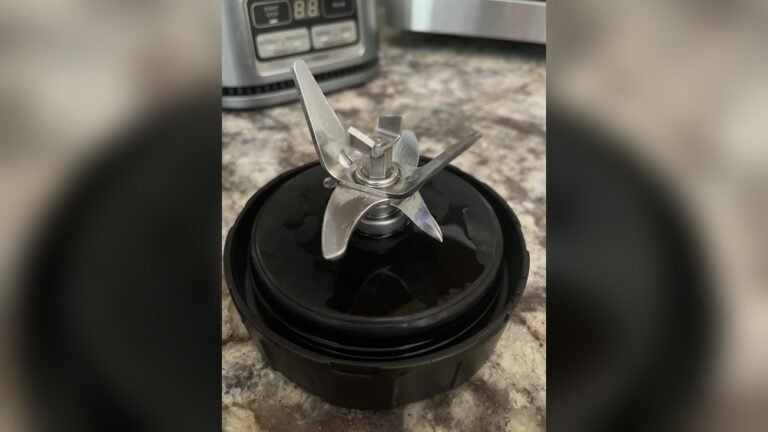
- Blades: Sharp metal pieces that do the blending.
- Lid: The cover for the pitcher, usually with a locking mechanism.
- Lid cap or spout: A small removable part for adding ingredients during blending.
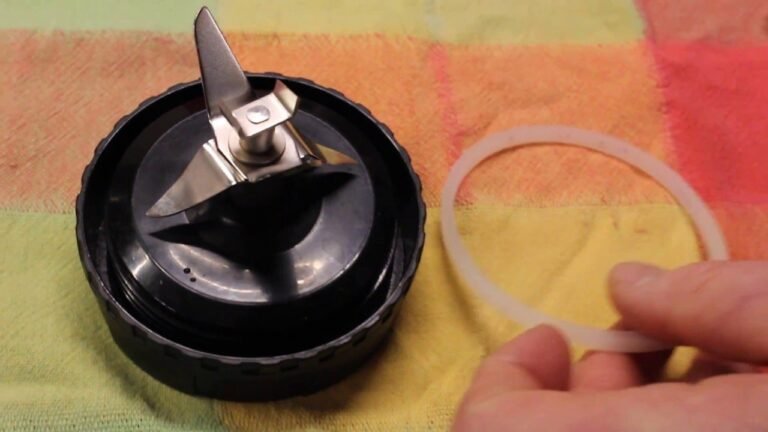
- Gasket/seal ring: A rubber ring to prevent leaks (found in some models).
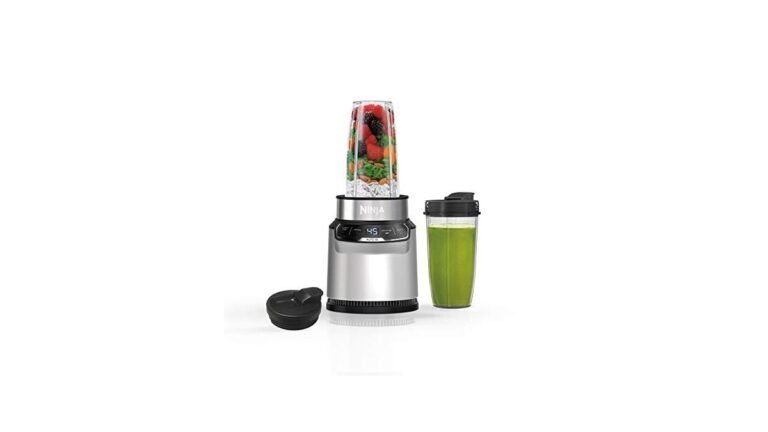
- Single-serve cups: Smaller containers for personal blending (included with some models).
Each piece has a specific place and purpose. If you’re unsure about your model, check the user manual for diagrams or part names. But don’t worry—assembly is straightforward once you know what goes where.
Preparing For Assembly
It’s tempting to jump right in, but taking a few minutes to prepare helps avoid problems later. Here’s what you should do first:
- Unpack all parts and remove any packaging materials.
- Wash the pitcher, blades, lid, and any single-serve cups with warm, soapy water. Rinse well and dry.
- Inspect each piece for any damage or missing parts.
- Place everything on a clean, dry surface with enough space to work.
Some beginners forget to wash new parts, which can leave your first smoothie tasting like plastic or cardboard. Also, double-check that all pieces are included—sometimes small items like gasket rings get left in the box.
Step-by-step: Assembling A Standard Ninja Blender
Let’s break down the assembly of a typical Ninja countertop blender. If you have a Ninja Foodi, Nutri Ninja, or Ninja Professional, these instructions will apply to most models.
1. Position The Base Unit
Find a stable, flat surface for the base unit. The base should be near an outlet, but don’t plug it in yet. Make sure the base is clean and dry.
2. Insert The Blades
This is a key step. The blades in Ninja blenders are often sharp and can be separate from the pitcher. Hold the blade assembly by the plastic center—not the metal parts. Place it carefully into the pitcher. The blades should sit flat at the bottom, centered on the spindle.
Non-obvious tip: The blade is not fixed until you lock the pitcher onto the base, so handle with care to avoid cuts.
3. Attach The Pitcher To The Base
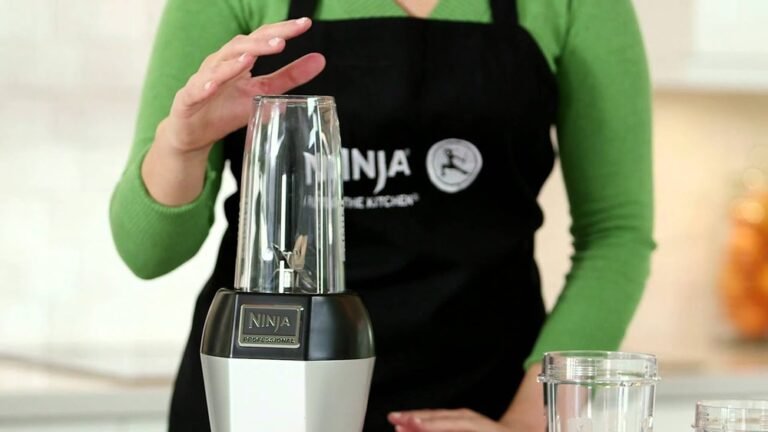
Set the pitcher with the blade inside onto the base unit. Align the handle with the front of the base—usually, there’s a notch or arrow to help line things up. Twist the pitcher clockwise (or as directed for your model) until it clicks into place. The blender won’t work unless the pitcher is locked properly.
4. Secure The Lid
Place the lid onto the pitcher. Most Ninja blender lids have a locking handle. Press the lid down firmly and then snap the handle down. You should hear a click. If the lid isn’t locked, the blender won’t start.
Non-obvious insight: Some Ninja blenders have safety sensors that prevent operation if the lid isn’t secured. If the blender doesn’t turn on, double-check the lid position.
5. Add Ingredients
Now you can add your fruits, vegetables, ice, or other ingredients. Don’t fill past the max fill line marked on the pitcher. Overfilling can lead to leaks or poor blending.
6. Insert The Lid Cap Or Spout
If your lid has a removable cap or spout, make sure it’s in place before blending. This prevents splashing. You can remove it to add ingredients while the blender is running, but always pause the blender first.
7. Plug In And Power On
Plug the blender into the outlet. You’re now ready to blend. Choose your desired setting and start blending.
Here’s a summary of assembly for quick reference:
- Place base on flat surface
- Insert blade assembly into pitcher
- Align and lock pitcher to base
- Add ingredients (do not overfill)
- Secure lid and snap handle
- Insert lid cap or spout
- Plug in and blend
Assembling Ninja Blender Single-serve Cups
Many Ninja blenders come with single-serve cups for making personal drinks. These are assembled a bit differently.
- Fill the single-serve cup with your ingredients. Do not fill past the max line.
- Place the blade assembly (it often looks like a flat cap with blades) onto the cup.
- Screw the blade assembly tightly onto the cup.
- Flip the cup upside down and align with the base. There may be guides or arrows.
- Press down or twist to lock the cup onto the base (depending on model).
- Blend using the single-serve setting.
When finished, remove the cup, unscrew the blade assembly, and attach a drinking lid if you have one.
Practical tip: Never remove the cup from the base until the blades have stopped moving completely.

Credit: minimalisthome.ca
Model Differences: What Changes Between Ninja Blender Types
Ninja makes a range of blenders, and assembly can vary. Here’s a quick look at some common models and how their parts compare:
| Model | Pitcher Size | Blade Type | Assembly Features |
|---|---|---|---|
| Ninja Professional | 72 oz | Stacked 6-blade | Standard pitcher and lid assembly |
| Ninja Foodi | 64 oz | Removable multi-blade | Pressure lid and blending lid |
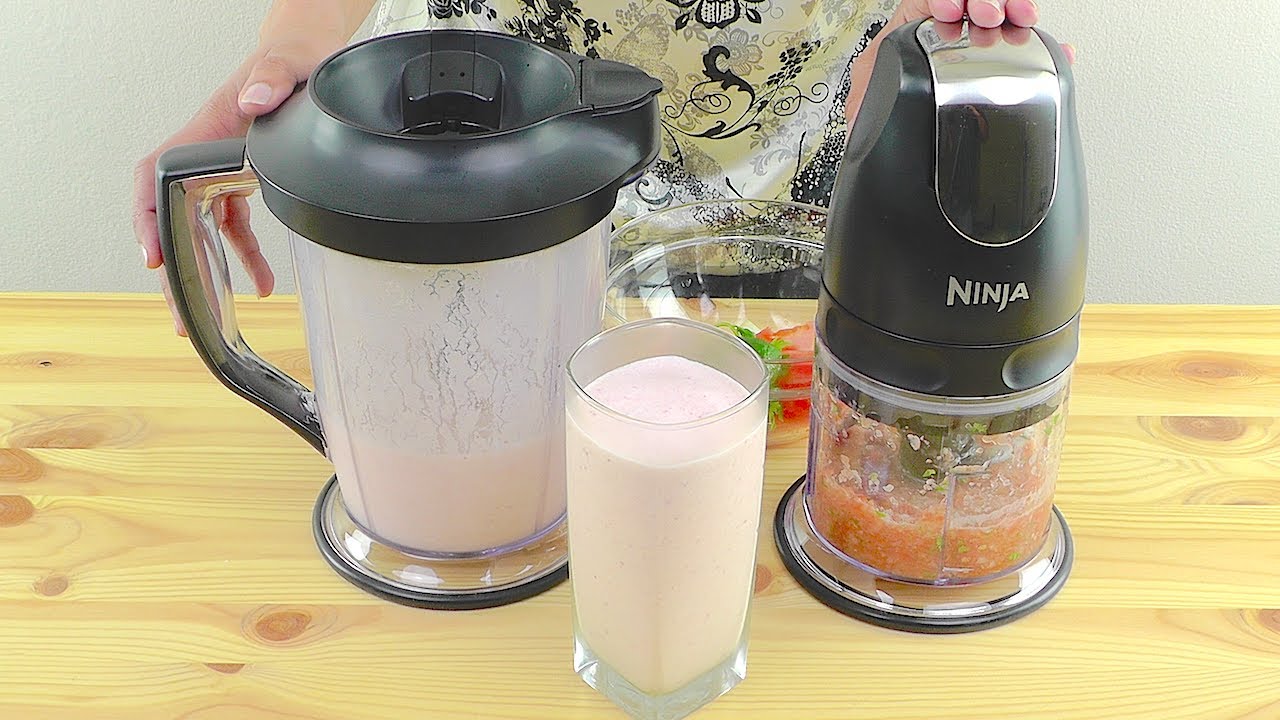
| Nutri Ninja | 16-24 oz cups | Single-serve blade cap | Cup assembly and twist-to-blend |
| Ninja Chef | 72 oz | Fixed blade | Pitcher locks, lid with center cap |
If your blender has unique features, check the manual for specific assembly steps. Some models have extra safety locks or different blade systems.
Common Mistakes To Avoid
Many first-time users make simple errors that can cause leaks, poor blending, or even damage. Here’s how to steer clear of the most common mistakes:
- Forgetting the gasket/seal ring: Some models have a rubber seal around the blade assembly. If you forget to add it, your blender may leak.
- Overfilling the pitcher: Too many ingredients can block the blades or create pressure that pops the lid off.
- Not locking the pitcher/lid: The blender won’t start if any part isn’t secured. Always listen for the click.
- Touching the blades: Blades are extremely sharp. Always hold by the plastic center.
- Improper stacking of blades: For multi-blade models, make sure blades are stacked in the right order.
- Using wet hands: Dry your hands before assembly to avoid slipping, especially when handling blades.
Expert tip: If your blender smells like burning or makes unusual noises, stop blending immediately and check assembly.
Cleaning And Maintenance After Assembly
A clean blender works better and lasts longer. Here’s how to keep your Ninja blender in top shape:
- Disassemble all parts after use.
- Wash the pitcher, blades, and lid in warm, soapy water. Most parts are dishwasher safe (top rack only).
- Wipe the base with a damp cloth; never submerge it in water.
- Check the gasket for food buildup and clean it well.
- Dry all parts completely before reassembling or storing.
If your blender gets stained or develops odors, blend a mixture of baking soda and water for a quick clean.
Troubleshooting Assembly Problems
Even with careful assembly, you might face problems. Here’s a troubleshooting guide:
| Problem | Possible Cause | Solution |
|---|---|---|
| Blender won’t start | Lid/pitcher not locked, base not plugged in, safety sensor not engaged | Check locks, plug, and try reassembling parts |
| Leaking during blending | Missing gasket, overfilled pitcher, loose assembly | Add gasket, reduce ingredients, tighten parts |
| Blades not moving | Pitcher not properly seated, too much food, jammed blades | Reseat pitcher, reduce load, clean blades |
| Burning smell or noise | Improper assembly, motor overload, foreign objects | Stop, unplug, check assembly, remove obstructions |
Credit: www.youtube.com
Safety Tips When Assembling And Using A Ninja Blender
Blenders are powerful machines. Using them safely is important. Here are some key safety rules:
- Always unplug the blender before assembling or disassembling.
- Keep fingers and utensils away from blades.
- Never blend hot liquids unless your model is rated for them—steam can build pressure and pop the lid.
- Do not operate without the lid securely in place.
- Always let blades stop completely before removing the pitcher or cup.
Hidden hazard: Some people try to scrape food from inside the pitcher while the blade is in place. Always remove the blade first to avoid cuts.
Advanced Tips For Smooth Assembly Every Time
As you get used to your Ninja blender, you’ll find ways to make assembly even faster and safer. Here are a few advanced tips:
- Organize your workspace: Keep all parts in one spot, so you don’t lose small pieces like gaskets or caps.
- Pre-load ingredients: Put your ingredients in the pitcher before inserting the blade to avoid splashing.
- Stack parts in order after washing: Dry and stack by assembly order—blade at the bottom, pitcher, lid, cap—so it’s ready for next use.
- Use a dedicated drying rack: Blades can rust if left wet, so dry them separately.
If you blend often, these habits can save you time and protect your blender.
Why Proper Assembly Matters
You might wonder why careful assembly is so important. There are several reasons:
- Performance: Properly aligned parts blend food more smoothly and evenly.
- Safety: Unlocked pitchers or lids can cause spills, cuts, or even damage the motor.
- Longevity: Correct assembly prevents leaks that can reach the motor or electronics, extending the life of your blender.
- Warranty compliance: Improper use can void your Ninja blender’s warranty.
Following these steps is not just about convenience—it keeps you safe and protects your investment.
Ninja Blender Accessories: What You Need To Know
Ninja offers many accessories for their blenders, like extra pitchers, dough blades, and food processor attachments. Assembly for these is usually similar, but check the instructions for your specific accessory. Some have extra locking tabs or different blade shapes.
If you buy third-party accessories, make sure they are compatible with your model. Using the wrong part can lead to leaks or damage.

Credit: www.ifixit.com
How To Tell If Your Ninja Blender Is Assembled Correctly
After assembly, do a quick check before blending:
- The pitcher or cup is locked and cannot be lifted off the base without twisting.
- The lid is flush with the pitcher and the handle is snapped down.
- The blades do not wobble or move out of place.
- The blender powers on and settings respond as expected.
- There are no leaks when you add water and let it sit for a few seconds.
If any of these fail, stop and recheck your assembly.
When To Replace Parts
Blender parts wear out over time. Here are signs you may need a replacement:
- Blades are dull or rusted
- Gasket is cracked or missing
- Pitcher is cracked or cloudy
- Lid no longer locks tightly
Order new parts from the official Ninja website or a trusted retailer. Never use a blender with damaged parts.
Environmental Impact: Caring For Your Ninja Blender
A well-assembled and well-cared-for blender lasts longer and reduces waste. Replacing only worn-out parts instead of the whole machine is better for the environment. Recycle old parts if possible, and avoid overloading or mistreating the blender to extend its life.
For more details on Ninja blender care and troubleshooting, the Ninja Kitchen Official Support page is a great resource.
Frequently Asked Questions
How Do I Know If My Ninja Blender Is Locked Correctly?
You’ll usually hear or feel a click when the pitcher and lid are locked. The blender will not power on if either is not secured. If you can lift the pitcher or open the lid easily, it’s not locked.
Why Does My Ninja Blender Leak After Assembly?
The most common causes are a missing gasket, overfilling, or not tightening the blade assembly enough. Check that all parts are present and properly seated. Make sure ingredients don’t go past the max fill line.
Can I Assemble My Ninja Blender Parts While Wet?
It’s best to dry all parts before assembly, especially the blades and base. Wet parts can slip, leading to improper assembly or even injury. Moisture inside the base can damage the motor.
Is It Safe To Run The Blender Without The Lid?
Never operate the blender without the lid securely in place. Blending without a lid can cause contents to fly out, leading to spills, burns, or injuries.
What Should I Do If My Blender Won’t Turn On After Assembly?
Double-check that the pitcher and lid are locked, the base is plugged in, and there’s power to the outlet. If it still won’t start, unplug and reassemble all parts, making sure nothing is loose or missing.
Putting a Ninja blender together doesn’t have to be difficult. With a little care and attention to detail, you’ll be blending safely and efficiently in no time. Remember to handle blades with caution, lock all parts securely, and enjoy the versatility that a well-assembled Ninja blender offers. With these tips, you can make the most of your blender for years to come.