How Does A Ninja Blender Work: Complete Guide for Beginners
Ninja blenders have become a popular choice for homes and small businesses. You might have seen them advertised as powerful kitchen gadgets that can blend, chop, puree, and even make dough. But have you ever wondered how a Ninja blender actually works?
Understanding the mechanism behind this appliance can help you use it more effectively and safely. This article will walk you through the science, design, and operation of Ninja blenders. You will also discover practical tips, common mistakes, and what sets Ninja blenders apart from other brands.
What Makes A Ninja Blender Different?
Many blenders look similar from the outside, but Ninja blenders have unique features. The most noticeable is the stacked blade assembly. Unlike regular blenders, which have blades only at the base, Ninja blenders use several blades placed at different heights along a central shaft. This design helps them process food more evenly and quickly.
Ninja blenders also stand out for their powerful motors. Most home blenders have motors ranging from 300 to 700 watts. Ninja models often start at 900 watts and go up to 1500 watts or more. The high power allows these blenders to crush ice, blend frozen fruit, and handle tough ingredients like nuts and fibrous vegetables.
Another key difference is the jar design. Ninja jars are usually wide and have a square or slightly angled shape. This shape helps food move toward the blades more efficiently, reducing the need to stop and stir.
Core Parts Of A Ninja Blender
To understand how a Ninja blender works, it’s helpful to know the main parts and what each does.
Motor Base
The motor base is the heaviest part of the blender. It contains the electric motor, which spins the blades. The motor’s speed and power depend on the model you have. Some Ninja blenders offer manual speed controls, while others use preset programs for tasks like smoothies or dough.
Blade Assembly
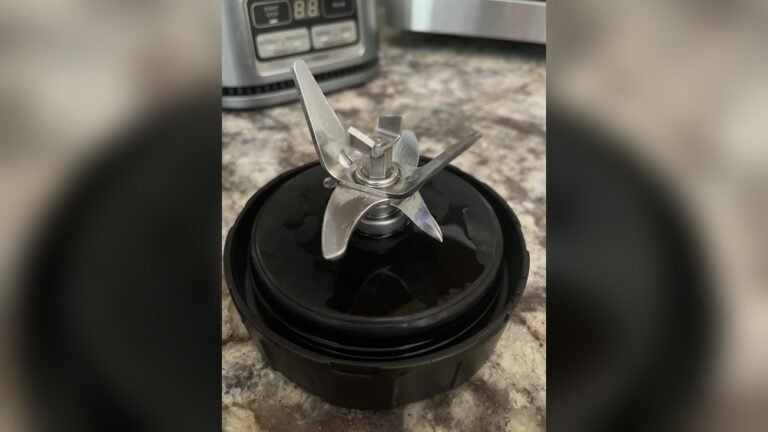
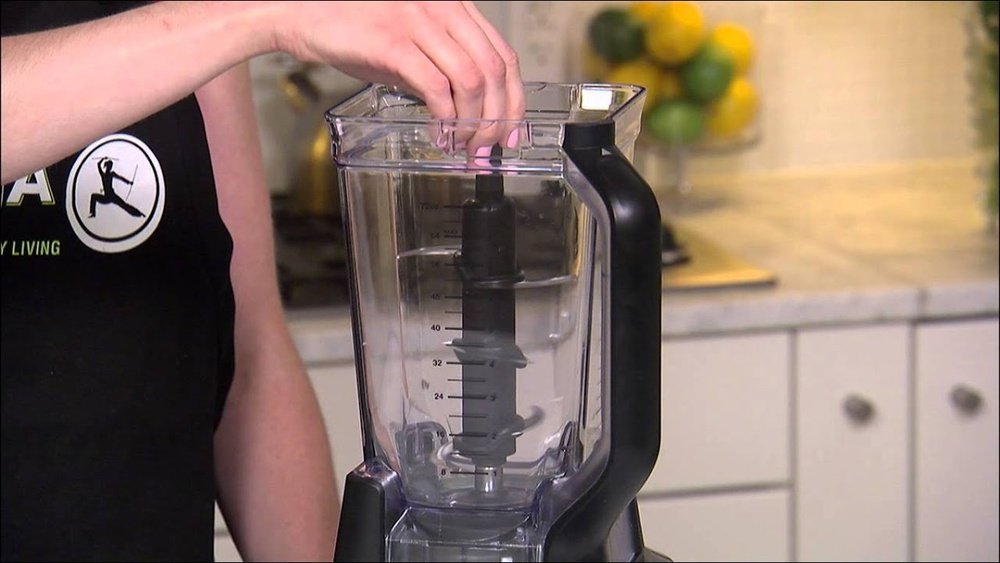
The blade assembly is what does the actual cutting and blending. In most Ninja blenders, the blades are stacked vertically on a central shaft. This means there are blades at the bottom, middle, and top of the jar, allowing them to blend ingredients more evenly.
Some Ninja models use a removable blade tower, making cleaning easier and safer.
Pitcher Or Jar
The pitcher is where you put your ingredients. Ninja pitchers are made from BPA-free plastic or, in some models, glass. Their wide shape and built-in handles make pouring and cleaning easier.
Most Ninja blenders use locking lids with a pour spout or opening for adding ingredients while blending.
Control Panel
The control panel lets you choose the blending speed or program. Basic models may have just a few buttons (low, medium, high, pulse). More advanced models use touchscreens, digital timers, or specialty buttons for things like “Ice Crush” or “Dough.”
Safety Features
Ninja blenders come with several safety mechanisms. For example, most won’t turn on unless the pitcher and lid are locked into place. Some have non-slip bases and overload protection to prevent motor damage.
How Does The Ninja Blender Mechanism Work?
When you press the start button, the motor sends power through a drive coupling to the blade assembly. The central shaft and its stacked blades begin to spin. Here’s what happens inside:
- High-speed rotation: The motor spins the blades at speeds up to 25,000 RPM, depending on the model and setting.
- Ingredient circulation: The shape of the pitcher and the vertical blade placement force food down toward the blades and upward along the sides, creating a vortex.
- Cutting and crushing: The sharp, angled blades slice through soft and hard ingredients. The lower blades handle what’s at the bottom, while the upper blades chop items higher in the jar.
- Blending and mixing: As food moves around, it gets cut, crushed, and mixed again and again until the desired texture is reached.
The Science Behind Blending
The key to efficient blending is creating turbulence. Turbulence means the ingredients keep moving, so no piece gets stuck or left unblended. The combination of the Ninja’s blade height, jar shape, and motor speed achieves this effect.
For example, when making a smoothie, frozen fruit and ice are quickly pulled toward the blades. The high speed and multiple blade levels break them down into tiny pieces. This is why Ninja blenders can make smoother drinks than many competitors.
Table: Ninja Blade Levels Vs. Standard Blender Blades
Here’s a quick comparison to show why Ninja’s stacked blades make a difference.
| Feature | Ninja Blender | Standard Blender |
|---|---|---|
| Blade Arrangement | Stacked (multiple levels) | Flat (single level at base) |
| Ingredient Circulation | More even, less stirring needed | Requires stopping & stirring |
| Ice Crushing | Very efficient | Often leaves chunks |
| Cleaning | Removable tower (easy) | Blades fixed in base |
Main Functions And Uses
Ninja blenders are known for more than just making smoothies. Here are their main functions:
Blending
The most common use is blending fruits, vegetables, ice, and liquids to make smoothies, shakes, or soups. The powerful motor and stacked blades make the process fast and thorough.
Chopping
Some Ninja models come with a “chop” button or a special pulse function. This chops ingredients like onions, carrots, or nuts without turning them into a puree.
Pureeing
For baby food, sauces, or spreads, the Ninja can puree ingredients until smooth. This is possible because the blades reach all levels of the jar.
Ice Crushing
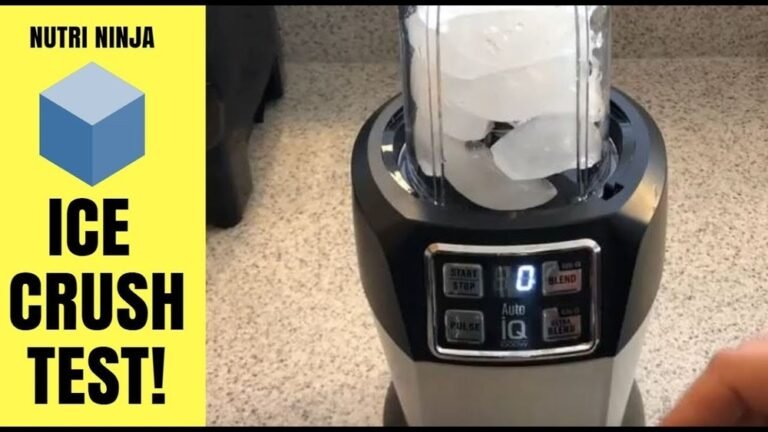
One of Ninja’s selling points is the ability to crush ice. Whether you want to make snow cones, frozen drinks, or chill your smoothie, the motor and blade design make this process easy and fast.
Dough Mixing
Some Ninja blenders have a dough blade or setting. This allows you to mix dough for pizza, bread, or cookies. The motor is strong enough to handle thick mixtures, though you should not overload the jar.
Food Processing
Higher-end models, like the Ninja Kitchen System, come with extra attachments for slicing, shredding, or spiralizing. This adds even more versatility.
Practical Steps: How To Use A Ninja Blender
If you’re new to Ninja blenders, here is a practical step-by-step guide:
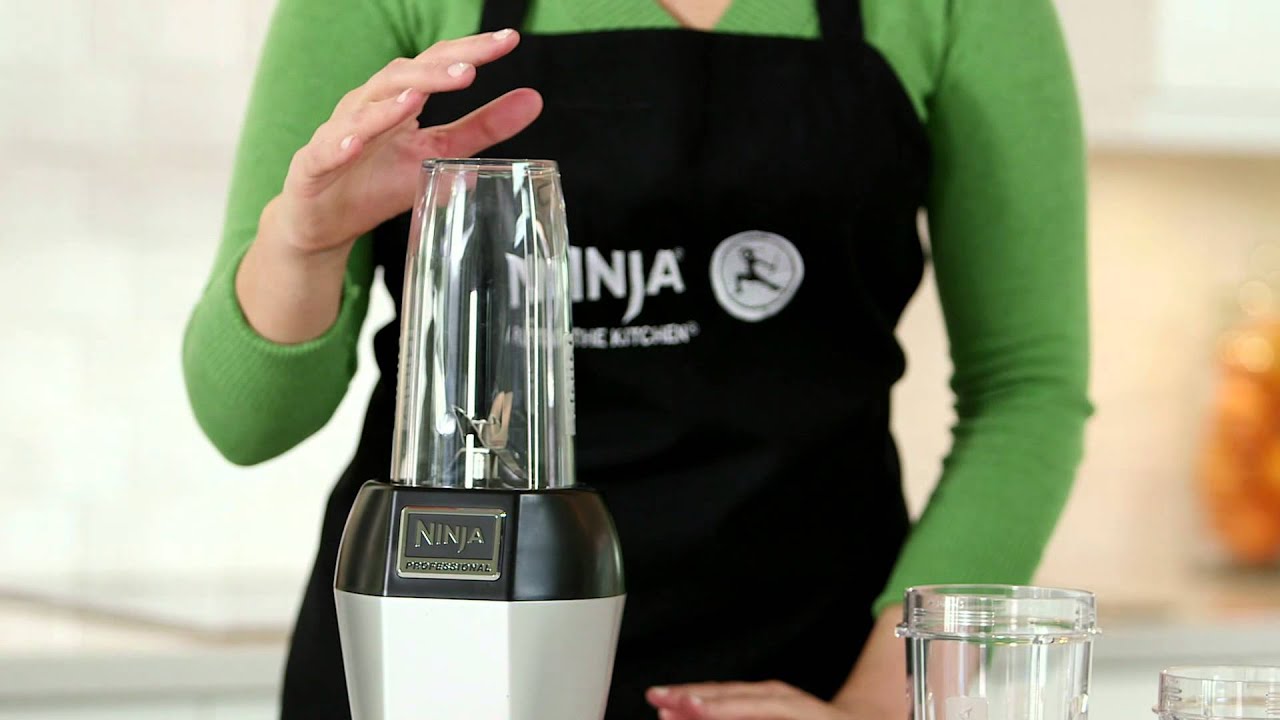
- Assemble the blender: Place the pitcher on the motor base, insert the blade assembly, and lock the lid.
- Add ingredients: Always add liquids first, then soft ingredients, then hard or frozen items on top. This helps the blades move freely.
- Choose your setting: Use the control panel to select the right speed or program. For smoothies, use the “Smoothie” or “Blend” button. For chopping, use “Pulse.”
- Start blending: Hold the lid securely and press start. If needed, stop and stir or scrape the sides.
- Check consistency: Stop when you reach the desired texture. For thicker blends, you might need to add more liquid or blend longer.
- Pour and clean: Remove the pitcher, pour out your food or drink, then rinse and wash the parts.
Table: Common Ninja Blender Settings And Their Uses
Here’s a summary of what the common settings do.
| Setting | Best For | Tips |
|---|---|---|
| Low | Salsas, chunky soups | Use for gentle mixing |
| Medium | Milkshakes, soft fruits | Good for most blending |
| High | Ice, frozen fruit | Use for hardest items |
| Pulse | Chopping, control | Use short bursts for texture |
| Preset Programs | Auto-timed cycles | Great for hands-free use |
Advanced Technologies In Ninja Blenders
Ninja blenders are more than just strong motors and sharp blades. They use smart technologies to improve user experience and results.
Auto-iq Technology
Some Ninja models include Auto-iQ. This feature uses pre-programmed blending patterns. When you press a button, the blender automatically changes speed, pulses, and run time to match what you’re making. For example, the “Smoothie” program might start slow to pull ingredients down, then ramp up to high speed.
This technology makes blending easier for beginners and ensures consistent results.
Smart Torque
Newer Ninja blenders use Smart Torque. This system senses when the blender is working hard (like with thick mixtures) and increases power to keep blades moving. This prevents jams and helps blend tough ingredients smoothly.
Noise Reduction
Blenders can be loud. Some Ninja models use sound-dampening technology or special motor designs to reduce noise. While they can’t be silent, they are often quieter than other high-power blenders.
Overload Protection
To protect the motor, Ninja blenders use overload sensors. If the blender gets too hot or overloaded, it will shut off automatically. This helps extend the life of your appliance.

Credit: www.af-gmbh.de
Cleaning And Maintenance
Proper cleaning keeps your Ninja blender working well and your food safe.
Basic Cleaning Steps
- Unplug the blender before cleaning.
- Remove the blade assembly carefully. The blades are sharp!
- Wash the pitcher, lid, and blades in warm, soapy water. Most parts are dishwasher safe (top rack).
- Wipe the motor base with a damp cloth. Never submerge it in water.
Deep Cleaning
For stubborn stains or odors, blend a mix of water, a drop of dish soap, and a little baking soda. Rinse well.
Maintenance Tips
- Check the seals and gaskets for wear.
- Never run the blender empty or with very thick mixtures for too long.
- Store blades safely to avoid accidents.
Common Mistakes And How To Avoid Them
Many people make the same mistakes with their Ninja blender. Here’s how to avoid them:
- Overfilling the pitcher: Leave space for ingredients to move. Too much food can cause jams or leaks.
- Adding hard items first: Always add liquids and soft foods first. This helps blades spin freely.
- Not locking the lid: Ninja blenders won’t start unless the lid is secure. Check for the “click.”
- Ignoring the pulse setting: For chunky salsas or chopped veggies, use pulse for better control.
- Cleaning with blades attached: Always remove blades before cleaning to avoid cuts.
Non-obvious Insights
- If your blender struggles with thick mixtures, pause and shake the pitcher gently. Don’t force it to run at high speed—this can damage the motor.
- For very smooth nut butters or sauces, blend in short bursts and scrape the sides each time. Heat from long runs can affect taste and texture.
Credit: www.youtube.com
Comparing Ninja Blenders To Other Brands
How does a Ninja blender compare to other popular brands like Vitamix or NutriBullet? Here’s a look at some main differences.
Power And Speed
Ninja blenders are powerful, but Vitamix models often have even stronger motors (up to 2,200 watts). However, Ninja’s stacked blades can make up for this by reaching more of the jar’s contents.
Price
Ninja blenders are usually more affordable than Vitamix or Blendtec. You can get a high-powered Ninja for under $200, while some premium blenders cost $400 or more.
Versatility
Ninja blenders often include food processor attachments, dough blades, and single-serve cups in one package. This makes them versatile for different kitchen tasks.
Table: Ninja Vs. Vitamix Vs. Nutribullet
Here’s a quick comparison of three popular brands.
| Feature | Ninja | Vitamix | NutriBullet |
|---|---|---|---|
| Motor Power | 900-1500W | 1200-2200W | 600-1200W |
| Blade Design | Stacked, multi-level | Flat, base-only | Flat, base-only |
| Ice Crushing | Excellent | Excellent | Good |
| Price Range | $80-$200 | $300-$700 | $40-$100 |
| Preset Programs | Yes (Auto-iQ) | Yes (some models) | No/limited |
| Attachments | Many options | Few | Few |
Real-world Performance: Examples And Data
To see the Ninja blender in action, let’s look at some common kitchen tasks and how the blender handles them.
Making A Green Smoothie
A typical green smoothie includes spinach, banana, frozen mango, water, and ice. In a Ninja blender, the stacked blades quickly pull leafy greens into the mix. Even with tough stems, the result is a smooth, drinkable blend in under 60 seconds.
Crushing Ice For Drinks
If you add 2 cups of ice to the pitcher and use the “Ice Crush” setting, you’ll get snow-like ice in about 15-20 seconds. This is faster and finer than most standard blenders.
Chopping Vegetables
For a salsa, using the pulse function chops onions, tomatoes, and peppers evenly. The multi-level blades help mix the ingredients without pureeing them.
Making Nut Butter
Ninja blenders can make smooth peanut or almond butter, but it takes several short bursts and scraping the sides. The motor gets warm, so allow breaks to prevent overheating.
Choosing The Right Ninja Blender For Your Needs
With so many Ninja models, picking the right one can be confusing. Here’s what matters most:
Motor Power
If you blend ice, frozen fruit, or hard veggies often, choose a model with at least 1000 watts.
Jar Size
For families or batch cooking, pick a larger jar (64 oz or more). For single servings, a smaller cup or personal blender is enough.
Attachments
Consider what else you want to do—mix dough, chop vegetables, or make single-serve smoothies. Some models include extra blades, cups, or food processor bowls.
Controls
If you want simplicity, look for basic models with just a few buttons. If you like presets and programs, choose a model with Auto-iQ.
Price
Set your budget and compare features. Ninja offers models from budget-friendly to premium.
Tips For Getting The Best Results
- Don’t overfill: Follow the max fill line on the pitcher.
- Layer ingredients: Liquids first, then soft, then hard or frozen.
- Use pulse for control: For chunky or coarse results, use pulse instead of continuous blending.
- Let the motor rest: For tough jobs, blend in short bursts to prevent overheating.
- Clean after every use: This keeps flavors fresh and parts working well.
Troubleshooting Common Problems
If your Ninja blender isn’t working as expected, here’s how to solve common issues:
Blender Won’t Start
- Check that the pitcher and lid are locked in place.
- Make sure the power cord is plugged in.
- If the motor feels warm, let it cool down before trying again.
Food Isn’t Blending Evenly
- Stop and stir the mixture or shake the pitcher.
- Add more liquid to help ingredients move.
- Use pulse to break up stubborn chunks.
Leaks From The Base
- Check that the blade assembly is seated correctly.
- Don’t overfill the pitcher.
- Inspect the rubber gasket for damage.
Burning Smell
- Turn off and unplug the blender.
- Remove some ingredients if overfilled.
- Let the motor cool before restarting.
Ninja Blender Safety: What You Must Know
Using a Ninja blender is safe if you follow these guidelines:
- Never touch the blades directly. Always handle by the shaft or use a utensil.
- Do not operate with an empty pitcher—this can damage the motor.
- Allow hot mixtures to cool before blending to avoid pressure build-up.
- Keep hands and utensils out of the pitcher while blending.
- Unplug before cleaning or assembling/disassembling.
Environmental Impact And Materials
Ninja blender jars are made from BPA-free plastic, which is safe for food contact and recyclable in many areas. The company has also started to focus on energy-efficient motors and long-lasting parts to reduce waste.
A non-obvious tip: If you plan to upgrade or replace your Ninja blender, check for local appliance recycling programs. Some cities offer special drop-off sites for small electronics.
Accessories And Add-ons
Ninja offers a range of accessories to make your blender more useful:
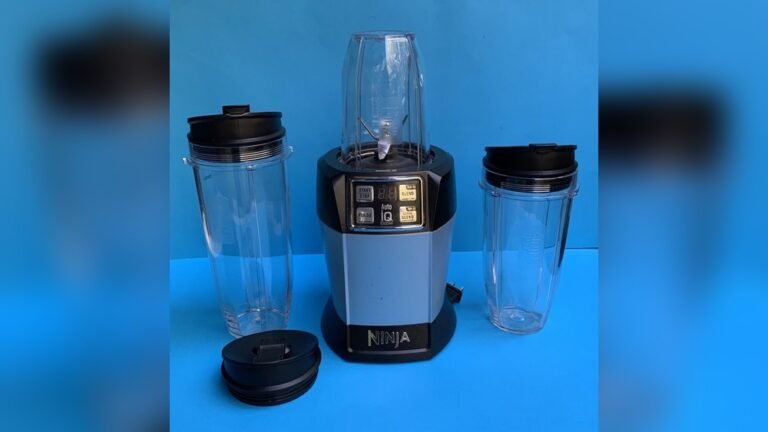
- Single-serve cups for personal smoothies on the go.
- Food processor bowls for chopping, slicing, and shredding.
- Dough blades for baking projects.
- Travel lids for taking drinks with you.
Check your model’s compatibility before buying add-ons.

Credit: www.amazon.com
Caring For Your Ninja Blender: Longevity Tips
A well-maintained Ninja blender can last for years. Here’s how to keep yours in top shape:
- Clean right away after each use to prevent stains and odors.
- Store blades safely and out of reach of children.
- Inspect seals and replace if worn.
- Use the right settings for the job—don’t overload with hard items on low speed.
- Contact customer support if you notice unusual noises, leaks, or poor performance.
Ninja Blender And Health: What You Should Know
Using a Ninja blender can help you eat healthier by making it easy to prepare:
- Smoothies and shakes with fresh fruits and vegetables.
- Soups and sauces with less salt or preservatives than store-bought.
- Nut butters and spreads without added sugar or unhealthy fats.
However, be mindful of portion sizes—smoothies can be high in calories if you use too much fruit or sweeteners.
Where To Learn More
For more information about Ninja blenders, visit the Ninja Kitchen official website. You can find manuals, recipes, and customer support.
Frequently Asked Questions
What Can I Do If My Ninja Blender Is Not Turning On?
Check that the pitcher and lid are locked into place. Ninja blenders use safety interlocks and won’t start unless all parts are secure. Also, ensure the power cord is plugged in and the outlet is working. If the motor is hot, let it cool for 15 minutes before trying again.
How Do I Clean The Blade Assembly Safely?
Remove the blade assembly from the pitcher before washing. Use a brush or sponge to clean, but always handle blades by the shaft, not the edges—they are very sharp. Most blade assemblies are dishwasher safe (top rack). Dry thoroughly before storing.
Can I Blend Hot Liquids In A Ninja Blender?
It’s best to let hot liquids cool before blending. Blending hot foods can create steam pressure, causing the lid to pop off or splatter. For soups, let them reach room temperature first, then blend in batches. Some premium Ninja models may allow for warm blending, but always check your manual.
Why Does My Smoothie Have Chunks Or Is Not Fully Smooth?
Layer ingredients with liquids at the bottom, then soft ingredients, then frozen or hard items on top. If chunks remain, add more liquid and blend again. Use pulse to break up large pieces. Scraping the sides and blending in short bursts can also help.
Is The Ninja Blender Safe For Dishwashing?
Most Ninja blender pitchers, lids, and blade assemblies are top-rack dishwasher safe. The motor base should never be submerged—wipe it with a damp cloth instead. Always check your model’s manual for specific cleaning instructions.
Ninja blenders offer a powerful, versatile way to blend, chop, and mix foods at home. By understanding how they work and following these tips, you can get the best results and enjoy your blender for years to come.