Is Oster a Good Brand? An Honest Look at Its Tools
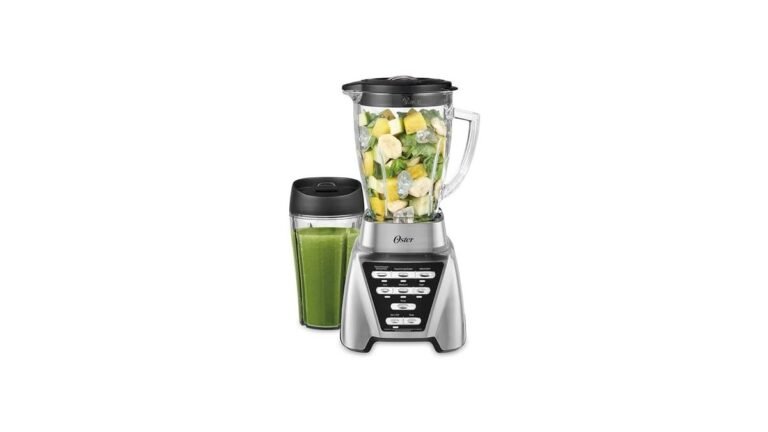
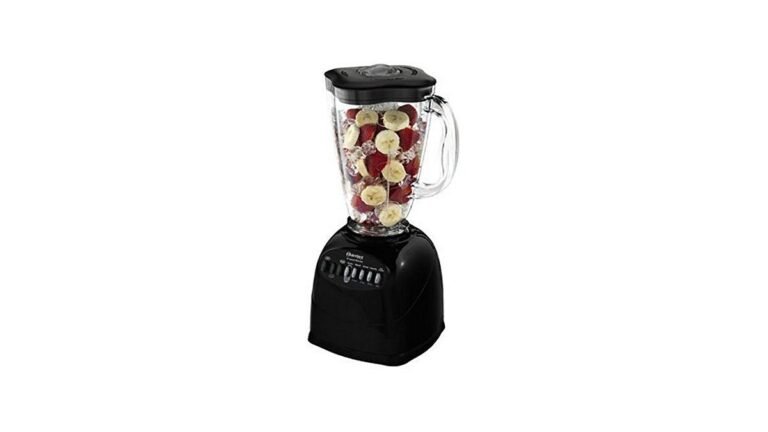
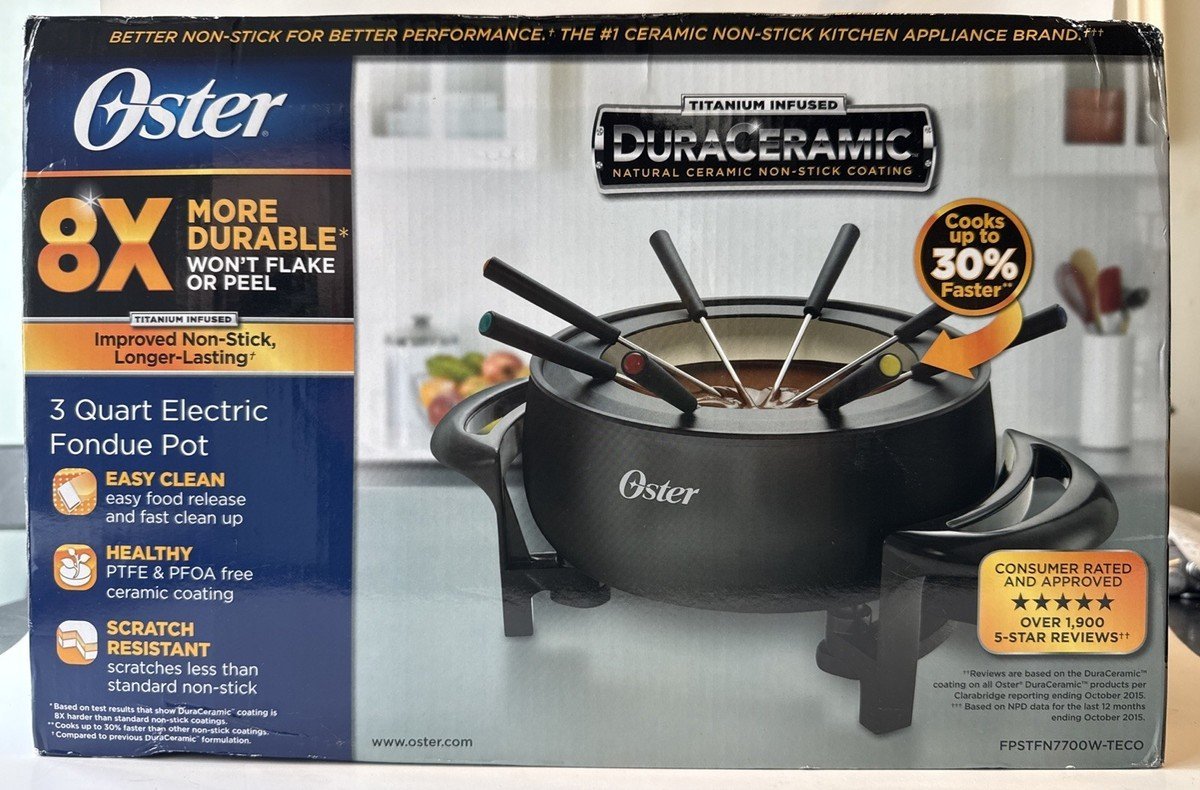
Yes, Oster is a good brand for most households, as long as you match the tool to the job. Its blenders and clippers have sold in the US for decades, parts are easy to find, and prices sit in the budget-to-mid range. The brand is owned by Newell Brands.
Three things change that answer. The product line matters more than the name, since Oster makes both cheap blenders and professional clippers. Your budget decides which line you’re really shopping in. And how often you’ll use it decides whether Oster is enough or you should step up.
Who’s actually shopping for an Oster
Three kinds of people type this question, and they don’t need the same answer. The first is a home cook who wants one blender for smoothies and soup, has a modest budget, and mainly wants to know if it’ll last past a year.
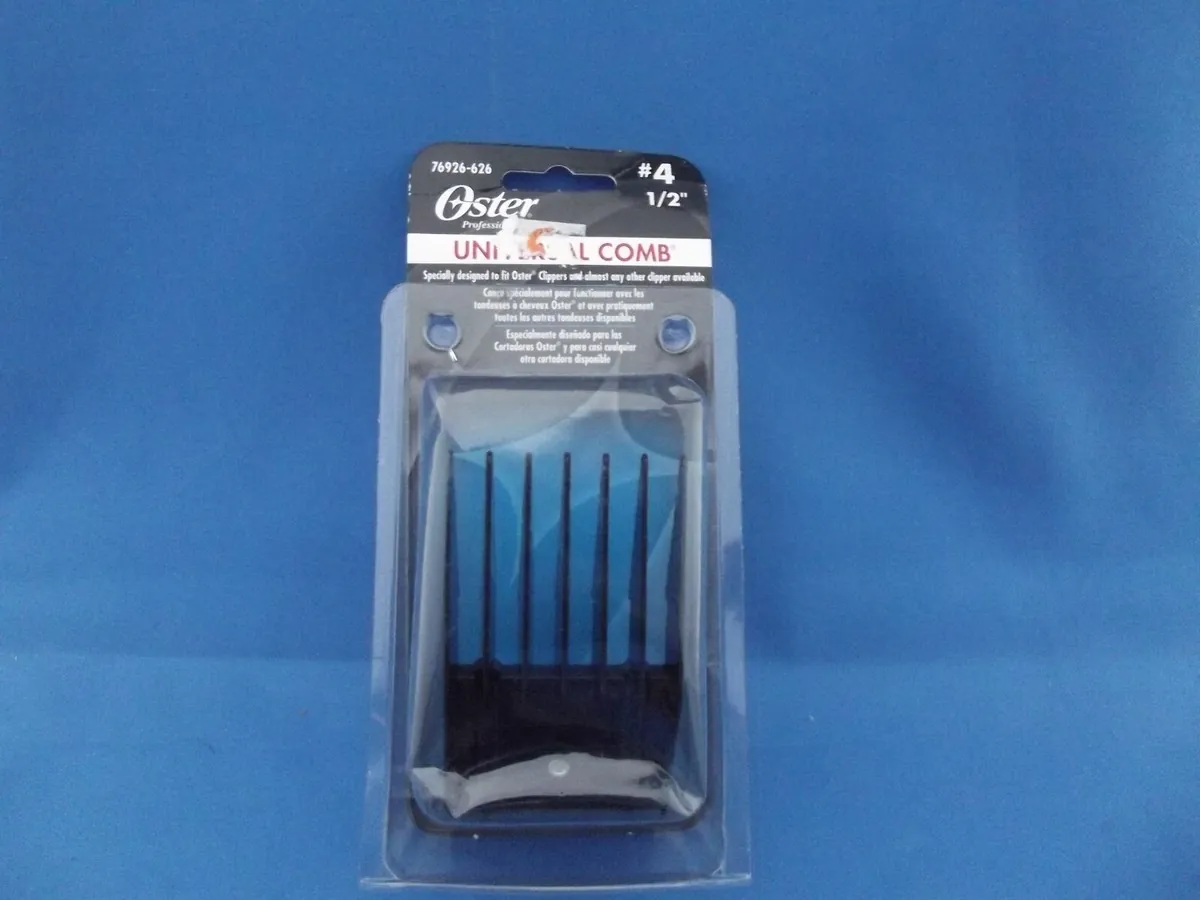
The second is a barber or someone cutting hair at home who’s seen Oster clippers in shops for years and wants to know if the brand still holds up. The third is replacing a dead Oster product and deciding whether to buy the same brand again.
This page serves the first and third readers best. It assumes you’re buying for normal home use, a few times a week, and you care about value more than pro-grade performance. If you run a busy salon and need clippers that survive eight cuts a day, or you’re outfitting a commercial kitchen, read reviews aimed at trade buyers instead. The assumption here is simple: you want a tool that works well for years without a repair bill.
What actually decides if Oster works for you
The product line is the biggest factor, and it’s the one people get wrong most. Oster sells budget blenders under names like Osterizer alongside heavier models, and the same split exists in clippers. A cheaper blender and a pricier one share a logo, not a motor. Check the wattage printed on the box or the product page before you assume two Oster blenders are the same machine.
Motor power decides what the tool can actually do. For blenders, the number is watts; higher watts crush ice and frozen fruit more easily. For clippers, it’s the motor type and whether it’s designed for continuous use. The figure sits on the label or in the specs section of the product page, so read it there rather than trusting the brand name.
How often you’ll use it changes the answer more than anything else. A blender used occasionally for smoothies will outlast its warranty. The same blender running daily through ice and nut butters wears out faster, and that’s when cheaper motors show their limit. How long any of it lasts depends on your use, so the owner’s manual is the authority. Track your own use for a week before you buy.
Parts and service availability matter for the long run. Oster blades, jars, and clipper blades are widely sold, which keeps an old unit usable. Check whether replacement parts for your exact model are listed before you commit.
How to choose the right Oster product
- Write down what you’ll actually make or cut, and how many times a week. Two smoothies a week is a different job from daily frozen drinks.
- Check the wattage on the product page or box for blenders. Higher watts handle ice and frozen fruit better; match the number to your hardest regular task.
- For clippers, confirm the motor is rated for the length of your sessions. Home cuts of 20 minutes are fine on most models; all-day use needs a heavier unit.
- Confirm the size fits your space and storage. Measure your counter or drawer gap before ordering, since jar and base sizes vary by model.
- Read the warranty length on the official product page. It tells you how much the maker trusts the build.
- Check that replacement blades, jars, or parts are sold for that exact model. If they aren’t listed, that’s a warning sign.
- Look at the return window before buying. It’s your real test period if the tool doesn’t suit you.
- Keep the receipt and register the product if the maker asks. It makes a warranty claim far easier later.
The judgement call is whether you’re buying for now or for the next several years. A cheap Oster blender does fine for occasional use, but if you’ll lean on it daily, spending more up front on a stronger motor usually costs less than replacing a burnt-out unit. That single decision separates a purchase you’re happy with from one you regret.
Oster by situation
One lead point: the right Oster for you depends on your job, your budget, and how hard you’ll push it, not on the brand alone.
| Your situation | What to do | What it takes | What to watch for |
|---|---|---|---|
| Occasional smoothies | Buy a mid-range Oster blender | Modest cost, low effort | Check wattage before buying |
| Daily ice crushing | Choose a high-wattage model | More money up front | Weak motors wear out fast |
| Home haircuts | Pick a corded Oster clipper | One-time cost | Blade size and motor type |
| Professional barber use | Compare pro-grade clippers | Higher spend | Home models may not last |
| Replacing a dead unit | Check parts availability first | Small effort | Same model may be discontinued |
| Tight budget | Buy the basic model | Lowest cost | Shorter warranty, less power |
What experienced buyers check that beginners skip
Experienced buyers read the spec sheet before the price tag. Watts for blenders, motor type and blade material for clippers, warranty length for both. That one habit catches the trap where two products share a brand but not a build quality. Beginners often buy on the name and the photo, then find the motor is weaker than expected.
Check the numbers, not the logo
The wattage printed on the box or product page tells you what a blender can handle. Higher watts crush ice and frozen fruit more easily, and lower watts struggle or stall. For clippers, look at whether the motor is built for continuous running or short sessions. These figures are published by the maker, so there’s no reason to guess.
Know what to leave alone
Don’t chase every accessory or upgrade. Extra jars, fancy presets, and bundled attachments add cost without changing how well the core tool works. Experienced buyers skip them unless a specific attachment solves a real problem they have. They also avoid running a budget motor past its limit, since pushing a cheap blender through daily ice is the fastest way to kill it.
What goes wrong, and how to fix it
Most Oster complaints trace back to a mismatch between the tool and the job, not a defect. The table below maps what you notice to the likely cause and the fix.
| What you notice | What it usually means | What to do first | How to stop it happening again |
|---|---|---|---|
| Blender stalls on ice | Motor too weak for the task | Pulse in short bursts | Buy higher wattage next time |
| Burning smell | Motor overloaded | Stop and let it cool | Reduce load and run time |
| Clippers pull hair | Dull or wrong blade | Replace or adjust blade | Match blade to hair type |
| Clippers get hot | Motor not built for long use | Pause between cuts | Choose a heavier-duty model |
| Jar cracks | Thermal shock or drop | Replace the jar | Avoid hot liquid in cold jar |
| Unit dies early | Used past its rating | Check warranty | Match model to real use |
The rules and limits that apply
Warranty terms are the main rule you’re agreeing to, and they’re set by the maker, not by law in most cases. Oster publishes its warranty length per product on the official product page, and it varies by model and by country. Read yours there before you buy, because a two-year term on one blender doesn’t mean every Oster blender carries the same cover.
Consumer protection law also applies, and it differs by country and state. Your state attorney general’s office handles consumer complaints. If a product fails and the maker won’t honor the warranty, that’s the route to take, not a repair you attempt yourself.
One limit worth naming: opening a unit to fix it yourself usually voids the warranty. If it’s still covered, use the claim instead.
What an Oster really costs you
The purchase price is only part of it. Oster sits in the budget-to-mid range, but the exact figure changes by model, by retailer, and by season, so check the current price on the product page rather than trusting any number you read here. What moves the cost up is motor power, build material, and extra attachments. What moves it down is buying the basic model without bundles.
The hidden cost is replacement. A cheap blender that dies in a year costs more over five years than a stronger one bought once. Factor in parts too: jars, blades, and clipper blades are sold separately, and prices vary, so look up the part for your model before you commit.
Time is the other currency. A warranty claim takes effort, and a cheap tool that fails early costs you the shopping trip and the wait. Spending a little more up front usually saves both.
Keeping your Oster working
Clean the jar or blade after each use and dry it before storing, since residue hardens and dulls edges over time. For clippers, brush out hair and oil the blade as the maker’s instructions describe. Store both in a dry spot, away from heat, to protect plastic and metal parts.
The sign it needs attention is a change in performance: a blender that used to crush ice now stalls, or clippers that pull instead of cut. That’s usually a dull blade or a tired motor, not a dead unit. Replace the blade or jar first, since it’s cheaper than a new machine and often fixes the problem.
There’s no fixed schedule that fits everyone, because it depends on how often you use the tool. Watch for the performance drop instead of counting months, and act when you see it.
When Oster isn’t the right pick
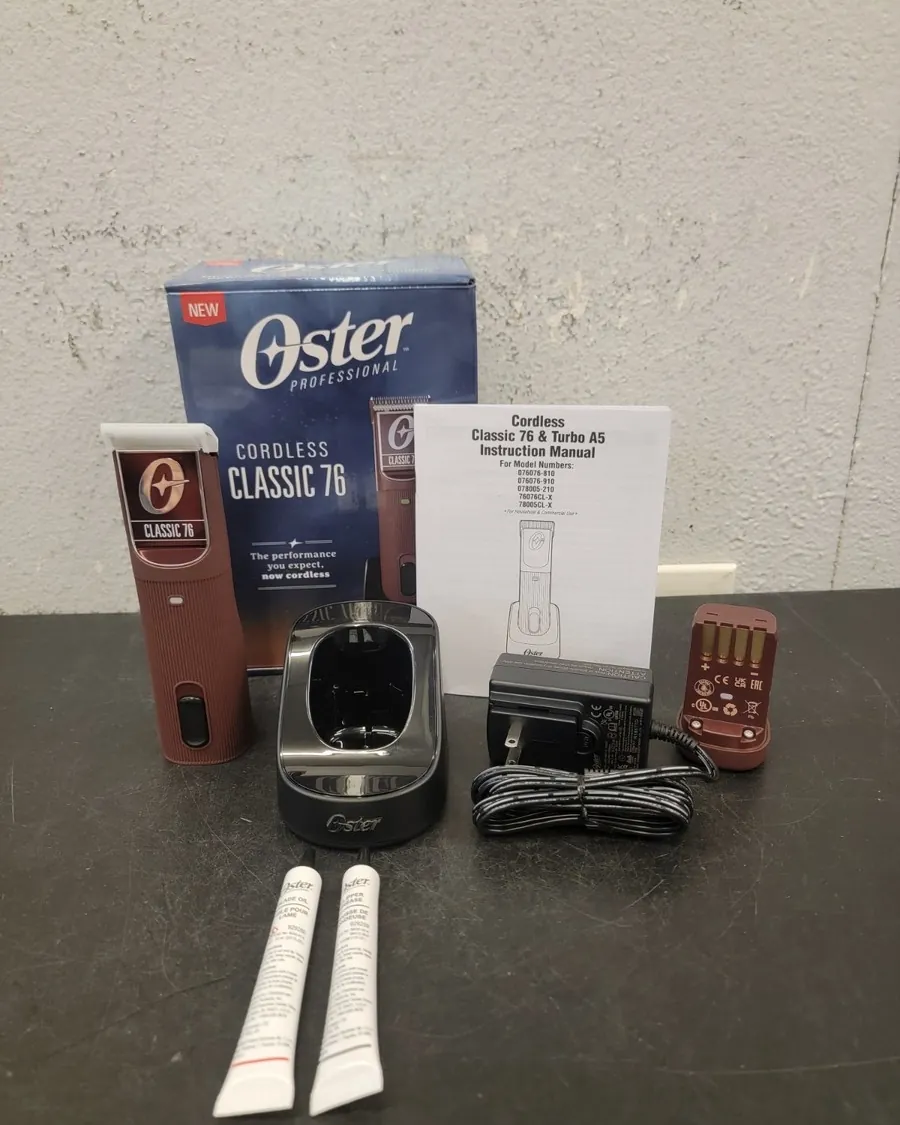
Oster is the wrong choice if you need a tool for heavy daily professional use. A busy salon or a commercial kitchen pushes equipment far harder than home use, and budget motors may not hold up. Trade-grade brands built for continuous operation are the better route there.
It’s also wrong if you want the quietest or most premium blender on the market. Oster competes on value, not on being the best at any single thing. If quiet operation or top-tier performance matters more than price, look at premium brands instead.
Finally, skip Oster if you need a specific feature it doesn’t offer on the model you can afford. Buy the tool that has the feature, not the brand you recognize.
Frequently asked questions
Is Oster a good brand for blenders?
Yes, for home use at a budget-to-mid price. Oster blenders handle smoothies and everyday tasks well, and parts are widely available. For daily ice crushing or commercial volume, a higher-wattage model or another brand suits better.
How long do Oster blenders last?
It depends on use, not a fixed number. Used a few times a week for smoothies, a blender often outlasts its warranty. Pushed daily through ice and frozen fruit, cheaper motors wear out faster. Check your model’s warranty length on the official page.
Are Oster clippers good for home haircuts?
Yes, corded Oster clippers work well for home cuts and are a common choice. Match the blade to the hair type and check the motor is rated for your session length. For all-day professional use, choose a heavier-duty model.
Why does my Oster blender smell like it’s burning?
The motor is overloaded or running too long. Stop it, let it cool, and reduce the load next time. If it keeps happening, the model is likely underpowered for what you’re blending, and a higher-wattage unit is the fix.
Is it safe to use an Oster blender for hot liquids?
Only if your model’s instructions say so. Hot liquid in a cold jar can crack it, and steam can build pressure. Let hot food cool slightly, and check the manual for your specific model’s guidance before blending anything hot.
Does it matter which Oster model I buy?
Yes, a lot. Two Oster blenders can share a logo but not a motor, so wattage and build differ by model. Check the specs and warranty on the product page. Buying on the brand name alone is how people end up disappointed.
Can I repair an Oster product myself?
For simple parts like blades, jars, and clipper blades, yes, and replacements are widely sold. Opening the motor housing usually voids the warranty. If it’s still covered, file a claim instead of taking it apart.
What happens if my Oster breaks under warranty?
Contact the maker with your receipt and model number, and follow its claim process. Oster publishes warranty terms per product and country. If the maker won’t honor it, your state attorney general’s office handles consumer complaints.
Conclusion
Start by checking the wattage or motor rating on the exact model you’re considering, then compare it to your hardest regular task. If it fits, expect years of normal home use, and the sign it’s working is steady performance with no stalls, smells, or pulling. If the tool stalls, overheats, or a claim gets refused, stop and contact the maker or your state consumer office rather than forcing a fix.