Where Is Oster Blender Made? China Today, US in the Past
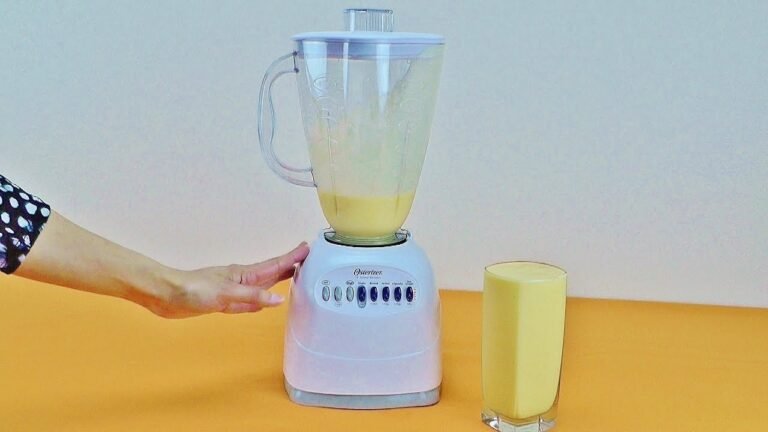
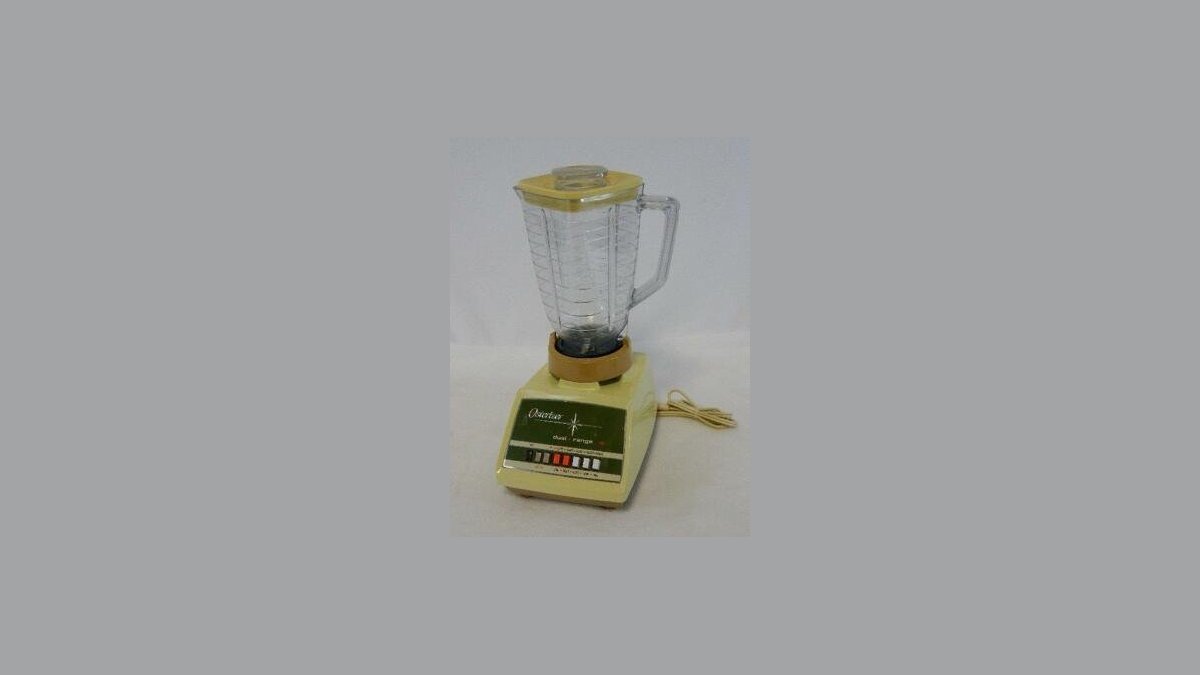
Oster blenders are made in China today. The brand belongs to Newell Brands, an American company, and the blenders are manufactured in Chinese factories for sale in the US and around the world. Older Oster blenders were made in the United States, so a used one from the 1970s or 1980s may still say “Made in USA” on the base.
Three things change the answer for you. First, the age of your blender — old units were built in America, new ones are not. Second, the model — some Oster kitchen products come from other countries. Third, the label itself, which is the only proof that counts.
Which Oster Buyer Are You?
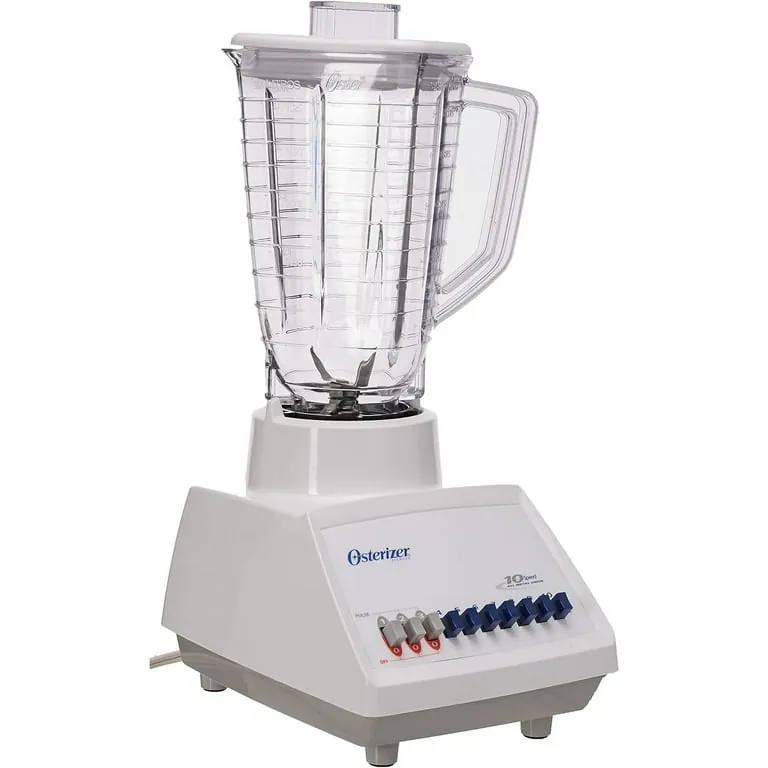
People who type this question usually fall into one of three groups. The first is a shopper standing in a store aisle or scrolling a product page, trying to work out whether Oster is still an American brand or has moved overseas. They want a quick, honest answer before they pay.
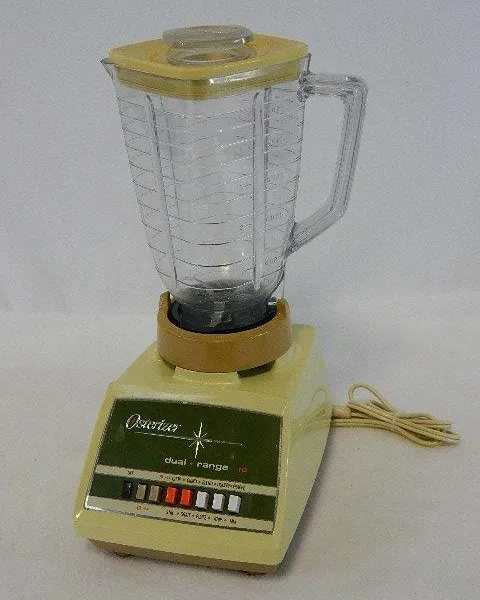
The second is someone holding an old Oster blender — often a hand-me-down or a thrift-store find — who spotted “Made in USA” on the base and wants to know if that’s real or rare. It’s real, and it dates the machine.
The third is a buyer who cares about country of origin for personal reasons: shipping costs, repair parts, or simply wanting to know what they’re supporting.
This page serves the first two readers best. It gives you the country, the owner, and how to read the label on your own machine. If your reason for asking is a warranty claim or a return, go straight to Oster’s own support page — that’s their job, not this page’s.
What Actually Decides Where Your Blender Was Built
The production year matters most. Oster has changed hands and changed factories several times. A blender bought new in the US today was built in China. A blender from the 1970s was built in the US. The base label is the fastest way to tell which era you have.
The model line matters next. Oster sells blenders, but it also sells mixers, toasters, and food processors under the same name. Not every Oster appliance comes from the same country. Check the label on your exact unit rather than assuming the whole brand works one way.
The market it was sold in matters too. Oster products sold in Latin America and Europe can come from different plants than the ones sold in the US. The same model number doesn’t guarantee the same factory.
The label wording is the thing people get wrong most. “Made in USA” and “Assembled in USA” don’t mean the same thing, and neither does “Designed in USA.” Only the first one is a manufacturing claim. The US Federal Trade Commission sets the rules for that wording, and you can read its guidance on its own site.
How to Check Your Own Oster Blender
- Unplug the blender and let it sit for one minute. Never turn a blender over while it’s plugged in. The sign it worked: the cord is out and the jug is empty.
- Turn the base upside down on a towel. The towel stops scratches on the housing. You’re looking for a molded plate or a sticker, usually near the cord exit.
- Read the country line out loud. It says “Made in China,” “Made in USA,” or similar. If it says “Assembled in,” that’s a different claim — note the exact words.
- Write down the model number. It’s usually a mix of letters and numbers, like BLST or 6811. Copy it exactly, including any letters after the numbers.
- Check the wattage on the same label. Most full-size Oster blenders sit in the 600 to 1,000-watt range, but small personal models are lower. The number is printed right there.
- Look for a date code. Some units carry a small stamp with a year and week. If you find one, that’s your production date — no guessing needed.
- Search the model number on Oster’s official site. Their product pages list specs, manuals, and sometimes the country of origin. That’s the page that carries your answer.
- Photograph the label before you put the blender back. If you ever need a part or a warranty claim, that photo saves you a second trip under the machine.
The judgement call is this: a label you can read beats anything a seller tells you. If the plate is worn or missing, don’t guess from the brand name — use the model number and Oster’s own documentation instead.
The Variations at a Glance
| Your situation | What to do | What it takes | What to watch for |
|---|---|---|---|
| Buying new in the US | Check the box label | One minute in store | “Designed in USA” isn’t made in USA |
| Old blender, US label | Keep the label photo | Two minutes | Worn plates lose their wording |
| Model number unknown | Search Oster’s site | A few minutes online | Similar models differ by country |
| Bought outside the US | Check your local label | One minute | Same model, different plant |
| Buying secondhand | Ask for a base photo | One message | Sellers often don’t know |
| Label missing entirely | Contact Oster support | A day or two | They may ask for the model number |
What Careful Buyers Notice
They read the label, not the brand story
A brand’s history and a blender’s origin are two different facts. Oster started in Wisconsin in 1924, and that’s true. It’s also true that the blender in your kitchen was probably built in China. Careful buyers keep those two facts apart and check the base plate rather than trusting a marketing line about heritage.
They also know that “Made in USA” has a legal meaning. The Federal Trade Commission says a product can only carry that claim if all or virtually all of its significant parts and processing are American. “Assembled in USA” is a weaker claim, and “Designed in USA” says nothing about where it was built.
They match the model number before buying parts
Oster has sold hundreds of blender models over the decades, and parts don’t swap freely between them. A jar that fits one base may not seal on another. Careful buyers copy the full model number — letters and digits — and search that exact string before ordering a replacement jar, blade, or gasket.
They also check the wattage first. A blade assembly rated for a 1,000-watt motor isn’t the right part for a 450-watt personal blender, even if the photos look the same. When in doubt, Oster’s own parts page is the place to confirm the match.
What Goes Wrong, and What to Do
| What you notice | What it usually means | What to do first | How to stop it happening again |
|---|---|---|---|
| Label is worn or gone | Age and heat damage | Search the model number | Photograph the label early |
| Seller says “American made” | They’re guessing | Ask for a base photo | Trust the plate, not the seller |
| Box says “Designed in USA” | Not a build claim | Read the full label | Learn the FTC wording rules |
| Two units, same model | Different factories | Check each label | Don’t assume one origin |
| Replacement jar won’t seal | Wrong model fit | Match the full model number | Buy parts by exact number |
| Can’t find origin online | Listing is incomplete | Contact Oster support | Ask before you pay |
The Rules Behind the Label
Country-of-origin labels in the US are governed by US Customs and Border Protection, which requires imported goods to state their country of origin. The Federal Trade Commission separately polices “Made in USA” claims and publishes its own guidance on what qualifies.
That’s why the wording on a blender base is so specific. “Made in USA” is a strong claim with a legal standard behind it. “Assembled in USA” means the product was put together here from parts that may be foreign. “Designed in USA” isn’t a manufacturing claim at all.
Other countries have their own rules. The EU and the UK label imported goods differently, and Canada has its own requirements. If you bought your blender outside the US, check your country’s customs or consumer authority page rather than applying American rules to a foreign label.
One thing no label tells you is whether the blender is safe to repair yourself. Anything past the jar, lid, and blade assembly is technician work.
What It Costs You to Find Out
Checking the origin of your Oster blender costs nothing but a few minutes. The label is already on the machine, and Oster’s site is free to search. The real cost shows up when you skip that step.
Buying a replacement part for the wrong model is the common one. A jar that doesn’t fit is money spent on nothing, and return shipping is often on you. Prices for Oster parts vary by model and by seller, so check Oster’s official parts page or a major retailer for today’s number rather than trusting a figure here.
The second cost is time. A warranty claim without a model number or a label photo can take days of back-and-forth. One photo taken at the start removes that.
The third is resale. If you’re selling an older Oster with a US label, that plate is part of the value. Buyers who care about origin will ask for it, and a clear photo answers the question before they do.
Keeping the Record Straight
Once you’ve found the country and model number, keep that information where you’ll find it again. A photo on your phone, named with the model number, works better than a note in a drawer. Oster’s manuals and spec sheets live on their official site, so bookmark your model’s page if you’ll need parts later.
The sign it’s time to check again: the label starts peeling, or you’re about to buy a part. Re-read the plate before you order, because model numbers look alike and a single letter changes the fit.
If the label is already gone, don’t start over from scratch. Contact Oster support with a photo of the blender and any purchase record you have. They can often identify the model from the housing shape alone.
When This Page Isn’t the Right Help
If your blender has stopped working and you want it fixed, this page won’t do it. Oster’s support team handles repairs and warranty claims, and for a motor or switch fault, a qualified appliance technician is the right person. Don’t open the base yourself — a capacitor inside can hold a dangerous charge even when the blender is unplugged.
If you’re buying for a commercial kitchen, the origin question is the wrong starting point. Commercial buyers need duty ratings and service contracts, not a country label. Talk to a commercial equipment supplier instead.
And if your real question is whether Oster is a good brand to buy, origin won’t answer it. Read reviews of the specific model, or compare it side by side with another blender in your budget.
Related guides
Frequently asked questions
Where is an Oster blender made?
Oster blenders sold in the US today are made in China. The brand is owned by Newell Brands, an American company, but manufacturing moved overseas years ago. Older Oster blenders from the 1970s and 1980s were made in the United States, so the answer depends on when yours was built.
Why do some Oster blenders say Made in USA?
Because they were built here before production moved overseas. Those units date from the 1970s or earlier, when Oster’s factories were still in the US. If your blender carries that label, it’s an older machine, and the Federal Trade Commission rules mean the claim met a real legal standard.
How long do Oster blenders last?
A well-kept Oster blender commonly runs for several years, but there’s no fixed lifespan. Motor wattage and how often you use it both move that number. Heavy daily use with thick mixtures wears the motor faster than light use with liquids.
Is Oster still an American company?
Yes, the company is American. Newell Brands, based in the US, owns the Oster brand. But owning a brand and building the product in the same country are two different things, and Oster’s blenders are manufactured in China for the US market.
Can I find the country on the box before I buy?
Usually, yes. US law requires imported goods to state their country of origin, and that applies to the retail packaging. Look on the bottom or side panel of the box, near the barcode. If it’s not there, ask the seller or check Oster’s official product page.
What if my Oster blender has no label?
Contact Oster support with photos of the blender, especially the base and the jar. They can often identify the model from the housing shape. Without a model number, matching replacement parts is guesswork, so get their answer before you buy anything.
Does the model number tell me the country?
Not by itself. The model number identifies the design, not the factory. The same model sold in different markets can come from different plants. The country line on the base plate is the only reliable answer for your specific unit.
Is it safe to repair an Oster blender myself?
Only the jar, lid, blade assembly, and gasket are safe for you to handle. Anything inside the base — motor, switch, wiring — is technician work. A capacitor inside can hold a lethal charge even after unplugging, so never open the housing yourself.
Check Your Label First
Turn your blender over and read the base plate before you do anything else. That one line tells you the country, and the model number beside it tells you everything else you’ll need — for parts, for a warranty claim, or for a resale listing. Expect a clear answer within a minute on most units.
If the label is missing or worn past reading, that’s your signal to stop guessing and contact Oster support directly. They handle identification, parts, and repairs, and they’re the right people for anything past the jar and lid.