How Does the Oster Pro 500 Blender Rate? An Honest Review
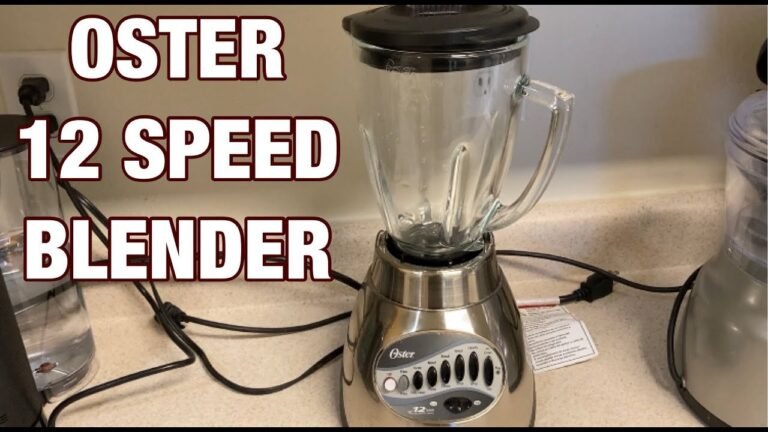
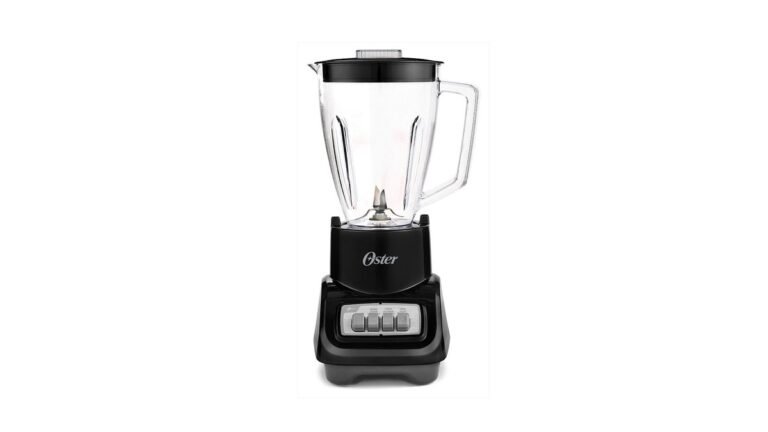
The Oster Pro 500 rates as a solid budget blender for thick, simple jobs — smoothies, shakes, soups and crushing ice — but it’s not a machine for silky purées or daily heavy use.
Three things change that verdict. How often you blend decides whether it lasts. And what you’re making — a fibrous green smoothie versus a protein shake — decides whether you’ll be happy or frustrated.
If you blend once a day or less, and you mostly want crushed ice, shakes and soups, this is enough machine. If you blend twice a day, or you want nut butter, hummus or a lump-free purée, you’ll burn out the motor and end up buying twice.
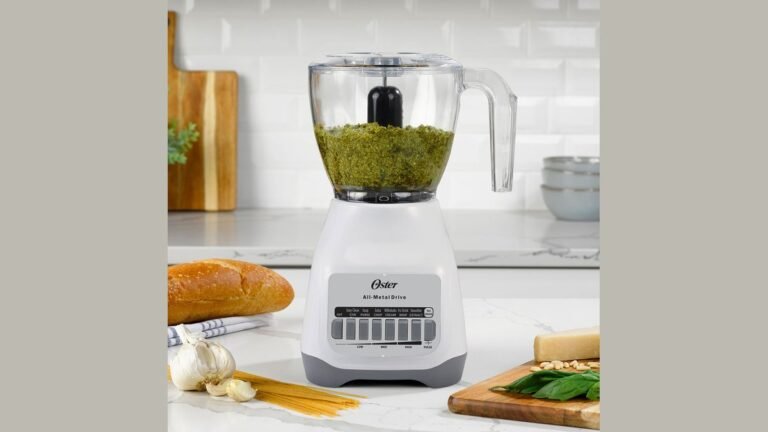
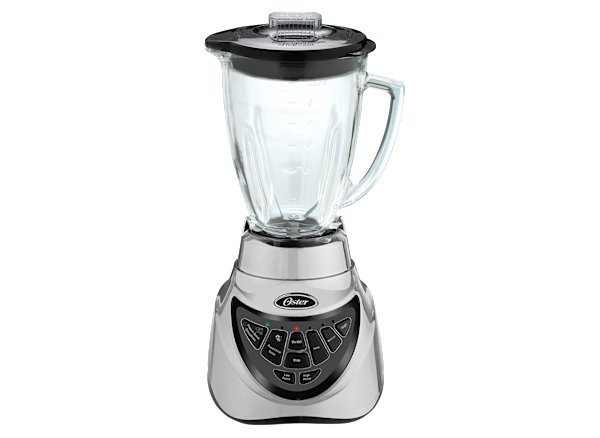
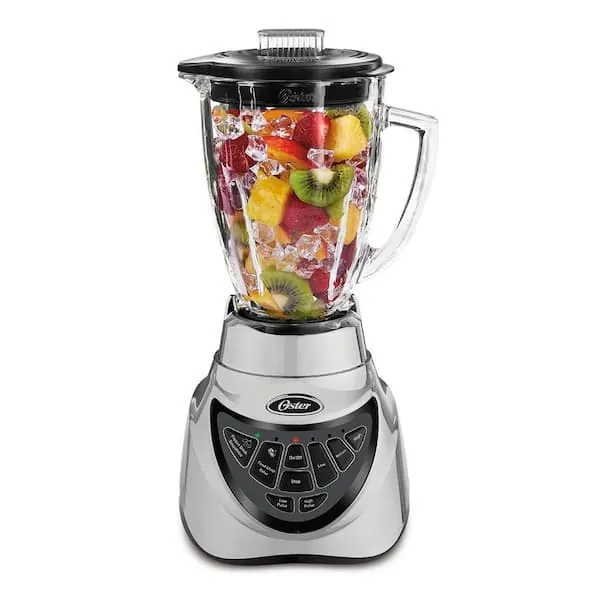
The 6-cup glass jar is the part worth paying attention to. It’s heavy, it holds enough for two people, and it takes hot soup without cracking. Smaller jobs — a single shake, a small batch of pesto — sit under the blades and need scraping down.
Skip it if you want one appliance to do everything. Buy it if you want a cheap second blender for ice and drinks, or a first blender you’ll replace when your cooking gets more ambitious.
Who’s actually asking this
People who type this title usually fall into three groups. The first is someone standing in a store or scrolling a listing, working within a modest budget, and wanting to know if the Oster Pro 500 is worth it before they commit.
The second is someone who already owns one and it’s behaving oddly — leaving chunks, smelling hot, or refusing to spin. They want a verdict, not a sales pitch.
The third is a gift-buyer or a student setting up a first kitchen. They don’t know what “500 watts” means in practice and they need it translated into real jobs.
This page serves the first two best. If you already own the blender, the troubleshooting and limits sections are for you. If you’re buying, the cost and variation sections tell you where it fits.
The assumption throughout: you’re blending normal kitchen amounts — one to two servings at a time — not running a juice bar. If you’re blending for a family of five every morning, this isn’t the page for you. Look at a 1,000-watt or higher machine instead.
What actually decides the result
Wattage and jar size together. A full jar of frozen fruit will stall it; a half jar won’t. Fill to about two-thirds and you’re inside its comfort zone.
Dull or bent blades are the single most common reason people think the motor is failing. Check the blades by eye — if the tips are rounded or chipped, that’s your problem, not the motor.
What you’re blending. Ice, frozen banana and protein powder are easy. Kale stems, whole almonds, and thick nut butters are hard. Fibrous greens need liquid and time; hard nuts need a different machine.
How you load the jar. Liquid first, then soft items, then ice or frozen fruit on top. Loading it the other way traps air at the bottom and the blades spin without grabbing anything.
How often you run it. This is the one people get wrong most. The Pro 500 is built for short bursts, not continuous blending. If you’re running it more than a minute or two at a time, you’re asking a budget motor to do a premium job.
Running the Oster Pro 500 step by step
Add liquid first. Pour in 1 cup of milk, water or juice for a full jar, or ½ cup for a single serving. This gives the blades something to pull the solids into.
Add soft ingredients next. Yogurt, soft fruit, leafy greens and powders go in on top of the liquid. Push greens down with a spoon so they sit below the liquid line.
Add ice and frozen fruit last. Use no more than 1½ cups of ice or frozen fruit per full jar. More than that and the motor will strain.
Lock the lid and press it down firmly. You should hear or feel it seat. If the lid isn’t fully locked, the blender won’t start on most Oster models with a safety interlock.
Start on the low speed. Run it for 10–15 seconds. You’ll see the mixture start to move and the chunks break down. If nothing moves, stop and shake the jar.
Switch to high speed. Run for 30–45 seconds. The sound should be steady, not grinding or surging. A surging sound means the blades are hitting air pockets.
Use pulse for control. Short taps of 1–2 seconds each break up stubborn chunks without overheating the motor. Use pulse for ice and frozen fruit, not continuous high.
Stop if it smells hot or the motor slows. Unplug it and let it cool for at least 10 minutes. A hot smell means you’ve overloaded it.
Check the texture before you pour. If you see chunks, pulse 3–4 more times. Don’t add more liquid unless it’s genuinely stuck.
Unplug before you clean. Remove the jar, rinse it with warm water and a drop of dish soap, and run it on low for 10 seconds. Then rinse again and air-dry upside down.
The judgement call that separates a good result from a bad one is knowing when to stop adding. Most people keep adding ice or frozen fruit to thicken a smoothie, and that’s exactly what stalls a 500-watt motor. If it’s too thin, add half a banana. If it’s too thick, add liquid 2 tablespoons at a time.
The variations at a glance
| Your situation | What to do | What it takes | What to watch for |
|---|---|---|---|
| Single smoothie, frozen fruit | Half jar, low then high | About 1 minute | Don’t overfill past halfway |
| Full jar of ice | Pulse in short bursts | 2–3 minutes | Motor smell means stop |
| Hot soup | Blend in batches, vent lid | 2 batches per pot | Steam pressure pops the lid |
| Nut butter | Don’t — use a food processor | Not suitable | Motor will overheat |
| Green smoothie, kale | Liquid first, blend 90 seconds | 1½ minutes | Stems left whole means longer |
| Crushing ice only | Pulse, 1 cup max | 30–45 seconds | Uneven chunks mean more pulses |
| Daily use, 2+ times a day | Consider a higher-wattage model | Not this machine | Motor life shortens fast |
What separates a good result from a poor one
Load order and liquid ratio
Experienced users put liquid in first, every time, and they measure it. For a full 6-cup jar, that’s about 1 cup of liquid. For a half jar, ½ cup. This isn’t fussiness — it’s what stops the blades from spinning in an air pocket while the fruit sits on top.
They also leave headroom. A jar filled to the 6-cup line with frozen fruit has no room to move, and the motor stalls. Filling to about two-thirds gives the mixture space to circulate.
When to pulse and when to walk away
Experienced users pulse ice and frozen fruit rather than running high continuously. Short 1–2 second bursts let the blades bite without the motor heating up. They also stop the moment they smell hot plastic or the motor note drops.
The other thing they do is walk away from jobs this blender can’t do. Nut butter, whole-grain flour, and hot liquid in a sealed jar are all jobs for a different machine. Trying to force them is how motors burn out — and a burnt motor isn’t a repair, it’s a replacement.
What goes wrong, and what to do
| What you notice | What it usually means | What to do first | How to stop it happening again |
|---|---|---|---|
| Chunks left after blending | Jar overloaded or blades dull | Blend in smaller batches | Fill to two-thirds only |
| Motor smells hot | Running too long or too thick | Unplug, cool 10 minutes | Blend in shorter bursts |
| Blades spin, nothing moves | Air pocket at the bottom | Stop, shake jar, restart | Add liquid first, always |
| Loud grinding noise | Ice jammed under blades | Stop, break up ice by hand | Pulse instead of continuous high |
| Lid pops off | Too much heat or overfilled | Let it cool, refill lower | Vent the lid for hot items |
| Blender won’t start | Lid not locked or jar not seated | Reseat jar and lid firmly | Check the seat every time |
| Liquid leaks from base | Jar not screwed on tight | Tighten the jar collar | Hand-tighten, don’t force |
The rules that apply
Oster publishes its own care and safety guidance for each model, and that’s the document to follow for your exact unit.
Electrical safety is where the hard line sits. Never put the motor base in water, never run it with a damaged cord, and never open the base housing. A capacitor inside can hold a charge even when the blender is unplugged, and that charge can be lethal.
If your blender trips a breaker, sparks, or the cord is frayed, stop using it. That’s an electrician’s or a replacement decision, not a repair job for a home user.
For warranty questions — what’s covered and for how long — check the paperwork in the box or Oster’s own warranty page, since terms differ by country and by purchase date.
What it costs you
The Oster Pro 500 sits in the budget blender bracket. Prices move with sales, bundles and where you buy, so check the current listing rather than trusting a number you read here. What matters more is what it costs you over time.
The real cost is replacement frequency. A 500-watt motor run hard every day wears faster than a 1,000-watt one run gently. If you blend twice a day, expect to replace this class of blender sooner than a premium model — but you’ll also have paid a fraction of the price.
Running costs are small. A blender draws very little power for the seconds it runs, so electricity isn’t the expense. The expense is the jar, if you crack it, and the blades, if they dull.
What moves the cost up: buying replacement jars and blades separately, and buying a second unit after the first one burns out. What moves it down: blending smaller batches, pulsing instead of running long, and never forcing a job the motor can’t do.
Keeping it right afterwards
Rinse the jar right after each use, before residue dries. Dried smoothie residue sets hard on glass and forces you to scrub, which is how jars get chipped.
For a deeper clean, fill the jar halfway with warm water and a drop of dish soap, run it on low for 10 seconds, then rinse. Don’t put the motor base in water — wipe it with a damp cloth only.
The sign it needs attention again is simple: chunks left behind after a normal blend time, or a motor note that sounds lower than it used to. That usually means dull blades or a worn jar seal, not a dead motor.
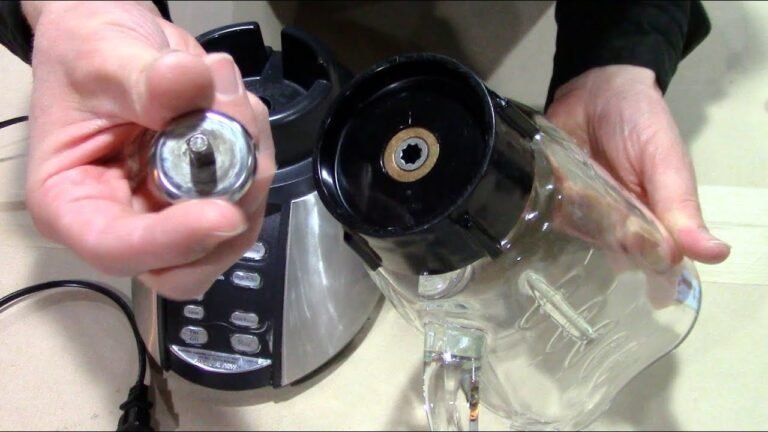
Blades and jar seals are replaceable parts on most Oster models. Check the model number on the base and look up the matching parts before you assume you need a whole new blender.
When the Oster Pro 500 is the wrong choice
If you blend every single day for a family, this isn’t your machine. A 500-watt motor doing daily heavy loads will wear out faster than a higher-wattage blender. Spend more up front and replace less often.
If you make nut butter, grind grains, or blend hot soup in large batches, look at a high-powered blender or a food processor instead. The Pro 500 will stall, overheat, or both.
If your unit sparks, trips the breaker, or has a damaged cord, stop. That’s an electrical fault, and it needs a qualified electrician or a replacement — never a home repair, because the base holds a capacitor that can shock you even when unplugged.
Frequently asked questions
How many watts is the Oster Pro 500 blender?
For thick frozen loads and daily use, 500 watts is on the low side. For single smoothies and shakes, it’s enough. Check the label on your own base, since Oster sells several models with similar names.
Can the Oster Pro 500 crush ice?
Yes, in small amounts. Use about 1 cup of ice per batch and pulse in 1–2 second bursts rather than running it continuously. A full jar of ice will strain the motor. If you hear grinding or the motor slows, stop and let it cool before continuing.
Why is my Oster Pro 500 not blending?
The most common causes are an overloaded jar, an air pocket at the bottom, or a lid that isn’t fully locked. Stop the blender, shake the jar to settle the contents, and make sure the lid is seated. If it still won’t spin, check that the jar is screwed onto the base correctly.
How long can you run an Oster Pro 500 at one time?
Keep continuous runs to about 1 minute, then let it rest. For tougher jobs, use pulse in short bursts instead of running it nonstop. If the motor smells hot or the sound drops, unplug it and let it cool for at least 10 minutes. Check your manual for the exact duty cycle Oster specifies.
Is the Oster Pro 500 good for smoothies?
For simple smoothies with frozen fruit and liquid, yes. Keep the jar about two-thirds full and blend for 30–60 seconds. For fibrous greens like kale, blend longer and add more liquid. It won’t give you the silky texture a high-powered blender does, but it gets the job done.
Does the Oster Pro 500 have a glass or plastic jar?
Jar material and size can vary by model, so check the listing or the box for your exact unit. Glass is heavier but cleans up better over time.
What happens if I overfill the Oster Pro 500?
The blades spin without grabbing the contents, the motor strains, and you may smell hot plastic. Overfilling also risks the lid popping off. Fill to about two-thirds of the jar’s capacity, and blend thick mixtures in two batches instead of one.
Can you put the Oster Pro 500 jar in the dishwasher?
The glass jar and lid are usually dishwasher-safe on the top rack, but the blade assembly and motor base are not. Check your manual, since guidance varies by model. Hand-washing the blade assembly is safer and keeps the cutting edges sharp longer.
What to do next
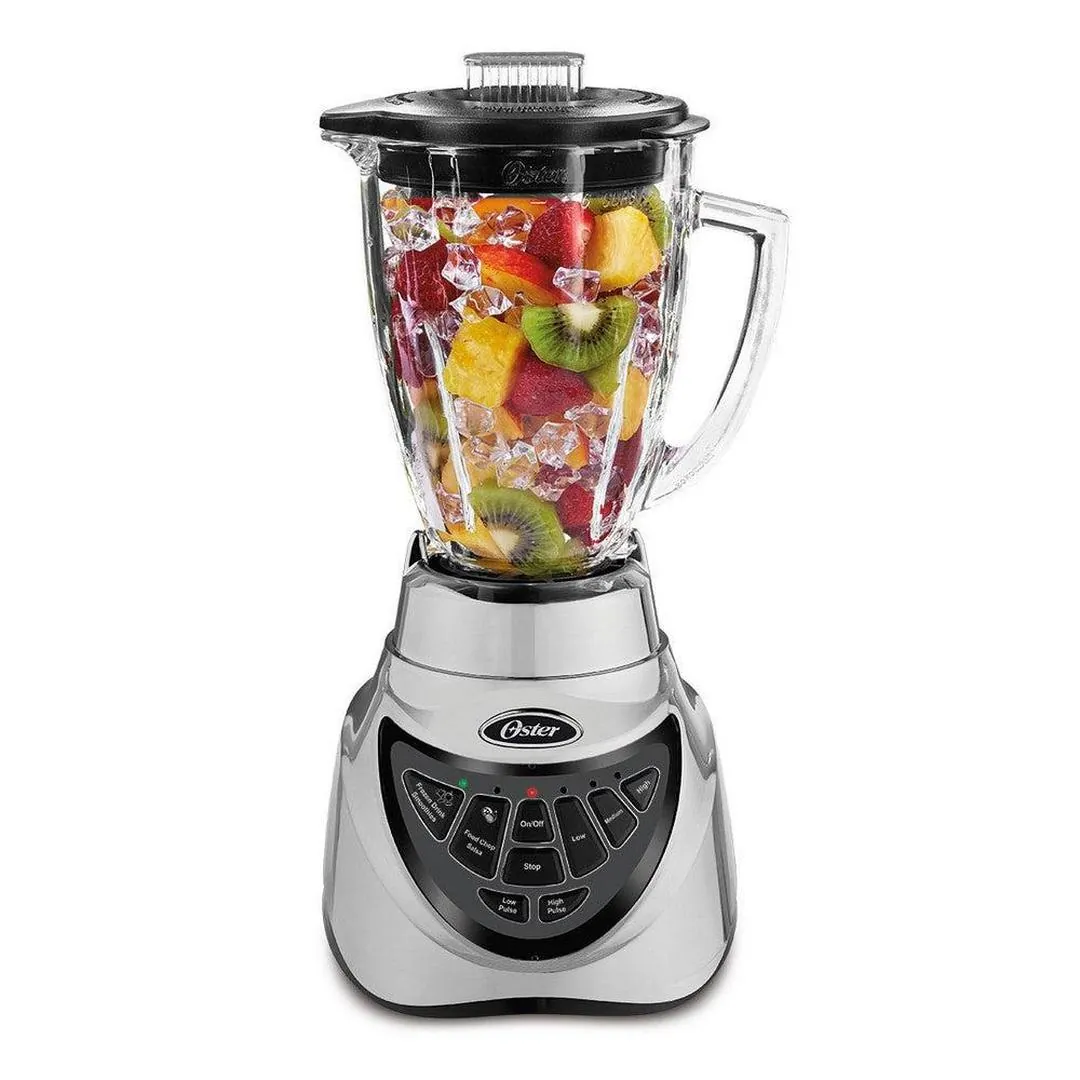
Start with one small batch: liquid first, frozen fruit last, jar two-thirds full, low speed then high. You should get a smooth result in about a minute, with no chunks and no hot smell.
If the motor smells hot, the blades look dull, or the unit sparks or trips your breaker, stop and get it checked or replaced — that’s the sign it’s time to stop.
Once that batch works, add volume slowly rather than doubling everything at once. A jar packed past two-thirds with frozen fruit is the most common way people stall a motor that was working fine an hour earlier.
A stronger one can take more, but the two-thirds line still applies.
Conclusion
If your usual kitchen tasks are simple and you want a blender that won’t break the bank, this one should serve you well. Just don’t expect it to handle everything. Pick it up, try it on your favorite smoothie, and see how it fits your routine.