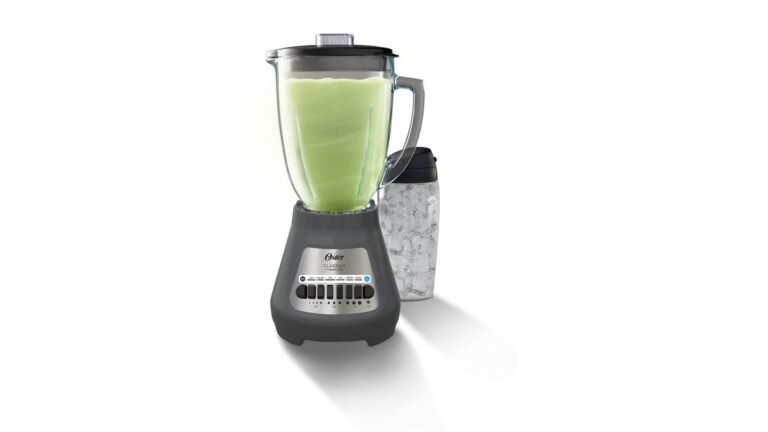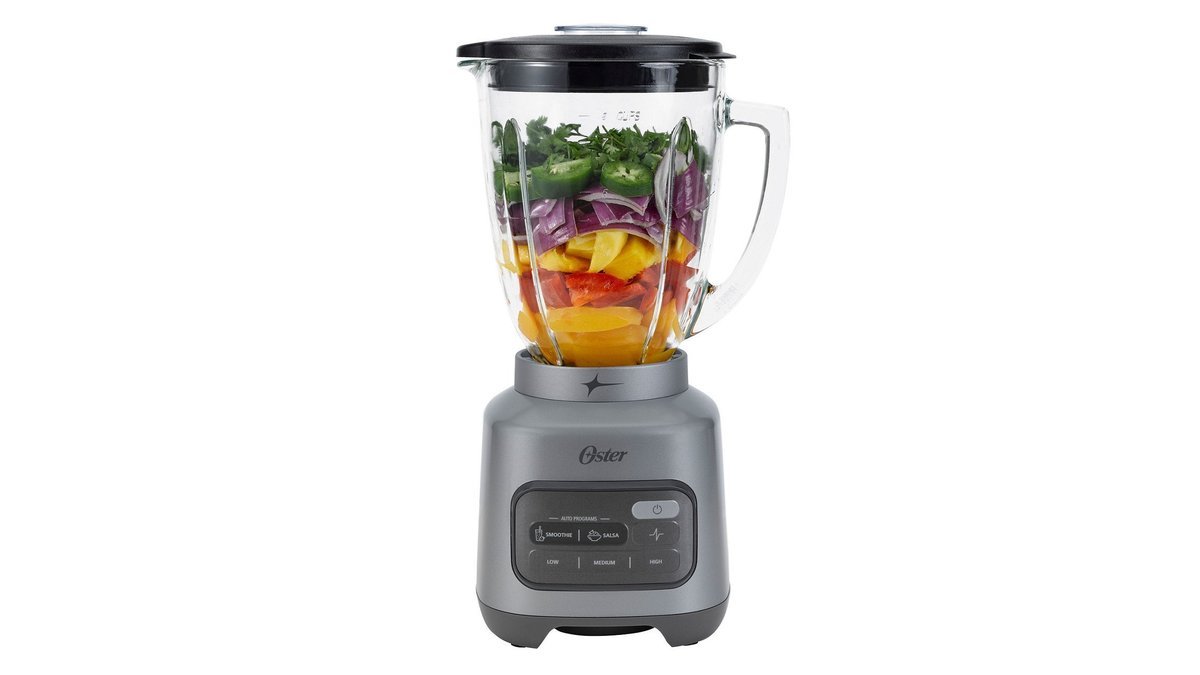
How to Use an Oster Smoothie Blender for Smooth Results
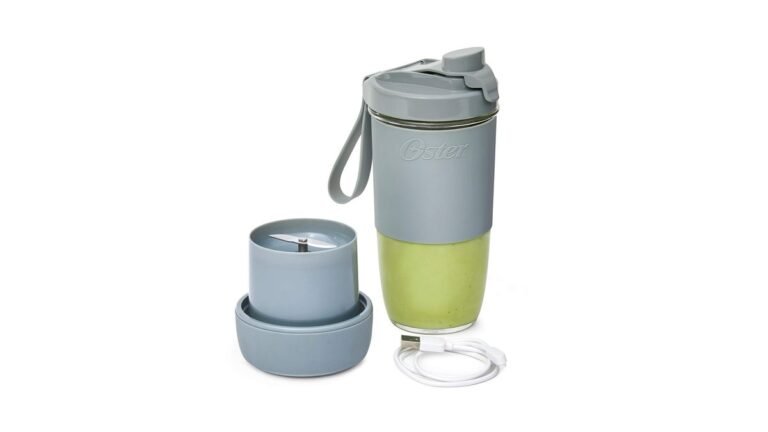
To use an Oster smoothie blender, add liquid first, then soft ingredients, then ice or frozen fruit, and blend on the highest speed for 30 to 60 seconds. Most Oster smoothie blenders run at 600 to 1,000 watts, so hard frozen fruit needs that full minute, while fresh fruit is usually smooth in 30 seconds.
Three things change this for you: your jar size (20 oz personal cup or 48 oz full jar), your model’s control type (one-touch, two-speed, or dial), and how much frozen food you load. Each one decides how long you blend and what order things go in.
Who this page is for
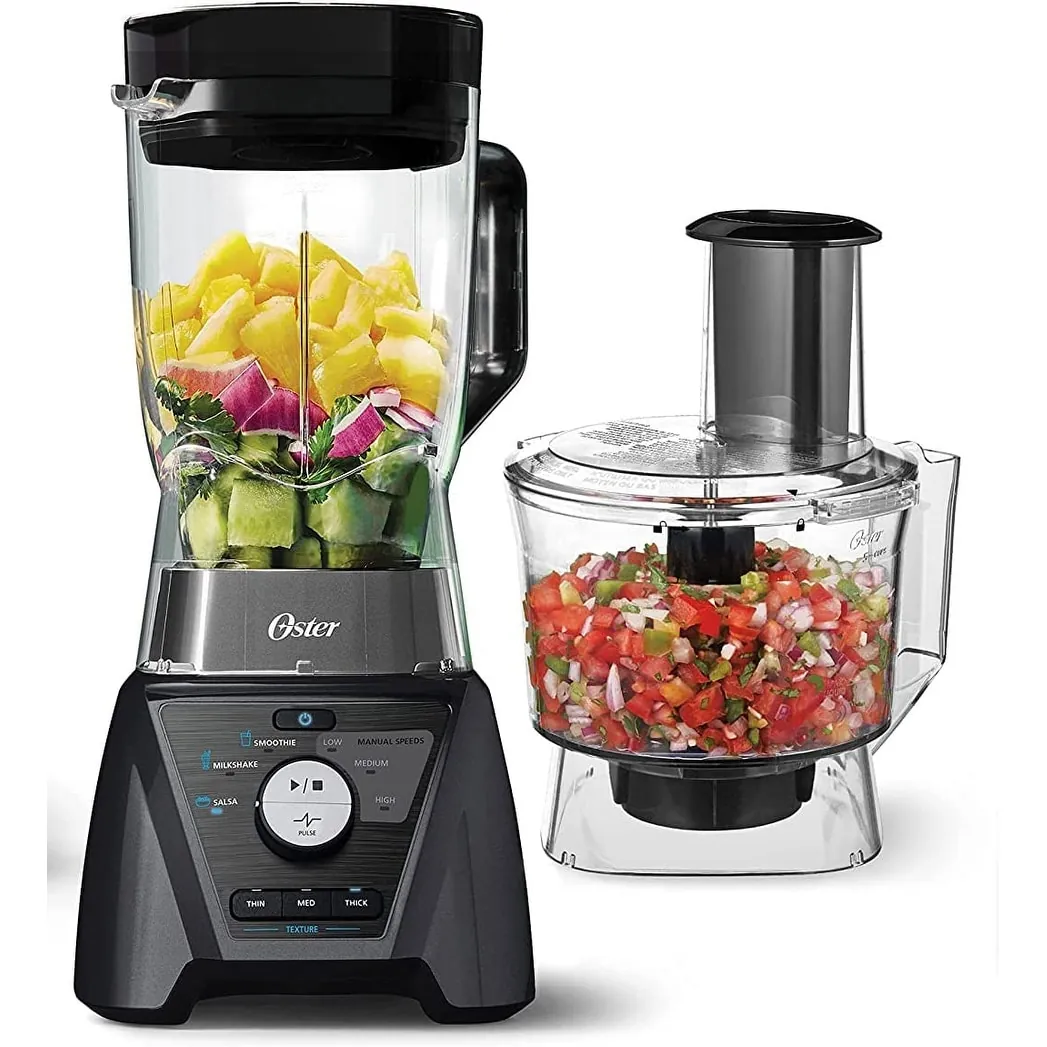
Three kinds of people search for this. The first just unboxed a blender and wants a smoothie tonight. They have the jar, the blade base, and the manual still in the box. They need the loading order and the button to press — nothing else.
The second has owned an Oster for a year or more and keeps getting chunks. Ice sits on top of the blades, the motor smells hot, and the smoothie comes out half slush. They need the loading order fixed and a realistic sense of what their wattage can handle.
The third is buying one and wants to know what the machine can and can’t do before paying. They need limits, not steps.
This page serves the first two readers best. It assumes you already own an Oster smoothie blender and have the jar and blade base in front of you. If you’re still choosing between models, the wattage and jar size printed on the box tell you more than any review — check those two numbers first.
One note: Oster makes several blender lines, and the controls differ. Find your model number on the base plate, then check Oster’s own product page for that model. The steps below cover the common layouts.
What decides how your smoothie turns out
Four things move the result more than anything else. Get these right and the recipe barely matters. Get them wrong and no recipe saves you.
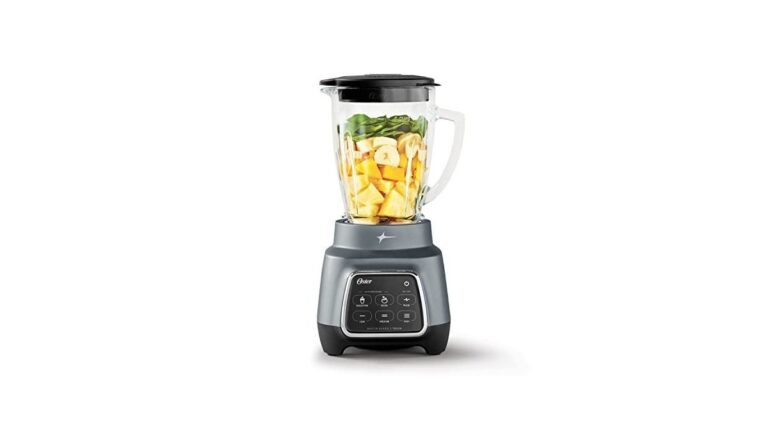
Loading order. Liquid goes in first, always. It covers the blades and lets them spin freely from the first second. Powder and soft fruit go next, then ice and frozen fruit on top. Ice at the bottom just sits there while the blades spin air.
How much you load. Fill the jar no more than two-thirds full when frozen items are involved. Frozen fruit expands as it breaks down, and an overfilled jar stalls the blades. If your model has a fill line, that line is the limit.
Your model’s wattage. A 600-watt motor handles soft fruit and a little ice. A 1,000-watt motor takes a full jar of frozen fruit. The wattage is printed on the base or in the manual — read it before you blame the recipe.
Blade and jar condition. A dull or bent blade smears instead of cutting. Check the blade assembly by eye: if the tips look rounded or the stack wobbles, that’s your problem.
The one people get wrong most often is loading order. They dump everything in at once, ice first, and wonder why it stalls. Fix the order and most complaints disappear.
How to use an Oster smoothie blender, step by step
- Set the jar on the base and check the seal. The jar should sit flat with no wobble. If it rocks, the gasket is missing or twisted — reseat it before you add anything.
- Pour liquid in first — 1 cup (8 oz) for a full 48 oz jar, or ½ cup for a 20 oz personal cup. Water, milk, or juice all work. You’ll see the blades covered. If they’re not, add more.
- Add soft ingredients — yogurt, banana, fresh berries, leafy greens — up to 1 cup. Press them down with a spatula so they sit below the liquid line. Stop when the jar looks about half full.
- Add powder last among the soft items — 1 to 2 scoops of protein powder or 2 tablespoons of seeds. Powder on top of liquid clumps less than powder at the bottom.
- Add ice or frozen fruit on top — 1 cup maximum for a 600-watt model, 2 cups for 1,000 watts. Don’t fill past two-thirds of the jar. The lid should still close flat.
- Lock the lid and press it down until you hear or feel it seat. Tug the lid edge gently — it shouldn’t lift. An unseated lid sprays smoothie across your counter.
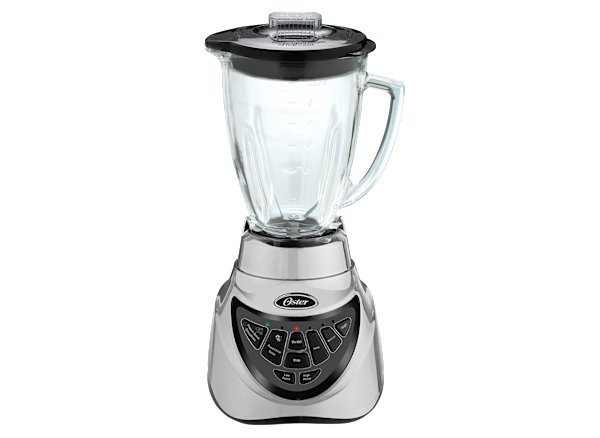
- Press the highest speed button, or turn the dial to HIGH. On one-touch models, that’s the single button. On two-speed models, it’s the second one. Start there, not on low.
- Blend for 30 seconds, then stop and check. Fresh fruit and soft items are usually smooth by now. Frozen fruit and ice need the full 60 seconds.
- If the blades stall, stop and pulse. Press and release in 2-second bursts, 4 to 6 times. Never push a spatula or spoon into a running jar.
- Pour and rinse the jar within a few minutes. Warm water and a drop of soap, then a 10-second blend on low. Dried smoothie sets like cement on the blade stack.
The judgement call is when to stop blending. A smoothie that’s smooth but still cold beats one that’s warm and watery. If the jar feels warm to the touch, you’ve blended past the point of benefit — stop, pour, and drink it.
If your blender sparks, smells like burning, or the blades won’t turn by hand with the jar off the base, stop using it. That’s technician work, not a home fix.
Matching the method to your model and ingredients
| Your situation | What to do | What it takes | What to watch for |
|---|---|---|---|
| 20 oz personal cup, soft fruit | Liquid first, blend 30 seconds | About 1 minute total | Don’t overfill past the max line |
| 48 oz jar, all frozen fruit | Liquid first, blend 60 seconds, pulse if needed | About 2 minutes total | Motor smell means stop and rest |
| 600-watt model, ice-heavy recipe | Crush ice in 2 batches | Two 30-second blends | Stalling and hot motor |
| 1,000-watt model, full jar | One 60-second blend on high | About 90 seconds total | Lid spray if not fully seated |
| Greens and fibrous veg | Blend greens with liquid first, 20 seconds | Add 20 seconds before fruit | Stringy bits left behind |
| Nut butters or dates | Add last, blend 60 seconds, scrape once | About 2 minutes total | Sticky paste on jar walls |
| Protein powder smoothie | Powder after liquid, before ice | Same as soft fruit | Clumps at the jar bottom |
What separates a smooth result from a chunky one
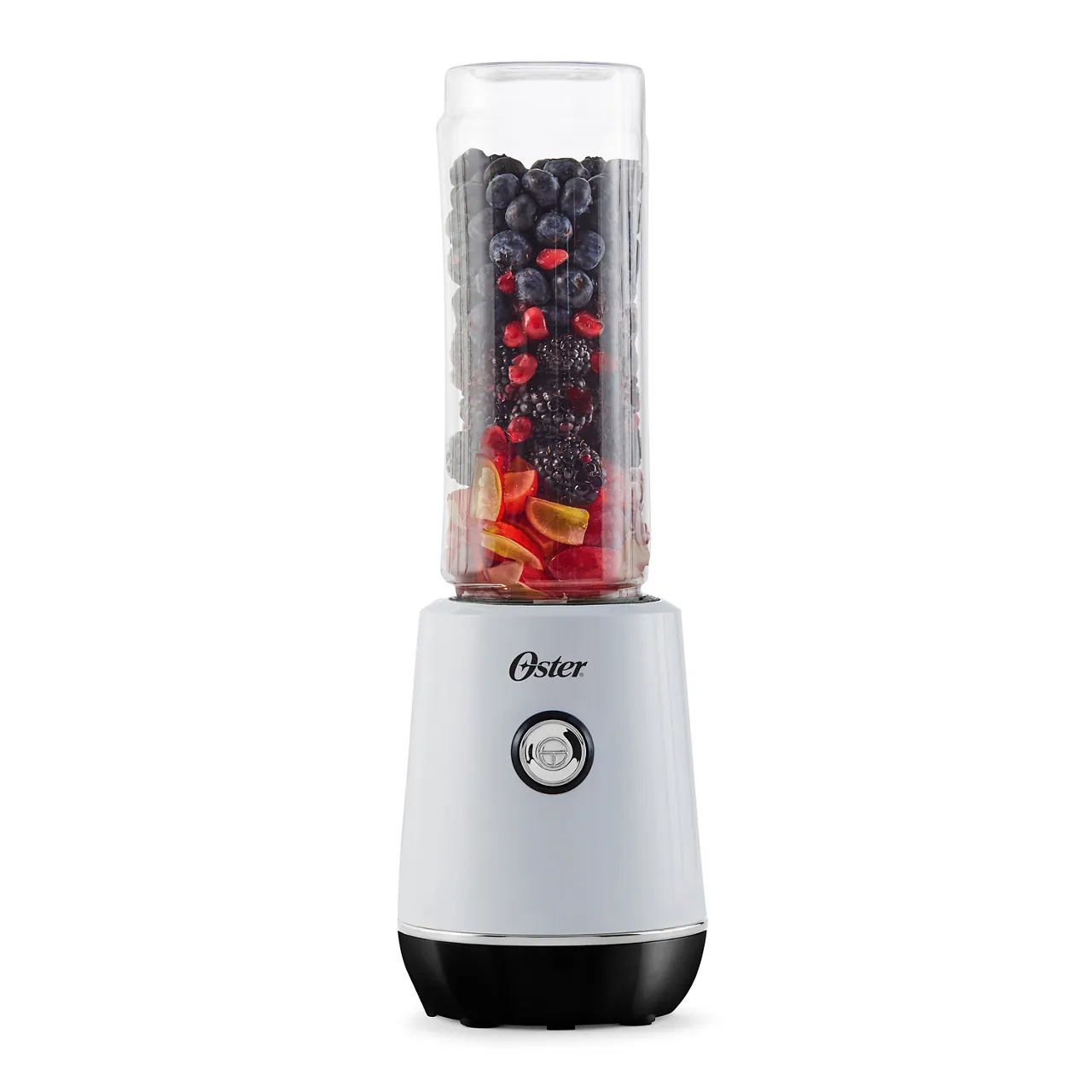
Experienced users treat the jar like a tool with limits, not a magic box. They measure, they layer, and they stop when the job’s done.
They build the jar in layers, not all at once
The order is liquid, soft items, powder, then frozen items. Each layer sits where the blades can reach it. Ice on top gets pulled down into the liquid vortex; ice on the bottom just spins.
They also check the fill level against the jar, not against the recipe. A recipe written for a 48 oz jar will overflow a 20 oz cup. Halve it, or blend in two rounds.
They listen to the motor instead of the clock
A blender working normally has a steady, even sound. A blender that’s struggling drops in pitch and starts to growl. That growl is the signal to stop, pulse, or remove some contents.
Experienced users also rest the motor between heavy batches. Back-to-back frozen blends heat the motor, and heat shortens its life. Give it a minute between rounds.
What goes wrong, and what to do
Most problems trace back to loading order, fill level, or a lid that isn’t seated. Here’s the match between what you notice and what to do about it.
| What you notice | What it usually means | What to do first | How to stop it happening again |
|---|---|---|---|
| Ice sits on top, won’t blend | Not enough liquid | Add ½ cup liquid, pulse | Liquid always goes in first |
| Motor smells hot | Overloaded or ran too long | Stop, unplug, rest 10 minutes | Blend in smaller batches |
| Smoothie has chunks | Blend time too short | Blend 30 more seconds | Use full 60 seconds for frozen |
| Smoothie sprays out | Lid not fully seated | Stop, reseat lid, wipe down | Tug-test the lid every time |
| Blades spin but nothing moves | Air pocket around blades | Stop, shake jar, pulse | Add more liquid at the start |
| Jar leaks at the base | Gasket missing or twisted | Remove jar, reseat gasket | Check gasket before each use |
| Blender won’t start | Jar not locked on base | Twist jar until it seats | Line up the tabs before pressing |
The rules that apply
Oster’s own manual for your model is the authority here, and it’s the page to read before anything else. It lists the jar’s maximum fill line, the speeds your model has, and what the warranty covers.
Most Oster blender warranties run one to three years depending on the model — the exact term is printed on the warranty card in the box or on Oster’s site under your model number. Keep your receipt; most claims need it.
A few hard limits apply to every model. Never put the motor base in water or a dishwasher. Never run the blender empty for more than a few seconds. Never use a spatula inside a running jar — the blade tips are sharp and the motor doesn’t stop for your hand.
If your blender trips a breaker or sparks, stop. Unplug it and contact Oster support or a qualified appliance technician. The inside of the base carries mains voltage and has no user-serviceable parts, so it isn’t a home repair job.
What this really costs you
The blender itself is the big cost, and prices vary by model, wattage, and jar size — check Oster’s site or a retailer for today’s number, because it changes with sales. Beyond that, the ongoing cost is small.
Ingredients are the real recurring expense. A homemade smoothie uses roughly 1 to 2 cups of fruit, 1 cup of liquid, and optional extras. Compare that to a store-bought smoothie and the savings add up over a month, though the exact gap depends on your local prices.
Time is the other currency. A soft-fruit smoothie takes about 2 minutes from fridge to cup, including rinsing. A frozen-fruit one takes closer to 4 minutes with the pulse steps.
What moves the cost up: frozen fruit instead of fresh, protein powder, and nut butters. What moves it down: fresh fruit in season, water instead of juice or milk, and buying frozen fruit in bulk bags. The blender’s electricity use is minor — a minute of blending draws far less than most kitchen appliances.
Keeping it right afterwards
Rinse the jar within a few minutes of pouring. Warm water, a drop of dish soap, and a 10-second blend on low loosens almost everything. Then rinse again and air-dry upside down.
The sign your blender needs attention is a change in sound or speed. A motor that used to power through frozen fruit and now slows down is telling you something. So is a blade assembly that wobbles or looks dull.
For deeper cleaning, check your model’s manual — some jars and blade bases are dishwasher-safe on the top rack, and some aren’t. The manual says which. Never submerge the motor base.
If the gasket looks cracked or stretched, replace it. A bad gasket causes leaks and lets liquid into places it shouldn’t go. Replacement parts are sold by Oster and by parts retailers under your model number.
Store the blender with the lid off or loose. A sealed jar traps moisture and smells.
When an Oster smoothie blender is the wrong tool
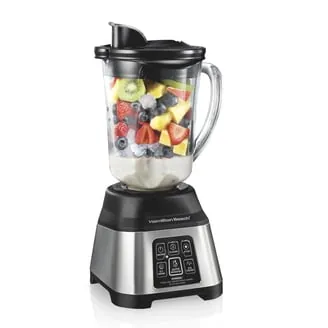
A standard Oster smoothie blender is the wrong choice for hot liquids. Blending hot soup in a sealed jar builds pressure and can blow the lid off. Use an immersion blender or a blender designed for hot foods instead.
It’s also wrong for crushing ice in large amounts. If you’re making frozen drinks for a crowd, a countertop ice crusher or a high-power blender rated for ice does it faster and without stalling. A 600-watt Oster will do a cup at a time, not a pitcher.
If you’re only crushing a few cubes for one drink, the Oster handles it fine. Pulse in short bursts and give the motor a rest between them. The trouble starts when you fill the jar and hold the button down.
And it’s wrong for anyone who wants to blend nuts into flour, grind coffee, or make nut milk from scratch in volume. Those jobs need a high-speed blender or a dedicated grinder. For heavy daily use, a machine built for it will last longer than a smoothie blender pushed past its design.
The pattern in all three cases is the same: the Oster is built for soft ingredients in small batches, and it does that well. Consider what you’re blending and how much before you buy. If the answer is soup, a pitcher of ice, or nuts by the pound, spend the money on a machine rated for it.
Frequently asked questions
How long do you blend a smoothie in an Oster blender?
30 seconds for soft fruit and fresh ingredients, 60 seconds for frozen fruit or ice. These times assume a 600 to 1,000-watt motor. If your model is on the lower end, add 15 to 20 seconds and pulse in 2-second bursts instead of running continuously.
Can you put frozen fruit in an Oster blender?
Yes, up to 2 cups in a 48 oz jar on a 1,000-watt model, or 1 cup on a 600-watt model. Always put liquid in first and frozen fruit on top, and never fill past two-thirds of the jar. Frozen fruit above that line stalls the blades.
Why is my Oster blender not blending?
The most common cause isn’t enough liquid, which leaves an air pocket around the blades. Add ½ cup of liquid and pulse. If the blades still don’t move with the jar off the base, the issue is mechanical and needs Oster support or a technician.
Is it safe to put a spatula in the blender while it’s running?
No. Never put a spatula, spoon, or your hand into a running jar. The blades are sharp and the motor won’t stop for you. If you need to push food down, stop the blender, unplug it, and use a spatula, then restart.
What speed should you use on an Oster blender for smoothies?
High speed, every time. Smoothies need the fastest setting your model has to pull frozen items down into the blades. Low and medium speeds are for chopping and mixing, not for breaking down ice or frozen fruit.
How much liquid goes in an Oster smoothie blender?
1 cup (8 oz) for a full 48 oz jar, or ½ cup for a 20 oz personal cup. The liquid should just cover the blade assembly. If the blades are still exposed after adding it, add more — ¼ cup at a time — before you add anything else.
Does it matter what order you add ingredients?
Yes, it’s the single biggest factor in whether your smoothie comes out smooth or chunky. Liquid first, then soft items and powder, then ice and frozen fruit on top. The wrong order leaves ice spinning above the blades and stalls the motor.
Can you blend hot liquids in an Oster smoothie blender?
No. Hot liquid in a sealed jar builds pressure and can force the lid off, causing burns. Let hot food cool first, or use an immersion blender or a blender made for hot ingredients. This is a safety limit, not a preference.
Conclusion
Start with one smoothie using the layering order above: 1 cup liquid, 1 cup soft fruit, 1 cup frozen fruit, 60 seconds on high. You’ll get a smooth, cold drink with no chunks and no motor strain. If the motor smells hot, the blades won’t turn by hand, or the base sparks, stop and contact Oster support or a qualified technician.