How To Use an Oster Blender Food Processor
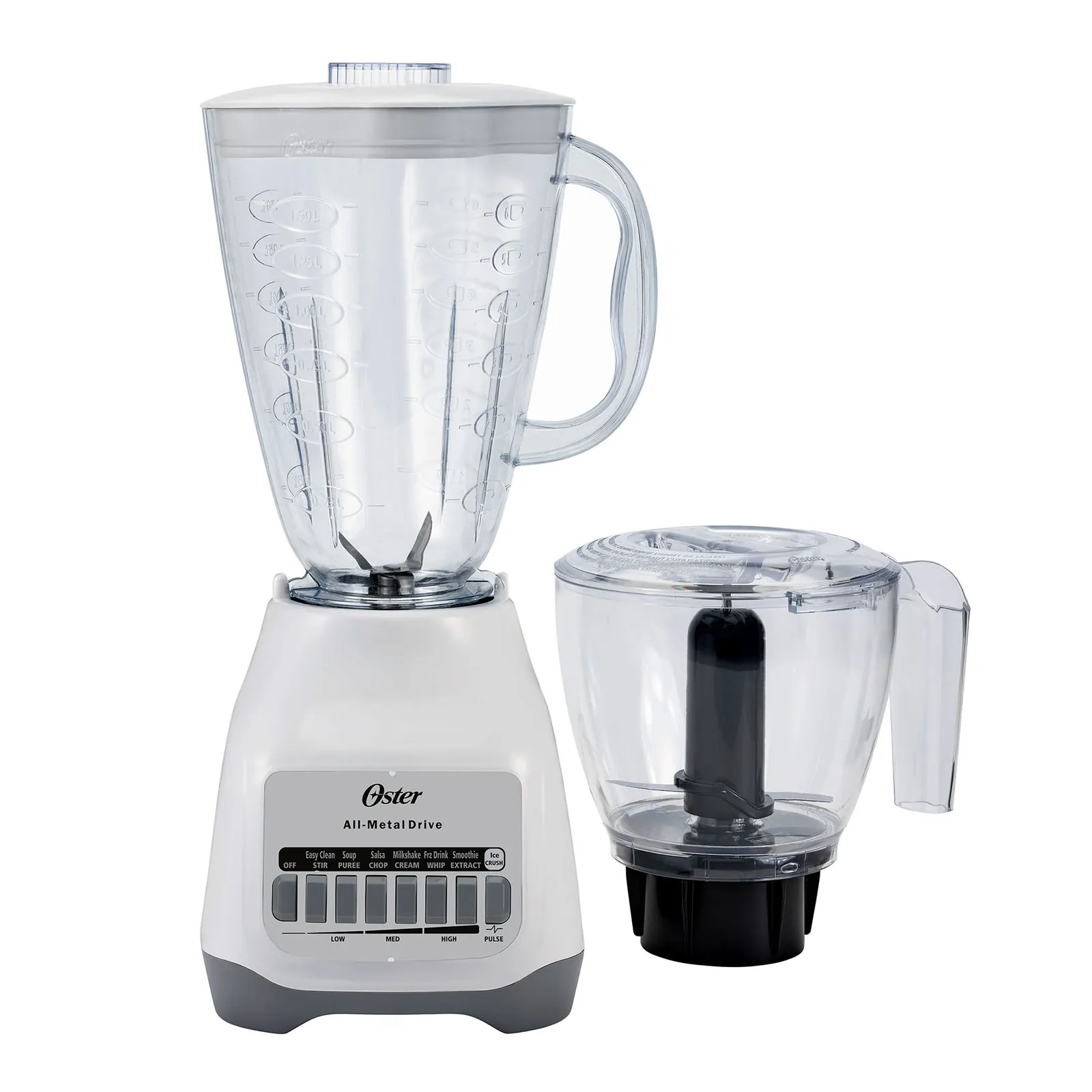
Using an Oster blender food processor comes down to one habit: match the jar or bowl to the job, then run the machine at the right speed for the right time. Blending liquids takes seconds. Chopping takes pulses. Kneading needs the dough blade and a slower pace.
Three things change that answer for you. Your model decides which parts you actually have — some Oster sets are blender-only, others add a food processor bowl. What you’re making decides the blade and the speed. And how full you load the container decides whether the motor strains or coasts.
Who this page is really for
You’ve got an Oster blender, maybe a food processor bowl that clips onto the same base, and you want to stop guessing which part does what. That’s who this page is written for.
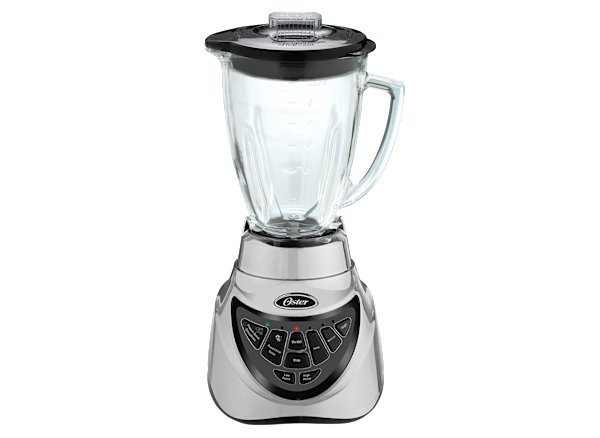
The first reader owns a plain Oster blender with a glass or plastic jar and a lid with a removable center cap. They blend smoothies fine but freeze up when a recipe says “pulse” or “fold.” They need to know which buttons actually pulse and how long to hold them.
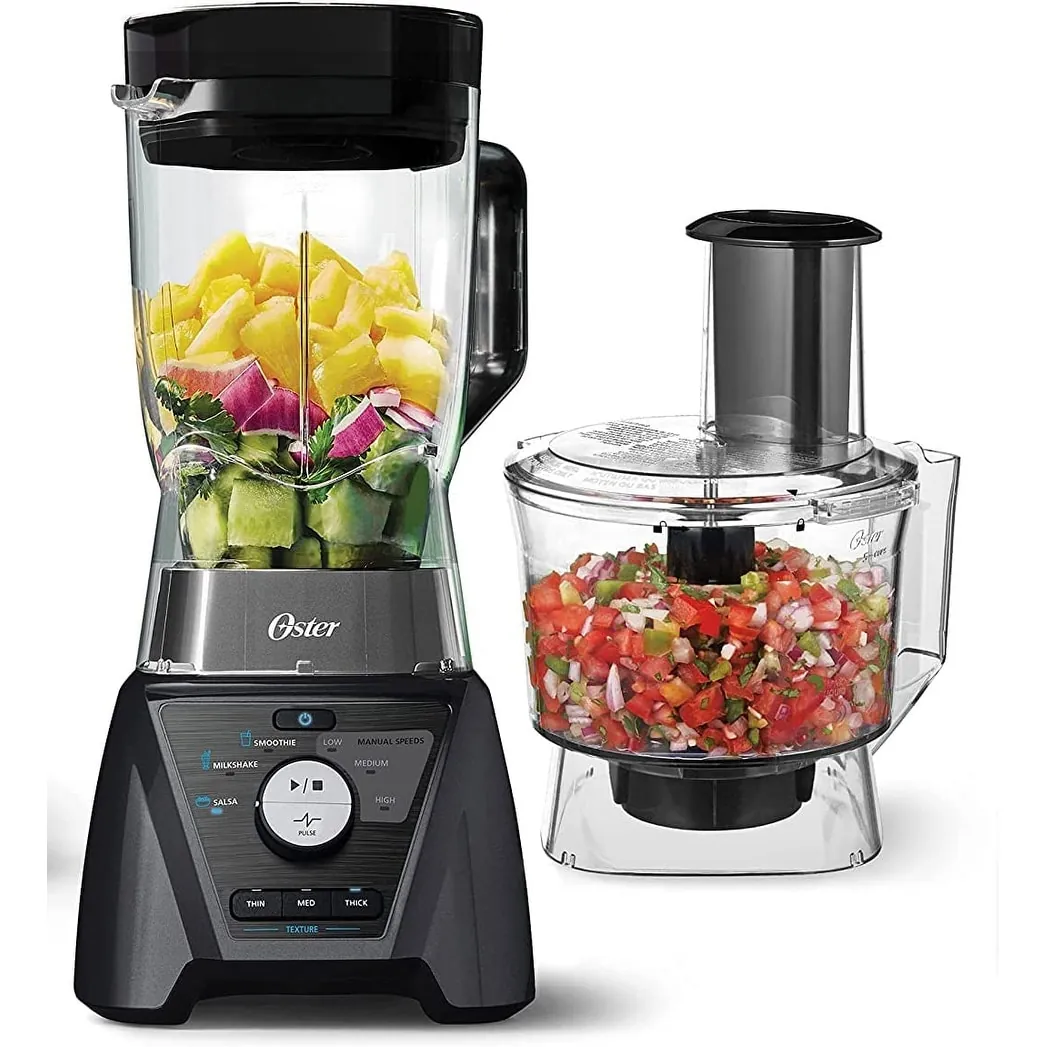
The second reader bought a combo set — a blender jar plus a food processor bowl with a chopping blade and a dough blade. They’ve got the parts but not the order. They need to know which jobs belong in the bowl and which belong in the jar, because using the wrong one wastes time and can dull a blade.
The third reader inherited a used Oster base with no manual. They don’t know the wattage, the jar size, or whether the bowl fits. They need the check that tells them what they own before they run it.
This page serves the first two readers best. If you have no manual and no model number, your best first move is to look up the model on Oster’s own site — that page carries the parts list and wattage for your exact unit. If your machine is a different brand entirely, the steps still work, but the button names and bowl fit won’t match.
What changes the result most
Wattage sets the ceiling on what your machine can do without stalling. A lower-wattage Oster base handles smoothies, soups and thin batters well. Thick dough and hard chunks ask more of the motor. Check the label on the bottom of the base or the model page on Oster’s site — that’s where your number lives.
Fill level decides whether the blade grabs or the food just spins. Liquids need headroom so they can move; solids need room to fall back onto the blade. If the jar is packed to the top, the blade sits in a pocket of food that never circulates.
Speed and time are the pair people get wrong most. Running a blender on high for a full minute when ten seconds would do heats the food and can dull flavors. Pulsing in short bursts gives you control the continuous buttons don’t.
Blade choice decides texture, not power. The chopping blade minces and purees. The dough blade mixes and kneads. Using the chopping blade on stiff dough strains the motor and can crack the blade hub over time.
Lid and cap position matters more than it looks. The removable center cap lets you add oil or liquid while the machine runs. Leave it off while chopping dry ingredients and you’ll throw flour across the counter. Lock the lid fully — most Oster lids click or twist into a locked position, and the motor won’t start until they do.
Step-by-step: blending and chopping
Set the base on a flat, dry counter with the cord clear of the sink. Press down on all four feet — if the base rocks, move it. A machine that walks across the counter is a machine that’s about to tip.
Fit the blade or jar you need. For blending, screw the blade assembly onto the jar until it’s snug, then invert onto the base. For chopping, drop the chopping blade onto the center pin of the bowl, then lock the lid. You’ll feel or hear the lock. If it doesn’t lock, the motor won’t run.
Load liquids first, solids second. Pour liquid in first, then add fruit, ice or powder. Fill no higher than the top line marked on the jar. For the food processor bowl, leave the top inch empty so food can move.
Lock the lid and cap. Twist or press until it seats. Keep the center cap in for thick mixtures, and remove it only when you’re adding oil in a slow stream.
Start on the lowest speed. Run 5-10 seconds, then stop and check. Starting low keeps the food from climbing the jar walls before the blade catches it.
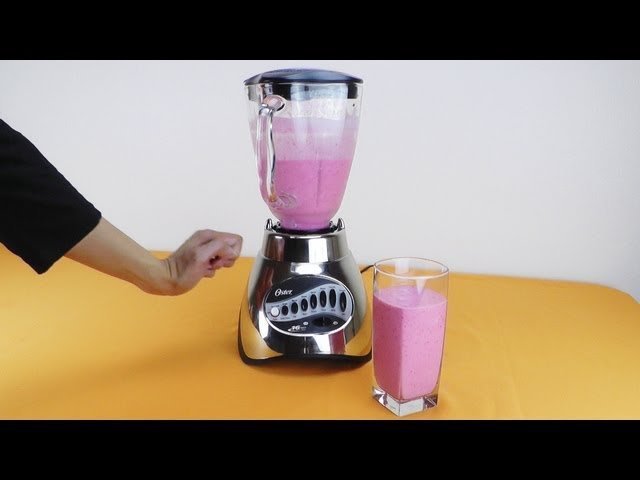
Pulse for chopping, run for blending. Hold the pulse button in 1-2 second bursts, 5-8 times, scraping the bowl between bursts. For smoothies, run 30-60 seconds total, starting on medium and finishing on high for 15-20 seconds. Stop when the texture is right — longer just warms the food.
Add liquid through the cap opening while running if the mixture stalls. Pour in a slow stream, about a tablespoon at a time, until it moves again. Dumping it all at once thins the result.
Stop and scrape, don’t shake. Turn the machine off, unplug it, then use a spatula to push food down from the sides. Never use your fingers or a spoon while it’s plugged in.
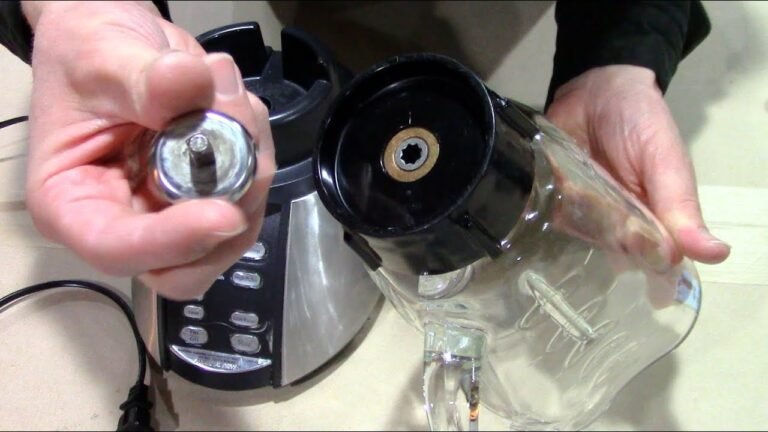
Unplug before you take the jar or bowl off. Twist the jar free, or unlock the bowl lid, then lift the blade straight up by its plastic hub. The blade is sharp — hold the hub, not the edge.
Wash the jar, lid, bowl and blades in warm soapy water, or on the top rack of the dishwasher if your manual says the parts are dishwasher-safe. Wipe the base with a damp cloth only.
The judgement call that separates a good result from a rough one is knowing when to stop. A smoothie that’s fully blended at 45 seconds turns warm and thin at 2 minutes. Chopped onions that are right after 5 pulses turn to paste after 12. Watch the texture, not the clock.
If your machine sparks, smells like burning, or the blade won’t spin freely by hand, stop. That’s technician work — don’t open the base yourself.
Matching the job to the right part
Pick the container by what you’re making, not by which one is already on the counter. The table below covers the jobs people actually bring to an Oster combo set.
| What you’re making | Which part | Time and speed | Watch for |
|---|---|---|---|
| Smoothies, shakes | Blender jar | 30-60 sec, medium then high | Don’t overfill past the line |
| Soup, puree | Blender jar | 45-90 sec, start low | Vent hot liquid, fill halfway |
| Chopping onions, nuts | Processor bowl | 5-8 pulses, 1-2 sec each | Stop before it turns to paste |
| Slicing or shredding | Processor disc | Continuous, low speed | Keep fingers clear of disc |
| Bread or pizza dough | Bowl, dough blade | 30-60 sec, low speed | Stop when dough forms a ball |
| Baby food, hummus | Either one | 60-90 sec, scrape twice | Add liquid slowly through cap |
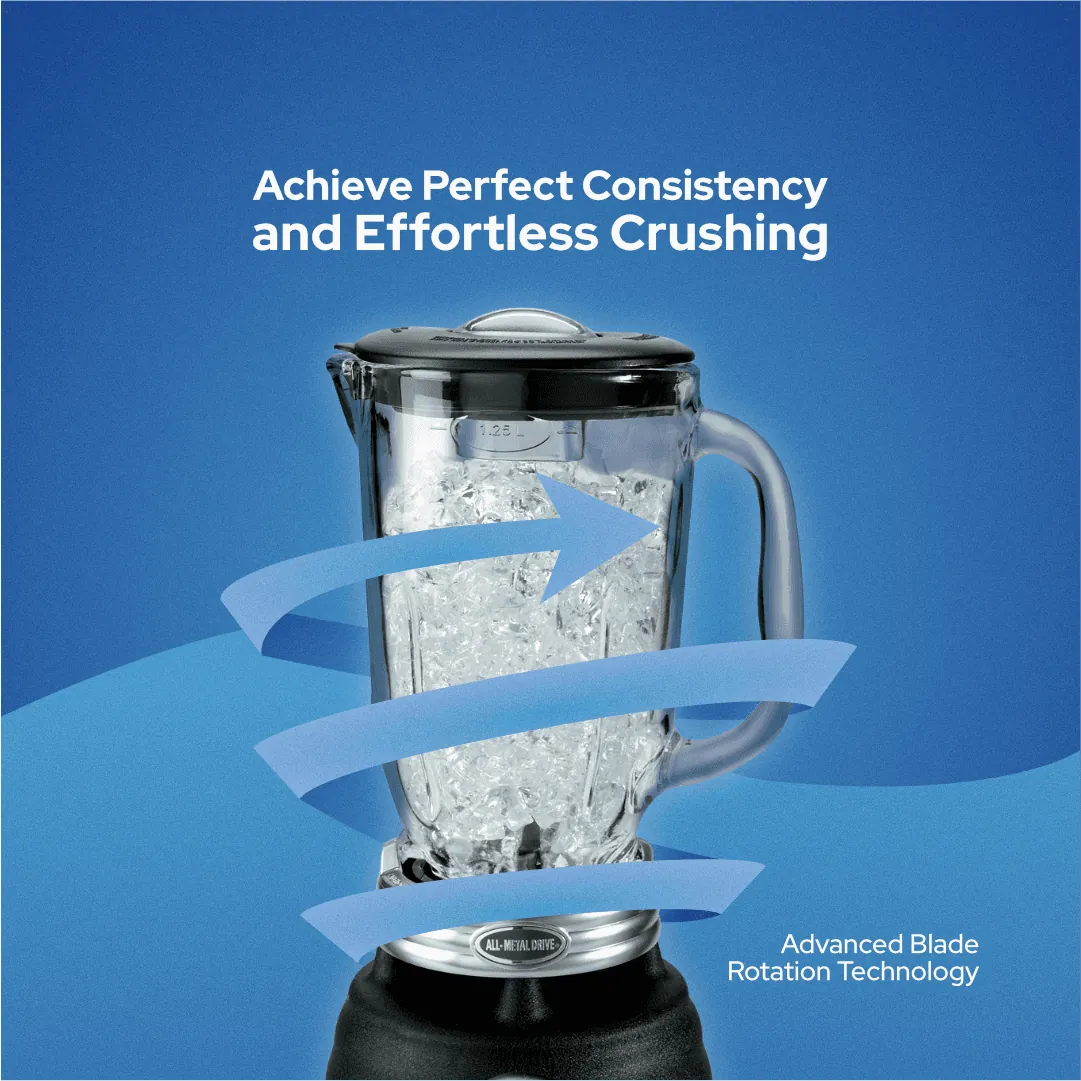
| Crushing ice | Blender jar | 10-15 pulses, short bursts | Add a little liquid first |
What experienced users do differently
They prep before they power on
Cut fruit and vegetables into chunks about 1 inch across before they go in. That size lets the blade catch and pull food down instead of riding on top of it. Hard items like carrots or ice go in smaller — closer to half an inch — because the blade has less to bite.
They also chill or freeze what should stay cold. Warm ingredients blend faster but heat up more, and a smoothie that hits room temperature tastes flat.
They pulse, then commit
Short bursts give control. Short bursts give control, so you stop at chopped instead of pureed. Once the texture is close, they switch to a continuous run for the final few seconds to even it out. That order — pulse to break down, run to smooth — is the one beginners skip.
They leave the machine alone while it runs. Opening the lid mid-blend to stir just spills and adds air. If food sticks to the sides, they stop, unplug, scrape, relock, and start again.
When something goes wrong
Most problems with an Oster blender food processor come down to load, liquid, or a lid that isn’t locked. Match what you see to the cause before you change anything else.
| What you notice | What it usually means | What to do first | How to stop it again |
|---|---|---|---|
| Motor hums, blade won’t turn | Overloaded jar or too-thick mix | Unplug, remove half the food | Fill to the line, not above |
| Food spins but won’t blend | Not enough liquid | Add liquid 1 tbsp at a time | Start with liquid in first |
| Machine won’t start | Lid or bowl not locked | Twist lid until it clicks | Check lock before every use |
| Burning smell | Motor straining too long | Stop, let it cool 15 min | Run shorter bursts, lower speed |
| Leaking at the base | Blade assembly loose or gasket worn | Tighten assembly, check gasket | Hand-tighten each time |
| Uneven chop | Food packed too high | Scrape down, pulse again | Leave top inch of bowl empty |
| Blade feels loose in bowl | Blade not seated on pin | Lift and reseat the blade | Seat blade before adding food |
The rules that apply
Oster’s own manual is the authority on your machine, and it lists what each part can and can’t do. Read the section for your model before you run anything new — the wattage, jar size and dishwasher-safe parts differ between models.
Most Oster lids and bowls are designed to lock before the motor engages. That’s a safety feature, not a fault. If the machine won’t start, check the lock before you assume it’s broken.
Hot liquids are the real risk. Blending hot soup can build pressure under the lid and spray. Let it cool a few minutes, fill the jar no more than halfway, and vent the center cap. For storage and reheating, follow USDA food safety guidance.
Never put your hand, a spoon or a spatula into the jar or bowl while it’s plugged in. Unplug first, every time. And never open the motor base — a capacitor inside can hold a charge even when unplugged. That’s technician work.
What it costs you
The money side is small if you already own the machine. Replacement parts are where the cost shows up: a new blade assembly, a jar, or a food processor bowl. Oster sells these separately, and the price depends on your model — check Oster’s parts page or your retailer for today’s number, because it moves.
Time is the bigger cost, and it’s mostly in prep. Cutting fruit into 1-inch chunks takes 3-5 minutes for a full jar. The blending itself is under a minute. Chopping a single onion in the processor bowl is about 20 seconds of pulses.
Effort scales with how thick the mixture is. Thin smoothies need almost no attention. Dough and nut butters need scraping every 20-30 seconds, and that scraping is what makes them feel like work.
The risk cost is low if you follow two rules: unplug before touching the blade, and never overfill. Both mistakes are the ones that cause cuts and spills. A dull blade raises cost too — it takes longer to blend, which heats the food and strains the motor, so replacing a worn blade is often cheaper than replacing the base.
Keeping it running well
Clean the jar, lid, bowl and blades right after each use. Food left to dry on a blade is harder to remove and can leave a smell. Warm soapy water and a soft brush handle most of it. Check your manual for which parts are dishwasher-safe — many Oster jars and bowls are, but the base never is.
Check the blade assembly and gasket periodically. How often depends on how much you use the machine, so your owner’s manual is the authority. A gasket that’s cracked or stretched is the most common cause of leaks at the base. Replacement gaskets and blade assemblies are sold as separate parts.
The sign it needs attention is a change in sound or speed. A motor that sounds rougher, or a blade that takes longer to break food down, means either a dull blade or a strained motor. Replace the blade first — it’s the cheaper fix and the more common cause.
Store the jar and bowl with the lids off so they dry fully. Trapped moisture and a closed lid is how a musty smell starts. If it does, a soak in warm water with a splash of vinegar usually clears it without starting over.
When an Oster blender isn’t the right tool
If you’re making large batches for a family of six or more, a single Oster jar will need two or three rounds. A high-capacity blender or a standalone food processor with a bigger bowl does it in one pass.
If you’re kneading stiff bread dough regularly, a dedicated stand mixer handles it better. Oster dough blades work for soft doughs, but heavy dough strains the motor over time and can wear the gears.
If your base has an electrical fault — sparking, a burning smell that returns, or a blade that won’t turn by hand — stop using it. That’s repair work for a qualified technician or Oster service, not a home fix. Opening the base risks a shock from the capacitor, even unplugged.
Frequently asked questions
Can I put hot soup in an Oster blender?
Only after it cools a few minutes. Fill the jar no more than halfway, keep the center cap loose to vent steam, and start on the lowest speed. Blending boiling liquid can build pressure and spray. For storage and reheating, follow USDA food safety guidance.
Why won’t my Oster blender turn on?
The lid or bowl isn’t locked. Most Oster models have a safety interlock that stops the motor until the lid clicks or twists into place. Check the lock first, then the outlet and the breaker, before assuming the machine is broken.
How long should I blend a smoothie?
30-60 seconds total, starting on medium and finishing on high for 15-20 seconds. Stop when the texture is smooth. Running longer than 2 minutes warms the drink and thins it, and it strains the motor for no benefit.
Is it safe to put the blades in the dishwasher?
Usually yes for the jar, lid, bowl and blades, but check your model’s manual first. The motor base is never dishwasher-safe — wipe it with a damp cloth only. Hand-washing the blades right after use keeps them sharper longer.
What happens if I overfill the jar?
Food won’t circulate, so the blade spins in a pocket and the motor strains. You’ll hear it slow down or smell heat. Stop, unplug, and remove about a third of the contents. Fill to the marked line, not above it.
How often should I replace the blade?
Replace it when chopping takes noticeably longer or the texture turns uneven, not on a fixed schedule. A worn blade heats food and strains the motor. Check the blade and gasket periodically, and buy replacements from Oster for your model.
Does it matter which speed I use?
Yes. Low speed for chopping, dough and thick mixes; high for smoothies, soups and purees. Starting low keeps food from climbing the jar walls. Pulsing gives the most control for anything you want chopped rather than pureed.
Can I crush ice in an Oster blender?
Yes, in short pulses of 1-2 seconds, 10-15 times, with a little liquid in the jar first. Ice alone can spin without catching. If the blade stalls, stop, unplug, and add a splash of water before continuing.
What to do next
Pick one job — a smoothie or a chopped onion — and run it with the steps above. Expect a smooth drink in under a minute, or evenly chopped pieces after 5-8 pulses. If the motor strains, smells hot, or the blade won’t turn by hand, stop and take it to a qualified technician or Oster service.