
Best Container for Immersion Blender: 5 Top Picks
Finding the best Container For Immersion Blender isn’t just about picking a cup that fits your stick blender. It’s about keeping hot soup off your shirt and making sure the blades don’t scratch the sides while they spin. You’ve got a motor in your hand doing thousands of turns a minute. Put it in the wrong jar, and you’ll get splatters, stuck blades, or a mess on the counter. The one thing separating a good setup from a bad one is geometry. A straight-sided vessel lets the blade move freely without trapping air pockets that cause sudden splashes.
I’ve spent thirty years looking at kitchen gear, and I still see folks trying to blend in bowls that are too wide or pitchers that are too narrow. When you’re hunting for the Best Container For Immersion Blender, you have to think about what you’re actually making. Thick smoothies need room for frozen fruit to drop into the vortex. Hot soups need a material that won’t warp or crack when the temperature spikes. Baby food needs something small enough to reach the bottom with just half a carrot inside.
What you hold matters just as much as what it holds. Some plastics cloud up after a few trips through the dishwasher, hiding whatever’s left at the bottom. Glass stays clear but adds weight to a task that already tires out your wrist. Stainless steel hides stains completely, yet you can’t see how close you’re to the top until liquid starts climbing the walls. Every material forces a trade-off, and knowing which one you can live with is how you end up with the right tool instead of another thing shoved in the back of a cabinet.
| # | Product | Best for | |
|---|---|---|---|
| 1 | Vitamix Blending Jar | Best Overall | Check Price |
| 2 | Metal Magery Malt Cup | Best Stainless Steel | Check Price |
| 3 | MSHUNKEJI Glass Cup | Best Glass | Check Price |
| 4 | Rubbermaid Brilliance 16-Cup | Tallest Blending Vessel | Check Price |
| 5 | Rubbermaid Brilliance 12-Cup | Most Leak-Proof Design | Check Price |
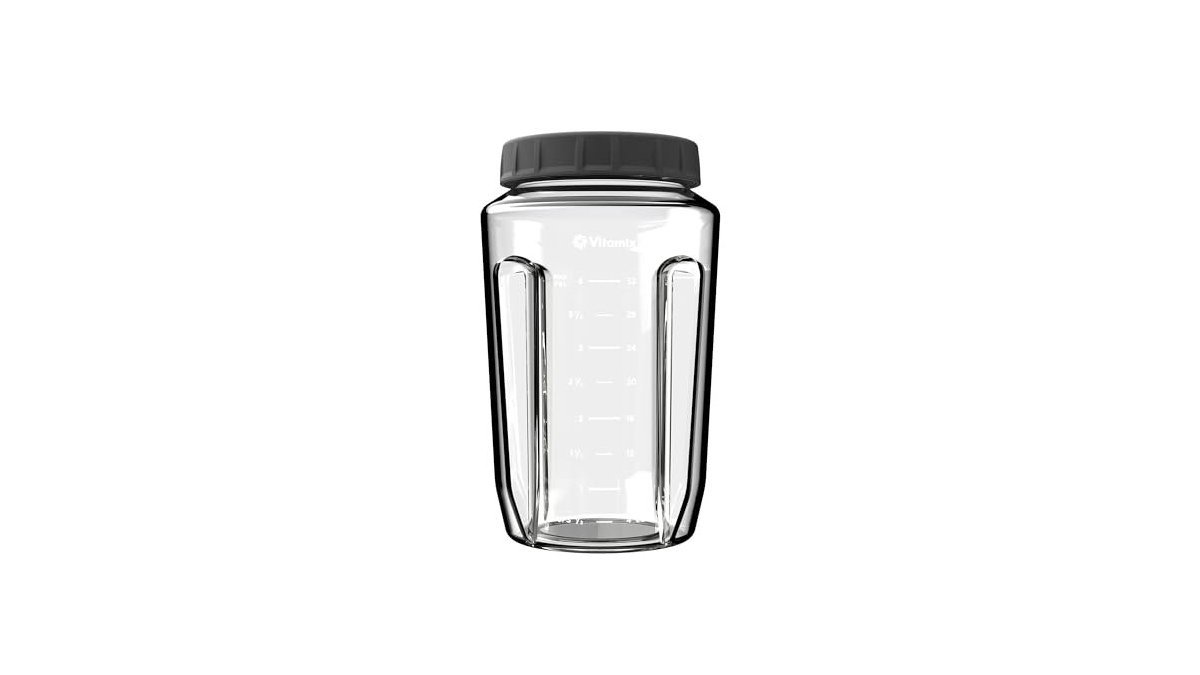
1. Vitamix Immersion Blending Jar

Best for: Smooth blending with built-in measurement markings.
This 32-ounce jar uses BPA-free Eastman Tritan plastic, shaped specifically to guide ingredients down toward the blades. That unique shape mimics the standard Vitamix container design, meaning it doesn’t just hold your food—it actively moves it through the blending path for consistent results. The exterior features ounce and cup measurement markings, so you aren’t guessing when a recipe calls for exact amounts. A screw-on lid comes included, letting you cap it and slide it straight into the fridge when you’re done.
Living with this jar means fewer steps between blending and storing. Since it’s dishwasher safe, cleanup takes seconds rather than minutes of scrubbing around curved edges. The 32-ounce capacity handles one to two servings comfortably, though anyone trying to batch-prep a week of smoothies will find themselves refilling it constantly. Because it was designed for use with the Vitamix Immersion Blender (sold separately), buyers using other brands should verify their blender head clears the specific contours of this jar before assuming it fits perfectly.
| What this gives you | What you have to accept |
|---|---|
| Shaped interior guides ingredients to blades | Designed specifically for Vitamix immersion blenders |
| Built-in ounce and cup markings | 32-ounce capacity limits you to 1-2 servings |
| Screw-on lid for storage and transport | Blender must be purchased separately |
| Dishwasher-safe BPA-free Eastman Tritan | Contoured shape may not fit all universal holders |
2. METAL MAGERY Stainless Steel Milkshake Cups Immersion Hand Blender Malt

Best for: Classic diner-style milkshakes and cold drinks.
You get a set of two 30-ounce cups made entirely from durable stainless steel. They carry a tall, traditional shape that mimics authentic diner malt cups, giving your kitchen a specific retro look while serving a real function. The listing states they’re designed to work seamlessly with immersion hand blenders for smooth, lump-free shakes. Stainless steel construction means they won’t absorb colors from berries or hold onto the smell of garlic after a savory blend.
Owning these means you’re blending directly in the vessel you drink from, cutting out the step of pouring into a separate glass. However, because they’re opaque, you can’t watch the blending process to see if chunks remain hidden at the bottom.
Who it fits These cups suit someone who makes cold drinks like milkshakes, malts, or protein shakes daily. If you want a vessel that doubles as your drinking glass and resists staining from dark fruits, this set does exactly that. Having two means you can blend back-to-back without stopping to wash.
Who should pass Skip these if you blend hot soups or need to monitor the texture visually while the motor runs. The opaque metal hides everything inside until you stop blending and look down.
3. 40oz Immersion Blender Glass Cup 1200ml Blender Measuring Cup

Best for: Visible blending with dual-lid storage options.
This 40-ounce glass jar features a straight-wall design where the top and bottom diameters match exactly at 4.33 inches. That uniform width ensures most household handheld blenders fit inside without hitting the sides during operation. It includes two distinct lids: a metal one for airtight refrigerator storage, and a bamboo one with a 0.67-inch straw hole for serving. Permanent graduation marks on both sides show metric measurements from 300ml to 1000ml and US measurements from 4 to 32 ounces.
Using this jar means seeing exactly what happens to your ingredients at every second of the blend. The 7.48-inch height provides a comfortable grip, while the flat bottom prevents tipping when the blender vibrates against the glass. Cleaning is straightforward since the smooth surface prevents residue buildup—just rinse with water. Measure your blender’s dimensions before purchase to ensure it fits into the glass jar, and note the listing explicitly warns that the jar should never be inverted after closing the lid to prevent leakage.
What goes smoothly:
- Seeing ingredients blend clearly through the glass walls
- Measuring accurately with permanent, fade-proof scales
- Storing leftovers airtight with the included metal lid
- Drinking directly using the bamboo lid’s straw hole
- Cleaning quickly thanks to the smooth, stain-resistant surface
What you have to accept:
- The jar leaks if inverted after the lid is closed
- Your blender head must physically fit within the 4.33-inch opening
- Glass carries more weight than plastic or metal alternatives
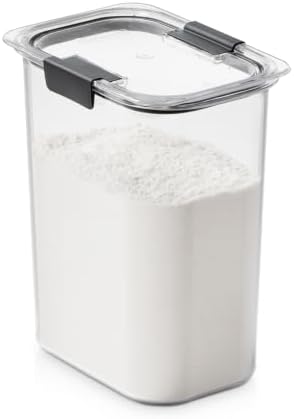
4. Rubbermaid Brilliance 16-Cup Airtight Food Storage Container with Lid Clear/Grey
Best for: Large batches and pantry-to-blender transitions.
Having 16 cups of space means you aren’t blending in tiny portions anymore. You can process a large pot of soup or a family-sized batch of batter without switching containers halfway through. The modular, stackable design saves cabinet space when it isn’t in use.
| What this gives you | What you have to accept |
|---|---|
| Massive 16-cup volume for large batches | No specialized shape to guide ingredients to blades |
| Crystal-clear base and lid for visibility | Intended primarily for pantry storage, not blending |
| Snap-tight airtight seal locks out moisture | Too large for single-serving recipes |
5. Rubbermaid Brilliance 12-Cup Airtight Food Storage Container

Best for: Secure storage with thick, durable walls.
Built from BPA-free plastic with thick, durable walls, this 12-cup container focuses heavily on preventing spills. The listing highlights its airtight and leak-proof design to ensure food freshness during storage. Like the larger version, it features a clear design for easy content identification. It resists stains to keep the plastic looking pristine. It’s rated as freezer-safe and top-rack dishwasher-safe for daily use.
In practice, the 12-cup size offers a middle ground between a small personal jar and a bulk storage bin. The thick walls provide rigidity. Its modular shape allows it to stack neatly with other items in your cabinets.
Because it shares the same storage-first design philosophy as the 16-cup model, it doesn’t feature blending-specific geometry. Anyone needing a lightweight vessel for quick, one-handed pouring might find the thick walls add unnecessary heft. That extra material serves pantry staples better than it serves active prep work.
The stain-resistant surface matters most when you store tomato-based sauces or turmeric-heavy spice blends. Here, the clear design stays readable so you can identify contents without lifting the lid.
You still need to check if your blender fits the opening before buying it for that purpose. The space-saving design works best when every container in your cabinet follows the same modular footprint. Mixing shapes defeats that stacking advantage.
Snapshot:
- Holds 12 cups of liquid or dry ingredients securely
- Stacks neatly in cabinets due to modular shape
- Resists stains from tomatoes, berries, or spices
- Seals tightly to prevent leaks during storage
- Requires checking if your blender fits the opening
- Adds slight weight due to thick, durable walls
Also Worth Considering
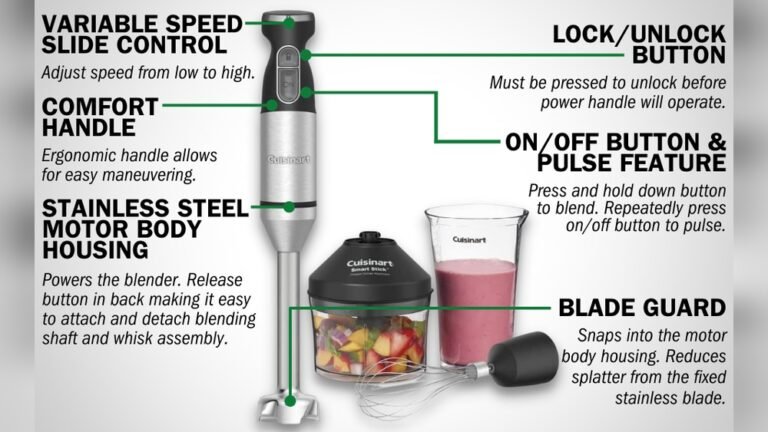
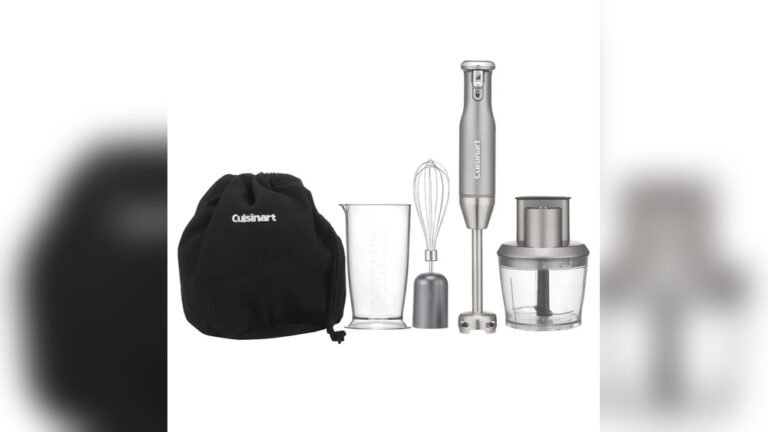
If you’re building a setup from scratch, the Vitamix Immersion Blender features a stainless steel blade and BPA-free construction. It includes a mini-chopper attachment that expands what you can process beyond just liquids.
That three-cup chopper container attaches directly to the blender wand. It works only with the five-speed Vitamix immersion blender. Pairing any immersion blender with a dedicated vessel ensures the blade guard clears the walls properly.
The 32-ounce Vitamix blending jar copies the shape of their standard countertop containers. That profile moves ingredients through the blades for a consistent blend every time. Built-in ounce and cup markings sit on the exterior.
A screw-on lid lets you store or transport what you just blended without transferring it to another container. The jar is made from BPA-free Eastman Tritan and goes straight into the dishwasher.
For full-sized milkshakes, Metal Magery offers a set of two 30-ounce stainless steel cups. The tall shape mimics authentic diner malt cups. Stainless steel cleans easily and resists stains far better than plastic.
If you prefer glass, measure your blender’s dimensions before buying the MSHUNKEJI 40-ounce jar. Its straight walls keep both diameters at 4.33 inches so most household handheld blenders fit inside.
That glass jar comes with two lids. A metal one seals it airtight for refrigerator storage. A bamboo lid has a hole sized for a straw when you’re ready to drink.
For smaller portions after blending a large batch, the Rubbermaid Meal Prep Leftovers Set offers five 3.2-cup Tritan plastic containers. Their airtight lids divide soups or smoothies into lunch-sized portions immediately after processing.
Built-in vents let you microwave them without removing the lid. The crystal-clear material resists both stains and odors. They stack neatly in the fridge or pantry.
The Decision Filter
Start by asking yourself one question: are you blending hot liquids or cold ones? If you blend hot soups frequently, rule out single-wall metal cups that transfer heat instantly to your hands.
If you only make cold smoothies, heavy glass might tire your wrist unnecessarily compared to lighter plastic. A forty-ounce glass jar stands 7.48 inches tall and weighs more than BPA-free Tritan options. Lighter plastic jars handle a personal portion without straining your grip during operation.
Next, measure the widest part of your blender’s blade guard. Any container with an opening narrower than that measurement is automatically disqualified, regardless of its other features. The glass jar mentioned earlier has a straight-wall design with identical top and bottom diameters wide enough for most household handheld blenders.
That uniform width fits most household handheld blenders. Always check your specific blender dimensions before buying any third-party jar to ensure it fits properly. Never invert a closed glass jar after filling it, because doing so causes leakage every time.
Most people miss this: the distance between the bottom of the jar and where the blades actually spin determines whether small amounts of food get blended or just pushed around. Some jars use a unique shape inspired by standard containers to move ingredients through the blades efficiently.
Others rely on a flat bottom that keeps the cup stable on countertops while you work. If you only make single servings, a sixteen-cup vessel leaves ingredients spread too thin for the blades to reach them effectively. Large pantry containers suit flour storage rather than blending tasks.
The Thirty-Second Checklist
If you plan to store leftovers in the same jar, look for a container with two distinct lids. One lid should provide an airtight seal for refrigerator storage and meal prep. The other needs a hole sized for a straw so you can drink directly from the jar after blending. Never invert a glass jar once the lid is closed, because this will cause leakage. Always blend with the jar open.
Does your blender’s blade guard fit through the opening? Measure your blender’s dimensions before purchase to ensure it fits into the jar. A straight-wall design with identical top and bottom diameters works universally with most household handheld blenders. A generous wide-mouth opening makes filling, pouring, and hand-cleaning effortless.
How many servings do you typically make at once? A 32-ounce jar handles a personal blend comfortably. If you need full-sized milkshakes or malts, a 30-ounce stainless steel cup mimics the traditional diner shape. For batch blending, a 1200-milliliter glass jar gives you enough room without transferring ingredients to another vessel.
Can your wrist handle the weight of glass when full? An ergonomic height of 7.48 inches offers a comfortable grip during operation. A stable flat bottom prevents tipping on countertops while the blender runs.
Three Regrets Worth Avoiding
Buying a container without measuring the blender head first catches almost everyone off guard. Many buyers assume any wide-mouth jar works. They discover their immersion blender’s bell guard scrapes the sides or won’t enter at all. This stops blending immediately and risks scratching the vessel.
Check the inner diameter against your blender’s blade housing before deciding. A glass cup with identical top and bottom diameters sized for standard immersion tools fits most household handheld blenders. Measure your own tool first, because not every straight-wall design matches every brand.
Choosing a tall, narrow shape for thick mixtures creates another problem. Heavy ingredients like nut butters trap food beneath the blades where it can’t circulate. You end up stopping constantly to scrape the sides manually. Selecting a vessel with an adequately wide bottom lets ingredients fall back naturally.
A shape inspired by standard containers moves ingredients through the blades more efficiently. That consistent path matters when you blend something dense. A traditional diner-style malt cup also keeps things moving smoothly during use.
Ignoring the lid situation ruins leftover storage. Blending directly in a cup is convenient. Transferring unfinished portions to a separate bowl defeats that purpose entirely. Containers with sealing lids let you cap the vessel and refrigerate it right away.
Verify whether the included lid seals tightly enough for liquids. Some are designed solely for dry pantry goods. An airtight metal lid keeps contents fresh longer in the refrigerator. Never invert a closed glass jar, because that causes leakage.
A bamboo lid with a straw hole is meant only for serving after blending. Always blend with the jar open.
If You Want This, Look for That
Match your actual goal to the physical traits that deliver it, and skip the designs that fight against what you’re trying to do.
| If you want… | Look for | Avoid |
|---|---|---|
| Splatter-free blending | Straight vertical walls | Wide, flared rims |
| To see texture changes | Clear glass or plastic | Opaque stainless steel |
| Easy cleanup | Dishwasher-safe materials | Hand-wash-only finishes |
| Hot soup safety | Heat-resistant builds | Single-wall metal cups |
| Fridge storage | Included airtight lids | Open-top drinking cups |
| Accurate portions | Printed measurement scales | Unmarked smooth walls |
A straight wall means the top and bottom diameters are identical. A 4.33-inch opening stays that wide all the way down. This shape fits most household handheld blenders without the guard catching on a flare.
If you want a classic diner malt experience instead, look for tall stainless steel. Those opaque cups hold thirty ounces and work seamlessly with immersion hand blenders. You trade visibility for that traditional shape.
Measurement marks fade on containers without permanent graduations. Look for etched or printed lines designed to survive the dishwasher, as the best glass jars carry two scales: metric in fifty-milliliter steps on one side, ounces and cups on the other.
Storage needs dictate the lid. A screw-on lid enables transport after blending. For meal prep, an airtight metal lid keeps contents fresh in the refrigerator. A separate bamboo lid with a straw hole is strictly for serving.
Never invert a sealed glass jar after closing the lid, as this causes leakage. Always blend with the jar completely open.
When two containers seem identical on paper, use this ten-second tie-breaker. Look at the bottom interior. The one with a slightly rounded or contoured base pulls food into the blades faster. A perfectly flat corner hides chunks.
Vitamix designed their thirty-two-ounce jar shape specifically to move ingredients through the blades efficiently. That contour is the difference between a consistent blend and leftover lumps.
Once you pick one, measure your blender’s guard against its opening before removing any packaging. Ensure it physically fits your existing tool.
Frequently Asked Questions
Will my current immersion blender fit inside these containers?
Fit depends entirely on the diameter of your blender’s blade guard compared to the container’s opening. Measure the widest point of your blender’s metal bell housing before choosing a vessel. If your blender has an unusually large guard or a specialized whisk attachment, you must verify clearance. Never force a blender into a jar where it barely passes the rim.
Why does the shape of the container matter so much?
Shape dictates how ingredients flow toward spinning blades during operation. Blending-specific vessels feature contoured bases that redirect food into the cutting path, unlike repurposed storage containers that lack this fluid dynamics engineering and require manual tilting or stirring to achieve a smooth puree.
Are printed measurement markings going to wash off eventually?
Durability of markings depends on manufacturing application. Etched or molded graduations remain permanently visible through dishwasher cycles, whereas painted numbers often fade after repeated exposure to hot water and detergent, forcing reliance on separate measuring cups if precise ratios are required for recipes.
Do I need a special lid if I plan to store leftovers?
Yes, the type of lid determines whether a blended mixture stays fresh or absorbs refrigerator odors overnight. Lids featuring straw holes are excellent for immediate drinking but terrible for long-term storage, as air continuously enters the vessel. Match the lid style to your actual workflow: blending then drinking requires different hardware than blending then storing for tomorrow’s lunch.
How do I clean dried food stuck under the rim?
Dried puree trapped beneath a container’s lip hardens quickly and resists casual rinsing. Soaking the vessel in warm, soapy water for ten minutes softens the residue enough for a bottle brush to sweep it away. Containers with wide mouths allow your hand to reach the bottom easily, whereas narrow necks require specialized long-handled brushes. Dishwasher-safe materials handle this automatically if placed on the top rack facing downward.
What happens if the container tips over while blending?
Stability relies on the ratio between vessel height and base width. Shorter, wider containers plant firmly on countertops, while tall, narrow cups wobble easily under lateral blender pressure and require bracing against a backsplash or holding securely with your non-dominant hand on dry surfaces.
Conclusion
Grab a tall, narrow pitcher from your cabinet tonight and test it with plain water before you blend anything hot. You’ll feel the difference right away. Once you’ve found that smooth, splash-free pull, you won’t want to go back to guessing.
One Comment