How Does a Vitamix Blender Work: The Science of the Vortex
A Vitamix blender works by using a high-speed motor and a specifically shaped blade assembly to create a powerful vortex that pulls ingredients into the center. This design allows it to pulverize tough fibers like kale or frozen fruit into a smooth liquid in under 60 seconds.
The results you see depend on the container size, the speed setting you choose, and the amount of liquid added. These three factors change how the blades interact with your food.
Who needs a Vitamix blender
This page serves home cooks who want to understand the mechanics behind their high-performance kitchen equipment. If you’re someone who owns a Vitamix or is considering buying one, you likely want to know the reasons these machines perform differently than a standard blender. This guide focuses on the technical operation of these machines rather than specific recipes or diet plans.
If you’re a professional chef looking for industrial-grade repair manuals or electrical schematics, this information will be too basic for your needs. We assume you’re using a standard residential model, such as the Explorian or Ascent series, in a home kitchen setting.
We don’t cover specialized commercial-only hardware or legacy models that have been out of production for over a decade. If your goal is to learn how to fix a broken motor or open the base housing, please consult an authorized service center instead. A capacitor inside the base can hold a lethal electrical charge even when the unit is unplugged, so please don’t attempt to open the motor housing yourself.
Mechanics of the high-speed vortex
The primary force driving the blending process is the interaction between the motor’s high torque and the blunt blade design. Unlike standard blenders that use sharp edges to slice, these machines rely on impact force to shatter cell walls.
Motor torque and speed
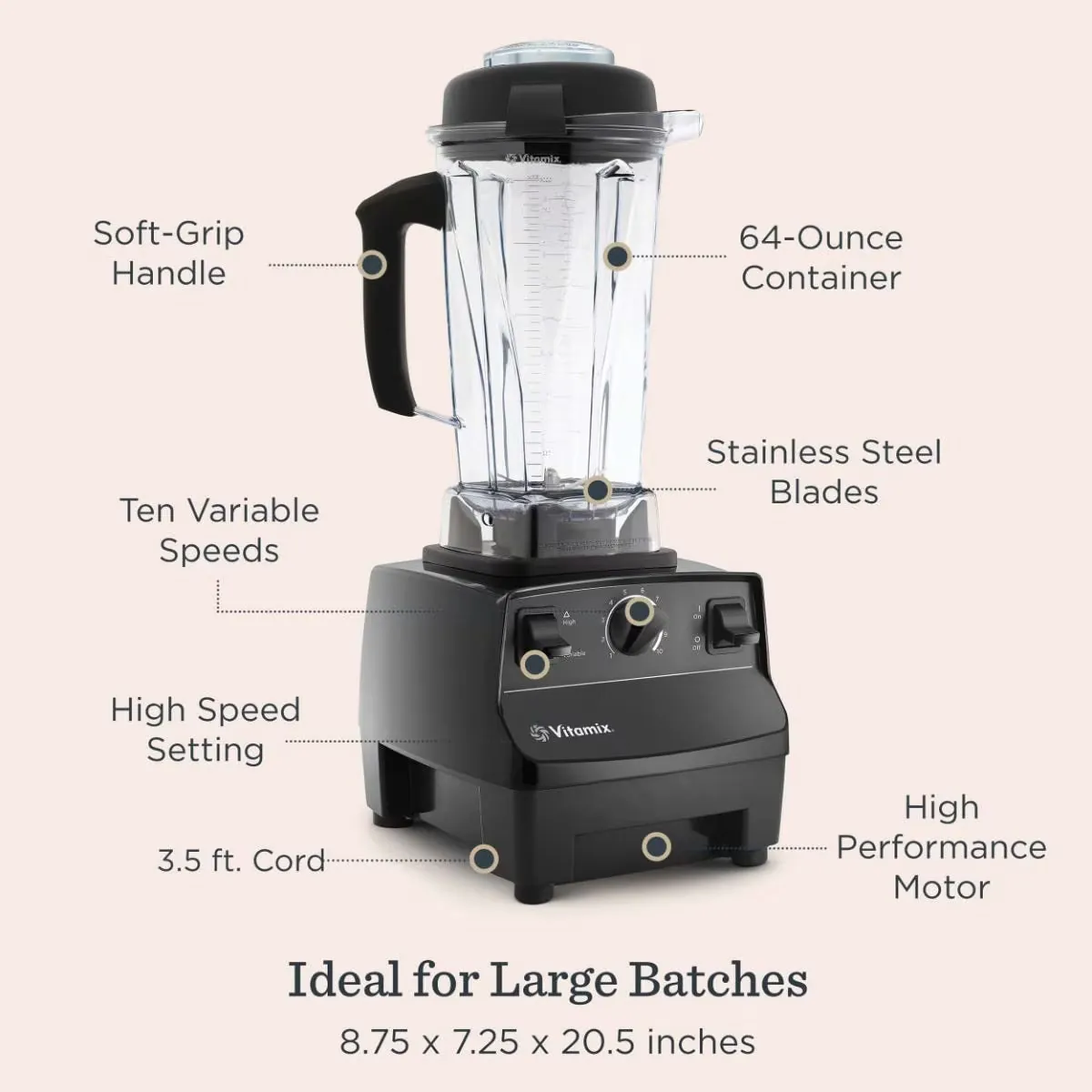
The motor provides the power to spin the blades at speeds often exceeding 20,000 rotations per minute. This high speed allows the machine to create a consistent texture without the need for constant stirring. If you’re blending dense ingredients like nut butter, the machine requires more torque; if you’re blending thin liquids, it requires higher speed.
The vortex effect
The container shape is engineered to force ingredients toward the blades constantly. As the blades spin, they create a vacuum at the bottom, pulling the top layer of ingredients down. This circulation is what ensures that every piece of food hits the blades multiple times per second.
Blade geometry
These blades are intentionally dull to the touch. Because they don’t rely on sharpness, they don’t lose their effectiveness over time as they hit hard items like ice or frozen fruit. The blades act more like small hammers, breaking ingredients apart through pure velocity rather than cutting them.
Operating your blender for best results
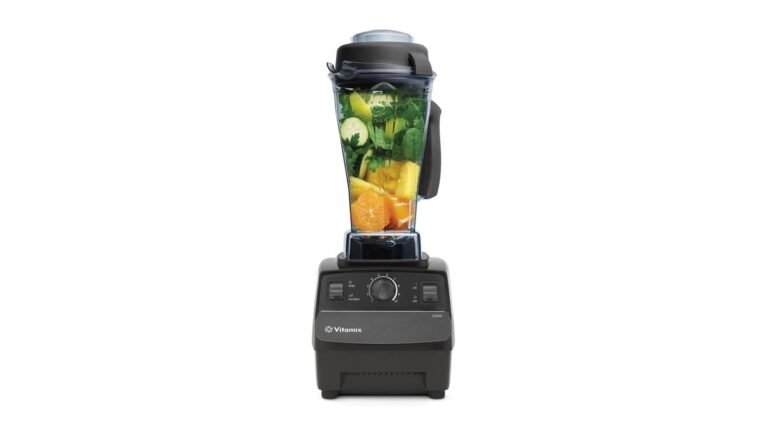
- Add your liquid ingredients first, followed by soft items, and finish with hard or frozen items on top.
- Secure the lid firmly and ensure the center plug is locked in place before starting.
- Start the motor on the lowest speed setting to prevent ingredients from splashing.
- Increase the speed to the highest setting quickly, usually within 5 to 10 seconds.
- Use the provided tamper to push ingredients down into the blades if you notice an air pocket forming.
- Run the machine for 45 to 60 seconds for a standard smoothie or soup.
- Turn the speed dial back to the lowest setting before switching the power off.
- Wait for the blades to stop spinning completely before removing the lid.
The single judgement call that separates a good result from a poor one is the use of the tamper. If you don’t push the air pockets down, the blades will spin in a vacuum and fail to pull the ingredients into the center.
Situational blending guide
| Situation | Action | Resource Needs | What to watch |
|---|---|---|---|
| Making hot soup | Run on high | 5-6 minutes | Steam pressure |
| Nut butter | Use tamper | 2-3 minutes | Motor heat |
| Smoothies | High speed | 45 seconds | Texture consistency |
| Frozen desserts | High speed | 30-40 seconds | Blade stall |
| Milling grains | Low to high | 1-2 minutes | Container wear |
When making hot soup, stop the machine if the lid begins to bulge. This indicates trapped steam pressure that can compromise the seal. If you’re processing fibrous vegetables, add them in two-inch chunks to prevent cavitation.
For nut butter, the mixture will transition from a coarse grind to a smooth paste abruptly. If the motor tone deepens or slows, stop immediately to prevent overheating. This usually happens at the two-minute mark.
Smoothies require a specific layering order to maintain speed. Always place liquids at the bottom, followed by soft fruits, and finish with frozen items or ice. If the blades spin freely without pulling ingredients down, you have too much air in the canister.
Frozen desserts rely on the tamper to force ingredients into the blades. If the machine stalls, don’t force it. Remove the container and let the mixture sit for sixty seconds to soften.
Milling grains creates fine dust that can degrade plastic over time. Only use a dry-blade container for this task to avoid etching the interior. If you notice a cloudy residue after cleaning, you’re using the wrong canister for the job.
If you’re unsure of your container type, check the bottom for a “Dry” or “Wet” designation. Using wet blades for grains will dull the edges within three uses, forcing you to replace the entire assembly.
Precision in performance
Preparation and technique
Experienced users always measure their liquid-to-solid ratio before starting. A common mistake is adding too much solid food without enough liquid, which causes the blades to cavitate. If the blades are spinning but the food isn’t moving, you have likely created an air pocket that needs the tamper.
Maintaining the equipment
Effective blending requires keeping the container and blades clean. Experienced users rinse the container immediately after use to prevent food from drying under the blade assembly. Never submerge the motor base in water, as this will destroy the electrical components and void your warranty.
Troubleshooting common issues
| What you notice | What it means | What to do first | How to stop it |
|---|---|---|---|
| Machine stops suddenly | Overheat protection | Let it cool | Add more liquid |
| Food not moving | Air pocket | Use the tamper | Layer ingredients |
| Leaking from bottom | Seal failure | Check blade base | Hand wash only |
| Burning smell | Motor strain | Turn off power | Reduce batch size |
| Loud rattling | Loose base | Tighten container | Check blade nut |
When the machine halts mid-cycle, wait at least fifteen minutes before restarting. If the motor remains hot to the touch, the internal thermal fuse has tripped to prevent permanent damage. You can avoid this by ensuring your liquid-to-solid ratio is at least one part liquid to two parts solid.
If your ingredients hover above the blades without blending, you have created a vacuum. Push the contents down firmly with the tamper while the motor runs at a low speed. To prevent this, always load liquids first, followed by soft fruits, and finally heavy frozen solids or ice on top.
A leak at the base often stems from a compromised gasket. Inspect the rubber ring for cracks or debris buildup. If you run the container through a high-heat dishwasher cycle, the seal will warp and fail within months. Always hand wash the container with warm, soapy water to maintain the integrity of the gasket.
A burning smell indicates the motor is struggling against an oversized load. Stop immediately and remove one-third of the contents to allow for better circulation. If you force the machine to power through, you risk stripping the drive socket.
Rattling noises usually signal that the blade assembly nut has loosened from vibration. Use a specialized wrench to tighten the nut clockwise until it’s snug. If the noise persists after tightening, the bearings are likely worn and require a replacement blade assembly.
Safety and operational standards
The primary safety rule for these machines is to never leave them unattended while running at high speeds. According to the manufacturer’s user manuals, the internal thermal protection system is designed to shut the motor off if it detects excessive heat from prolonged use under heavy loads. If the machine shuts down, unplug it and allow it to cool for 45 minutes before attempting to restart.
Never reach into the container while it’s on the base, even if the power is switched off. If you need to clear a blockage, use the provided tamper or a silicone spatula only after ensuring the dial is at zero and the power switch is in the off position. If your unit begins to make a grinding noise that doesn’t stop, contact the manufacturer’s customer support, as this may indicate a bearing failure that requires professional repair.
The true cost of performance
The cost of owning this equipment involves more than the initial purchase price. You must account for the electricity used during high-speed operation, which is higher than standard blenders due to the powerful motor. Most residential models draw between 1,200 and 1,500 watts when running at full speed.
Beyond electricity, the cost of maintenance is low if you follow the cleaning instructions. The main variable is the lifespan of the container, which depends on how often you process abrasive items like frozen fruit or dry grains.
If you notice the container becoming cloudy or scratched, it’s a sign that the plastic is wearing down and may eventually need replacement. Compare the cost of a new container on the official website to ensure you’re getting the correct size for your model.
Long-term care and storage
To keep your blender in top condition, store the container upside down or with the lid off to allow air circulation. Moisture trapped inside often settles in the gasket, leading to stubborn odors or mold growth that’s difficult to scrub away.
If you notice a buildup of cloudy residue or film, fill the container halfway with warm water and a single drop of dish soap. Run it on the highest speed setting for 30 seconds to dislodge particles from the blade assembly.
If you’re storing the unit for a long period, keep the motor base in a dry, room-temperature environment. Avoid placing it near a stove or dishwasher where ambient steam can enter the cooling vents. Internal moisture can corrode electrical contacts or cause the motor to seize during a long hiatus.
If the machine fails to start after sitting idle, check your home’s circuit breaker before assuming the motor has failed. Blenders often draw high amperage on startup, which can trip a sensitive GFCI outlet. If the breaker is fine but the unit remains unresponsive, press the manual reset button usually located on the bottom of the base.
If the unit still won’t engage, inspect the drive socket for visible cracks or debris. A worn socket will spin without turning the blades, creating a high-pitched whining noise. If the socket is intact but the motor remains silent, contact the manufacturer to verify your warranty status.
Most professional-grade warranties are voided if the base has been opened or exposed to water ingress, so avoid attempting DIY repairs on the internal electronics. This simple step can add years to the life of your motor.
When to choose another method
Some tasks are better suited for different tools. If you need to chop vegetables for a salad, a blender will turn them into a puree regardless of the speed setting. Use a sharp knife and a cutting board for tasks that require distinct textures or specific shapes.
If you’re looking to knead heavy bread dough, these machines can handle the task, but a dedicated stand mixer is often more efficient for large batches. The motor in a blender is designed for high-speed liquid processing, whereas a stand mixer is geared for slow, consistent kneading. If you find yourself frequently making heavy doughs, a stand mixer will prevent the wear and tear that occurs when a blender motor is pushed to its limits.
The primary risk of using a blender for thick, viscous ingredients is motor burnout. If you notice the smell of ozone or the base of the unit becomes hot to the touch after only two minutes of operation, stop immediately. You have exceeded the thermal capacity of the motor.
Apply this simple rule: if the mixture doesn’t flow freely back toward the blades under its own weight, use a food processor or a mixer instead. A blender relies on a vortex to pull ingredients down. Without enough liquid to create that cycle, the blades will simply spin in a dry pocket, leaving the bottom layer pulverized while the top remains untouched.
If you’re processing more than two cups of dry ingredients, the blender will struggle to maintain an even consistency. For recipes involving nuts, seeds, or dense root vegetables, a food processor with an S-blade provides the necessary torque without the risk of overheating. Choosing the right tool saves your equipment from permanent mechanical failure while ensuring your ingredients retain the structure you intended for the final dish.
Related guides
Frequently asked questions
Can I blend hot liquids in my blender?
Yes, you can blend hot liquids, but you must ensure the lid is vented and the machine is running at high speed to prevent pressure buildup. Always fill the container no more than half full when processing hot liquids to account for expansion and steam.
How long should I blend a smoothie?
You should blend a standard smoothie for 45 to 60 seconds on the highest speed setting. This duration allows the machine to break down fibrous ingredients and create a consistent, creamy texture without heating the mixture too much.
Why does my blender smell like burning?
A burning smell usually indicates the motor is under too much strain from thick ingredients or the cooling fan is blocked. Turn the machine off immediately, remove some of the contents, add more liquid, and let the motor cool down for at least 15 minutes.
Is it safe to put the container in the dishwasher?
Most modern Vitamix containers are dishwasher-safe, but hand washing is recommended to prolong the life of the blade bearings. High heat and harsh detergents in a dishwasher can degrade the seals and plastic over time.
How do I know if the blades are dull?
The blades are designed to be dull and don’t need sharpening to function correctly. Their performance comes from the high-speed impact force rather than a cutting edge, so you don’t need to worry about the blades losing their effectiveness.
Does it matter if I use the tamper?
Yes, using the tamper is required when processing thick mixtures to push ingredients into the blades. Without the tamper, you’ll likely encounter air pockets that prevent the ingredients from circulating, which leads to overheating the motor.
What happens if I overfill the container?
Overfilling the container can cause the motor to stall and increase the risk of leaks during high-speed blending. Always respect the maximum fill line marked on the side of the container to ensure safe and efficient operation.
Conclusion
Start by adding your liquid and soft ingredients to the container, then secure the lid before turning the power on. Expect the mixture to become smooth and uniform within a minute of reaching full speed. If you hear a high-pitched grinding noise or notice the machine struggling, stop immediately and contact the manufacturer’s support line for assistance.