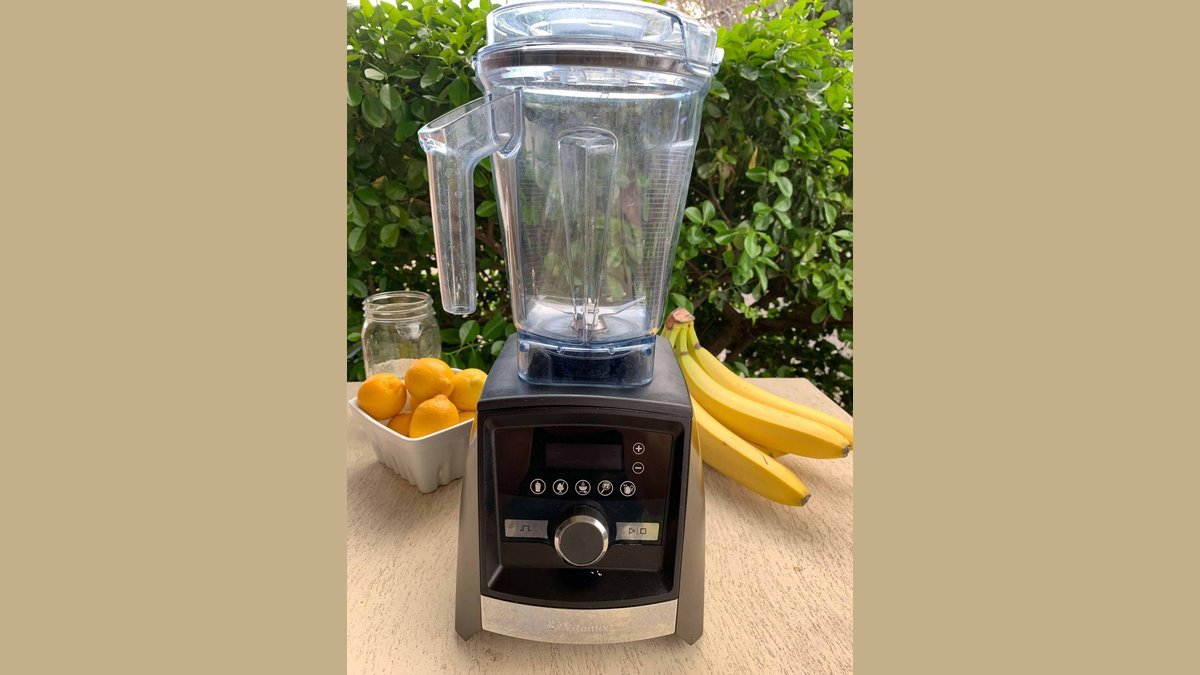
How Does A Vitamix Blender A3500 Work: Motor and Blade Mechanics
A high-performance motor spins the blades at speeds up to 240 mph to pulverize ingredients, and this is how a vitamix blender a3500 works by creating a vortex that pulls food down into the blades. The motor base senses the container size to adjust power, while a digital timer stops the blending cycle automatically once the selected time expires.
The primary factors that change this process include the container size, the thickness of the ingredients, and the chosen program setting. These variables determine how much torque the motor applies and how long it needs to run to reach a smooth consistency.
Who should use this Vitamix blender
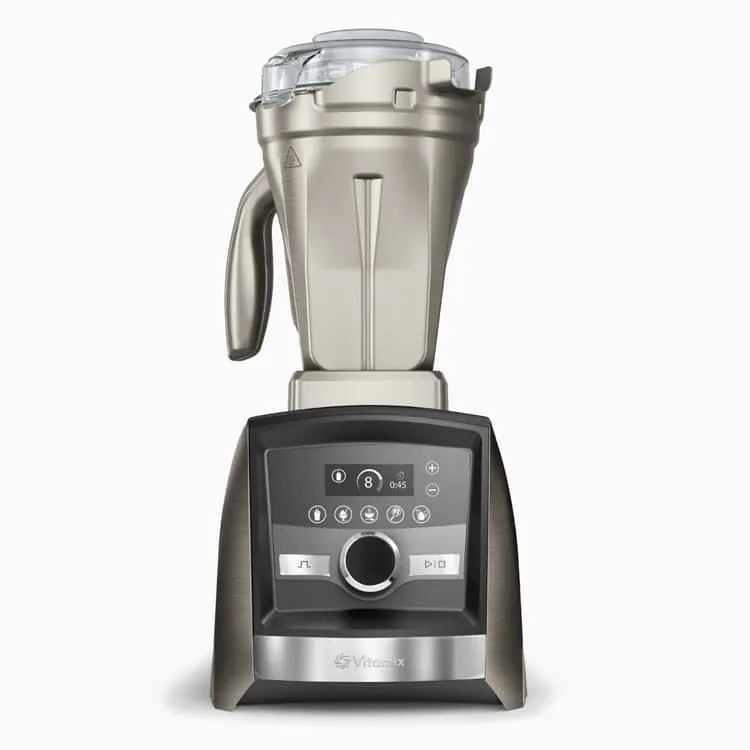
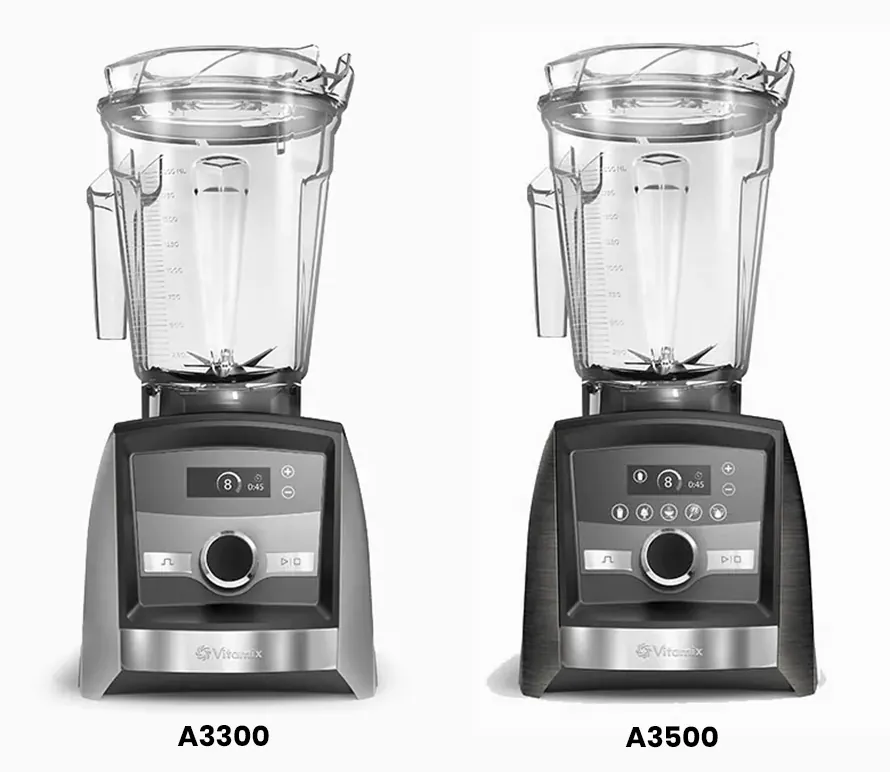
This machine serves home cooks who want precise control over texture and consistency for complex recipes like nut butters, hot soups, or frozen desserts. It’s designed for those who value automated cycles, as the blender uses wireless connectivity to detect which of the five program settings or manual speeds are appropriate for the attached jar. If you’re a user who prefers simple one-button operation for basic smoothies, this model provides more features than you might need.
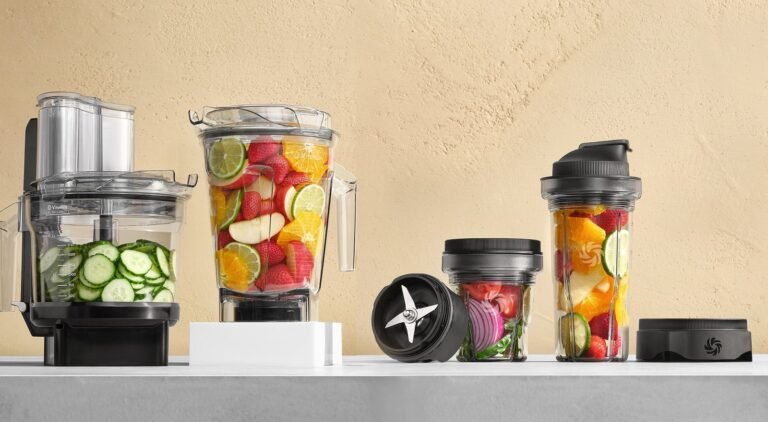
The machine assumes you’re using the standard 64-ounce low-profile container that comes with the unit. If you choose to use the smaller 8-ounce or 20-ounce blending cups, the base must detect them via the self-detect technology to limit the maximum speed. This prevents the motor from running too fast for the smaller volume, which would otherwise cause the ingredients to spin out of reach of the blades.
Users who prioritize extreme durability and professional-grade results in a home kitchen will find this model serves them well. Those who only need to blend soft fruits occasionally may find a less powerful, lower-cost blender is a better fit for their kitchen space and budget.
Factors that change the blending result
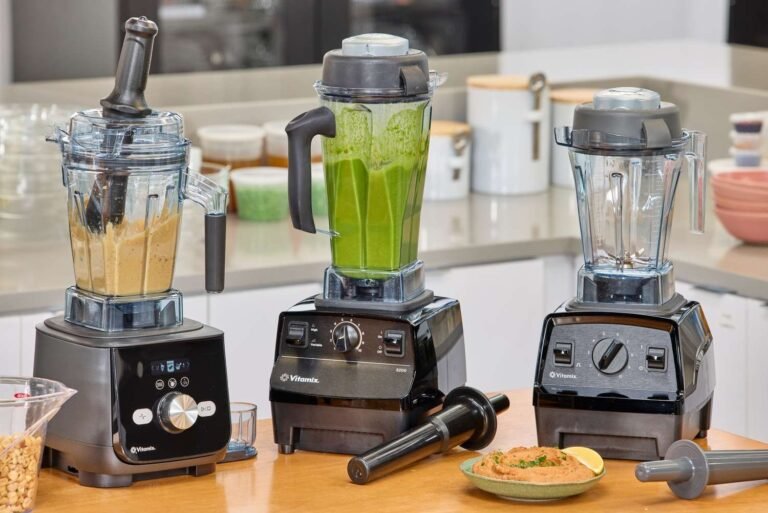
The viscosity of your ingredients is the most significant factor in how the machine performs. When blending thick mixtures like hummus or nut butter, the motor works harder and requires the use of the tamper to push ingredients into the blades. If the mixture is too thick, the motor will slow down; you must stop and add a small amount of liquid, such as water or oil, to help the vortex form again.
Container capacity also changes how the machine operates. The base uses Near Field Communication to read the container size, which sets the maximum time and speed limits for that specific jar. If you try to blend a small amount of liquid in the large 64-ounce container, the blades will struggle to catch the ingredients. You should use a container that fits the volume of food you’re preparing.
Blade sharpness and condition matter because the machine relies on high-speed impact rather than cutting. The blades are blunt by design, as they move fast enough to pulverize cell walls. If you notice the blender struggling with fibrous greens, check the blades for any damage or debris.
A worn-out drive socket, which connects the motor to the blade assembly, can also reduce efficiency. If the plastic teeth on the drive socket look rounded or stripped, it will slip and lose power under load.
How to operate your Vitamix A3500 blender
- Place the motor base on a flat, dry surface and ensure the power cord is plugged into a grounded 120-volt outlet.
- Secure the lid onto the container by pressing it down until the latches snap into place, then insert the lid plug.
- Place the container onto the motor base, ensuring it sits flat and the base recognizes the jar size.
- If using a program, turn the dial to the icon representing your desired cycle, such as smoothies, hot soups, or dips.
- Press the start/stop button to begin the cycle; the machine will ramp up to speed and stop automatically when finished.
- If using manual mode, select the variable speed setting by turning the dial to 1, then press start.
- Increase the speed slowly by turning the dial to 10 as the vortex forms to ensure all ingredients are pulled into the blades.
- Use the tamper by inserting it through the lid plug opening if the ingredients stop circulating, pushing them toward the blades while the motor runs.
- Watch for the mixture to become uniform and smooth, then turn the dial to 0 and press stop before removing the container.
The key judgment call is knowing when to use the tamper. If you see the mixture creating an air pocket around the blades, use the tamper to restore the vortex. If the motor sounds strained or smells like hot plastic, stop the machine immediately and reduce the amount of food in the container.
Variations in blending cases
| Situation | Action to take | Time or effort | What to watch for |
|---|---|---|---|
| Making hot soup | Use soup program | 5-6 minutes | Steam escaping lid |
| Nut butter | Use tamper often | 2-3 minutes | Motor heat buildup |
| Frozen desserts | Pulse on high | 45-60 seconds | Thick, creamy texture |
| Small smoothies | Use blending cup | 30-45 seconds | Proper lid seal |
| Chopping veg | Pulse on low | 5-10 seconds | Uneven chop size |
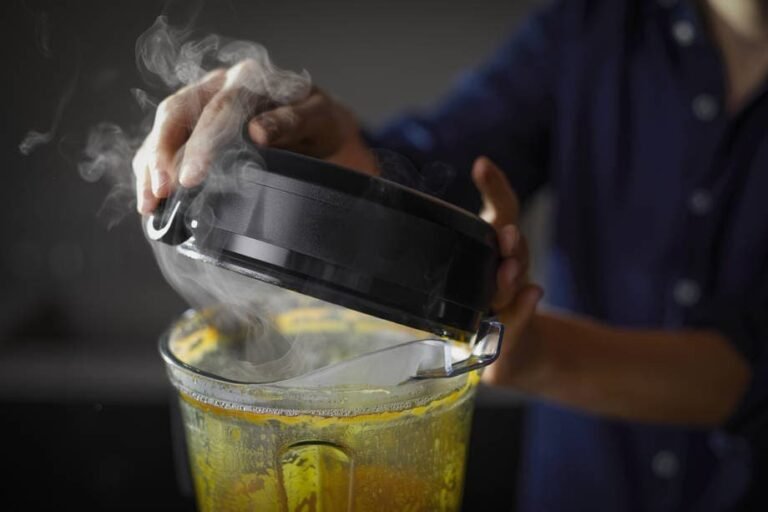
When preparing hot soup, fill the container no higher than the maximum liquid line. A loose seal causes pressure build-up that can force hot liquid through the top.
For nut butters, the tamper is your primary tool. Without constant pressure, the blades will cavitate, spinning in a pocket of air while the motor works harder than necessary. If you smell ozone or notice the base warming up, shut the machine down for ten minutes. The oil release is the goal; if the mixture looks dry after three minutes, add one teaspoon of neutral oil to jumpstart the process.
Frozen desserts require a precise rhythm. If you run the motor too long, the friction will melt the ice crystals, turning a scoopable treat into a thin shake. Pulse until the sound changes from a high-pitched whir to a deep, muffled thud.
When chopping vegetables, work in batches no larger than two cups. Overfilling the container forces the bottom layer into a puree while the top layer remains whole. If you see uneven chunks, stop and redistribute the contents by hand. Using the pulse button for one-second bursts prevents the blades from turning your mirepoix into mush.
Achieving the best texture
Preparing for success
Experienced users always layer ingredients in the correct order to help the blades catch the food. Place liquids first, then soft ingredients, then hard items, and finally ice or frozen foods on top. This order allows the liquid to pull the frozen items down into the blades once the motor starts. Beginners often put ice at the bottom, which can cause the blades to spin without grabbing the ingredients properly.
Managing the process
Always start the blender at the lowest speed setting before turning it up to high. Starting at high speed can cause the ingredients to splash against the lid before a proper vortex forms. Once the machine is running, monitor the consistency through the clear lid. If the mixture isn’t moving, the ingredients are likely too thick and need more liquid or help from the tamper.
Common blending issues
| What you notice | What it usually means | What to do first | How to stop it |
|---|---|---|---|
| Ingredients stuck | Air pocket formed | Use the tamper | Add more liquid |
| Blender moves | Base is unstable | Check surface level | Clear debris away |
| Burning smell | Motor is overloaded | Stop immediately | Reduce batch size |
| Leaking liquid | Loose seal | Check lid latches | Clean lid gasket |
| Loud rattling | Loose blade unit | Check container base | Tighten jar nut |
If your ingredients stop moving despite using the tamper, you have likely created a vacuum. Add liquid in two-ounce increments until the contents flow freely. Never force the motor to run for more than ten seconds while stuck, as this generates enough heat to melt internal plastic seals.
Blender movement often stems from a slick countertop rather than a machine fault. Place a thin silicone mat under the base to absorb vibrations and prevent the unit from “walking” during high-speed cycles. If the machine still shifts, you’re likely overfilling the jar, which creates an uneven weight distribution.
A burning smell is a clear signal that the motor is straining against excessive friction. If you’re processing thick nut butters or frozen fruit, limit your batch size to half the container’s capacity. If the smell persists after clearing the jar, check the drive socket for melted plastic debris.
Leaking usually occurs because fine food particles prevent the gasket from forming a vacuum seal. Remove the rubber ring after every use to scrub away invisible residue. If the jar nut feels loose, tighten it by hand only; using tools often cracks the housing and voids your warranty.
Safety and usage standards
The machine includes a thermal protection system that shuts the motor off if it detects overheating. This safety feature prevents permanent damage to the motor windings during high-torque tasks. If the blender stops during a heavy load, allow it to cool for at least 45 minutes before attempting to restart. You can find specific cooling times for your model in the official user manual.
Never attempt to open the motor housing or repair internal electrical components yourself. If the device fails to start or emits a burning smell, stop immediately. These symptoms often indicate a failing bearing or a blocked airflow intake, which requires professional servicing.
Contact the official support team to arrange for a professional inspection if you hear unusual grinding noises. Using non-authorized parts or attempting DIY repairs will void your warranty and may create a severe fire hazard.
If the power cord shows any fraying or exposed copper, replace the entire unit rather than splicing the wire. A compromised cord can cause a short circuit, which should trigger your home’s circuit breaker to cut power. Always verify that your wall outlet is grounded to prevent current leakage during prolonged blending cycles.
Real costs of operation
The cost of operating this blender involves the initial purchase price and the long-term maintenance of the container and blades. While the motor base is designed for high durability, the containers and blade assemblies are considered wear items. You should expect to replace the container or blade unit if the blades become dull or if the seal starts to leak, which typically happens after several years of heavy use.
Energy usage is minimal, as the blender typically runs for less than two minutes per cycle. The largest cost is the price of the ingredients you process, especially when making nut butters or heavy recipes. You can compare the cost of making these items at home versus buying them pre-made to see your savings. Always check the manufacturer’s website for the current price of replacement containers, as these prices vary based on the specific size and model compatibility.
Keeping the machine in shape
Cleaning the blender correctly after each use prevents food buildup that can damage the seals. Fill the container halfway with warm water and a drop of dish soap, then run the machine on the highest speed for 60 seconds. This method removes most residue without requiring you to touch the sharp edges of the blades. Always rinse the container thoroughly and let it air dry completely before storing it.
Never submerge the motor base in water or put it in the dishwasher. Moisture inside the housing corrodes the internal copper wiring and ruins the electronic sensors. If you spill liquid onto the base, unplug the unit immediately and wipe it down with a damp microfiber cloth.
Inspect the drive socket on the motor base periodically for signs of wear. If the teeth are worn down, the blender will become noisier and less efficient at blending thick items. You can often see the condition of the socket by looking directly at the center of the motor base.
If the plastic appears frayed or rounded, it’s time to contact the manufacturer for a replacement part. Replacing this part early prevents the metal drive gear from stripping, which would otherwise necessitate a complete motor replacement.
When to choose a different approach
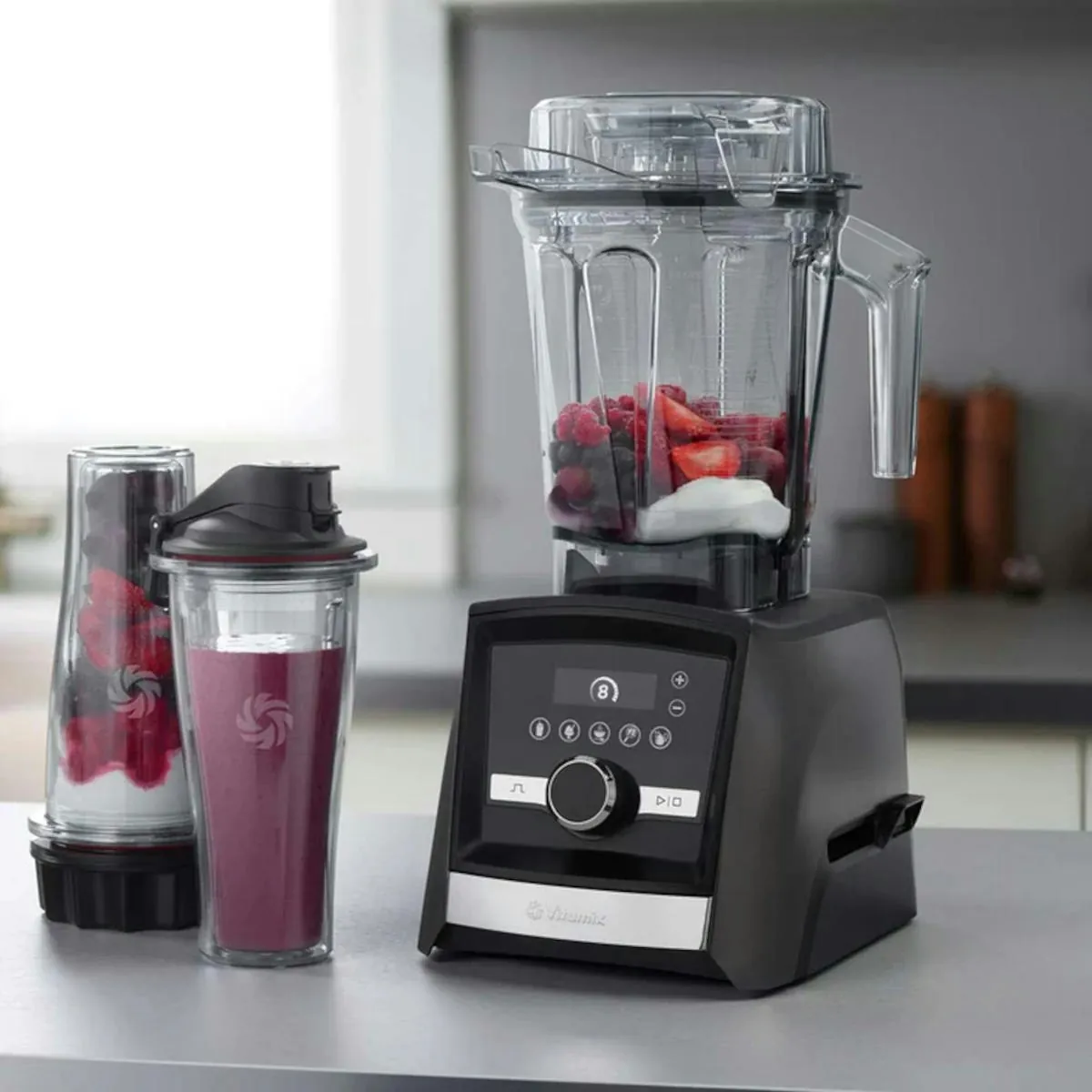
If you need to process very small amounts of dry spices or herbs, this blender is often too large to be effective. The blades are designed for high-volume liquid or semi-solid mixtures, and they will simply throw dry spices against the walls of the container without pulverizing them. For small-batch grinding, a dedicated spice grinder or a mortar and pestle is a much better choice.
If your primary goal is to maintain the raw texture of fruits and vegetables, such as for a chunky salsa, this machine may be too powerful. It’s designed to break down cell walls rapidly, which can turn solid ingredients into a purée in just a few seconds. If you need a coarse texture, use a manual food processor or a sharp knife instead. The machine is built for blending, not for precision chopping of delicate or soft ingredients.
Frequently asked questions
How long does it take to blend a smoothie?
A smoothie takes about 45 to 60 seconds to reach a smooth consistency on the highest speed setting. If you’re using the pre-programmed smoothie cycle, the machine will run for this exact duration and then turn off automatically.
Is it safe to blend hot liquids?
It’s safe to blend hot liquids, but you must ensure the lid is securely latched and the lid plug is in place to allow steam to escape. Never fill the container more than halfway when processing boiling liquids, as they expand rapidly.
Why does my blender smell like burning?
The smell usually means the motor is working too hard due to a very thick mixture or an overloaded container. Stop the machine immediately, remove some of the food, and add more liquid to help the blades turn freely.
Does the blender need special cleaning?
The blender doesn’t need special cleaning, but you should avoid putting the container in a dishwasher if you want to keep the seals in good condition. Hand washing with soap and water is the safest way to maintain the container and blades.
How often should I replace the blade assembly?
There’s no fixed time for replacing the blades, but you should inspect them if you notice the blender is no longer achieving a smooth texture. If the blades look rounded or if the container leaks from the bottom, contact the manufacturer to order a replacement.
Can I blend ice without liquid?
You can’t blend ice without liquid because the blender needs a vortex to pull the ice into the blades. Always add at least one cup of liquid for every two cups of ice to ensure the machine can process the frozen ingredients safely.
Conclusion
Start by adding your liquids to the container before any solid ingredients to ensure the blades can create a vortex immediately. You can expect a smooth, uniform texture within one minute of blending on the high-speed setting. If you hear a high-pitched grinding sound or see the machine shaking violently, stop the unit at once and check that the container is seated correctly on the base.