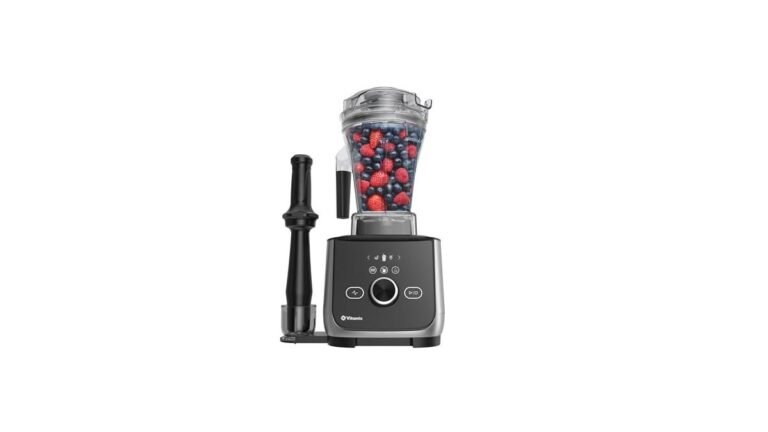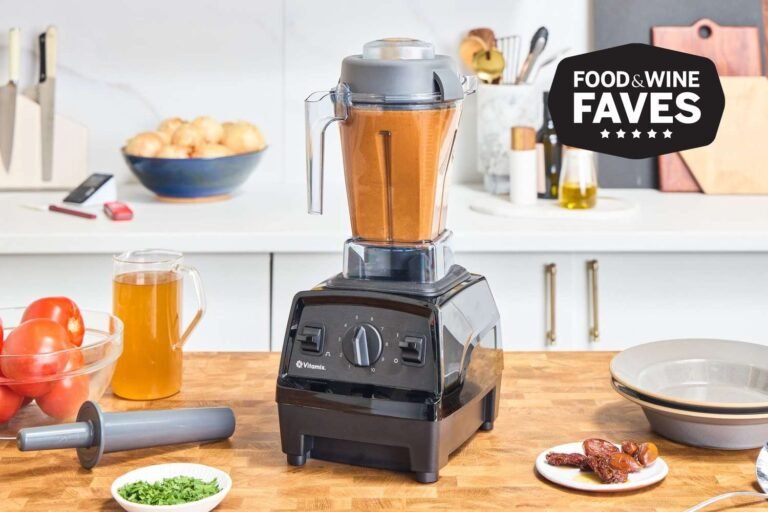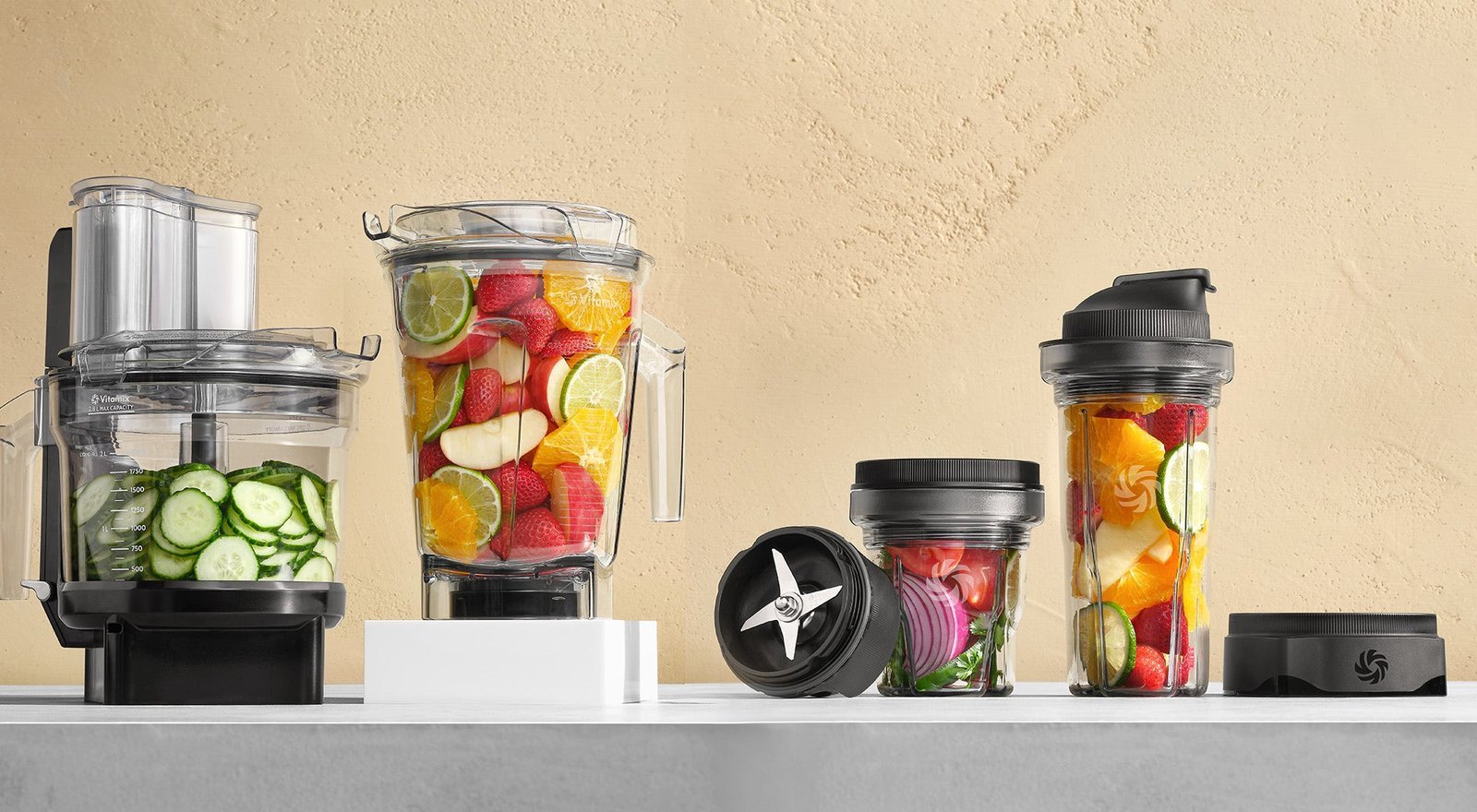
How To Choose A Vitamix Blender: Match Power And Size
You choose a Vitamix blender by matching the motor’s power and container size to your daily volume, not by chasing the highest price tag. The answer lies in picking a model that handles your specific load without overheating or leaving chunks behind. If you blend small batches of smoothies, a 48-ounce container is enough; for families making large soups, you need the 64-ounce or larger options.
The result depends on three things: how much food you process at once, what textures you need, and whether you plan to cook with it. A high-speed motor won’t fix a container that’s too small for your family’s needs. We will look at these factors so you can pick the right machine for your kitchen.
Who should choose a Vitamix blender
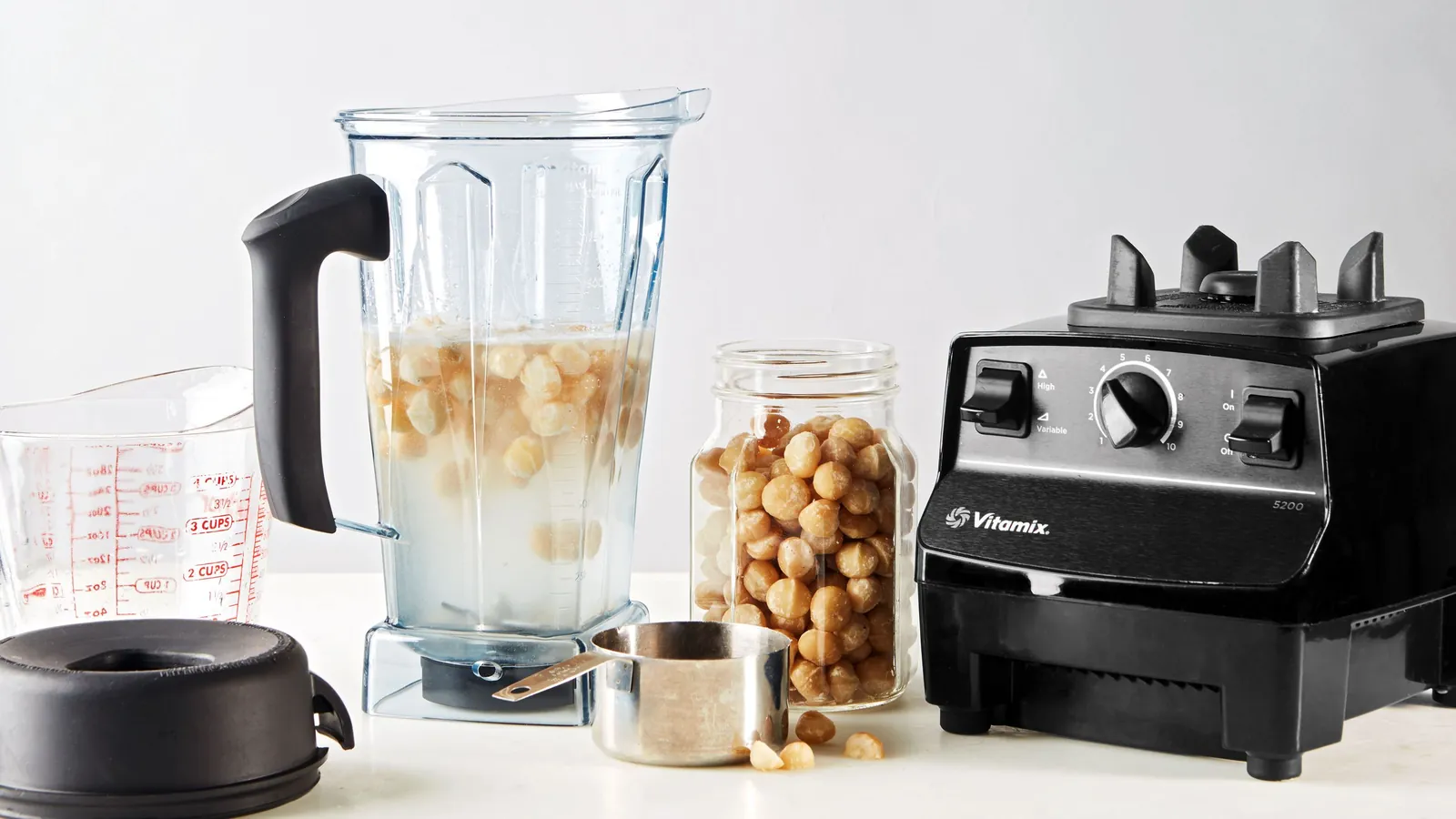
This guide helps home cooks who want a single appliance to handle everything from frozen fruit to hot soup. It fits the person who values durability over trendy features and plans to use the machine daily for years. You likely have a standard kitchen counter and want one tool to replace several smaller gadgets like a food processor or an immersion blender.
It doesn’t serve the casual user who only makes a smoothie once a week. That person might be better off with a less expensive brand that costs half as much. It also misses the professional chef who needs industrial-grade units with specific attachments for commercial kitchens.
We assume you want a machine that lasts a decade or more and can handle tough ingredients like nuts and ice. If you’re looking for a cheap toy to try out, this advice might feel too heavy for your needs. You should read something else if you only need a basic mixer for occasional baking tasks.
What decides the outcome
The first thing that changes the result is the container size relative to your household. A 32-ounce container works well for one person making a single smoothie, but it struggles with four cups of soup because the blades can’t circulate the liquid properly. If you buy a small jar for a family, you’ll end up blending in multiple batches, which wastes time and wears the motor faster. Most people get this wrong by buying the smallest, cheapest option available.
Second, the motor base determines how long the machine runs before stopping. High-end models have thermal protection that cuts power when the motor gets too hot, while cheaper bases might burn out after minutes of continuous use. You check the warranty length to see how confident the manufacturer is about their motor; a five-year warranty usually means a stronger build than a two-year one. This factor matters most if you plan to grind coffee beans or make nut butters regularly.
Third, the blade design and speed settings control texture quality. Some models have fixed speeds that force you to guess the right setting, while others offer variable controls for precise adjustments. If you want silky smooth hummus, you need a machine with a tamper tool to push ingredients down safely. Without this tool, air pockets form, and the blades spin freely without crushing the food.
Finally, the noise level affects where you can run the machine. Older models were loud enough to wake neighbors, but newer ones often include sound enclosures or quieter motors. If you live in an apartment, this feature becomes critical. You can find the decibel rating in the manual or ask a store associate for a demo. Ignoring this leads to complaints and limits your usage times.
Step by step to the right model
- Measure your typical batch size by filling a measuring cup with water and pouring it into your current blender. If it fills less than half the container, you need a larger jar for future blends.
- Check the motor wattage listed on the box or website. Look for at least 1,500 watts for heavy-duty tasks like grinding grains or making hot soup.
- Verify the warranty period directly on the manufacturer’s official site. A minimum of five years covers the motor and parts, ensuring long-term reliability.
- Test the noise level by listening to a video review or visiting a store. If the sound is unbearable in a quiet room, consider a model with a sound enclosure.
- Confirm the container material is BPA-free plastic or glass. Plastic is lighter and safer for dropping, while glass is heavier but scratch-resistant.
- Ensure the lid has a removable cap for adding ingredients while running. This prevents spills and allows you to pour oils or liquids mid-blend.
- Read the manual for the maximum fill line on each container. Never exceed this line, or the mixture may spill out during high-speed blending.
- Compare the price against the included accessories like tamper tools and cleaning brushes. A higher upfront cost often includes more useful items for daily use.
- Decide if you need a self-cleaning function. This feature saves time by letting you rinse the jar with soap and water after use.
- Check the return policy at your local retailer. You want the option to send it back if the machine feels too heavy or noisy in your home.
The final judgement call is whether you need the extra power for raw foods or just simple mixing. If you mostly blend soft fruits, a lower-wattage model saves money. But if you plan to crush ice or grind flour, you must invest in the strongest base available.
The variations at a glance
| Situation | What to do | Cost/Effort | Watch for |
|---|---|---|---|
| One-person smoothies | Buy a 32-oz container | Low cost | Small capacity limits |
| Family soups | Get a 64-oz container | Medium cost | Larger footprint needed |
| Heavy grinding | Choose a 2.0 HP motor | High cost | Motor heat issues |
| Apartment living | Pick a sound-enclosed unit | High cost | Noise reduction limits |
| Frequent cleaning | Select a self-clean model | Low effort | Extra parts to wash |
| Budget shopping | Opt for older models | Low cost | Shorter warranty periods |
| Professional use | Rent or buy commercial gear | Very high cost | Not for home use |
What separates good results from poor ones
Preparation matters most
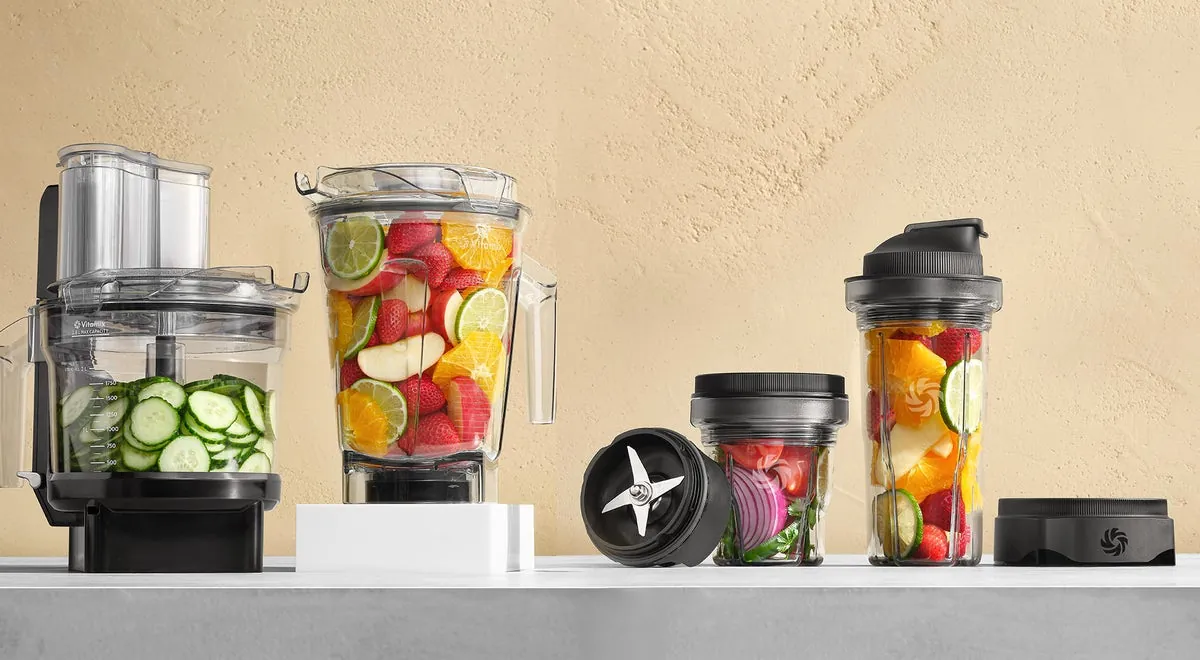
Experienced users chop hard vegetables into uniform pieces before blending. This reduces strain on the motor and ensures even texture. Beginners often throw whole carrots or frozen blocks straight in, causing the blades to stall or the motor to overheat. The difference is visible in the final consistency; chopped ingredients yield smoother drinks without chunks. If you’re processing a large batch of dense root vegetables, cut them into one-inch cubes rather than thin slices to prevent jamming the blade assembly.
A single oversized chunk can force the motor to draw double its normal amperage, tripping the safety breaker instantly. When dealing with frozen fruit, thaw it for ten minutes first so the ice crystals soften enough to shear cleanly without grinding the gears. Skipping this step doesn’t just make a lumpy smoothie; it risks permanently warping the metal shaft inside the base unit.
Timing and temperature control
Pros know exactly when to stop the machine to avoid burning the motor. They listen for the change in pitch that signals the blades are struggling. They also let the machine rest for 30 seconds between heavy loads. Amateurs run the blender continuously until the food is done, often triggering the thermal cut-off switch prematurely. This stops the process and leaves unfinished food in the jar.
If the sound drops from a high whine to a low hum, release the button immediately and wait two full minutes before restarting. Continuing to push through that resistance generates heat faster than the cooling fins can dissipate it. For hot soups, blend in batches of no more than four cups at a time to keep the internal temperature below 180 degrees Fahrenheit. Exceeding this limit creates steam pressure that can blow the lid off while the unit is running.
What goes wrong, and what to do
When you hear a loud grinding noise, the blades have struck a hard object like a bone or pit. Stop the machine immediately to prevent blade damage. Chop future ingredients into smaller pieces before processing them.
If the unit shuts off unexpectedly, the motor has overheated from continuous use. Wait ten full minutes for it to cool down naturally. Never force it back on while warm. Let the device rest between heavy batches to maintain performance.
Liquid leaking from the base signals a worn seal or loose lid. Tighten the lid firmly or replace the gasket if it feels brittle. Inspect the rubber ring regularly for cracks or debris that break the seal.
An uneven texture often means ingredients are stuck at the bottom of the bowl. Use the tamper tool to push food down gently while the blades spin. Don’t shake the container, as this can dislodge the lid and cause spills.
A burning smell indicates an overworked motor struggling with too much load. Unplug the appliance right away and let it cool completely. Reduce run time duration in future sessions to avoid stressing the internal components.
The rules that apply
Vitamix machines follow strict safety standards set by Underwriters Laboratories (UL) for electrical appliances. You must never operate the blender without the lid securely in place, as per the user manual instructions. The company states that using non-Vitamix containers voids the warranty and creates a safety hazard.
In the United States, materials that touch food are regulated. You should check the label on the bottom of the jar to confirm compliance before buying.
If you plan to use the blender outside the US, ensure the voltage matches your local grid. Vitamix sells specific models for different regions, such as 110V for North America and 220V for Europe. Using the wrong voltage can destroy the motor instantly. Always verify the plug type and voltage rating on the base before plugging it in.
What it costs you
The price is inexpensive relative to the alternative. This investment buys a machine that typically lasts 10 to 15 years with daily use. You save money in the long run by replacing multiple small appliances with one powerful unit.
Maintenance costs are low, usually limited to replacement parts like seals or lids depending on use and as specified in the owner’s manual. However, electricity usage increases slightly compared to smaller blenders due to the powerful motor.
The real cost is the counter space required. These units are tall and wide, taking up significant room in smaller kitchens. If you lack space, you might need to store it in a cabinet, which adds effort to every use. Factor in the weight; moving a full Vitamix requires two hands and careful lifting.
Keeping it right afterwards
After each use, fill the jar halfway with warm water and a drop of dish soap. Run the blender on high for 30 seconds to clean the interior automatically. This brief cycle dislodges sticky residues that soaking alone can’t reach, ensuring no food particles remain trapped near the blade base where bacteria thrive.
Rinse thoroughly under running water while holding the blades steady with a cloth to avoid accidental cuts from the sharp edges. Dry the lid and blades separately using a clean towel to prevent rust on metal parts, as moisture trapped in the threads causes corrosion within days.
Store the machine with the cord wrapped neatly around the base to avoid tangling, but never wrap it tightly around the motor housing which can damage internal wiring over time. Keep the container upside down on a rack to allow air circulation and prevent moisture buildup inside the vessel.
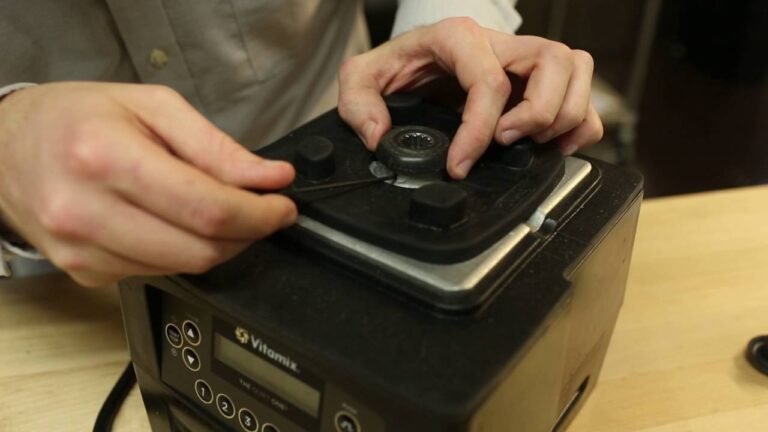
Check the rubber gasket under the blade assembly depending on use and as specified in the owner’s manual for cracks or wear, paying close attention to the seal where the blade meets the jar bottom. Replace any damaged parts immediately to maintain safety and performance, because a compromised gasket allows liquid to seep into the motor during operation. If you notice a burning smell or unusual vibration, stop using the unit right away rather than trying to push through the issue.
When this approach fails
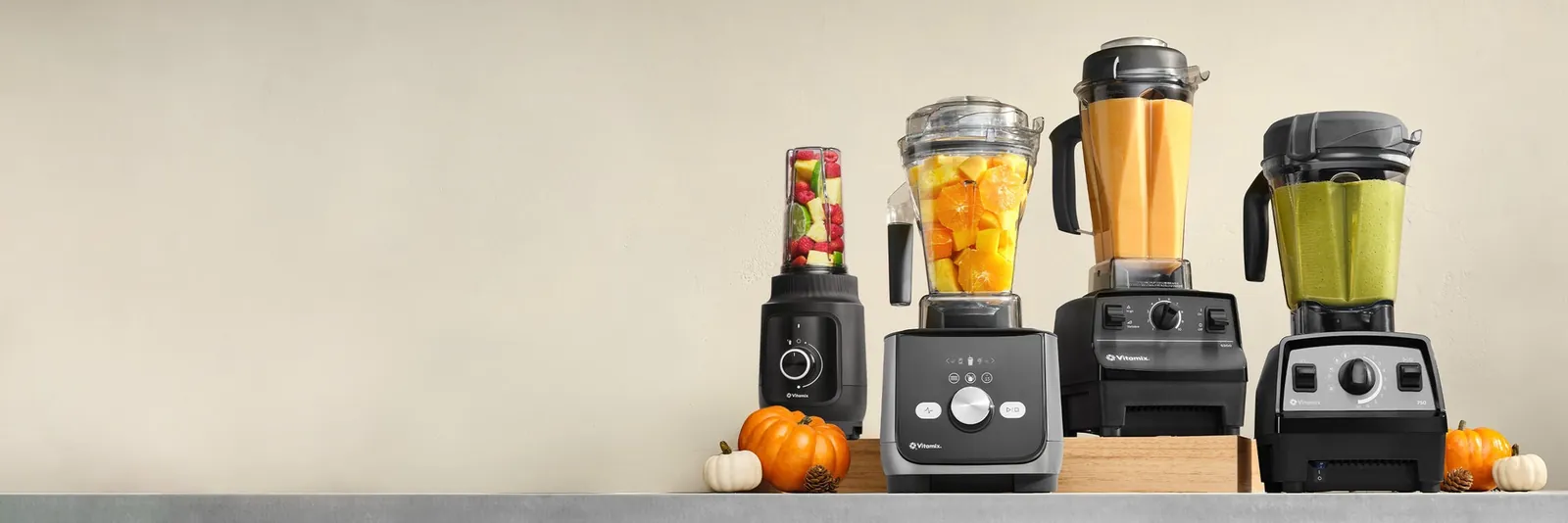
If you only need a blender for occasional milkshakes, a Vitamix is overkill and too expensive. You would be better served by a budget-friendly brand. Similarly, if you require a dedicated juicer for extracting clear juice, this machine isn’t the right tool. It makes pulp-heavy drinks, not clear juices.
Don’t attempt to modify the motor or open the housing yourself. This voids the warranty and poses a risk of electric shock. If the machine makes strange noises or smells like burning, stop using it and contact authorized service technicians. Don’t try to fix internal components without proper training.
When your primary goal is making smoothies with whole fruits rather than just protein shakes, this unit struggles because its blade design can’t pulverize frozen chunks effectively. You’ll notice the motor humming loudly while the contents remain chunky after two minutes of operation.
In this specific scenario, switching to a high-torque model designed for ice crushing saves hours of frustration and prevents premature motor burnout. Conversely, if you’re blending hot soups, the lid gasket may fail due to steam pressure buildup within thirty seconds of reaching boiling temperatures. Always vent the center cap slightly when processing liquids above 140 degrees Fahrenheit to avoid dangerous splattering.
Attempting to disassemble the base to replace a worn gear strip requires specialized tools that most homeowners don’t possess. Without these exact specifications, you risk stripping the plastic threads permanently, turning a minor repair into a total replacement cost.
If the unit vibrates excessively on a countertop, check the rubber feet first before assuming the motor has failed. These small pads often wear down unevenly after six months of daily use, causing the entire assembly to shake violently during high-speed cycles. Replacing them restores stability instantly and extends the machine’s lifespan significantly.
Frequently asked questions
Is it safe to blend hot liquids?
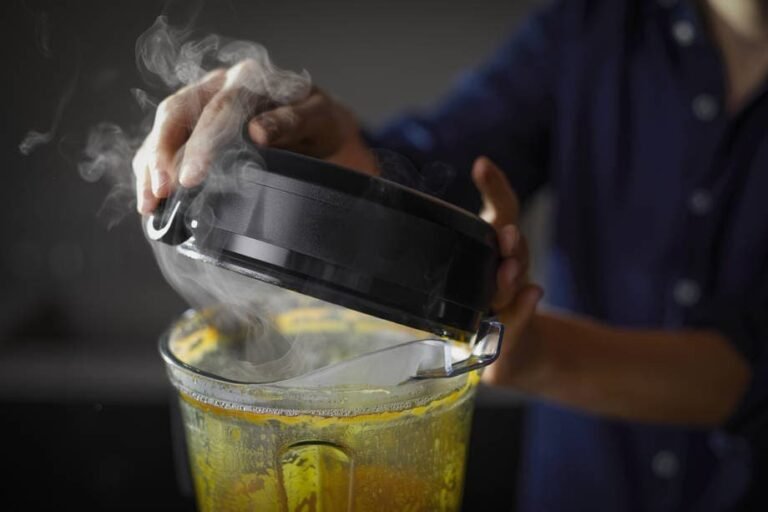
Yes, but you must remove the center cap and cover it with a towel. Steam builds up quickly inside the jar and can blow the lid off if sealed tight. Always start on low speed and gradually increase to high to vent steam safely.
How long does a Vitamix last?
Most users report 10 to 15 years of daily use with proper care. The motor is designed to handle heavy loads, but the blades and seals will eventually wear out. Replacing these parts extends the life significantly beyond the initial purchase date.
Can I grind coffee beans in it?
Absolutely, but use the dry container attachment if your model supports it. Regular wet containers can leave residue that ruins future smoothies. Pulse the beans briefly to achieve the desired grind size without overheating the motor.
How much does it weigh?
A full Vitamix unit weighs between 10 and 13 pounds depending on the model. The container adds another 2 to 3 pounds when filled with heavy ingredients like nuts or frozen fruit. Plan your counter space accordingly to support this weight.
Is it worth the high price?
Yes, if you blend daily and need versatility for cooking and grinding. The durability and warranty justify the cost for serious home cooks. Casual users might find cheaper alternatives sufficient for their needs.
Does it make a lot of noise?
It’s louder than standard blenders, typically around 85 to 90 decibels. Newer models with sound enclosures reduce this noise significantly. Consider the location of your kitchen if noise sensitivity is a concern for you.
Can I put it in the dishwasher?
No, hand washing is recommended to protect the labels and seals. Dishwasher detergents can degrade the plastic over time and cause cloudiness. Running the self-clean cycle is the safest and easiest method for routine maintenance.
What to do next
Start by measuring your typical serving size to determine the correct container volume. Expect a smooth, consistent texture within the first few weeks of regular use. If the motor sounds strained or the food remains chunky, check the ingredient size and adjust accordingly. Cut hard vegetables into one-inch cubes before loading the machine to prevent jamming. Soft fruits like berries require no pre-cutting but should be patted dry to avoid splashing.