How Does Immersion Blender Compare to Vitamix: Key Differences
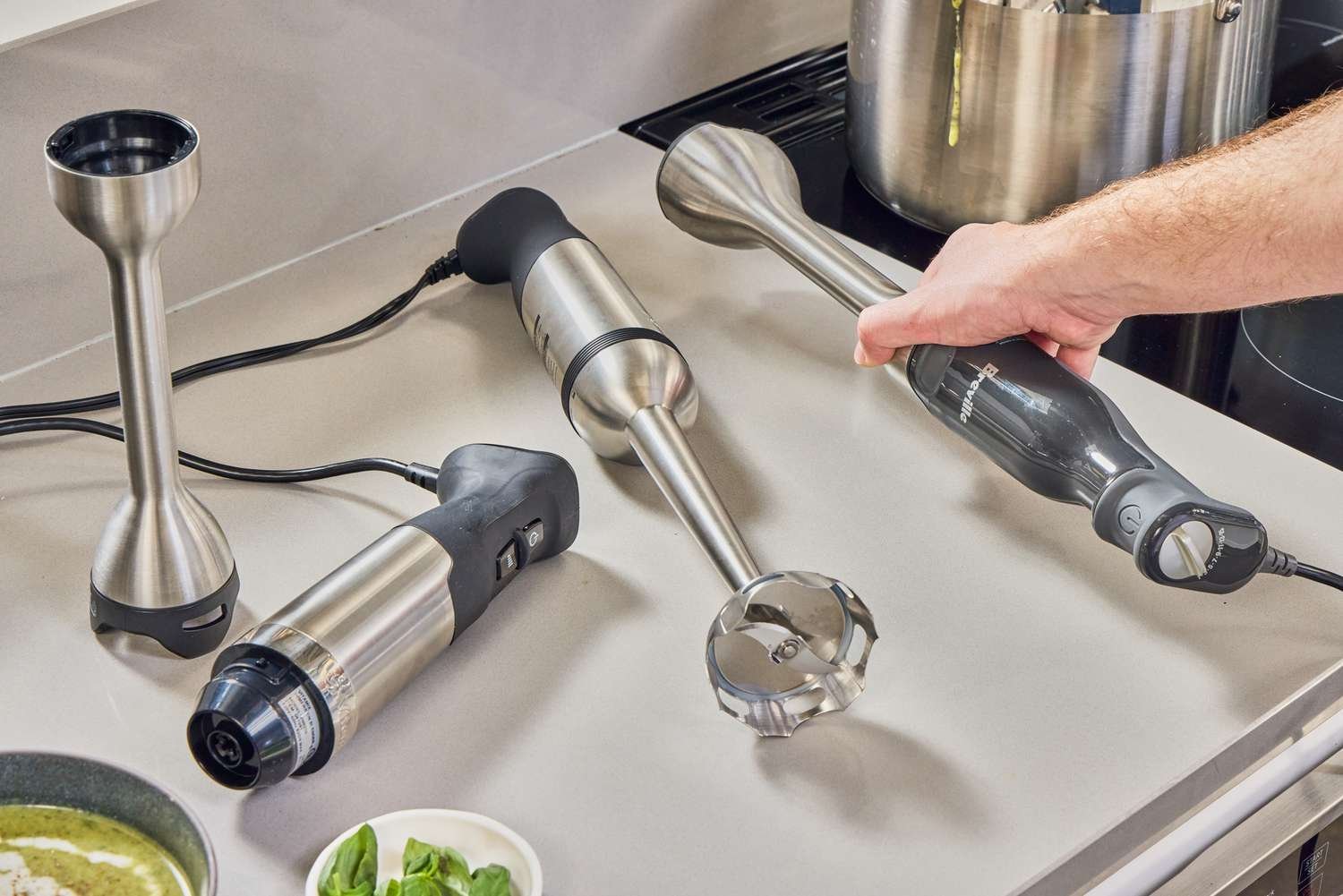
An immersion blender is a handheld tool for small, quick tasks like blending soup in a pot, while a Vitamix is a high-powered countertop appliance built for heavy-duty emulsification and grinding. Understanding the differences between these two tools helps you decide which one fits your kitchen needs.
Your choice depends on the volume of food you process and the texture you want. If you need silky-smooth nut butters or ice-crushed drinks, the countertop model is necessary. If you just want to blend hot soup directly in the pan, the stick blender is better.
Choosing between an immersion blender and Vitamix
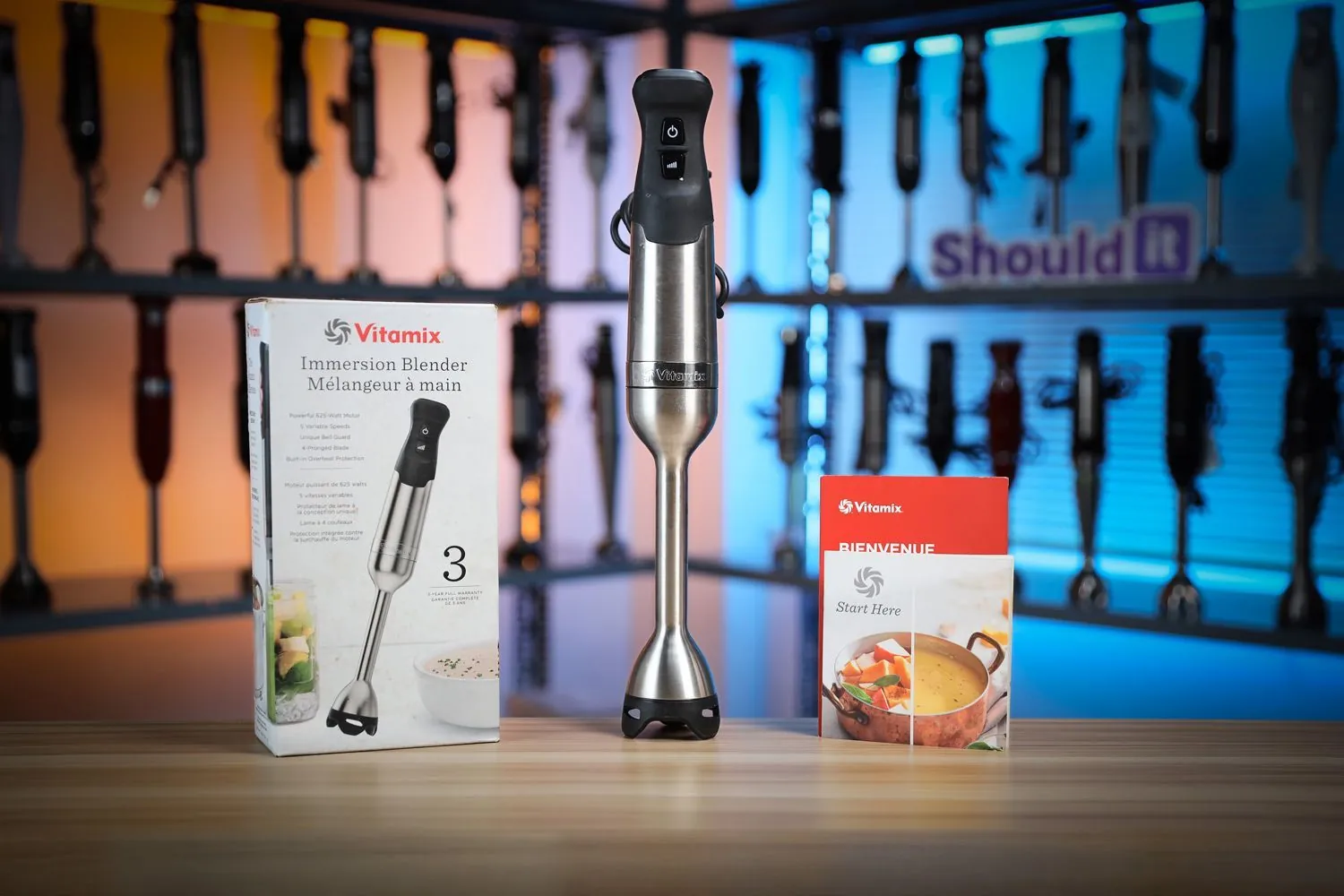
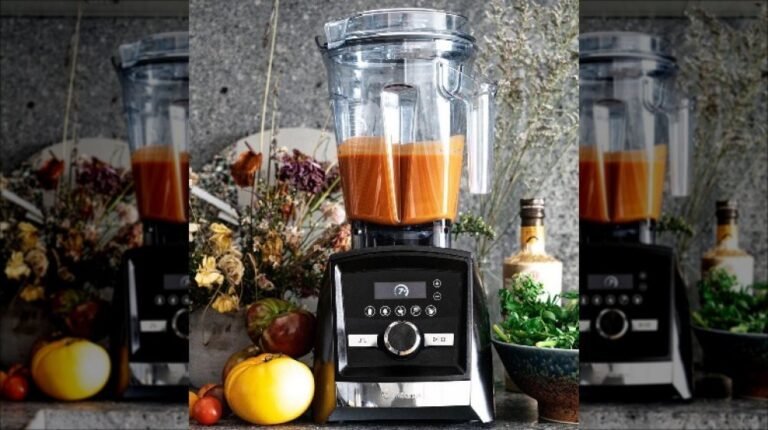
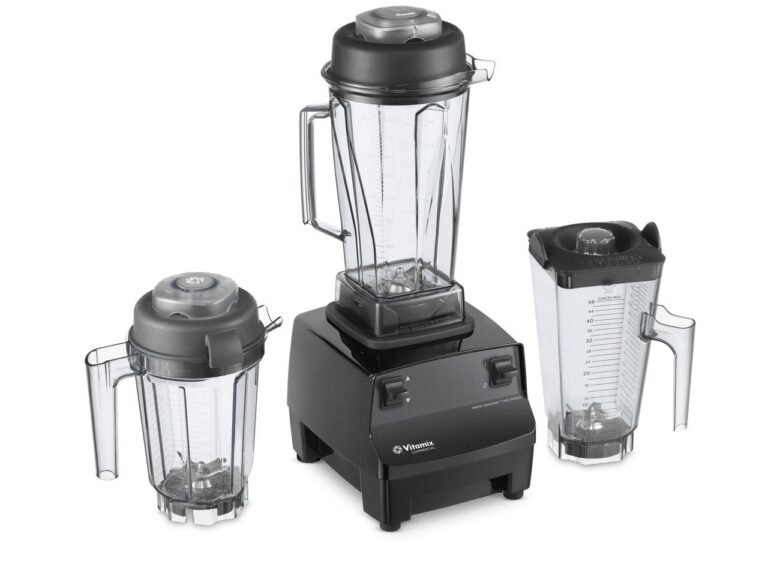
People who frequently prepare meals at home often wonder which blender they need for their daily routine. People who make large batches of smoothies, grind their own grains, or require perfectly smooth textures for sauces often find a countertop blender like a Vitamix essential. These machines use powerful motors and hardened steel blades to break down fibers that smaller tools can’t touch.
On the other hand, someone who cooks primarily for one or two people and wants to avoid washing a heavy blending jar will prefer an immersion blender. This tool is portable and easy to clean, making it perfect for blending a single pot of soup or a small batch of dressing. If you rarely make thick, fibrous mixtures or frozen desserts, the countertop unit might be overkill for your kitchen space.
This article assumes you’re a home cook looking to improve your efficiency. It focuses on the clear differences between handheld and countertop blending power. If you’re a professional chef needing to process twenty gallons of soup, your requirements for motor durability and heat resistance will be much higher than what these consumer models provide.
Power and Texture Differences
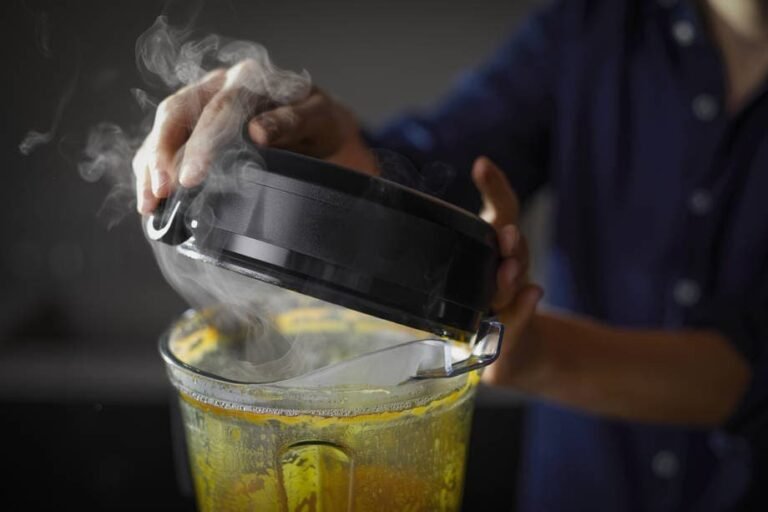
The primary difference lies in the torque and speed of the blades. A Vitamix typically features a motor ranging from 2 to 2.2 peak horsepower, which allows it to pulverize tough skins, seeds, and frozen fruit into a uniform texture. This high speed creates enough friction to heat liquids, a feature the smaller handheld units lack.
Immersion blenders usually offer 200 to 800 watts of power. Because the blades are small and exposed, they can’t create the same vacuum effect as a sealed jar. If you try to blend tough kale or raw nuts with a stick blender, you’ll likely end up with a chunky, uneven result.
If you’re choosing between these tools, use this rule: if the recipe requires a perfectly smooth, seedless emulsion, use the countertop blender; if the recipe is for a rustic soup or a soft sauce, the immersion blender is sufficient. Most people make the mistake of trying to blend frozen fruit in a stick blender, which burns out the motor and leaves large chunks in the drink.
How to Use Each Device
Using these tools effectively requires different preparation methods for your ingredients.
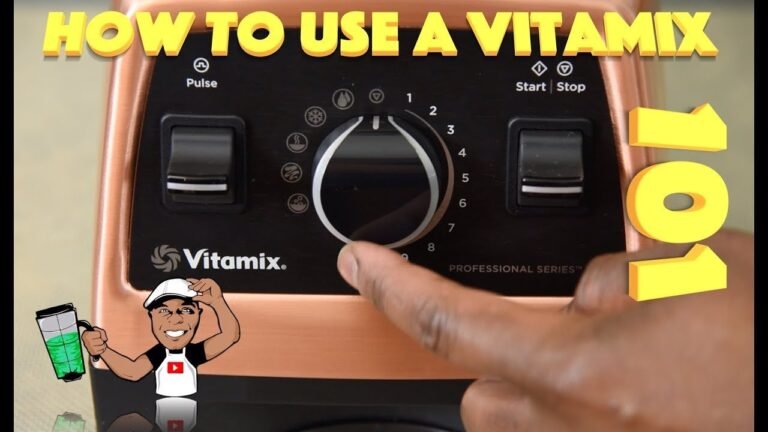
- For a Vitamix: Add liquids to the jar first to help the blades catch the solids.
- For a Vitamix: Secure the lid tightly and start at the lowest speed setting.
- For a Vitamix: Slowly increase the speed to high to ensure a vortex forms.
- For a Vitamix: Blend for 45 to 60 seconds until the mixture is completely smooth.
- For an immersion blender: Cut all vegetables into equal 1-inch cubes to ensure even cooking.
- For an immersion blender: Keep the blade guard fully submerged in the liquid to prevent splashing.
- For an immersion blender: Move the blender in an up-and-down motion to pull large pieces into the blades.
- For an immersion blender: Blend for 2 to 3 minutes until you reach the desired consistency.
The key judgement call is the liquid-to-solid ratio. If you don’t add enough liquid, the immersion blender will simply push food around the pot without cutting it. Always ensure your liquid covers the blade guard completely before turning the power on.
Comparison of Blending Capabilities
| Situation | Best Tool | Typical Effort | What to Watch For |
|---|---|---|---|
| Hot soup in pot | Immersion | Low | Splashing hot liquid |
| Frozen fruit smoothies | Vitamix | Medium | Air pockets in jar |
| Nut butters | Vitamix | High | Motor overheating |
| Salad dressing | Immersion | Low | Oil separation |
| Hummus | Vitamix | Medium | Thick texture resistance |
When blending hot liquids, keep the immersion blade fully submerged before turning the power on. If you lift the head while the motor spins, you risk a high-velocity spray of boiling liquid.
Frozen fruit requires a tamper to force ingredients into the blades. If you see the motor pitch change or the vortex stall, stop immediately. Air pockets create a vacuum that prevents the blades from grabbing the fruit, leaving you with a chunky, uneven mess.
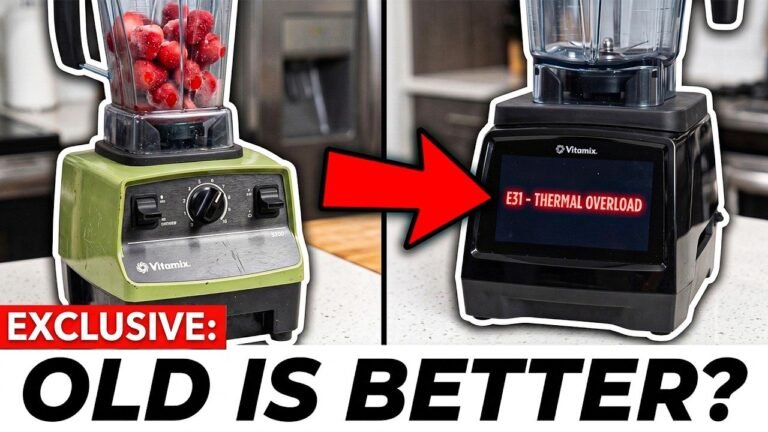
Nut butters demand patience. Run the machine for at least 60 seconds, but monitor the base for a burning smell. If the motor sounds strained or the jar feels hot to the touch, shut it off for three minutes. This prevents the internal thermal fuse from tripping, which can permanently disable the unit.
For salad dressings, use the immersion blender to emulsify oil and vinegar instantly. If the dressing breaks, pulse the blender at the bottom of the jar to pull the oil back into the mixture.
Hummus often stalls standard blenders. If the blades spin without moving the paste, add one tablespoon of water or tahini. This lubrication allows the ingredients to circulate properly, ensuring a silky finish rather than a gritty, uneven spread.
Preparation and Handling Details
Getting the Best Results
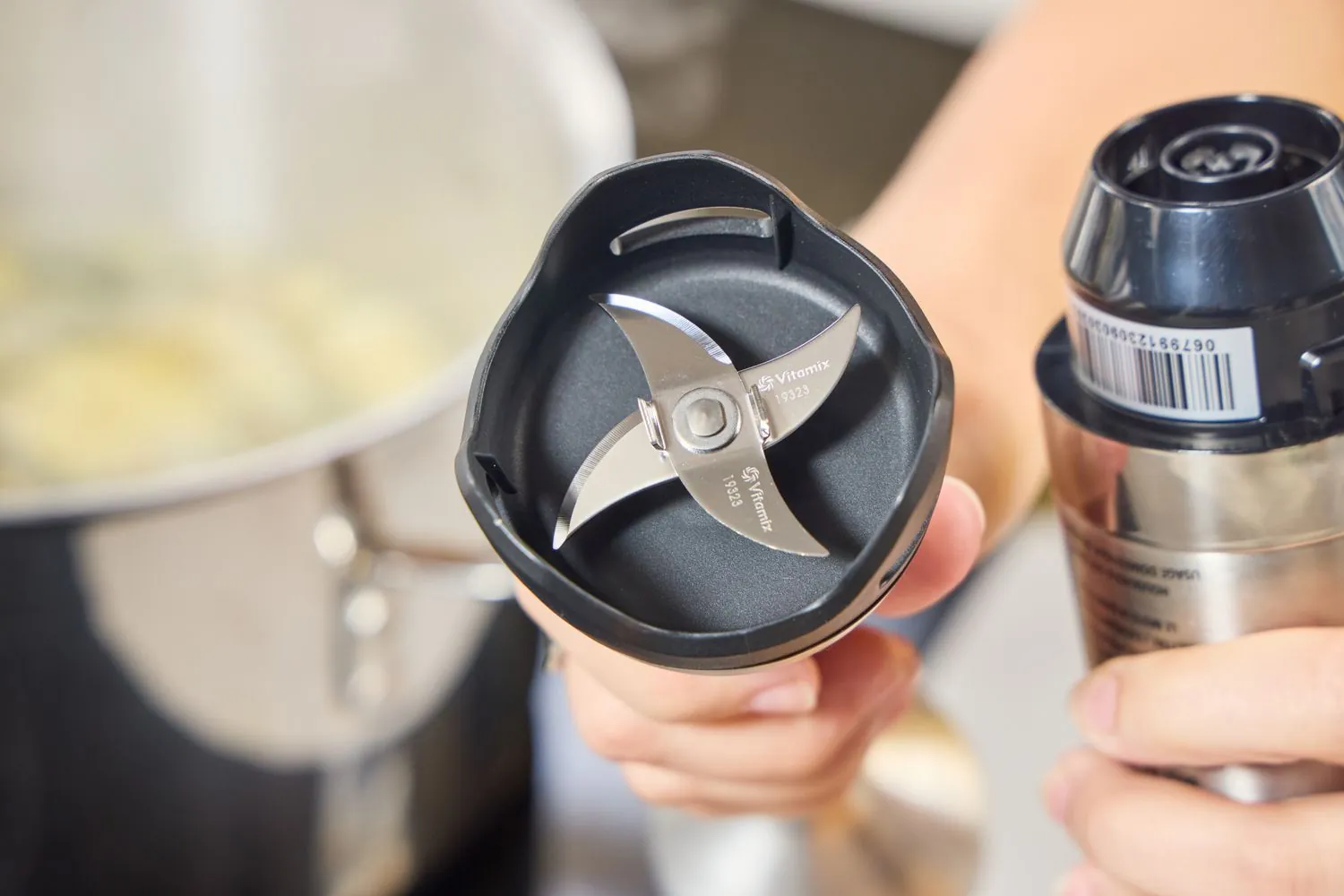
Experienced cooks know that the temperature of your ingredients changes how the blender performs. When using an immersion blender for soup, ensure your vegetables are soft enough to be pierced by a fork before you start. If the vegetables are still hard, the blender will struggle, and the motor will heat up quickly.
Always keep the blender blades away from the bottom of a non-stick pot. The metal blades can easily scratch the coating, which ruins your cookware. Instead, tilt the pot slightly so the liquid pools in one area, allowing you to blend without touching the bottom surface.
Avoiding Common Errors
Beginners often pull the blender out of the liquid while the motor is still running. This mistake sprays hot liquid across your kitchen and can cause burns. Always stop the motor completely before lifting the head of the blender out of the food.
Another common issue is using a container that’s too wide. If the jar or pot is much wider than the blade guard, the food will simply spin away from the blades. Use a narrow container or a deep, narrow pot to keep the ingredients concentrated around the cutting area.
Troubleshooting Common Issues
| What you notice | What it usually means | What to do first | How to stop it |
|---|---|---|---|
| Food not blending | Too many solids | Add more liquid | Cut food smaller |
| Motor getting hot | Overloading capacity | Stop and rest | Work in batches |
| Liquid splashing out | Blade too high | Submerge deeper | Use deeper bowl |
| Uneven texture | Improper movement | Move up and down | Blend longer |
| Smelling burnt wire | Motor strain | Unplug immediately | Reduce batch size |
If your blade stalls, check your liquid-to-solid ratio. You need at least one part liquid for every two parts solid to create a vortex.
When blending fibrous greens, pulse the motor rather than holding the trigger. Continuous operation often creates heat friction that wilts delicate herbs before they’re fully processed. If you notice a burning smell, stop immediately, as this indicates the motor is overheating.
For consistent results, fill the container no more than halfway. Overfilling prevents the ingredients from circulating back toward the blades. If you’re processing heavy items like nuts or frozen fruit, limit your cycle to thirty-second intervals. This allows the internal components to dissipate heat between bursts.
If your mixture remains chunky after sixty seconds, you may need to adjust your technique or use a more powerful blender. Inspect the edges for nicks; a dull blade requires double the power to achieve the same result.
Standards and Safety Limits
The Food and Drug Administration provides general guidelines for food safety, but manufacturers set the specific limits for their appliances. You can find the maximum continuous run time for your specific model in the user manual. Most immersion blenders are designed for short bursts of 60 seconds, while high-end countertop blenders can run for several minutes.
If your appliance lacks a printed manual, apply the “warm-to-the-touch” rule. If the base feels hot after 60 seconds of blending, stop immediately and wait ten minutes before restarting. Pushing past this heat threshold degrades the motor’s internal insulation, leading to permanent failure within a few months.
Never attempt to repair the electrical components yourself. A capacitor inside a plug-in blender can hold a lethal charge even when the device is unplugged. If your blender stops working, contact the manufacturer’s support line or a certified repair center.
Using a damaged power cord or a frayed plug is a fire risk that you should never ignore. If you see exposed copper or cracking near the strain relief, discard the unit. A simple repair attempt here often costs more in replacement parts than the original retail price of a consumer-grade blender. If the cord feels brittle or stiff, the plasticizers have leached out, making the internal wiring prone to short circuits during operation.
Real Costs of Ownership
The financial cost varies significantly between these two types of machines. An immersion blender is often an affordable investment, costing much less than a full-sized appliance depending on the attachments included. The primary cost here is the potential need to replace the unit if the motor burns out from heavy use.
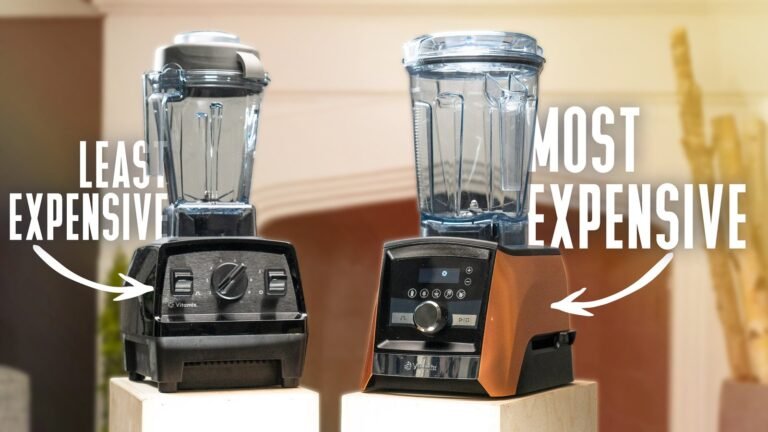
A high-performance countertop blender, such as those made by Vitamix, requires a larger upfront investment compared to handheld options. While the initial price is higher, these machines are built with durable components and often come with long warranties.
The real cost to consider is the counter space you lose and the time required to clean the large jar and lid assembly. If your kitchen has less than 18 inches of clearance under your upper cabinets, you’ll find yourself moving the heavy base daily.
This friction often leads to the machine sitting unused in a cabinet, turning a premium investment into a sunk cost. If you prioritize ease of cleaning, choose a model with a self-cleaning cycle to save five minutes of manual labor per use.
Keeping Your Tools Functional
To keep your equipment working well, clean the blades immediately after every use. Food particles, especially oils and starches, can harden around the blade seal and cause the motor to work harder over time. For immersion blenders, a quick pulse in a glass of warm, soapy water is usually enough to clear the blades.
For countertop blenders, add a drop of soap and warm water to the jar, then run it on high for 30 seconds. Never submerge the motor base of an immersion blender in water, as this will destroy the internal electronics. If the blades become dull, check the manufacturer’s website to see if they offer a replacement blade assembly or if the unit must be serviced professionally.
When to Choose Another Approach
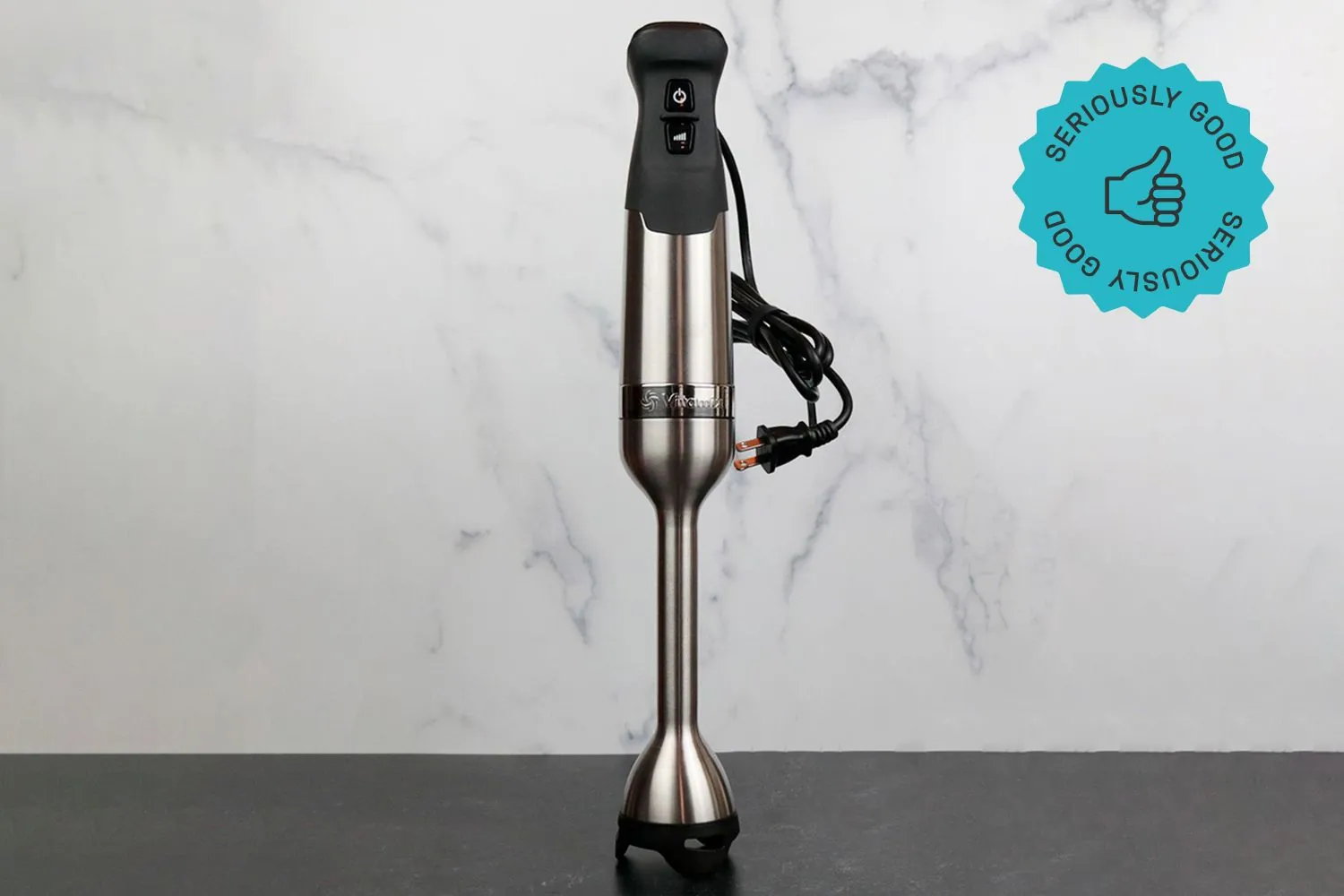
If you need to process large amounts of fibrous or frozen food, a handheld immersion blender is the wrong choice. These units lack the torque required to break down tough cellulose or ice, often leading to motor burnout or a gritty, uneven texture. In this case, a countertop blender with a high-speed motor and a dedicated tamper is the only effective alternative.
Conversely, if you only need to blend small amounts of soft food, a large countertop blender is often too cumbersome. The effort of cleaning a heavy glass jar, a rubber gasket, and a complex blade assembly is rarely worth it for a single cup of dressing. If you find yourself avoiding the blender because the cleanup takes longer than the preparation, you should consider adding an immersion blender to your kitchen.
You can determine your path by checking your volume and viscosity. If you’re processing more than three cups of liquid or anything harder than a cooked vegetable, stick to the countertop model. If you’re working with less than two cups of soft ingredients, such as herbs, oils, or cooked fruit, the immersion blender is faster and significantly more efficient.
Most users make the mistake of forcing the immersion blender to handle frozen fruit for smoothies. This mistake costs you the life of the motor and results in a poor, chunky consistency. If the ingredients don’t move freely under the blade, stop immediately and switch to a full-sized machine.
Frequently Asked Questions
Is it safe to blend hot soup with an immersion blender?
Yes, it’s safe to blend hot soup as long as you keep the blade guard fully submerged to prevent splashing. Ensure your pot is deep enough to contain the liquid and always stop the motor before removing the blender from the pot to avoid burns from hot droplets.
Can I use an immersion blender to crush ice?
No, an immersion blender isn’t designed to crush ice or frozen blocks. The blades will dull quickly, and the motor will likely overheat or fail under the pressure of hard, frozen items. Use a high-powered countertop blender if your recipe requires crushing ice or frozen fruit.
How long can I run an immersion blender continuously?
Most consumer-grade immersion blenders shouldn’t run for longer than 60 seconds at a time. Check your specific user manual for the manufacturer’s recommended duty cycle, as running the motor for too long without a break can cause the internal components to overheat and eventually fail.
Can a Vitamix do everything an immersion blender does?
Yes, a Vitamix can perform all the tasks of an immersion blender, but it’s often less convenient for small, one-pot tasks. While the Vitamix offers superior blending power, the need to transfer hot soup from a pot to the blender jar adds extra cleanup and safety risks.
Why is my immersion blender making a loud grinding noise?
A loud grinding noise often means that food is stuck in the blade mechanism or that the metal blade is hitting the bottom of your pot. Stop the blender immediately, unplug it, and check the blade for debris or damage before attempting to use it again.
Does an immersion blender create a smooth enough texture for baby food?
Yes, an immersion blender can create a smooth enough texture for baby food if you cook the vegetables until they’re very soft. If you require a perfectly smooth, seedless puree, a high-powered countertop blender will provide a finer, more uniform result than the handheld tool.
Is it possible to replace the blades on an immersion blender?
No, most immersion blender blades are permanently attached for safety reasons. If the blades become dull or damaged, the entire blending head or the unit itself must usually be replaced. Consult your product manual or the official manufacturer page to see if your specific model offers modular replacement parts.
Conclusion
Start by assessing the volume and texture of the ingredients you blend most often. If your recipes require high-speed pulverizing, use a countertop blender; if you need convenience for small batches, use an immersion blender. If the motor begins to smell like burning plastic or makes an unusual grinding sound, stop using the device immediately and contact the manufacturer for a professional inspection or a replacement.