Is Vitamix an Immersion Blender? The Key Differences Explained
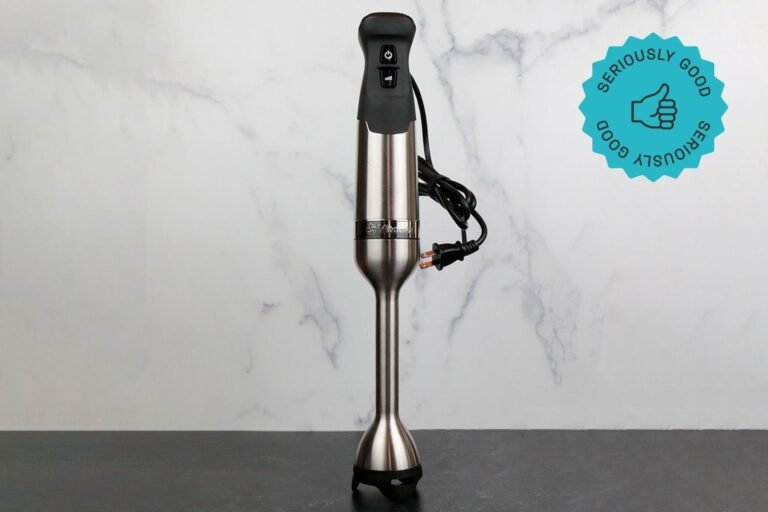
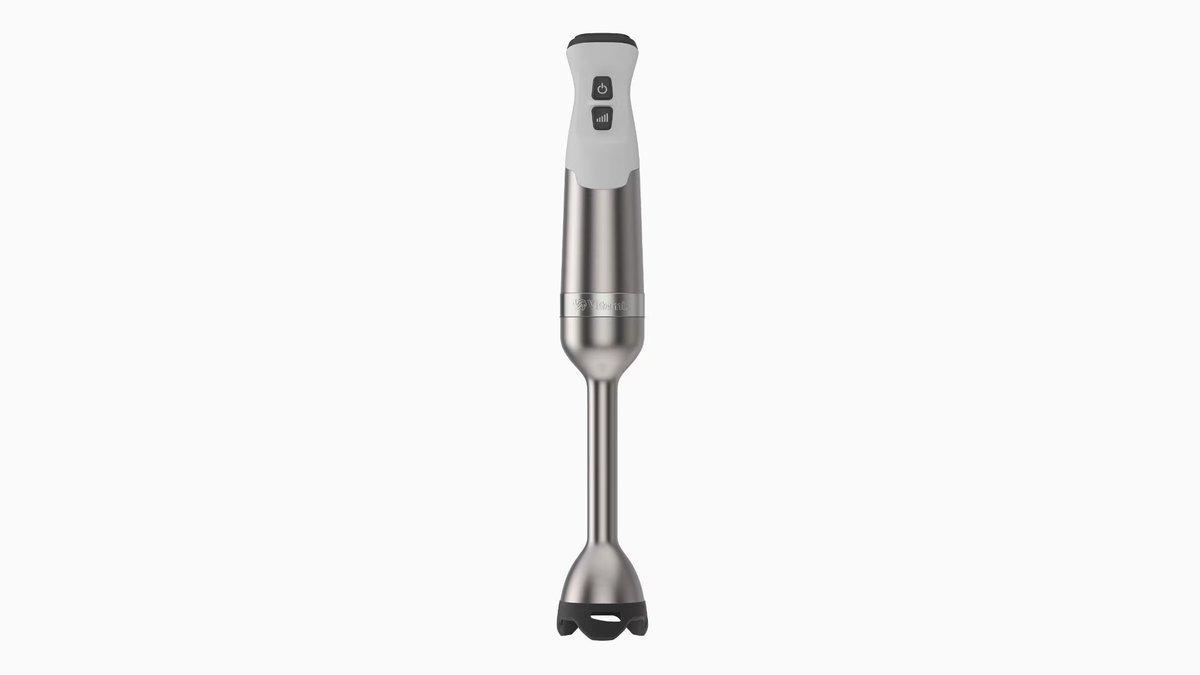
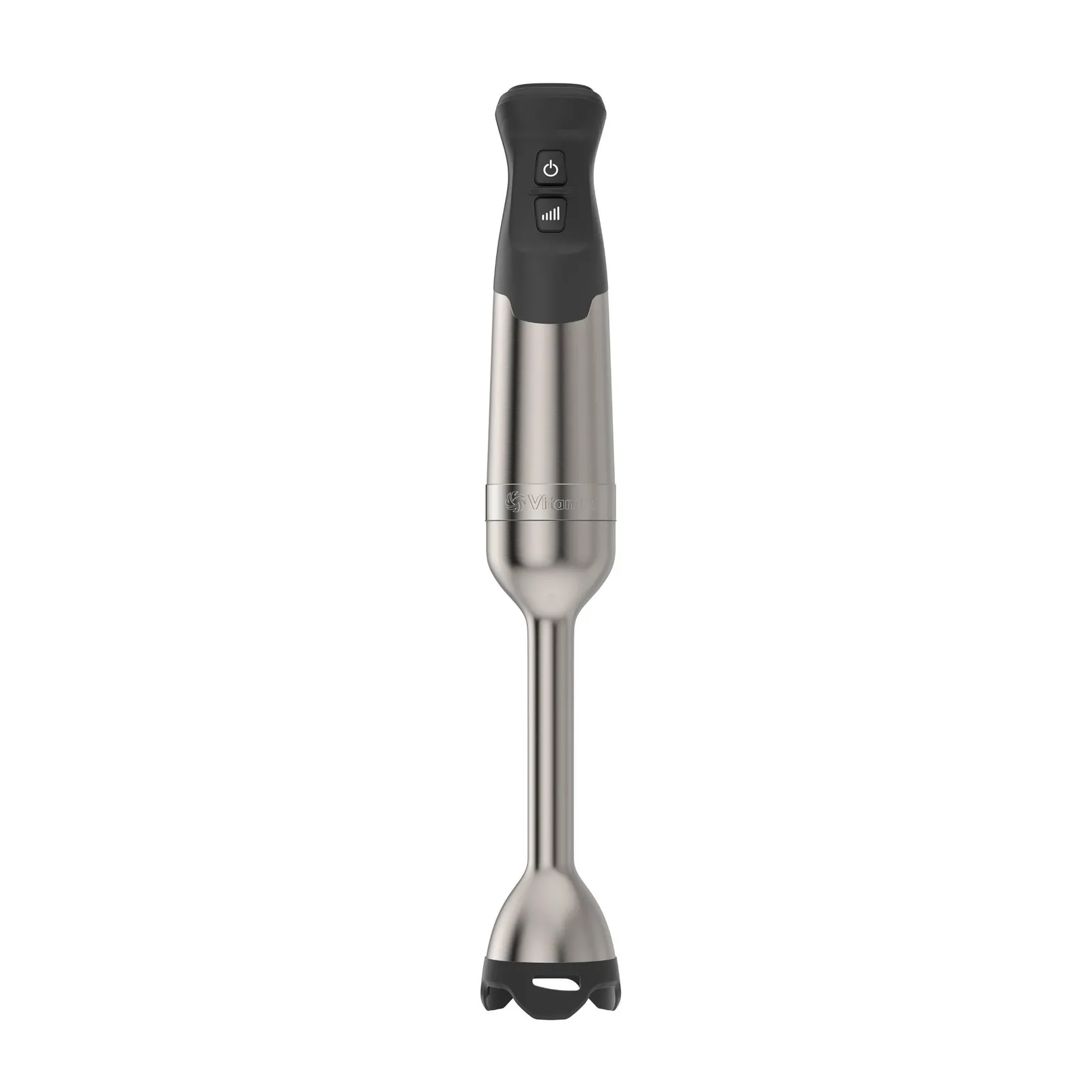
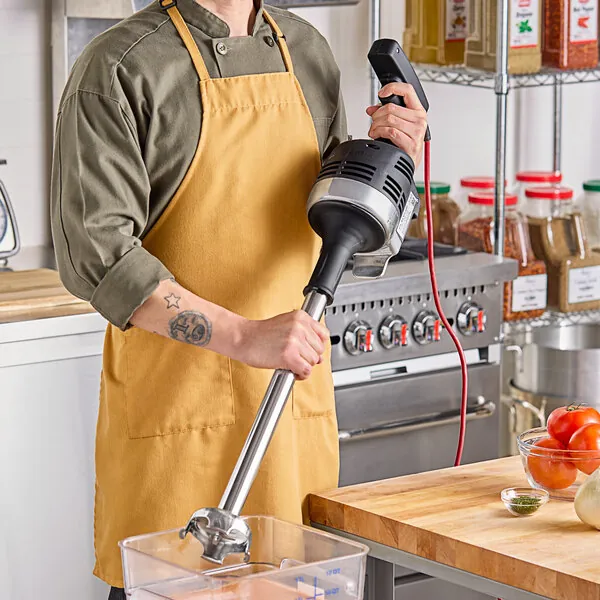
A Vitamix isn’t an immersion blender, as it’s a high-performance countertop appliance designed for heavy-duty blending while an immersion blender is a handheld stick tool. You should use a countertop model for large batches or tough ingredients, whereas you reach for an immersion blender when you need to blend directly inside a pot or a narrow container.
These devices differ in their motor placement, portability, and the way they interact with food. Understanding these physical differences helps you decide which tool fits your specific kitchen task.
Is a Vitamix an immersion blender
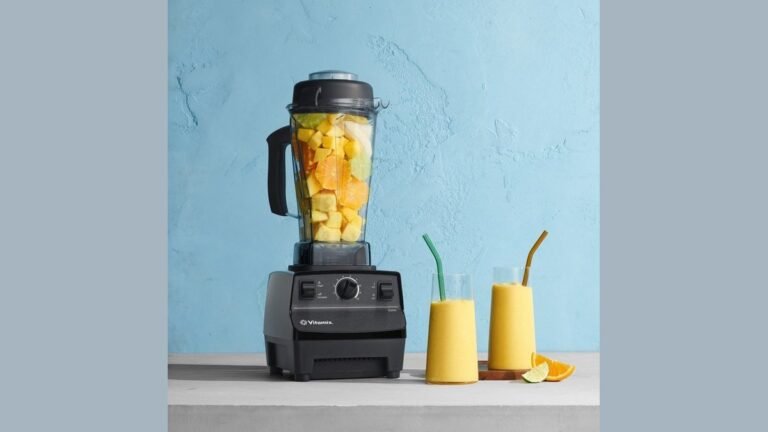
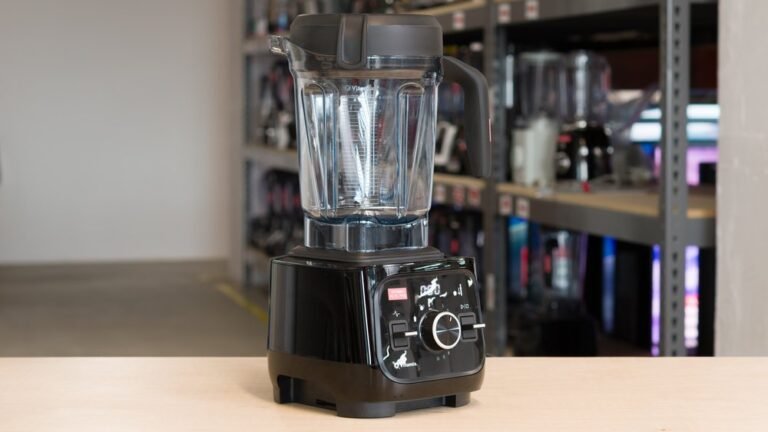
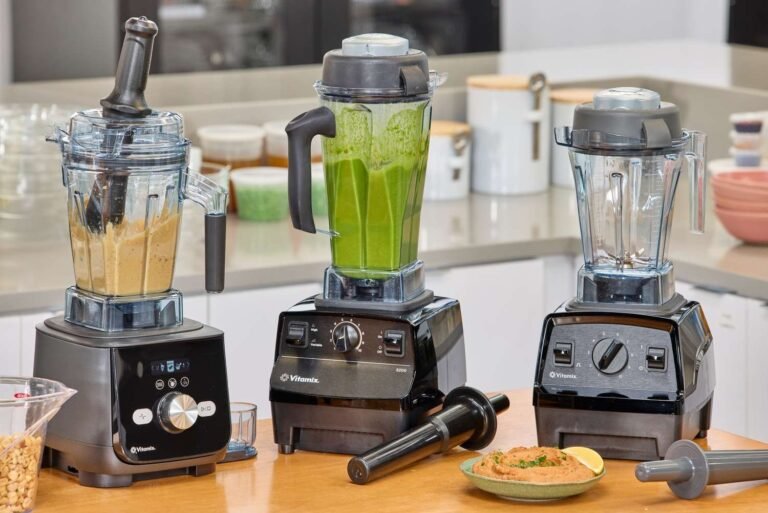
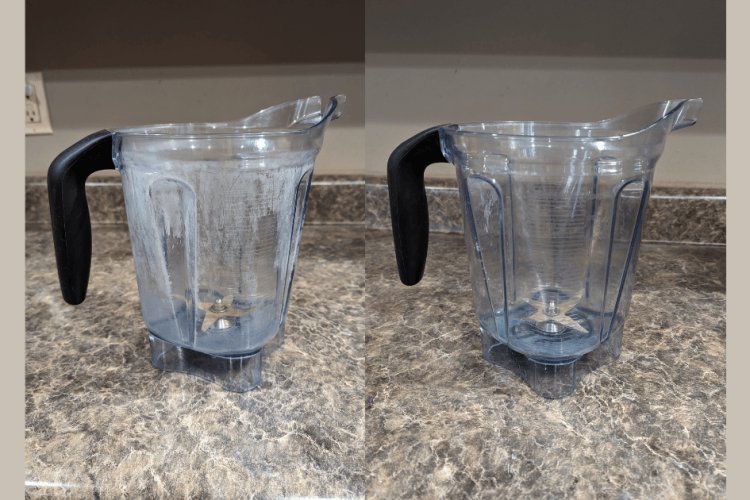
The brand is famous for its powerful countertop blenders that use a heavy base, a jar, and a lid to process ingredients. These machines are stationary, meaning you place your ingredients into the jar and the motor sits on your counter. They’re built to handle ice, frozen fruit, and fibrous vegetables, often creating a smooth, emulsified texture that handheld tools can’t easily replicate.
If you’re choosing between the two, consider the volume of your food. Use a Vitamix if you need to process more than 1 liter of liquid or hard ingredients, as the motor and blade design provide superior power. If you only need to blend a small amount of soup or sauce, an immersion blender is more efficient. This isn’t the right tool for someone who only wants to blend small, individual servings of hot liquids directly in a saucepan.
What defines the difference
Several factors separate these two kitchen tools, and knowing them prevents you from using the wrong equipment for your recipe. The most important difference is the design of the motor and how it contacts the food.
- Motor Power: Countertop blenders generally have higher wattage, which allows them to pulverize tough materials like seeds or fibrous greens. Immersion blenders prioritize convenience and maneuverability over raw power.
- Portability: An immersion blender is a handheld device that you move through the food. A Vitamix stays fixed on the counter, requiring you to transfer your ingredients into the jar.
- Safety: You must keep the blade assembly of a Vitamix inside the locked jar during use. Immersion blenders require you to hold the tool manually, which carries a risk of splashing if the blade isn’t fully submerged.
People often make the mistake of trying to blend hot liquids in a standard blender without venting the lid. This creates pressure that can blow the lid off, causing severe burns. Always ensure the center cap is removed or the lid is loose to allow steam to escape, as recommended by the Underwriters Laboratories product safety guidelines regarding appliance operation.
Step-by-step blending tasks
- Place your ingredients into the blender jar or the pot you intend to use.
- For a Vitamix, secure the lid and the center cap firmly before starting the motor on the lowest setting.
- If using an immersion blender, fully submerge the blade guard into the liquid before you press the power button.
- Increase the speed gradually to avoid splashing contents out of the container.
- Move the immersion blender in a gentle up-and-down motion to ensure even processing of all chunks.
- If using a high-speed blender, use the tamper to push ingredients into the blades if the mixture stops circulating.
- Turn the power off completely before removing the blade assembly from the container.
The key judgement call is the thickness of your mixture. If the blades spin but the food doesn’t move, add 30-60 milliliters of liquid to help the circulation.
Comparison of blender types
| Device type | Best use case | Portability | Primary limitation |
|---|---|---|---|
| Vitamix | Smoothies and purees | Low | Requires container transfer |
| Immersion | Hot soups and sauces | High | Lower motor power |
| Personal | Individual drink servings | Medium | Small capacity |
| Food proc. | Chopping and slicing | Low | Not for liquids |
High-performance blenders like the Vitamix excel at emulsifying fibrous kale or frozen fruit into a perfectly smooth consistency. Use these when you prioritize texture over convenience. If your recipe requires a silky finish that leaves no grit behind, this is your only viable tool.
Immersion blenders offer the unique ability to blend directly inside a hot pot. This saves you from the dangerous task of transferring boiling liquid into a plastic jar. However, they struggle with fibrous stems or thick nut butters. If you’re blending more than two quarts of liquid, the motor will likely overheat before the mixture is uniform.
Personal blenders are ideal for a single morning protein shake. They’re designed for speed rather than volume. If you attempt to fill them past the marked line, the blade assembly will often leak or jam. Stick to these only for single-serving liquids.
Food processors are for dry prep work, not beverages. Because the base isn’t sealed for liquid pressure, attempting to blend soups here will result in a messy countertop. Use these exclusively for dicing onions or shredding cheese. If the blade is flat rather than angled upward, it’s meant for chopping, not liquefying.
Improving your blending results
Proper preparation
Experienced users always chop hard ingredients into 2-centimeter cubes before putting them into the blender. This reduces the time the motor runs, which keeps the machine cooler and helps the blades catch the food faster. Beginners often add large, whole items, which causes the blades to cavitate and leaves you with an uneven, chunky texture.
Cleaning and maintenance
Always clean your equipment immediately after use to prevent food from hardening on the blades. For a Vitamix, add a drop of dish soap and warm water to the jar, then run it on high for 30 seconds. For an immersion blender, detach the blade shaft and rinse it under hot running water, ensuring the electrical handle never touches the sink water.
Troubleshooting common issues
| What you notice | What it usually means | What to do first | How to stop it |
|---|---|---|---|
| Motor smells hot | Overloaded or running too long | Turn off and cool | Process in smaller batches |
| Liquid leaking | Damaged gasket or seal | Check jar base seal | Tighten or replace gasket |
| Uneven texture | Large chunks present | Stop and stir manually | Chop ingredients smaller |
| Excessive splashing | Blade too near surface | Submerge deeper | Keep blade guard covered |
Safety and operational standards
The primary safety rule for any motorized kitchen tool is to keep your hands and utensils away from the blades while the device is plugged in. If you need to clear a jam, always unplug the unit from the wall outlet first.
Never rely on the “off” switch to protect your fingers during cleaning. A momentary power surge or a faulty switch can trigger a blade rotation unexpectedly. Always physically disconnect the plug from the wall before reaching into the chamber.
A capacitor in some high-power appliances can hold a lethal charge even when unplugged. For this reason, never attempt to open the housing or perform internal repairs yourself. If you notice a burning smell or the casing feels hot to the touch, stop using the device immediately. These are signs of an impending electrical short.
If your motor stops working or makes an unusual grinding noise, contact the manufacturer’s official support center for guidance or a professional inspection. Don’t attempt to lubricate the motor with household oils, as this often ruins the internal seals and voids your warranty. If the unit vibrates excessively during operation, place it on a flat, rubberized mat to ensure stability. If the vibration persists, the internal bearings are likely misaligned and require a factory-authorized replacement.
Evaluating the true cost
The cost of these tools includes the initial purchase price and the time spent on cleanup. A Vitamix carries a higher upfront cost compared to other options. While this is an investment, the durability of the motor often results in a lower cost per use over a decade.
An immersion blender is relatively inexpensive compared to other options. You save money initially, but you may find yourself replacing the unit sooner if you use it for heavy-duty tasks like crushing ice or grinding grains.
Most users underestimate the hidden labor cost of cleanup. A high-speed blender requires a deep clean of the gasket and lid assembly after every use to prevent mold growth, adding roughly five minutes to your daily routine.
Choose the immersion blender if your primary goal is blending soups directly in the pot, as it requires only a quick rinse. Opt for the high-speed blender if you process fibrous greens or frozen fruit daily. If the motor struggles or smells like ozone during your standard recipe, stop immediately. Pushing a budget motor to its limit usually results in total failure within six months, forcing you to buy twice.
Maintaining your equipment
To keep your blender working for years, inspect the blade assembly for any looseness or dullness based on your frequency of use and the guidelines in your owner’s manual. If the blades don’t rotate with moderate resistance when turned by hand, the bearings may be failing. Ignoring this friction will eventually burn out your motor.
Store your immersion blender in a dry place, ideally hanging it by its handle so the shaft doesn’t rest on the blade guard. Moisture trapped inside the housing causes internal corrosion that you can’t see until the unit fails to start. If you must lay it flat, place a folded paper towel under the blade guard to wick away residual water.
For countertop models, ensure the base has at least 10 centimeters of clearance on all sides to allow proper airflow to the motor. People often push these units against a backsplash or under low cabinets, which traps heat and triggers the thermal safety shutoff. If your machine stops mid-cycle, unplug it and move it to an open area for thirty minutes before restarting. If it fails to turn on after cooling, the thermal protection switch may have failed.
When to use a different tool
If you need to slice, grate, or chop solid vegetables without turning them into a puree, use a food processor instead of a blender. A blender is designed to liquefy, while a food processor is built to maintain texture.
Use the food processor’s pulse setting for firm items like carrots or onions. If you hold the button down for more than three seconds, you’ll inevitably end up with a watery mush.
If you need to knead bread dough, a stand mixer is the appropriate choice. Never use an immersion blender to knead dough, as the motor isn’t designed for that level of resistance and will likely burn out.
The rule is simple: if the ingredient is high-moisture and meant to be smooth, reach for the blender. If the ingredient is dense or requires structural integrity, choose the processor.
People who prepare meals at home make the mistake of using a blender for pesto or thick salsas. This costs them the vibrant, chunky mouthfeel that makes these dishes successful. If your recipe calls for folding in ingredients at the end, the blender has already failed you. Always prioritize the blade speed and the container width over the convenience of a single appliance.
Frequently asked questions
Can a Vitamix replace an immersion blender?
No, a Vitamix can’t replace an immersion blender because it requires you to transfer hot or large volumes of food into a jar, whereas an immersion blender works directly in the cooking vessel. Each tool serves a different purpose in the kitchen.
Why does my blender smell like burning?
A burning smell usually means the motor is struggling against an overload or the blades are jammed. Turn the machine off immediately, unplug it, and reduce the amount of food or add more liquid before trying to blend again.
Is it safe to blend boiling soup?
It’s safe to blend hot soup if you leave the center cap of the lid open to vent steam. If you seal the lid completely, the pressure build-up can cause the hot liquid to explode out of the jar.
How long does a high-end blender last?
A high-end blender can last for a long duration with regular use and proper care. This lifespan depends on how often you process hard ingredients and whether you follow the manufacturer’s cleaning instructions.
Can I crush ice with an immersion blender?
You shouldn’t crush ice with an immersion blender, as the blade isn’t designed for hard, frozen objects. Use a high-performance countertop blender for ice to avoid damaging the motor or the shaft.
Does the wattage matter for blending?
Wattage indicates the power available to the motor, but the blade speed and design are just as important. A higher wattage generally allows for better performance with thick, frozen, or fibrous ingredients.
Conclusion
To get the best results, start by identifying the texture you need for your recipe. If you want a perfectly smooth puree, pull out your countertop blender. If you’re simply blending a pot of soup, use the immersion tool to save yourself from cleaning an extra jar. If the motor sounds strained, stop immediately to avoid damage.