How To Blend Without Immersion Blender: Easy Kitchen Hacks
Blending food makes cooking easier. You get smooth soups, creamy sauces, and tasty smoothies fast. But what if you don’t own an immersion blender? Many kitchens lack this tool, but you can still blend food well. With the right tricks and tools, anyone can achieve smooth results without an immersion blender. This guide shows how.
You’ll learn safe and effective ways to blend, discover the best alternatives, and avoid common mistakes. Whether you need to puree soup, make salsa, or mix batter, these methods work for any home cook. Many people think only an immersion blender can do the job, but simple household items can replace it.
If you follow these steps, you won’t miss your immersion blender.
Why Blending Matters In Cooking
Blending gives food a smooth texture. It helps mix ingredients evenly, breaks down fibers, and creates a creamy finish. For example, blending vegetables in soup makes it thick and rich. Smoothies need blending to combine fruits, yogurt, and ice. Even pancake batter benefits from blending to avoid lumps.
Restaurants rely on blending for sauces and soups. Home cooks use blending for baby food, dips, and spreads. Proper blending also helps you hide vegetables in meals for picky eaters. But you don’t need fancy tools to blend well. Understanding the basics lets you use what you have.
Types Of Blending Tasks You Can Do Without An Immersion Blender
You can blend many foods without an immersion blender. Here are some common examples:
- Soups and Purees: Smooth vegetable or bean soups, baby food, and fruit purees.
- Smoothies and Shakes: Blending fruits, vegetables, milk, or yogurt.
- Sauces and Dips: Salsa, pesto, hummus, and salad dressings.
- Batters and Doughs: Pancake batter, cake mix, and bread dough.
- Nut Butters and Pastes: Peanut butter, almond paste, and tahini.
Each task may need a different tool or technique. The goal is always to mix ingredients until they’re smooth.
Best Alternatives To An Immersion Blender
When you don’t have an immersion blender, use these tools:
| Alternative Tool | Main Uses | Pros | Cons |
|---|---|---|---|
| Stand Blender | Soups, smoothies, sauces | Fast, powerful | Needs larger batches, harder to clean |
| Food Processor | Dips, doughs, nut butters | Versatile, strong | Not ideal for liquids, bulky |
| Manual Tools (Whisk, Fork, Potato Masher) | Batters, soft foods | Cheap, easy to use | Requires effort, less smooth |
| Mortar and Pestle | Spices, pastes, pesto | Traditional, precise | Slow, limited batch size |
| Hand Mixer | Batter, whipped cream | Portable, quick | Not for thick soups or hard foods |
Each tool works best for certain foods. Choose based on your recipe and what’s available.
Step-by-step Guide: Blending Without An Immersion Blender
Follow these steps to blend food smoothly:
1. Choose The Right Tool
Pick a stand blender for liquid or soft foods. A food processor works for thick pastes or dips. For small jobs, try a whisk, fork, or potato masher.
2. Prepare Ingredients
Cut food into small pieces. Smaller chunks blend faster and more smoothly. Cook tough foods until soft. For soups, let vegetables simmer until tender.
3. Work In Batches
Don’t overfill your tool. For blenders and processors, fill them halfway. Too much food slows blending and leaves chunks. If you use manual tools, split the food into manageable portions.
4. Blend Carefully
For blenders, start at low speed. Increase slowly to avoid splashes. For manual tools, mash and stir steadily. Repeat until the texture is smooth.
5. Check Texture
Stop blending and check. If it’s not smooth, blend again or stir. For thick foods, add liquid (water, broth, milk) to help the process.
6. Taste And Adjust
Taste your blend. Add salt, spices, or extra ingredients as needed. Blend again for even mixing.
7. Clean Up
Wash all tools right away. Food dries fast and sticks, making cleaning harder.
Practical Examples For Each Tool
Let’s see how each tool works in real recipes.
Stand Blender: Creamy Vegetable Soup
- Cook carrots, potatoes, and onions until soft.
- Let them cool slightly.
- Transfer to blender with some broth.
- Blend at low speed, then medium, until smooth.
- Pour back into pot and heat before serving.
Food Processor: Homemade Hummus
- Add cooked chickpeas, tahini, olive oil, garlic, and lemon juice.
- Process until creamy.
- Scrape sides and process again.
- Add water for smoother texture.
Potato Masher: Mashed Potatoes
- Boil potatoes until soft.
- Drain and add butter and milk.
- Mash with the masher until smooth.
- Season with salt and pepper.
Whisk: Pancake Batter
- Combine flour, eggs, milk, and sugar in a bowl.
- Whisk until lumps disappear.
- Let batter rest, then cook.
Mortar And Pestle: Pesto
- Crush garlic and pine nuts.
- Add basil leaves and grind.
- Pour in olive oil and cheese, mix well.
- Use for pasta or bread.
Safety Tips When Blending Hot Foods
Blending hot foods can be risky. Steam and pressure build up in closed containers. Always follow these safety steps:
- Let Food Cool: Wait until it’s warm, not boiling.
- Vent Lid: Keep blender lid slightly open to release steam.
- Cover with Cloth: Place a towel over the lid for extra safety.
- Small Batches: Blend a little at a time to avoid splashes.
- Use Manual Tools: For hot soup, mash or whisk instead of blending.
Many beginners forget these steps and get burned. Always be careful with hot ingredients.
Common Mistakes To Avoid
Even experienced cooks make blending mistakes. Here are the most frequent errors:
- Overfilling the Blender: This causes leaks and uneven blending.
- Blending Hard Foods Raw: Raw vegetables, nuts, or grains need softening first.
- Ignoring Texture: Not checking for smoothness leads to lumpy results.
- Skipping Liquid: Dry mixes won’t blend well. Add water or oil as needed.
- Using Wrong Tool: Trying to blend soup in a food processor can spill. Use a blender or mash manually.
- Not Cleaning Immediately: Dried food is hard to remove and can cause odors.
Avoiding these mistakes saves time and improves results.
How Manual Blending Differs From Using An Immersion Blender
Using manual tools takes more effort and time. You control the speed and pressure, so results vary. Immersion blenders are fast and consistent. Manual blending can leave small chunks, which some people like. You also avoid using electricity, making it eco-friendly.
Here’s a quick comparison:
| Blending Method | Texture | Speed | Effort | Batch Size |
|---|---|---|---|---|
| Immersion Blender | Very smooth | Fast | Low | Any size |
| Manual Tools | Chunky or smooth | Slow | High | Small |
| Stand Blender | Smooth | Medium | Medium | Medium-large |
Manual blending is ideal for small jobs or when you want a rustic texture.
How To Blend Without Electricity
Sometimes you need to blend without power. Maybe you’re camping or the electricity is out. Here’s how:
- Mortar and Pestle: Perfect for grinding spices, nuts, and herbs. Press and twist until smooth.
- Potato Masher: Mash boiled vegetables and fruits. Works for baby food and mashed potatoes.
- Whisk or Fork: Mix batter, eggs, or sauces. Takes longer but works.
- Rolling Pin: Crush cookies or crackers for crumbs.
For best results, always soften food first by cooking or soaking.
Real-life Blending Challenges And Solutions
Some foods are hard to blend without an immersion blender. Here’s how to solve common challenges:
Blending Nuts For Nut Butter
Nuts are tough and need powerful blending. If you don’t have a food processor, try these steps:
- Roast Nuts: Makes them softer and releases oil.
- Crush with Rolling Pin: Put nuts in a bag and smash.
- Grind in Mortar and Pestle: Takes time, but produces a paste.
Making Smooth Soup
If you want creamy soup without a blender:
- Cook Vegetables Soft: Simmer until falling apart.
- Mash with Potato Masher: Mash thoroughly.
- Whisk Hard: Whisk to break down lumps.
Add cream or milk for smoother texture.
Blending Frozen Fruit
Frozen fruit is hard. Let it thaw, then mash with a fork or potato masher. For thick smoothies, add yogurt or juice.
:max_bytes(150000):strip_icc()/aVitamixImmersionblenderstandinguprightagainstamarblebackdrop-752e0c17aca54db7a74f177e350f7fc1.jpg)
Credit: www.seriouseats.com
Tips For Getting A Smooth Texture
Getting smooth results can be tricky. Here are tips:
- Use Warm Ingredients: Warm food blends better than cold.
- Add Liquid Slowly: Pour broth or milk until the mix blends easily.
- Mash Well First: Break food down before blending.
- Strain After Blending: Pass through a sieve for extra smoothness.
Most beginners skip straining. It removes lumps and gives a creamy finish.
When To Upgrade Your Blending Tools
If you blend often, consider buying a better tool. Stand blenders and food processors cost $30–$150. Immersion blenders range from $15–$60. For frequent blending, investing saves time and effort. But with the methods above, you can do most tasks without spending extra.

Credit: www.consumerreports.org
How To Clean Blending Tools
Cleaning is important for safety and taste. Here’s how:
- Rinse Immediately: Prevent food from sticking.
- Use Warm Water and Soap: Scrub with a sponge.
- Disassemble Tools: Take apart blenders or processors for deep cleaning.
- Dry Thoroughly: Prevent mold and odors.
Some foods (like onions or garlic) leave strong smells. Wash and dry fully to avoid lingering odors.
Comparing Blending Results: Immersion Blender Vs. Alternatives
Let’s compare blending results for soup, hummus, and smoothies:
| Recipe | Immersion Blender | Stand Blender | Manual Tools |
|---|---|---|---|
| Vegetable Soup | Very creamy, fast | Creamy, needs batches | Chunky, rustic |
| Hummus | Smooth, uniform | Creamy, easy | Thick, less smooth |
| Smoothie | Silky, blends ice well | Smooth, can handle frozen fruit | Chunky, not ideal for ice |
Immersion blenders give the smoothest results, but alternatives come close for most recipes.
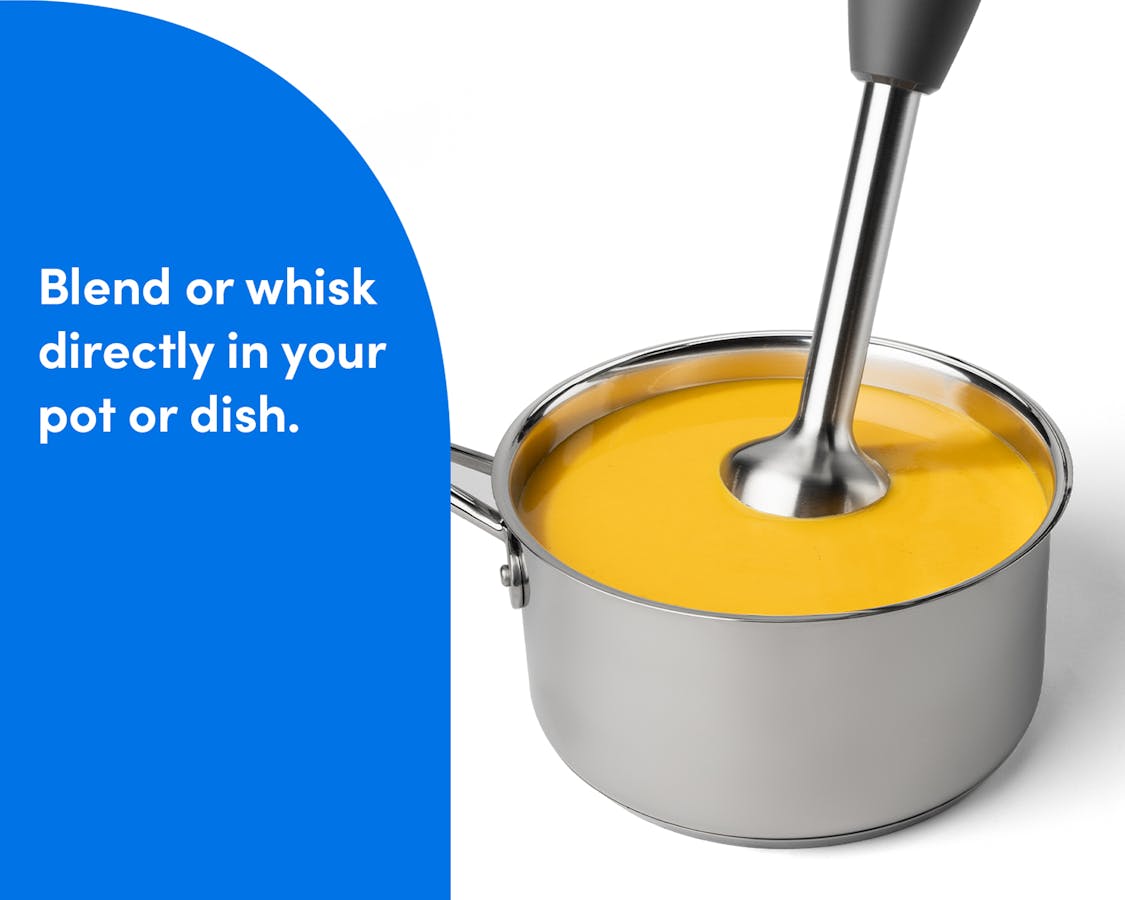
Credit: www.nutribullet.com
Two Non-obvious Insights For Better Blending
Most beginners miss these points:
- Let Food Rest After Blending: Some blends (like batter or soup) improve if they sit for 5–10 minutes. Air bubbles settle, and flavors mix.
- Use a Fine Mesh Strainer: Even after blending, straining removes all lumps. This step is key for ultra-smooth sauces and soups.
Try these tips for professional-level results.
How Culture Shapes Blending Methods
In some countries, blending is done by hand. For example, Mexican cooks use a molcajete (stone mortar) for salsa. Indian cooks grind spices by hand. These methods create unique textures and flavors. You can use these traditional tools for authentic dishes.
Best Practices For Each Blending Alternative
To get the best results, follow these tips:
- Stand Blender: Always pulse before blending fully. This prevents overload.
- Food Processor: Scrape sides often to mix evenly.
- Potato Masher: Mash in a sturdy bowl to avoid spills.
- Whisk: Use a balloon whisk for more air and smoother batter.
- Mortar and Pestle: Grind in small batches for easier blending.
Beginners often forget to scrape sides or work in small batches. These steps make blending easier.
Environmental And Health Benefits Of Manual Blending
Manual blending uses no electricity, reducing your carbon footprint. It also limits noise and preserves food nutrients, since heat from electric blenders can change texture and flavor. If you blend baby food or sensitive ingredients, manual tools are a good choice.
Frequently Asked Questions
What Is The Best Tool To Blend Soup Without An Immersion Blender?
The stand blender is the best tool for soup. It creates a smooth texture and handles hot ingredients if cooled first. For small batches, a potato masher works well, though results are chunkier.
Can I Make Smoothies Without A Blender?
Yes. Thaw frozen fruit, mash with a fork, and mix with yogurt or milk. For best results, use soft fruits like banana or mango. The texture will be thicker and less smooth than with a blender.
Is Manual Blending Safe For Hot Foods?
Manual blending is safer than using closed electric tools. You can mash or whisk hot foods directly in the pot. Always use caution to avoid burns, and let food cool before blending.
How Do I Blend Nuts And Seeds Without A Processor?
Roast the nuts to soften, then crush with a rolling pin or grind in a mortar and pestle. This method works for small amounts. For large batches, a processor is better.
Are Manual Blending Methods Healthy?
Manual blending is healthy. It preserves nutrients and avoids heat buildup. It’s also eco-friendly and good for small jobs like baby food or dips.
For further information about kitchen tools, visit Wikipedia.
Anyone can blend food without an immersion blender. With smart choices and practical tips, your kitchen can produce smooth, tasty results. Try these methods next time you cook. You’ll be surprised how well simple tools work.