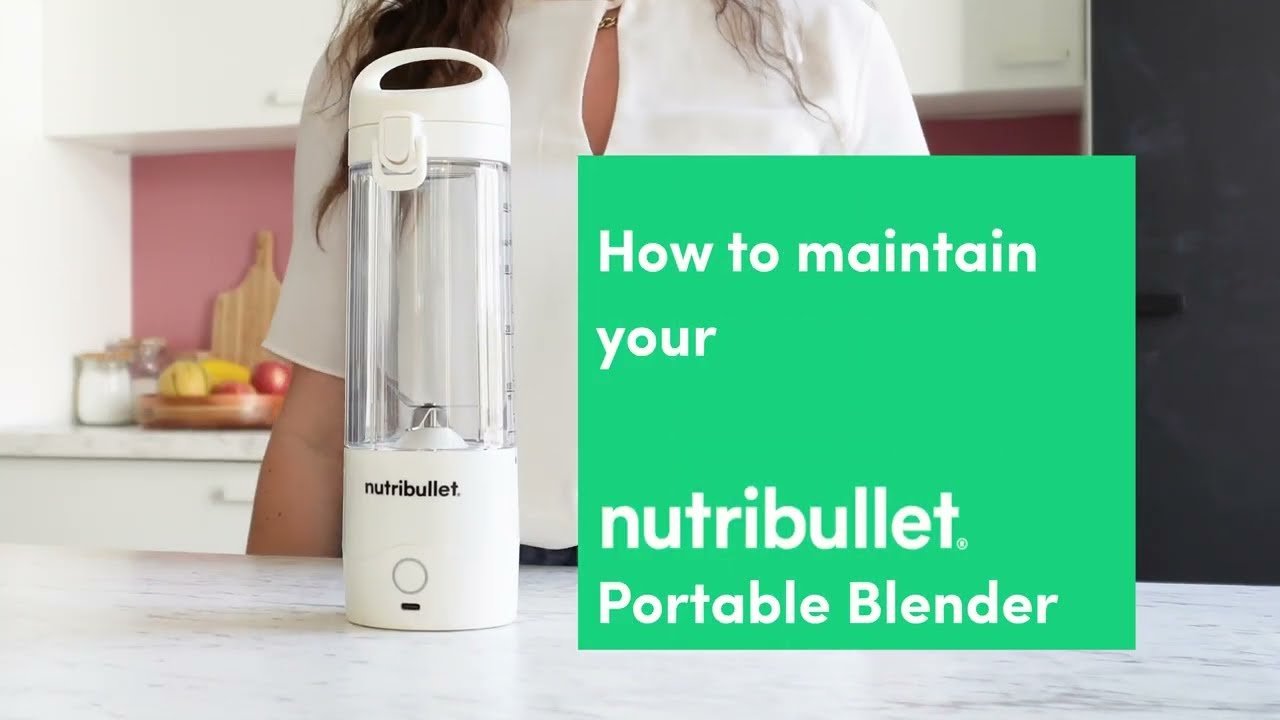
How To Clean a Nutribullet Portable Blender in 60 Seconds
Cleaning a Nutribullet portable blender takes about 60 seconds: fill the cup halfway with warm water, add 1 drop of dish soap, run the blend cycle for 20-30 seconds, then rinse the cup and blade until the water runs clear. Never put the motor base in water.
Three things change that routine. The model matters, because some cups and blades are dishwasher-safe and the base never is. What you blended matters too — sticky nut butter needs more than a quick rinse. And where you clean it changes the method, since a hotel sink isn’t your kitchen.
Which Nutribullet portable blender owner this page is for
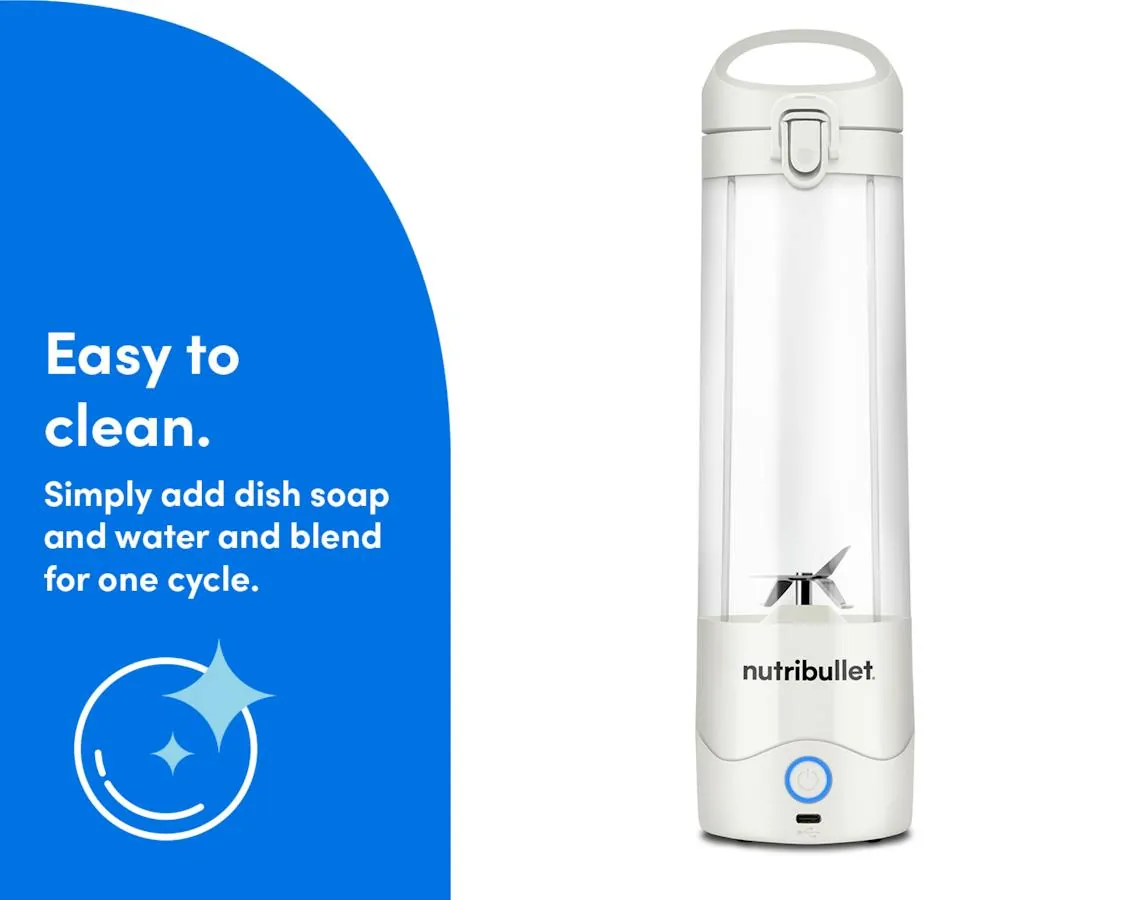
Three kinds of people search this title. The first owns a Nutribullet portable blender and has been rinsing it under the tap for a week, wondering if that’s enough. They need the 60-second method and a clear line between what goes in water and what doesn’t. The second just made a green smoothie and wants it clean before the residue dries. They need speed, and the self-clean cycle is their answer. This page serves the first two best.
The third reader should look at a buying guide instead, because cleaning instructions won’t tell you if the battery life or cup size suits you. This page assumes you already own the blender and have its cup and blade in front of you. If you don’t know whether your cup is dishwasher-safe, check the model number printed on the base and look it up on Nutribullet’s official product page — that’s where the exact answer lives for your version.
The assumption underneath everything here: your blender is a portable, rechargeable model with a screw-on blade and a separate motor base. If yours is a full-size countertop model, the steps are close but the cup sizes and cycle times differ.
What decides how easy the clean is
How fast you clean it beats how hard you clean it. Residue that’s still wet rinses away in seconds; the same residue left for two hours turns into a film that needs a brush. If you can rinse within about 10 minutes of blending, do that; if not, fill the cup with warm water right away and leave it to soak until you’re ready.
Your model decides what can touch water. Nutribullet makes several portable versions, and the dishwasher-safe parts differ between them. Check the manual or the product page for your exact model before you put anything in the dishwasher. The motor base is never dishwasher-safe on any model.
What you blended sets the effort. Watery blends — juice, milk, protein shakes — rinse clean with water alone. Thick blends — nut butter, frozen fruit, oats — leave residue in the blade threads and under the gasket. Those need soap and a brush, and the gasket is where people miss it most.
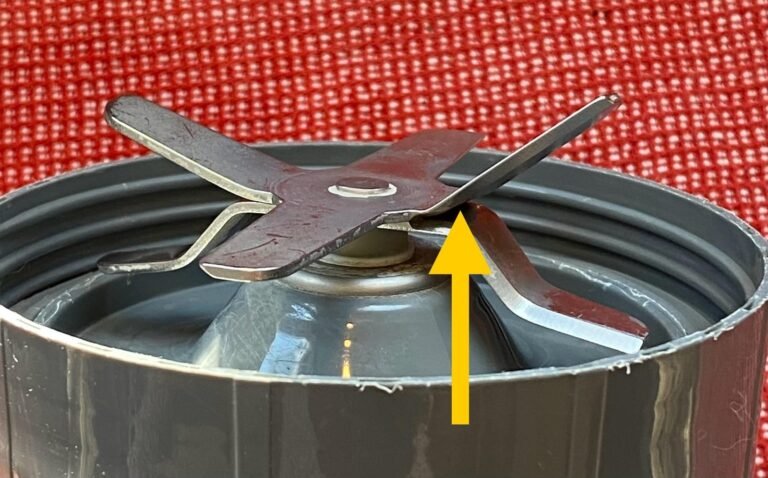
The gasket is the part people get wrong most often. It’s the rubber ring seated in the blade assembly, and it traps pulp against the plastic. If you never remove and rinse it, the trapped bits sour and your next smoothie tastes like last week’s.
Water temperature matters less than you’d think. Warm water works better than cold on fats, but hot water isn’t needed and can soften some gaskets over time. Lukewarm to warm is the sweet spot.
Step-by-step cleaning for a Nutribullet portable blender
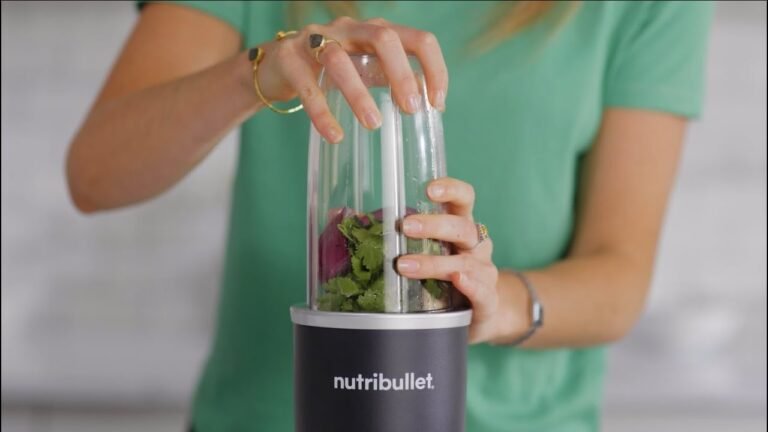
Unplug or power off the base and unscrew the blade assembly from the cup. Set the base aside where it can’t get splashed. You’ll know it worked when the blade is in your hand and the base is dry and clear of the sink.
Scrape out any thick leftovers with a rubber spatula into the trash, not the sink. Nut butter and oat residue clog drains. You’ll know it worked when the cup looks mostly empty, not coated.
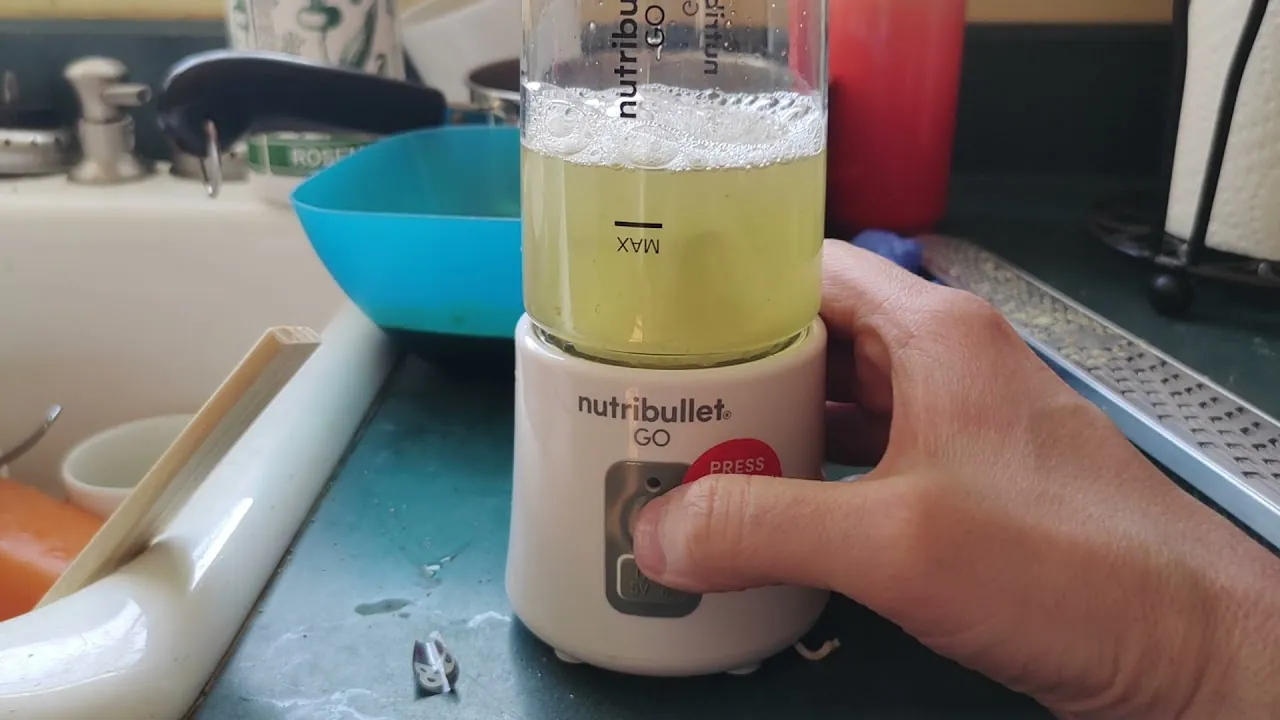
Fill the cup halfway — about 8 oz (240 ml) — with warm water and add 1 drop of dish soap. One drop is enough; more leaves foam that takes extra rinsing. You’ll know it worked when there’s a light suds layer, not a bubble mountain.
Screw the blade assembly back on and run the blend cycle for 20-30 seconds. Hold the cup steady. You’ll know it worked when the water looks cloudy with released residue.
Unscrew the blade and rinse both parts under warm running water. Run water through the blade threads and around the gasket. You’ll know it worked when the water runs clear and no film remains.
Remove the gasket from the blade assembly if your model allows it, and rinse both sides. Most portable Nutribullet gaskets lift out with a fingernail. You’ll know it worked when no pulp sits in the groove.
Wash the cup with a bottle brush and warm soapy water, paying attention to the bottom corners. You’ll know it worked when you can’t feel any slickness inside.
Wipe the motor base with a damp cloth only — never submerge it. Dry it straight away. You’ll know it worked when the base is clean and completely dry.
Leave every part upside down on a drying rack until fully dry before reassembling. Trapped moisture between the gasket and blade grows mold. You’ll know it worked when no water droplets remain in the threads.
Reassemble only when dry, and store with the cup off the base so air can circulate.
The judgement call that separates a proper clean from a quick one is the gasket. A rinse that skips it looks clean and smells fine for a day, then turns. If you only do one extra thing beyond the rinse, lift that ring and rinse underneath it.
Cleaning methods for different situations
| Situation | What to do | What it takes | What to watch for |
|---|---|---|---|
| Fresh juice or shake | Rinse cup and blade at once | 30 seconds | Blade threads hold pulp |
| Nut butter or oats | Soak 10 minutes, then brush | 15 minutes total | Residue under gasket |
| Dried-on residue | Soak in warm soapy water | 20-30 minutes | Don’t scrape with metal |
| At work or traveling | Self-clean cycle, then rinse | 60 seconds | No dishwasher available |
| Dishwasher-safe model | Top rack, per your manual | Full cycle | Base never goes in |
| Smells sour after cleaning | Remove gasket, soak in baking soda | 10 minutes | Replace worn gasket |
| Motor base smudged | Damp cloth wipe only | 1 minute | Never submerge the base |
What careful owners do differently
They clean before the residue dries
Timing is the whole game. A cup rinsed within 10 minutes of blending needs water and nothing else. The same cup left until evening needs a soak, a brush, and time you didn’t plan for. Careful owners rinse first and wash properly later, because the rinse is what stops the film from forming. If you can’t wash it now, fill it with warm water and leave it — that’s the next best thing, and it buys you hours.
They keep water away from the base and the battery
The motor base, the charging port, and the battery are the parts water destroys. A damp cloth on the outside is fine. A splash into the charging port is not, and it can stop the blender charging. Careful owners wipe the base, dry the port area, and never hold the base under a tap. If water does get into the port, stop using it, dry it fully, and check the manufacturer’s guidance before charging again.
What goes wrong, and how to fix it
| What you notice | What it usually means | What to do first | How to stop it happening again |
|---|---|---|---|
| Sour smell after washing | Pulp trapped under gasket | Lift gasket, rinse both sides | Remove gasket every wash |
| Cloudy film inside cup | Dried residue, not rinsed in time | Soak in warm soapy water | Rinse within 10 minutes |
| Blender won’t charge | Moisture in charging port | Dry port fully, then retry | Keep base away from water |
| Blade feels stiff to screw | Residue in threads | Brush threads with warm soapy water | Rinse threads every use |
| Cup still smells after drying | Gasket worn or moldy | Replace the gasket | Dry parts fully before storing |
| Base smeared or sticky | Spilled blend on surface | Wipe with damp cloth only | Wipe base after each use |
The rules that apply to cleaning it
The main rule is electrical safety, and it comes from the manufacturer, not from a general cleaning guide. Nutribullet’s own instructions say the motor base should never be immersed in water or placed in a dishwasher — only the cup, blade, and lid may be washed, and only if your model’s manual lists them as dishwasher-safe. Check the manual that came with your blender, or the product page for your model number, because dishwasher-safe parts differ between portable versions.
Food safety rules matter too. The USDA Food Safety and Inspection Service advises washing anything that touches food after each use, because residue left at room temperature is where bacteria grow. That applies to your blade and gasket exactly as it applies to a cutting board. If your blend contained dairy or raw egg, don’t leave the cup sitting — clean it the same day.
If your blender shows damage to the cord, the charging port, or the base housing, stop using it and contact Nutribullet support. Don’t open the base or attempt repairs yourself — that’s a job for the manufacturer or a qualified technician.
What cleaning it really costs you
The money cost is close to zero. One drop of dish soap per wash, a bottle brush if you want one, and water. A replacement gasket is the only part you’ll likely buy, and prices change by model and region, so check Nutribullet’s official site for your model’s current part price rather than trusting a number from a blog.
The real cost is time, and it splits two ways. A rinse-and-go clean takes about 60 seconds. A full clean with a gasket removal and brush takes 3-5 minutes. A neglected cup that’s been sitting for hours takes 20-30 minutes of soaking plus scrubbing. The gap between 60 seconds and 30 minutes is entirely about when you start.
Effort moves up if your model has more parts, or if you blend thick things daily. Nut butter every morning means a brush isn’t optional. Juice only means water usually does it.
There’s a risk cost too. Skip the charging port when you dry, and you may be looking at a blender that won’t charge — a much bigger cost than the 60 seconds you saved. Check the port every time you wipe the base.
Keeping it clean between washes
The habit that keeps a portable blender usable is a rinse straight after every blend, even when you’re in a hurry. Fill the cup with warm water, run the cycle for 20-30 seconds, and pour it out. That single step stops residue from setting and keeps the gasket from trapping pulp.
Store the cup and blade separately from the base, both fully dry and upside down or open to air. A sealed, damp cup is where smells start. If your cup has a lid, leave it off while drying.
The sign it needs attention again is smell, not sight. A faint sour note when you open the cup means something is trapped — usually under the gasket. Lift the ring, rinse both sides, and if the rubber looks cracked or stretched, replace it. A worn gasket won’t seal properly, and it holds onto residue no rinse can reach.
You don’t need to deep-clean on a schedule. Clean it when it smells, when you’ve blended something thick, or when you can see film. Otherwise, the 60-second rinse is enough.
When this cleaning method won’t work
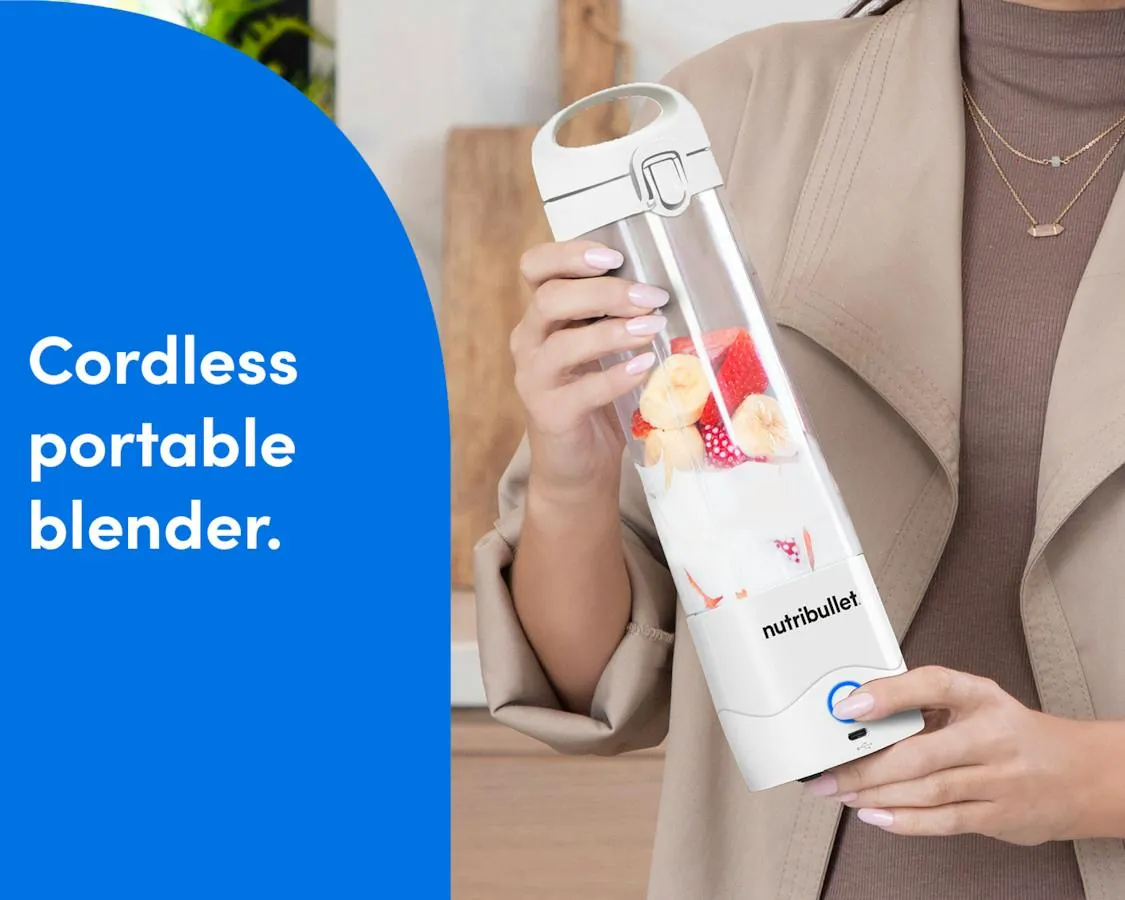
If your blender’s base has taken on water — it fell in the sink, or liquid went into the charging port — stop. Don’t run a cycle to dry it out and don’t plug it in to test. Contact Nutribullet support or a qualified technician. Water inside a rechargeable base is an electrical risk, and it’s not a do-it-yourself fix.
If the cup or blade is cracked, cleaning won’t save it. A cracked cup can leak into the base, and a chipped blade can shed material into your drink. Replace the part through the manufacturer rather than cleaning around the damage.
If the smell won’t leave after a gasket rinse and a baking soda soak, the gasket itself has likely absorbed it. Replacement is the answer, not more scrubbing. Order the correct gasket for your model number from Nutribullet — a wrong-size ring won’t seal.
Frequently asked questions
Can I put my Nutribullet portable blender cup in the dishwasher?
Only if your model’s manual lists the cup as dishwasher-safe. Many Nutribullet portable cups are top-rack safe, but the motor base never is. Check the manual or the product page for your exact model number before loading it, because dishwasher-safe parts differ between portable versions.
How long does it take to clean a Nutribullet portable blender?
About 60 seconds for a rinse-and-go clean after a watery blend, and 3-5 minutes for a full clean with soap and a gasket rinse. If residue has dried for hours, allow 20-30 minutes of soaking first. The time depends almost entirely on how soon you start.
Is it safe to clean the blade with my bare hands?
No. The blades are sharp, and a soapy blade is harder to hold. Use a bottle brush or hold the blade by its plastic base, away from the edges. If you must touch near the blades, do it under running water so your fingers can’t grip the edge.
Why does my Nutribullet portable blender still smell after washing?
Trapped pulp under the rubber gasket is the usual cause. Lift the gasket out of the blade assembly and rinse both sides, then soak it in warm water with a spoon of baking soda for 10 minutes. If the smell stays, the gasket has absorbed it and needs replacing.
What happens if water gets into the motor base?
Stop using it and don’t charge it. Water in the base or the charging port is an electrical risk. Dry the outside, leave the port open to air, and contact Nutribullet support before you plug it in again. Don’t open the housing yourself.
How often should I deep clean it?
Only when you need to — when it smells, when you’ve blended something thick like nut butter, or when you can see film inside. There’s no fixed schedule. A daily 60-second rinse usually makes deep cleans rare, maybe once a week for heavy users.
Can I use vinegar to clean the cup?
Yes, a mix of equal parts white vinegar and warm water works for odors and light film. Rinse thoroughly afterward so no vinegar taste carries into your next blend. Don’t use vinegar on the motor base — wipe that with a damp cloth only.
Does cleaning it matter if I only blend water and fruit?
Yes. Fruit sugars and pulp still leave residue that feeds bacteria and molds, and the gasket traps both. A rinse after every blend keeps it clean. Skip it for a few days and you’ll smell the difference when you open the cup.
Start with the 60-second rinse
Rinse the cup and blade with warm water and one drop of soap right after your next blend, and lift the gasket while you’re there. Expect a clean cup that smells like nothing within a minute, and a blender that keeps working.
The gasket is the part people skip, and it’s the part that turns. Pulp and milk collect in the groove under it, and by the third day that ring smells sour no matter how well you rinse the cup. Pull it out, rinse both sides, press it flat back into the blade assembly.
Skip this for a week and the smell moves into the lid, where rinsing no longer reaches it.
If you ever see water inside the base or the charging port, stop and contact Nutribullet support instead of plugging it in.