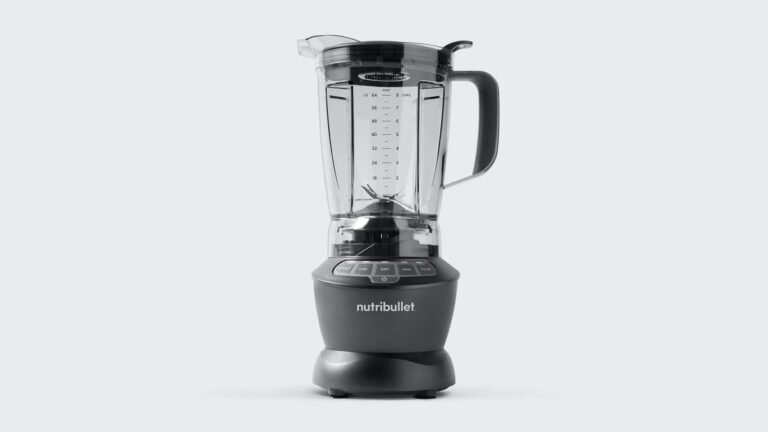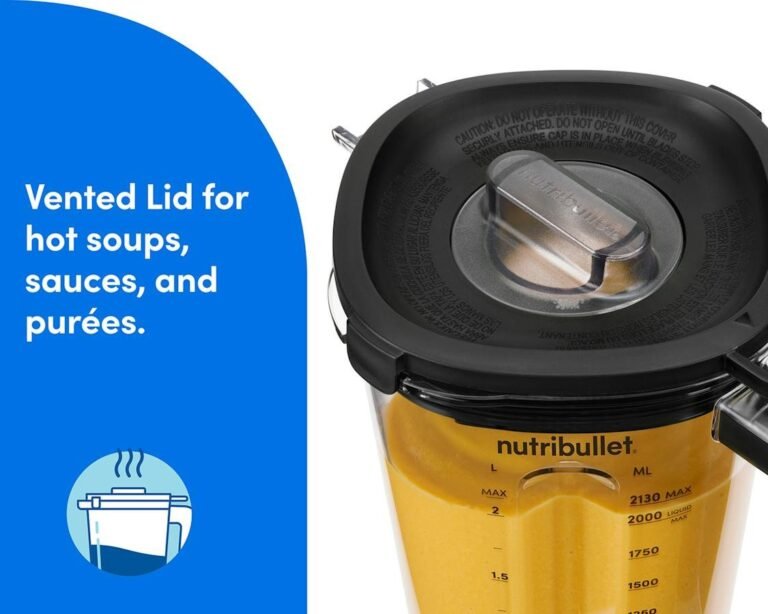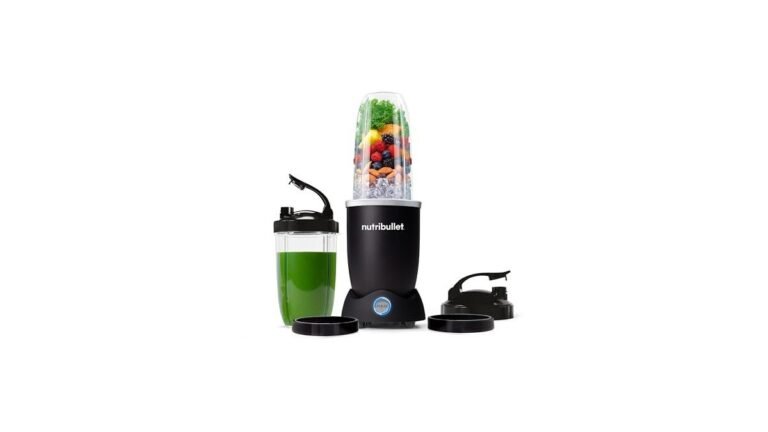
How To Clean a Nutribullet Blender Pitcher in 60 Seconds
Cleaning a Nutribullet pitcher takes about 60 seconds: fill it one-third with warm water, add a drop of dish soap, twist the blade base on, and run it for 20–30 seconds. Then rinse and air-dry upside down. Stuck-on food needs a 10-minute warm soak first.
Three things change those numbers for you. The model decides whether your pitcher and blade base are dishwasher-safe. What you blended decides whether a quick rinse is enough or you need a full soak. And how you store the blade base decides whether you’ll be cleaning it again next week.
Check the bottom of the cup before it goes in the dishwasher. Most Nutribullet cups and blade bases are top-rack only, and the heat and the drying element warp the plastic and cook the gasket. A warped base leaks on the counter and no longer seals, which costs you a replacement part.
Never put the blade base in the dishwasher with the blades pointing up. Someone reaching into the rack gets cut, and the blades can be damaged against the tines. Lay it on its side.
Rinse the blade base the moment you finish, before you drink the smoothie. Dried residue under the blade is the one spot a 30-second blend can’t reach, and it’s where the smell comes from.
If you blended something oily, like nut butter or a seed-heavy mix, skip the quick cycle. Soak 10 minutes in warm water with the soap, then run the cycle.
Which Nutribullet owners this page helps
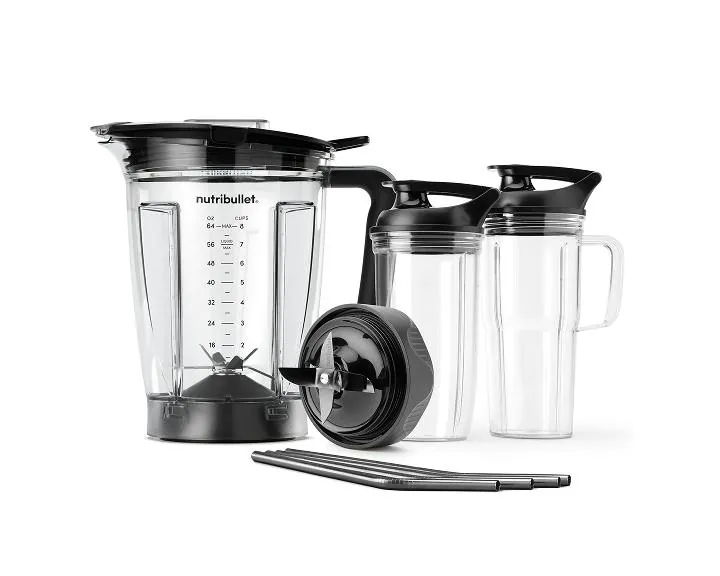
Three kinds of people search for this. The first just made a green smoothie, the pitcher is sitting on the counter with green foam drying inside, and they want it clean before it sets. What they need is the fastest method that won’t dull the blades or crack the plastic.
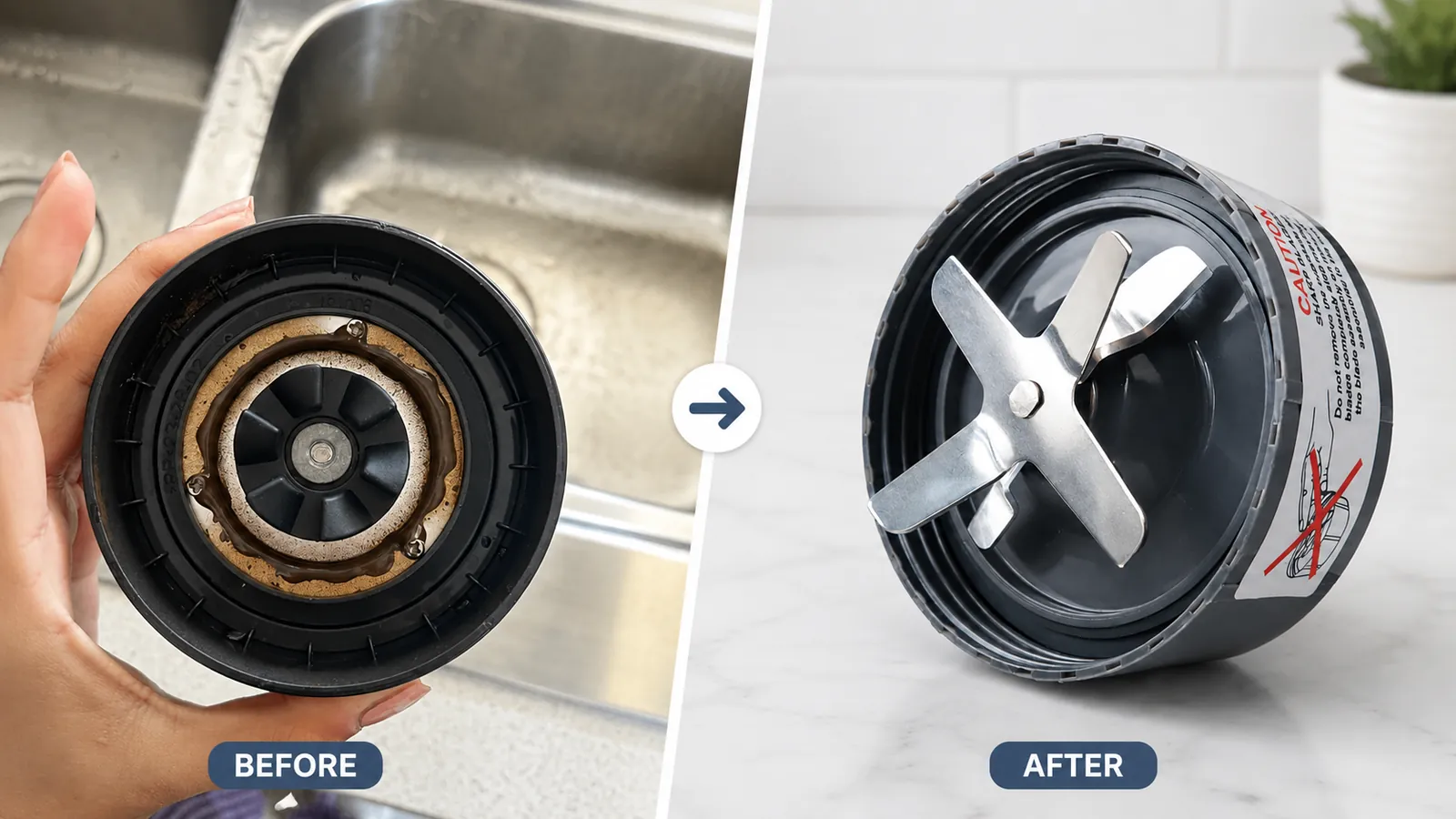
The second group has a pitcher that smells off, or the blade base has brown gunk around the seal they can’t reach. They’ve tried soap and a sponge. What they need is a deeper method — soaking, baking soda, and knowing when the seal is past saving.
They need an honest answer about daily effort, not a cleaning tutorial.
This page serves the first two groups best. It assumes you own a Nutribullet with a separate blade base that twists onto the cup — the 600, 900, and similar models.
If you own a model where the blades are fixed into the cup and can’t be removed, the soak-and-blend method won’t work for you, and you should check your model’s page on the Nutribullet site instead. If you’re still shopping, this page will tell you the cleanup is real but short.
What changes how long it takes
The single biggest factor is what you blended. Watery mixes — juice, milk, thin smoothies — rinse out in under 30 seconds. Thick nut butters, hummus, and frozen fruit with protein powder stick to the walls and under the blade, and those need a 10-minute warm soak before anything else works. Check by looking at the inside wall: if you can still see a coating after a rinse, soak it.
The second factor is how fast you act. A pitcher rinsed within 5 minutes of use needs water and your hand. The same pitcher left overnight needs a soak and a soft brush. Dried smoothie bonds to the plastic like glue, and scrubbing it off is what scratches the surface.
The third is your model’s dishwasher rating. Some Nutribullet cups and blade bases are top-rack dishwasher safe; others are hand-wash only, and the heat warps them. The rating is printed on the base of your cup or in your model’s manual — read that, not a general rule.
The fourth is the gasket. The rubber seal inside the blade base traps liquid and pulp. Once it’s stained or smells sour, no amount of surface washing fixes it, and a replacement seal or blade base is the answer.
The one people get wrong most often is the dishwasher assumption. Heat and the drying cycle are what kill these parts, not the water.
Step-by-step cleaning
Unplug the motor base. Never clean the pitcher while the machine is plugged in and within reach of a switch. Sign it worked: the cord is out of the outlet and away from the sink.
Take the pitcher apart. Twist the blade base off the cup and set the blade aside, facing up and out of reach. Sign it worked: you have three separate pieces — cup, blade base, lid.
Rinse both pieces with warm water right away. Warm, not hot — hot water can warp thin plastic. Sign it worked: loose food runs off without rubbing.
For light mess, blend the soap. Add warm water to one-third of the cup and 1 drop of dish soap. Twist the blade base on, and run 20–30 seconds. Sign it worked: the inside walls look clear when you stop.
For sticky mess, soak first. Fill the cup with warm water and 1 drop of soap, and let it stand 10 minutes. For nut butter or dried residue, use warm water with 1 tablespoon of baking soda instead. Sign it worked: the coating lifts when you wipe with a soft cloth.
Scrub the blade base with a soft brush. A bottle brush or soft dish brush, never steel wool or a scouring pad. Sign it worked: no film left between the blades.
Rinse everything under running warm water. Soap residue tastes bitter in the next smoothie. Sign it worked: no bubbles and no slippery feel.
Air-dry upside down on a rack. Put the cup mouth-down and the blade base blade-side up on a dish rack. Sign it worked: no water beads inside after a few hours. Never dry the blade with a towel — that’s how people cut themselves.
Wipe the motor base with a damp cloth only. Never put the motor base in water. Sign it worked: the outside is clean and the cord and plug stay dry.
The judgement call is the blade base. Most people rinse the cup and ignore the base, but that’s where pulp collects and where the smell comes from. If you only have time for one part, clean the blade base properly.
Matching the method to your mess
| Your situation | What to do | Time it takes | What to watch for |
|---|---|---|---|
| Thin smoothie, just made | Blend soap and water 20–30 sec | About 1 minute | Skip if you’ll blend again soon |
| Thick shake or protein powder | Warm soak 10 min, then brush | About 12 minutes | Powder hides under the blade |
| Nut butter or hummus | Baking soda soak 10 min | About 15 minutes | Oil film needs a second wash |
| Left overnight, dried | Long warm soak, soft brush | 20–30 minutes | Don’t scrape with anything hard |
| Sour smell from the base | Remove and wash the gasket | About 10 minutes | Stained rubber may need replacing |
| Model rated dishwasher safe | Top rack, no heat dry | Full cycle | Heat warps cups and seals |
| Model marked hand-wash only | Hand wash only, every time | About 2 minutes | Dishwasher cracks the plastic |
What careful owners do differently
They clean the blade base, not just the cup
The cup is the easy part and the blade base is where the real cleaning happens. Pulp and liquid get pulled down into the space around the gasket every time you blend. A quick rinse leaves that layer sitting there, and over weeks it turns sour. Twist the base off and wash the underside too, not only the blades.
They never use heat or abrasives
Hot water, the dishwasher’s drying cycle, steel wool, and scouring powder all damage these parts. Heat warps the cup so it no longer seals, and abrasives scratch the plastic, which gives bacteria a place to sit. Warm water, a drop of soap, and a soft brush are the whole toolkit. Experienced owners also leave the blade base to air-dry rather than towel-drying it, because a towel near those blades is a cut waiting to happen.
What goes wrong, and what to do
| What you notice | What it usually means | What to do first | How to stop it happening again |
|---|---|---|---|
| Sour or musty smell | Gunk trapped around the gasket | Remove and wash the gasket | Clean the blade base every use |
| Cloudy, scratched cup | Abrasive scrubber or harsh cleaner | Accept it or replace the cup | Use only a soft cloth or brush |
| Cup no longer seals | Heat warped the plastic | Check the manual and replace | Stop using the dishwasher |
| Black specks in your drink | Gasket breaking down | Replace the gasket or base | Check the seal monthly |
| Blades feel dull | Hard foods or scrubbing | Replace the blade base | Don’t blend ice alone or dry |
The rules that apply
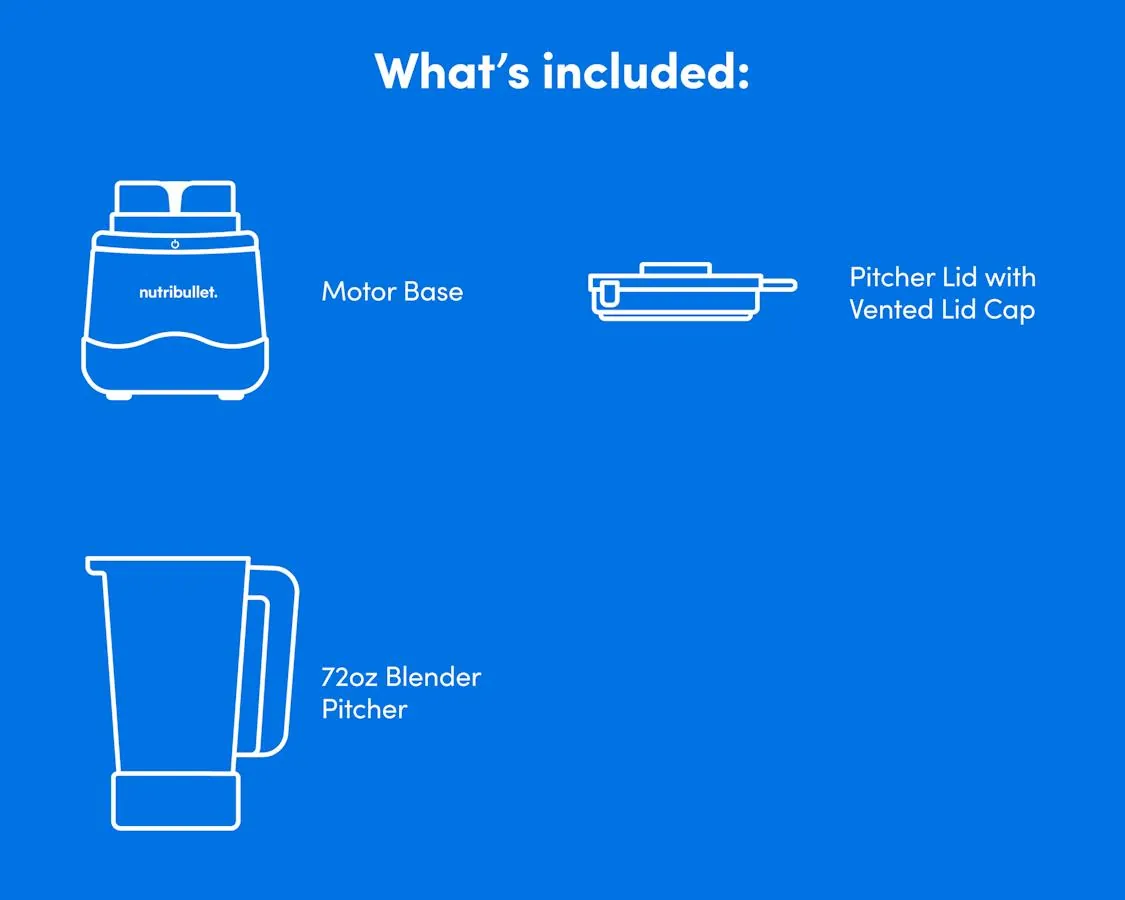
Nutribullet’s own manual is the authority here, and it’s specific to your model. It tells you which parts go on the top rack of a dishwasher and which are hand-wash only. The manual also warns against putting the motor base in water, and against overfilling the pitcher with hot liquids. Those aren’t suggestions — they void the warranty and they’re a burn risk.
Food safety rules matter too. The USDA Food Safety and Inspection Service publishes guidance on cleaning and sanitizing surfaces that touch food, and a blender pitcher counts. If you’ve blended raw egg, raw meat, or anything that sat out, wash it properly with hot soapy water and then sanitize it, rather than a quick rinse.
Where you’re matters less here than your model. US and UK manuals for the same machine can differ slightly, so read the version that came in your box or on your country’s Nutribullet site page.
What this really costs you
The daily cost is time, not money: about 1 minute per use if you clean right away, or 10–30 minutes if you let it dry. That gap is the whole story. Two minutes a day for a year is roughly 12 hours of your life; leaving it overnight every time turns that into days.
Money comes in only when something breaks. Replacement cups, blade bases, and gaskets are sold separately, and prices change by model and country — check the Nutribullet site or your local retailer for today’s number rather than trusting a figure here. A replacement blade base usually costs less than a new machine, so it’s worth pricing before you throw anything out.
What moves the cost up: using the dishwasher on a hand-wash-only model, scrubbing with abrasives, and ignoring the gasket until the smell won’t leave. What moves it down: rinsing within 5 minutes, cleaning the blade base every time, and air-drying instead of towel-drying.
Keeping it clean between uses
Rinse the cup and blade base the moment you finish, even if you’re not doing a full wash. A 10-second rinse now saves a 10-minute soak later. Store the pitcher with the lid off so air can reach inside, and leave the blade base somewhere it can dry fully rather than screwing it back on wet.
Check the gasket by feel and smell once a month. If it’s tacky, stained, or smells sour even after washing, replace it — you can’t clean a gasket that’s breaking down. A replacement gasket or blade base is the fix, and it’s cheaper than a new machine.
If the cup starts holding onto smells no matter what you do, that’s usually scratched plastic, and the answer is a new cup rather than more scrubbing. The sign you’re done maintaining it’s simple: the pitcher smells neutral when dry and the seal sits flush.
When this method isn’t right
If your Nutribullet has fixed blades that don’t come off the cup, don’t follow the blend-and-soak steps — you can’t separate the parts, so you need the manufacturer’s own cleaning instructions for your model instead. Check the Nutribullet site for your specific version.
If the motor base itself is making noise, smoking, or smelling hot, stop. That’s an electrical fault, not a cleaning problem. Unplug it and contact Nutribullet support or a qualified technician. Never open the motor base yourself — you could contact live wiring or damage the motor, and opening it voids your warranty.
If you’ve blended raw meat or something that sat out for hours, a rinse isn’t enough. Wash every part with hot soapy water and sanitize it properly, following the USDA cleaning and sanitizing guidance above.
Related guides
- How Does a NutriBullet Blender Work? The Simple Answer
- How To Clean a Nutribullet Portable Blender in 60 Seconds
Frequently asked questions
Can I put my Nutribullet pitcher in the dishwasher?
Only if your model’s manual says so. Some cups and blade bases are top-rack dishwasher safe; others are hand-wash only, and the heat and drying cycle warp them. Check the manual or the base of your cup. When in doubt, hand wash — it’s 2 minutes and it protects the plastic.
How long should I blend soap and water to clean it?
20–30 seconds is enough for a light mess. Add warm water to one-third of the cup and 1 drop of dish soap, twist the blade base on, and run it. If the walls still look coated when you stop, you need a 10-minute soak instead, not a longer blend.
Why does my Nutribullet pitcher smell bad even after washing?
The smell is almost always in the gasket inside the blade base, not the cup. Pulp and liquid collect there and go sour. Twist the base off, wash the gasket area with warm soapy water, and if the rubber is stained or tacky, replace the gasket or the blade base.
Is it safe to clean the blade base with a sponge?
Yes, as long as it’s a soft sponge or brush. Never use steel wool, scouring pads, or abrasive powder — they scratch the plastic and dull the blades. Hold the blade base by the outer edge, blades facing away from your hand, and wash the underside with a bottle brush.
What happens if I leave smoothie residue in the pitcher overnight?
It dries and bonds to the plastic, so a quick rinse won’t remove it. You’ll need a 10-minute warm soak with a drop of soap, or a baking soda soak for thicker residue, then a soft brush. Repeated overnight residue also stains the cup and feeds the smell in the gasket.
How often should I replace the gasket or blade base?
Replace it when the gasket is stained, tacky, or smells sour after washing, or when you see black specks in your drink. There’s no fixed schedule — it depends on how often you blend and what you blend. Check it monthly by feel and smell, and replace the part when it fails that check.
Does it matter if I dry the pitcher with a towel?
Yes, for two reasons. Towel-drying the blade base is the most common way people cut themselves on these blades. And a towel can leave lint and bacteria behind. Air-dry the cup mouth-down and the blade base blade-down on a rack instead.
Can I use vinegar or bleach to clean the pitcher?
Dilute bleach is a standard sanitizer for food-contact surfaces, but rinse thoroughly afterward so no residue remains. A warm water and baking soda soak handles most smells. Vinegar can help with odors, but it isn’t a sanitizer — use a proper sanitizing solution if you’ve blended raw meat or egg. For anything stronger, follow your model’s manual rather than a general recipe.
Start with the blade base
Rinse the cup and blade base with warm water the moment you finish blending — that 10-second habit is the whole method. Expect a clean, neutral-smelling pitcher within a minute for light mixes, or about 10 minutes if you need a soak.
The blade base is where the trouble hides, so give it the extra attention. Food and liquid collect under the gasket, the rubber ring seated between the blade assembly and the jar. Pull it out and wash it separately every few uses, not just when something looks dirty.
If the pitcher still smells sour after a proper wash, or you see black specks in your drink, stop washing and replace the gasket or blade base instead. Black flecks mean the rubber is breaking down, and no amount of scrubbing brings it back.