How to Use the NutriBullet Big Blender: Step-by-Step
To use the NutriBullet big blender, add your ingredients to the large pitcher below the MAX line, lock the lid on, turn the dial to your speed, and run it for 30–60 seconds for smoothies or up to a couple of minutes for soups and nut butters. The two things that change that for you’re what you’re blending (hot liquids and thick pastes need different settings and fill levels) and which model you own, because the pitcher size and speed dial differ between the NutriBullet Blender Combo and the standard full-size models.
Who should use this Nutribullet blender
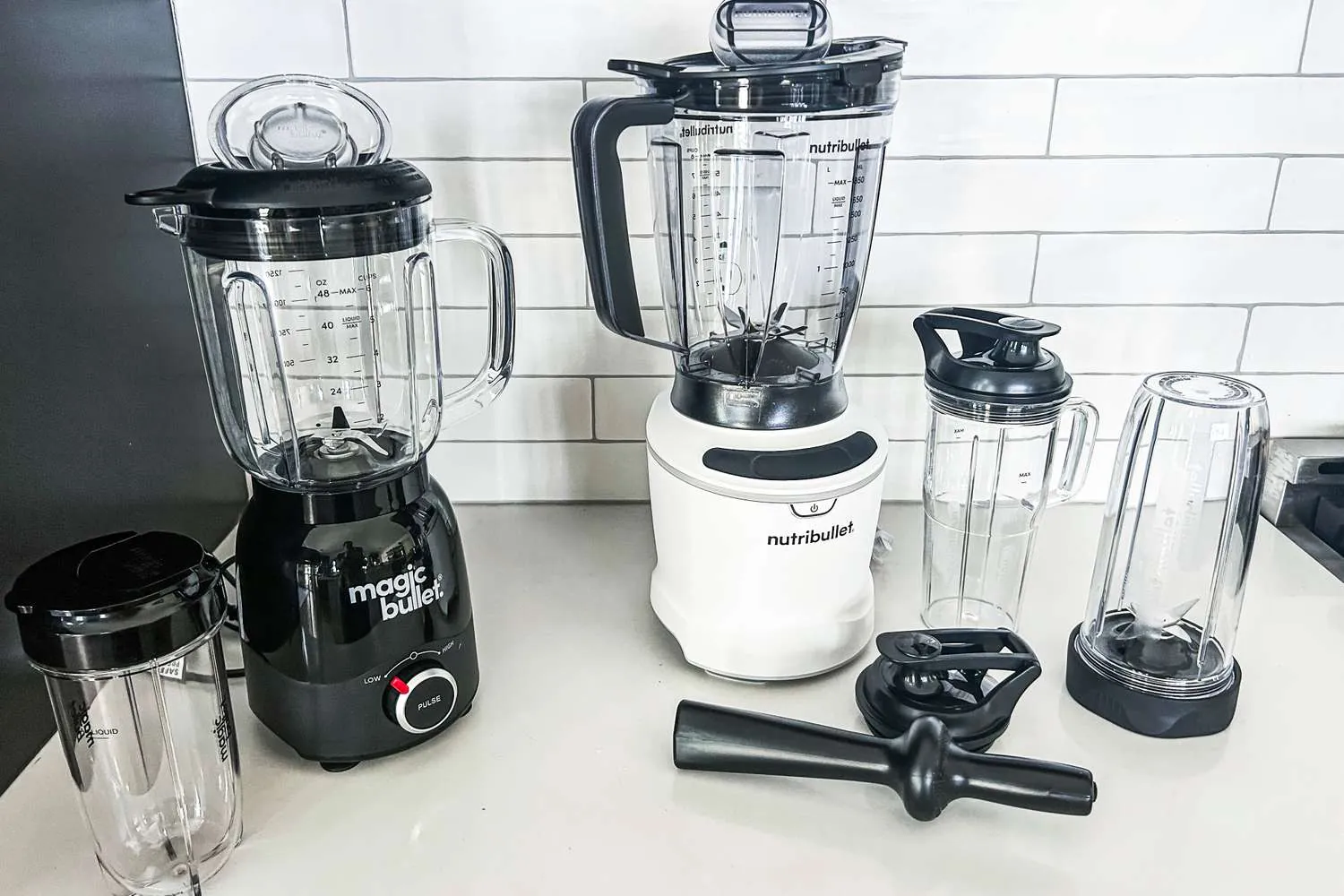
Some readers typing this have just unboxed a NutriBullet Blender Combo with the big pitcher still wrapped in plastic. They want the first run: where the lid goes, which dial setting, how long. If that’s you, the step-by-step section below is your whole answer.
Others have used the small single-serve cup for months and are moving up to the pitcher for the first time. They already know the blades twist on. What they need is what’s different: the dial instead of the push-and-twist, the vented lid for hot food, and the much larger maximum fill.
A third group owns a different full-size blender entirely — a Vitamix, a Ninja — and is checking whether NutriBullet’s big pitcher works the same way. It mostly doesn’t, especially around hot liquids and run times.
This page serves the first two groups. It assumes you have a NutriBullet full-size blender or Blender Combo with the large pitcher, and that you can find the model name printed on the base. If you own only the small 24 oz or 32 oz cups, most of the dial and hot-liquid advice here doesn’t apply to you — you’ll want a guide to the single-serve cups instead.
What changes the result
Four things decide whether you get a smooth blend or a chunky, stalled mess.
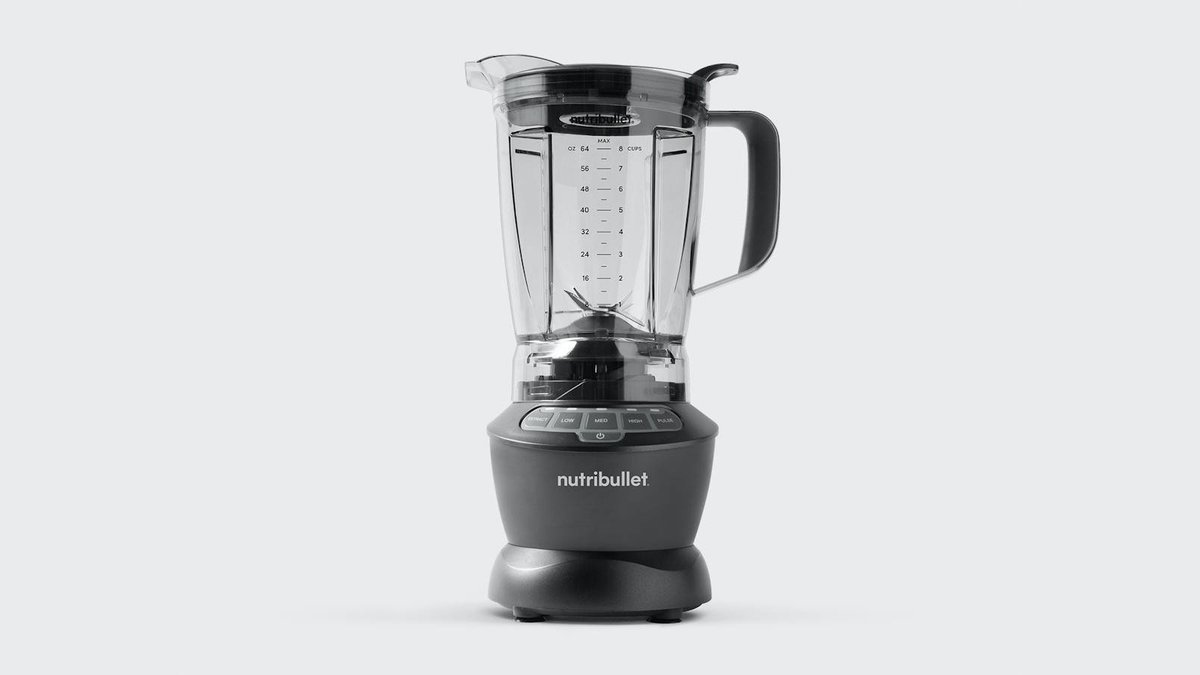
How full the pitcher is. Overfilling is the mistake people make most often, and it costs you the most: the blades can’t circulate the food, so you get an air pocket at the bottom and everything above it sits still. You fix it by stopping, stirring, and restarting, which doubles your time. Fill to the MAX line for thin smoothies, and to about half that for thick blends or anything starchy. The MAX line is printed inside the pitcher — check yours before you pour.
How thick your mix is. Thin mixes (fruit plus juice or milk) blend in 30–45 seconds. Thick ones (frozen banana, nut butter, oats) need liquid added first and often a second run. If the blades spin but the food doesn’t move, that’s the sign — add 2–4 tablespoons of liquid through the lid opening if your model has one, or stop and stir.
Hot or cold. Blending hot soup builds steam pressure under the lid. NutriBullet’s user guide tells you to start small, vent the lid, and cover it with a towel rather than sealing it tight. Cold blending needs none of that. If your mix is steaming, treat it as a hot blend even if it doesn’t look like soup.
Your model and its dial. The Blender Combo has low, medium, high, and a pulse. The standard full-size model runs at one fixed speed. Check the dial on your base — it tells you which instructions below apply, and NutriBullet’s own manual for your exact model number lists the run-time limits it was tested for.
How to run the big pitcher, step by step
The whole job takes about 5 minutes from counter to cleaned pitcher. Here’s the order that works every time.
- Set the base on a dry, flat counter. Plug it in. Check the power cord isn’t draped near a burner or sink. The sign it’s ready: the base sits still and doesn’t rock when you press a corner.
- Add liquids first. Pour in water, milk, or juice — about 1 cup (240 ml) for a standard smoothie, up to 2 cups for a full pitcher. Liquid at the bottom pulls the solid food down into the blades.
- Add soft ingredients, then frozen or hard ones on top. Fruit, then greens, then ice or frozen fruit last. Greens buried under ice blend poorly; keep the frozen items on top where the blades reach them first.
- Check the fill level against the MAX line inside the pitcher. Stay below it — for thick mixes, stop at half. If you’ve overfilled, pour some out now rather than stopping mid-blend later.
- Lock the lid on firmly. Turn it until it seats with no wobble. If your lid has a vented plug for hot blending, leave it in place or open it per your manual — never seal steam in.
- Turn the dial to low for 10–15 seconds first. This breaks up big pieces so they don’t jam the blades. The sign it worked: the mix starts circulating instead of rattling.
- Move to high and run 30–60 seconds. For thin smoothies, stop at 30 and check. For frozen-fruit blends, go the full 60. If it’s still chunky, stop, wait for the blades to stop, stir, and run another 30 seconds.
- Stop before you remove the lid. Wait for the blades to come to a complete stop — 2–3 seconds after you turn the dial off. Removing the lid early with a spinning blade is the one real injury risk in this job, so treat that wait as part of the step.
- Pour and rinse the pitcher right away. Warm water, a drop of dish soap, and a 20–30 second spin on low cleans it faster than scrubbing later.
The judgement call that separates a good blend from a merely finished one is knowing when to stop and stir instead of letting it run. If the mix isn’t moving after about 45 seconds, another 45 seconds of running won’t fix it — it just heats the motor. Stop, stir with a spatula, add liquid if it’s thick, and restart.
One limit to name plainly: never put boiling liquid in a sealed pitcher, and never run the motor continuously for longer than your model’s manual allows — NutriBullet publishes those limits per model in the user guide that came with your base. If you’re processing large batches of hot soup or nut butter beyond those limits, that’s a job for a high-power blender rated for it, not a workaround.
Situations you’ll actually hit
One dial, one pitcher — but you’ll arrive at it with very different jobs. This table covers the common ones.
| Situation | What to do | What it takes | Watch for |
|---|---|---|---|
| Thin fruit smoothie | Liquids first, high speed, 30–45 seconds | Under 2 minutes | Fill below MAX line |
| Frozen fruit or ice | Low 15 seconds, then high 60 seconds | About 3 minutes | Blades spinning but food stuck — stop and stir |
| Hot soup | Vent the lid, start low, small batches | 5–8 minutes | Steam pressure — towel over lid, never sealed |
| Nut butter or thick paste | Small batches, pulse then low, scrape sides | 10–15 minutes, frequent stops | Motor heating — rest it between runs |
| Protein shake with powder | Liquid, powder, then ice; high, 30 seconds | Under 2 minutes | Powder clumping at the bottom |
| Crushing ice only | Small amounts, pulse in short bursts | 1–2 minutes | Check your manual allows ice in your model |
| Salad dressing or marinade | All ingredients, medium, 15–20 seconds | Under 2 minutes | Oil can dull some plastics — rinse soon after |
If your job isn’t here, the rule that covers most of it: thin and soft means short and high; thick or frozen means low first, more liquid, and patience.
What experienced users get right
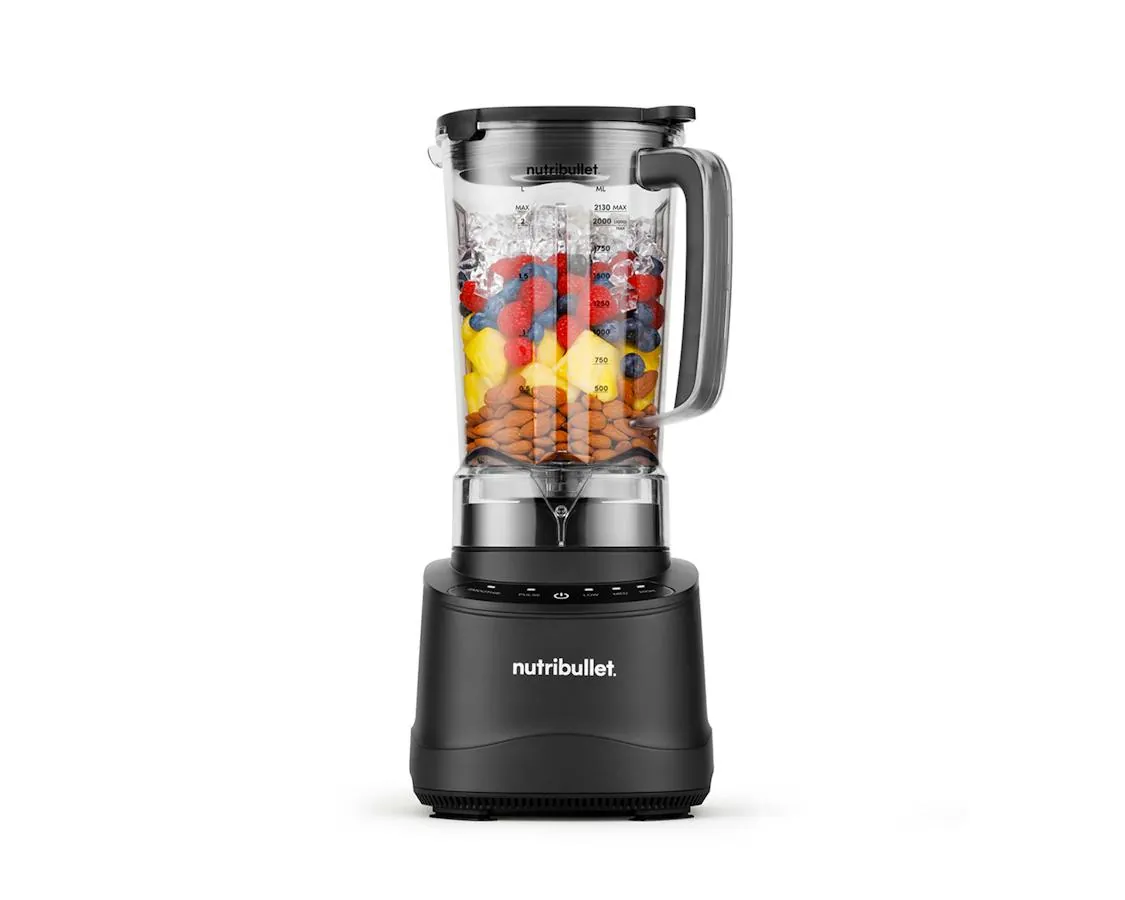
Two habits separate a clean, quick blend from a frustrating one, and both happen before you press the dial.
Order and fill
Experienced users treat the pitcher like a layer system. Liquid goes in first, always — it gives the blades something to move through, and it pulls everything above it down. Soft ingredients sit in the middle, frozen and hard ones on top where the blades reach them first.
They fill to half the pitcher for anything thick, not to the MAX line, and they’d rather blend two small batches than rescue one stalled big one. The trade-off is real: two batches takes a few minutes longer, but it finishes faster than one run that stalls, overheats, and has to be scraped out.
Watching while it runs
They stand next to it for the first 15 seconds and listen. A rising, rattling pitch means the blades are spinning in air — stop and stir now, not in a minute. They also leave certain jobs alone entirely: whole spices, coffee beans, and dough don’t belong in this pitcher.
NutriBullet designs it for drinks, soups, sauces, and wet mixes; grinding dry hard ingredients can damage the pitcher and blades, and the manual for your model says which jobs it covers. If you need a grinder, that’s a separate tool, not a setting.
When it doesn’t work, and the fix
Most problems with the big pitcher have one of a handful of causes. Match what you’re seeing to the row and start with the fix.
| What you notice | What it usually means | What to do first | How to stop it happening again |
|---|---|---|---|
| Blades spin, food doesn’t move | Overfilled or too thick | Stop, stir, add 2–4 tbsp liquid | Fill to half for thick mixes |
| Base won’t start | Pitcher or lid not seated | Twist lid until it clicks, reseat pitcher | Check the lid arrows line up each time |
| Loud rattling, rising pitch | Blades spinning in an air pocket | Stop and stir immediately | Liquids always go in first |
| Burning smell | Motor overheated from long runs | Unplug, let it cool 20–30 minutes | Respect your manual’s run-time limit |
| Leaking under the lid | Lid not locked, or overfilled | Reseat lid, pour off excess | Stop at the MAX line before starting |
| Chunky result after 60 seconds | Not enough liquid for the load | Stir, add liquid, run 30 more seconds | Add 1 cup liquid per standard smoothie |
| Pitcher smells or is cloudy | Residue buildup | Wash with warm soapy water soon after use | Rinse within a few minutes of pouring |
If the base won’t start with everything seated correctly, or you smell burning more than once, stop using it and contact NutriBullet’s customer support — internal motor and electrical faults aren’t a do-it-yourself repair, and opening the base can void your warranty.
The rules that come with the machine
A few limits come from NutriBullet itself, and they’re worth knowing before you improvise. NutriBullet’s user guide for each model sets a maximum continuous run time — it varies by model, so check the guide for the model number printed on your base rather than assuming.
The same guide covers hot-liquid handling: vented lids, small batches, and no sealed blending of steaming food. Fill levels are marked on the pitcher itself, and the MAX line is a design limit, not a suggestion — going past it’s the most common cause of leaks and stalled blends.
Warranty terms also come from NutriBullet and differ by country and where you bought it. Your purchase receipt and the support page on NutriBullet’s website carry your version. Two things commonly affect a claim: using the pitcher for jobs the manual excludes (dry grinding, dough) and opening the motor base yourself. Anything electrical inside the base is technician territory — unplug it and contact support instead.
If you’re outside the US, check the NutriBullet site for your region, because model names, voltages, and warranty lengths aren’t the same everywhere.
What it really costs you
In money, using the big blender costs you nothing beyond the machine you already own — the costs that matter here are time and risk. A thin smoothie takes under 2 minutes start to finish including a quick rinse. A frozen blend runs 3–4 minutes. Nut butter is the outlier at 10–15 minutes of pulsing, scraping, and resting the motor, and it’s the job most people shouldn’t attempt in this pitcher at all.
What moves the time up: overfilling, which turns a 45-second job into a stop-stir-restart cycle; and skipping the liquid-first order, which does the same. What moves it down: pre-cutting frozen fruit into smaller chunks before freezing, and rinsing the pitcher immediately so cleanup stays a 30-second spin rather than a scrub.
The risk cost is small but real: a spinning blade under a lid removed too early. That 2–3 second wait after shutdown is the cheapest insurance on this page. For today’s prices on pitchers, blades, or a replacement model, check NutriBullet’s own site or your retailer — they change often enough that a quoted figure here would mislead you.
Keeping the pitcher in good shape
Cleanup is the whole maintenance routine, and the timing matters more than the effort. Rinse the pitcher with warm water right after pouring — within a few minutes, not after breakfast. Dried smoothie residue, especially anything with oats or protein powder, needs scrubbing; fresh residue needs only a drop of dish soap and a 20–30 second spin on low, then a rinse. Let it air dry with the lid off; sealing a damp pitcher traps odor.
Check the blade assembly and the lid seal occasionally for cracks or trapped food — a worn seal is what causes leaks under the lid. The sign it needs attention is water escaping during a blend that used to stay put. Replacement parts come from NutriBullet’s own parts page; match the part to your model number.
One habit to skip: the dishwasher, unless your model’s manual explicitly says the pitcher is dishwasher-safe. Heat can warp plastic and dull the seal, and the manual is the only source worth trusting on which parts tolerate it.
When the big pitcher is the wrong tool
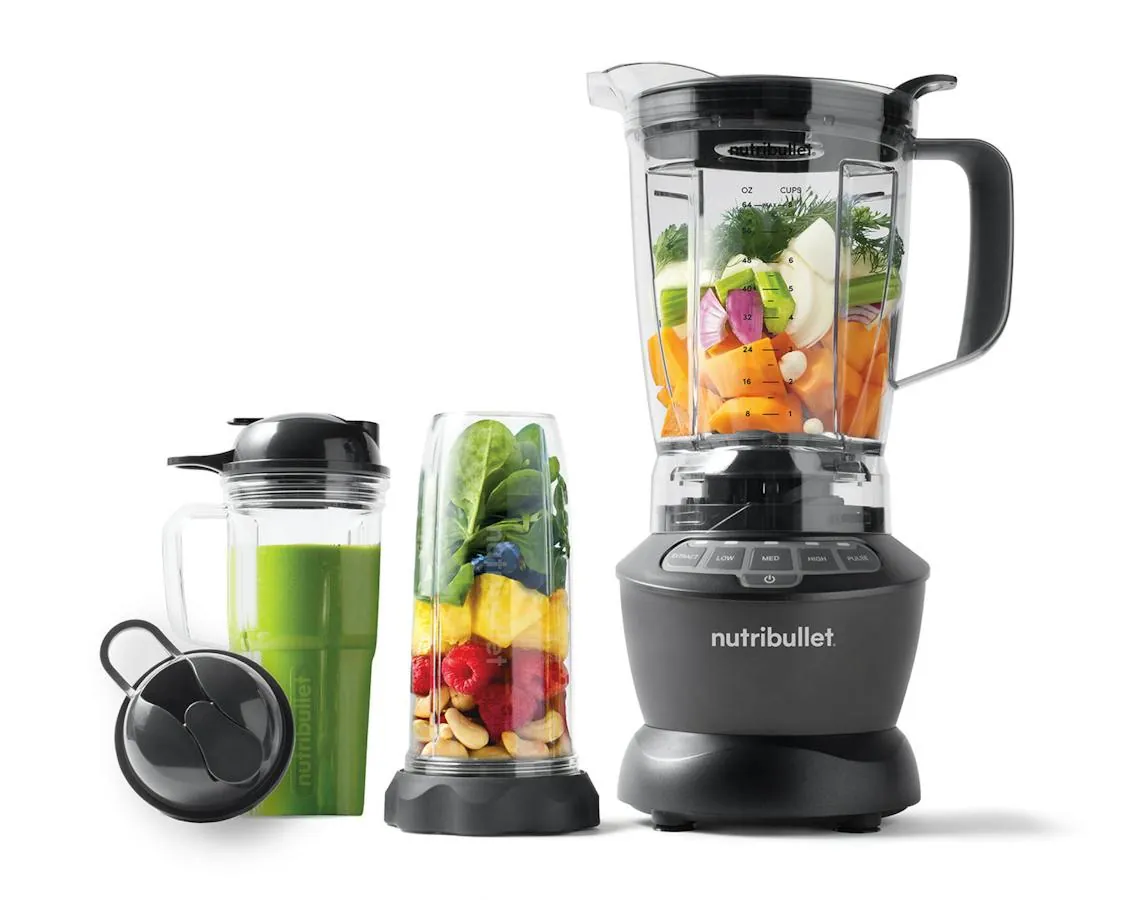
Three situations call for something else, and it’s worth naming them before you fight the machine.
Small single servings. If you’re making one 12–16 oz drink, the small cup with the extractor blade is faster — less to fill, less to clean. The big pitcher earns its space on batches of two or more.
Dry grinding or dough. Coffee beans, spices, and bread dough are outside what this pitcher is built for, and NutriBullet’s manual excludes them on most models. You need a dedicated grinder or a food processor; forcing it risks the pitcher, the blades, and your warranty.
Very hot, large-batch soup. If you regularly blend several quarts of soup, let it cool first and use a high-power blender rated for hot liquids with a vented lid designed for it. This pitcher handles small, vented batches — pushing past that’s a burn risk, and it’s the line where this job stops being a kitchen shortcut and becomes one for proper equipment or a stovetop immersion blender.
Frequently asked questions
How long should I run the NutriBullet big blender?
Thin smoothies need about 30–45 seconds on high; frozen-fruit blends take about 60 seconds, sometimes a second 30-second run after stirring. These assume a full-size pitcher filled below the MAX line — thicker mixes take longer, and your model’s manual sets the maximum continuous run time, so check it for long jobs like nut butter.
Can I put hot liquid in the NutriBullet big blender?
Only if it has cooled and is never sealed. Use small batches, vent or loosen the lid per your manual, and hold a towel over it while you start on low. Steam pressure in a sealed pitcher can force the lid off. If your model has no vented lid, let the food cool first.
Is it safe to blend ice in it?
Usually yes in small amounts with short pulses, but it depends on your model — some NutriBullet pitchers and blades aren’t rated for ice at all. Check the manual for your model number before you try. If it’s allowed, pulse in bursts rather than running continuously, and keep the quantity small.
What happens if I overfill the pitcher?
The blades can’t circulate the food, so it stalls — you’ll hear the motor spinning freely while nothing blends. You may also get leaks under the lid or spillage through the vent. The fix is simple: stop, pour off the excess, and restart. Filling to the MAX line is the limit; half that for thick mixes.
Why is my smoothie still chunky after a full minute?
Almost always too little liquid or too much frozen food for the load. Stop, stir with a spatula to break the air pocket at the blades, and add 2–4 tablespoons of liquid. Another minute of running without stirring won’t help — it just heats the motor and can dull the texture.
How long do I have to wait after blending before opening the lid?
Wait 2–3 seconds for the blades to stop completely, longer for thick mixes where the blade can coast. This is the one step with a real injury attached to getting it wrong, so make the wait a habit rather than a check. With hot food, open the vent slowly and away from your face.
Does it matter what order I add ingredients?
Yes, and it matters more than any setting. Liquid first, soft ingredients in the middle, frozen and hard items on top. That order pulls everything down into the blades without stopping. Reverse it and you’ll get an air pocket under the fruit and a stalled motor within 15 seconds.
Can I use the big pitcher every day?
Yes — daily use is normal use, and nothing about the design limits you to occasional blending. What wears it out isn’t frequency but abuse: dry grinding, boiling liquid in a sealed lid, dishwasher heat on parts the manual excludes. Rinse it right after each use and it holds up for years of daily smoothies.
Start with your first blend
Fill the pitcher halfway with one cup of liquid, a banana, and a handful of frozen fruit, then run low for 15 seconds and high for 45. If it pours smooth and the blades stop before you touch the lid, you’ve got the method. If it stalls or rattles instead, stop and stir — and if the base won’t start with everything seated, that’s the point to contact NutriBullet support rather than keep pressing the dial.