How To Use Nutribullet Blender Magic Bullet in 4 Simple Steps
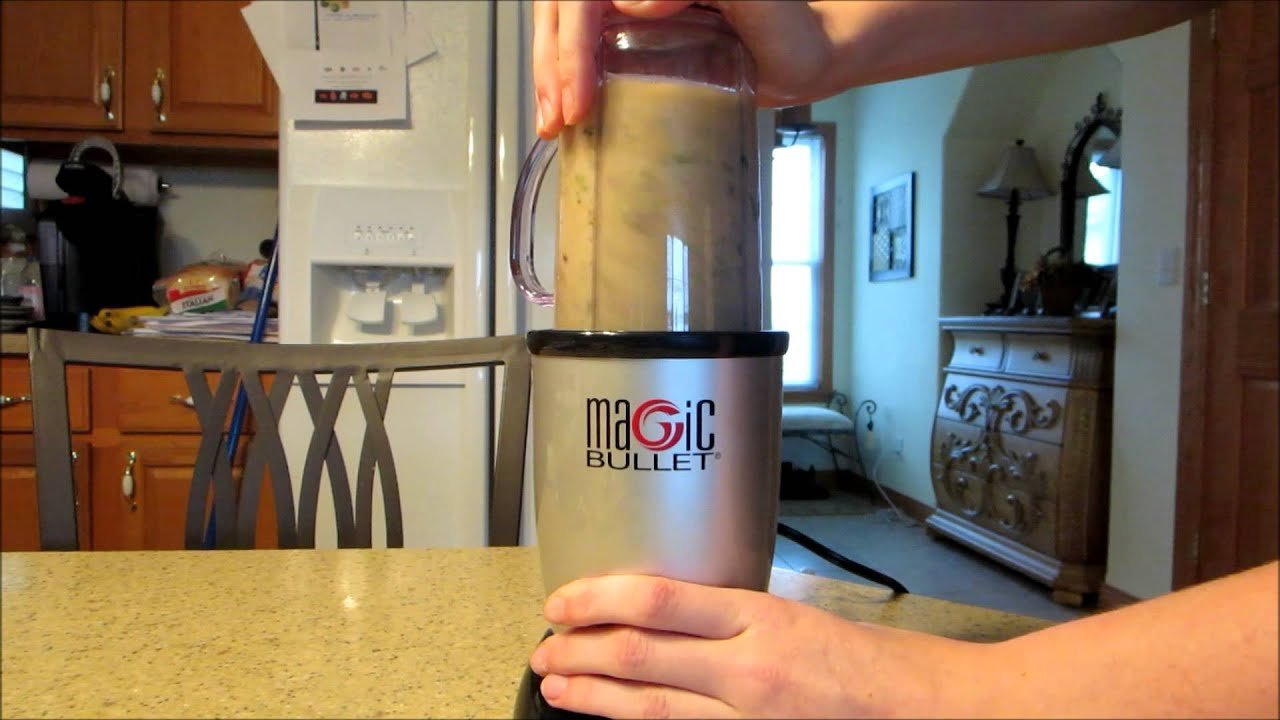
To use a Nutribullet or Magic Bullet blender, fill the cup no more than the max line, screw the blade lid on until it’s sealed, flip the cup upside down onto the motor base, and press it down to blend for 20-45 seconds. That’s the whole method — the motor only runs while you hold the cup down.
Three things change how you should do it: what you’re blending (soft fruit or ice), how full the cup is, and which model you own, because the 600-watt, 900-watt and 1,200-watt versions don’t handle frozen food the same way. This page covers filling, blending times, cleaning, and the mistakes that burn out motors.
Who should use a Nutribullet blender
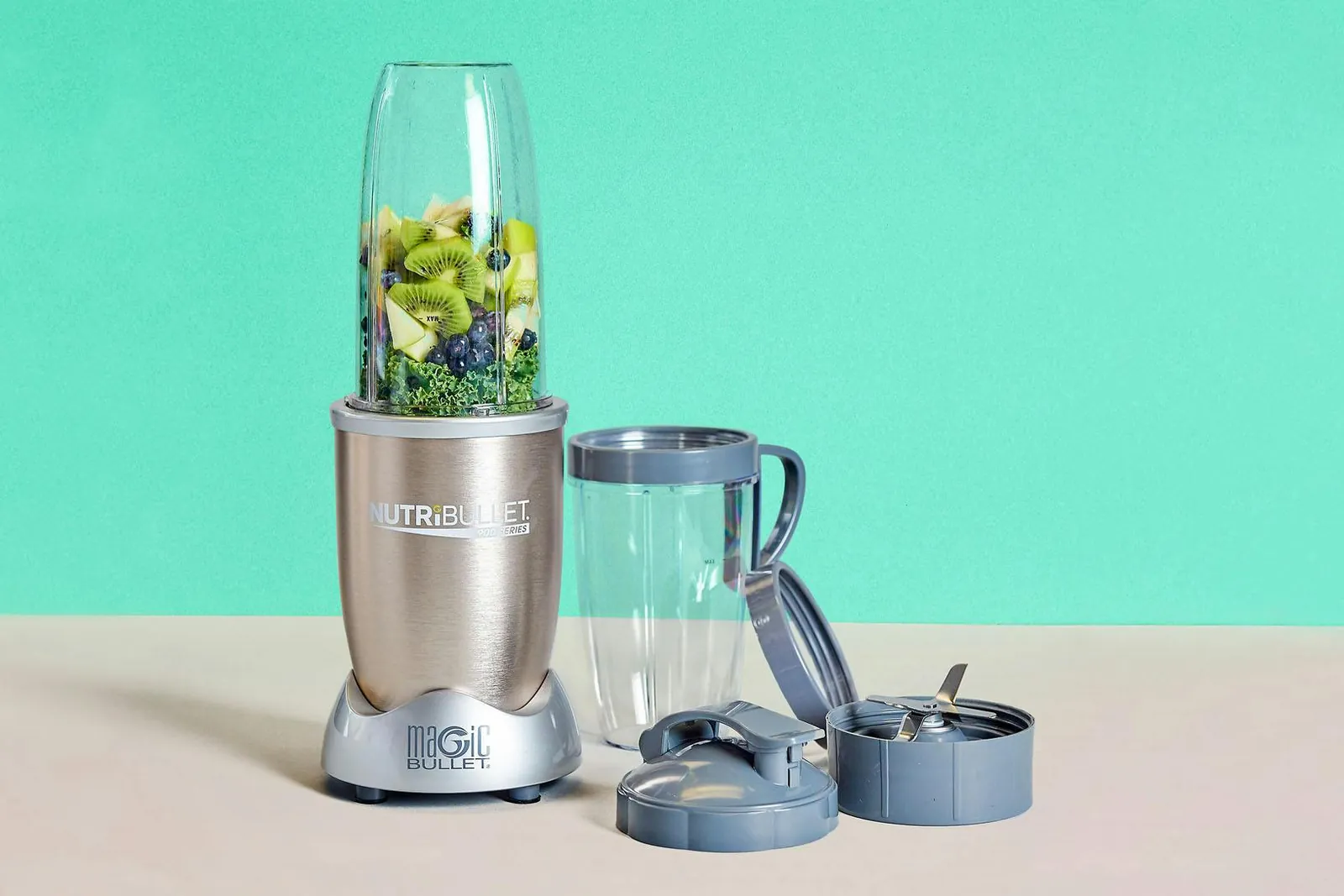
Two kinds of people run into this. The first just unboxed a Magic Bullet — usually the 250-watt model with the small cups — and wants the basic pressing action explained, because there’s no on/off button and the manual is thin.
This page serves both, but it’s written for the first reader. Everything assumes you’ve used the blender fewer than ten times, you’re making single-serve drinks, and you want to get from unboxing to a drink in five minutes.
If you already know the press-and-twist action and you’re troubleshooting a specific fault — a leaking cup, a dead motor — skip to the problems table further down. If you want recipes and nutrition plans, that’s not here; this is about the machine, not the diet.
What changes your result
Four things decide whether you get a smooth drink or a chunky one, and they matter in this order.
Liquid first, always. The blade needs fluid to move ingredients around. A cup packed with frozen fruit and no liquid stalls — the blade spins in an air pocket while the fruit sits still. Pour in liquid to at least a third of the cup, or about 4-6 fl oz for the standard 24 oz cup. This is the one people get wrong most often, and it’s the direct cause of most stalled motors and burnt smells.
How full the cup is. Every Nutribullet cup has a max line. Fill past it and the seal can’t hold pressure, so warm ingredients push liquid out around the blade and leak. Stay at or below the line; if your recipe makes more than the cup holds, blend in two batches.
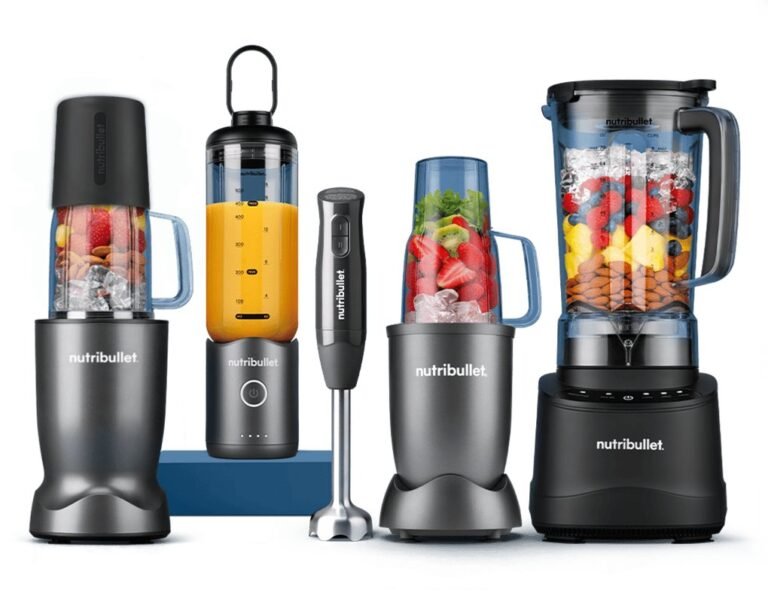
Your model’s power. The original Magic Bullet is 250 watts and struggles with ice and frozen fruit. The Nutribullet 600 handles soft frozen fruit; the 900 and 1,200-watt models crush ice and nuts. Check the wattage printed on the base of your motor unit — that number tells you which recipes belong in your kitchen.
How long you run it. These blenders are designed for short bursts, not minutes of continuous running. Nutribullet’s own guidance says don’t run the motor for more than one minute at a time. Long runs overheat the motor and can melt the plastic couplers.
How to use a Nutribullet Magic Bullet blender, step by step
The whole job takes about three minutes from cup to sink. Work through these in order.
- Set the base on a dry, flat counter. The feet need grip, and the vents on the motor base need air. Don’t put it under a cabinet overhang while it runs.
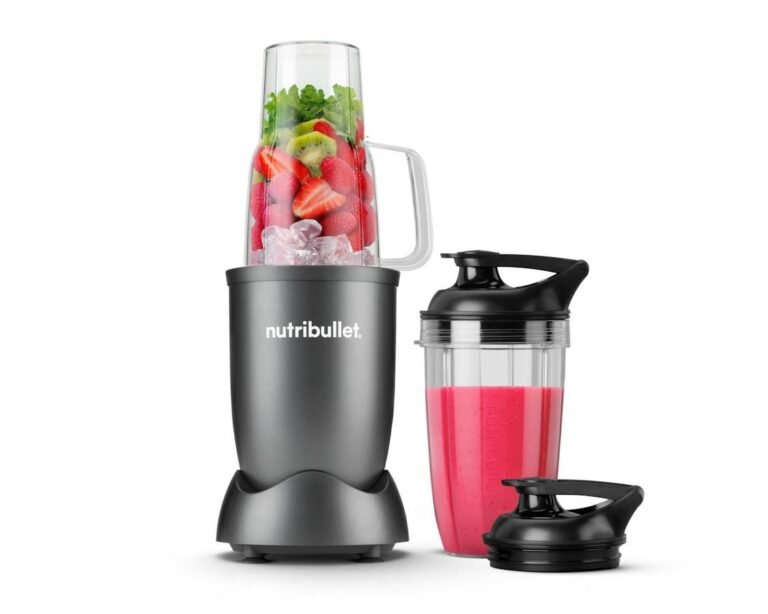
- Add your liquid first. Pour in 4-6 fl oz of water, milk, or juice for a standard 24 oz cup — half that for the small Magic Bullet cup. The liquid should reach at least a third of the cup.
- Add soft ingredients, then frozen ones. Banana and yogurt go in before frozen berries and ice. Soft items near the blade pull the harder ones down into it.
- Fill to the max line, no higher. Look at the cup from the side and check the line. If you’re over, pour some out — blending hot liquid past this line is how cups leak and lids pop.
- Screw the blade lid on until it’s snug. Twist it clockwise until you feel firm resistance, about a quarter turn past hand-tight. A loose lid is the main cause of leaks onto the motor base.
- Flip the cup and press it onto the base. Line up the tabs on the cup with the slots on the base, then twist clockwise until it locks. The motor starts as soon as it seats.
- Blend in pulses of 20-30 seconds. Press and hold, release, shake or tap the cup on the counter to settle the ingredients, then press again. Most smoothies need 2-3 pulses — 45-60 seconds total. Never run past one continuous minute.
- Release, unlock, and check before drinking. Twist the cup counterclockwise to unlock, flip it right-side up, and unscrew the blade lid. If the drink is still chunky, re-seal and pulse again for 20 seconds rather than forcing one long run.
One judgement call separates a good result from a lucky one: knowing when to stop and shake instead of pressing harder. If the blade is spinning but nothing is moving, more motor time won’t fix it — take the cup off, tap it on the counter, add 2 fl oz of liquid, and pulse again. People who keep holding the button burn out motors.
Situations at a glance
Different ingredients need different treatment. This table covers the cases you’ll actually meet in the first month.
| Situation | What to do | What it takes | Watch for |
|---|---|---|---|
| Soft fruit smoothie | Pulse 2-3 times, 20-30 seconds each | Under a minute | Overfilling past the max line |
| Frozen fruit | Add 6-8 fl oz liquid, pulse 3-4 times | 60-90 seconds | Blade spinning but nothing moving |
| Ice cubes | Only on 900 W or higher models | 2-3 short pulses | Stalled blade on 250-600 W models |
| Nut butters and nuts | Soak nuts first; expect grainy texture | 5+ minutes, several pulses | Motor smell from long runs |
| Leafy greens | Blend greens with liquid before adding fruit | One extra 20-second pulse | Whole leaves hiding above the blade |
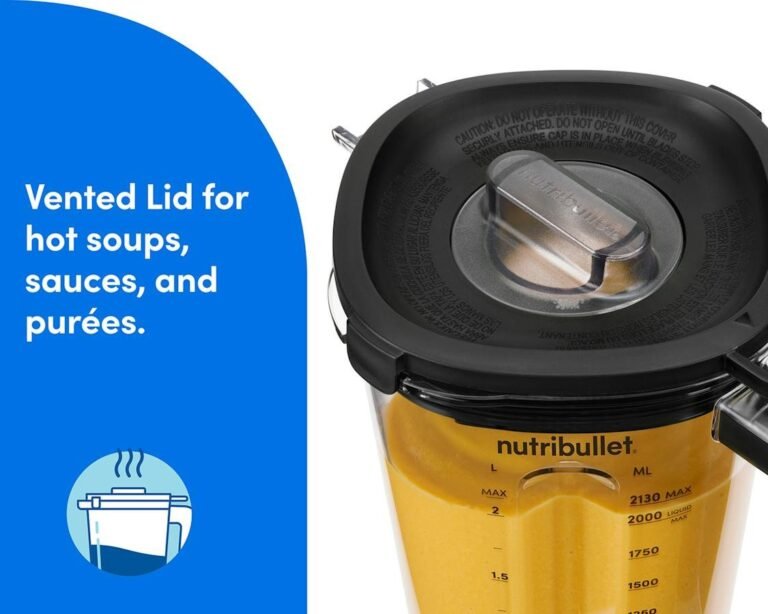
| Hot soup or coffee | Don’t blend hot liquid in the sealed cup | — | Pressure buildup, lid blowing off |
| Protein powder shakes | Liquid first, powder second, pulse twice | About 30 seconds | Powder clumping at the bottom |
The hot-liquid row is the one that causes injuries. A sealed cup with steaming liquid builds pressure fast; the lid can blow off when you twist it. Let food cool to warm before it goes anywhere near the blade.
What good blenders do differently
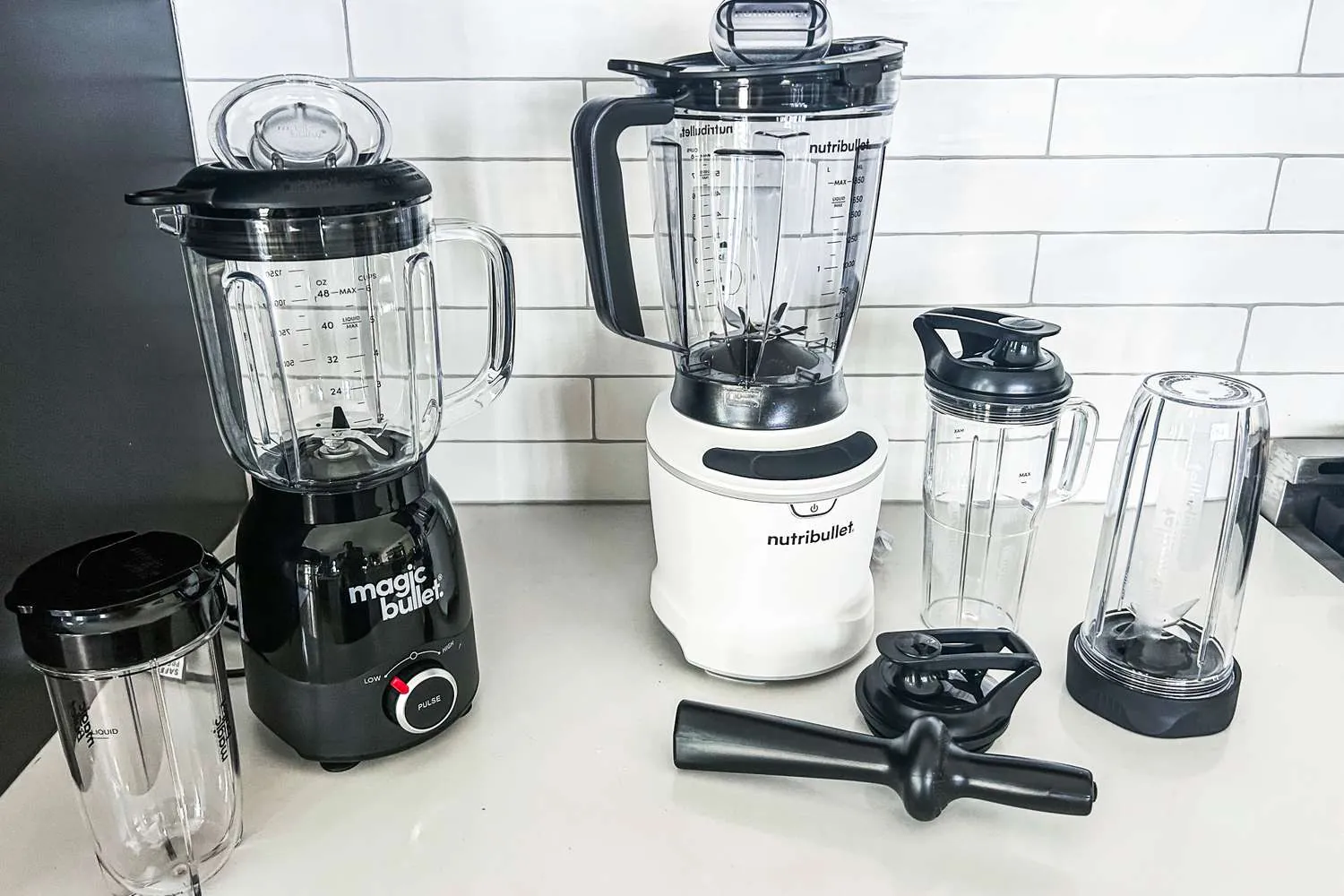
The difference between a smooth drink and a chunky one isn’t the button. It’s what happens before and during the blend.
Before you press
Experienced users layer the cup in a fixed order: liquid at the bottom (which is near the blade when flipped), then powders, then soft fruit, then frozen items on top. They also cut frozen fruit into chunks smaller than an inch — a whole frozen strawberry can wedge above the blade and stall the whole cup. Check the fill line from the side, not looking down into the cup, because the line is easy to misread from above.
While it’s running
They pulse rather than hold. Three 25-second pulses with a tap of the cup on the counter between them move ingredients down into the blade better than one 75-second run, and they keep the motor cool.
They also listen: a high whine with no churning sound means the blade is spinning in air or liquid alone, so they stop and shake instead of pressing on. And they leave the rubber seal alone — pulling it off to clean under it stretches it, and a stretched seal leaks forever after.
When something goes wrong
Most faults have an obvious cause you can fix in the kitchen. Match what you’re seeing to the row below.
| What you notice | What it usually means | What to do first | How to stop it again |
|---|---|---|---|
| Motor won’t start | Cup not locked in, or tabs worn | Re-seat and twist clockwise firmly | Line up tabs before twisting |
| Leaking around the blade | Blade lid not tight, or seal worn | Retighten lid; check the rubber seal | Replace the seal or blade assembly |
| Blade spins, food doesn’t move | Not enough liquid, or overfilled | Stop, add 2 fl oz liquid, shake | Fill liquid to a third of the cup |
| Burning or hot smell | Motor overheated from long runs | Unplug and let it cool 30+ minutes | Keep runs under one minute |
| Chunky smoothie | Frozen pieces too big, weak model | Pulse again; cut fruit smaller next time | Match ingredients to your wattage |
| Cup stuck on the base | Ingredients sucked into the threads | Twist counterclockwise firmly while pulling | Don’t overfill; keep threads clean |
| Cracked cup | Stress from overtightening or heat | Stop using it — plastic shards can enter food | Hand-wash; keep away from heat |
A cracked cup or a burning smell that returns after cooling means the machine is done. Don’t keep running it — a failing motor or a cracked cup isn’t a repair job for a kitchen counter, and replacement parts are cheaper than a new blender.
The rules that apply
Two rules from Nutribullet cover most of what’s allowed. First, the company’s own guidance says don’t run the motor continuously for more than one minute, and to let it cool between long blends.
Second, the manuals for Nutribullet and Magic Bullet models say not to blend hot liquids or carbonated drinks in the sealed cups — pressure buildup can force the lid off. Both rules are printed in the manual that came with your model and on the company’s website, which carries the version for your exact model.
Beyond that, the general electrical rules apply: don’t submerge the motor base in water, don’t run it with a damaged cord, and unplug it before cleaning around the base.
If your blender trips the breaker, sparks, or smells of burning plastic after cooling, stop using it and contact Nutribullet’s customer service — internal motor repairs involve capacitors that can hold a charge, so that’s technician work, not counter work. Warranty terms also matter here: opening the base yourself usually voids it, and most models carry a one-year limited warranty, though check your own paperwork for the exact term.
What it costs you
The blender itself is already bought, so the real costs are time, wear, and the odd replacement part. A single smoothie takes about three minutes of active work and one minute of rinsing. Replacement cups and blade assemblies are sold separately and typically cost a modest fraction of a new unit — check the Nutribullet online store or the retailers you’d buy from for today’s prices, because they change often.
What moves the cost up: blending ice on a low-watt model (wears the blade and stresses the motor), running long blends, and dishwashing the cups and lids, which dulls the plastic and can crack them.
What moves it down: hand-washing everything except the motor base, keeping blends under a minute, and replacing the blade assembly’s seal when it first shows wear instead of waiting for a leak onto the motor. The most expensive mistake is ignoring a small leak — liquid reaching the motor base is how a working blender dies early.
Keeping it right afterwards
Clean the cup and blade within a few minutes of blending. Dried smoothie on the blade threads is the main reason people end up scrubbing for ten minutes instead of thirty seconds. Rinse the cup with warm water, add a drop of dish soap and some water, screw the blade lid on, and pulse once for 10-15 seconds — that cleans the blade and the cup sides at once. Then rinse and let both parts air-dry with the blade facing up.
The motor base never goes in water. Wipe it with a damp cloth, and check the drive socket and the cup tabs for stuck debris each time.
The signs that need attention: a leak under the cup after blending means the seal is wearing; a cup that takes extra force to lock means the tabs or threads are damaged; any smell of hot plastic means give it at least 30 minutes of cooling time. All three are fixed with cheap parts or patience, not a new machine.
When this isn’t the right tool
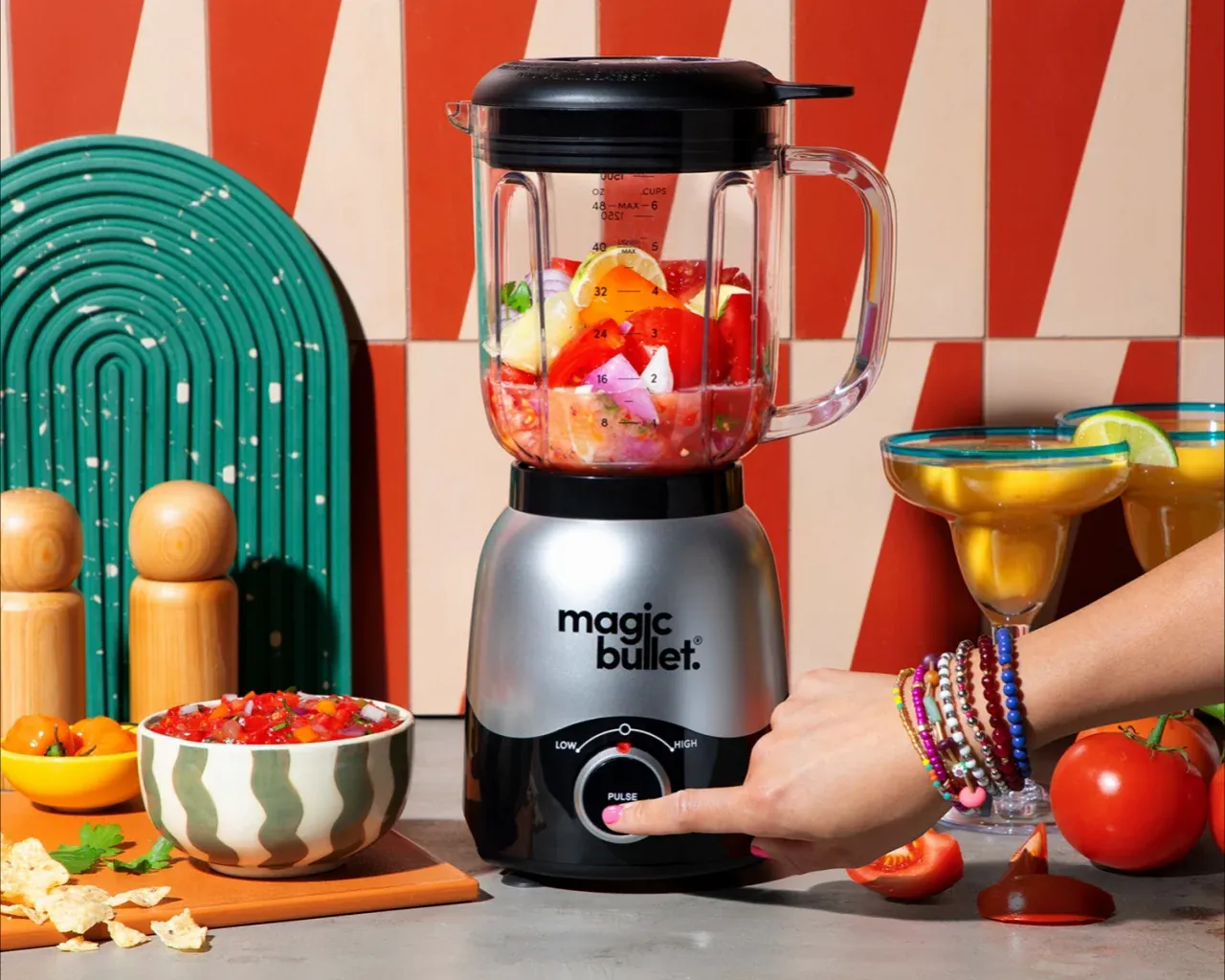
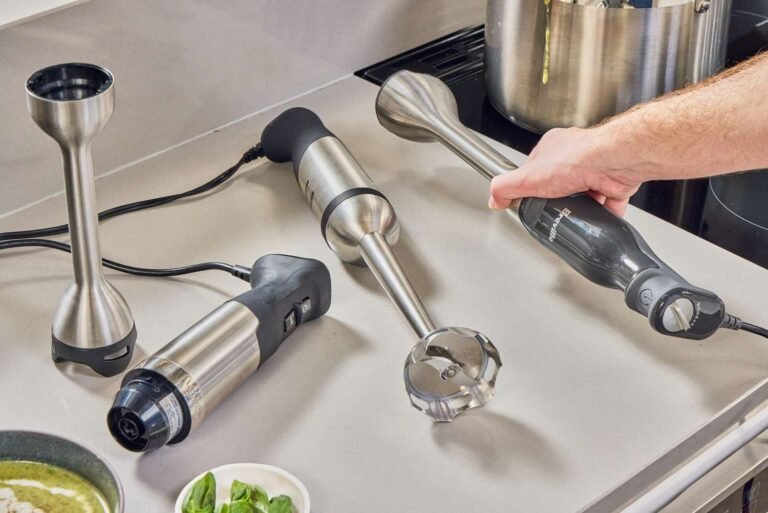
A personal blender is the wrong choice for three jobs. First, large batches: a 24 oz cup serves one person, and blending four servings means four runs — a full-size countertop blender with a 48-64 oz jug does that in one. Second, hot food: these sealed cups aren’t rated for hot liquids, so soup needs either a cooling-down period or an immersion blender straight in the pot.
Third, heavy daily ice and nut grinding on a 250-600 watt model — the motor will wear fast, and a high-powered blender (Nutribullet’s own 1,200-watt line or a comparable brand) is built for it. And if your machine is sparking, tripping breakers, or smells of burning after cooling, that’s past DIY entirely; contact the manufacturer’s support or a qualified appliance repair service.
Related guides
- How Does An Immersion Blender Work: Unlock Kitchen Magic Fast
- The 10 Best Bullet Blenders for Shakes and Smoothies
Frequently asked questions
How long should I blend in a Nutribullet?
Most drinks need 45-60 seconds total, done as 2-3 pulses of 20-30 seconds each. Frozen or fibrous ingredients may need 90 seconds across more pulses. Never run the motor continuously past one minute — that’s Nutribullet’s own limit — and let it cool between long blends.
Can I put ice in a Magic Bullet?
Only in the higher-wattage models, and even then in small amounts. The 250-watt original Magic Bullet stalls on ice and strains its motor. If your base says 900 watts or more, a few small cubes are fine; below that, use frozen fruit instead or crushed ice in small pieces.
Why is my smoothie still chunky?
There isn’t enough liquid, or the frozen pieces are too big. Stop blending, add 2-4 fl oz of liquid, shake or tap the cup to settle the ingredients, and pulse again in 20-second bursts. Whole frozen strawberries and big ice cubes wedge above the blade — cut them under an inch next time.
Is it safe to blend hot liquids in a Nutribullet?
No. The sealed cup traps steam pressure, and twisting the lid open can blow hot liquid out. Nutribullet’s manuals say not to blend hot ingredients. Let food cool until it’s warm, not steaming, and never fill past the max line even then.
Can the Nutribullet cups go in the dishwasher?
The cups, lids and blade assemblies are top-rack dishwasher safe on most models, but hand-washing keeps the plastic clear and the seals intact longer. The motor base never goes in water — wipe it with a damp cloth only. Check your own model’s manual, because wording varies slightly between versions.
How full can I fill the cup?
Fill to the max line printed on the cup, and no higher. Overfilling stops the seal from holding, so liquid escapes around the blade and can reach the motor base. If your recipe makes more than the cup holds, blend it in two batches rather than squeezing it in.
What happens if I run it too long?
The motor overheats, and you’ll smell hot plastic before it fails. Nutribullet’s guidance is a one-minute maximum per continuous run. If you smell burning, unplug it and let it cool for at least 30 minutes. Repeated overheating shortens the motor’s life and can warp the plastic couplers.
Does it matter which order I add ingredients?
Yes, it matters a lot. Liquid goes in first so the blade always has something to move; powders next, so they don’t clump at the bottom; then soft fruit; then frozen items and ice on top. Remember the cup gets flipped, so the first thing in ends up nearest the blade.
Your first blend today
Start with the easiest thing that works: 6 fl oz of milk, one banana, and a handful of soft berries in a 24 oz cup. Pulse three times for 25 seconds, and you’ll hear the churning turn smooth and even — that sound is your sign it’s done. If the blade whines but nothing moves, stop, add liquid, and shake before pressing again. That’s the moment to stop and troubleshoot, not push through.