Can a Nutribullet Be Used as a Blender? What It Can and Can’t Do
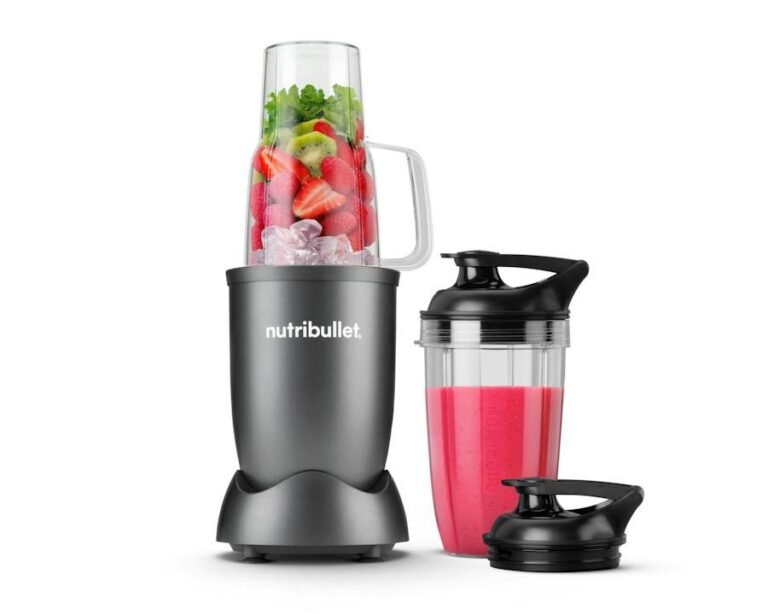
Yes, a Nutribullet can work as a blender for small, soft jobs — smoothies, shakes, salad dressings and baby food. It stops working as a blender the moment you need a big batch or you’re crushing ice and frozen fruit in volume. The thing that flips the answer is capacity and motor load, not the blades. So before you start, check the volume you’re making against the cup you own, and keep the fill at or below the max line.
When a Nutribullet can be used as a blender
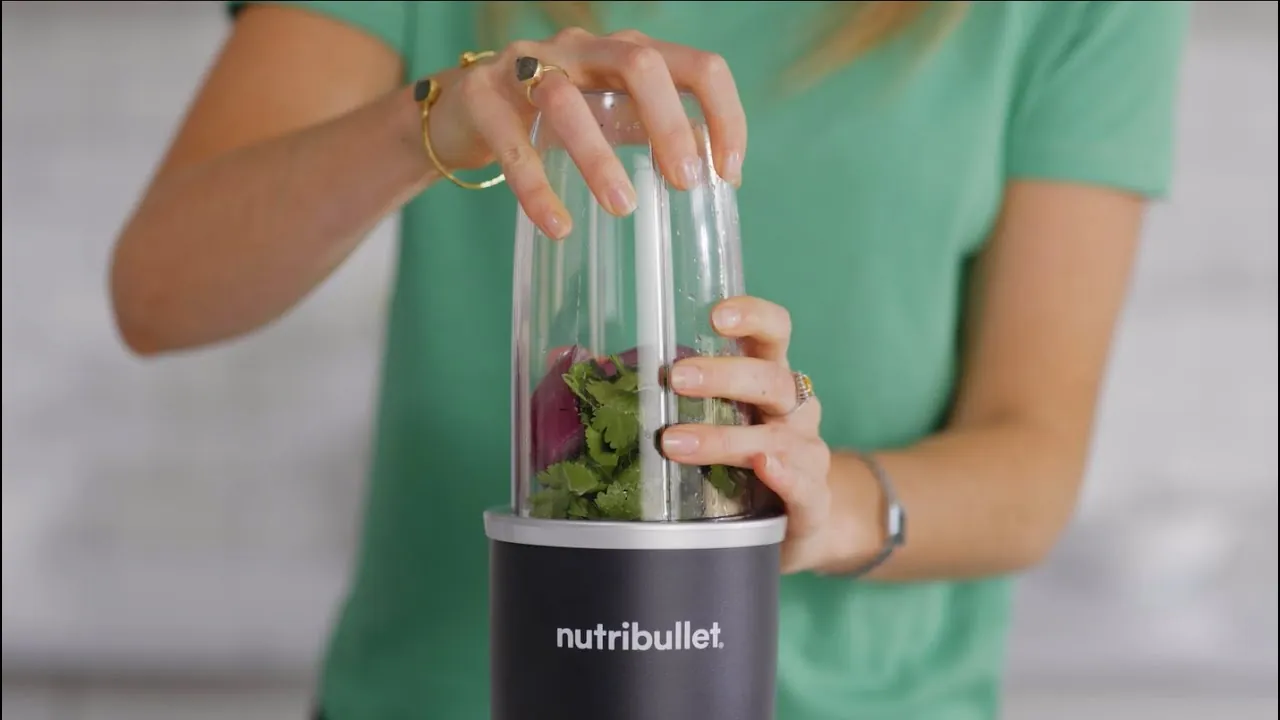
A Nutribullet is a personal blender, not a full-size one, so whether it suits you depends on what you’re actually blending and how much. The table below sorts the common situations.
| Your situation | Answer | Why |
|---|---|---|
| Soft fruit smoothie, 1-2 servings | Yes | Small load, easy on the motor |
| Salad dressing or sauce | Yes | Tiny batch, no ice needed |
| Baby food, cooked and soft | Yes | Small portions, smooth texture |
| Protein shake with powder | Yes | Liquid-heavy, low resistance |
| Crushing a full tray of ice | No | Overloads a small motor |
| Thick nut butter from scratch | No | Too dense, motor stalls |
| Soup for 4+ people at once | No | Cup is too small |
The pattern is simple: small and soft is fine, large and hard is not.
The line between the two columns isn’t the ingredient, it’s the load. A cup of frozen strawberries is hard. The same cup, thawed, is soft. Same fruit, same machine, opposite result.
So the useful question is not “can it blend this” but “how much of this, and how hard is it right now.” Half-fill the cup with frozen fruit and top it with liquid and it works. Fill it to the max line with frozen fruit and nothing else and you’ll smell the motor before you get a smoothie.
There’s a middle zone worth knowing. Ice in small amounts, a few cubes with plenty of liquid, is fine. A full tray is not. Dense but soft items, like cooked sweet potato or a ripe banana, are fine in small amounts. The trouble starts when the food is both hard and packed tight.
If you’re unsure, start with less than you think you need. Run it, stop, and check. Adding more is easy. Un-stalling a motor that has overheated is not, and on most models the motor isn’t a user-replaceable part.
Two mistakes cost people their machines. The first is running it continuously for a minute or more on a thick mixture. Pulse instead, in short bursts, and give it a rest. The second is adding liquid last. Put liquid in first, then soft items, then hard items on top, so the blades have something to pull down.
If your batch is too big for the cup, blend it in two rounds and combine them in a bowl. That’s the whole workaround for soup, sauce, or smoothies for a family.
What Actually Decides It
The cup size and the motor wattage decide everything. A Nutribullet’s cup holds far less than a standard blender jar, so a recipe written for a 6-8 cup pitcher won’t fit. When it doesn’t fit, you either blend in batches or overload the cup — and overloading is what burns out the motor.
Wattage is the second half. Nutribullet sells models at different power levels, and the lower-wattage ones struggle with frozen fruit and ice. You can read your own model’s wattage on the base label or in the manual — that number, not the brand name, tells you what it can handle.
Texture matters too. A full-size blender has a wide jar that lets food circulate and fold back onto the blades. A Nutribullet cup is narrow, so thick mixtures just sit there. You’ll need to stop, shake, and pulse more often.
Hard, dry, or fibrous items are the real limit. Ice, frozen blocks of fruit, whole nuts, and tough greens all fight the blade. A small motor asked to do that repeatedly will overheat and shut down — or fail for good.
If your load is small and soft, go ahead; if it’s large, frozen, or dense, use a full-size blender instead.
How to Get a Good Result Anyway
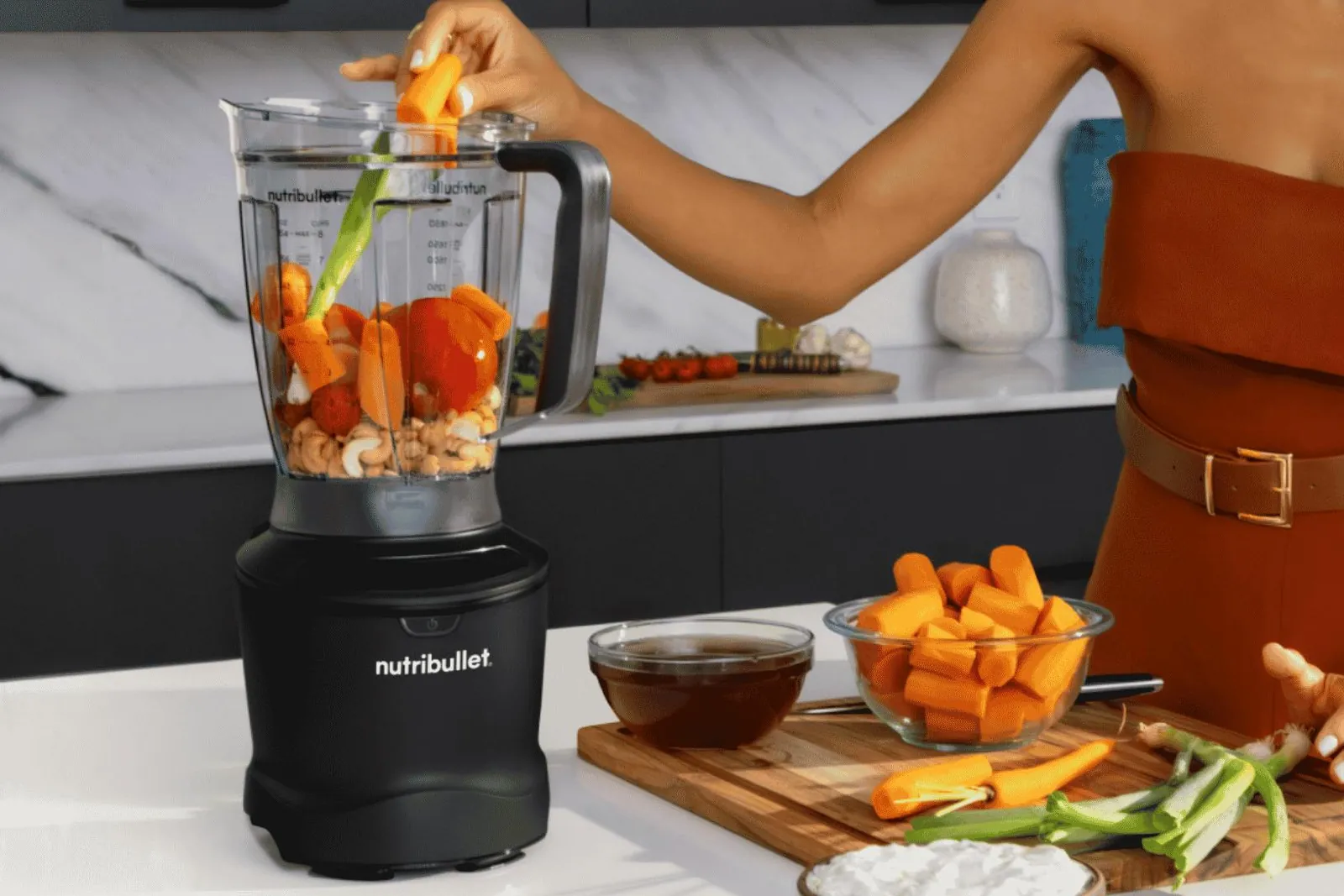
Fill to the max line, never above. The max line is marked on the cup, and going past it leaves no room for the vortex. You’ll see the mixture spinning freely when it’s right.
Add liquid first, solids second. Pour liquid to about one-third of the cup, then add fruit or powder. This stops dry ingredients from packing at the bottom.
Cut food into small pieces. Halve berries, cube bananas, and chop anything bigger than a thumb. Smaller pieces blend evenly and don’t stall the blade. Frozen fruit is the exception: let it sit out for a few minutes first, or it will leave icy pockets and strain the motor.
Pulse, don’t hold. Press in short bursts of a few seconds each. If the motor sounds like it’s straining, stop and let it rest a minute before continuing. A burning smell means stop for good and let the base cool completely.
Shake between pulses. Take the cup off, shake it, and put it back. This moves food off the blades so it keeps circulating.
Blend in batches for bigger amounts. For 3-4 servings, do two rounds of 1-2 servings each. It takes longer but protects the motor.
If the result is still chunky after two rounds of pulsing, add liquid a tablespoon at a time rather than blending longer. Too little liquid is the usual cause, and running the motor dry is what wears it out.
The sign it worked: a smooth, even texture with no chunks left and no burning smell from the base.
The Mistake That Kills the Motor
The most common mistake is treating a Nutribullet like a full-size blender and running it hard on frozen or thick loads without stopping. People fill the cup with ice and frozen fruit, hold the button down, and wait. The motor overheats, the thermal cutout trips, and the machine shuts off mid-blend. Some units never come back.
The cost is a dead appliance and money spent replacing it. A small motor isn’t built for continuous heavy work — it needs breaks. The check that avoids all this: if the blade slows or the base gets hot to the touch, stop immediately and let it cool for at least 10 minutes before the next run.
That one habit — stopping when it strains — is the difference between a Nutribullet that lasts and one that quits in a few months.
There’s a second mistake that does just as much damage, and it looks like patience. People pulse correctly, then finish the job by holding the button for one long final push to get the last lumps out. That single long run is what overheats the motor.
The fix is to keep every press short. Tap the button in bursts of a few seconds, let the blades slow between them, and give the motor a real pause every few bursts. If you’re blending something thick, add liquid and pulse more rather than pressing longer.
Watch for the warning signs. A burning smell, a base that’s warm after a short run, or a cup that spins slower than it did last week all mean the motor is already working too hard. Stop for the day, not just for a minute.
If your unit shuts off and restarts after cooling, you caught it in time — change how you blend. If it shuts off and stays dead, the cutout did its job but the motor didn’t survive.
When to Stop and Use Something Else
The motor smells hot or shuts down repeatedly. That’s the thermal cutout protecting the motor. Keep pushing and it fails for good — a full-size blender handles the job safely. If the smell comes with a grinding or rattling noise, the bearings are already gone. Stop that batch and don’t run it again.
You’re blending more than the cup holds. Overfilling floods the base and can leak. Use a bigger blender or blend in smaller batches. Fill to the max line, never above it. If a recipe won’t fit, split it in two and pulse each half.
You need to crush ice or frozen blocks often. Small motors aren’t built for it. A countertop blender with a high-wattage motor is the right tool. Once a week is fine. Daily ice work will burn out a personal-size motor within months.
The recipe needs a wide jar for circulation. Thick nut butters and dense doughs need a machine designed for them. A narrow cup can’t move the mixture, so the blades spin in a pocket and the motor overheats while the food sits still.
The base sparks, smokes, or won’t turn on. Unplug it and stop. Don’t open the housing — a capacitor can hold a lethal charge even when unplugged. Take it to a qualified technician or replace it.
Frequently asked questions
Can a Nutribullet blend frozen fruit?
Yes, in small amounts. Use about 1 cup of frozen fruit per blend and add enough liquid to cover it. If the blade stalls, stop and pulse in short bursts instead of holding the button. Large frozen blocks or a full cup of ice will overload a small motor and can trip its thermal cutout.
How long can you run a Nutribullet at one time?
Run it in short bursts of a few seconds, not continuous minutes. Most Nutribullet manuals tell you to pulse rather than run it nonstop, and to let the motor rest between uses. Check your own model’s manual for its exact run time, since it varies by wattage. If the base feels hot, stop and let it cool for at least 10 minutes.
Is it safe to put hot liquid in a Nutribullet?
No, not hot liquid in a sealed cup. Heat builds pressure inside, and the lid can blow off and scald you. Let soups and cooked food cool first, then blend. If you must blend something warm, fill only halfway and vent the lid. Never fill a sealed cup with boiling liquid.
Why does my Nutribullet stop in the middle of blending?
It’s the thermal cutout protecting the motor from overheating. This happens with thick, frozen, or overfilled loads. Unplug it, let it cool for at least 10 minutes, then blend a smaller amount. If it keeps shutting down on light loads, the motor may be failing and the unit likely needs replacing.
Can a Nutribullet crush ice?
Only in small amounts, and not well on lower-wattage models. Add a little liquid and pulse a few cubes at a time. Don’t fill the cup with ice and hold the button — that’s the fastest way to overheat a small motor. If you crush ice often, a full-size blender is the better tool.
Does a Nutribullet blend as smooth as a regular blender?
It can match a regular blender on soft, small loads like smoothies and dressings. On thick or fibrous mixtures it leaves more texture, because the narrow cup doesn’t circulate food the way a wide jar does. You’ll need to stop and shake more often to get an even result.
What happens if you overfill a Nutribullet?
Overfilling leaves no air space for the mixture to move, so the blade stalls and liquid can leak or spray from the lid. Always stay at or below the max line marked on the cup. If a recipe makes more than the cup holds, blend it in two or more batches instead of filling past the line.
Can you use a Nutribullet for nut butter?
No, not for thick nut butter from scratch. The mixture is too dense for a small motor, and it packs around the blades instead of circulating. You can make a thin nut-based sauce with plenty of liquid, but thick spreads need a food processor or a high-wattage full-size blender.
What to do next
Start with one small, soft batch — a single smoothie with liquid first and fruit cut small — and fill only to the max line. Expect a smooth result in a few short pulses, with no chunks and no heat from the base.
If the motor strains, smells hot, or shuts down even on a light load, stop and switch to a full-size blender or have the unit checked. That’s your signal the job is past what this machine should do.
Hard foods are where small personal blenders divide.
The common mistake is treating the max line as a target. It’s a ceiling, not a goal. Overfilling is the single most frequent cause of a burnt-out motor on these machines, and it usually happens on the first try, before you have any feel for how the blades move.
Run it in bursts of a few seconds, then stop and check. Let the base rest between bursts. If the outside of the jar feels warm, you have run it too long, and the next batch should be smaller.