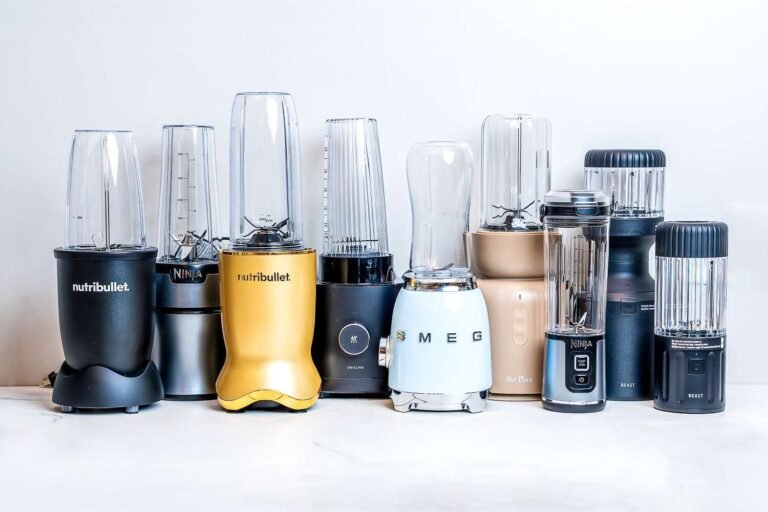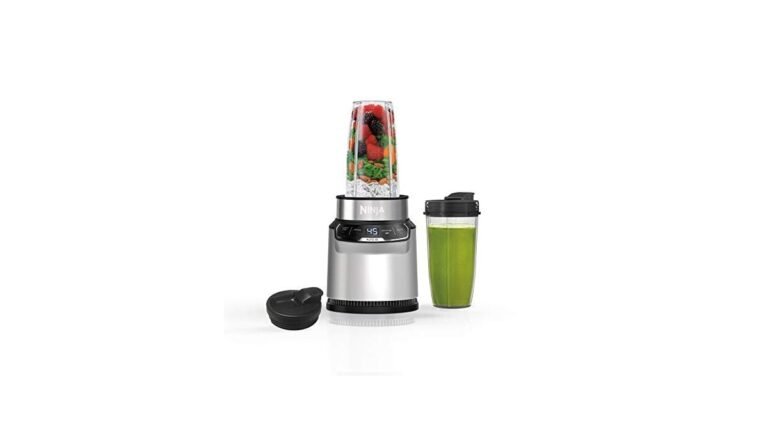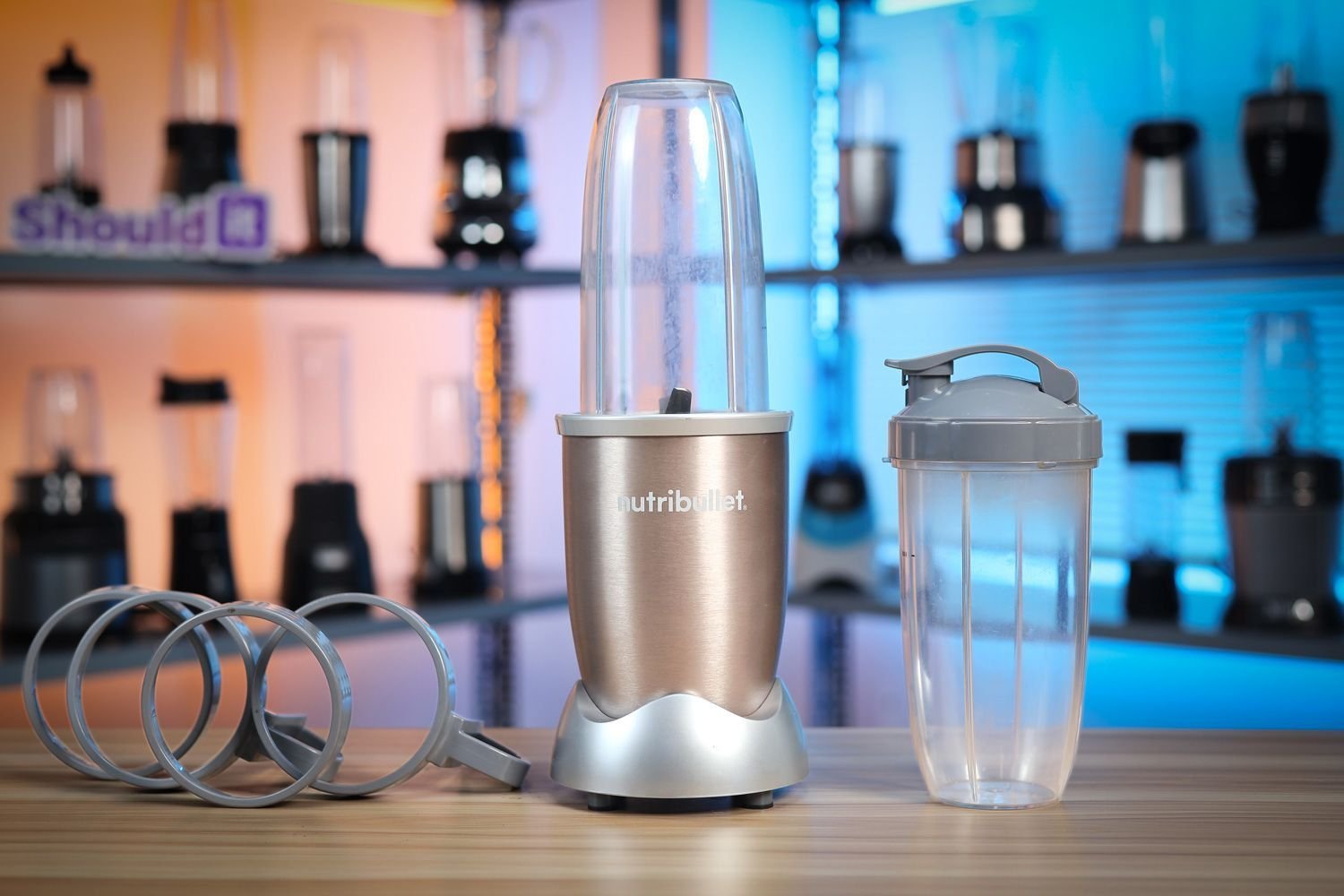
Is Nutribullet a Good Blender? What It Does Well
If you want a blender for smoothies, protein shakes, and single servings, a Nutribullet is a genuinely good choice — its 600 to 1200-watt motors and bullet-style cups handle frozen fruit and ice well for the money. But it isn’t a good choice if you need to crush large ice volumes, blend hot soup, or process big batches of dough.
Key Takeaways
- Nutribullet is a personal blender, not a full-size one — it excels at single servings (12–32 oz) and struggles with family-size batches.
- Best value is the Nutribullet Pro 900, which balances power, price, and cup size better than the base 600-watt model.
- It handles frozen fruit, leafy greens, and protein powder well, but dense ingredients like whole ice cubes in bulk, nuts, and hot liquids are weak points.
- Expect to replace parts, not the motor — gaskets, blades, and cups wear out and cost $10–$30 each.
- Warranty ranges from 1 year on base models to 3 years on the Nutribullet Pro and Rx lines.
- Skip it if you want one appliance for everything — a full-size blender like a Vitamix or Ninja does more for more money.
What a Nutribullet Actually Is
A Nutribullet is a personal blender built around an inverted design: you load ingredients into a cup, screw on a blade assembly, flip the cup onto the motor base, and press down to blend. There’s no traditional pitcher and no tamper.
The brand is owned by Capital Brands, which also makes the Magic Bullet and Baby Bullet. That lineage matters, because the Nutribullet is essentially an upgraded Magic Bullet with a stronger motor and larger cups.
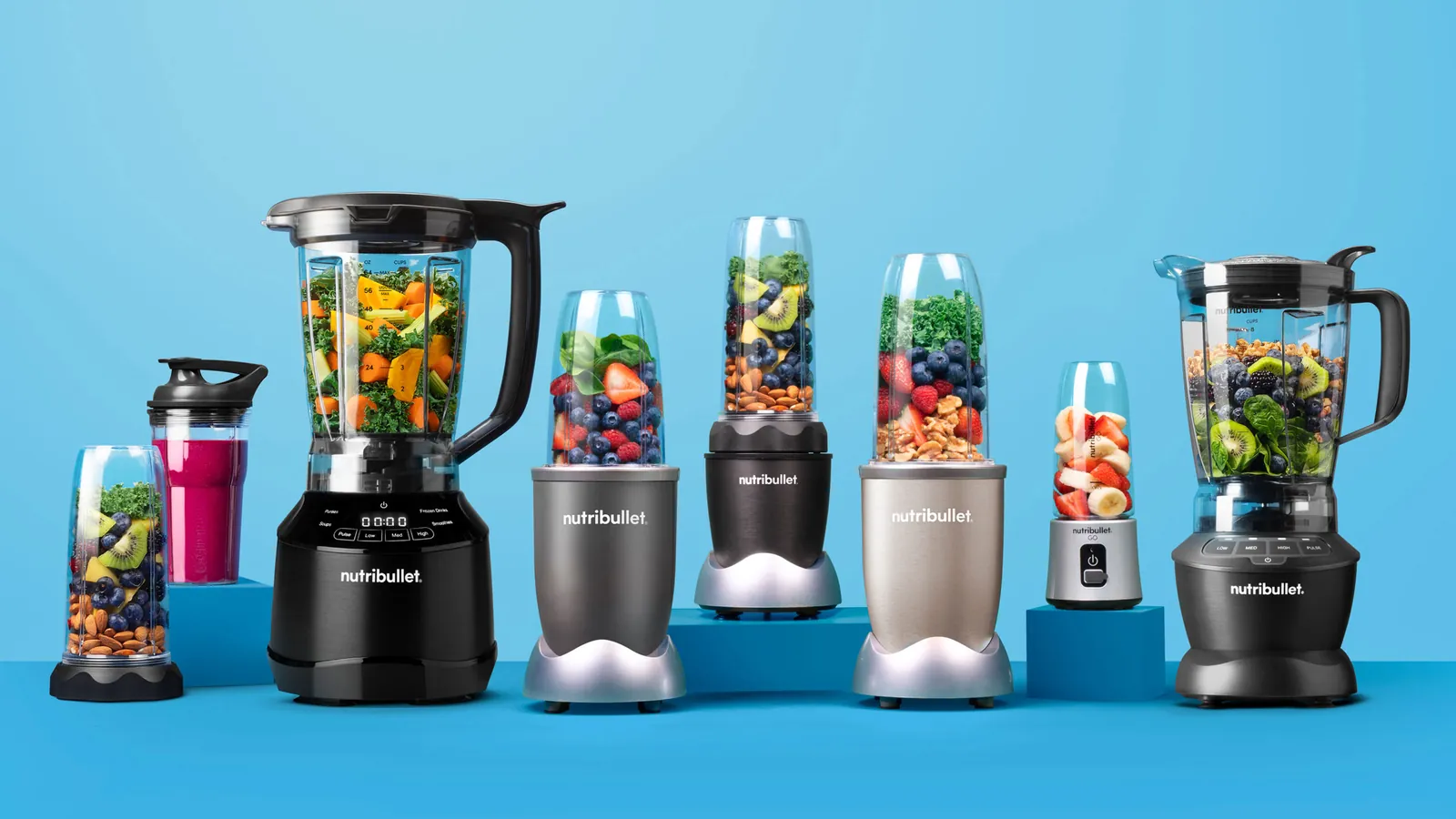
Nutribullet sells several distinct lines, and they aren’t interchangeable:
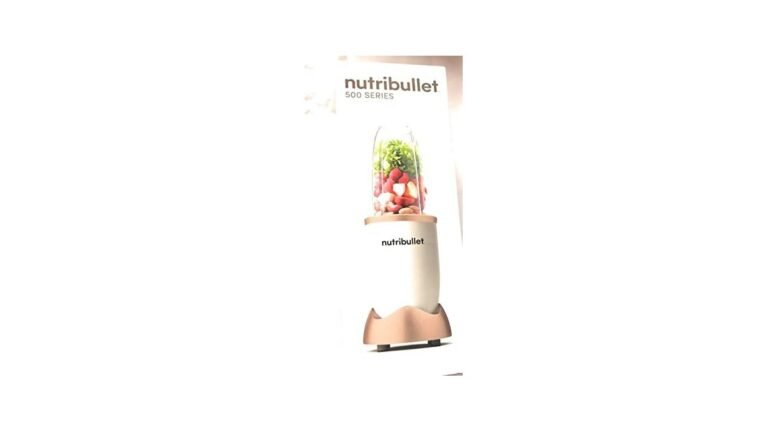
- Nutribullet 600 — the original, 600 watts, 24 oz cups
- Nutribullet Pro 900 — 900 watts, 32 oz cups, the most popular model
- Nutribullet Pro 1000 — 1000 watts, 32 oz cups, newer replacement for the Pro 900
- Nutribullet Rx — 1700 watts, designed for hot soup and heavier work
- Nutribullet Baby — small cups for pureeing baby food
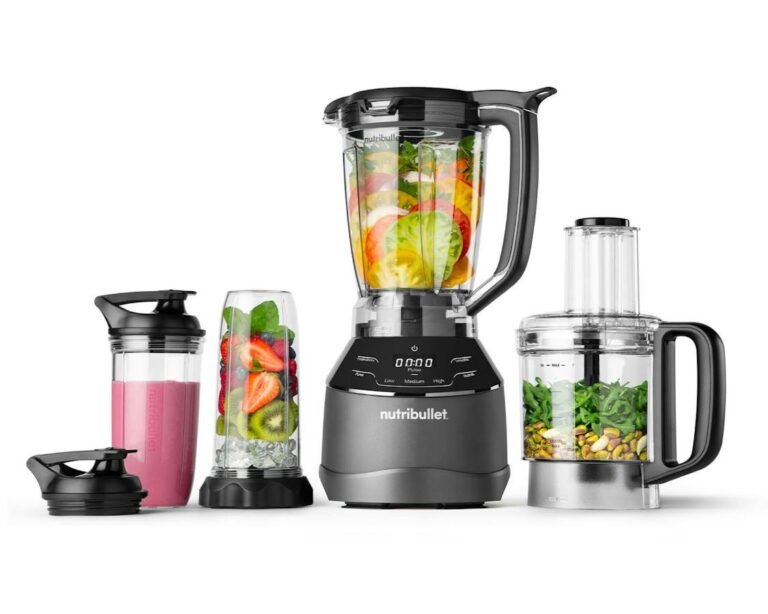
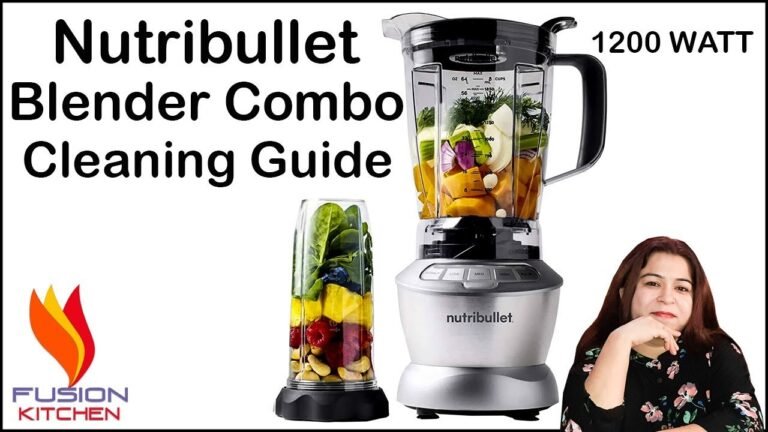
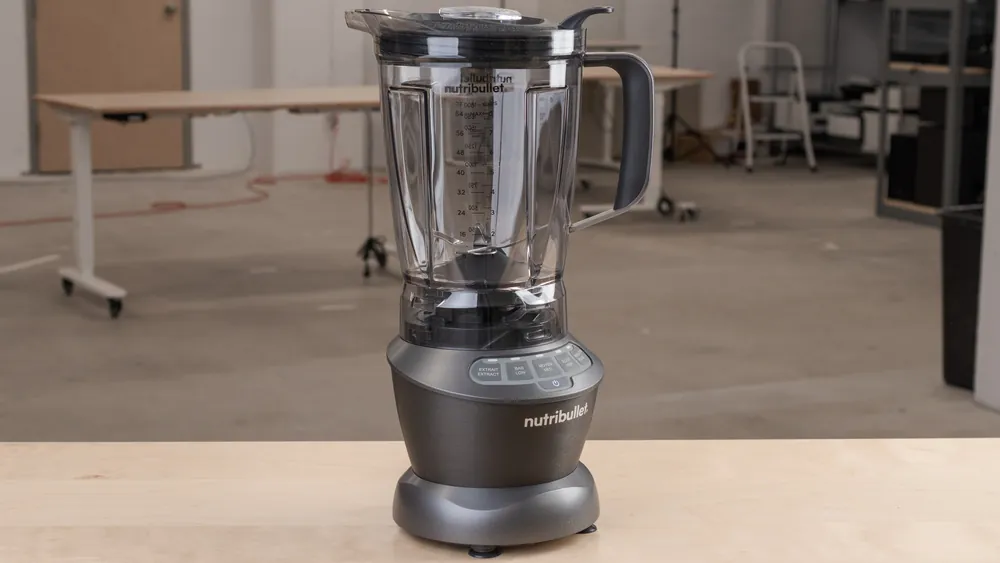
- Nutribullet Blender Combo — adds a traditional 64 oz pitcher and a full-size base
The line you buy determines what the machine can realistically do. A 600-watt base and a 1700-watt Rx are the same shape but different tools.
What Comes in the Box
Most Nutribullet kits include the motor base, one or two extractor blades, two to four cups in varying sizes, to-go lids, and a recipe book. Higher-end kits add a milling blade for dry goods, a pitcher, or a handled cup.
The extractor blade is the standard blending blade. The milling blade is a flat, two-prong blade meant for grinding coffee, grains, and spices — it isn’t for smoothies.
How Well Does It Blend?
For its core job — turning frozen fruit, ice, yogurt, and liquid into a smooth drink — the Nutribullet performs well above its price class. Independent reviews consistently place it near the top of the personal blender category for smoothie texture.
Where it falls short is anything outside that core job:
| Task | Nutribullet Performance | Notes |
|---|---|---|
| Frozen fruit smoothies | Excellent | Best-case use |
| Leafy greens (kale, spinach) | Very good | Needs liquid at the bottom |
| Protein shakes | Excellent | Powder dissolves cleanly |
| Ice crushing (small amounts) | Good | Use crushed or small cubes |
| Ice crushing (large volumes) | Poor | Overheats the motor |
| Nut butters | Poor | Requires frequent scraping |
| Hot soup | Model-dependent | Only the Rx is rated for hot liquid |
| Dough | Not possible | No capacity or blade design for it |
| Coffee/spice grinding | Good | With the milling blade only |
| Large batches (family of 4+) | Poor | Cups max out at 32 oz |
The pattern is clear: single servings of soft-to-frozen ingredients are the sweet spot. Everything else is a compromise.
The Ice Question
This is the most common complaint. Nutribullet’s own guidance is to use small or crushed ice and to add liquid first. Dumping six large cubes into a dry cup and pulsing will stress the motor and can dull the blades.
If ice-heavy drinks are your main use, a full-size blender with a tamper is a better tool. The Nutribullet can do ice, but it wants to be coaxed.
Is a Nutribullet a Good Blender vs. Alternatives
The honest answer to “is it a good blender” depends on what you’re comparing it to. Here is how it stacks up against the machines people actually cross-shop.
| Blender | Typical Price | Best For | Weakness |
|---|---|---|---|
| Nutribullet Pro 900 | $80–$120 | Single-serve smoothies | Small capacity, no hot liquids |
| Magic Bullet | $40–$60 | Light blending, small jobs | Weak motor, small cups |
| Ninja Personal Blender | $60–$100 | Auto-iQ programs, ice | Bulkier base |
| Ninja Professional (full-size) | $100–$160 | Family batches, ice | Large footprint |
| Vitamix (full-size) | $300–$550 | Everything, 7–10 yr lifespan | Price |
| Breville Fresh & Furious | $150–$250 | Versatility, quiet | Mid-tier power |
Two conclusions follow from that table. First, the Nutribullet Pro 900 sits in a genuinely useful price band — cheaper than a full-size Ninja, far cheaper than a Vitamix, and more capable than a Magic Bullet. Second, if you can stretch to $150–$250, a full-size blender buys you capacity and durability the Nutribullet can’t match.
Nutribullet vs. Magic Bullet
People conflate these constantly. The Magic Bullet is the cheaper, weaker sibling — typically 250 watts with smaller cups. It’s fine for soft ingredients and small jobs. The Nutribullet’s higher wattage and larger cups make it the better buy for anyone blending frozen fruit regularly.
Nutribullet vs. Ninja
Ninja’s personal blenders often include auto-iQ preset programs, which remove guesswork. Nutribullet counters with a simpler, cheaper, more compact design. For pure smoothie texture, they’re close. For features, Ninja usually wins.
The Real Downsides
Anyone telling you a Nutribullet is perfect is selling something. Here is what actually annoys owners.
Capacity Limits
A 32 oz cup sounds generous until you fill it. You can’t fill it to the top — you need headroom for the blending vortex, and most cups have a max-fill line well below the rim. Realistically you get one large smoothie or two small ones per batch.
No Hot Liquids (On Most Models)
Only the Nutribullet Rx is designed for hot soup. Putting hot liquid in a standard Nutribullet cup is a burn risk and can damage the cup, because the seal isn’t built for steam pressure. Let anything you blend cool first.
Motor Overheating
The motor isn’t built for continuous use. Blend in short bursts, give it rest between cups, and don’t run it for minutes at a time. Owners who ignore this are the ones writing one-star reviews.
Part Wear
The gasket inside the blade assembly degrades. Cups crack if dropped or washed in hot water. Blades dull. These are consumables — budget for replacing them every year or two.
Warning: Never put Nutribullet cups or blade assemblies in the dishwasher unless the specific model’s manual says they’re dishwasher-safe. Heat warps the plastic and kills the gasket seal, causing leaks.
Which Nutribullet Should You Buy?
If you have decided the category fits, model choice matters more than brand.
| Model | Power | Cups | Best For | Typical Price |
|---|---|---|---|---|
| Nutribullet 600 | 600W | 24 oz | Light use, one person | $50–$70 |
| Nutribullet Pro 900 | 900W | 32 oz | Most people, daily smoothies | $80–$120 |
| Nutribullet Pro 1000 | 1000W | 32 oz | Heavier daily use | $100–$140 |
| Nutribullet Rx | 1700W | 32 oz + pitcher | Soup, heavy-duty blending | $150–$200 |
| Nutribullet Blender Combo | 1200W | 32 oz + 64 oz pitcher | Households wanting both | $120–$170 |
Pro Tip: If you’re unsure, buy the Pro 900 or Pro 1000. The 600-watt base saves you $20–$30 and costs you real blending power on frozen ingredients — a false economy for daily use.
The Blender Combo is the sleeper pick. It gives you the personal cups and a full-size pitcher on one base, which covers most of the gaps in the standard Nutribullet design.
How to Get Better Results
Most Nutribullet complaints trace back to technique, not the machine. These fixes work.
- Load liquids first. Liquid at the bottom, then soft ingredients, then frozen fruit and ice on top. This keeps the blades moving.
- Don’t overfill. Stay under the max-fill line. Overfilled cups stall the motor.
- Cut frozen fruit smaller. Halve strawberries and bananas before freezing.
- Use short pulses. Two to three seconds on, then release. Repeat rather than holding the button.
- Add liquid if it stalls. A splash of water, milk, or juice restores the vortex.
- Shake the cup. If ingredients stick to the sides, stop, unscrew, shake, and resume.
- Prefer crushed ice. Or pulse large cubes with a little liquid first.
Pro Tip: Freeze fruit in single-layer portions on a sheet pan, then bag it. Individually frozen pieces blend far more easily than a solid frozen clump.
Cleaning and Maintenance
The Nutribullet is easy to clean, which is a real point in its favor versus full-size blenders.
The standard method: fill the cup about halfway with warm water, add a drop of dish soap, screw on the blade, and run it for 10–20 seconds. Rinse. That handles most cleanup without disassembly.
For deeper cleaning, unscrew the blade assembly and wash the gasket area carefully — that’s where residue and odors collect. A soft brush helps.
Warning: The blades are sharp. Handle the extractor blade by its plastic collar, never by the blade itself, and never leave it loose in a sink full of water.
Frequently Asked Questions
Is a Nutribullet good for crushing ice?
Yes, in small amounts. It handles a few cubes or crushed ice in a smoothie well. Large volumes of whole ice cubes will strain the motor and may require pulsing. If ice-heavy drinks are your main use, a full-size blender with a tamper is more reliable.
Can a Nutribullet blend frozen fruit?
Yes, and this is its strongest use case. Frozen berries, mango, pineapple, and banana all blend smoothly when you add enough liquid and don’t overfill the cup. Cut large fruit into smaller pieces before freezing for the best results.
How long do Nutribullets last?
With normal home use, expect two to four years from the motor and more frequent replacement of cups, gaskets, and blades. Warranties run from one year on base models to three years on the Pro and Rx lines. Heavy daily use shortens that lifespan.
Can you put hot liquids in a Nutribullet?
Only the Nutribullet Rx is designed for hot ingredients. On every other model, hot liquid is a burn hazard and can damage the cup and seal. Let soups and sauces cool to room temperature before blending, or use a model explicitly rated for hot blending.
Is a Nutribullet worth it for one person?
Yes — this is the scenario it was designed for. One person making a daily smoothie or protein shake gets excellent value. The math changes for households of three or more, where the small cup size means blending in multiple batches.
What is the difference between Nutribullet and Nutri Ninja?
Both are personal blenders. Nutri Ninja models typically include auto-iQ preset programs and often more power at a given price. Nutribullet tends to be simpler, more compact, and cheaper. For smoothie texture alone, they perform comparably.
What the Warranty Covers
Nutribullet’s warranty covers manufacturing defects in the motor base, not wear items. Cups, blades, gaskets, and lids are generally excluded because they’re expected to wear out.
That distinction matters when you’re deciding whether the machine is a good long-term buy. You’re effectively buying a motor with a one-to-three-year guarantee and a set of consumable parts you’ll replace along the way. Replacement blade assemblies and cups are widely available and typically cost $10–$30 each.
For food-safety guidance on how long blended foods can be stored, the USDA FoodSafety.gov guidance on refrigerated leftovers is the reference to follow — blended smoothies are perishable and should be refrigerated promptly.
The Bottom Line on Value
A Nutribullet is a good blender for a specific job: fast, single-serve blending of frozen fruit, greens, and protein shakes at a price most full-size blenders can’t touch. It’s compact, easy to clean, and genuinely effective at that task.
It’s a poor choice as an only blender if you cook for a family, want to make soup, crush large amounts of ice, or process dough. No amount of technique fixes a 32 oz capacity limit.
The decision comes down to one question: are you blending for one person, most days, mostly smoothies? If yes, buy the Pro 900 or Pro 1000 and you’ll be happy. If no, put the money toward a full-size blender instead — you’ll use it more and replace it less.