Is Ninja Blender Better Than Nutribullet? A Direct Comparison
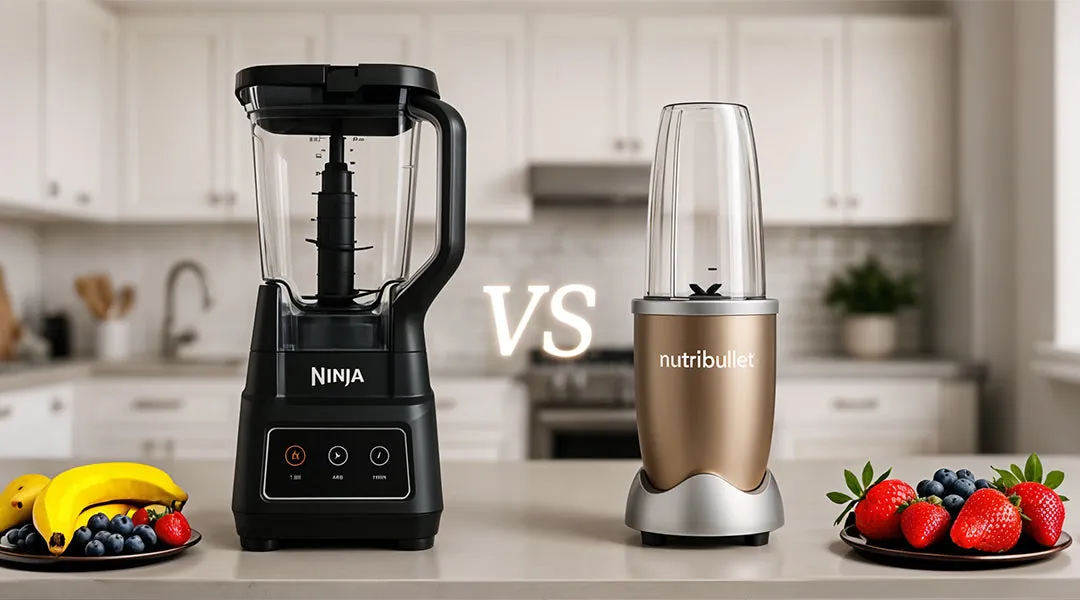
Ninja and Nutribullet blenders are both capable machines, but they’re built for different priorities: Ninja generally wins on power, larger capacity, and food-processing versatility, while Nutribullet wins on simplicity, a smaller countertop footprint, and easier everyday smoothies for one or two people. The right pick depends less on brand reputation and more on what you actually blend, how many people you blend for, and how much cleanup you’re willing to do.
Key Takeaways
- Ninja is the better all-rounder if you want one machine for smoothies, frozen drinks, sauces, and chopping — many models ship with multiple blades and cups.
- Nutribullet is the better smoothie specialist if your routine is a single daily shake and you want fewer parts and a smaller footprint.
- Wattage isn’t the whole story. Blade design, cup shape, and jar size affect results as much as motor power.
- Ninja tends to cost more at the top end, but entry-level Ninja and Nutribullet models sit in a similar price band.
- Nutribullet cups are generally simpler to clean because most models have fewer accessories and no full-size pitcher.
- Neither brand is “best” for everyone. Match the machine to your servings per day and whether you need food-processing functions.
Ninja vs Nutribullet at a Glance
| Feature | Ninja | Nutribullet |
|---|---|---|
| Typical motor range | 700–1,500+ watts | 500–1,200 watts |
| Main strength | Versatility (blend + chop + process) | Simple, fast single-serve smoothies |
| Typical capacity | 24–72 oz pitchers, plus cups | 18–32 oz cups, occasional pitchers |
| Number of parts | More (pitchers, lids, blades, cups) | Fewer (cup, blade, lid) |
| Countertop footprint | Larger on full-size models | Compact on most models |
| Best for | Families, meal prep, frozen drinks | Solo users, couples, quick shakes |
| Cleaning effort | Moderate (more components) | Low to moderate |
| Price range | Budget to premium | Budget to mid-range |
The Core Difference: Versatility vs Simplicity
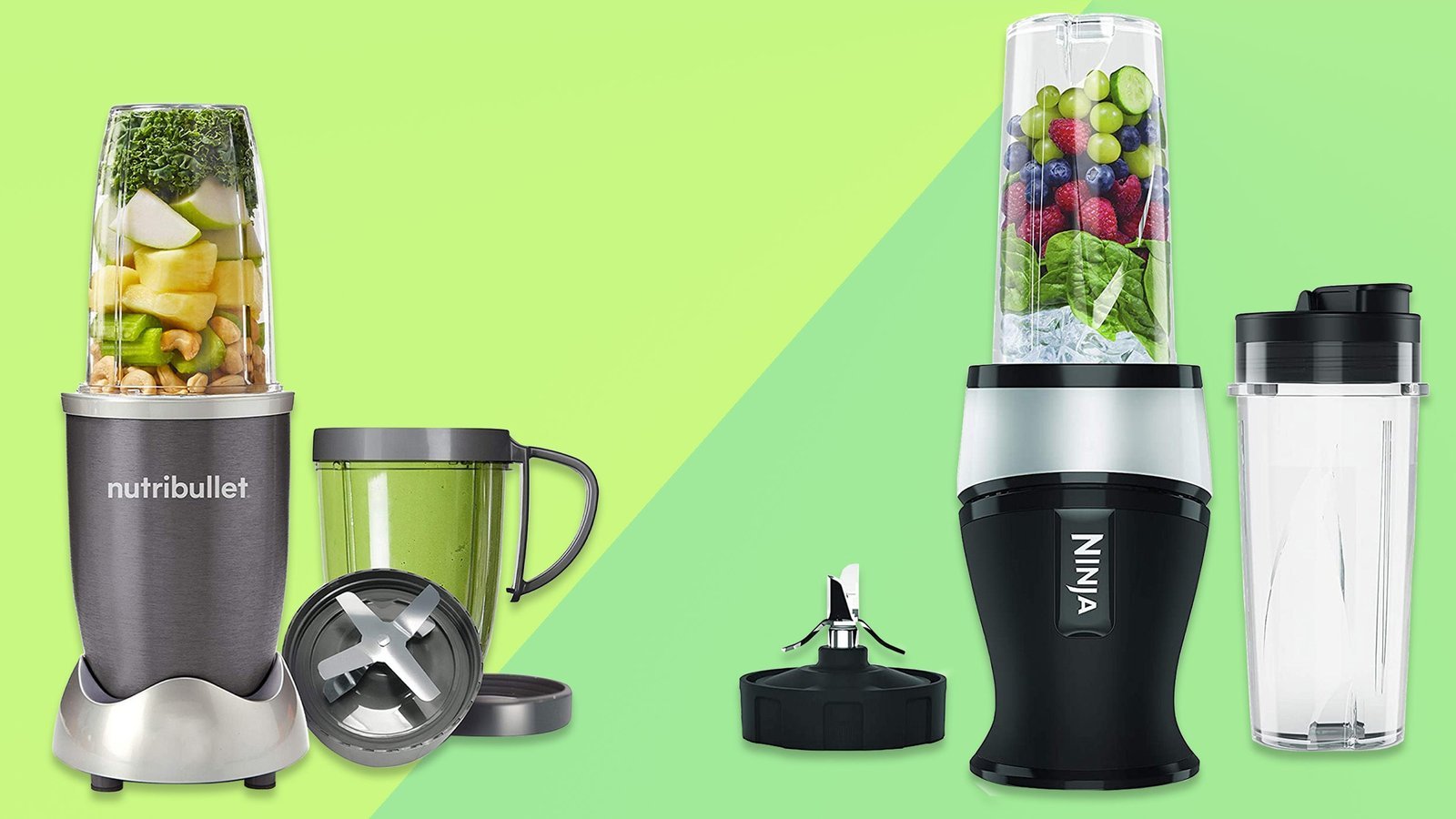
The cleanest way to understand these two brands is that they solve different problems. Ninja built its reputation on multi-function kitchen appliances — many models are technically blender-and-food-processor hybrids that can crush ice, chop vegetables, and knead dough depending on the attachment. Nutribullet built its reputation on one job done simply: dropping ingredients into a cup, twisting on a blade, and blending a single serving you can drink straight from.
That distinction matters more than any spec sheet. If you want to replace two appliances, Ninja usually makes more sense. If you want to replace a shaker bottle and a messy countertop routine, Nutribullet usually makes more sense.
Where Ninja Pulls Ahead
Ninja’s advantage is range. A mid-tier Ninja like the Ninja Professional or a Ninja Foodi model often includes a large pitcher for family-sized batches and smaller cups for individual servings in the same box. Higher-end models add dough blades, chopping bowls, and preset programs. For anyone who cooks — making soups, sauces, frozen margaritas, or baby food — that flexibility is genuinely useful.
Where Nutribullet Pulls Ahead
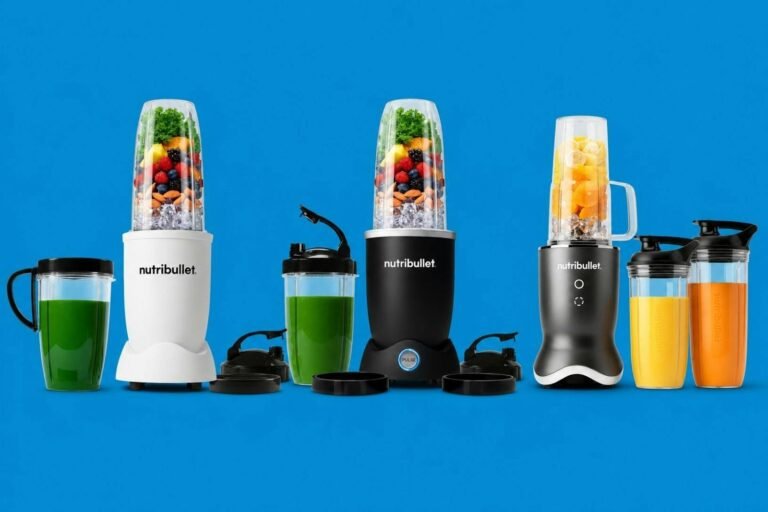
Nutribullet’s advantage is focus. The Nutribullet Pro and Nutribullet 900 are designed around extractor cups that double as travel cups. Fewer parts means fewer things to wash, store, or lose. If you make one smoothie a day and never need a full-size pitcher, that simplicity is a feature, not a limitation.
How Much Power Do You Actually Need?
Motor wattage is the most advertised number and the least useful on its own. A 900-watt motor with a well-designed blade and a narrow cup can outperform a 1,200-watt motor in a wide jar, because the narrower cup keeps ingredients circulating against the blades instead of letting them sit on the walls.
| Wattage Band | What It Handles Well | Typical Brand Fit |
|---|---|---|
| 500–700 W | Soft fruit, protein shakes, leafy greens | Entry Nutribullet, entry Ninja |
| 700–1,000 W | Frozen fruit, ice, nut butters (with patience) | Mid Nutribullet, mid Ninja |
| 1,000–1,500 W | Ice, frozen blocks, tough fibrous veg, dough | Higher-end Ninja, top Nutribullet |
Pro Tip: If frozen fruit and ice are a daily habit, prioritize a machine rated at 900 watts or higher regardless of brand — that’s the threshold where most users stop fighting their blender.
Ice, Frozen Fruit, and Tough Ingredients
Crushing ice is the classic stress test. Ninja full-size blenders are generally built with this in mind and often include a dedicated ice-crushing blade or preset. Nutribullet can crush ice on most Pro and higher models, but it’s slower and works best with small cubes and a little liquid.
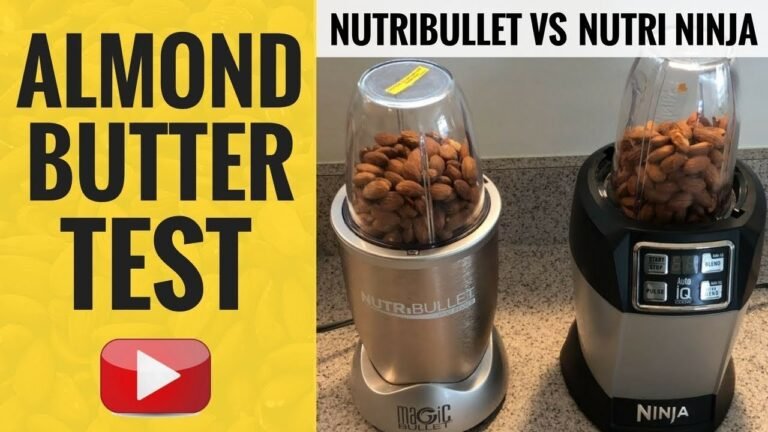
For fibrous ingredients like kale, celery, and ginger, both brands do fine as long as you add liquid first and don’t overload the cup. For nut butters and thick pastes, Ninja’s larger, more powerful models have a real edge because the wider jar lets you scrape and keep the mixture moving.
Warning: Never fill a personal cup past its maximum line and never blend dry ingredients without liquid — this is the most common cause of motor strain and leaking seals on both brands.
Capacity: Cups, Pitchers, and Servings
Capacity decides who the blender is really for.
- Nutribullet cups (18–32 oz): ideal for one person, one smoothie, one commute.
- Ninja cups (16–24 oz): similar single-serve role, but usually part of a larger set.
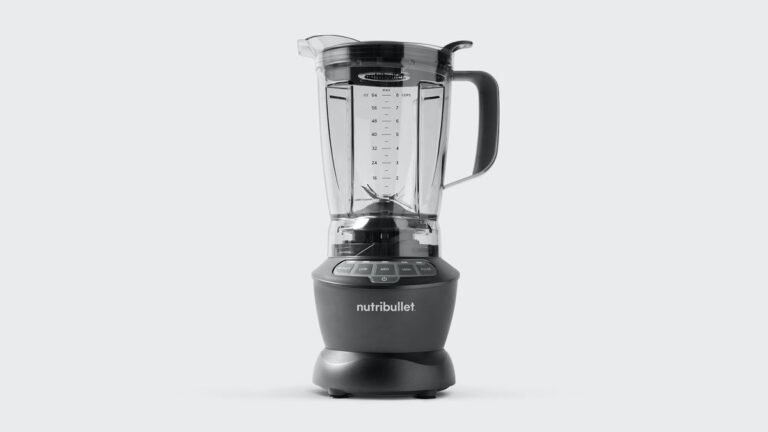
- Ninja pitchers (48–72 oz): enough for 4–6 servings, soups, and batch frozen drinks.
- Nutribullet pitchers (on select models): useful but less common and generally smaller.
If you regularly blend for a family, a pitcher isn’t optional — it’s the whole point. If you blend for yourself, a pitcher just becomes another bulky item to store.
Ease of Cleaning and Daily Use
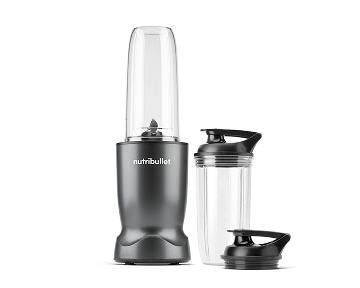
Nutribullet’s design philosophy pays off here. Most models involve three pieces: cup, blade base, and lid. Rinse the cup, twist off the blade, and you’re done. Many cups and lids are top-rack dishwasher safe.
Ninja’s extra versatility comes with extra parts. A full-size model might include a pitcher, a lid, a blade assembly, two cups, two travel lids, and a chopping bowl. That’s more to wash and more cabinet space consumed. The trade-off is real: you get more function but you pay for it in cleanup time.
Noise Levels
Both brands are loud — this is normal for high-speed blenders. Ninja full-size models tend to be louder simply because they’re more powerful and have larger jars that resonate. Nutribullet is generally quieter but not quiet. If noise matters, look for models with a sound enclosure or blend in shorter bursts.
Build Quality, Durability, and Warranty
Both brands sit in the mid-market. Neither is a commercial-grade Vitamix or Blendtec, and neither pretends to be. That said, both offer reasonable durability for home use if you respect the maximum fill lines and avoid running the motor continuously for long stretches.
Warranties vary by model and region, so check the specific product page rather than assuming. As a general pattern, motor-base warranties on both brands commonly run from one year on entry models to several years on premium ones. The parts most likely to fail first are the blade assemblies and the seals, not the motor.
Price and Value
Entry-level Ninja and Nutribullet models often land in a similar price band, which makes the decision about features rather than budget. The gap opens at the top: Ninja’s premium multi-function models cost significantly more because they include more attachments and higher wattage. Nutribullet’s ceiling is lower because it sells a narrower product.
Value depends on use. If a single-purpose blender covers 100% of your needs, paying for Ninja’s extra attachments is wasted money. If you would otherwise buy a separate food processor, Ninja can be the cheaper total purchase.
Which Brand Fits Your Kitchen?
| Your Situation | Better Pick | Why |
|---|---|---|
| One smoothie a day, solo | Nutribullet | Simple, compact, easy cleanup |
| Family of 3+ | Ninja | Large pitcher capacity |
| Frozen drinks and ice daily | Ninja | Higher wattage, ice presets |
| Tiny kitchen, little storage | Nutribullet | Fewer parts, smaller footprint |
| Want to replace a food processor | Ninja | Chopping and dough attachments |
| Tight budget, basic smoothies | Either (entry models) | Similar price and performance |
| Nut butters and thick pastes | Ninja | Wider jar, more power |
| Travel cup convenience | Nutribullet | Cups designed as to-go bottles |
Common Mistakes When Choosing a Ninja or Nutribullet Blender
- Buying on wattage alone. Blade and cup design matter just as much.
- Ignoring storage. A blender you can’t store is a blender you won’t use.
- Overbuying attachments. Most people never use the dough blade.
- Underbuying capacity. A 24-oz cup doesn’t feed a family.
- Skipping the fill lines. Overfilling causes leaks and motor strain on both brands.
Pro Tip: Before buying, measure your tallest cabinet shelf and your counter space. A blender that doesn’t fit gets relegated to a closet, and closet blenders get used roughly never.
Refurbished and Open-Box Options
Both brands appear regularly in certified refurbished and open-box listings through major retailers. This can cut the price meaningfully, and refurbished units usually carry a shorter warranty than new ones. If you go this route, buy from a seller with a clear return policy and confirm the warranty length in writing before checkout. Avoid third-party marketplace listings with no stated warranty, since blade and seal failures are the most common issues and replacements aren’t free.
Frequently Asked Questions
Is Ninja better than Nutribullet for smoothies?
For thick, frozen, or leafy smoothies, Ninja’s higher-wattage models generally blend faster and smoother. For simple fruit-and-yogurt smoothies in a single serving, Nutribullet performs just as well with less cleanup. The difference shows up mainly with ice and fibrous greens, not with soft fruit.
Can a Nutribullet crush ice?
Most Nutribullet Pro and higher models can crush ice, but they work best with small cubes, a little liquid, and short pulses. Entry-level models may struggle or leave chunks. If ice crushing is a daily need, a higher-wattage Ninja is the safer choice.
Which brand is easier to clean?
Nutribullet is generally easier because most models have fewer parts — typically a cup, blade base, and lid. Ninja models with pitchers and multiple attachments take longer to disassemble and wash. Both brands offer dishwasher-safe cups and lids on most current models.
Do Ninja and Nutribullet blenders have the same warranty?
No. Warranty terms vary by specific model and region, and both brands offer different coverage across their ranges. Always check the warranty stated on the exact product page you’re buying from rather than assuming it’s the same across the brand.
Is Ninja worth the extra cost?
It’s worth it if you’ll use the food-processing attachments, need a large pitcher, or blend ice and frozen ingredients often. If you only make single-serve smoothies, the extra cost buys features you’ll never touch, and Nutribullet is the better value.
Can I blend hot liquids in either brand?
Both brands generally advise against blending hot liquids in a sealed personal cup because pressure can build and cause the lid to blow off. If you blend soups, use a pitcher with a vented lid and let the liquid cool slightly first. Always follow the specific manual for your model.
A Note on Safety and Motor Care
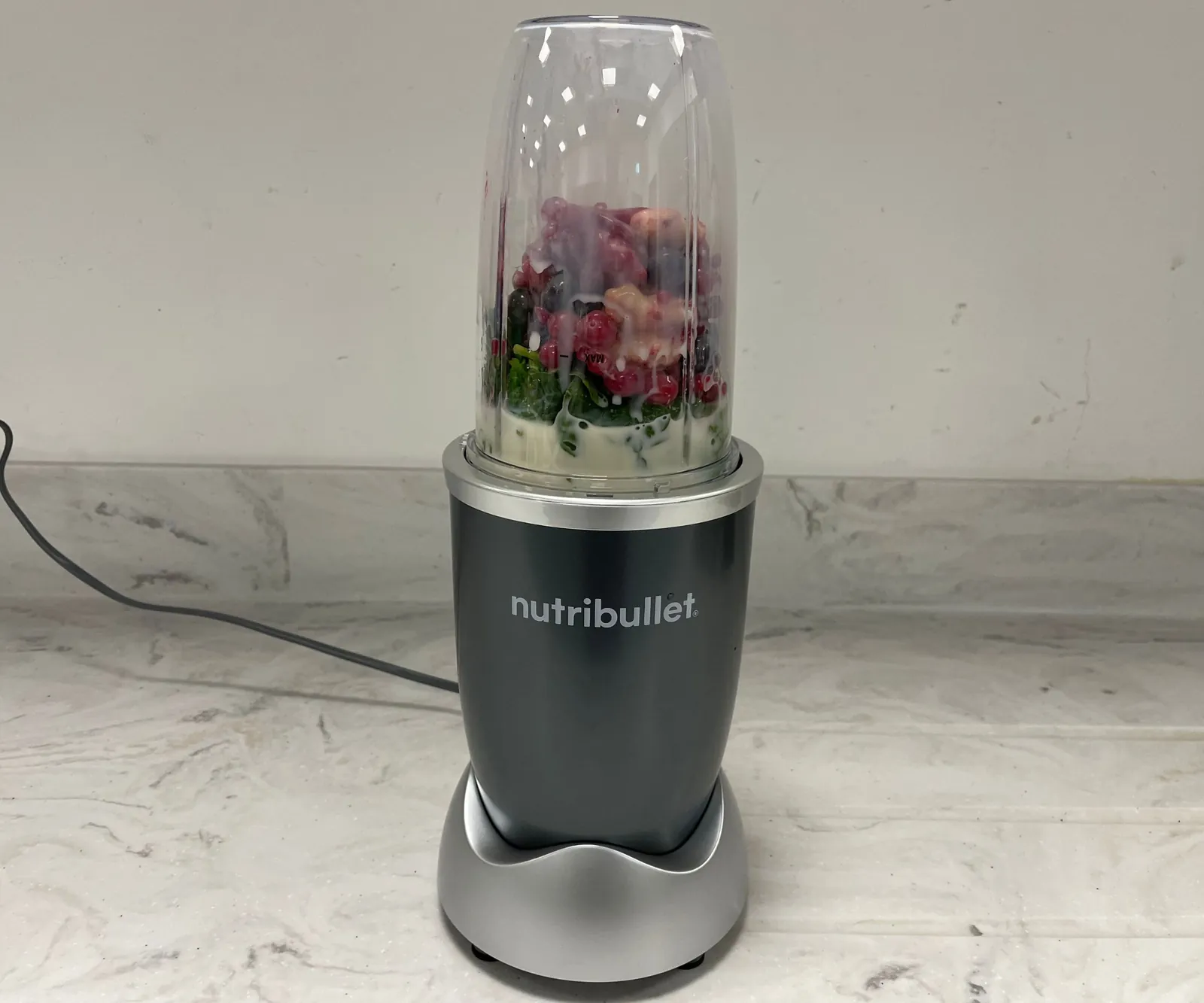
Blender safety is mostly about pressure and overload. Sealed cups plus hot or expanding contents equals a lid failure risk, and overfilled cups plus thick mixtures equals motor strain. Both brands publish usage limits in their manuals, and those limits exist because of real failure modes, not legal caution. Give the motor a rest between long blends, add liquid before solids, and never run a personal cup with the blade base attached while it sits on the counter unseated.
If you want a broader look at how small kitchen appliances are evaluated for electrical safety in the US, the CPSC’s consumer product safety information is a useful starting point for understanding recalls and safety notices.
Matching the Machine to Your Routine
The honest answer is that these two brands are optimized for different users, and the “better” one is simply the one that matches your habits. Ninja rewards people who cook, batch, and want one appliance to do several jobs. Nutribullet rewards people who want a fast, simple, single-serving routine with minimal cleanup and minimal counter space.
Neither is a bad purchase. The bad purchase is buying a 72-oz pitcher when you live alone, or buying a 24-oz cup when you’re blending breakfast for four. Decide your servings per day and whether you need chopping or dough functions, then buy the machine that covers exactly that — and nothing more.