Is A Hand Blender The Same As An Immersion Blender? Explained
Is A Hand Blender The Same As An Immersion Blender?
Blenders are everywhere in modern kitchens. They make smoothies, soups, sauces, and even baby food. But when you look for a blender, you may see two names: hand blender and immersion blender. Are these two the same? Or is there a difference? Many people get confused by these terms, especially if English is not their first language. Even experienced cooks sometimes mix them up. In this article, you’ll discover what each tool is, how they work, and whether you can use one instead of the other. You’ll also learn about their best uses, differences, similarities, and some surprising facts that most guides miss. With clear examples, practical advice, and helpful comparisons, this guide will help you make the right choice for your kitchen.
What Is A Hand Blender?
A hand blender is a small kitchen tool that lets you blend food right in the bowl, pot, or cup. It’s easy to use, simple to clean, and doesn’t take much space. Most hand blenders have a long stick shape, with a motor on one end and blades on the other. You hold the motor part in your hand and dip the blades into the food.
Main Features
- Portable design: Fits in your hand, lightweight
- Stick shape: Long and narrow, easy to move around
- Removable blades: Usually easy to clean
- One or more speeds: Some models have buttons for faster or slower blending
Common Uses
- Making smoothies in a glass
- Pureeing soups right in the pot
- Whipping cream or eggs
- Mixing baby food
- Blending sauces, dressings, and dips
Examples And Brands
Popular brands include Braun, KitchenAid, and Cuisinart. Most models are electric, but some cheaper ones may be manual. Electric models are more powerful and consistent.
Practical Insight
Many beginners think hand blenders are only for liquids. Actually, you can use them for soft solids like cooked vegetables, boiled potatoes, or even cooked beans. Just make sure the food is not too hard or chunky, or the blades may not work well.
What Is An Immersion Blender?
The term immersion blender is often used in stores and recipes. It sounds technical, but it simply means a blender you immerse (dip) into the food. Immersion blenders look almost the same as hand blenders: stick-shaped, with blades at the bottom.
Main Features
- Immersion use: You dip it into the food container
- Long handle: Keeps your hand away from splashes
- Detachable shaft: Makes cleaning easier in many models
- Variable speeds: Some models offer speed control
Common Uses
- Blending hot soups directly in the pot
- Making purees of cooked vegetables
- Mixing batters for pancakes or waffles
- Creating emulsions (mixing oil and water for dressings)
- Crushing ice in small amounts
Examples And Brands
You’ll see brands like Hamilton Beach, All-Clad, and Breville selling immersion blenders. Most are electric, but commercial kitchens may use higher-power models.
Surprising Fact
Some immersion blenders come with extra tools, like a whisk or chopper. These attachments can expand their use beyond simple blending, letting you chop onions, whip cream, or even make mayonnaise.
:max_bytes(150000):strip_icc()/sea-primary-immersion-blenders-sep-24-rkilgore-0658-89167e1e4bd44afb93d9c847674b09e4.jpeg)
Credit: www.seriouseats.com
Hand Blender Vs. Immersion Blender: Are They The Same?
This is the key question. The short answer: yes, a hand blender and an immersion blender are the same tool. Both terms describe the same appliance—a stick-shaped blender that you hold in your hand and dip into food.
Why Are There Two Names?
- Hand blender emphasizes how you use it (by hand)
- Immersion blender emphasizes how it works (immersed in food)
Manufacturers, recipes, and stores use both names. Sometimes, one brand calls it a hand blender, another calls it an immersion blender. There is no technical difference in most cases. Some companies use “hand blender” for models with extra attachments (like a whisk or chopper), but this is not a strict rule.
Regional Language Differences
In the US, “immersion blender” is more common in professional kitchens and recipe books. In Europe and Asia, “hand blender” is used more often. When shopping online, you may see both terms for the same product.
When Are They Not The Same?
Rarely, some stores use “hand blender” for any blender held in the hand, including old manual egg beaters or milk frothers. But in 99% of cases, hand blender means the same as immersion blender.
Non-obvious Insight
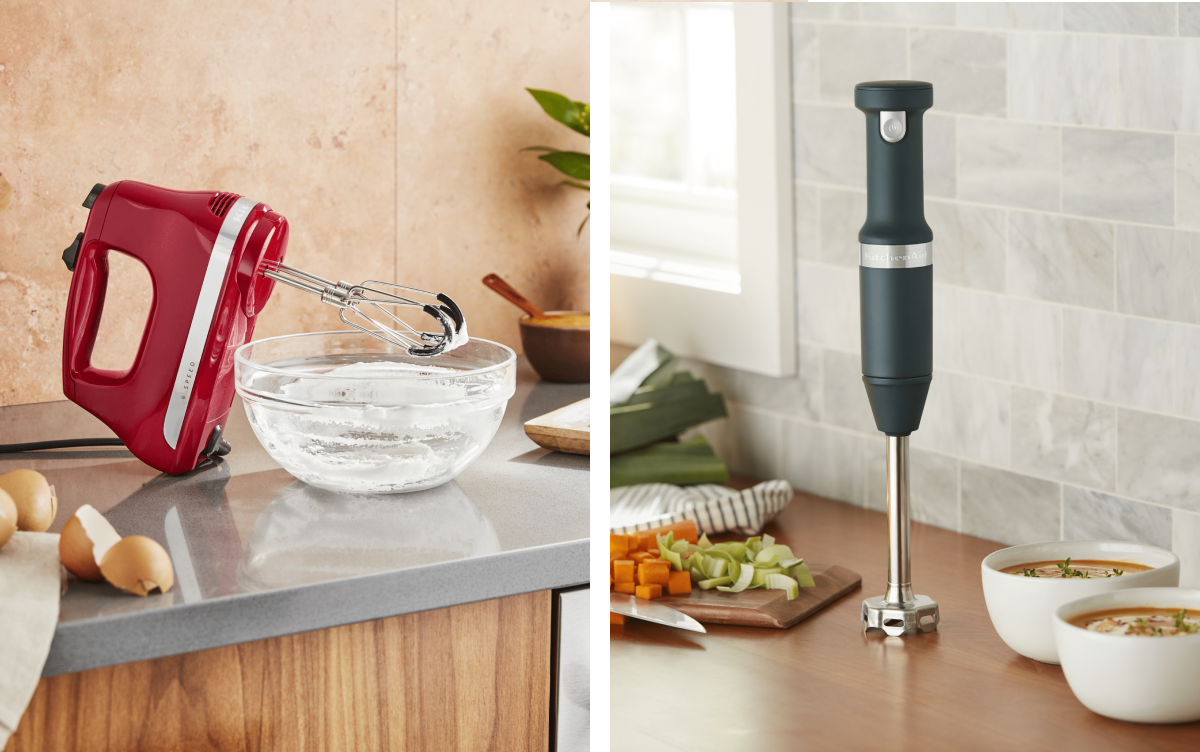
If you see a “hand mixer,” that is a different tool. Hand mixers have two spinning beaters and are used for baking, not blending. This causes confusion for many buyers. Always check the shape: an immersion/hand blender has a stick and blades, not beaters.
How Do Hand/immersion Blenders Work?
Both blenders work in the same way. You hold the motor part, dip the blade end into the food, and press the button. The blades spin quickly, cutting and mixing the food into a smooth texture.
Step-by-step Example: Making Soup
- Cook vegetables in a pot
- Add broth or water
- Place the immersion blender in the pot, making sure the blades are fully under the liquid
- Turn it on, move it around to blend everything
- Stop when the soup is smooth
Power And Performance
Most immersion/hand blenders have motors between 200–800 watts. More watts mean more power, but also more noise. For basic tasks like smoothies, 200–400 watts is enough. For tougher jobs (nuts, raw veggies), you may need 600+ watts.
Safety Tips
- Always keep the blades under the liquid before turning on
- Unplug before cleaning or changing attachments
- Don’t use in very shallow bowls (splashes and accidents)
- Never touch blades when the blender is plugged in
Cleaning Tips
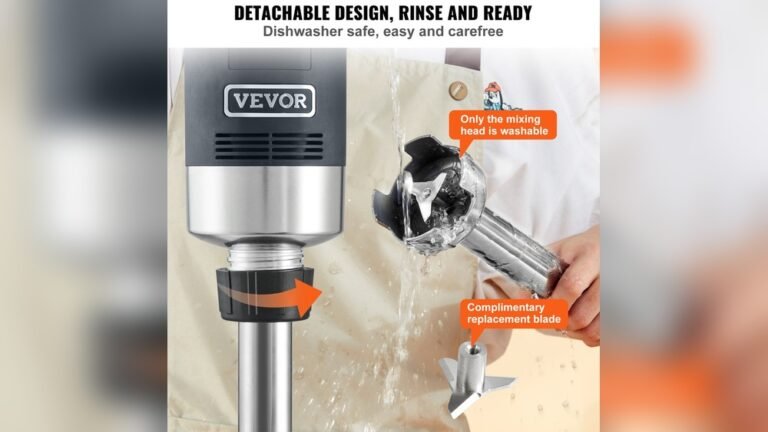
Detach the shaft and blades, rinse under water, or wash in the dishwasher if allowed. Wipe the motor part with a dry cloth.
Key Differences From Other Blenders
Hand/immersion blenders are not the same as countertop blenders or hand mixers.
Countertop Blenders
- Large base with jar, not portable
- Used for bigger batches, harder foods, crushing ice
- More powerful (500–1500 watts)
- Not used directly in the cooking pot
Hand Mixers
- Two spinning beaters, not blades
- Used for mixing dough, batter, whipping cream
- Not for blending soups or smoothies
Bullet Blenders
- Small jar, motor base
- Used for smoothies, but not for hot foods
Non-obvious Insight
Hand/immersion blenders are better for hot foods because you can use them directly in the pot. Countertop blenders often break or leak with hot liquids.
Hand Blender/immersion Blender Vs. Countertop Blender: Practical Comparison
Here’s a simple comparison to help you see the differences.
| Feature | Hand/Immersion Blender | Countertop Blender |
|---|---|---|
| Portability | Very portable | Heavy, not portable |
| Cleaning | Easy | More work |
| Batch Size | Small to medium | Medium to large |
| Hot Foods | Works well | Can leak or break |
| Power | 200–800 watts | 500–1500 watts |
| Price Range | $20–$150 | $40–$400 |
Advantages Of Hand/immersion Blenders
Hand/immersion blenders are popular for many reasons. Here are some clear benefits:
- Easy to clean: Most models have detachable shafts. Rinse and go.
- Compact size: Takes little space in the kitchen.
- Fast results: You can blend soups or sauces in seconds.
- Versatile: Use for smoothies, soups, sauces, baby food, and more.
- Affordable: Many good models cost under $40.
- Safe for hot foods: You can blend right in the cooking pot.
- Low noise: Quieter than big blenders.
Practical Example
If you make soup often, an immersion blender saves time. No need to transfer hot liquid to a jar—just blend in the pot. This reduces mess and risk of spills.
Non-obvious Insight
Some immersion blenders can be used in metal, glass, or plastic bowls. But if your pot has a non-stick coating, check if the blender’s blade guard is gentle. Some models scratch non-stick surfaces, which can ruin the pot.
Disadvantages And Limitations
Even the best hand/immersion blenders have limits:
- Not for hard foods: Cannot crush ice or raw carrots well
- Small batches only: Not good for large family meals
- Lower power: May struggle with thick mixtures
- Risk of splashing: If used in shallow bowls, food can spray
- Some models overheat: Continuous use can cause motor problems
Example
If you want to crush ice for frozen drinks, a countertop blender is better. Hand/immersion blenders are not strong enough for this job.
Non-obvious Insight
Some cheap hand blenders have plastic gears inside. These break easily if you push too hard. Look for models with metal gears for longer life.
Choosing The Right Hand/immersion Blender
If you decide to buy a hand/immersion blender, here’s what matters:
Key Factors
- Motor power: 300–600 watts is good for most home uses
- Blade material: Stainless steel is stronger, lasts longer
- Speed settings: More speeds give better control
- Attachments: Whisk, chopper, and beaker expand the use
- Ease of cleaning: Detachable shaft is best
- Grip comfort: Non-slip handle helps with wet hands
Comparison Table: Popular Models
| Brand | Power (Watts) | Speeds | Blade Material | Attachments | Price |
|---|---|---|---|---|---|
| Braun MQ505 | 350 | 2 | Stainless Steel | Whisk, Beaker | $45 |
| KitchenAid KHB2351 | 200 | 3 | Stainless Steel | Chopper, Whisk, Beaker | $60 |
| Breville BSB510XL | 280 | 15 | Stainless Steel | Whisk, Chopper, Jug | $120 |
| Hamilton Beach 59765 | 225 | 2 | Stainless Steel | Chopper, Whisk | $35 |
Common Buyer Mistakes
- Buying too weak a motor for tough jobs
- Ignoring blade quality (plastic blades break)
- Choosing based only on price, not features
- Forgetting to check attachments
- Not checking cleaning method (some are not dishwasher-safe)
Smart Ways To Use A Hand/immersion Blender
If you want to get the most from your blender, try these tips:
- Use in deep containers: Prevents splashes and spills
- Move slowly: Start on low speed, then increase
- Blend in batches: For large amounts, do a little at a time
- Pulse action: Short bursts work better for thick mixtures
- Cool hot foods: Let soups cool slightly before blending for safety
Example
For mayonnaise, use the immersion blender in a tall glass jar. Pour oil slowly, blend, and you get creamy mayo in less than a minute.
Non-obvious Insight
Some recipes (like pesto or salsa) work better with a chopper attachment, not the stick blender. Use the right tool for the job.
Maintenance And Longevity
To keep your hand/immersion blender working well:
- Clean the blades and shaft after each use
- Never immerse the motor part in water
- Check for cracks or wear in plastic parts
- Store in a dry place
- Use only as recommended (don’t overload)
Troubleshooting Common Problems
If the blender stops working:
- Check if the shaft is attached properly
- Make sure the plug is firmly in the outlet
- Let the motor cool if overheated
- Replace blades if dull (some models allow this)
Hand/immersion Blender For Different Foods
Hand blenders can handle many types of food. Here are some examples:
Soups
Blend hot or cold soups directly in the pot. Perfect for creamy tomato, lentil, or pumpkin soup.
Smoothies
Use in a tall glass or beaker. Blend fruit, milk, yogurt, or greens.
Sauces
Tomato sauce, pesto, or salad dressings mix quickly.
Baby Food
Puree cooked veggies, fruits, or meats for soft baby food.
Whipped Cream
Use a whisk attachment for light, fluffy cream.
Non-obvious Insight
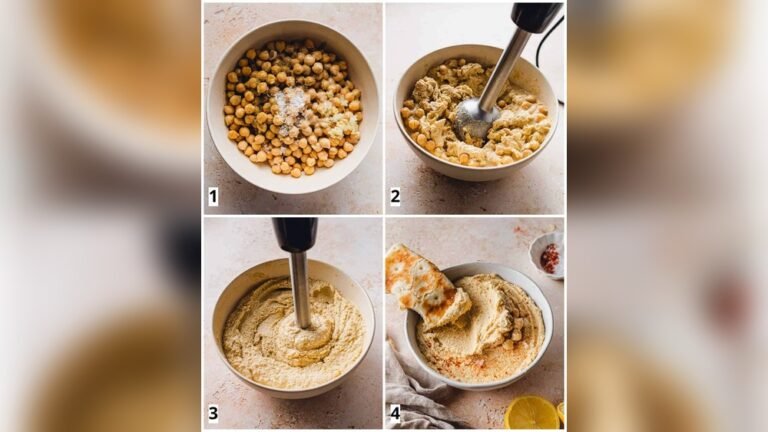
You can use an immersion blender to make hummus or bean dips. It’s faster than mashing by hand and less messy than a food processor.
Immersion Blender Attachments: What Do They Do?
Some hand/immersion blenders come with extra attachments. Here’s what they’re for:
- Whisk: Whips cream, eggs, or batter
- Chopper: Chops nuts, herbs, onions, or garlic
- Beaker: Mixes drinks, dressings, or sauces
- Jug: For larger batches, easy pouring
Practical Example
If you bake a lot, a whisk attachment helps with whipping eggs or cream. If you cook often, a chopper attachment saves time with onions and garlic.
Non-obvious Insight
Most attachments work only with the same brand/model. Don’t buy attachments from other brands hoping they fit.
Cleaning And Storage
Good cleaning and storage keep your blender safe and ready.
- Detach blades: Clean separately
- Rinse immediately: Prevent food from drying and sticking
- Dishwasher safe: Many shafts and blades can go in the dishwasher
- Dry well: Prevents rust and mold
- Store upright: Prevents bending or breaking blades
Common Mistake
Some users try to wash the motor part. Never put it in water. Wipe with a dry cloth only.
Safety Tips
Hand/immersion blenders are safe if used carefully.
- Keep fingers away from blades
- Don’t let children use without supervision
- Unplug before cleaning or changing attachments
- Don’t use with very hot food (risk of burns from splashes)
- Use in deep containers
Example
If blending hot soup, cover the pot partly with a lid to reduce splashes. Start on low speed.
Hand Blender/immersion Blender: Stats And Market Data
Hand/immersion blenders are common in homes around the world.
- In the US, over 60% of households own a hand or immersion blender (Statista, 2026)
- The global market is growing at 5% per year
- Most popular price range: $30–$60
- Average lifespan: 3–7 years (with regular maintenance)
- Most common uses: Soups (38%), smoothies (29%), sauces (18%), baby food (15%)
Non-obvious Insight
High-end immersion blenders last longer and work better for thick foods. But for simple tasks, mid-range models are fine.
Immersion Blender Vs. Stick Blender Vs. Hand Blender: Terminology
You may see other names for the same tool:
- Stick blender: Same as immersion/hand blender
- Wand blender: Same tool, less common term
- Handheld blender: Sometimes used for small countertop blenders, but usually means immersion blender
Practical Tip
When shopping, always look at the picture and description. Ignore confusing names—check for the stick shape and blades.
Professional Vs. Home Models
Professional immersion blenders are bigger, stronger, and more expensive.
| Feature | Home Model | Professional Model |
|---|---|---|
| Power | 200–600 watts | 800–2000 watts |
| Size | 12–16 inches | 18–26 inches |
| Batch Size | 1–2 liters | 5–20 liters |
| Price | $20–$120 | $300–$1000 |
| Attachments | Few | Many |
Non-obvious Insight
Professional models are used in restaurants for big batches of soup or sauce. Home models are perfect for family cooking.
Real-life Examples: How People Use Immersion/hand Blenders
- Student living alone: Uses a hand blender for smoothies, saves space.
- Busy parent: Makes baby food quickly, purees soup for family dinners.
- Home chef: Whips cream, makes pesto, blends tomato sauce.
- Health enthusiast: Blends protein shakes, mixes dressings.
- Restaurant cook: Uses professional immersion blender for large soup pots.
Practical Insight
If you travel or move often, a hand blender is a good choice. It fits in a suitcase and works in any kitchen.
Immersion Blender For Special Diets
Hand/immersion blenders are useful for special diets:
- Vegetarian: Puree beans, veggies, soups
- Vegan: Blend nut milks, hummus, sauces
- Baby food: Make fresh purees
- Low carb: Blend cauliflower, eggs, or cheese
- Protein shakes: Mix powders, nuts, fruits
Non-obvious Insight
Many people with swallowing problems use immersion blenders to make food easier to eat.
Credit: www.kitchenaid.com
Immersion Blender Cleaning: Avoiding Common Mistakes
- Don’t soak the motor part
- Rinse blades right after use
- Use a brush for sticky food
- Check for food stuck in blade guard
- Dry completely before storing
Example
If you blend sticky foods like peanut butter, clean immediately. Otherwise, it becomes hard to remove.
Environmental Impact And Durability
Hand/immersion blenders are more energy efficient than big blenders. They use less power and need fewer materials.
- Less plastic and metal than countertop blenders
- Lasts longer with good maintenance
- Many brands offer recyclable parts
Non-obvious Insight
Some brands have “repair kits” for their blenders. This lets you fix small problems without buying a new one.
:max_bytes(150000):strip_icc()/sea-immersion-blenders-sep-24-test-kitchenaid-go-cordless-battery-included-rkilgore-1164-037a41c0d176499986553674a8ccf56c.jpeg)
Credit: www.seriouseats.com
Where To Buy And How To Choose
- Online: Amazon, Walmart, Best Buy, brand websites
- In stores: Kitchen shops, supermarkets
- Check reviews: Look for real user feedback
- Compare features: Power, blade, attachments
If you want more information, see Wikipedia’s Immersion Blender page for detailed history and uses.
Frequently Asked Questions
Is A Hand Blender The Same As An Immersion Blender?
Yes, both terms describe the same tool—a stick-shaped blender you hold in your hand and dip into food. The names are used interchangeably by brands and recipes.
Can I Use A Hand/immersion Blender For Ice Or Hard Foods?
No. Hand/immersion blenders are not strong enough for ice or raw hard foods. Use a countertop blender for those tasks.
Are Hand/immersion Blenders Safe For Hot Soup?
Yes, they are designed for hot foods. Blend directly in the pot, but start on low speed and use deep containers to avoid splashes.
What Attachments Can Come With Immersion Blenders?
Common attachments include a whisk (for cream or eggs), chopper (for nuts or onions), beaker (for drinks), and jug (for larger batches).
How Long Do Hand/immersion Blenders Last?
With regular cleaning and careful use, most models last 3–7 years. High-end models and professional tools may last longer.
Hand blenders and immersion blenders have changed the way people cook. They are simple, fast, and easy to use. Whether you call it a hand blender or an immersion blender, you get the same tool. The names may confuse, but the use is clear.
With the right model and careful use, you can make soups, smoothies, sauces, and more in minutes. Understanding their features, limits, and best practices helps you enjoy better food and a smoother kitchen experience.