Is An Immersion Blender The Same As A Frother? Key Differences Explained
Every kitchen tool has its purpose, but sometimes the names and uses get confusing. If you enjoy coffee, cooking, or even smoothies, you may have seen both immersion blenders and frothers. They look similar, both have handles and spinning parts, and both mix things up. But are they really the same? Many people think these tools can do each other’s jobs. In reality, there are big differences in how they work and what they can do. This article will break down the facts, compare their functions, explain how they’re used, and help you choose the right tool for your needs. You’ll also find expert insights and practical advice to clear up common mistakes people make with these devices.
What Is An Immersion Blender?
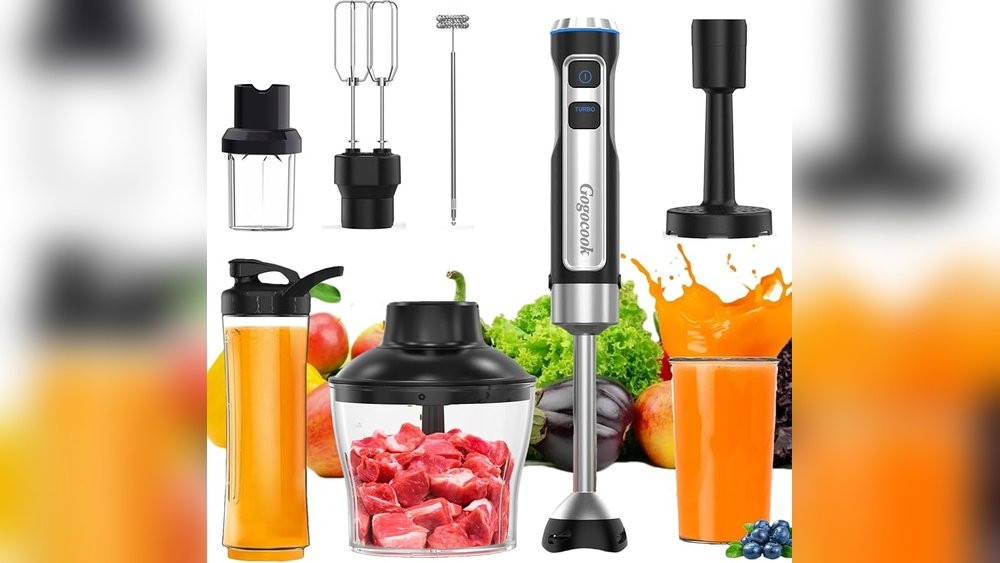
An immersion blender is also called a hand blender or stick blender. It is a motorized device with a long handle and spinning blades at the end. You hold it in your hand and dip it directly into food or liquid. The blades spin fast to blend, puree, or mix ingredients.
Immersion blenders have been around since the 1950s. They were designed to make blending easier, especially for soups and sauces. Unlike traditional blenders, you don’t pour ingredients into a jug. Instead, you bring the blender to the food.
Main Uses
Immersion blenders are versatile. Some common uses include:
- Making creamy soups directly in the pot
- Blending smoothies or milkshakes
- Pureeing vegetables for baby food
- Mixing sauces or dressings
- Whipping cream or eggs
How It Works
The motor turns the blade at the bottom. When you press the button, the blade spins and creates a vortex. This pulls food toward the blade, chopping and mixing it quickly. You control the blending by moving the stick around.
Key Features
Immersion blenders usually have:
- A powerful motor (100 to 800 watts)
- Stainless steel or plastic shaft
- Detachable blade for cleaning
- Variable speed settings
Some models come with extra attachments like whisk or chopper.
Non-obvious Insight
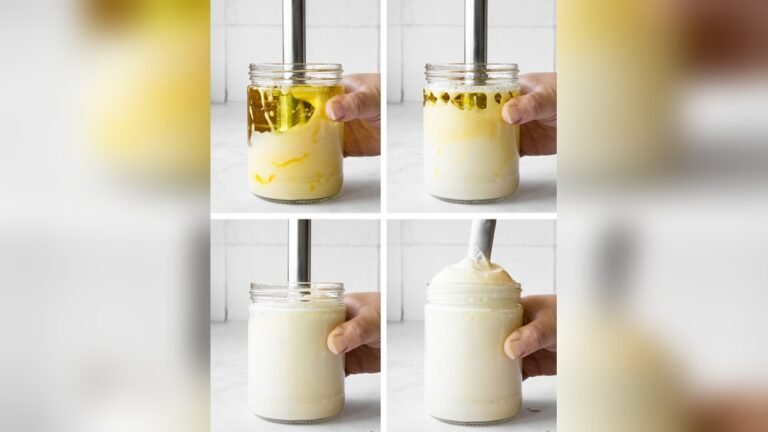
Many people don’t realize that immersion blenders can handle hot foods. You can blend soup right in the pot without waiting for it to cool. This saves time and reduces mess. Also, immersion blenders can help make emulsions, such as mayonnaise, because the blade creates tiny droplets that mix oil and water.
What Is A Frother?
A frother is a small tool designed mainly for making foam. You see them often with coffee drinks like cappuccino and latte. The most common type is the handheld milk frother. It has a thin wand with a small whisk at the end.
There are also manual and electric frothers. Manual frothers usually look like a small pump. Electric frothers can be standalone machines that both heat and froth milk.
Main Uses
Frothers are specialized. Their main jobs are:
- Frothing milk for coffee drinks
- Creating foam for hot chocolate
- Mixing protein shakes or powdered drinks
- Lightly blending eggs or small amounts of liquid
How It Works
A frother spins a tiny whisk at high speed. It introduces air into the milk or liquid, making it light and foamy. The foam sits on top of the drink, giving it a creamy texture.
Key Features
Typical frothers have:
- Low-power motor (15 to 30 watts)
- Stainless steel whisk or coil
- Light, compact design
- Single speed
Some frothers heat milk as they froth, but most handheld models just mix.
Non-obvious Insight
Frothers aren’t only for coffee. You can use them to mix salad dressings, beat eggs, or blend powdered supplements. However, they struggle with thick or chunky ingredients.

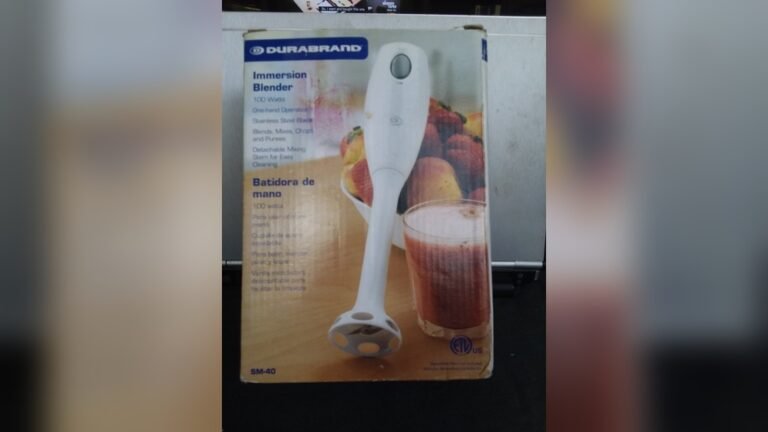
Credit: www.walmart.com
Comparing Immersion Blenders And Frothers
Many people ask if these tools can be swapped. Let’s look at the facts. Both immersion blenders and frothers spin parts in liquids, but their design, power, and purpose are very different.
Here is a direct comparison:
| Feature | Immersion Blender | Frother |
|---|---|---|
| Main Function | Blending, pureeing, mixing | Frothing, aerating |
| Power | 100–800 watts | 15–30 watts |
| Blade/Whisk Size | Large, sharp blade | Tiny whisk or coil |
| Best For | Soups, smoothies, sauces | Milk, coffee foam, light mixing |
| Handling Hot Food | Yes | No (unless specifically designed) |
| Durability | Heavy-duty | Light-duty |
| Cleanup | Detachable parts | Simple rinse |
Design Differences
Immersion blenders are built for tough jobs. They have sharp blades that can cut through vegetables, ice, or even meat. Frothers, on the other hand, have delicate whisks that are good for light liquids.
Performance
Immersion blenders can create foam, but the texture is different. They blend everything together. Frothers make separate foam on top of liquids. If you use a blender to froth milk, you may get bubbles, but not the silky foam needed for latte art.
Safety
Because immersion blenders are powerful, they can be dangerous if used incorrectly. The blades are sharp and spin fast. Frothers are safer; the whisk is small and less likely to cause injury.
Noise
Immersion blenders are louder because of their motor. Frothers make a soft whirring sound.
Common Mistakes
One mistake is trying to use a frother for thick soups. It won’t work. Another is using an immersion blender to make foam. You’ll get liquid, not foam.
Can You Use An Immersion Blender As A Frother?
People often try to use one tool for everything. Sometimes, this works. Sometimes, it doesn’t.
In Theory
Immersion blenders can introduce air into milk and make bubbles. You can get some foam, but it’s not the same quality as a frother. The blender mixes everything, breaking down fats and proteins. The foam is less stable and disappears quickly.
Practical Test
Let’s look at some real-world tests. Many coffee lovers have tried making latte foam with immersion blenders. They usually report:
- Foam is thin and disappears fast
- Large bubbles, not creamy microfoam
- Difficult to control texture
Baristas recommend using a frother for the best results.
When It Works
If you don’t care about perfect foam, and just want a bit of froth, an immersion blender can work. For cappuccino, though, you need a frother or steam wand.
Non-obvious Insight
Immersion blenders can help with whipping cream or egg whites, which is a similar process to frothing. But the result is not the same as milk foam.
Can You Use A Frother As An Immersion Blender?
This is a common question. Frothers are cheap and easy to use. But can they blend soup or smoothies?
Limitations
Frothers don’t have the power or blade size for blending solid food. Trying to blend soup, vegetables, or ice with a frother will fail. The whisk cannot chop or puree.
What Works
A frother can mix liquids or light powders. For example:
- Stirring protein powder into water
- Mixing hot chocolate
- Beating eggs for omelets
What Fails
Frothers cannot:
- Blend thick smoothies
- Puree vegetables
- Crush ice
- Mix heavy sauces
Non-obvious Insight
Some people use frothers to emulsify salad dressings (oil and vinegar). It works for small amounts, but not if there are chunks.
Which Tool Should You Choose?
Choosing between an immersion blender and a frother depends on what you need. There is no “one size fits all” answer. Let’s break down the decision.
For Coffee Lovers
If your main goal is to make milk foam for coffee, a frother is the best choice. It makes creamy foam quickly. Some models even heat the milk. Immersion blenders can make bubbles, but not true foam.
For Cooking
If you cook soups, sauces, or smoothies, you need an immersion blender. It can handle hot food and blend tough ingredients. Frothers cannot do this.
For Multi-purpose Use
If you want a tool for many jobs, immersion blenders are more versatile. They can whip, blend, and puree. Some models have attachments for whisking.
For Small Tasks
Frothers are perfect for quick jobs—making foam, stirring drinks, or mixing eggs. They are light and easy to clean.
Price Comparison
Immersion blenders cost between $30 and $150, depending on power and features. Frothers cost $10 to $50. Frothers are cheaper, but less versatile.
| Task | Immersion Blender | Frother |
|---|---|---|
| Blending Soup | Excellent | Not possible |
| Making Smoothies | Good | Not possible |
| Whipping Cream | Good | Possible for small amounts |
| Frothing Milk | Average | Excellent |
| Mixing Eggs | Good | Good for small amounts |
| Price Range | $30–$150 | $10–$50 |
Common Buyer Mistakes
- Choosing by price only: Cheap frothers can’t blend soup, and expensive blenders can’t make perfect foam.
- Ignoring cleaning: Immersion blenders need careful cleaning of blades. Frothers can be rinsed easily.
- Assuming “one tool does all”: The design and power matter more than looks.

Credit: www.amazon.com
Real-life Examples And Use Cases
Understanding how these tools work in real kitchens helps you make the right choice. Let’s look at practical situations.
Making Soup
Imagine you have a pot of vegetable soup. You want it smooth and creamy. An immersion blender does the job in seconds. A frother will just spin on the surface.
Coffee Time
You want a cappuccino with thick foam. A frother creates the perfect foam. An immersion blender may make bubbles, but the texture is wrong.
Smoothies
Want to blend fruit, ice, and yogurt for a smoothie? The immersion blender can handle it. The frother cannot.
Whipping Cream
Both tools can whip cream, but immersion blenders are faster and handle bigger batches.
Mixing Protein Shakes
If you just need to mix powder into water or milk, a frother is fast and easy. If you add fruit or ice, you need a blender.
Non-obvious Insight
Some immersion blenders have whisk attachments. These can make foam like a frother, but still, the texture differs. The main blade is not ideal for frothing.
How To Use An Immersion Blender Safely
Immersion blenders are powerful, so safety is important.
- Always unplug before cleaning.
- Never touch the blades while spinning.
- Use in deep pots to avoid splashes.
- Start on low speed, then increase.
- Don’t overload with hard ingredients.
Cleaning is easy—detach the blade and rinse, or use a dishwasher if allowed.
How To Use A Frother Safely
Frothers are simple, but there are a few tips:
- Don’t use with hot liquids unless designed for it.
- Clean the whisk after each use.
- Use in a tall mug to avoid splashing.
- Don’t force through thick mixtures.
They are easy to clean—just rinse the whisk.
Maintenance And Durability
Both tools need care to last.
Immersion Blender
- Clean blades after each use.
- Don’t run motor for long periods.
- Store in a dry place.
- Check cord for damage.
Immersion blenders usually last 3–5 years with good care.
Frother
- Rinse whisk immediately after use.
- Avoid bending the coil.
- Replace batteries in handheld models.
Frothers last 1–3 years. Manual frothers can last longer.
Popular Models And Brands
Knowing which brands are trusted can help you choose.
Immersion Blenders
- Breville
- KitchenAid
- Cuisinart
- Braun
These brands offer good power, durability, and attachments.
Frothers
- Aerolatte
- Bodum
- Nespresso
- Zulay
Popular for reliable foam and easy cleaning.
Non-obvious Insight
Some brands offer combo tools—a blender with frother attachment. However, the performance is usually better with separate devices.
The Science Behind Frothing And Blending
Understanding how these tools work helps you use them better.
Frothing
Frothing is about adding air to liquid. Milk contains proteins and fats. When you froth milk, the whisk moves quickly, trapping air. Proteins stabilize the bubbles, creating foam. The best foam comes from milk at 140–150°F.
Blending
Blending is about breaking down solid food into small particles. The blade spins fast, creating a vortex. Food is pulled in, chopped, and mixed. Blenders can emulsify (combine oil and water), puree, and crush.
Data And Statistics
- Immersion blenders reach speeds of 15,000–20,000 RPM.
- Frothers spin at 2,000–4,000 RPM.
- Frother foam can increase milk volume by up to 2x.
- Immersion blenders can reduce soup particle size by over 80% in 30 seconds.
Environmental Impact And Energy Use
People are more aware of energy and materials today.
Immersion Blender
- Uses more power (100–800 watts)
- Long-lasting, but more parts to dispose
- Usually made of plastic and metal
Frother
- Low power (15–30 watts or manual)
- Simple design, fewer parts
- Often battery-powered
If you want to save energy, frothers use much less. However, immersion blenders replace bigger tools (like countertop blenders), which can save space and materials.
Cleaning And Hygiene Tips
Kitchen tools must be kept clean to prevent germs.
Immersion Blender
- Detach blade and wash after every use.
- Don’t let food dry on blade—hard to remove.
- Dry completely before storing.
Frother
- Rinse whisk immediately.
- Don’t soak battery parts.
- Store in a dry place.
Poor cleaning can lead to mold, rust, or bad smells.
Troubleshooting Common Problems
Sometimes, tools don’t work as expected. Here’s what to do.
Immersion Blender Problems
- Won’t turn on: Check power, safety lock, cord.
- Blade stuck: Unplug and clean thoroughly.
- Splashes: Use a deeper container, start slow.
Frother Problems
- No foam: Use fresh milk, avoid overheating.
- Whisk bent: Replace whisk or straighten gently.
- Low power: Change batteries.
Non-obvious Insight
Frothers work best with whole milk. Skim milk makes less stable foam. Immersion blenders can handle any liquid, but chunkier foods need more power.
Expert Opinions And Research
Food experts and baristas agree: immersion blenders and frothers are not the same. Each tool is designed for a specific job. Using the right tool saves time and gives better results.
A study from the Specialty Coffee Association found that milk foam made with frothers had more stable microbubbles than foam made with blenders. Another research by consumer kitchen review sites shows immersion blenders outperform frothers in blending, but not in frothing.
For more detailed science, see the Specialty Coffee Association.
Advanced Uses And Hacks
Experienced cooks find creative ways to use these tools.
Immersion Blender Hacks
- Make homemade mayonnaise quickly.
- Blend pancake batter without lumps.
- Puree beans for dips like hummus.
Frother Hacks
- Mix salad dressings in seconds.
- Whip small amounts of cream for desserts.
- Blend matcha tea powder smoothly.
Non-obvious Insight
Some people use frothers for cocktails, mixing ingredients without shaking. Immersion blenders can make cold soups like gazpacho.
Buying Tips: What Really Matters
When shopping, consider these factors:
- Purpose: What will you use it for?
- Power: More watts means more versatility.
- Size: Choose a comfortable handle.
- Attachments: Extra tools add value.
- Cleaning: Detachable parts are easier.
- Brand reputation: Trusted brands last longer.
- Warranty: Look for at least 1 year.
Avoid buying based just on price or looks. Read reviews and check product details.
Summary Table: Immersion Blender Vs. Frother
Here’s a quick recap of the main differences.
| Aspect | Immersion Blender | Frother |
|---|---|---|
| Purpose | Blend, puree, mix | Froth, aerate |
| Power | High | Low |
| Design | Sharp blade | Tiny whisk |
| Best For | Soups, smoothies | Milk foam, drinks |
| Price | $30–$150 | $10–$50 |
| Cleaning | Needs careful cleaning | Easy rinse |
| Durability | 3–5 years | 1–3 years |
Frequently Asked Questions
Can An Immersion Blender Make Milk Foam Like A Frother?
Immersion blenders can create some bubbles in milk, but the foam is not as creamy or stable as what a frother makes. Frothers are designed to add air and create microfoam, which is ideal for coffee drinks. Immersion blenders tend to mix everything together, so the foam disappears quickly.
Is A Frother Strong Enough To Blend Soup Or Smoothies?
No. Frothers are too weak and have small whisks. They cannot blend solid ingredients or puree soups. They are made for light, liquid tasks only. For blending soup or smoothies, you need an immersion blender or a countertop blender.
Are Immersion Blenders And Frothers Safe For Children To Use?
Frothers are generally safe for older children, as the whisk is small and not sharp. Immersion blenders have sharp blades and strong motors, so they should only be used by adults or supervised older children. Always follow safety instructions for any kitchen tool.
Which Tool Is Easier To Clean: Immersion Blender Or Frother?
Frothers are easier to clean because the whisk is small and can be rinsed quickly. Immersion blenders have blades and sometimes attachments that need careful cleaning. Detachable parts help, but cleaning takes a bit more time.
Can I Use Either Tool For Whipping Cream Or Eggs?
Both tools can whip cream or eggs, but immersion blenders are faster and better for larger amounts. Frothers work well for whipping small amounts, like a single egg or a few tablespoons of cream. For big batches, immersion blenders or electric mixers are best.
Choosing the right kitchen tool makes cooking and drinks easier and more enjoyable. Immersion blenders and frothers are not the same, but each has its place. Understanding their differences will help you make the best choice for your kitchen.
:max_bytes(150000):strip_icc()/sea-primary-immersion-blenders-sep-24-rkilgore-0658-89167e1e4bd44afb93d9c847674b09e4.jpeg)
Credit: www.seriouseats.com