How Much Does An Immersion Blender Cost? Your Price Guide
How Much Does An Immersion Blender Cost
Finding the right kitchen tool can be confusing, especially if you’re new to cooking or shopping for appliances. Immersion blenders, also called hand blenders or stick blenders, are one of the most versatile gadgets you can buy. But their prices vary a lot. You might see models for $20, and others for over $200. Why is there such a big range? What should you expect for your budget? And what features actually matter for your needs?
This guide helps you understand immersion blender prices in detail. We’ll explore the types, features, and real-world examples from popular brands. You’ll also see clear comparison tables, expert tips, and common mistakes to avoid. Whether you want a basic tool for soups or a high-end machine for professional use, you’ll find everything you need to make a smart buying decision.
What Is An Immersion Blender?
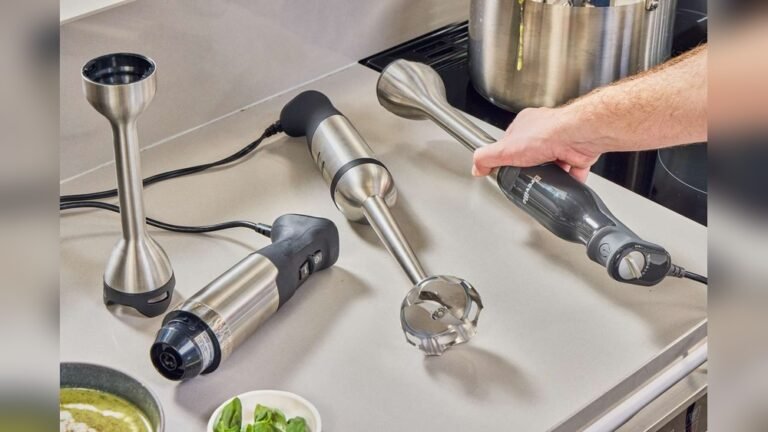
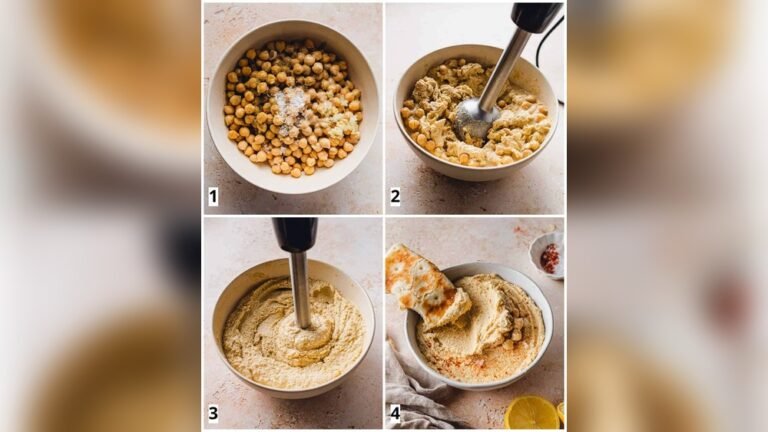
An immersion blender is a handheld device used to blend, puree, or mix food directly in the container you’re using. Unlike traditional countertop blenders, it doesn’t need a separate jar. You simply put the blade end into your pot, bowl, or cup and press a button.
Most immersion blenders have:
- A motor handle
- A blending shaft with blades
- Simple controls (usually one or two buttons)
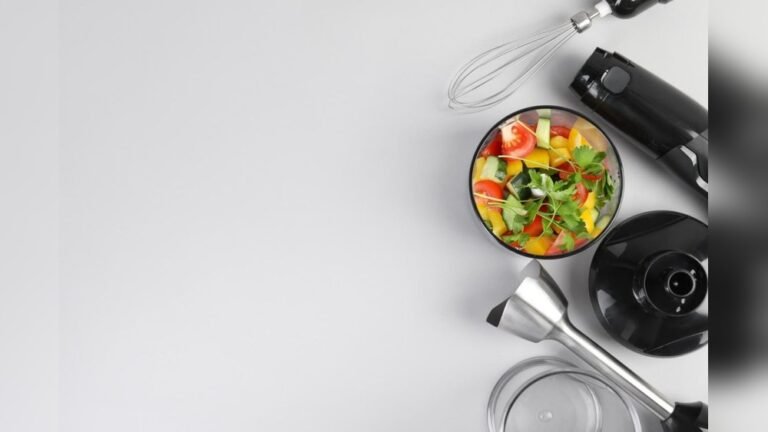
They’re popular for making smooth soups, sauces, baby food, smoothies, and even whipped cream. Some models come with extra attachments for chopping, whisking, or frothing.
Understanding Immersion Blender Price Ranges
Immersion blenders come in different price categories. The cost depends on the brand, build quality, power, features, and attachments. Here’s a quick overview:
- Budget models: $15–$40
- Mid-range models: $40–$100
- Premium models: $100–$250+
- Commercial/professional models: $200–$450+
Why do prices vary so much? Let’s break down the main factors.
Key Factors That Affect Immersion Blender Cost
Several features and details change the price of an immersion blender. Some are obvious, but others surprise beginners.
Motor Power
Motor power is measured in watts. Higher wattage means the blender can handle tougher jobs, like blending frozen fruit or chopping nuts.
- Basic blenders: 200–250 watts (good for soft foods)
- Standard blenders: 250–500 watts (handles soups, smoothies)
- Professional blenders: 600+ watts (can crush ice, puree thick mixtures)
A higher-powered motor usually costs more. But unless you need heavy-duty blending, you may not need the top wattage.
Build Quality And Materials
Cheaper blenders often use plastic shafts and blades. These are lighter but may not last as long. Higher-end models usually have stainless steel shafts and blades, which are more durable and easier to clean.
- Plastic: Lower cost, lighter, but can stain or crack
- Stainless steel: Higher cost, strong, easy to clean, lasts longer
Some brands even use special coatings or ergonomic designs, which can add to the price.
Attachments And Accessories
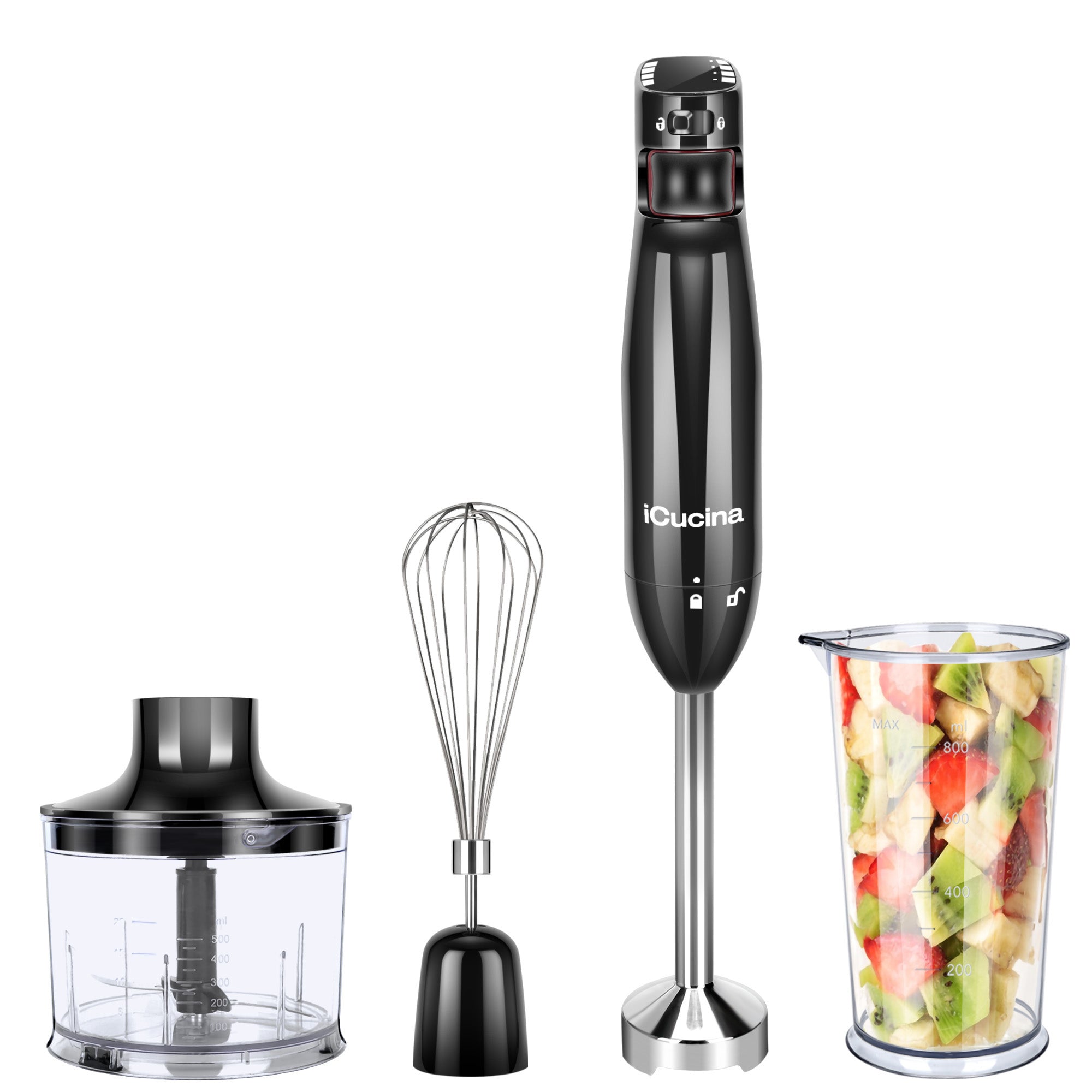
Many immersion blenders offer extra tools:
- Whisk attachment: For whipping cream or eggs
- Chopper bowl: For chopping onions, herbs, nuts
- Measuring cup: For blending small batches
- Milk frother: For coffee drinks
Models with more attachments usually cost more. However, if you only need basic blending, you can save money by choosing a simple model.
Speed Settings And Controls
Budget blenders often have just one speed. Mid-range and premium models offer:
- Multiple speed settings (2–5 or more)
- Turbo or pulse mode for extra power
More control means you can blend different textures, but it also increases the cost.
Brand Reputation
Some brands, like Breville, KitchenAid, or Braun, are known for quality and reliability. These brands often cost more, but their products tend to last longer and come with better warranties.
Newer or lesser-known brands may offer lower prices, but sometimes sacrifice build quality or service.
Warranty And Customer Service
A longer warranty is a sign of confidence from the manufacturer. Premium models often have 2–5 year warranties, while budget models may offer only 1 year (or less). Good customer support can be worth a higher price, especially if you use the blender often.
Design And Ergonomics
Some immersion blenders are designed for comfort, with soft-touch grips, easy-to-reach controls, or anti-splash designs. These features can make blending safer and easier, but usually add to the cost.
Cordless Vs Corded
Cordless immersion blenders use rechargeable batteries. They’re convenient for quick jobs and easy storage, but they tend to cost more than corded models. Cordless blenders also need to be charged regularly.
Typical Price Ranges: What Do You Get At Each Level?
Let’s look at what you can expect in each price category.
Budget ($15–$40)
- Usually 200–250 watts
- Plastic shaft and blade
- One speed setting
- Limited or no attachments
- 1-year warranty or less
- Suitable for soft foods, simple soups
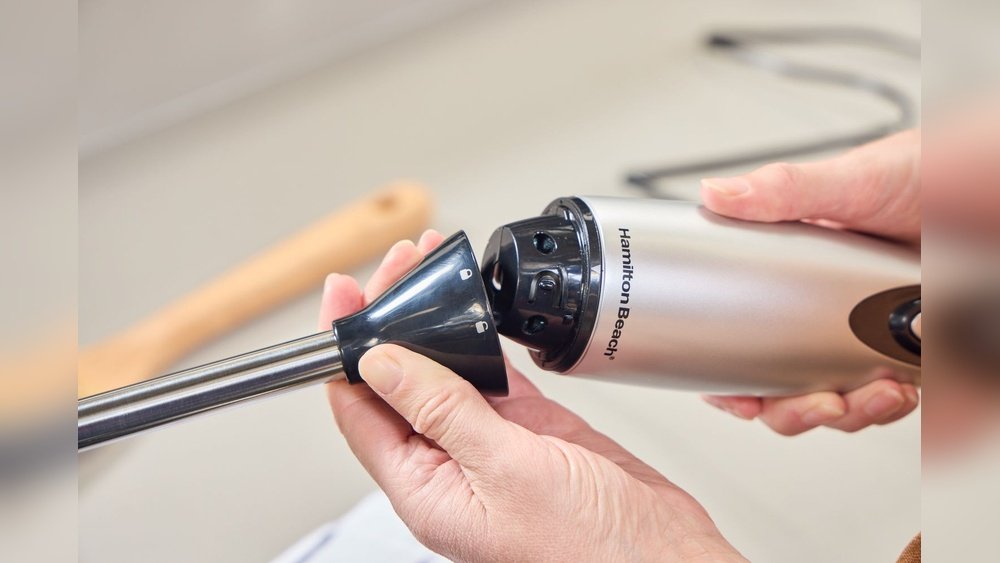
Example: Hamilton Beach 2-Speed Hand Blender ($25–$35). This model is basic, but fine for soups and soft vegetables.
Mid-range ($40–$100)
- 250–500 watts
- Stainless steel shaft and blade
- Multiple speed settings (usually 2–3)
- Some attachments (whisk, chopper bowl)
- 2-year warranty
- Can handle smoothies, sauces, and tougher foods
Example: Braun MultiQuick 5 ($65–$85). Durable, with a chopper and whisk, good for most kitchen tasks.
Premium ($100–$250)
- 500–600+ watts
- High-quality stainless steel
- 4–5 speed settings, turbo mode
- Multiple attachments (whisk, chopper, frother)
- Ergonomic design
- 2–5 year warranty
- Handles everything from thick soups to ice
Example: Breville Control Grip Immersion Blender ($120–$180). Powerful, comfortable, and versatile.
Commercial/professional ($200–$450+)
- 600–1000+ watts
- Heavy-duty stainless steel
- Advanced controls (variable speeds, safety features)
- Designed for frequent use in restaurants or catering
- Large capacity attachments
- 3–5 year warranty
- Can blend in large pots, crush ice, puree thick foods
Example: Waring Commercial Immersion Blender ($250–$400). Used in professional kitchens for big batches.
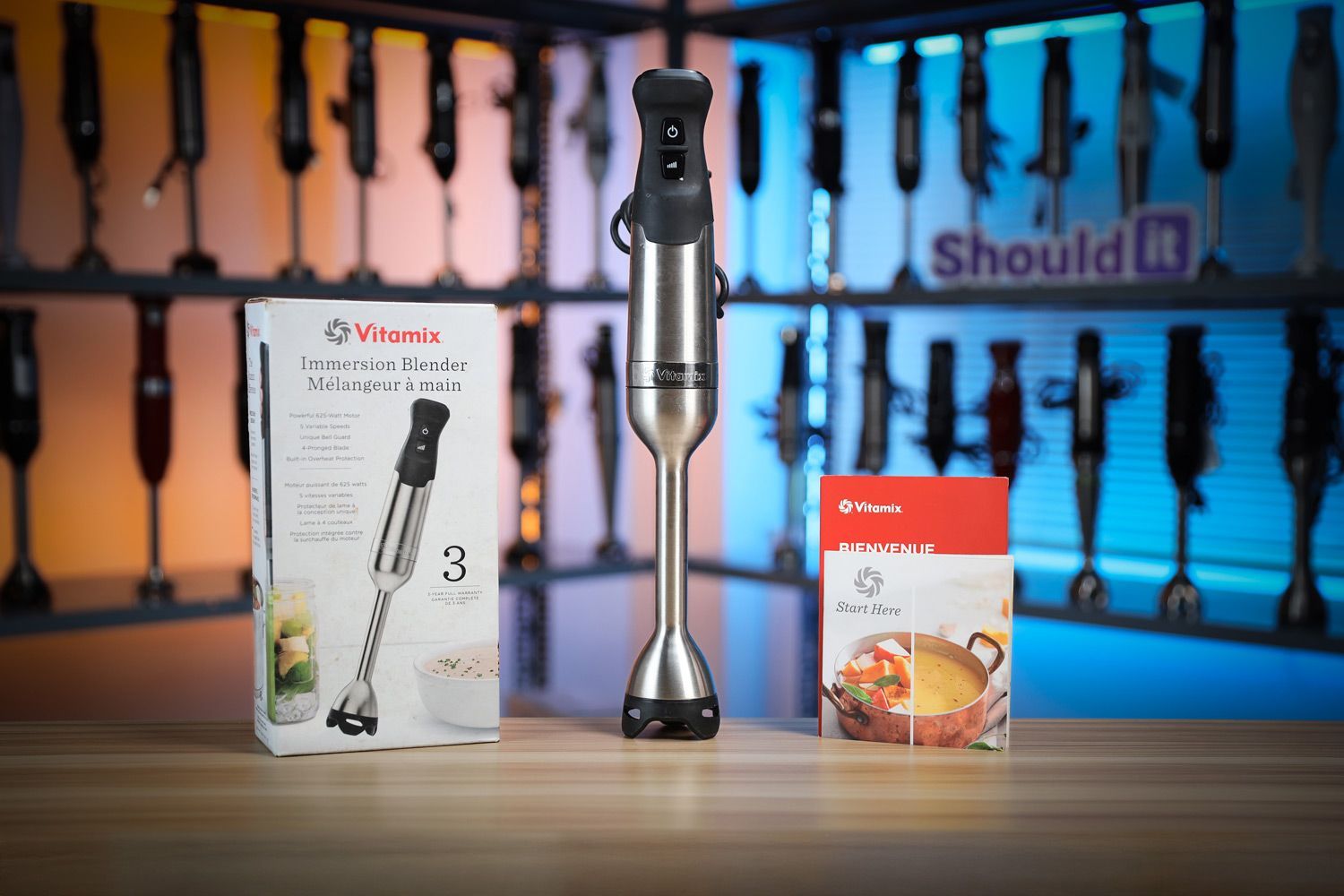
Credit: shouldit.com
Comparison Table: Features And Price Ranges
Here’s a side-by-side look at typical immersion blender features by price.
| Price Range | Power (Watts) | Material | Speed Settings | Attachments | Warranty | Best For |
|---|---|---|---|---|---|---|
| $15–$40 | 200–250 | Plastic | 1 | None or 1 | 1 year | Soft foods, soups |
| $40–$100 | 250–500 | Stainless steel | 2–3 | 2–3 | 2 years | Soups, smoothies, sauces |
| $100–$250 | 500–600+ | High-quality steel | 4–5 | 3–5 | 3–5 years | All foods, ice, thick mixtures |
| $200–$450+ | 600–1000+ | Heavy-duty steel | Variable | Large/pro attachments | 3–5 years | Commercial use, large batches |
Popular Brands And Their Price Points
Some brands are famous for immersion blenders. Their prices depend on quality, reputation, and features.
Braun
- Known for durability and strong motors
- Prices: $65–$150
- Models: MultiQuick series
Kitchenaid
- Famous for style and reliability
- Prices: $40–$120
- Models: Variable Speed Hand Blender
Breville
- High-end features, ergonomic designs
- Prices: $120–$180
- Models: Control Grip series
Cuisinart
- Good balance of price and quality
- Prices: $30–$90
- Models: Smart Stick series
Hamilton Beach
- Budget-friendly, simple designs
- Prices: $25–$40
- Models: 2-Speed Hand Blender
Waring
- Commercial grade, used in restaurants
- Prices: $250–$450+
- Models: Commercial Immersion Blenders
Real-world Examples: Immersion Blender Pricing
To give you a clearer idea, let’s look at specific models available in the US market (prices may change based on sales or region):
- Braun MQ505 MultiQuick Hand Blender: $70–$85, stainless steel shaft, whisk and chopper included
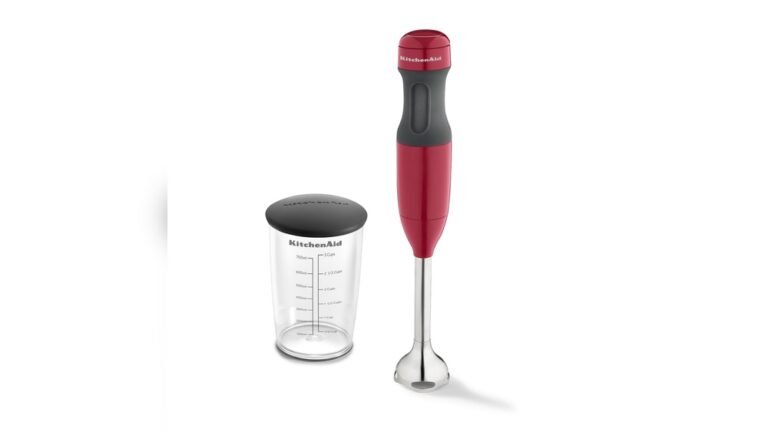
- KitchenAid Variable Speed Hand Blender: $60–$80, multiple colors, stainless steel, blending jar included
- Breville Control Grip Immersion Blender: $140–$180, ergonomic handle, 20-ounce blending jug, whisk and chopper
- Cuisinart Smart Stick CSB-179: $70–$90, 300 watts, stainless steel, 2-speed, blending cup included
- Hamilton Beach 2-Speed Hand Blender: $25–$35, plastic shaft, basic blending cup
- Waring Commercial Immersion Blender: $250–$400, heavy-duty design for large batches
Prices can change during sales or based on store policies. Online retailers often offer discounts, so checking multiple sources can help you find the best deal.
Cordless Vs Corded Models: Price And Performance
Cordless immersion blenders are newer and more expensive. They use rechargeable batteries, so you don’t need to stay close to an outlet.
- Cordless models: $90–$180, usually mid-range to premium brands
- Corded models: $25–$250+, all price levels
Cordless models are best for small tasks, but may have less power than corded ones. If you blend large batches or tough foods, a corded model is usually better.
Cordless Example
- KitchenAid Cordless Hand Blender: $100–$120, rechargeable battery, up to 20 minutes of blending per charge
Corded Example
- Braun MQ505 MultiQuick Hand Blender: $70–$85, 350 watts, corded for continuous use
Attachments And Accessories: How They Affect Cost
Attachments can turn your immersion blender into a multi-tool. If you want to chop vegetables, whisk eggs, or froth milk, buying a model with these extras makes sense.
Some attachments are sold separately. Check the product details before buying, as buying attachments later can cost more overall.
Typical attachment prices:
- Whisk: $10–$20 (if bought separately)
- Chopper bowl: $15–$30
- Frother: $15–$25
Buying a bundle is usually cheaper than buying separate pieces.
Warranty And Service: Why It Matters For Price
A longer warranty gives you peace of mind. If you plan to use your blender often, a 2–5 year warranty is valuable. Brands like Breville and Braun offer longer warranties, but their prices are higher.
Cheaper models may only offer 1 year or less. If the blender breaks, repairs or replacements may not be covered.
Consider the cost of ownership: A $40 blender that breaks in a year may be more expensive over time than a $100 blender that lasts five years.
Where To Buy: How Store And Region Affect Price
Prices can change based on where you shop:
- Big box retailers (Walmart, Target): Often have budget and mid-range models
- Specialty stores (Williams Sonoma, Sur La Table): Carry premium brands
- Online retailers (Amazon, Best Buy): Wide selection, frequent sales
- Direct from manufacturer: Sometimes offer exclusive models or bundles
Regional differences can also change prices. In the US, sales tax may add to the cost. In Europe or Asia, import fees can make products more expensive.
Comparison Table: Cordless Vs Corded Immersion Blenders
Here’s a simple comparison between cordless and corded models.
| Type | Price Range | Power | Attachments | Best For |
|---|---|---|---|---|
| Cordless | $90–$180 | Medium | Usually 2–3 | Quick tasks, small batches |
| Corded | $25–$250+ | Low–High | 2–5 | All tasks, large batches |
Hidden Costs: What Beginners Often Miss
When buying an immersion blender, beginners sometimes miss extra costs that add up over time.
Replacement Parts
If you use your blender often, blades, shafts, or attachments may wear out. Some brands sell replacements, but not all. Check if parts are available and their price.
Cleaning And Maintenance
Plastic shafts can stain or crack, needing replacement sooner. Stainless steel lasts longer, but costs more at first. Some models are dishwasher-safe, which saves time and effort.
Power Consumption
Higher wattage means more power, but also higher electricity use. For most home use, the difference is small, but it’s worth considering if you blend daily.
Storage
Some blenders come with storage cases for attachments, others don’t. Buying a case later can cost $10–$25.
Is A High-priced Blender Always Better?
Not always. Many people buy expensive blenders thinking they’ll use all the features, but often stick to basic blending. If you only blend soup once a week, a $30 model may be enough.
However, if you want to make smoothies, nut butters, or blend tough foods, a mid-range or premium model is a better investment.
Non-obvious insight: Some premium models are designed for frequent use, so they last longer. For occasional use, a budget model is fine, but for daily blending, spending more can save money in the long run.
Common Mistakes When Buying An Immersion Blender
- Buying based only on price: Cheap models can be a false economy if they break quickly.
- Ignoring attachments: If you want to whisk or chop, check for included accessories.
- Overlooking warranty: A short warranty often means lower quality.
- Not checking reviews: User feedback reveals real-world problems, like overheating or splashing.
- Choosing too much power: For simple jobs, high wattage is unnecessary.
Experience-based tip: Try to match your blender to your most frequent kitchen task. If you mainly make soup, you don’t need a professional model.
How To Save Money On Immersion Blenders
- Shop during sales: Black Friday, holiday deals, or end-of-season sales often have discounts.
- Buy refurbished: Some brands offer certified refurbished models with warranty.
- Choose bundles: Buying a blender with attachments included saves money.
- Compare prices online: Check multiple stores before buying.
- Use manufacturer coupons or loyalty programs.
Are Immersion Blenders Worth The Cost?
For most kitchens, an immersion blender is a great investment. It saves space, is easy to clean, and works for many tasks. Even a $30 model can make smooth soup, but if you want more flexibility or durability, spending $70–$150 is a wise choice.
If you cook often, a mid-range model with stainless steel and attachments is best. For professional or heavy use, invest in a commercial model.
Practical Tips For Choosing The Right Immersion Blender
- Decide your main use: Soup, smoothies, sauces, or multi-use?
- Set your budget: $30 for basic, $70–$150 for mid-range, $200+ for professional.
- Check power and materials: Stainless steel is best for frequent use.
- Look for needed attachments: Whisk, chopper, or frother.
- Consider warranty and brand reputation.
- Read user reviews for real-life performance.
- Check for dishwasher-safe parts for easy cleaning.
Credit: icucinakitchen.com
Immersion Blender Cost Vs Other Kitchen Appliances
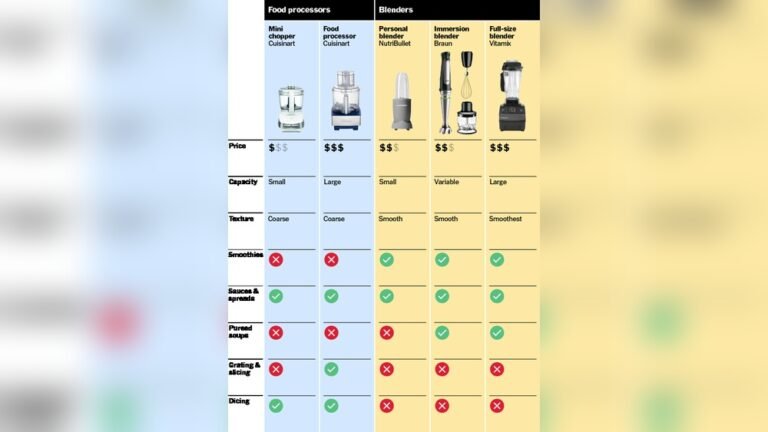
Immersion blenders are usually cheaper than countertop blenders or food processors.
| Appliance | Typical Price Range | Best For |
|---|---|---|
| Immersion Blender | $25–$250+ | Soups, sauces, smoothies |
| Countertop Blender | $60–$350+ | Large batches, smoothies, ice |
| Food Processor | $60–$400+ | Chopping, dough, slicing |
For small kitchens, immersion blenders are more affordable and take less space.
How Often Should You Replace An Immersion Blender?
With normal use, a good immersion blender lasts 3–7 years. Budget models may wear out faster, especially if used daily. Stainless steel models last longer and stay sharp.
If you notice:
- Motor overheating
- Blades dulling or rusting
- Shaft cracking or staining
It’s time to consider a replacement.

Credit: www.amazon.com
Environmental Impact And Cost
Cheap plastic models break more often and end up in landfills. Stainless steel and durable models last longer, reducing waste. Some brands offer recycling programs or eco-friendly designs.
If you care about the environment, investing a bit more in quality pays off over time.
Where To Find More Information
For detailed comparisons and user reviews, check sites like Consumer Reports or manufacturer websites. You can also find recipes and tips on cooking blogs. For industry data and trends, see Wikipedia.
Frequently Asked Questions
How Much Does A Good Immersion Blender Cost?
A good immersion blender for home use usually costs $60–$120. This price range gives you strong power, stainless steel parts, and useful attachments. Professional models cost more, but basic models can be found for $25–$40.
Can I Use A Cheap Immersion Blender For Smoothies?
You can use a budget immersion blender for smoothies with soft fruits. For tougher ingredients like frozen fruit or ice, you’ll need a mid-range or premium model with higher wattage and a strong blade.
Are Cordless Immersion Blenders Worth The Extra Cost?
Cordless models are convenient for small tasks and easy to store. However, they usually cost more and have less power than corded models. If you blend large batches or tough foods, a corded blender is better value.
What Attachments Should I Look For?
Common attachments include a whisk, chopper bowl, and blending cup. If you want to whip cream, chop vegetables, or blend small amounts, these extras are useful. Models with more attachments usually cost more.
How Do I Know If A Blender Is Durable?
Check for stainless steel shafts and blades, a long warranty (2–5 years), and positive user reviews. Trusted brands like Breville, Braun, and KitchenAid make durable models. Avoid models with all-plastic parts for heavy use.
Choosing the right immersion blender is about matching your needs to the features and price. With the information in this guide, you can make a smart, confident purchase—without spending more than you need.