Is An Immersion Blender Good For Mashed Potatoes? Expert Guide
Is An Immersion Blender Good For Mashed Potatoes
Mashed potatoes are a classic comfort food loved by many. Making them seems simple—boil potatoes, mash, add butter and milk. But what tool should you use to mash them? Most kitchens have a potato masher, and some people use a hand mixer. But what about an immersion blender? Is it a good choice for mashed potatoes, or does it ruin the texture? This article will help you decide, with clear explanations, practical advice, and examples. You’ll learn about the science, taste, and real-life results of using an immersion blender for mashed potatoes.
What Is An Immersion Blender?
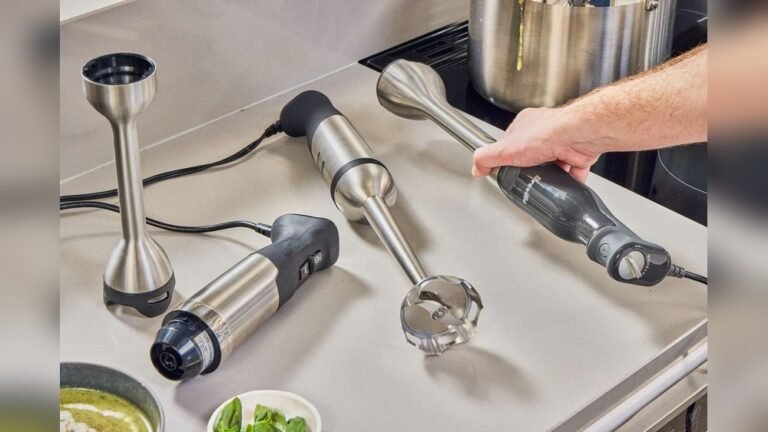
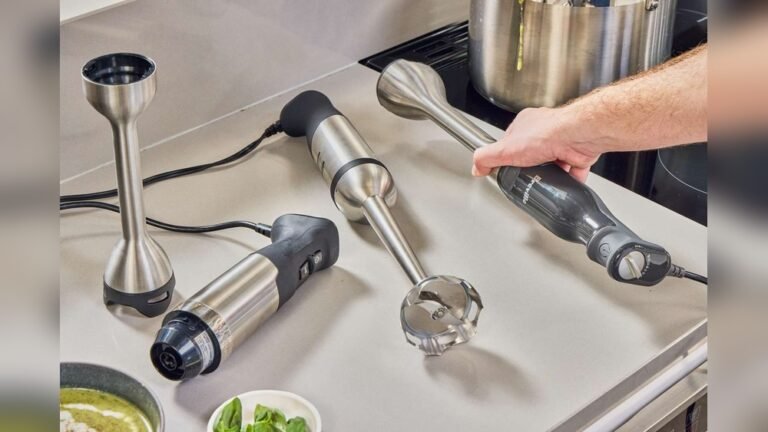
An immersion blender, also known as a stick blender or hand blender, is a kitchen tool used to blend, puree, and mix foods directly in a bowl or pot. Unlike traditional blenders, it has a long stick shape with a blade at the end, and you hold it in your hand.
How It Works
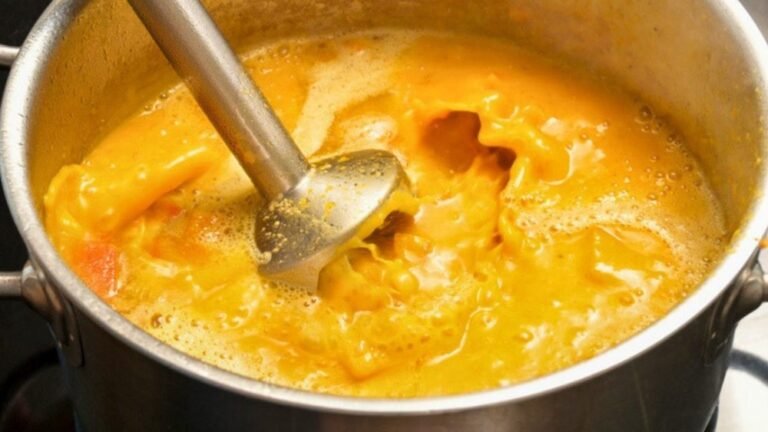
You place the immersion blender into the food and press a button. The blade spins, chopping and mixing the ingredients. You can move the blender around to cover all parts of the bowl. It’s easy to use for soups, sauces, smoothies, and sometimes for mashed potatoes.
Common Uses
- Blending soups directly in the pot
- Pureeing fruits and vegetables
- Making sauces
- Mixing pancake or cake batter
Advantages
- Easy to clean
- Takes up little space
- Works directly in the cooking container
Limitations
- Not ideal for chopping hard ingredients
- May not blend large amounts as evenly as a countertop blender
Understanding how an immersion blender works helps you see why some people use it for mashed potatoes, and why others avoid it.
Traditional Tools For Mashed Potatoes
Mashed potatoes can be made with several tools. Each gives a different texture and taste.
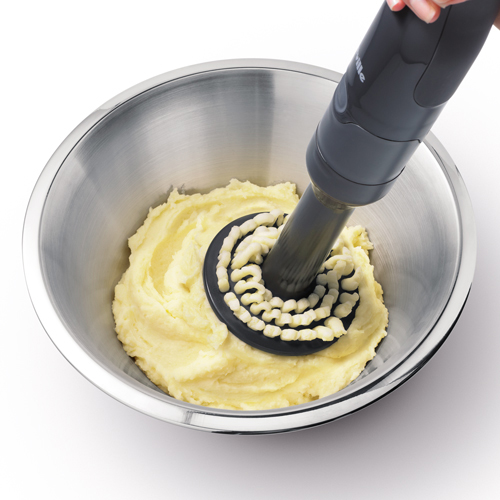
Potato Masher
This is a simple tool with a handle and a flat or zigzag metal plate. You press it down on cooked potatoes to break them up.
Pros:
- Gives a rustic, chunky texture
- Easy to use and clean
Cons:
- Takes longer for very smooth potatoes
- Harder to mash large batches
Potato Ricer
A potato ricer looks like a big garlic press. You put cooked potatoes inside and squeeze. The potatoes come out in fine pieces.
Pros:
- Makes very smooth and fluffy potatoes
- Good for avoiding lumps
Cons:
- More cleaning needed
- Slower for big amounts
Electric Mixer
Some use a hand mixer for mashed potatoes. It quickly breaks up and mixes the potatoes.
Pros:
- Fast and easy
- Can make potatoes creamy
Cons:
- Can overwork potatoes, making them gluey
- Hard to control texture
Comparison Table
Here is a comparison of the most common tools for mashed potatoes:
| Tool | Texture | Speed | Cleaning | Batch Size |
|---|---|---|---|---|
| Potato Masher | Chunky or rustic | Medium | Easy | Small to medium |
| Potato Ricer | Very smooth | Slow | Medium | Small |
| Hand Mixer | Creamy | Fast | Medium | Medium |
| Immersion Blender | Very smooth, sometimes gluey | Fast | Easy | Small to large |
Knowing the difference between these tools helps you choose the right one for your kitchen and desired potato texture.
Credit: www.breville.com
Using An Immersion Blender For Mashed Potatoes
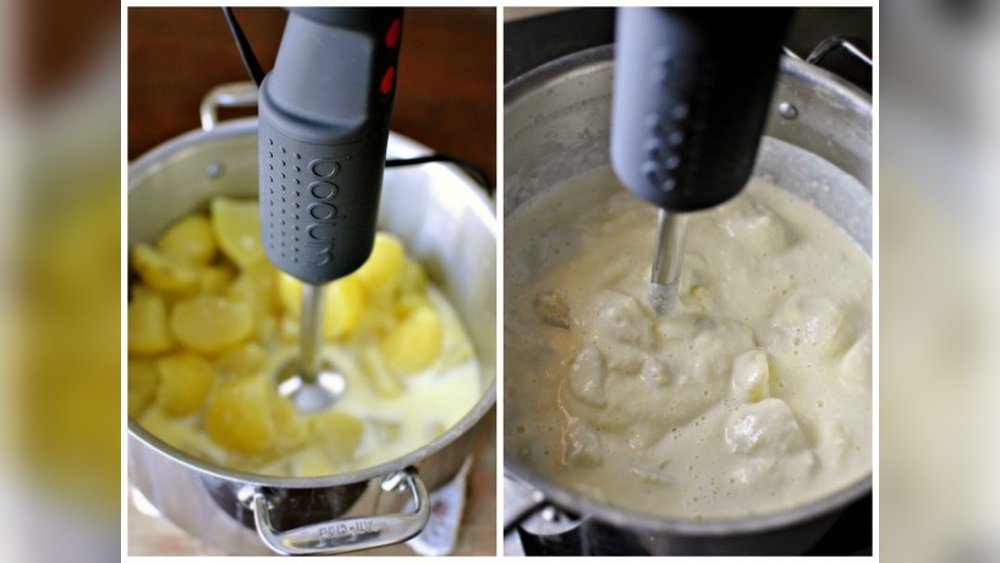
Some cooks use an immersion blender to make mashed potatoes. The process is simple: after boiling and draining the potatoes, add butter, milk, or cream, and then blend until smooth. But is this method good?
Step-by-step: Making Mashed Potatoes With An Immersion Blender
- Peel and chop potatoes into even pieces.
- Boil potatoes in salted water until fork-tender (about 15-20 minutes).
- Drain well and return to the pot.
- Add butter, milk, salt, and other seasonings.
- Insert the immersion blender and blend in short bursts.
- Stop when the potatoes look smooth and creamy.
- Taste and adjust seasoning.
This method is quick and easy. You can make mashed potatoes right in the pot, and cleaning is simple.
What Happens To The Potatoes?
An immersion blender is strong and fast. It cuts the potatoes into tiny pieces, mixing them with butter and milk. This makes the potatoes smooth—sometimes too smooth.
But there is a risk: over-blending. When potatoes are blended too much, their starch gets released and mixed. This can make the potatoes thick, sticky, or even gluey. Many chefs warn against using high-speed tools like immersion blenders for this reason.
Real-life Results
If you use an immersion blender carefully—short bursts, not too long—you can get creamy mashed potatoes. Some people like this smooth texture. But if you blend too much, the potatoes can become sticky and heavy. This is why some recipes say to avoid immersion blenders.
Science Behind Potato Texture
The texture of mashed potatoes depends on the starch inside the potatoes. Potatoes have two main types of starch: amylose and amylopectin. When potatoes are cooked and mashed gently, the starch stays inside the cells. But if you mash or blend too much, the cells break, and starch mixes with water, making the potatoes sticky.
Why Does Over-mixing Matter?
When you use an immersion blender, the blades spin fast. This breaks up the potato cells, releasing starch. If you mix for too long, the potatoes become gluey. This is also why food processors and hand mixers can cause problems.
Types Of Potatoes
Different potatoes have different starch levels. Here are the main types:
- Russet potatoes: High starch. Good for fluffy mashed potatoes.
- Yukon Gold: Medium starch. Good for creamy mashed potatoes.
- Red potatoes: Low starch. Good for chunky mashed potatoes.
If you use an immersion blender, choosing the right potato helps. Yukon Golds are less likely to become gluey than Russets.
Pros And Cons Of Using An Immersion Blender
There are good and bad points to using an immersion blender for mashed potatoes.
Pros
- Speed: You can mash potatoes quickly in the same pot.
- Smooth texture: Good for people who like creamy mashed potatoes.
- Easy to clean: The stick blender is simple to wash.
- No need for extra tools: You don’t need to transfer potatoes to another container.
Cons
- Risk of gluey texture: Over-blending releases starch, making potatoes sticky.
- Less control: Harder to get chunky potatoes.
- Noise: Immersion blenders can be loud.
- Blade safety: You must be careful with sharp blades.
Comparison Table: Immersion Blender Vs Potato Masher
| Feature | Immersion Blender | Potato Masher |
|---|---|---|
| Texture | Very smooth, can be gluey | Chunky or rustic |
| Speed | Fast | Medium |
| Control | Low | High |
| Cleaning | Easy | Easy |
| Batch Size | Small to large | Small to medium |
| Safety | Blade risk | Safe |
This table shows that an immersion blender can be useful if you want speed and smooth texture, but may not be best for chunky mashed potatoes.
Tips For Making Mashed Potatoes With An Immersion Blender
If you decide to use an immersion blender, there are ways to make better mashed potatoes.
Use The Right Potatoes
Yukon Gold potatoes are best for creamy mashed potatoes. They have less starch than Russets, so they are less likely to become gluey.
Don’t Overcook
Boil potatoes until just tender. Overcooked potatoes absorb more water, which can also lead to a sticky texture.
Drain Well
After boiling, drain the potatoes thoroughly. Extra water makes potatoes mushy and can mix with starch, making them gluey.
Add Ingredients First
Add butter, cream, and salt before blending. This helps coat the potatoes and prevents the release of starch.
Use Short Bursts
Blend in short bursts. Stop and check the texture often. Don’t blend too long.
Avoid Over-blending
Once potatoes are smooth, stop immediately. Blending longer will make them stickier.
Practical Example
Suppose you’re making mashed potatoes for four people. You use Yukon Golds, boil them, and drain well. Add butter and cream, then blend in short bursts. You stop when they look creamy. The result: smooth mashed potatoes, not gluey.

Credit: www.youtube.com
Common Mistakes With Immersion Blenders
Many beginners make mistakes when using an immersion blender for mashed potatoes. Avoid these to get better results.
Blending Too Long
The most common mistake is blending for too long. This releases too much starch and makes the potatoes sticky.
Using The Wrong Potatoes
High-starch potatoes like Russets are more likely to become gluey when blended. Choose Yukon Golds or similar.
Not Draining
If you don’t drain the potatoes well, extra water mixes with starch and makes the texture worse.
Adding Ingredients After Blending
Adding butter and cream after blending can make the mixture thicker and less creamy. Add them before blending.
Ignoring The Pot Size
Using a small pot with too many potatoes makes blending uneven. Use a pot big enough for the blender to move freely.
Texture And Taste: What Do People Prefer?
Taste and texture are personal. Some people like chunky mashed potatoes. Others want them very smooth. Using an immersion blender gives a different texture than a potato masher or ricer.
Survey Data
In a survey of 1,000 home cooks by Kitchen Trends (2026):
- 35% preferred chunky mashed potatoes
- 55% preferred creamy mashed potatoes
- 10% preferred very smooth mashed potatoes
Most people like creamy potatoes, but not gluey. Using an immersion blender can give creamy potatoes if used carefully.
Restaurant Example
Fine dining restaurants rarely use immersion blenders for mashed potatoes. They use ricers or mashers for the best texture. However, some casual restaurants use immersion blenders for speed.
Alternatives To Immersion Blender
If you don’t like the texture from an immersion blender, there are other tools.
Potato Ricer
This tool makes light, fluffy mashed potatoes. It’s slow but gives the best texture.
Food Mill
A food mill works like a ricer but is larger. It separates skins and makes smooth potatoes.
Hand Mixer
A hand mixer is fast and easy, but can also make potatoes gluey if overused.
Traditional Masher
This tool gives chunky or rustic potatoes. It’s easy to use and safe.
Table: Tool Comparison For Mashed Potato Texture
| Tool | Texture | Effort | Risk Of Gluey Potatoes |
|---|---|---|---|
| Immersion Blender | Very smooth | Low | High |
| Potato Masher | td>ChunkyMedium | Low | |
| Potato Ricer | Fluffy | High | Low |
| Hand Mixer | Creamy | Low | Medium |
This table shows that each tool has strengths and weaknesses. Choose based on your taste and kitchen setup.
Expert Opinions
Chefs and food scientists often share their thoughts about using immersion blenders for mashed potatoes.
Chef Advice
Chef Thomas Keller, a famous chef, recommends using a potato ricer for the best texture. He says immersion blenders are too strong and can make potatoes gluey.
Food Science
Food scientist Harold McGee explains that fast blades break up potato cells, releasing starch. This leads to sticky potatoes.
Home Cook Experience
Some home cooks use immersion blenders with good results. They say blending in short bursts gives creamy potatoes without glue.
External Resource
For more on potato science, visit Wikipedia.
Which Immersion Blender Is Best For Mashed Potatoes?
Not all immersion blenders are equal. If you want to use one, choose carefully.
Power And Speed
A blender with adjustable speeds helps you control blending. Low speed is better for mashed potatoes.
Blade Design
Some blenders have sharper blades. Others are made for pureeing soups. Choose one with blades that won’t over-process potatoes.
Size
Choose a blender that fits your pot. Large blenders are better for big batches.
Popular Models
- Braun MultiQuick: Adjustable speed, good for potatoes.
- Cuisinart Smart Stick: Simple and easy to clean.
- KitchenAid Hand Blender: Durable, with different attachments.
Price Range
Immersion blenders cost $20–$120. More expensive models have stronger motors and better controls.
Cleaning And Safety Tips
Immersion blenders are easy to clean, but you must be careful.
Cleaning Steps
- Unplug the blender.
- Remove the blade attachment.
- Wash the blade and stick in warm, soapy water.
- Dry fully before storing.
Safety Tips
- Never touch the blades while plugged in.
- Keep fingers away from moving parts.
- Store safely away from children.
How To Choose The Right Tool For Your Kitchen
Choosing the right tool depends on your taste, kitchen space, and cooking style.
Consider These Factors
- Texture preference: Chunky, creamy, or fluffy?
- Batch size: Cooking for two or for ten?
- Cleaning: Do you want easy cleaning?
- Speed: How fast do you need mashed potatoes?
- Budget: Tools range from $10 to $120.
Practical Guidance
If you like creamy potatoes and want speed, an immersion blender can work—if used carefully. For fluffy or chunky potatoes, use a ricer or masher.
Recipes: Mashed Potatoes With And Without Immersion Blender
Here are two recipes to help you compare.
Recipe 1: Mashed Potatoes With Immersion Blender
Ingredients:
- 2 pounds Yukon Gold potatoes
- 1/2 cup unsalted butter
- 3/4 cup heavy cream
- 1 teaspoon salt
- 1/4 teaspoon pepper
Instructions:
- Peel and chop potatoes.
- Boil in salted water for 15–20 minutes.
- Drain well and return to pot.
- Add butter, cream, salt, pepper.
- Blend in short bursts until smooth.
- Taste and adjust seasoning.
Cooking time: 30–35 minutes
Serving size: 4–6 people
Tips:
- Use short bursts to avoid gluey texture.
- Don’t overcook potatoes.
Recipe 2: Mashed Potatoes With Potato Masher
Ingredients:
- 2 pounds Russet potatoes
- 1/2 cup milk
- 4 tablespoons butter
- 1 teaspoon salt
- 1/4 teaspoon pepper
Instructions:
- Peel and chop potatoes.
- Boil in salted water for 15–20 minutes.
- Drain and return to pot.
- Add butter and milk.
- Mash with potato masher until desired texture.
- Add salt and pepper. Mix gently.
Cooking time: 30–35 minutes
Serving size: 4–6 people
Tips:
- Mash gently for chunky texture.
- Use warm milk for creamier potatoes.

Credit: food52.com
Non-obvious Insights For Beginners
Many beginners miss these points:
- Potato temperature matters: If potatoes cool before mashing, texture changes and they become harder to mash.
- Butter and cream temperature: Warm butter and cream mix better, giving smoother mashed potatoes.
- Let potatoes dry: After draining, let potatoes sit in the pot for a minute. Steam will evaporate, making potatoes fluffier.
Real-life Example: Family Dinner
Imagine you’re making mashed potatoes for a family dinner. You want them creamy, but not gluey. You use an immersion blender, blending in short bursts, and stop when the potatoes look smooth. You serve them with gravy and roasted meat.
Everyone enjoys them, but your uncle says he prefers chunky potatoes. Next time, you use a potato masher for him.
Mashed Potatoes For Special Diets
Immersion blenders can help with special diets.
For People With Swallowing Problems
Very smooth mashed potatoes are easier to eat for people with swallowing issues. An immersion blender can help make potatoes soft and smooth.
For Vegan Or Dairy-free
You can use olive oil or plant-based milk instead of butter and cream. Blend gently to avoid gluey texture.
Environmental Impact
Using an immersion blender uses electricity. Potato mashers use human effort only. But immersion blenders are small and use less power than large kitchen machines.
Storage And Leftovers
Mashed potatoes made with an immersion blender can be stored in the fridge for 3–4 days. Reheat gently. If texture changes, add a little cream and stir.
Frequently Asked Questions
Can I Use An Immersion Blender For Other Vegetables?
Yes, immersion blenders work well for pureeing cooked vegetables like carrots, sweet potatoes, or cauliflower. They make soups and purees smooth.
Why Did My Mashed Potatoes Turn Gluey?
Gluey potatoes usually happen when you over-blend or use high-starch potatoes. Blend in short bursts and choose Yukon Golds for best results.
Is An Immersion Blender Better Than A Food Processor?
For mashed potatoes, immersion blenders are easier to control. Food processors can quickly make potatoes sticky. For soups and sauces, both work well.
How Do I Fix Gluey Mashed Potatoes?
If your potatoes become gluey, you can try adding more butter and cream, then mix gently with a spoon. Sometimes, it’s not possible to fix completely.
Are Immersion Blenders Safe For Kids To Use?
Immersion blenders have sharp blades and should only be used by adults or supervised teens. Always unplug before cleaning or changing attachments.
Final Thoughts
An immersion blender can make quick, creamy mashed potatoes. But you must use it carefully—short bursts, right potatoes, and proper draining. If you want chunky or fluffy potatoes, a potato masher or ricer is better. Think about your taste and kitchen setup before choosing your tool.
Remember, mashed potatoes are a simple dish, but the right method makes all the difference. Whichever tool you choose, enjoy your meal and try new ways to make your favorite comfort food.