Is Cuisinart Immersion Blender Dishwasher Safe? Find Out Now
Is Cuisinart Immersion Blender Dishwasher Safe?
Cuisinart immersion blenders have become a kitchen favorite for their power and versatility. Many home cooks love how these compact tools can puree soups, whip cream, or blend smoothies right in the pot or cup. But after a busy meal, the last thing anyone wants is a complicated cleanup routine. If you own or are thinking of buying a Cuisinart immersion blender, you’ve likely asked: Is it dishwasher safe? This question matters because the answer affects both your convenience and the longevity of your device. In this guide, you’ll learn exactly how to clean your Cuisinart immersion blender, which parts can go in the dishwasher, and what you should avoid to keep your blender running smoothly for years.
Understanding The Cuisinart Immersion Blender
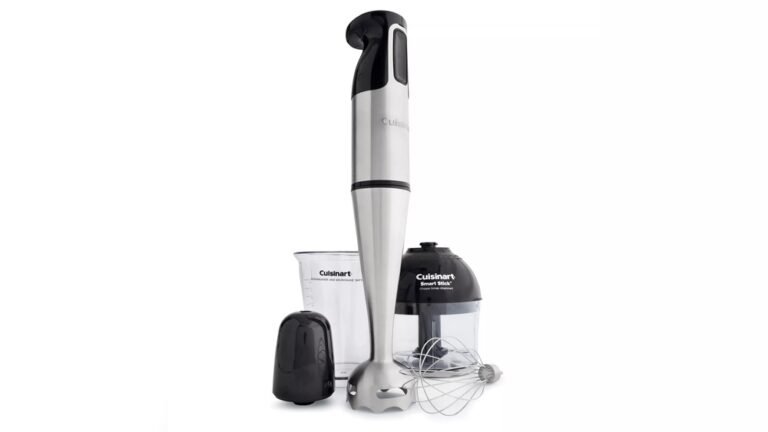
Before talking about dishwasher safety, it’s useful to know how a Cuisinart immersion blender is built. Most models have two or three main parts:
- Motor body: This is the handle, containing the electric motor. It’s usually the largest part and has buttons for power and speed.
- Blending shaft: The removable metal or plastic stick with blades at the end. This is the part you dip into food.
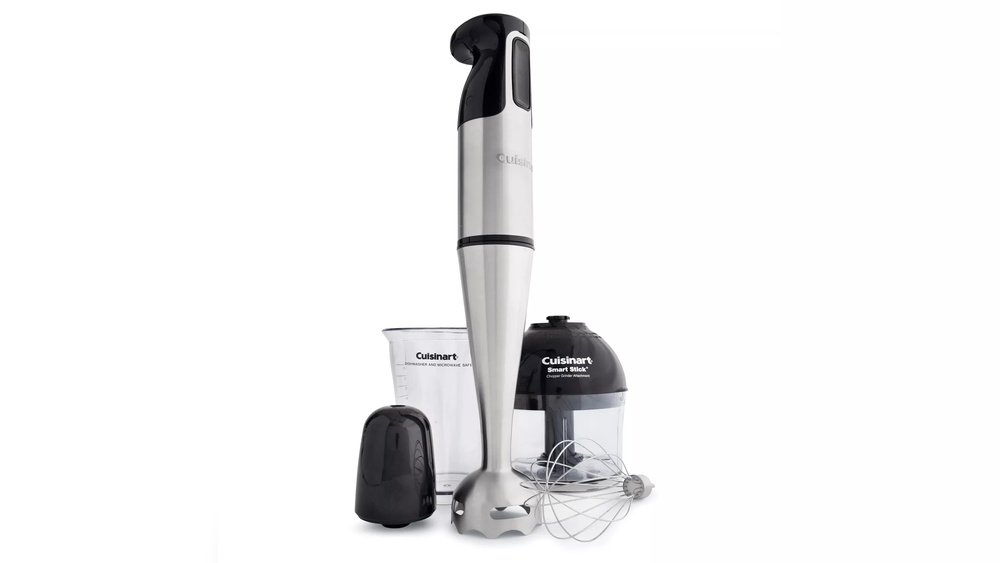
- Accessories: Some models come with extra tools like whisk attachments, chopper bowls, or beakers.
Cuisinart immersion blenders are designed to be easy to use and clean, but not every part is safe for the dishwasher. Each model might be slightly different, so you should always check your user manual. However, there are general rules that apply to most Cuisinart models.
Which Parts Are Dishwasher Safe?
One of the most common mistakes is assuming the whole immersion blender can go in the dishwasher. In reality, only certain parts are safe.
The Motor Body
The motor body is never dishwasher safe. It contains electrical components that can be damaged by water. If you put this part in the dishwasher, you’ll likely ruin the blender and void your warranty. Instead, always clean the motor body by wiping it with a damp cloth. Never submerge it in water.
Blending Shaft
For most Cuisinart immersion blenders, the blending shaft is removable and dishwasher safe. This is usually made from stainless steel or heavy-duty plastic. After blending, you can detach the shaft and put it on the top rack of your dishwasher. Cuisinart often recommends the top rack to avoid exposure to high heat at the bottom of the dishwasher.
However, if your blending shaft has a lot of food stuck to it—like thick soup or sticky batter—rinse it under warm water before placing it in the dishwasher. This helps prevent clogs and keeps the blades sharp.
Accessories
Accessories like the whisk, chopper bowl, or mixing beaker are often dishwasher safe. But, each accessory may have its own cleaning instructions. For example:
- The beaker (mixing cup) is usually top-rack dishwasher safe.
- The whisk attachment can often be washed in the dishwasher, but the adapter piece (that connects to the motor) may need to be hand washed.
- The chopper bowl and its lid are sometimes dishwasher safe, but the blade may need hand washing to keep it sharp.
Quick Reference Table: Typical Cuisinart Immersion Blender Parts And Dishwasher Safety
Here’s a simple table summarizing which parts are usually dishwasher safe:
| Part | Dishwasher Safe? | Recommended Rack |
|---|---|---|
| Motor Body | No | Never |
| Blending Shaft | Yes | Top Rack |
| Beaker | Yes | Top Rack |
| Whisk Attachment | Yes | Top Rack |
| Chopper Bowl | Yes | Top Rack |
| Chopper Blade | Hand Wash | Not Applicable |
Important: Always check your specific model’s manual. Some older or specialized Cuisinart blenders may have different cleaning rules.
Step-by-step: How To Clean Your Cuisinart Immersion Blender
Cleaning your immersion blender the right way keeps it working well and looking new. Here’s how to do it safely:
1. Unplug And Disassemble
Always unplug the blender before cleaning. Detach the blending shaft and any accessories from the motor body. This prevents accidental activation and keeps water away from the electrical parts.
2. Rinse Immediately
Rinse the blending shaft and accessories under warm water right after use. This helps remove food before it dries and becomes harder to clean.
3. Dishwasher Cleaning
Place dishwasher-safe parts on the top rack. The blending shaft, beaker, whisk, and chopper bowl usually go here. Avoid putting sharp blades in the dishwasher, as this can dull them over time.
4. Hand Wash When Needed
If you’re not sure about a part, hand wash it with mild soap and a soft sponge. This is especially important for the chopper blade, as dishwasher detergent and high heat can reduce sharpness.
5. Clean The Motor Body
Wipe the motor body with a damp cloth. If it’s very dirty, you can use a small amount of dish soap, but never soak it or run it under water.
6. Dry Before Reassembling
Let all parts air dry or wipe them with a clean towel before putting the blender back together. Moisture inside the connections can cause rust or electrical problems.
What Happens If You Put The Motor Body In The Dishwasher?
It’s tempting to toss everything in the dishwasher, especially after making a messy recipe. But putting the motor body in the dishwasher is a common mistake with expensive consequences.
Here’s why:
- Electrical damage: Water can get inside and short-circuit the motor.
- Corrosion: Metal parts inside the handle can rust.
- Warranty void: Cuisinart’s warranty usually does not cover water damage from improper cleaning.
- Permanent failure: Once damaged, the motor might not work again.
If you’ve accidentally washed the motor body, don’t turn it on right away. Let it dry for several days, but understand that it may already be too late.
Why Top Rack Placement Matters
You’ll often see “top rack only” in cleaning instructions for blender parts. Here’s why this matters:
- The top rack is farther from the dishwasher’s heating element, so parts are exposed to less heat.
- Delicate plastics and rubber seals are less likely to warp or crack.
- Sharp blades are less likely to bump into other dishes.
If you put parts on the bottom rack, they may melt, bend, or lose their tight fit. This can make the blender unsafe or cause leaks.
Different Cuisinart Models: Are There Variations?
Cuisinart makes several immersion blender models, from basic to advanced. Some popular options include:
- CSB-75: Classic stick blender, 2-speed, stainless steel shaft.
- CSB-179: Smart Stick with variable speeds and extra attachments.
- CSB-400: Cordless rechargeable model.
While most models follow the same cleaning rules, there are a few differences:
Stainless Steel Vs. Plastic Shafts
Stainless steel blending shafts are usually more durable and fully dishwasher safe. Some older or budget models use plastic shafts, which can sometimes warp if washed on the bottom rack. Always check for “top rack only” instructions.
Cordless Models
Cordless immersion blenders have charging ports in the handle. These are even more sensitive to water. Never let water get near the charging area.
Models With Extra Attachments
More advanced models come with extra parts, like potato mashers or food processor bowls. These may have special cleaning needs. For example, the masher blade might be hand-wash only to avoid dulling the edge.
Comparison Table: Model Cleaning Differences
To help you compare, here’s a table with three popular Cuisinart immersion blenders and their dishwasher-safe parts.
| Model | Blending Shaft | Beaker | Whisk | Chopper Bowl | Special Notes |
|---|---|---|---|---|---|
| CSB-75 | Yes (Top Rack) | Yes (Top Rack) | No Whisk | No Chopper | Basic Model |
| CSB-179 | Yes (Top Rack) | Yes (Top Rack) | Yes (Top Rack) | Yes (Top Rack) | Whisk Adapter: Hand Wash |
| CSB-400 | Yes (Top Rack) | Yes (Top Rack) | Yes (Top Rack) | Yes (Top Rack) | Cordless: Keep handle dry |
Always check your exact model’s manual online if you’re unsure. Cuisinart provides PDF manuals on their official website.

Credit: www.costco.com
How Dishwasher Cleaning Affects Longevity
Using the dishwasher is convenient, but it’s not always the best for your blender’s life. Here’s what you should know:
- Repeated dishwasher cycles can dull blades faster than hand washing.
- High heat may cause plastic parts to warp or seals to break down over time.
- Detergent can leave a residue that might affect taste or performance.
For the longest life, hand wash blades and delicate accessories. Use the dishwasher only for the blending shaft and beaker. Dry all parts thoroughly before storing.
Common Mistakes And How To Avoid Them
Even experienced cooks can make mistakes when cleaning a Cuisinart immersion blender. Here are a few to watch out for:
- Washing the motor body: Remember, only the removable shaft and accessories go in the dishwasher.
- Forgetting to rinse food off: Dried-on food is much harder to clean, even in the dishwasher.
- Putting sharp blades in the dishwasher: Hand wash blades to keep them sharp and avoid accidents.
- Using harsh scrubbers: Abrasive pads can scratch plastic and dull blades.
- Not drying parts: Moisture left inside connections can cause rust or bad smells.
Real-life Example: Cleaning A Cuisinart Csb-179 After Soup
Let’s say you’ve just made a big pot of tomato soup with your Cuisinart CSB-179. Here’s how to clean up:
- Unplug the blender.
- Detach the blending shaft from the motor body.
- Rinse the shaft under warm water to remove tomato pulp.
- Place the shaft and beaker on the top rack of the dishwasher.
- Hand wash the whisk adapter and chopper blade with soap and water.
- Wipe the motor body with a damp cloth.
- Let all parts dry before storing.
This routine takes less than five minutes and helps your blender last longer.
Expert Tips For Easier Cleaning
- Blend soapy water: After blending, fill the beaker with warm water and a drop of dish soap. Run the blender in the water for a few seconds. This loosens stuck food before you disassemble and wash.
- Use a bottle brush: If food gets stuck inside the shaft, a bottle brush can help reach tricky spots.
- Dry blades immediately: To prevent rust, always dry the blades right away after washing.
- Check for cracks: Inspect plastic parts for cracks or warping. Replace them if they look damaged to avoid leaks.
What If You Lose Your User Manual?
Many people misplace their appliance manuals. If you’re not sure about dishwasher safety, you can usually find your manual online. Go to the official Cuisinart website, type in your model number, and download a PDF. This will have the most accurate cleaning instructions.
If you can’t find your model, follow the general rules above, and when in doubt, hand wash.
Are There Differences With Other Brands?
Cuisinart is known for its quality, but not all immersion blenders have the same cleaning instructions. For example, some brands use cheaper plastics that are not dishwasher safe at all. Others have all-in-one designs where nothing is removable.
If you’re comparing immersion blenders, check if the blending shaft detaches and whether the accessories can go in the dishwasher. This makes a big difference in convenience.
Comparison Table: Cuisinart Vs. Other Brands
Here’s a look at how Cuisinart compares to two other popular brands for dishwasher safety.
| Brand | Removable Shaft | Dishwasher Safe Accessories | Motor Body Cleaning |
|---|---|---|---|
| Cuisinart | Yes | Most, top rack only | Wipe only |
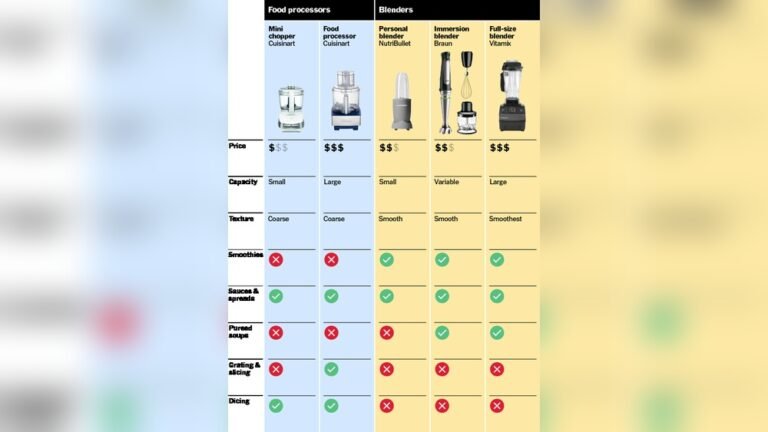
| Braun | Yes | Some, check manual | Wipe only |
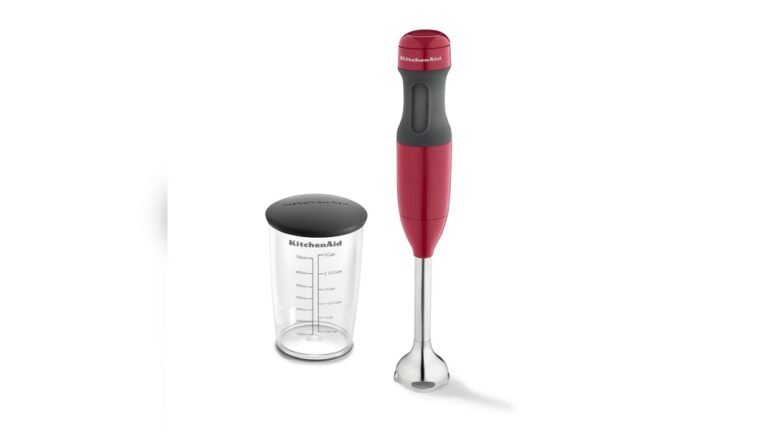
| KitchenAid | Yes | Most, top rack | Wipe only |
Cuisinart’s cleaning instructions are similar to top competitors, but always double-check for your exact model.

Credit: www.amazon.com
How To Tell If A Part Is Dishwasher Safe
If you don’t have the manual, look for these signs:
- Dishwasher safe symbol: A plate or glass with water lines, often found on the part itself.
- Material: Stainless steel and hard plastic are usually safe. Soft plastic or rubber may not be.
- Seams or electronics: If a part has seams, gears, or electrical connectors, hand wash it to be safe.
If you’re not sure, it’s safer to wash by hand.
The Role Of Proper Cleaning In Food Safety
Clean kitchen tools are not just about appearance—they’re about health. Immersion blenders touch raw and cooked foods, so cleaning them well prevents bacteria growth.
- Food residue can hide in the blending shaft or under blades.
- Improper cleaning can lead to bad smells, rust, or even mold.
- Dishwasher cleaning at high temperatures kills more germs than cold water, but only if the part is truly dishwasher safe.
If you ever notice a bad smell, clean all parts with a mix of baking soda and water, and rinse well.
When Should You Replace Blender Parts?
Even with good care, blender parts wear out. Here’s when you should consider replacements:
- Blunt blades: If the blender no longer purees smoothly, the blades may be dull.
- Cracked accessories: Cracks can trap bacteria or leak.
- Loose connections: If the shaft doesn’t lock tightly, it’s time for a new part.
- Warped plastic: Warping can happen if you put parts on the wrong rack.
Replacement parts are available online and at most kitchen stores. Always use genuine Cuisinart parts for best results.
How Dishwasher Use Affects Warranty
Cuisinart offers a limited warranty for its immersion blenders. But, water damage from improper cleaning is rarely covered. Here’s what you need to know:
- Motor body damage: Not covered if you put it in water or a dishwasher.
- Accessory wear: Normal wear and tear (like dull blades) is not covered.
- Melting or warping: Not covered if due to incorrect dishwasher use.
If you follow the cleaning instructions, you’ll avoid most warranty problems.
Environmental Impact: Dishwasher Vs. Hand Washing
Some people wonder which is better for the environment—dishwasher or hand washing. The answer depends on how you use your dishwasher:
- Full loads: Dishwashers use less water and energy per item if you only run full loads.
- Partial loads: Hand washing may use less water if you clean just a few items.
- High heat: Dishwashers use more energy because of the drying cycle.
For small parts like the blending shaft, hand washing is quick and eco-friendly. For larger loads, use the dishwasher but stick to the top rack.
What About Other Cuisinart Appliances?
Many people own other Cuisinart kitchen gadgets, like food processors or stand mixers. The cleaning rules are similar: never put the motor in water, but most removable parts are top-rack dishwasher safe.
Always check the manual for each appliance, since plastic quality and design can vary.
Non-obvious Insights Most People Miss
- Dishwasher detergent can dull blades: Even if the manual says a part is dishwasher safe, frequent cleaning with strong dishwasher detergent can dull stainless steel blades faster than gentle hand washing. If you use your blender for tasks needing sharp blades, wash them by hand most of the time.
- Warm water rinse is nearly as effective: Rinsing the blending shaft with hot water immediately after use removes most food, making full dishwasher cycles less necessary. This saves energy and reduces wear.
- Small rubber seals can fall out: Some accessories (like the chopper bowl lid) have tiny rubber seals that keep food from leaking. These can loosen and get lost in the dishwasher. Always check for missing parts before reassembling.
Troubleshooting: If Parts Don’t Fit After Dishwashing
After a dishwasher cycle, you might notice that a part doesn’t fit as tightly as before. This can happen if the plastic has warped or shrunk. If so:
- Let the part cool completely before using.
- Try soaking the part in warm (not hot) water to relax the plastic.
- If it still doesn’t fit, order a replacement.
Never force parts together, as this can break your blender.
:max_bytes(150000):strip_icc()/Cuisinart-Smart-Stick-Variable-Speed-Hand-Blender-HeroSquare-f7b2a1ca1a564a17a6f92b9c74de791a.jpg)
Credit: www.thespruceeats.com
Cleaning Tips For Busy Families
- Clean right away: The longer food sits, the harder it is to clean.
- Have a backup beaker: If you use your blender often, having a second beaker means you can always have one clean and ready.
- Store with blades up: If you store the blending shaft in a drawer, keep the blades pointed up to avoid nicks and dulling.
Final Thoughts
Cuisinart immersion blenders are well-loved for their performance and easy cleaning. Most models have removable blending shafts and accessories that are dishwasher safe on the top rack, making cleanup simple. However, the motor body should never go in the dishwasher or be submerged in water. To keep your blender in great shape, rinse food off right away, hand wash sharp blades when you can, and dry all parts before putting them away. With a little care, your Cuisinart immersion blender will serve you well for years.
If you ever lose your manual or want to check specific instructions, visit the official Cuisinart website or review trusted sources like Consumer Reports for up-to-date advice.
Frequently Asked Questions
Is The Cuisinart Immersion Blender Blending Shaft Dishwasher Safe?
Yes, the blending shaft of most Cuisinart immersion blenders is dishwasher safe. Place it on the top rack to avoid heat damage. Always check your model’s manual for confirmation.
Can I Put The Cuisinart Immersion Blender Motor Body In The Dishwasher?
No, the motor body should never go in the dishwasher. Wipe it clean with a damp cloth. Water can damage the electrical parts and void the warranty.
Are The Whisk And Chopper Attachments Dishwasher Safe?
Usually, the whisk and chopper bowl are top-rack dishwasher safe, but the blade and adapter may need hand washing. Check your manual, as some parts are more delicate.
What If The Blending Shaft Is Still Dirty After The Dishwasher?
If food remains stuck after dishwashing, soak the blending shaft in warm soapy water and use a bottle brush. Sometimes heavy foods need extra cleaning before dishwashing.
Will Using The Dishwasher Dull The Immersion Blender Blades?
Frequent dishwasher cleaning can dull stainless steel blades over time. For the sharpest blades, hand wash them with mild soap and dry immediately.