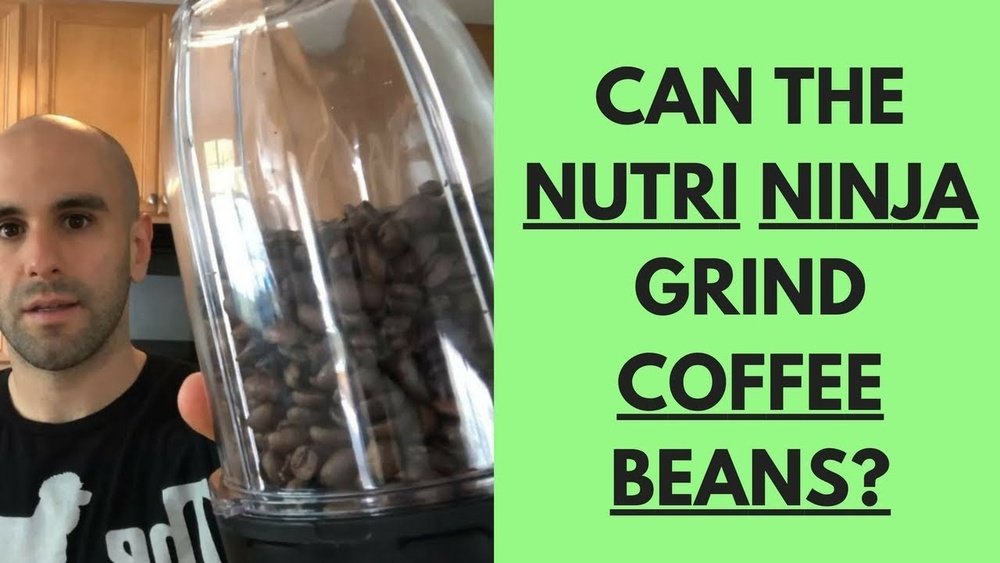
How To Grind Coffee Beans With Ninja Blender: Easy Step-by-Step Guide
Grinding coffee beans at home is one of the best ways to enjoy fresh, flavorful coffee every day. Many people think they need a special grinder, but you can actually use a Ninja blender. If you already own a Ninja, you can grind coffee beans without extra tools or spending more money. This guide will show you step-by-step how to do it, help you avoid common mistakes, and give you practical tips for better results. Whether you’re new to grinding coffee or just want to use your Ninja blender in a new way, you’ll find clear advice here.
Why Grind Coffee Beans At Home?
Home grinding is more than a trend—it makes a real difference in taste. Coffee beans start losing flavor soon after grinding. If you buy pre-ground coffee, you miss the rich aroma and strong taste that only fresh grinding can provide. Grinding at home lets you:
- Control the grind size for different brewing methods.
- Avoid stale, flat coffee.
- Save money by buying whole beans in bulk.
According to the National Coffee Association, nearly 65% of Americans prefer freshly ground coffee for its taste and aroma. Freshly ground beans also contain more antioxidants, which benefit your health.
Can A Ninja Blender Really Grind Coffee Beans?
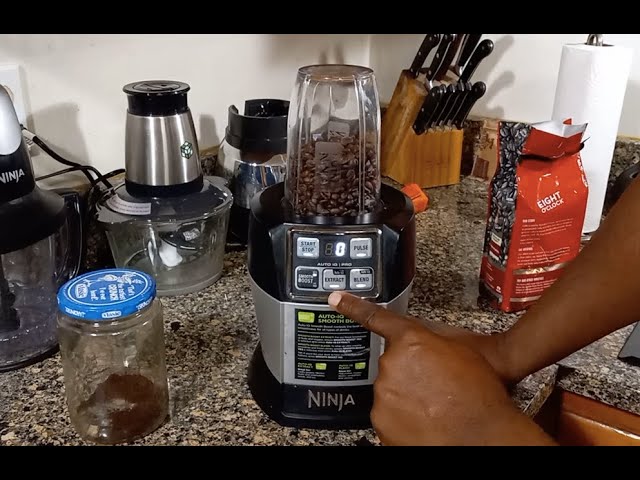
A Ninja blender is powerful and versatile, but many wonder if it can truly replace a coffee grinder. Most Ninja models have strong blades and motors, which can handle hard foods like nuts, seeds, and beans. Here’s what makes it possible:
- Blade strength: Ninja blades are designed for chopping and pulverizing.
- Variable speeds: You can control how fast the beans are ground.
- Pulse function: Helps avoid overheating and gives better control.
However, there are differences between a coffee grinder and a blender:
| Feature | Coffee Grinder | Ninja Blender |
|---|---|---|
| Grind Consistency | Fine and even | Can be uneven |
| Speed | Quick | Quick |
| Heat Generation | Low | Can be higher |
| Capacity | Small batches | Large batches |
| Multi-purpose | No | Yes |
You can use a Ninja blender, but you need to follow special steps to avoid uneven grind and overheating.
Credit: www.youtube.com
Choosing The Right Ninja Blender Model
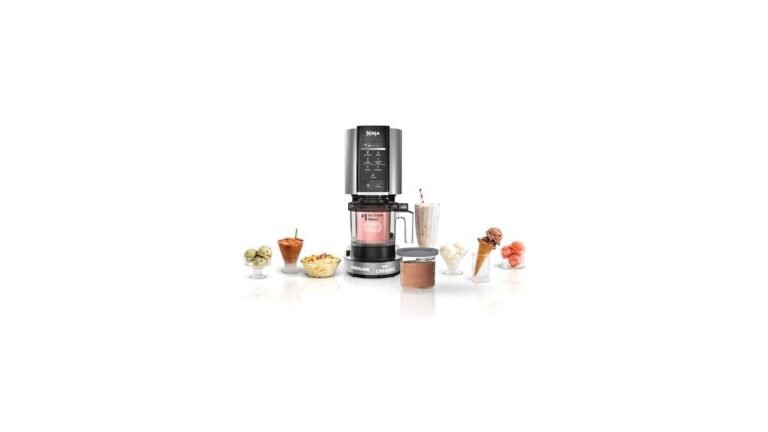
Not every Ninja blender is ideal for grinding coffee beans. Some models work better than others. Here are the most popular options:
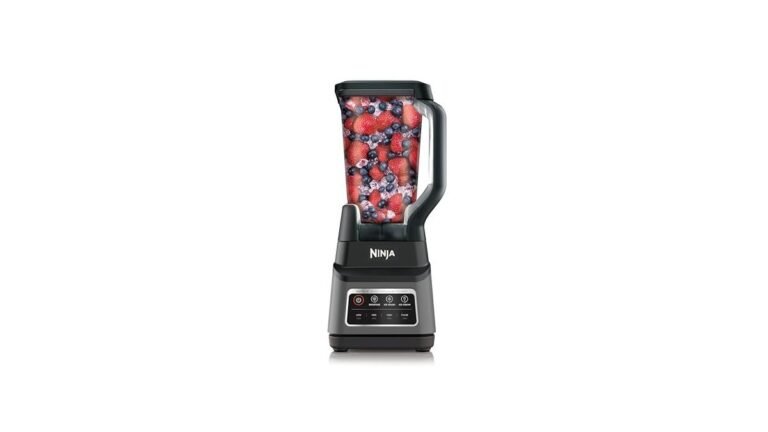
- Ninja Professional Blender: Strong motor, good for medium to coarse grind.
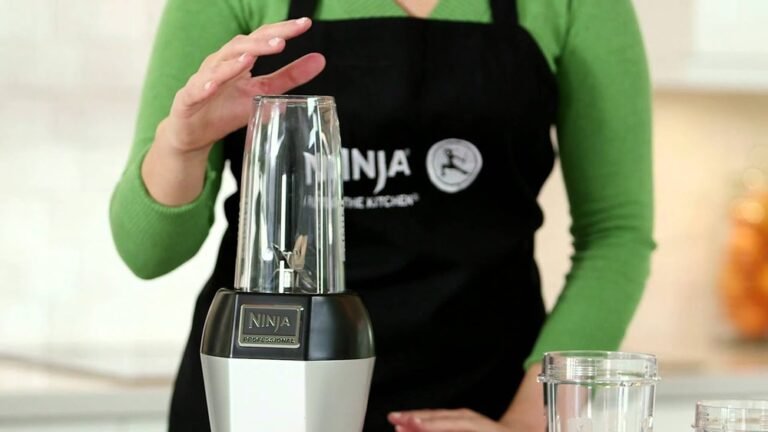
- Ninja Nutri Ninja: Compact, works well for small batches.
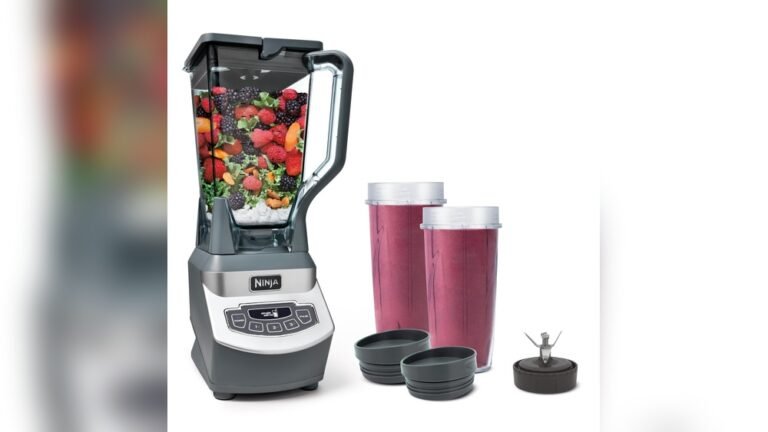
- Ninja Mega Kitchen System: High power, can handle larger amounts.
- Ninja Foodi Power Nutri Duo: Includes personal-size cup, helps with finer grinds.
If you have a personal cup attachment, use it for smaller amounts—it helps control grind size. Full-size pitchers are better for large batches but may produce uneven results.
Preparing Your Coffee Beans
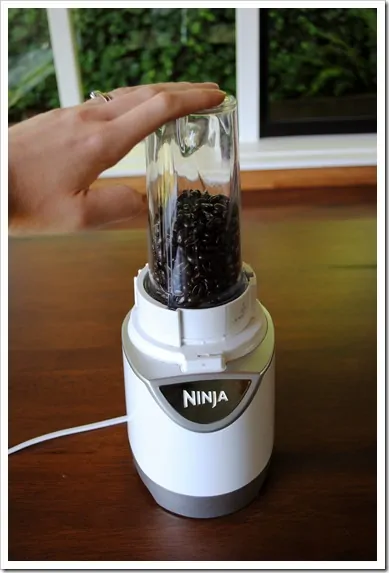
Before grinding, make sure your beans are ready. Use fresh, whole beans for best flavor. Check the roast level—light, medium, or dark. Each roast grinds differently:
- Light roast: Harder, takes longer to grind.
- Medium roast: Balanced, easy to grind.
- Dark roast: Softer, grinds quickly.
Store beans in an airtight container to keep them fresh. Avoid grinding beans that are old or exposed to moisture—they may taste stale.
Credit: testkitchentuesday.com
How Much Coffee To Grind
For best results, grind only the amount you need. Grinding too much at once can cause uneven grind and overheating. Here’s a simple guide:
| Coffee Amount | Beans (grams) | Cups of Coffee |
|---|---|---|
| Single cup | 15-18 | 1 |
| Two cups | 30-36 | 2 |
| Four cups | 60-72 | 4 |
| Full pitcher | 100-120 | 7-8 |
If your Ninja blender is small, keep batches under 60 grams for better control.
Step-by-step Guide: Grinding Coffee Beans With Ninja Blender
Follow these steps to get the best results:
- Clean the blender: Make sure it’s free from odors and residue.
- Add the beans: Pour beans into the cup or pitcher. Fill only halfway for better movement.
- Choose the right speed: Use low or medium setting for best control.
- Pulse, don’t blend: Use the pulse function in short bursts. This prevents overheating and gives a more even grind.
- Check the grind: Stop and check after a few pulses. Shake or stir the beans to redistribute.
- Repeat pulsing: Continue pulsing until you reach the desired grind size.
- Empty and use: Pour out the ground coffee and use immediately for best flavor.
Example: Grinding For French Press
If you want a coarse grind for French press, pulse for 3–4 seconds, check, and repeat 2–3 times. The grind should look like sea salt.
Example: Grinding For Espresso
For a fine grind, pulse for 2 seconds, shake, and repeat 5–6 times. The grind should look like powdered sugar.

Credit: www.sharkninja.com
Grind Sizes For Different Brewing Methods
Each brewing method needs a different grind size. If you use the wrong grind, your coffee may taste bitter or weak.
- Coarse: French press, cold brew.
- Medium: Drip coffee makers, pour-over.
- Fine: Espresso machines, Aeropress.
Here is a simple comparison:
| Grind Size | Texture | Brewing Method |
|---|---|---|
| Coarse | Chunky, sea salt | French press, cold brew |
| Medium | Sandy, sugar | Drip, pour-over |
| Fine | Powdery, flour | Espresso, Aeropress |
Use your fingers to check the grind. If it feels too chunky or too powdery, pulse again or reduce time.
Common Mistakes To Avoid
Many beginners make errors that lead to poor coffee. Here are mistakes you should avoid:
- Overfilling the blender: Beans don’t move well, so grind is uneven.
- Blending too long: Causes heat, which ruins flavor.
- Skipping the pulse: Continuous blending makes powder, not coffee grounds.
- Not cleaning the blender: Old smells affect coffee taste.
- Ignoring grind size: Using coarse grind for espresso leads to weak coffee.
A non-obvious mistake: Not shaking or stirring beans between pulses. This helps all beans touch the blades and gives a more even grind.
Cleaning Your Ninja Blender After Grinding Coffee
Coffee oils stick to blender parts and can make your next smoothie taste strange. Cleaning is important:
- Rinse right away: Use warm water to remove grounds.
- Add dish soap and blend: Fill halfway with water, add a drop of soap, and blend for 30 seconds.
- Scrub blades and cup: Use a brush for corners and blades.
- Air dry: Let parts dry fully to prevent odors.
If you grind coffee often, deep clean once a week.
Tips For Better Results
Getting a perfect grind with a Ninja blender takes practice. Here are some advanced tips:
- Use short pulses instead of long blending.
- Try small batches for finer, more even grind.
- Use a personal-size cup if your Ninja includes one.
- Shake or stir beans between pulses for even grinding.
- If grind is too uneven, sift grounds through a fine mesh strainer.
- Let the blender cool between batches if grinding a lot.
Non-obvious tip: If you want a finer grind, add a few beans at a time after the first pulse. This helps blades catch all beans.
Comparing Ninja Blender To Other Grinding Methods
You may wonder how a Ninja blender compares to other tools. Here’s a quick overview:
| Method | Grind Consistency | Ease of Use | Cost |
|---|---|---|---|
| Burr Grinder | Very even | Easy | High |
| Blade Grinder | Moderate | Easy | Low |
| Ninja Blender | Moderate | Easy | Already owned |
| Manual Grinder | Even | Effort | Low |
| Mortar & Pestle | Poor | Effort | Low |
A Ninja blender is not as precise as a burr grinder, but it is fast, convenient, and you probably already own one.
Pros And Cons Of Using Ninja Blender For Coffee Grinding
Let’s look at the main advantages and disadvantages:
Pros:
- Multi-purpose appliance—no need for extra tools.
- Fast and easy to use.
- Can grind large batches.
- Good for beginners.
Cons:
- Grind consistency is moderate—not ideal for espresso.
- Can generate heat, affecting flavor.
- Needs frequent cleaning.
- May produce uneven results for very fine grind.
If you value convenience and already own a Ninja blender, it’s a practical choice.
How To Store Ground Coffee
After grinding, store your coffee properly to keep it fresh:
- Use an airtight container.
- Keep in a cool, dark place.
- Avoid moisture and heat.
- Use ground coffee within 2–3 days for best flavor.
If you grind too much, freeze extra grounds in small batches.
Advanced: Grinding Spices And Other Foods
Ninja blenders can also grind spices, seeds, and grains. If you use your blender for coffee and spices, clean it well between uses to avoid flavor mixing. For spices, use the same pulsing method as coffee beans.
When To Invest In A Dedicated Coffee Grinder
If you become a coffee enthusiast, you may want a dedicated grinder. Burr grinders offer better grind consistency, especially for espresso or pour-over. If you brew specialty coffee often, consider investing in one.
Real-life Examples And Success Stories
Many home coffee lovers use Ninja blenders every day. For example, Sarah from Austin grinds beans for her French press every morning using her Ninja Mega Kitchen System. She pulses for 3 seconds, checks the grind, and enjoys coffee that tastes fresher than store-bought grounds.
Another user, Mark from Denver, uses the Nutri Ninja cup to grind small batches for his espresso machine. He says shaking between pulses gives him a finer, more even grind.
A surprising insight: Some users found that blending with a few ice cubes prevents overheating and preserves flavor. The ice melts and helps cool the beans, but only use this for cold brew, not espresso.
Frequently Asked Questions
Can I Grind Coffee Beans In Any Ninja Blender Model?
Most Ninja blenders can grind coffee beans, but results vary. Models with strong motors and personal-size cups work best. Check your blender’s manual for recommended uses.
What Grind Size Should I Use For Drip Coffee?
For drip coffee makers, use a medium grind. Pulse your Ninja blender in short bursts, check often, and aim for a sandy texture.
Does Grinding Coffee In A Ninja Blender Change The Flavor?
If you pulse the beans and avoid overheating, flavor stays fresh. But blending too long can create heat, which reduces aroma and taste.
How Do I Clean My Ninja Blender After Grinding Coffee?
Rinse parts right away, add water and dish soap, blend for 30 seconds, scrub blades, and air dry. Deep clean weekly if you grind often.
Is It Better To Buy A Coffee Grinder Or Use A Ninja Blender?
If you brew specialty coffee and care about grind consistency, a burr grinder is better. For daily home coffee and convenience, a Ninja blender works well.
Grinding coffee beans with a Ninja blender is easy, practical, and saves money. You don’t need expensive equipment to enjoy fresh coffee every day. With the right steps, careful pulsing, and a few smart tips, your Ninja blender can help you brew coffee that tastes rich and flavorful. If you want more details on coffee grinding methods, visit the Home Grounds Coffee Grind Chart for expert advice. Try grinding your own beans today and discover how much better your coffee can taste.