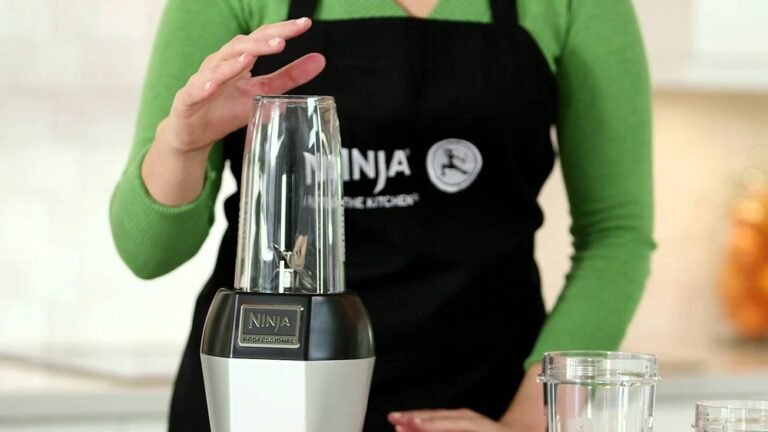
Best Blender Ninja or Nutribullet: How to Choose the Right One
Choosing between a Ninja or Nutribullet depends on your daily habits, because a Ninja is usually better for large batches and heavy dough, while a Nutribullet is superior for quick, single-serve smoothies. If you need a machine that handles frozen fruit and ice daily, a high-wattage Ninja model is the right tool. If you prefer a compact design that fits in a small kitchen and cleans up in seconds, a personal Nutribullet series model will serve you better.
These two brands serve different needs based on how much food you prepare at once. A Ninja often includes a large pitcher for family meals, whereas a Nutribullet focuses on blending directly into a travel cup. You should check your available counter space and your typical recipe volume before you buy, as these two factors determine which brand fits your kitchen best.
Deciding between Ninja and Nutribullet
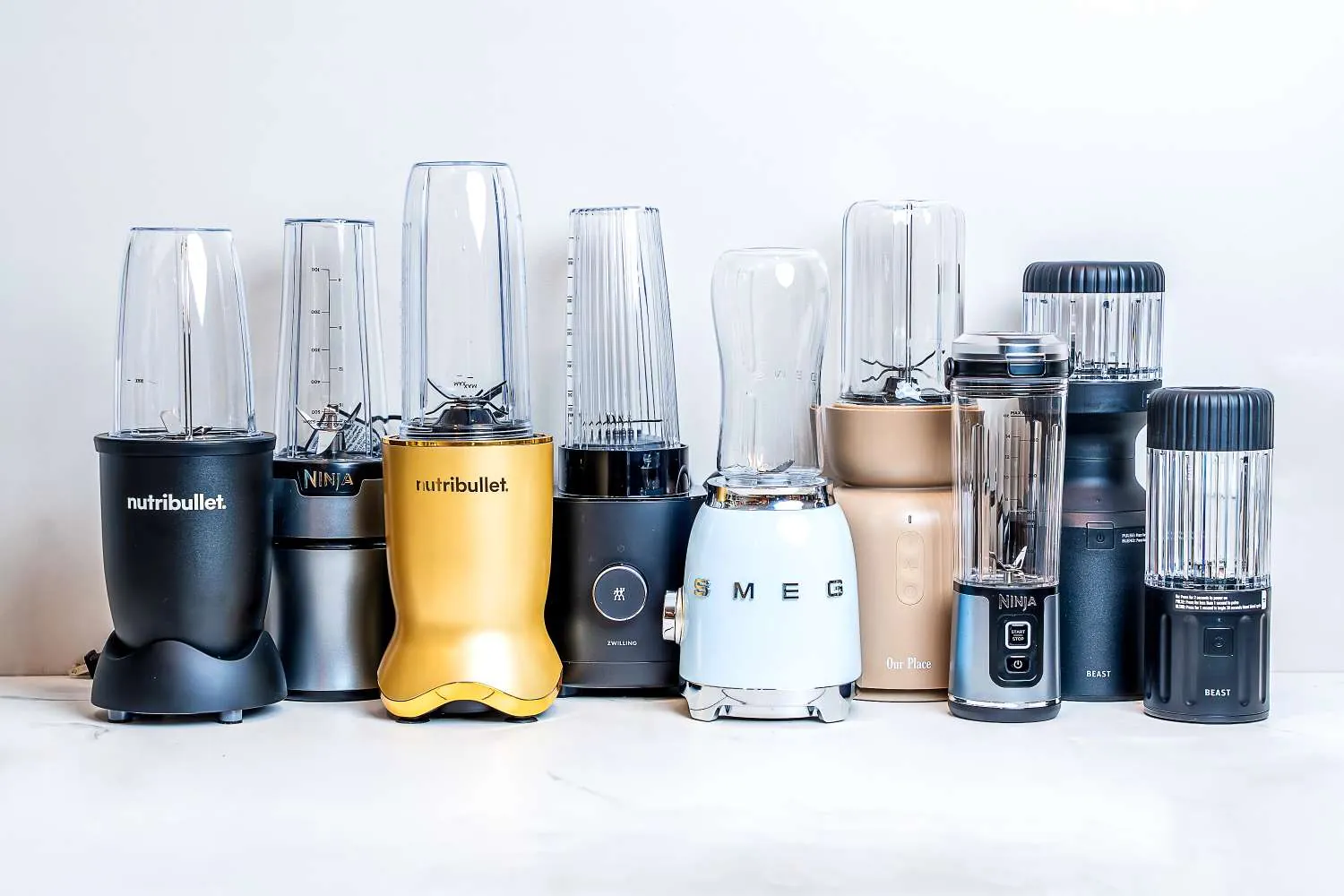
People who search for these brands often fall into two distinct groups. The first group wants a powerful machine to replace a food processor and a blender, aiming to handle everything from pizza dough to crushed ice. The second group wants a simple, dedicated tool for morning smoothies that they can take on the go without washing a large pitcher. This page serves both groups by comparing the specific strengths of each brand’s current lineup.
The primary assumption here is that you want a reliable blender for home use rather than a commercial-grade machine. If you’re a professional chef or someone who blends for large crowds every day, you might find these consumer-grade models lack the motor longevity you require. For the average home cook, however, these brands represent the standard for convenience and power.
If you’re a student or a busy professional who lives in a small apartment, the Nutribullet is likely your best choice. Its vertical footprint is small, and you don’t have to worry about storing bulky attachments. If you’re a parent or someone who cooks for a family, the Ninja is usually the better investment because it offers versatility beyond just smoothies. You must decide if you value kitchen space or multi-functionality more before you commit to a purchase.
Factors That Determine Your Best Choice
The motor power is the most important factor, as it dictates what you can blend without stalling the blades. Ninja blenders often feature motors ranging from 1,000 to 1,500 watts, which allow them to crush hard ingredients like frozen nuts or ice. Nutribullet models typically range from 600 to 1,200 watts, which is perfect for soft greens and frozen fruit but may struggle with thick, heavy mixtures.
The capacity of the container matters because it limits how much food you can process at once. A Ninja pitcher holds 64 to 72 ounces, making it ideal for soups and large batches of dough. Nutribullet cups usually hold 24 to 32 ounces, which is the perfect size for one or two servings. If you try to overfill a Nutribullet, you’ll notice the motor heating up and the texture becoming uneven.
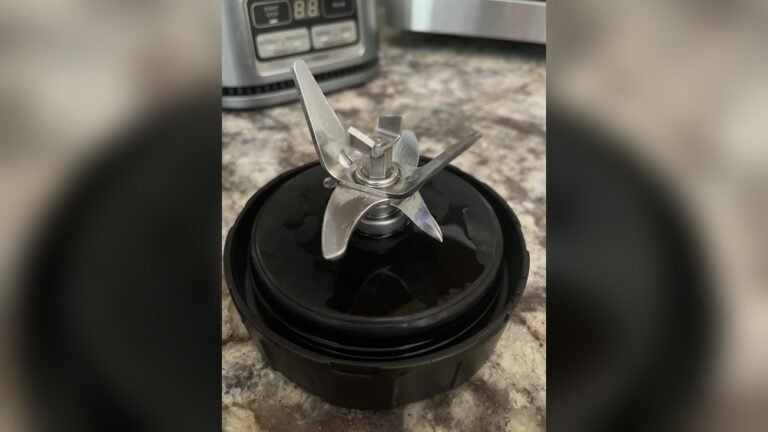
The blade design also varies, affecting how you clean and use the device. Ninja blenders often use a tall, removable blade tower that cuts through ingredients at multiple levels. You must be careful when handling these because they’re very sharp. Nutribullet uses a flat blade assembly that screws onto the cup, which is safer to store but requires a bit more effort to scrape out thick mixtures.
Finally, consider the noise level during operation. High-wattage blenders are inherently loud, and you’ll notice a significant difference between a 600-watt Nutribullet and a 1,500-watt Ninja. If you live in a house with thin walls or wake up early for breakfast, you might prefer a lower-wattage model that runs quieter, even if it takes a few extra seconds to smooth out your ingredients.
Steps for Using Your Blender Effectively
- Check that the blender base is on a flat, dry surface to prevent vibration during use.
- Add your liquids first, such as water, milk, or juice, to help the blades move freely.
- Add soft ingredients like yogurt or leafy greens to create a base for the heavier items.
- Add frozen items or ice last to keep them near the blades while the motor starts.
- Secure the lid or blade assembly tightly, checking that the seal is seated correctly.
- Start the machine on the lowest setting and slowly increase to the desired speed.
- Blend for 30 to 60 seconds until the mixture reaches your preferred consistency.
- Turn off the power and wait for the blades to stop moving completely before removing the lid.
The single judgement call that separates a good job from a poor one is the ratio of liquid to solid ingredients. If you add too many solids without enough liquid, the blades will spin in a pocket of air and fail to pull the food down. If you notice this happening, stop immediately and add 2 to 4 tablespoons of liquid before trying again. Never force the motor if it sounds strained, as this can cause it to overheat.
Comparing Blender Performance
| Situation | Recommended Choice | What It Takes | Watch For |
|---|---|---|---|
| Daily smoothies | Nutribullet | 2 minutes | Cup seal leaks |
| Family meals | Ninja | 5 minutes | Pitcher weight |
| Crushing ice | Ninja | 1 minute | Blade sharpness |
| Small kitchen | Nutribullet | 1 minute | Counter height |
| Making dough | Ninja | 3 minutes | Motor heat |
Choose the Nutribullet if your primary goal is speed and minimal cleanup. Its compact footprint is ideal for apartments where counter space is limited to under two feet of depth. However, watch the rubber gasket inside the blade assembly. If you notice moisture on the base, replace the seal immediately to prevent liquid from destroying the motor bearings.
Select the Ninja when you’re processing high volumes for four or more people. Its wider pitcher design allows for consistent vortex formation in larger batches. Be aware that these units are heavy; if you have overhead cabinets, measure your clearance first. Many users struggle to slide the tall pitcher under standard 18-inch cabinet gaps.
When crushing ice, the Ninja’s stacked blade system is superior, but it requires caution. The blades are razor-sharp and prone to dulling if you process frozen ingredients for more than 60 seconds at a time. If the mixture stops moving, stop the motor and stir manually rather than letting the blades spin dry.
Use the Ninja for dough, but monitor the motor temperature closely. If the unit begins to smell like ozone or hot plastic, stop immediately. This indicates the motor is straining against the dough’s viscosity. If you’re making bread dough more than twice a week, a dedicated stand mixer is a safer long-term investment that avoids the risk of burning out your blender’s drive socket.
Essential Skills for Better Blending
Preparing Your Ingredients
Experienced users always chop hard ingredients like carrots or frozen fruit into 1-inch chunks before adding them to the container. This simple habit prevents the blades from jamming and ensures a consistent texture throughout the blend. Beginners often try to toss in large, whole pieces, which forces the motor to work harder and often leaves large chunks at the top of the container.
Maintaining Proper Order
Always layer your ingredients from softest to hardest to ensure a smooth vortex. The liquid at the bottom acts as a lubricant, while the heavier items at the top provide the weight needed to push ingredients down toward the blades. If you put your frozen items at the bottom, they will often wedge against the blades and prevent the motor from turning, which is a common mistake that causes premature wear.
Troubleshooting Common Issues
| What you notice | What it usually means | What to do first | How to stop it |
|---|---|---|---|
| Motor smells hot | Overloaded motor | Stop and remove food | Add more liquid |
| Leaking at base | Worn rubber seal | Check for debris | Hand wash seals |
| Ingredients stuck | Too many solids | Add 2 tablespoons liquid | Layer correctly |
| Loud rattling | Unstable base | Ensure flat surface | Use a rubber mat |
| Uneven blending | Blade dullness | Inspect blade edges | Don’t crush ice |
If your motor emits a burning smell, you have likely exceeded the torque limit. Most users make the mistake of packing the jar to the brim. This forces the motor to stall, which can permanently fuse internal wiring. If you smell ozone, unplug the unit for ten minutes. To prevent this, never fill the jar past the maximum line, and always pulse ingredients rather than running the motor continuously for over sixty seconds.
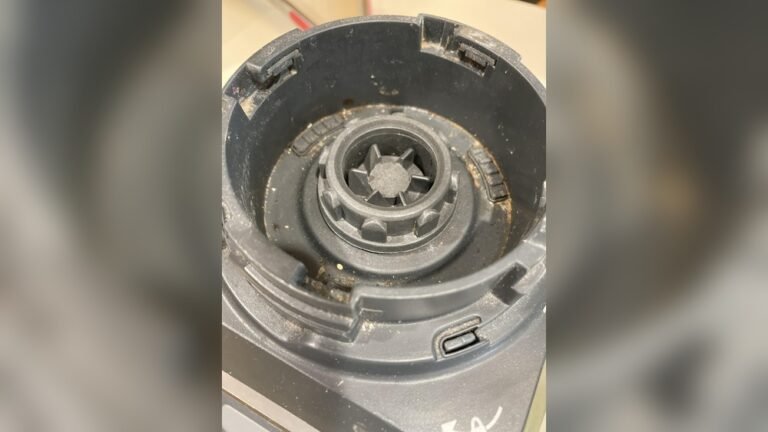
Leaking at the base usually stems from a microscopic tear in the gasket. If you see liquid pooling on the counter, check the seal for small food particles. A single grain of salt caught in the ring can prevent a tight fit. Never run the rubber seal through a dishwasher, as the high heat cycles cause the material to shrink and lose its elasticity.
When ingredients stop circulating, you have created a vacuum pocket. If the blades spin freely but nothing moves, add two tablespoons of water or oil to break the surface tension. To avoid this, follow the “liquid first” rule: always pour your base liquids into the jar before adding solids. This ensures the blades have a medium to pull ingredients downward.
Rattling often indicates the motor base isn’t level. If the unit vibrates across your counter, place it on a thin, high-friction rubber mat. This absorbs the kinetic energy that would otherwise cause the base to walk. If the noise persists, check that the jar is fully clicked into the locking mechanism. A loose fit creates high-frequency vibrations that can strip the plastic drive gear over time.
Finally, dull blades are almost always caused by crushing ice or frozen fruit. If your smoothie has chunks, inspect the edges for nicks. If the blade feels smooth to the touch, it’s too dull to cut. Use a dedicated ice crusher for frozen goods to keep your main blade sharp for soft ingredients.
Regulations and Safety Limits
The Consumer Product Safety Commission provides guidelines for using countertop blenders to avoid electrical and mechanical hazards. You must always follow the manufacturer’s instructions regarding the maximum fill line, as overfilling is the leading cause of lid failure and motor strain. If you’re in the United States, you can find the specific safety manual for your model on the official company website by searching for your serial number.
Most users ignore the fill line when processing frozen fruit or ice. This mistake forces the blades to stall, which can strip the drive coupling or cause the motor to overheat. If the motor smells like burning plastic, stop immediately and let it cool for thirty minutes. If the smell persists after a restart, the internal thermal fuse has likely tripped, signaling permanent damage.
Never attempt to disassemble the motor base to clean or repair internal components, as a capacitor can hold a lethal charge even when the unit is unplugged. This high-voltage risk isn’t neutralized by simply flipping the power switch. If your blender stops working, check the power outlet and ensure the cup is locked into the base correctly.
The decision rule is simple: if the blender fails to engage despite a locked cup, check the safety interlock switch. If the switch is depressed but the motor remains silent, the issue is electrical. If the motor hums but the blades don’t spin, the issue is mechanical.
In either case, don’t attempt a DIY repair. Contact the manufacturer’s support team for guidance on your warranty status. Attempting to bypass the casing voids your coverage and introduces a fire hazard that standard home insurance policies may refuse to cover. Always prioritize professional service over short-term convenience.
Understanding the Financial Cost
The cost of these blenders varies based on the number of included accessories and the motor power. A basic Nutribullet model is relatively inexpensive, while a high-end Ninja system with multiple jars requires a larger investment. You should check the current pricing on the manufacturer’s website to see the value of bundled items like extra cups, lids, or specialized blade assemblies.
Many buyers make the mistake of focusing solely on the sticker price. They fail to account for the “hidden” cost of proprietary parts. If a manufacturer uses a non-standard jar threading, you’re forced to buy their specific replacements at a premium. Before you purchase, check if the brand sells individual gaskets or if they require you to buy an entire blade housing.
The long-term cost includes the price of replacement parts, such as rubber gaskets or plastic cups that may crack over time. Comparing the cost of these replacement parts is just as important as the initial price, as some brands make it easier to buy individual parts than others.
Use this simple decision rule to calculate your true investment. If you process frozen fruit or ice more than four times a week, prioritize models with metal-on-metal drive couplings. While these units often require a higher upfront cost, they prevent the common failure of plastic gears stripping out. If you only plan to blend soft greens or protein powders, the cheaper plastic-drive models will serve you just as well for years.
Finally, consider the warranty coverage for the motor versus the accessories. A five-year motor warranty is standard for premium brands, but it rarely covers the plastic jars. If you see a high price tag, ensure it covers the components that actually wear out.
Keeping Your Blender in Top Condition
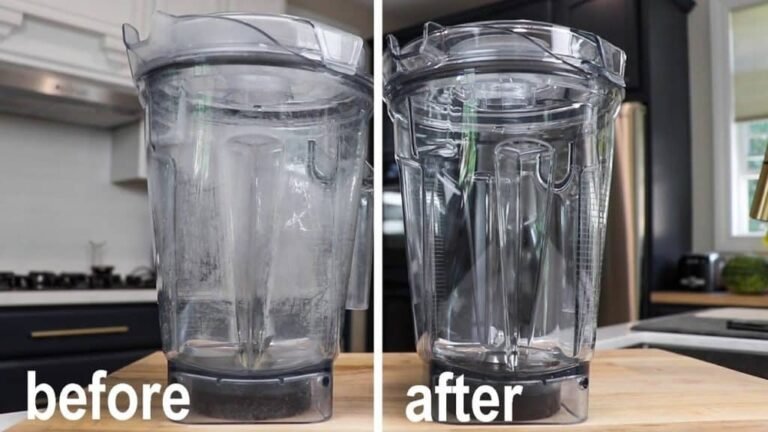
You should rinse your blender container immediately after every use to prevent food from drying onto the walls. Sugars and proteins harden quickly, creating a stubborn film that eventually requires abrasive scrubbing, which can scratch the interior finish.
For a deep clean, add a few drops of dish soap and warm water, then run the blender on a low setting for 20 seconds. This simple step creates a vortex that removes residue from under the blades without you needing to touch the sharp edges. If your mixture contained oils or nut butters, add a teaspoon of baking soda to help emulsify the grease before rinsing.
Inspect your rubber seals regularly for signs of cracking or stretching, as these are the first parts to fail and cause leaks; consult your owner’s manual for specific maintenance guidance based on your usage. A common mistake is ignoring a faint, high-pitched squeal during operation; this often signals that a seal is beginning to dry out or lose its tension. If you notice water or food leaking into the base, stop using the unit immediately to avoid shorting the motor.
The decision rule is simple: if the seal is pliable and sits flush against the blade assembly, it’s safe. If it feels brittle or leaves a visible gap, replace it before the next cycle. You can usually find replacement gaskets online through the official brand site, which is much cheaper than buying an entirely new blending container. Always verify your specific model number, as even minor variations in jar design can prevent a new gasket from seating correctly.
When to Choose a Different Approach
If you find yourself needing to blend ingredients for more than six people at once, neither a standard Ninja nor a Nutribullet is the right choice. In this case, you should look for a commercial-grade blender with a large, heavy-duty pitcher and a high-torque motor. These machines are designed to run for several minutes at a time without overheating, which is necessary for large-scale food preparation.
If you also need to process hot liquids, such as boiling soups, you must ensure your specific model is rated for heat. Some plastic containers aren’t designed to withstand high temperatures and can warp or release chemicals when exposed to boiling water. Always check the user manual to see if your model allows for hot blending. If it does not, you must let your ingredients cool to room temperature before processing them to avoid injury.
Frequently asked questions
Can I crush ice in a Nutribullet?
You can crush ice in a Nutribullet if you use a model with at least 900 watts and always include enough liquid. Adding 1 cup of liquid for every 2 cups of ice prevents the blades from stalling. If your model has a lower wattage, avoid ice entirely to prevent the motor from burning out.
How long do Ninja blenders last?
Ninja blenders typically last for a significant period with daily home use, assuming you follow the manufacturer’s cleaning and filling guidelines. You can extend this lifespan by avoiding the dishwasher for the blade assemblies, as the high heat can damage the rubber seals and dull the metal edges over time.
Is it safe to blend hot soup?
It’s safe to blend hot soup only if the manufacturer’s manual explicitly states the container is heat-resistant. Always remove the center cap from the lid to allow steam to escape during the process.
Why does my blender smell like burning?
A burning smell usually means the motor is struggling to move the blades because of an overload or a jam. You should turn the unit off immediately, unplug it, and remove some of the contents. If the smell persists after you clear the jam, the motor may be permanently damaged.
How often should I replace the blades?
A dull blade will show signs of wear on the metal edges and will no longer produce a smooth, consistent texture in your finished recipes.
What happens if I overfill the cup?
Overfilling the cup causes the ingredients to press against the seal, which leads to leaks and potential damage to the motor base. You must keep the ingredients below the max fill line marked on the side of the cup to ensure the vortex functions correctly and the seal stays intact.
Conclusion
Start by identifying your most frequent recipe, whether it’s a single morning smoothie or a large batch of salsa. If you need a quick drink, choose the Nutribullet and expect a smooth result in under a minute. If the blender fails to start or sounds extremely loud, unplug it and check the base for debris before contacting the manufacturer for help.