What Can A Vitamix Do That A Blender Can’t: Heat and Texture
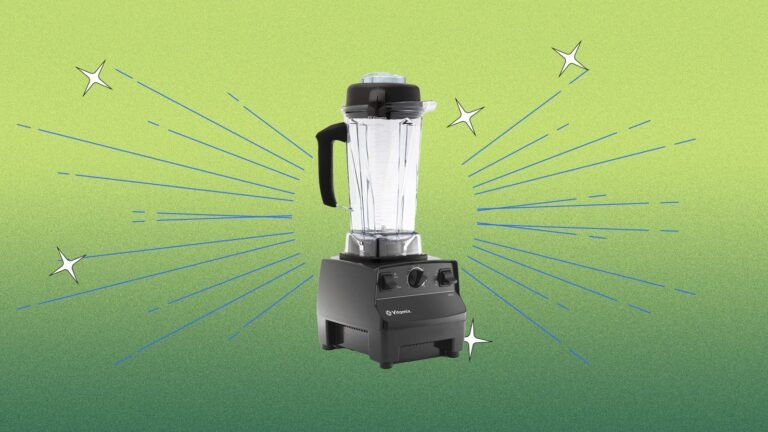
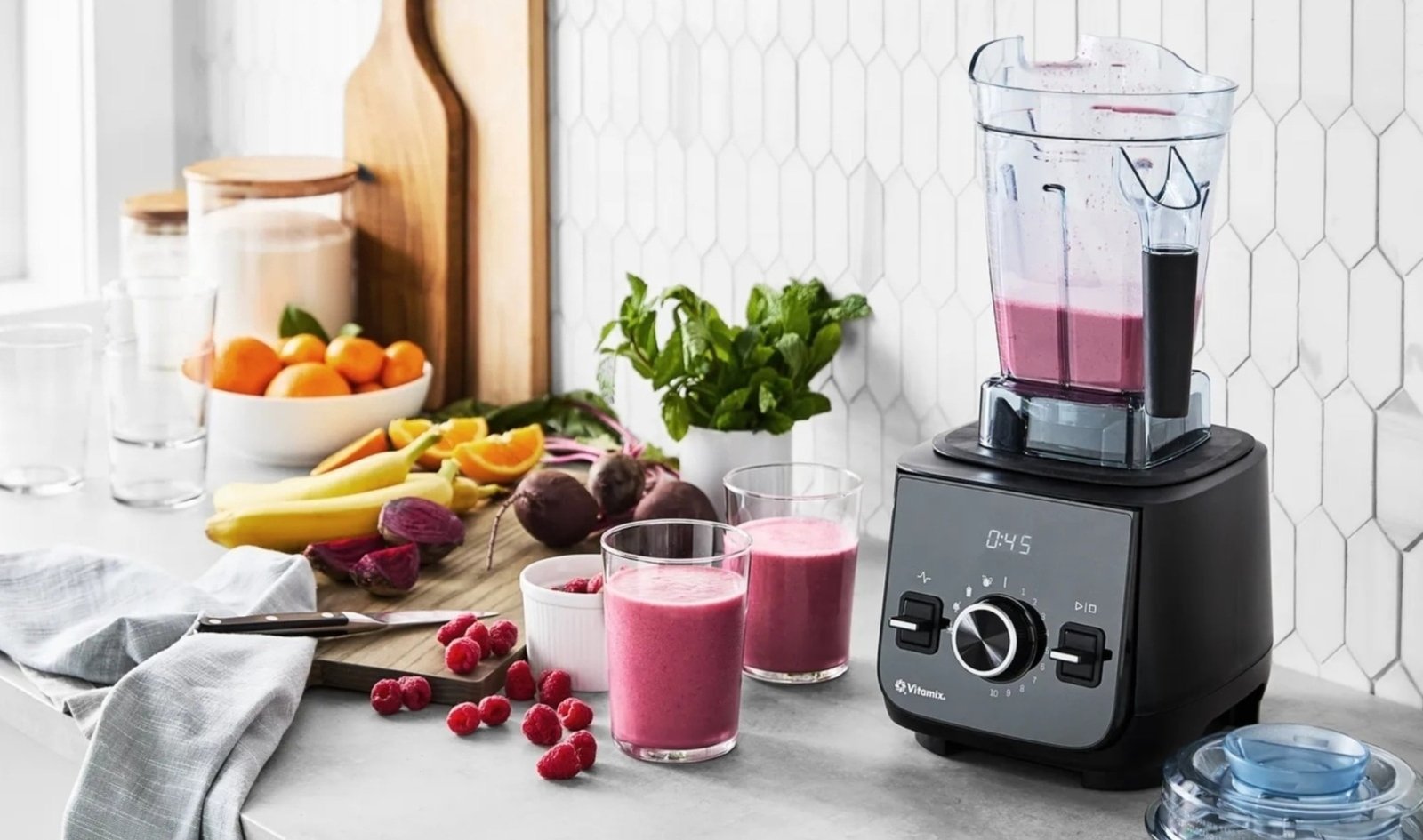
A Vitamix creates high-speed friction that heats ingredients, which means it can cook hot soups from raw vegetables while also pulverizing tough fibers like kale or ginger into a completely smooth texture. Standard blenders often leave small chunks or fibrous bits because their blades rotate slower and can’t reach the high speeds necessary to break down plant cell walls completely.
The difference in performance comes down to motor power and blade design. While a standard blender uses a slower motor and duller blades to chop food, a Vitamix uses a powerful motor and laser-cut blades that act like hammers to smash ingredients at high speeds. This allows for consistent results across varied tasks, from grinding grains into flour to turning frozen fruit into thick, scoopable sorbet without adding liquid.
Who should choose a Vitamix over a blender
Home cooks who prioritize smooth textures and versatility in the kitchen benefit most from this appliance. If you frequently make green smoothies, nut butters, or hot blended soups, you’ll notice the difference in speed and quality immediately. This machine is designed for those who want to replace multiple smaller kitchen gadgets with one heavy-duty motor base.
This machine isn’t for people who only need to make the occasional protein shake or frozen cocktail once a month. If your primary goal is simple mixing, a standard, lower-cost blender will handle those tasks without requiring the extra investment.
The assumption here is that you value time saved in food preparation and require a machine that handles tough ingredients like frozen berries, fibrous greens, and raw nuts without stalling. If you’re looking for a compact, lightweight tool for quick storage, this may not be the right choice for your counter space.
What decides the quality of your blend
Several factors change how ingredients process inside the container. The most important is the ratio of liquid to solid. If you use too little liquid, the blades will create an air pocket, and the motor will struggle to pull ingredients down. If you use too much, the texture will be thin and watery. Most people make the mistake of adding too much liquid first, which costs them the thick, creamy consistency they expect.
Blade speed is the second factor. High speeds are necessary to break down tough fibers, while low speeds are better for chopping softer items like onions or herbs. If you don’t turn the dial to the highest setting for smoothies, you’ll likely find pieces of fruit or greens left behind.
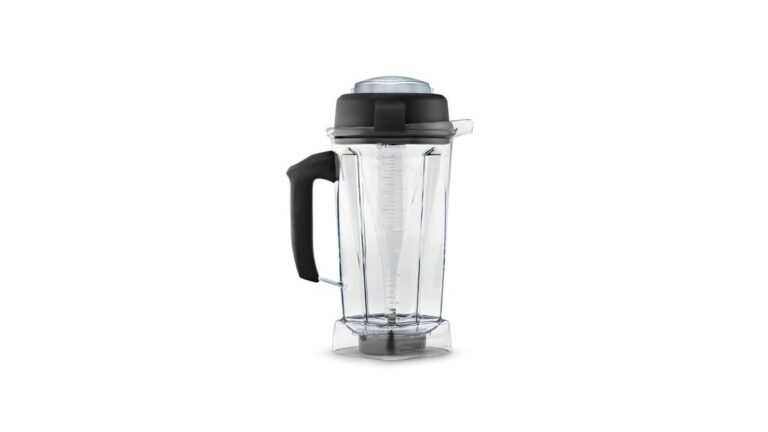
The container shape also matters. A narrow, tall container creates a vortex that pulls ingredients toward the blades. If you use a wide container, the ingredients may move around the sides instead of hitting the blades, leading to uneven results. Finally, the temperature of your ingredients affects the final texture. Frozen items provide a thicker base, but they require a tamper tool to push them into the blades consistently.
How to use the machine for best results
Follow these steps to ensure your ingredients are processed into a uniform, smooth consistency every time you use the machine.
- Add your liquids to the container first. This creates the base for the vortex that pulls solid ingredients down.
- Add your soft ingredients, such as leafy greens or yogurt, after the liquid.
- Add your hard or frozen ingredients last. These act as a weight to keep the mixture pushing toward the blades.
- Secure the lid firmly. Never start the machine without the lid and the plug inserted.
- Turn the speed dial to the lowest setting before turning the power switch on.
- Switch the machine on and slowly increase the speed to the highest level within 5 seconds.
- Use the tamper tool to push ingredients into the blades if the mixture stops moving.
- Run the machine for 45 to 60 seconds for most blends, or up to 6 minutes for hot soup.
- Turn the speed dial back to the lowest setting before switching the power off.
The single judgement call that separates a good result from a poor one is knowing when to use the tamper. If the mixture stops circulating, you must use the tool to guide the contents downward, or the blades will simply spin in empty air. Never leave the machine unattended while it’s running, as the high-speed motor can process ingredients in seconds.
Performance variations at a glance
| The Situation | What to do | What it takes | What to watch for |
|---|---|---|---|
| Making green smoothies | Use high speed | 60 seconds | Fibrous bits remaining |
| Creating hot soup | Run on high | 6 minutes | Steam pressure buildup |
| Making nut butter | Use tamper tool | 3 minutes | Motor heat increase |
| Grinding dry grains | Use dry container | 2 minutes | Fine dust formation |
| Crushing ice | Use pulse mode | 15 seconds | Ice melting quickly |
If your smoothie retains kale stems or leafy chunks, you’re likely overloading the carafe. Reduce the volume by 20 percent to allow a proper vortex to form.
When blending hot soup, never fill past the maximum liquid line. If the lid begins to bulge, stop immediately to vent the internal pressure.
For nut butter, the mixture will suddenly transition from a dry, crumbly paste to a glossy liquid. Once you see this shift, stop within ten seconds to prevent the motor from seizing under the increased torque.
If you’re grinding grains, ensure the container is bone-dry. Any residual moisture creates a gummy paste that ruins the blade assembly.
Finally, when crushing ice, avoid the temptation to add water. Pulse in short, two-second bursts. If the ice begins to turn into slush, you have already run the machine for too long.
Details for a superior result
Preparing ingredients correctly
Experienced users always chop large, hard vegetables like carrots or beets into 1-inch pieces before putting them in the container. This reduces the strain on the motor and ensures a faster, smoother blend. Beginners often throw in large, whole chunks, which forces the machine to work harder and increases the chance of an uneven texture.
Managing the machine’s heat
The high-speed blades generate friction that naturally warms the contents of the container. If you want a cold smoothie, use frozen fruit and limit the blending time to under 45 seconds. People often leave the machine running for too long, which turns a refreshing cold drink into a warm, thin liquid. Keep an eye on the consistency rather than just the clock.
Solving common blending issues
| What you notice | What it usually means | What to do first | How to stop it |
|---|---|---|---|
| Air pocket forming | Not enough liquid | Add more water | Use the tamper |
| Uneven texture | Pieces are too large | Stop and chop | Cut items smaller |
| Machine smells hot | Overworked motor | Turn it off | Use less solid |
| Leaking from base | Worn seal | Check the gasket | Replace the blade |
| Lid is stuck | Pressure buildup | Let it cool | Open the vent |
Add liquid in two-ounce increments until the vortex pulls ingredients down consistently.
When the machine smells hot, you’re likely blending frozen solids for longer than sixty seconds. If the motor sounds strained, stop immediately. Running a hot motor for even ten additional seconds can permanently damage the internal windings.
If you find leaking at the base, inspect the rubber gasket for hair-line cracks or mineral buildup. A common mistake is overtightening the blade assembly, which warps the seal. Hand-tighten until snug, then stop.
For stuck lids, never force the handle. If the contents are hot, the seal is vacuum-locked. Wait five minutes for the internal temperature to drop. If the container is cold, the gasket may be dry; apply a drop of food-grade mineral oil to the rim before your next use.
The rules for safe operation
Safety guidelines for high-speed blenders are published by the manufacturer in the owner’s manual provided with every unit. You should never attempt to remove the blade assembly from the container base yourself, as this requires specialized tools and risks damaging the watertight seal.
When blending hot liquids, ensure the lid is properly vented to allow steam to escape and prevent pressure buildup. If you’re blending hot ingredients, ensure the container isn’t filled past the maximum line and the lid is properly vented.
If you notice a burning smell, stop the machine immediately and check for a jammed blade or an overloaded container. Repairing the motor or the internal wiring should always be left to an authorized service technician, as the base contains capacitors that can hold a dangerous electrical charge even when the power cord is unplugged.
Real costs of ownership
The primary cost of this appliance is the initial purchase price, which is relatively inexpensive compared to the long-term value of the machine. Beyond the initial cost, you should account for the price of replacement containers if you plan to switch between wet and dry ingredients.
Time is the second form of currency here. While the machine is expensive, it saves significant time in food preparation because it doesn’t require pre-chopping or long processing times.
The cost of maintenance is low, as the blades are designed for durability, but you may need to replace the tamper or the lid seal after several years of heavy use. Always check the official manufacturer website for current pricing on replacement parts, as these prices vary based on the specific model version you own.
Keeping the machine in top shape
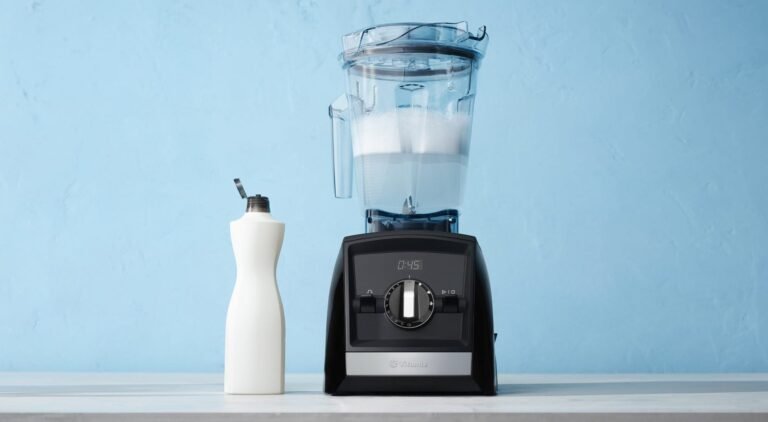
After every use, you should clean the container by filling it halfway with warm water and a drop of dish soap. Run the machine on the highest speed for 30 seconds to clean the blades and the sides of the jar. This prevents food residue from hardening, which is the most common cause of mold or buildup under the blade assembly.
If you notice the container becoming cloudy, this is often due to micro-abrasions from long-term use, which can’t be removed by soaking. Never put the container in a dishwasher unless the manufacturer specifically labels your model as dishwasher-safe, as the heat can warp the plastic and damage the seals. If the blade starts to spin slowly or makes a loud grinding noise, contact the manufacturer to determine if the bearing needs a professional service or a replacement part.
When to choose a different tool
This machine isn’t the right choice if you need to perform delicate tasks like whisking egg whites or whipping cream into stiff peaks. The high-speed blades are designed to destroy structure, not aerate it, which often results in separated or liquid mixtures. For these tasks, a handheld electric whisk or a stand mixer is the better choice.
If you’re looking for a machine to process very small amounts of food, such as a single tablespoon of herbs, this blender will likely be ineffective. The ingredients will simply get thrown against the sides of the large container and never reach the blades. In these cases, a small food processor or a manual mortar and pestle will give you much better control over the final result.
Related guides
Frequently asked questions
Can I blend hot soup in this blender?
Yes, you can blend hot soup by running the machine on the highest speed for 5 to 6 minutes. The friction from the blades heats the liquid, but ensure you don’t fill the container past the maximum capacity line to allow for steam expansion.
Is it safe to put the container in the dishwasher?
It depends on your specific model, as some newer containers are labeled dishwasher-safe while older ones are not. Check the base of your container or the owner’s manual for the manufacturer’s recommendation to avoid warping the plastic or damaging the seal.
How long do the blades last?
The blades typically last for many years of daily use, as they’re made from hardened stainless steel. If you notice the edges becoming dull or the blending performance decreasing, contact the manufacturer to see if your specific model allows for a blade assembly replacement.
Why does my blender smell like burning?
A burning smell usually means the motor is struggling to process the ingredients, often due to an air pocket or a load that’s too thick. Turn the machine off immediately, use the tamper to push the ingredients into the blades, and reduce the total amount of food.
Does it matter if I use the pulse button?
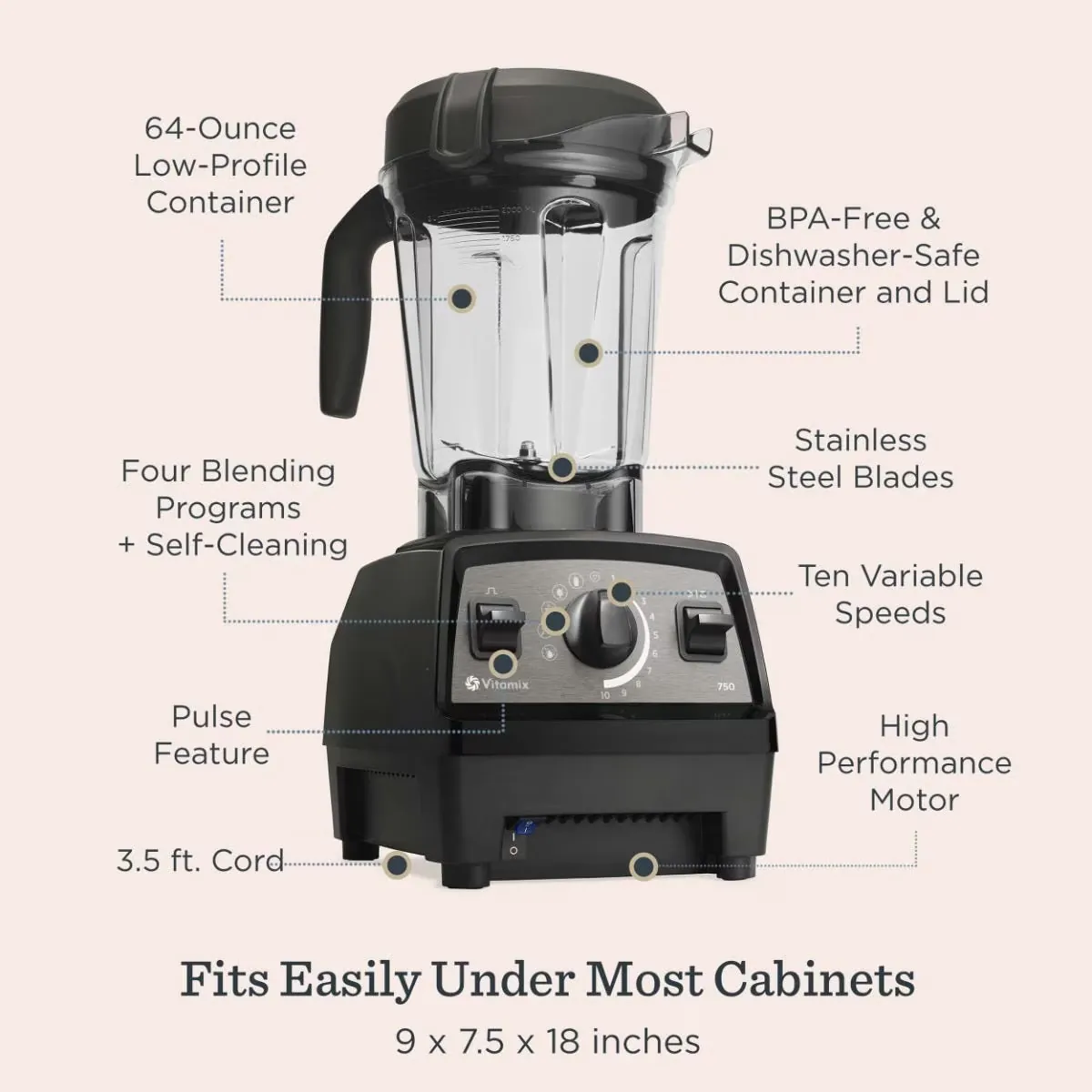
The pulse button is useful for chopping ingredients without turning them into a puree. Use it when you want a chunky salsa or chopped onions, as it gives you manual control over how many times the blades rotate.
How often should I clean the base?
You should wipe the motor base with a damp cloth after every use to prevent food spills from entering the cooling vents. Never submerge the motor base in water, as this will cause permanent electrical damage and void your warranty.
Conclusion
Start by placing the machine on a flat, dry surface and checking that the container is securely locked into the base. You can expect a completely smooth texture even with tough ingredients, but if you hear a loud rattling noise while blending, stop the machine immediately and check that the container is properly seated.