What Cannot Be Blended in a Nutribullet
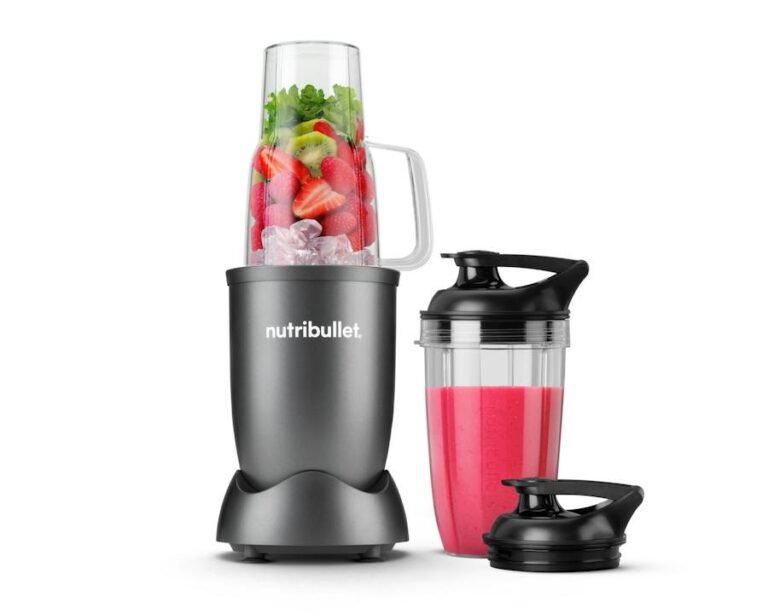
The Nutribullet is a compact, high-speed blender built around a simple promise: drop in whole ingredients, twist on a blade, and get a smooth drink in seconds. That promise has limits. Hard, dry, or fibrous items can dull the blades, damage the motor, or leave you with a gritty, unpleasant result — and a few things should never go in at all because they’re dangerous or because they will wreck the machine.
Key Takeaways
- No dry, hard ingredients. Nuts, coffee beans, whole spices, and ice cubes on their own will dull blades and can crack the cup.
- No hot liquids. Steam builds pressure inside a sealed cup and can blow the lid off, causing burns.
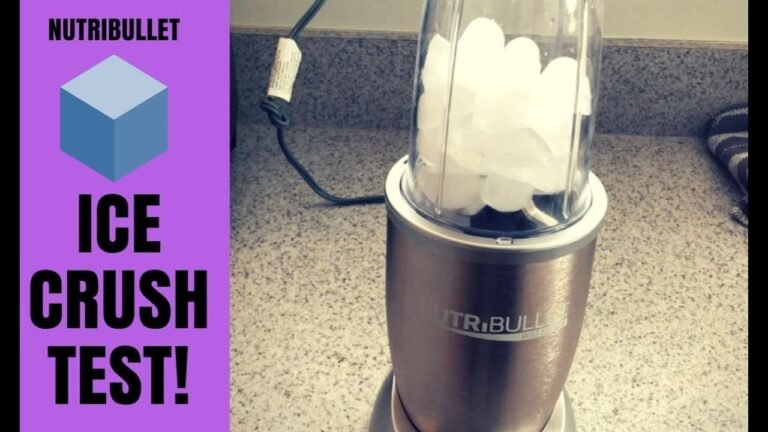
- No large ice cubes or frozen blocks. Use small ice or crush it in a full-size blender instead.
- No thick, sticky pastes. Peanut butter, thick dough, and mashed potato will stall the motor.
- Always add liquid first. A Nutribullet needs liquid to create a vortex; without it, ingredients jam at the bottom.
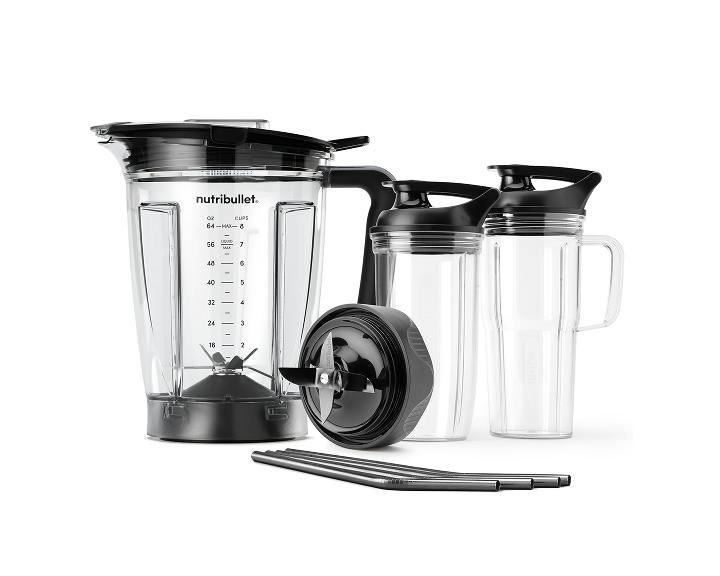
- Fill only to the MAX line. Overfilling stops circulation and can overflow when you open the cup.
What a Nutribullet Actually Is
Before listing what can’t go in, it helps to understand what this machine is. A Nutribullet is a personal blender, not a full-size kitchen blender. Its motor is typically in the 250–900 watt range, depending on the model, and it spins a single flat blade assembly at high speed inside a sealed cup.
That design has real advantages. It’s small, quick, and easy to rinse. But it also means the machine has less torque than a Vitamix or a Ninja with a heavy-duty motor. Torque is the twisting force that powers through tough ingredients. A Nutribullet has speed, not force. So anything that needs to be chopped, ground, or pulverized by brute force is a poor fit.
The blade is also fixed. You can’t swap in a dough hook, a milling blade, or a food processor attachment on most models. What you see is what you get.
The Full List of What Can’t Be Blended
Here is the honest, complete list of items that should stay out of a Nutribullet cup. Some are dangerous. Some will damage the machine. Some will simply give you a bad result.
Hard, Dry Ingredients
- Whole coffee beans — they will dull the blade and never grind evenly
- Whole nuts (almonds, walnuts, hazelnuts) — too hard and oily for the small blade
- Whole spices (cinnamon sticks, nutmeg, whole cloves, star anise) — will scratch and dull the blade
- Dried corn kernels — hard enough to crack the cup
- Uncooked rice or dried beans — will damage the blade and never break down
- Hard candy or ice cubes on their own — can shatter the cup
- Frozen solid blocks of fruit — jam the blade and stress the motor
If you want nut butter or ground coffee, use a food processor or a dedicated coffee grinder. A Nutribullet isn’t the tool.
Hot Liquids and Steam
Never blend hot soup, hot coffee, hot tea, or any liquid that has just come off the stove. A sealed Nutribullet cup traps steam. As the steam expands, pressure builds inside the cup. When you twist the blade off, that pressure releases all at once and can spray scalding liquid across your kitchen.
Let hot ingredients cool to room temperature first. If you must blend something warm, vent the cup and pulse in short bursts, and never fill past the MAX line.
Thick, Sticky, or Doughy Mixtures
- Peanut butter or nut butter — too thick, stalls the motor
- Bread dough — will wrap around the blade and burn out the motor
- Mashed potato — turns into a gluey paste and can stall the machine
- Thick hummus without enough liquid — needs water or oil to move
- Cookie dough or cake batter — too dense for the small motor
The rule is simple: if the mixture can’t flow, the blade can’t spin. Add liquid until it moves.
Fibrous and Stringy Ingredients
- Celery stalks in large pieces — leave stringy fibers behind
- Asparagus ends — tough and fibrous
- Pineapple core — too woody for the small blade
- Kale stems — better removed before blending
- Mango pits, peach pits, cherry pits — hard enough to damage the blade
You can blend some of these in small amounts with plenty of liquid, but expect a rougher texture.
Items That Are Simply Unsafe
- Utensils or spoons — never insert anything into the cup while the blade is attached
- Your hand or fingers — obvious, but worth saying
- Anything non-food — the machine is for food only
- Carbonated liquids — pressure builds and the lid can pop
- Very large ice cubes — use small cubes or crushed ice
Quick Reference: What Goes In, What Stays Out
| Ingredient | Safe in Nutribullet? | Why |
|---|---|---|
| Fresh fruit (banana, berries, mango) | Yes | Soft, blends easily |
| Leafy greens (spinach, kale, no stems) | Yes | Breaks down with liquid |
| Small ice cubes | Yes, in small amounts | Blends with liquid |
| Whole nuts | No | Dulls blade, never smooth |
| Coffee beans | No | Too hard, uneven grind |
| Hot soup or coffee | No | Steam pressure, burn risk |
| Peanut butter (thick) | No | Stalls motor |
| Bread dough | No | Wraps blade, burns motor |
| Whole spices | No | Scratches and dulls blade |
| Carbonated drinks | No | Pressure build-up |
| Frozen solid fruit blocks | No | Jams blade, stresses motor |
| Cooked soft vegetables | Yes, with liquid | Blends into soup base |
Why These Limits Exist
The limits aren’t arbitrary. They come from three physical realities.
First, motor torque. A Nutribullet motor spins fast but doesn’t have the twisting force of a larger blender. Thick, heavy mixtures create resistance the motor can’t overcome. The result is a stalled blade, a burning smell, and eventually a dead motor.
Second, blade geometry. The blade is a flat cross with two or four prongs. It’s designed to slice soft ingredients, not to crush hard ones. Hard items chip and dull the edges over time.
Third, the sealed cup. Because the cup is sealed during blending, any pressure — from steam or carbonation — has nowhere to go. That’s why hot and fizzy liquids are dangerous.
How to Blend Tricky Ingredients Safely
Some ingredients aren’t on the “never” list but still need care. Here is how to handle them.
Nuts and Seeds
Add them in small amounts (a tablespoon or two) with plenty of liquid. Blend them into a smoothie rather than trying to make nut butter. If you want a nut milk, soak the nuts first for several hours, then blend with water.
Ice
Use small cubes, not large ones. Add liquid first, then ice. Don’t fill the cup more than two-thirds full with ice. Pulse rather than running continuously.
Frozen Fruit
Let it thaw for five to ten minutes, or use frozen fruit that’s already in small pieces. A solid frozen block will jam the blade.
Fibrous Greens
Remove thick stems. Chop large leaves into smaller pieces. Blend with liquid and pulse first, then run continuously.
Thick Ingredients Like Avocado
Avocado is soft but dense. Add liquid — water, milk, or juice — and blend in small batches. Don’t pack the cup.
Pro Tip: The order of ingredients matters. Always put liquid in first, then soft ingredients, then hard or frozen items on top. This keeps the blade moving and prevents jamming.
Signs You Are Overloading the Machine
Your Nutribullet will tell you when it’s struggling. Watch for these signals.
- The motor slows or stops
- You smell a burning odor
- The cup vibrates violently
- The blade spins but nothing moves
- The machine shuts off and won’t restart
If any of these happen, stop immediately. Unplug the machine, remove the cup, and empty it. Let the motor cool for at least 15 minutes. Then try again with less in the cup and more liquid.
Warning: Never run a Nutribullet continuously for more than a minute at a time. Most models are designed for short bursts. Running it longer overheats the motor and shortens its life.
Common Mistakes People Make
Even experienced users make these errors. Avoid them and your Nutribullet will last longer.
| Mistake | What Happens | Fix |
|---|---|---|
| Filling past the MAX line | Overflow, poor blending | Fill only to the line |
| No liquid added | Ingredients jam at bottom | Always add liquid first |
| Blending hot food | Steam pressure, burns | Cool to room temperature |
| Running too long | Motor overheats | Use short pulses |
| Adding whole nuts | Dull blade | Chop or soak first |
| Packing the cup tight | Blade can’t move | Leave room for circulation |
| Blending carbonated drinks | Lid pops off | Never do it |
| Using large ice cubes | Jams blade | Use small cubes |
What You Can Blend Instead
The list of what works is much longer than the list of what does not. A Nutribullet excels at:
- Smoothies with fruit, yogurt, and milk or juice
- Green drinks with spinach, kale, and apple
- Protein shakes with powder, milk, and banana
- Soup bases with cooked vegetables and broth (cooled)
- Baby food with cooked, soft vegetables
- Sauces and dressings with oil, vinegar, and herbs
- Pesto with basil, oil, and a small amount of nuts
- Nut milks with soaked nuts and water
- Frozen drinks with small ice cubes and liquid
The key is always the same: liquid first, soft ingredients next, hard items last, and never overfill.
Model Differences Worth Knowing
Not all Nutribullets are the same. The original Nutribullet has a 600-watt motor. The Nutribullet Pro has 900 watts. The Nutribullet Rx has a 1,700-watt motor and a heating function that lets it make hot soup — but that heating function is built in, not something you create by adding hot liquid.
Higher-wattage models handle tougher ingredients better. But even the most powerful Nutribullet has limits. The blade design and cup size stay similar across the line, so the same rules apply.
If you own a Nutribullet Baby, the cups are smaller and the motor is gentler. Stick to soft, cooked foods.
Cleaning and Maintenance Rules
A well-maintained Nutribullet blends better and lasts longer. Follow these habits.
- Rinse the blade and cup immediately after use
- Don’t put the blade assembly in the dishwasher unless the manual says it’s safe
- Never submerge the motor base in water
- Wipe the base with a damp cloth
- Check the blade for nicks and replace it if damaged
- Don’t use the cup to store food for long periods
A dull or damaged blade is one of the most common reasons a Nutribullet stops blending well. Replacement blades are inexpensive and easy to find.
When to Use a Different Appliance
Some jobs are simply not meant for a Nutribullet. Reach for a different tool when you need to:
- Grind coffee beans — use a burr grinder
- Make nut butter — use a food processor
- Knead dough — use a stand mixer
- Crush large amounts of ice — use a full-size blender
- Blend hot soup — use an immersion blender or a soup maker
- Chop hard vegetables — use a food processor
Pro Tip: Think of the Nutribullet as a smoothie machine with a few bonus uses. If a recipe calls for grinding, kneading, or crushing, it belongs in a different appliance.
Safety Rules You Should Never Break

- Never blend hot liquids in a sealed cup
- Never blend carbonated drinks
- Never insert anything into the cup while the blade is attached
- Never run the motor with the cup empty
- Never exceed the MAX fill line
- Never leave the machine running unattended
- Never use a damaged blade or cracked cup
These rules exist because people have been burned, cut, and have ruined machines by ignoring them. Follow them and you’ll stay safe.
Frequently Asked Questions
Can you blend ice in a Nutribullet?
Yes, but only small cubes and only with liquid. Add liquid first, then a handful of small ice cubes. Pulse in short bursts rather than running continuously. Large cubes or a cup full of ice will jam the blade and stress the motor. For crushing large amounts of ice, use a full-size blender.
Can you blend frozen fruit in a Nutribullet?
Yes, if the fruit is in small pieces. Frozen berries and sliced bananas blend well with liquid. A solid frozen block of fruit will jam the blade. Let it thaw for five to ten minutes first, or buy frozen fruit that’s already chopped into small chunks.
Can you grind coffee beans in a Nutribullet?
No. Coffee beans are too hard and too oily for the small blade. You’ll get an uneven grind and dull the blade over time. Use a dedicated burr grinder or a blade coffee grinder instead. The same applies to whole spices and dried corn.
Can you make nut butter in a Nutribullet?
Not really. Nut butter is too thick and sticky for the small motor. It will stall the blade or burn out the motor. You can blend a small amount of nuts into a smoothie with plenty of liquid, but for actual nut butter, use a food processor or a high-powered full-size blender.
Can you blend hot soup in a Nutribullet?
No. Hot liquid in a sealed cup creates steam pressure that can blow the lid off and cause burns. Let soup cool to room temperature first, then blend. If you want hot soup from a Nutribullet, use a model with a built-in heating function, which heats safely during blending.
What happens if you overfill a Nutribullet?
Overfilling stops the ingredients from circulating. The blade spins but nothing moves, so you get chunks instead of a smooth blend. It can also cause overflow when you open the cup. Always fill only to the MAX line, and leave headroom for the vortex to form.
A Nutribullet is a fast, convenient tool for smoothies, shakes, and soft blends. It isn’t a food processor, a coffee grinder, or a soup maker. Keep hard, dry, hot, and thick ingredients out of the cup, always add liquid first, and never fill past the MAX line.
Conclusion
If you want to blend something on the “never” list, reach for the right appliance instead. Your Nutribullet will last longer, and your results will be better. Start by checking your next smoothie recipe against the lists above before you twist on the blade.