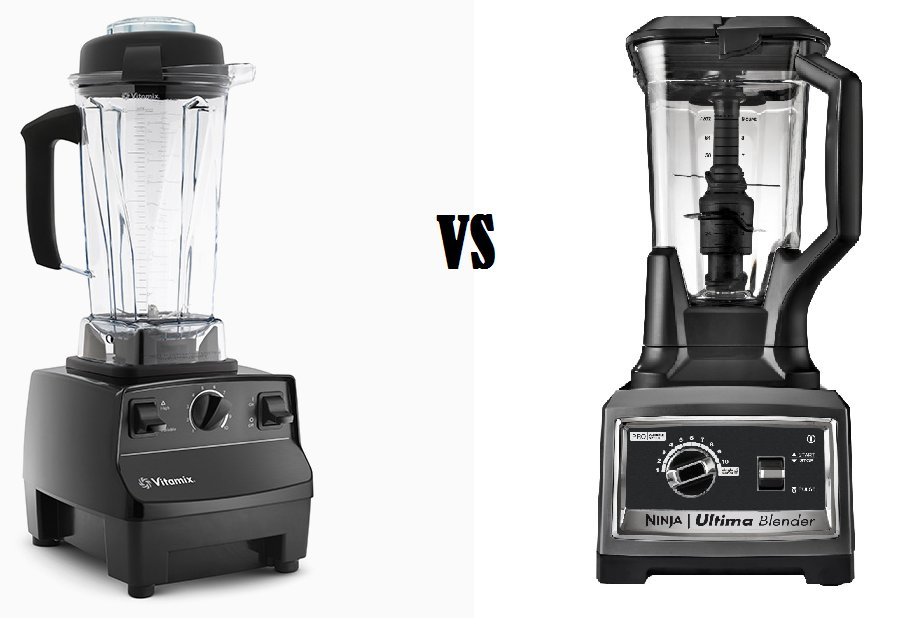
Is a Ninja Blender as Good as a Vitamix? Our Direct Comparison
A Ninja blender isn’t as powerful or durable as a Vitamix for heavy-duty daily use, though it performs well for basic kitchen tasks. While both machines can pulverize fruit and ice, they differ significantly in motor longevity, blade construction, and the consistency of the final blend, especially with fibrous greens or tough seeds.
Choosing between them depends on your daily habits. If you blend simple smoothies twice a week, the Ninja is likely enough. If you blend daily or need smooth nut butters and hot soups, the Vitamix is the better tool.
Choosing if a Ninja is as good as a Vitamix
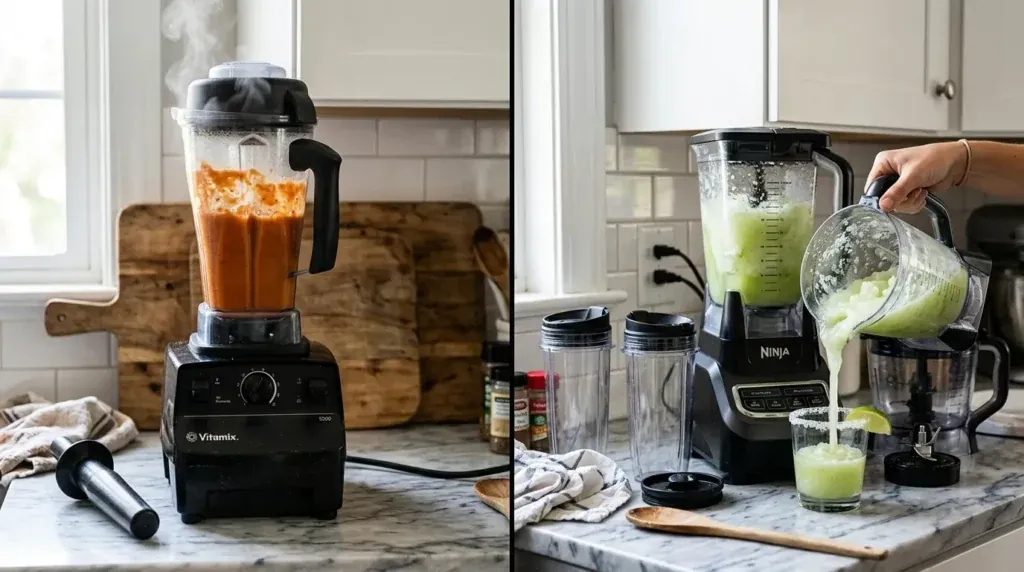
People who type this question usually fall into two categories: the casual home cook looking for a budget-friendly way to make morning shakes, and the serious health enthusiast or chef who needs a high-performance machine for complex recipes. The casual user already owns basic kitchen appliances and wants a tool that’s easy to store and simple to clean. They often value the lower price point of a Ninja and the included personal-sized cups that come with many models.
On the other hand, the serious user is often looking for a professional-grade appliance that can handle daily heavy blending without overheating or losing performance over time. They’re often willing to pay a higher price for a machine that offers a longer warranty and a more consistent texture in their food. This page serves the user who needs to decide if the higher cost of a Vitamix provides enough extra value for their specific lifestyle.
We assume that you want an honest comparison of performance and longevity rather than a sales pitch. If you simply need the cheapest machine that turns fruit into liquid, this analysis will show you exactly what trade-offs you’re making by choosing one over the other.
What decides the blending outcome
Motor power and torque are the primary factors that differentiate these machines during use. A Vitamix typically uses a larger, air-cooled motor designed to run for several minutes at a time without straining, while a Ninja motor often relies on higher RPMs but less torque, which can lead to faster motor fatigue under heavy loads.
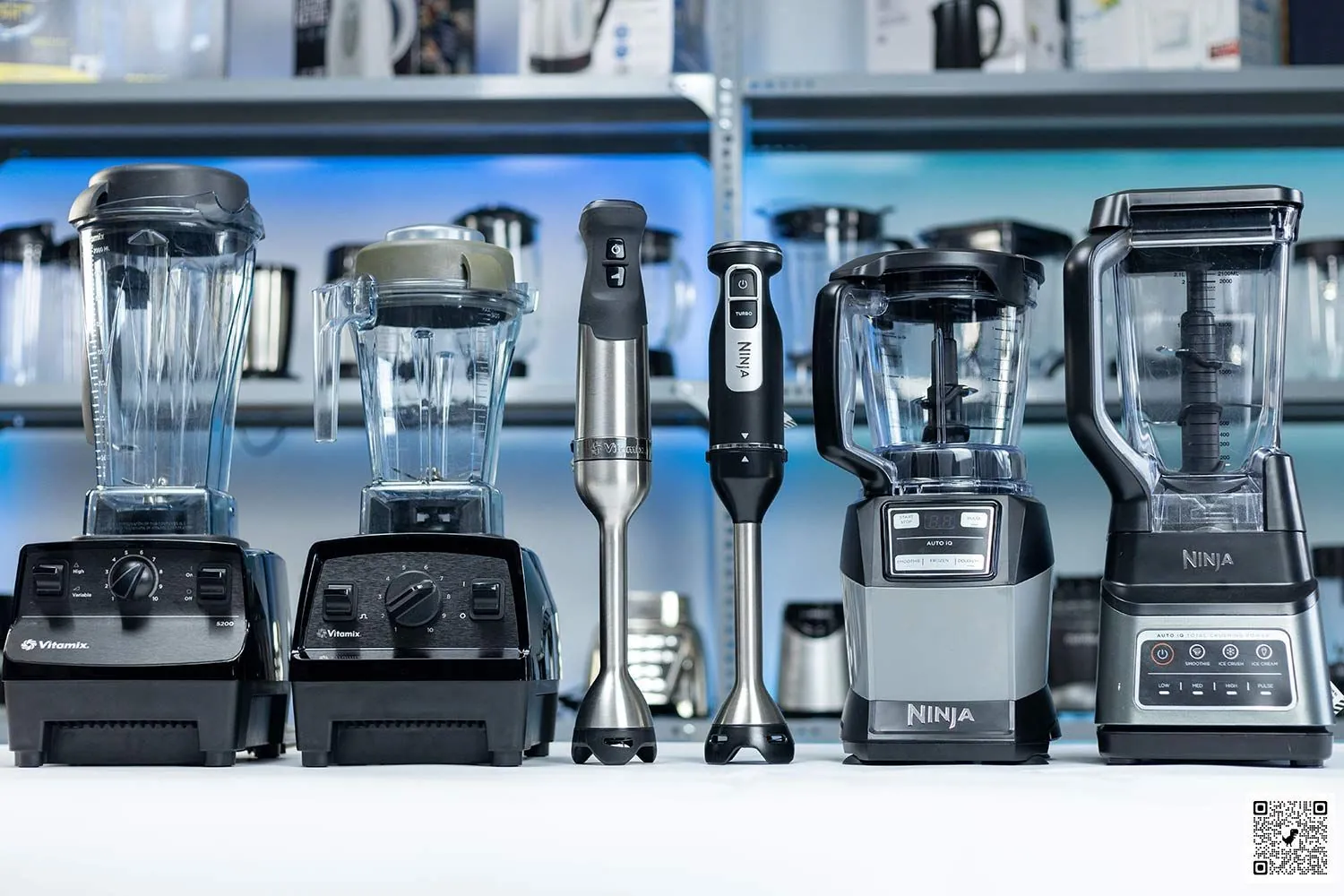
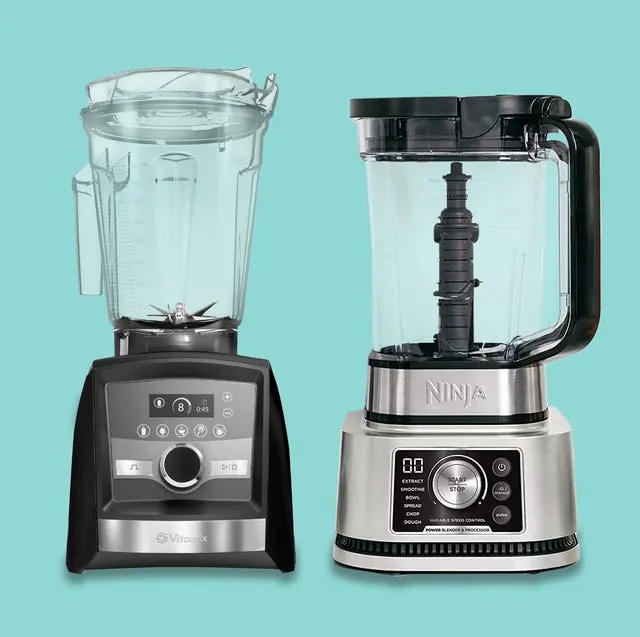
Blade design changes how ingredients move through the jar. Vitamix blenders use a single, dull-blade assembly that relies on high-speed force to pulverize food, creating a vortex that pulls ingredients down. Ninja blenders often use a stacked-blade tower, which can be more effective for chopping ice but sometimes leaves chunks in smoothies because the food doesn’t circulate as efficiently as it does in a vortex-style jar.
Jar material and base stability matter when you’re processing heavy ingredients like frozen fruit or thick dough. Vitamix jars are made from high-grade, impact-resistant copolyester designed to withstand extreme pressure, while some Ninja jars are made from lighter plastics that can show signs of wear or clouding after repeated use.
The user interface also changes the experience. Vitamix machines often feature manual dials that allow for precise control over speed, which is vital for achieving specific textures like purees or salsas. Many Ninja models rely on preset buttons that automate the process, which is easier for beginners but offers less control for those who want to adjust the texture mid-blend.
How to use your blender properly
- Add liquids first, such as water, milk, or juice, to ensure the blades can rotate freely when you start the motor.
- Add soft ingredients like yogurt or leafy greens to the jar next.
- Place frozen fruit, ice, or hard vegetables on top to provide weight that pushes ingredients down into the blades.
- Secure the lid tightly and ensure the seal is locked, as an unlatched lid can cause leaks at high speeds.
- Start the motor on the lowest setting to begin the blending process.
- Increase the speed gradually to the highest setting over 5 to 10 seconds.
- Blend for 45 to 60 seconds until the mixture reaches a smooth, consistent texture.
- Turn the speed back to the lowest setting before you switch the motor off.
The judgement call that separates a professional result from a poor one is the final texture check. You should stop and stir the mixture with a tamper if you see air pockets forming around the blades, as this prevents the machine from overheating. If you’re using a machine without a tamper, you must stop the motor completely before you open the lid to scrape down the sides.
Performance and feature variations
| Situation | Best Choice | Primary Trade-off | Watch For |
|---|---|---|---|
| Daily green smoothies | Vitamix | Higher upfront cost | Texture consistency |
| Occasional shakes | Ninja | Limited motor life | Blade sharpness |
| Making hot soups | Vitamix | Requires practice | Safety seals |
| Crushing ice | Ninja | Loud operation | Jar scratches |
| Making nut butters | Vitamix | Requires patience | Motor heat |
If you blend more than four times a week, the Vitamix pays for itself within eighteen months by avoiding the motor burnout common in cheaper units. When your primary goal is pulverizing fibrous kale or frozen fruit, prioritize the Vitamix’s high-torque motor to avoid the gritty, uneven texture that often plagues lower-wattage alternatives.
Conversely, choose the Ninja if your usage is limited to weekend protein shakes or occasional frozen drinks. These models rely on high-speed blade rotation rather than brute motor force, which makes them ideal for ice but prone to dulling if used for dense, oily tasks like grinding nuts.
A common mistake is assuming all high-speed blenders handle heat the same way. If you plan to make hot soups, ensure the lid has a dedicated steam vent; otherwise, the internal pressure can blow the seal. If you’re processing nut butters, stop every sixty seconds to let the motor cool. If the smell of ozone appears, you have already pushed the internal bearings past their thermal limit.
Differences in build and quality
The importance of motor longevity
Vitamix blenders are engineered to maintain consistent power output during long blending cycles, which prevents the motor from stalling when processing thick mixtures. In contrast, many Ninja blenders are designed for shorter bursts of activity. If you exceed the recommended blending time, the Ninja may trigger an automatic shut-off to prevent motor burnout, whereas a Vitamix is built to handle the load for longer durations without such interruptions.
Blade safety and maintenance
Vitamix blades are intentionally dull, which makes them safer to clean and less prone to losing their edge over time. Ninja blades are sharp and can be dangerous to handle during cleanup, though they’re excellent at initial chopping tasks. You should always follow the NSF International guidelines for food equipment sanitation to ensure your blender jar remains free of bacterial buildup after every use, regardless of which brand you choose.
Common issues and how to fix them
| What you notice | What it means | What to do first | How to prevent |
|---|---|---|---|
| Burning smell | Motor overheating | Turn off immediately | Add more liquid |
| Leaking lid | Worn gasket | Check the seal | Clean lid grooves |
| Chunks in smoothie | Poor circulation | Stop and stir | Use more liquid |
| Loud rattling | Loose base | Tighten the jar | Place on flat mat |
| Clouded plastic | Scratches | Use soft sponge | Avoid hard brushes |
If you smell burning, check the motor base for debris. A buildup of dried food particles can block airflow, forcing the motor to work harder than necessary. If the smell persists after cleaning the base, your motor has likely reached its thermal limit. Stop using it for at least thirty minutes to allow the internal coils to cool.
Leaking lid issues often stem from debris trapped in the rubber gasket rather than actual wear. Remove the gasket after every use to rinse away hidden residue. If the seal remains loose, check if the plastic rim has warped from high-heat dishwasher cycles. Hand-washing prevents this permanent deformation.
Rattling sounds rarely indicate a broken motor. Most often, the jar isn’t seated flush against the drive socket. If you hear a grinding noise, stop immediately. Running the machine while misaligned will strip the plastic gear teeth. You can avoid this by ensuring the jar clicks firmly into place before you press the power button. Always place the unit on a level, rubberized mat to dampen vibrations that cause the base to shift during heavy blending cycles.
The rules of operation
Safety and usage limits are defined by the manufacturer for every model to ensure the machine remains functional. Vitamix products often carry a multi-year warranty that covers the motor and parts, provided the machine is used according to the manual’s specific limits regarding load weight and run time. If you use a consumer-grade Ninja for commercial purposes, you’ll void the manufacturer’s warranty immediately.
Check your model’s specific duty cycle before processing heavy loads. Most standard blenders are rated for continuous operation of no more than 60 seconds. Running a motor beyond this limit causes internal heat to spike, which degrades the winding insulation and permanently reduces torque. If the motor smells like ozone or burning plastic, stop immediately and let it cool for at least 30 minutes.
You should never attempt to repair the motor or internal wiring yourself. If your blender fails to start or emits smoke, the internal components have likely reached the end of their service life or suffered a power surge. Always contact the official support line of the manufacturer to arrange for a professional repair or replacement.
Financial and time costs
The cost of these machines isn’t just the sticker price; it’s the total cost of ownership over the life of the appliance. A Vitamix is a premium investment, but it often lasts for a long period with proper care. A Ninja is much cheaper upfront, but you might find yourself replacing the entire unit frequently if you use it daily.
Time is another factor to consider. A high-performance blender saves time by processing tough ingredients in under a minute, while a lower-powered machine may require multiple stops to stir or add more liquid to reach the same consistency.
If your time is valuable, the ability to blend perfectly on the first try is a hidden benefit of the more expensive machine. Always check current pricing on the manufacturer’s website to compare the latest models, as prices fluctuate based on seasonal sales and new product releases.
Keeping your machine in top shape
To keep your blender running for years, you must clean the jar thoroughly after every single use. Food residue that sits in the crevices near the blade assembly can harbor bacteria and eventually damage the seals. You can clean most jars by adding warm water and a drop of dish soap, then running the machine on the highest speed for 30 seconds.
If you notice the blender making a high-pitched noise or the blade assembly feels stiff, the bearings are likely failing. Lubrication rarely fixes this; you usually need a new blade unit. If the assembly spins freely by hand when the jar is empty, the bearings are still healthy.
Never submerge the motor base in water, as this will destroy the electronics instantly. Wipe the base with a damp cloth to remove spills. If you use a dripping wet rag, moisture can seep into the ventilation ports and corrode the internal wiring.
If the jar starts to leak from the bottom, don’t ignore it. Replace the gasket or the entire jar assembly immediately to prevent liquid from entering the motor housing. A single cup of leaking liquid can cause a permanent short circuit. If you see brown streaks on the underside of the jar, the seal has already failed and the motor is at immediate risk of failure.
When to look for an alternative
If you’re trying to make recipes that require extreme precision, such as professional-grade emulsions or perfectly smooth nut milks, a standard consumer blender of either brand may not be enough. In these cases, you should look for high-end culinary processors specifically designed for those textures. These devices feature variable-speed cooling systems that consumer models lack, preventing the motor from overheating during the long, high-torque cycles required to break down cell walls at a microscopic level.
If you’re a professional chef or operate a juice bar, stop looking at household blenders entirely. Commercial-grade machines are subject to different safety certifications and are built with heavy-duty components meant to run continuously for hours. Using a home-use blender in a commercial environment is a mistake that will void your warranty and may lead to safety violations. If your daily output exceeds twenty cycles, the heat buildup will degrade the seals and bearings of a consumer model within weeks.
Seek out a commercial kitchen supplier who can provide equipment that meets your local health department’s standards for public use. When the motor housing is made of plastic rather than reinforced metal, it won’t withstand the daily wear of a high-volume kitchen. Choose equipment rated for at least 1,500 watts to ensure consistent performance under heavy, back-to-back loads.
Frequently asked questions
Can a Ninja blender make hot soup?
Yes, a Ninja can make hot soup, but only by blending for several minutes until the friction of the blades heats the liquid. You must ensure you’re using a heat-safe jar and that you don’t overfill it, as the steam can build pressure and force the lid open if the jar is too full.
Is it safe to put blender parts in the dishwasher?
Most parts are dishwasher safe, but you should check the manufacturer’s manual for your specific model first. High heat in a dishwasher can warp plastic jars and damage rubber gaskets over time, so hand washing with warm, soapy water is usually the best way to extend the lifespan of your blender components.
How long should a blender last?
A high-quality blender like a Vitamix can last for many years with daily use, while a more affordable Ninja typically lasts for a much shorter duration under similar conditions. The actual lifespan depends entirely on how often you use it, the toughness of the ingredients you blend, and how well you maintain the seals and blades.
Does the horsepower of the motor matter?
Horsepower is a measure of the motor’s potential, but torque is what actually matters when you’re blending thick or frozen ingredients. A machine with high torque will maintain a consistent speed even when the jar is full, while a motor with high horsepower but low torque will slow down and struggle to maintain a smooth vortex.
What happens if I overfill the jar?
Overfilling the jar prevents the ingredients from circulating, which forces the motor to work harder and can lead to overheating. You should always leave at least two inches of space at the top of the jar, as this allows the ingredients to move freely and ensures the blades can create the necessary vortex for a smooth blend.
Is a Vitamix worth the extra money?
A Vitamix is worth the extra money if you plan to use it daily for demanding tasks like grinding grains, making nut butters, or blending fibrous vegetables. If you only use a blender for occasional smoothies, you’ll likely find that the performance difference doesn’t justify the higher cost of the machine.
Conclusion
Start by assessing how many times per week you actually use your blender and what specific textures you’re trying to achieve. If you find yourself frustrated by chunks in your smoothies or a motor that smells like it’s straining, it’s time to upgrade to a more powerful machine. Stop using any blender that shows signs of smoke or electrical burning, as this indicates a failure that requires immediate replacement.