How to Clean a Nutribullet Blender Base Safely in 10 Minutes
Cleaning a Nutribullet blender base takes about 10 minutes, costs nothing beyond a damp cloth and a little dish soap, and sits at easy-to-medium on the difficulty scale. The base is the motor housing, and that’s the part you can’t dunk. Check your model number off the bottom sticker, since Nutribullet’s cleaning rules differ slightly between base shapes.
What you need to clean a Nutribullet base
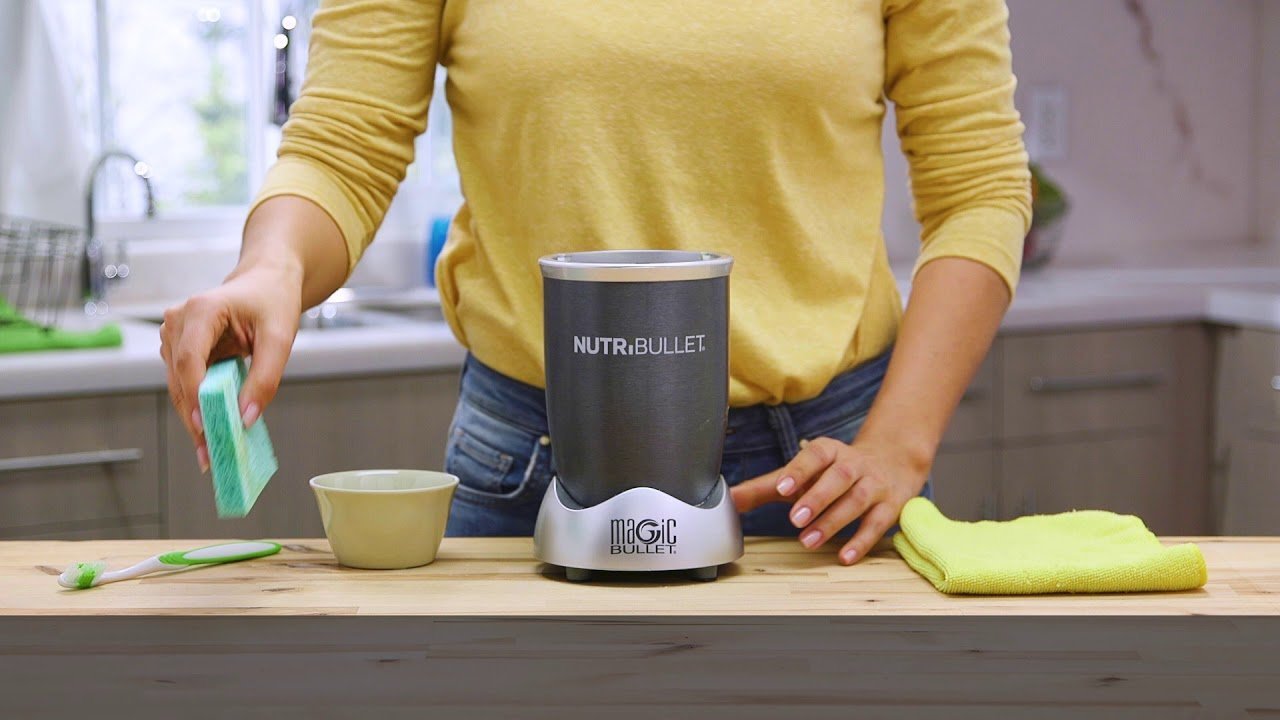
Everything below fits on one kitchen towel. The list is short on purpose — the base is a motor, and most of the damage people do comes from adding one product too many.
| Item | How much | Why it’s needed | A substitute |
|---|---|---|---|
| Dish soap | 1-2 drops | Lifts smoothie residue | None — don’t swap this |
| Warm water | 1 cup | Dampens the cloth only | None — don’t swap this |
| Soft microfiber cloth | 2 cloths | One wet, one dry | Soft sponge, non-scratch side |
| Small soft brush | 1 | Reaches the blade collar threads | Clean toothbrush |
| Cotton swabs | 3-4 | Cleans the button seams | Folded corner of cloth |
| Paper towel | 2 sheets | Soaks up spills first | Clean rag |
| Model manual | 1 | Confirms your base’s rules | Nutribullet’s website |
Two drops of soap in a cup of warm water is enough for the whole base. More soap just means more wiping later, and extra moisture is the one thing this job is trying to avoid.
Before you clean the Nutribullet base
- Unplug the base first. Pull the cord from the wall outlet, not from the base. The motor can’t be wet while it’s live, and this is the step that keeps the rest of the job safe.
- Empty and rinse the cup and blade separately. Twist the blade collar off, rinse both under warm running water, and set them aside. They get washed like normal dishes — the base does not.
- Wipe up any spill on the counter before you start. A wet counter means a wet base, and a wet base means a wait.
- Move the base away from the sink. Clean it on a dry surface at least an arm’s length from standing water. Splash is the enemy here.
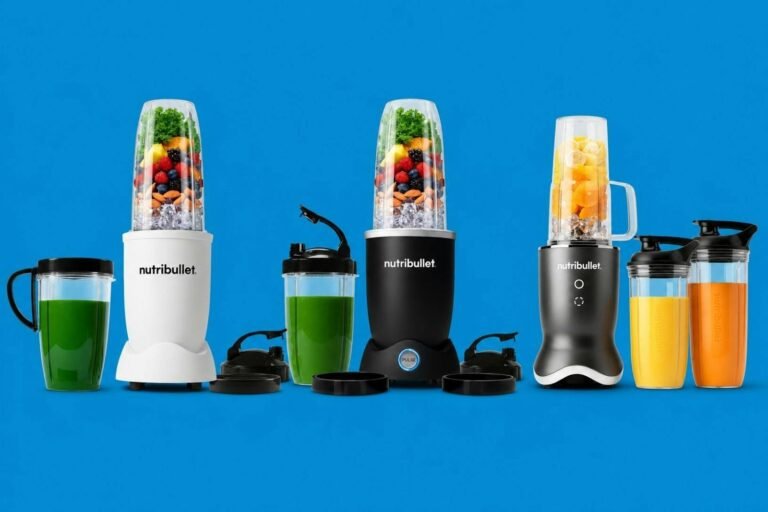
- The step most people skip: check the manual for your model. Nutribullet has changed base designs over the years, and some newer models have sealed button panels while older ones don’t. If your manual is gone, the model number on the bottom sticker tells you which one you have.
Never open the base housing, and never touch anything inside it. A capacitor inside a plugged-in or recently unplugged appliance can hold a dangerous charge even with the cord out. If your base has a real electrical fault — a burning smell, a spark, a cord that’s frayed — that’s technician work or a replacement, not a cleaning job.
How to clean the Nutribullet blender base step by step
Unplug the base and let it sit for a minute. Pull the cord from the outlet and set the base on a dry towel. Waiting a minute lets any condensation from the last use settle. You’ll know it’s ready when the outside of the housing feels dry to the touch.
Wipe the outside with a barely damp cloth. Dip one microfiber cloth in the soapy water, then wring it out until it stops dripping. A cloth that leaves a wet trail is too wet. Wipe the whole housing top to bottom and check that no water runs into the button seams.
Clean around the buttons with a cotton swab. Dip one end of a swab in the soapy water and squeeze off the excess between your fingers. Run it along each button edge and the seam around the control panel. One swab per button is enough; a swab that comes back clean means that button is done.
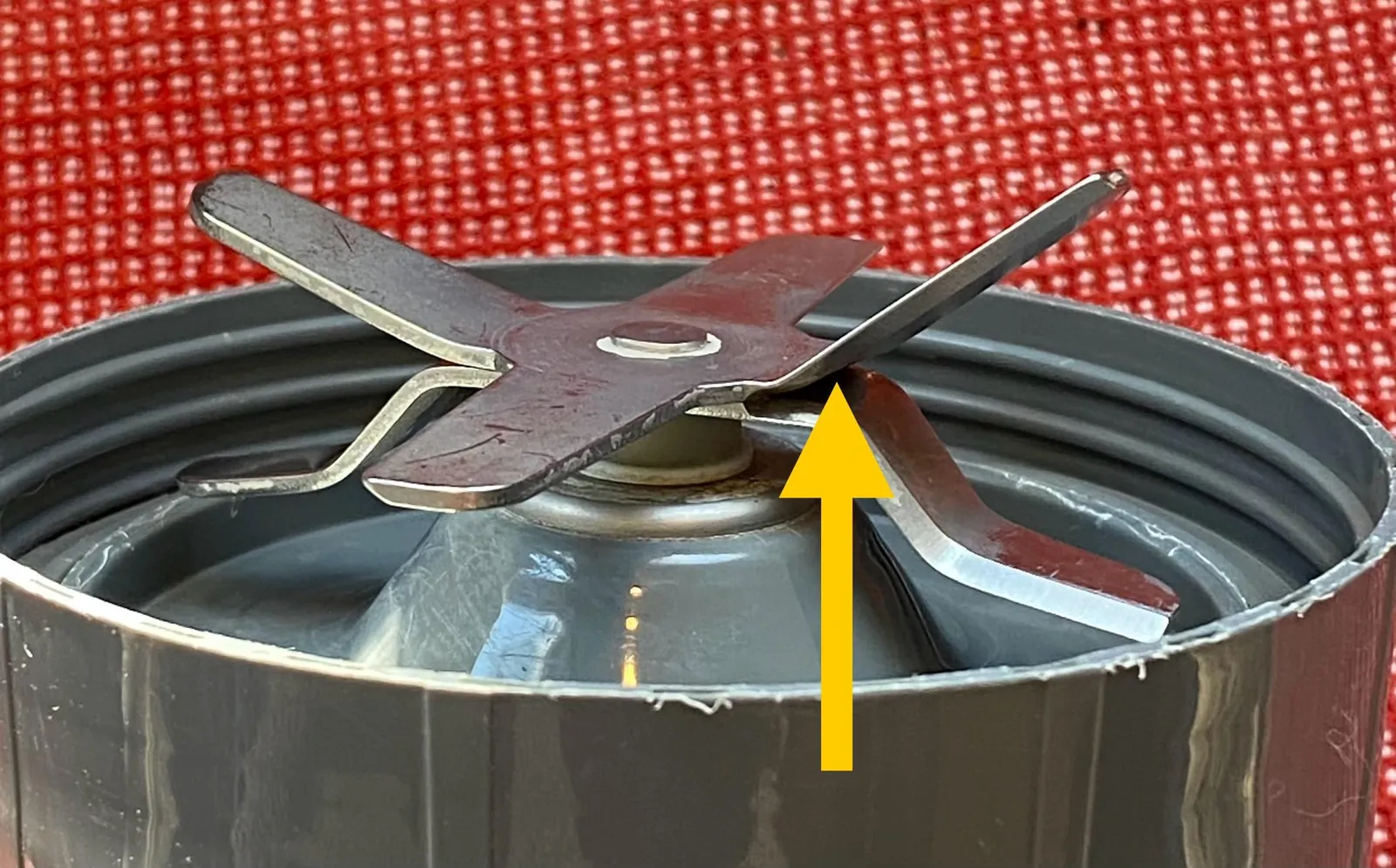
Scrub the blade collar threads with the soft brush. Hold the blade collar under warm running water and brush the threads and the rubber gasket with a few drops of dish soap. Thirty seconds of brushing clears the dried fruit fiber that makes the collar stick. Rinse until the water runs clear.
Wash the cup with warm soapy water and a bottle brush. Fill the cup halfway with warm water, add 2 drops of soap, and scrub the sides and bottom for about 20 seconds. Rinse well. If the cup still smells like old smoothie after rinsing, repeat once — that smell lives in the lid gasket more than the cup.
Rinse the lid gasket and check it for trapped pulp. Pull the gasket out if your lid allows it, rinse both sides, and look for dark specks in the groove. Trapped pulp there’s what makes a lid smell sour. Press the gasket back in flat before the lid goes back on.
Dry everything with the second cloth. Dry the base, the cup, the blade collar, and the lid by hand. Air drying leaves water sitting in the button seams and the blade collar threads, which is exactly where you don’t want it. Everything should feel dry before it goes back together.
Deal with dried-on residue on the base last. If smoothie dried onto the housing, hold a warm damp cloth against the spot for 60 seconds to soften it, then wipe. Don’t scrape with a knife, scouring pad, or anything abrasive — you’ll scratch the plastic and give bacteria a place to sit.
Clean the underside vents with a dry brush only. Run a dry soft brush or a dry toothbrush across the air vents on the bottom. Never use water here. A dry brush lifts the dust; a wet one pushes it in and can drip into the motor.
Reassemble and store it unplugged. Twist the blade collar onto the cup, seat the lid, and set the base somewhere dry with the cord loosely wrapped. Don’t wrap the cord tight around the base — that’s how cords crack at the strain relief over time.
How to tell the Nutribullet base is actually clean
The base passes when a dry white cloth wiped across the housing, the button seams, and the underside vents comes back clean and dry. That’s the check — not a look or a smell. If the cloth picks up grit or feels damp, go back over that spot and dry it again.
The cup and blade collar pass when they feel smooth to the touch and hold no smell after drying. Run a finger around the inside of the blade collar threads. If your finger catches on sticky residue, the collar needs another 30 seconds under warm water with soap and the brush. A clean collar spins on and off with no resistance.
Signs the job needs a second round:
- The white cloth comes back with a grey or pink tint on the button seams.
- Water beads sit in the seam around the control panel after you’ve dried it.
- The lid gasket still smells sour after rinsing — soak it in warm soapy water for 10 minutes, then rinse again.
- The underside vents still look dusty after one dry brushing.
- The base feels tacky anywhere, which usually means soap residue, not dirt. Wipe with a clean damp cloth and dry.
How often your base needs a full clean depends on what you blend and how much of it lands on the housing. Someone making one green smoothie a day and rinsing the cup straight after will wipe the base far less often than someone blending nut butters, which throw fine, sticky spray. Watch your own base for two weeks and you’ll know your number.
If something goes wrong
| What happened | Why | What to do |
|---|---|---|
| Base won’t turn on | Moisture in the button panel | Wait 24 hours unplugged, then try |
| Water got in the vents | Wiped with a wet cloth | Unplug, dry upside down, wait a day |
| Buttons feel sticky | Soap residue left behind | Wipe with clean damp cloth, then dry |
| Blade collar stuck | Dried pulp in the threads | Soak collar in warm soapy water 10 min |
| Base smells burnt | Motor or wiring fault | Stop using it, contact Nutribullet support |
| Housing scratched | Abrasive pad or scraper used | Cosmetic only, keep cleaning gently |
If the base still won’t power on after a full day of drying, unplugged and upside down, stop guessing. Contact Nutribullet support with your model number — that’s what the sticker on the bottom is for. Don’t open the housing to look inside.
How often to clean the Nutribullet base
Wipe the base after every use — that’s a 30-second job with a damp cloth — and give it the full clean, including the button seams and underside vents, once a week if you blend daily. That weekly rhythm keeps residue from building up in the places a quick wipe can’t reach.
Two things move that number more than anything else. The first is what you blend: nut butters, thick protein shakes, and anything with oil or cocoa throw a fine mist that lands on the housing and dries hard, so those users should wipe the base after every single use and do the full clean twice a week.
The second is your kitchen’s humidity and how close the base sits to the sink. A base stored next to a running dishwasher or under a window that collects condensation needs its vents brushed more often, because damp dust clogs them faster.
If you blend once or twice a week, a full clean every two weeks is plenty, with a quick wipe whenever you see residue. The honest way to set your own interval: check the button seams with a white cloth every Sunday. When the cloth comes back clean, you’re on schedule. When it comes back grey, tighten the interval.
Frequently asked questions
Can I put the Nutribullet base in the dishwasher?
No. The base holds the motor and the electronics, and dishwater will destroy both. Only the cup, the lid, and the blade collar go near a dishwasher, and even then, check your model’s manual first — Nutribullet lists which parts are dishwasher-safe for each model. The base gets wiped by hand, always.
Can I wash the Nutribullet base with water?
Only with a barely damp cloth, never by running it under the tap or dunking it. Wring the cloth out until it stops dripping before it touches the housing. Water that gets into the button seams or the underside vents can short the electronics, and the fix is a full day of drying, not a towel.
Why does my Nutribullet base smell burnt?
A burnt smell means the motor or its wiring is overheating, and that’s not a cleaning problem. Unplug it and stop using it. Cleaning won’t fix it, and continuing to run it can make it worse. Contact Nutribullet support with your model number and describe what you smelled and when it happened.
How long does it take to clean a Nutribullet base?
About 10 minutes for the full job — base, button seams, vents, cup, blade collar, and lid — assuming you clean it the same day you blend. If residue has dried hard, add 5 minutes of soaking time with a warm damp cloth pressed against the spot. A daily 30-second wipe keeps it at the 10-minute mark.
Is it safe to clean the base while it’s plugged in?
No. Unplug it from the wall every time, even for a quick wipe. The motor can’t get wet while it has power, and reaching around a plugged-in appliance with a damp cloth is how accidents happen. Pulling the cord takes two seconds and removes the whole risk.
What happens if water gets inside the base?
Unplug it immediately and turn the base upside down on a dry towel. Leave it that way for at least 24 hours somewhere warm and dry, with the vents facing down so any water can drain. Don’t plug it in to “test” it during that time. If it still won’t start after a full day, contact Nutribullet support.
Does it matter which cloth I use on the base?
Yes — use a soft microfiber cloth or a non-scratch sponge, never a scouring pad, steel wool, or a brush with stiff bristles. Abrasives scratch the plastic housing, and those scratches trap residue and give bacteria somewhere to sit. A scratched base also looks dull no matter how well you clean it.
Can I use vinegar or bleach on the Nutribullet base?
Skip both on the base itself. Vinegar and bleach are fine for soaking the cup and lid gasket, but on the housing they can dull or crack the plastic over time, and bleach left in a button seam is a real hazard the next time you blend. Warm water with a drop of dish soap does the job on the base.
Conclusion
Clean the base after every use with a damp cloth, do the full job once a week if you blend daily, and unplug it every single time. That’s the whole method. The base is the one part of a Nutribullet that never goes in water, and once that rule is a habit, the rest takes 10 minutes and no thought at all.