Can You Blend Celery In A Nutribullet? Yes, Here’s How
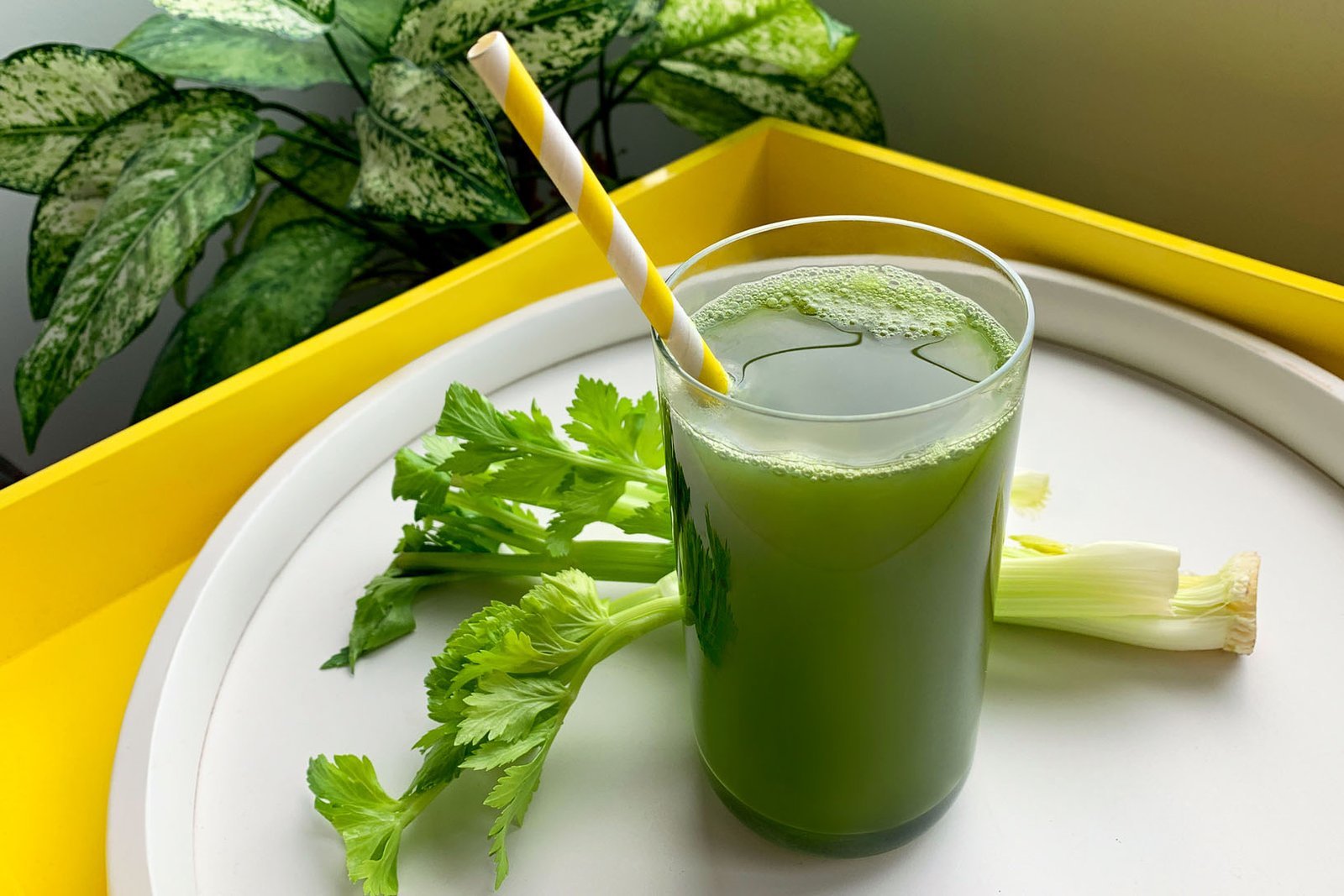
Yes, you can blend celery in a Nutribullet, and it works well as long as you cut the stalks into short pieces, add enough liquid, and give the motor short breaks instead of running it continuously. Celery is stringy and about 95 percent water, so it behaves differently than soft fruit — but with the right loading order and a little patience, you get a smooth, drinkable result rather than a cup of tangled fibers.
Key Takeaways
- Cut celery into 1-inch pieces before blending — full stalks wrap around the blades and stall the motor.
- Load liquids first, then soft items, then celery, then ice — the opposite order leaves dry pockets at the bottom.
- Pulse in 5- to 10-second bursts and shake the cup between bursts instead of running a single long cycle.
- Nutribullet’s own manuals list celery as a suitable ingredient, but the brand also notes that fibrous vegetables may need extra liquid and additional blending time.
- Expect some fiber sediment — celery never dissolves completely, even in a high-powered blender. Straining is optional.
- Never fill past the MAX line, and stop if the cup feels hot or you smell something burning.
Can You Blend Celery In A Nutribullet?
Short answer: yes. Nutribullet’s official product guides include celery among the vegetables the extractor blades are designed to handle, alongside carrots, cucumber, spinach, and kale. The catch is that celery is one of the more difficult “easy” vegetables because of its vascular bundles — the stringy strands that run the length of each stalk. Those strands are cellulose, and no blade fully dissolves cellulose. What you can do is chop them short enough that they become imperceptible in the finished drink.
The other factor is water content. Celery is roughly 95 percent water by weight, according to the U.S. Department of Agriculture’s FoodData Central database. That sounds like it should make blending easier, and it does — but only if the celery is surrounded by enough free liquid to keep it moving. Drop dry celery chunks into an empty cup and they’ll just spin against the walls.
So the honest framing is this: celery blends fine in a Nutribullet, but it isn’t a “throw it in and walk away” ingredient like a banana. Treat it like a fibrous vegetable that needs a technique, and you’ll get a smooth green base for juice, soup, or a smoothie.
Which Nutribullet Models Handle Celery?
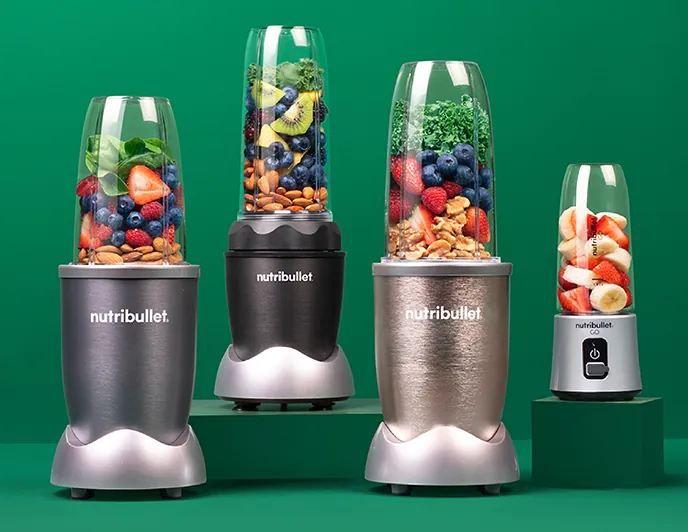
Not all Nutribullet models are equal, and the difference matters more with celery than with berries. Here’s how the current lineup generally stacks up.
| Model | Wattage (typical) | Celery Performance | Notes |
|---|---|---|---|
| Nutribullet Pro 900 | 900 watts | Very good | Handles celery easily with liquid; best value for daily green drinks |
| Nutribullet Pro 1200 / Pro 1000 | 1000–1200 watts | Excellent | Larger cup, more torque, fewer stalls |
| Nutribullet Original 600 | 600 watts | Good with technique | Needs smaller pieces and more liquid; pulse only |
| Nutribullet Baby | 200 watts | Poor for celery | Designed for soft purees; skip fibrous stalks |
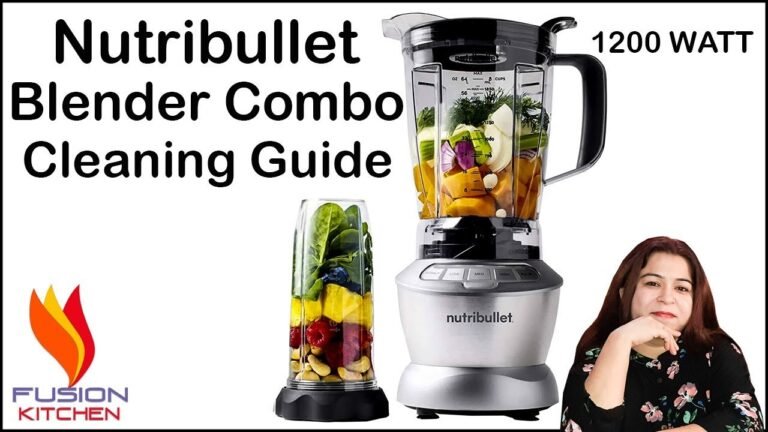
| Nutribullet Select / Combo | 900–1200 watts | Very good | Same blade design, extra accessories |
The pattern is simple: more wattage means fewer stalls. If you own the 600-watt Original, celery is still doable, but you’ll be pulsing in shorter bursts and using more liquid. If you own a 200-watt baby-food model, celery isn’t the right ingredient — cook it first or use a different vegetable.
Blade type matters more than wattage
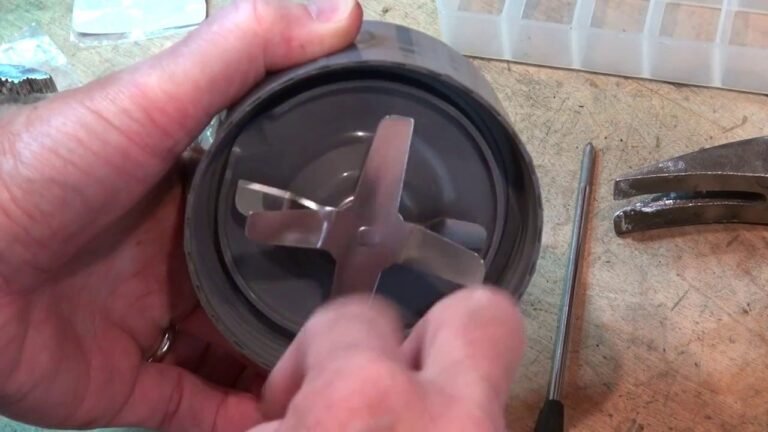
Nutribullet ships two main blade styles: the extractor blade (flat, with angled blades) and the milling blade (flat, for dry grinding). Celery belongs with the extractor blade only. The milling blade won’t circulate wet ingredients and will just clog.
Cup size and the MAX line
A 24-ounce cup gives celery room to tumble. An 18-ounce short cup works but fills fast once you add liquid and ice. Whatever the cup, never exceed the MAX line — overfilling is the single most common cause of a leaking, stalling Nutribullet.
How To Blend Celery In A Nutribullet Step By Step
This is the method that consistently produces a drinkable result. It takes about two minutes of active work.
- Wash and dry the stalks. Rinse under cold water and pat dry. Wet celery adds water you didn’t measure.
- Cut into 1-inch pieces. Discard the leafy tops or save them for stock — the leaves are bitter and fibrous. Cut across the stalk, not lengthwise.
- Add liquid first. Pour ½ to 1 cup of water, coconut water, or juice into the cup. This is non-negotiable for celery.
- Add soft ingredients next. Banana, mango, pineapple, avocado, yogurt, or protein powder go in before the celery.
- Add the celery. Drop the 1-inch pieces in on top of the soft ingredients.
- Add ice last, if using. Ice on top helps push everything down during the first seconds of blending.
- Twist on the extractor blade until it locks. Check that the gasket is seated.
- Pulse in 5- to 10-second bursts. Between bursts, unscrew, shake the cup, and reattach. Repeat 4 to 6 times.
- Finish with one 20- to 30-second continuous run once the mixture is already moving freely.
- Check texture. If you see whole strings, add ¼ cup more liquid and pulse twice more.
Pro Tip: Freeze your celery pieces for 30 minutes before blending. Frozen celery breaks down more cleanly because the ice crystals rupture cell walls, and it chills the drink at the same time.
Loading Order That Actually Works
Most people who fail with celery in a Nutribullet fail because of loading order. Here’s the difference in plain terms.
| Layer | Wrong Way | Right Way |
|---|---|---|
| Bottom | Celery chunks | Liquid (water, juice, coconut water) |
| Middle | Ice | Soft fruit, yogurt, powders |
| Top | Liquid | Celery pieces |
| Very top | — | Ice (optional) |
The logic: blades need liquid at the bottom to create a vortex. Once the vortex forms, it pulls everything downward. If celery sits at the bottom, the blades hit it dry, the motor strains, and you get a jammed cup with whole chunks still intact.
Warning: Never run a Nutribullet with no liquid at all when celery is involved. Dry blending fibrous vegetables can overheat the motor and void your warranty.
How Long Should You Blend Celery?
Timing depends on what you want.
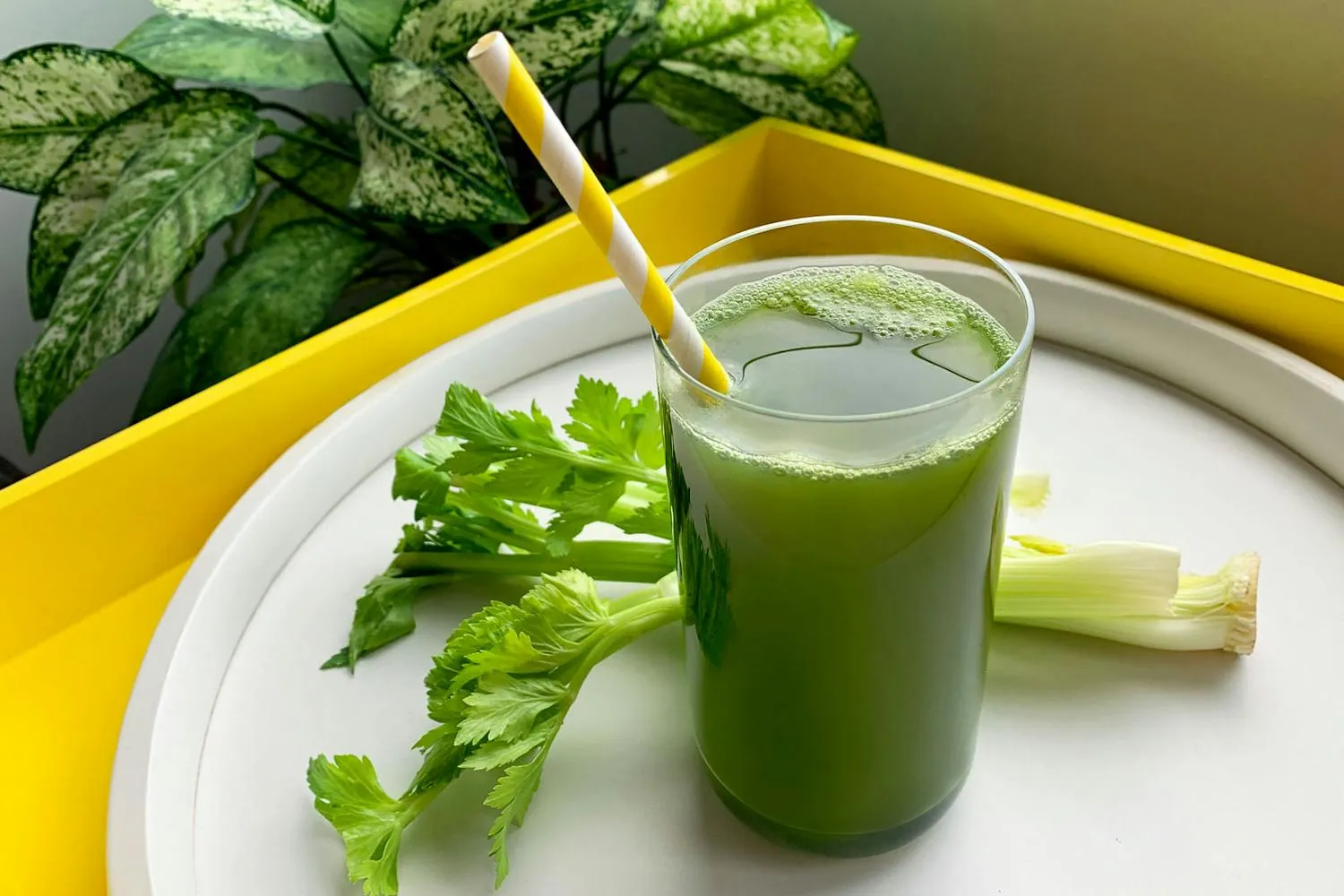
- For juice-style, thin texture: 45 to 60 seconds total, in bursts.
- For smoothie texture: 30 to 45 seconds total, in bursts.
- For soup base: 60 to 90 seconds, but stop every 20 seconds to avoid heat buildup.
- For baby food or puree: Cook the celery first, then blend 30 seconds.
Nutribullet’s own guidance for fibrous vegetables is to blend in short intervals and add liquid as needed, rather than running one long cycle. Heat is the enemy — friction warms the cup, and a hot cup can build pressure and leak.
Signs you’re blending too long
- The cup feels warm to the touch.
- You smell a faint burning or plastic odor.
- The motor pitch drops and sounds labored.
- Liquid starts seeping from the blade collar.
If any of these happen, stop, unplug, and let the unit cool for 10 minutes.
Common Problems And Fixes
Celery blending goes wrong in predictable ways. Here’s the troubleshooting table.
| Problem | Likely Cause | Fix |
|---|---|---|
| Stringy, fibrous texture | Pieces too long; not enough liquid | Cut to 1 inch; add ¼ cup liquid; pulse 3 more times |
| Motor stalls or won’t start | Overloaded cup; dry bottom | Remove half the contents; add liquid; reload in correct order |
| Celery chunks stuck on walls | No vortex forming | Shake cup between bursts; add liquid |
| Leaking from blade collar | Overfilled past MAX; gasket misaligned | Fill to MAX or below; reseat the rubber gasket |
| Bitter taste | Leaves included; celery is old | Remove leaves; use fresh, crisp stalks |
| Gritty sediment at the bottom | Normal celery fiber | Strain through a fine mesh sieve, or stir before drinking |
| Burning smell | Motor overheating from long runs | Stop immediately; cool 10–15 minutes; switch to pulses |
Why celery turns bitter
Celery leaves contain higher concentrations of compounds that read as bitter, and older stalks develop more of them. If your smoothie tastes harsh, the leaves are usually the culprit — not the stalks.
Why the texture stays stringy
You can’t fully eliminate celery fiber in a Nutribullet. The extractor blade chops fibers into short lengths, but it doesn’t liquefy them the way a commercial juicer does. Straining through a fine mesh sieve or a nut milk bag removes most of the residue if texture bothers you.
Celery Blending Methods Compared
There’s more than one way to get celery into a drink. Here’s how the options stack up.
| Method | Texture | Time | Best For |
|---|---|---|---|
| Nutribullet, raw, pulsed | Slightly fibrous | 2 min | Green smoothies, quick juices |
| Nutribullet, frozen celery | Smoother | 2–3 min | Thick smoothies, cold drinks |
| Nutribullet, cooked celery | Very smooth | 10+ min | Soups, baby food, sauces |
| Traditional juicer | Liquid only, no fiber | 3–5 min | Clear green juice |
| High-power blender (Vitamix, Blendtec) | Very smooth | 1–2 min | Silky purees, large batches |
| Hand blender in a pot | Variable | 5 min | Hot soups |
The Nutribullet sits comfortably in the middle. It won’t match a Vitamix for silkiness, but it beats a juicer on convenience and cleanup, and it retains the fiber a juicer throws away.
Best Celery Pairings For A Nutribullet
Celery’s flavor is mild and slightly salty, which makes it a good base. These combinations work reliably.
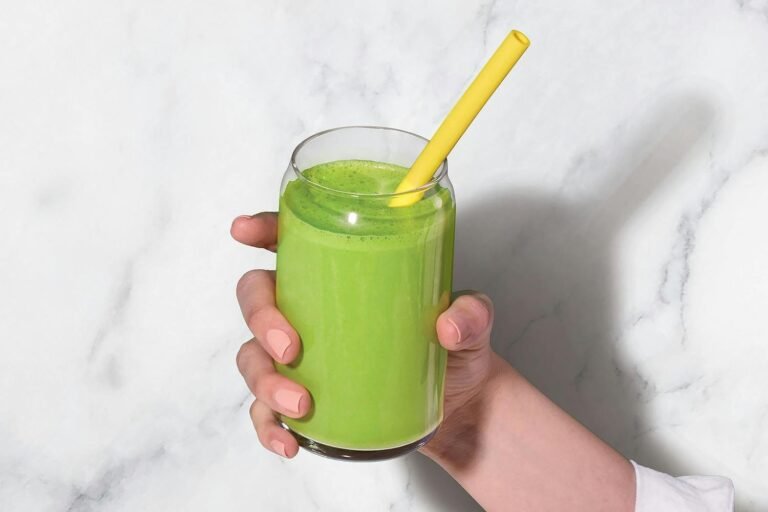
- Classic green: celery, cucumber, green apple, spinach, lemon, water
- Tropical: celery, pineapple, mango, coconut water, lime
- Berry: celery, frozen blueberries, banana, almond milk
- Savory: celery, tomato, cucumber, bell pepper, splash of lime (great as a cold soup)
- Post-workout: celery, banana, peanut butter, vanilla protein powder, oat milk
- Hydrating: celery, watermelon, mint, coconut water
Avoid pairing celery with strongly flavored ingredients like coffee, chocolate, or heavy spices — the combination tends to taste muddy.
Pro Tip: Add a pinch of salt to celery-heavy blends. It amplifies the natural flavor and reduces the “grassy” note that puts people off green drinks.
Nutrition And What You’re Actually Drinking
Celery is low in calories and a reasonable source of vitamin K and potassium, according to USDA FoodData Central. A single large stalk has roughly 9 to 10 calories, most of which is water and fiber. When you blend celery rather than juice it, you keep that fiber, which slows absorption and helps with fullness.
| Nutrient (1 large stalk, approx.) | Amount |
|---|---|
| Calories | 9–10 |
| Water | ~95% by weight |
| Fiber | ~0.6 g |
| Vitamin K | ~25% of daily value |
| Potassium | ~100 mg |
| Vitamin C | Small amount |
Blending does break down cell walls, which can make some nutrients more available, but it doesn’t destroy fiber. That’s a meaningful difference from juicing, where the fiber is removed entirely.
Warning: If you take blood-thinning medication such as warfarin, celery’s vitamin K content matters. Talk to your doctor before making celery juice a daily habit.
Cleaning And Maintenance After Celery
Celery leaves residue that dries into a sticky film if you let it sit. Clean immediately.
- Rinse the cup with warm water right after pouring your drink.
- Add a drop of dish soap and warm water to the cup, attach the blade, and pulse 5 seconds.
- Detach, rinse everything thoroughly, and air dry upside down.
- Remove the rubber gasket from the blade collar once a week and wash it separately — celery fibers lodge there.
- Never put the blade assembly in the dishwasher unless your manual explicitly says it’s dishwasher-safe.
A clean gasket is the difference between a leak-free cup and a mess on your counter.
Frequently Asked Questions
Do you need to peel celery before blending it?
No. Peeling celery is unnecessary for a Nutribullet. The strings are the issue, not the skin, and cutting the stalks into 1-inch pieces handles them. If you’re making a very smooth soup or juice and want zero fiber, run the finished blend through a fine mesh sieve instead of peeling.
Can you put whole celery stalks in a Nutribullet?
You can physically fit them, but you shouldn’t. Whole stalks wrap around the blade shaft and stall the motor, and they often survive a full blend cycle intact. Cut them into 1-inch pieces first. This single step prevents most of the problems people report with celery in personal blenders.
Why is my celery smoothie stringy?
Celery’s vascular strands are cellulose, and no blade fully dissolves them. Stringiness usually means the pieces were too long or the blend was too short. Cut smaller, add more liquid, and pulse longer. If texture still bothers you, strain the drink through a fine mesh sieve or a nut milk bag.
Can you blend celery and ice together in a Nutribullet?
Yes, but load the ice on top, not the bottom. Ice at the bottom blocks the vortex and the blades spin without moving anything. Put liquid first, soft ingredients second, celery third, and ice last. Pulse in short bursts so the ice chops rather than melts into a watery drink.
Is celery juice from a Nutribullet as good as from a juicer?
They’re different products. A Nutribullet makes a blended drink that keeps the fiber; a juicer removes it and produces a clearer liquid. Nutritionally, blended celery retains more fiber and is more filling. Juicer juice is smoother and more concentrated in flavor. Neither is objectively better — it depends on what you want.
Can you blend frozen celery in a Nutribullet?
Yes, and it often works better than fresh. Freezing ruptures cell walls, so frozen celery breaks down more smoothly and chills the drink at the same time. Use the same 1-inch pieces, freeze on a tray so they don’t clump, and add slightly more liquid since frozen pieces are drier.
Conclusion
Blending celery in a Nutribullet comes down to three habits: cut it small, put liquid at the bottom, and pulse instead of running one long cycle. Start with a simple green blend — celery, cucumber, green apple, a squeeze of lemon, and water — and adjust the liquid until the texture suits you. Once that works, the rest is just variations on a method you already know.