What Not To Blend In Nutribullet: 12 Ingredients To Avoid
A Nutribullet is a high-speed blender designed for soft, water-rich ingredients, and it will struggle with anything hard, dry, fibrous, or sticky enough to stall the blade or overheat the motor. The list below covers the ingredients that cause the most damage, the ones that are merely disappointing, and the workarounds that let you keep using them safely.
Key Takeaways
- Never blend dry powders alone — protein powder, cocoa, flour, and spices need liquid in the cup before you press the button, or they cake around the blade and clog the vents.
- Hard items break blades and motors: ice cubes in quantity, whole frozen fruit, coffee beans, nutmeg, and bones are the classic killers.
- Hot liquids are a burn hazard, not just a mess risk — steam expands inside a sealed cup and can blow the lid off.
- Fibrous and starchy foods (celery strings, kale stems, raw potato) wrap around the blade shaft and stall the motor rather than blending.
- Thick nut butters, dough, and hard cheeses overload the motor because there’s no liquid to carry the load.
- The fill line and the order of ingredients matter more than most people realize: liquid first, then soft, then hard, and never above the max line.
What Not To Blend In A Nutribullet
The short answer is anything that’s dry, rock-hard, boiling hot, or so thick that the blades can’t move it. A Nutribullet isn’t a food processor, a coffee grinder, a grain mill, or a soup maker. It’s a personal blender with a motor in the 200–900 watt range depending on the model, and that motor is designed for short bursts of soft-food blending.
That single fact explains almost every item on this list. When the blade meets resistance it can’t cut through, the motor draws more current, heats up, and either trips its thermal cutout or burns out. When the blade meets something dry, the powder packs into a solid mass around the shaft. When the blade meets something hot, the pressure has nowhere to go but up.
So the practical rule is: if you wouldn’t eat it with a spoon straight from the cup, don’t expect the blender to turn it into something you would. Below, the ingredients are grouped by what they actually do to the machine, because “it makes a mess” and “it destroys the motor” are very different problems.
Ingredients That Damage The Motor
These are the ones that cause permanent damage rather than a bad smoothie. If you take nothing else from this article, take this section.
Ice Cubes And Frozen Blocks
A few cubes in a cup full of liquid is fine on most models. A cup of ice cubes with a splash of water is not. Ice is hard, and the blade has to shatter it rather than slice it, which means repeated shock loads on the shaft and coupling. Whole frozen fruit blocks — a solid mass of frozen mango or berries — are worse, because the blade skates across the surface instead of biting in.
Coffee Beans, Grains, And Spices
Coffee beans, whole peppercorns, cumin seeds, coriander seeds, and raw rice are all dry and hard. They need a burr grinder or a spice grinder. In a Nutribullet they bounce off the blade, generate heat, and can crack the plastic cup or wear the blade coating. Nutmeg is the worst of these: it’s dense enough to stall the motor almost instantly.
Bones, Shells, And Pits
Don’t put chicken bones, fish bones, shellfish shells, or stone fruit pits in any personal blender. They won’t break down, and the blade will lose. This includes “soft” bones like those in canned salmon — those go in a food processor, not a blender cup.
Dough And Thick Batters
Bread dough, cookie dough, and thick pancake batter have no liquid to circulate. The blade carves a tunnel through the mass and then spins freely while the rest of the dough sits still. The motor runs without load, overheats, and the flour at the bottom turns to cement. Use a stand mixer or a food processor for anything with a dough consistency.
Hard Cheeses And Solid Fats
Parmesan, aged cheddar, and blocks of cold butter or coconut oil are too dense for the blade to circulate. They also melt and re-solidify around the shaft. Grate hard cheese by hand or in a food processor. If you want butter or coconut oil in a smoothie, soften it first and add it to liquid.
Ingredients That Make A Mess
These won’t necessarily kill the machine, but they will cost you time, smoothie, and possibly a stained kitchen ceiling.
Hot Liquids And Steam
This is the most common serious mistake. Blending hot soup, hot coffee, or freshly boiled vegetables in a sealed cup traps steam. As the steam expands, pressure builds against the lid, and the lid can pop off mid-blend, throwing scalding liquid across the room.
Never fill a Nutribullet cup with hot liquid and seal it. If you want to blend soup, let it cool to room temperature first, blend in short pulses with the lid vented or partially open, and reheat afterward.
Carbonated Drinks
Soda, sparkling water, and kombucha release gas as they agitate. In a sealed cup that gas has to go somewhere, and the somewhere is your countertop. If a recipe calls for sparkling water, stir it in after blending.
Dry Powders Added First
Protein powder, cocoa powder, matcha, cinnamon, and flour all behave the same way when they hit the blade before the liquid: they form a dry pocket at the bottom, pack around the blade, and block circulation. The fix is simple — always put liquid in first, then powders on top, then blend and let the vortex pull them down.
Very Sticky And Stringy Items
Dates, dried figs, and thick honey can gum up the blade and stall it. Celery strings, kale stems, and pineapple cores wrap around the shaft like thread on a spool. None of these will destroy the machine on their own, but they will force you to stop, disassemble, and clean mid-recipe.
Quick Reference: Safe Or Not?
| Ingredient | Verdict | Why | Workaround |
|---|---|---|---|
| Ice cubes (a few, with liquid) | Usually fine | Shock loads the blade | Use crushed ice, blend in pulses |
| Whole frozen fruit block | Avoid | Blade skates, motor stalls | Thaw 10 minutes or chop first |
| Coffee beans / whole spices | No | Too hard and dry | Use a burr or spice grinder |
| Hot soup or coffee | No | Steam pressure blows the lid | Cool to room temperature first |
| Carbonated drinks | No | Gas release pressurizes the cup | Stir in after blending |
| Bones, shells, pits | No | Won’t break down | Use a food processor |
| Bread or cookie dough | No | No liquid to circulate | Use a stand mixer |
| Hard cheese, cold butter | No | Too dense, melts onto shaft | Grate or soften first |
| Nut butters (as a base) | No | Too thick to circulate | Thin with oil or water |
| Nuts (soaked, in liquid) | Yes, in small amounts | Softens enough to blend | Soak overnight, add gradually |
| Leafy greens | Yes | Blends well with liquid | Remove tough stems |
| Raw potato | No | Starchy, dense, gritty | Cook first |
| Celery | Yes, in small amounts | Strings wrap the blade | Chop and remove fibers |
| Seeds (chia, flax) | Yes | Soft enough | Add with liquid, don’t overfill |
Why The Motor Gives Up So Easily
A Nutribullet motor is small, and it relies on the food moving past the blade to stay cool. When you blend something thick, the food stops moving, the motor keeps spinning, and heat builds up with nowhere to go. Most models have a thermal cutout that shuts the motor down before it burns, which is why your blender sometimes stops and then works again after twenty minutes.
That cutout is a safety feature, not a failure. But repeated overheating shortens the life of the motor and the plastic coupling that connects the cup to the base. The coupling is usually the first thing to strip, and once it strips, the blade spins freely and nothing blends. Short pulses beat long runs every time: run the blender in 5–10 second bursts and give it a rest between them.
There’s also a fill line for a reason. Overfilling leaves no air space for the vortex to form, so the top half of the cup never gets pulled down into the blade. Underfilling is nearly as bad, because there isn’t enough mass to keep the ingredients against the blades.
How To Blend Tricky Ingredients Safely
You can have most of the things on the “avoid” list if you change the method rather than the ingredient. Here is the order of operations that works.
The Layering Rule
Always load the cup in this order: liquid first, then soft ingredients (yogurt, banana, avocado), then leafy greens, then hard or frozen items on top. The liquid at the bottom creates the vortex, and the hard items sit in the path of the blade rather than at the bottom where they would jam it.
Soak, Chop, And Thaw
Nuts, dates, and dried fruit should soak in water for at least a few hours, ideally overnight. Frozen fruit should sit on the counter for 5–10 minutes so the outer layer softens. Anything larger than a golf ball should be cut into smaller pieces. These three habits prevent the majority of stalls.
Use Pulses, Not Continuous Runs
Start with 3–4 short pulses to break up the load, then run continuously once the mixture is moving. If the sound changes from a whir to a strained growl, stop immediately. That sound is the motor telling you it’s about to overheat.
Add Liquid Gradually
If a blend is too thick, add liquid a tablespoon at a time through the lid opening rather than stopping to remove the lid. The goal is a moving vortex — if you can see the mixture circulating, the motor isn’t straining.
Pro Tip: If your recipe is thick by design (hummus, nut butter, pesto), blend it in a food processor instead. A Nutribullet can handle a small batch of pesto if you add plenty of oil, but it will never handle a full batch of hummus or a jar of almond butter.
Order Of Operations Table
| Step | Action | Why It Matters |
|---|---|---|
| 1 | Pour liquid in first | Creates the vortex that pulls food down |
| 2 | Add soft ingredients | They blend fast and free up space |
| 3 | Add leafy greens | They need the vortex to circulate |
| 4 | Add frozen or hard items last | Keeps them in the blade path, not jammed at the base |
| 5 | Fill no higher than the max line | Leaves air space for circulation |
| 6 | Pulse 3–4 times, then run | Prevents immediate stall and motor strain |
| 7 | Add liquid through the lid if needed | Keeps the vortex moving |
| 8 | Stop at the first strained sound | Protects the motor and coupling |
What To Use Instead
Sometimes the honest answer is that a Nutribullet is the wrong tool. Here is what to reach for instead.
- Coffee beans, spices, grains: a burr grinder or a dedicated spice grinder.
- Bread dough, cookie dough, thick batter: a stand mixer with a dough hook.
- Hummus, nut butter, pesto in quantity: a food processor.
- Hot soup: an immersion blender, which lets you blend in the pot with no sealed lid.
- Hard cheese, nuts in bulk: a box grater or a food processor.
- Ice in quantity: a countertop ice crusher or a full-size blender with an ice setting.
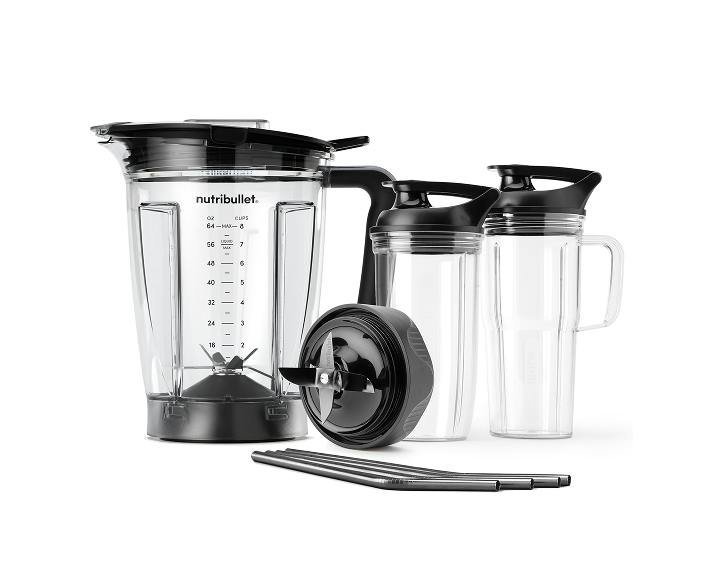
- Large batches for a family: a full-size blender with a 64-ounce jar.
Warning: Never try to blend something the manufacturer explicitly excludes in the manual. Nutribullet’s own documentation lists hot liquids and dry ingredients as no-gos, and using them can void your warranty. If you’re unsure about a specific ingredient, check the manual before you experiment.
Mistakes People Make Every Day
Even experienced users fall into these habits. Each one shortens the life of the machine.
- Filling above the max line because the smoothie “looks like it will fit.” It won’t blend, and it may leak.
- Adding protein powder first, then liquid, then blending. The powder cakes at the bottom every time.
- Running the blender for two minutes straight on a thick mixture instead of pulsing.
- Blending hot coffee to make a frappe. Let it cool first, or use cold brew.
- Leaving the blade assembly on the cup and storing it that way, which traps moisture and dulls the blade over time.
- Putting the cup and blade in the dishwasher on a hot cycle, which warps the plastic and ruins the seal on some models.
- Ignoring the rubber gasket until it dries out, cracks, and starts leaking mid-blend.
Cleaning And Maintenance Notes
A few habits keep the machine alive longer. Rinse the cup and blade immediately after use — dried smoothie residue is much harder to remove than fresh. Fill the cup halfway with warm water, add a drop of dish soap, and run it for 10–15 seconds to self-clean, then rinse. Don’t put the blade assembly in the dishwasher unless the manual says it’s dishwasher-safe; most are not.
Check the gasket every few weeks. If it’s stiff, cracked, or missing, replace it. A bad gasket is the most common cause of leaks that people blame on overfilling. And store the cup with the lid off and the blade assembly separate, so air can circulate and nothing grows in the dark.
Frequently Asked Questions
Can you put ice in a Nutribullet?
Yes, but only a few cubes at a time and always with liquid in the cup. Ice alone, or a full cup of ice, shock-loads the blade and can stall or damage the motor. Use crushed ice if you have it, add it last, and blend in short pulses rather than one long run.
Can you blend hot soup in a Nutribullet?
No. Sealing hot liquid in the cup traps steam, and the pressure can blow the lid off and scald you. Let the soup cool to room temperature, blend it in pulses with the lid vented, then reheat it in a pot. An immersion blender is the safer tool for hot soup.
Why does my Nutribullet stop working when I blend thick things?
Most models have a thermal cutout that shuts the motor down when it overheats. Thick mixtures stop moving, so the motor spins without load and heats up fast. Unplug it, let it cool for 15–20 minutes, and next time add more liquid and use shorter pulses.
Can you grind coffee beans in a Nutribullet?
You can, but you should not. Coffee beans are hard and dry, so they bounce off the blade, generate heat, and wear down the blade and cup. Use a burr grinder or a dedicated spice grinder for coffee, peppercorns, cumin, and similar dry spices.
Can you make nut butter in a Nutribullet?
Not as a straight blend. Nuts alone are too thick and dry to circulate, and the motor will stall. You can make a thin nut butter by adding oil or water gradually and blending in short bursts, but a food processor handles the job far better and without the risk.
What happens if you blend carbonated drinks?
The carbonation releases gas as the blades agitate the liquid, and in a sealed cup that gas has nowhere to go. Pressure builds against the lid until it pops, spraying liquid everywhere. If a recipe calls for sparkling water or soda, stir it in after blending, not during.
Conclusion
Nutribullet owners get the most out of the machine by treating it as a soft-food blender and reaching for a food processor, grinder, or immersion blender when the job calls for one. Start with the layering rule and short pulses, keep an eye on the fill line, and your blender will last far longer than the one that got fed a cup of ice cubes.