Why Is My Oster Blender Not Working? Common Fixes
Why is my Oster blender not working? Most of the time, it’s the lid or the jar not sitting down on the base properly, so the safety switch never lets the motor start. Press the jar down firmly and turn it until it locks, then try the button again. If nothing changes, check the power itself — a tripped outlet, a loose plug, or a flipped breaker.
Common reasons your Oster blender won’t start
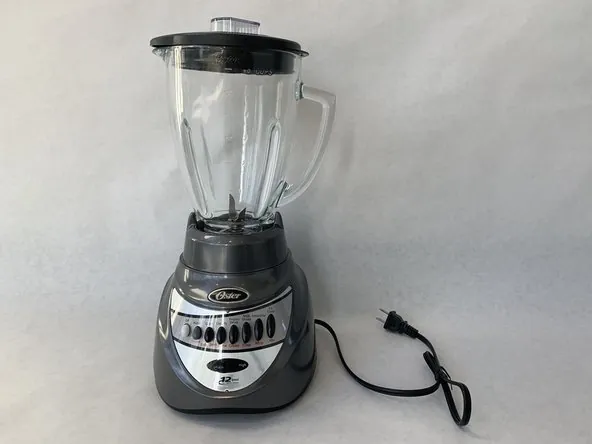
The list below runs from the causes that show up most often to the ones that are rare. Work down it in order — the top three cover most blenders that stop working. You don’t need tools for the first four checks, and you shouldn’t open the base for any of them.
| Cause | How common | How to confirm it | Fix it yourself? |
|---|---|---|---|
| Jar or lid not locked | Very common | Press and twist the jar; does it click? | Yes |
| No power at the outlet | Very common | Plug a lamp into the same outlet | Yes |
| Overheat cut-off tripped | Common | Was it running hard before it stopped? | Yes |
| Button or speed dial stuck | Sometimes | Press each button; do any feel dead? | Yes with care |
| Worn drive coupling | Sometimes | Smell burnt rubber near the base | Yes with care |
| Blunt or jammed blade | Less common | Blade spins freely by hand? | Yes with care |
| Motor or switch failure | Rare | Nothing works after all checks above | No |
Two of these checks are worth doing in a set order, because the result tells you which problem you have.
Start with the outlet. Move the blender to a kitchen outlet you know works, one that runs a kettle or a microwave without complaint. If it starts there, the machine is fine and the fault is the circuit — a tripped breaker, a dead receptacle, or a switch that controls that half of the counter. If it stays dead on a known-good outlet, the problem is inside the blender.
Then the jar. Press it down and twist until you feel the click, not just until it looks seated. On most Oster models the motor won’t spin at all without that interlock closed, and a jar that’s a few degrees short looks perfectly placed.
The overheat cut-off is the one people misread. It resets on its own, so a blender that starts again after twenty minutes was never broken. If it keeps tripping during the same job, you’re overfilling the jar or running it too long without a rest.
A stuck button is easy to mistake for a dead motor. Press each one and see which speeds respond.
Safety: Inside a mains-powered machine, the parts behind the outer cover can hold a dangerous electrical charge even after it has been unplugged — that’s why they sit behind a cover. Opening the housing, or testing or replacing anything behind it, is a job for a qualified technician, never a home repair.
The jar isn’t locked onto the base
The jar has to sit down far enough to press a small safety switch inside the base, and if it doesn’t, the motor gets no power at all. Oster blenders use this interlock so the blades can’t spin with the jar off.
The symptom is exact: you press a button, you hear nothing, and there’s no hum or click from the motor. A jammed blade still hums. A dead outlet gives you nothing on any setting. This one gives you nothing too — but only when the jar is loose.
Here’s the confirming test. Take the jar off completely, then set it back on the base and turn it clockwise until it stops. You should feel it drop and lock. If it turns past the mark or feels loose, it’s not seated. Some models need the lid on as well, so fit the lid and press it down flat before you try again.
If it still won’t start, check the jar for cracks around the bottom collar and check the base for food stuck in the locking slots. Wipe the slots with a damp cloth — unplugged first. A cracked collar won’t hold the jar down, and no amount of twisting will fix it. In that case you need a replacement jar, not a new blender.
The whole check takes under a minute. If the jar locks and the blender still does nothing, move to the next cause — the problem isn’t the interlock.
The outlet or breaker has no power
This cause gives you the same silence as a loose jar, so the way to tell them apart is simple: try the blender on a different outlet you know works. If it runs there, the blender is fine and the problem is in the wall, the cord or the breaker.
Start at the outlet. Plug in a lamp or a phone charger and see if it works. If it does, the outlet is live and you can skip ahead. If it doesn’t, go to your breaker panel or fuse box and look for a switch that’s tripped — it sits between on and off, or fully off.
Flip it back to on and test again. In a kitchen, one breaker often covers several outlets, so a tripped breaker can kill the blender even when the outlet looks fine.
Next, check the cord itself. Run your hand along it from plug to base and look for cuts, kinks or a flattened spot where a chair rolled over it. A damaged cord is a real shock risk, so stop using the blender and have the cord replaced by a qualified repair shop.
Don’t plug the blender into an extension cord as a long-term fix. Blenders pull a lot of current at start-up, and a thin extension cord can overheat. If you must test with one, use a heavy-duty cord and only for the test.
The motor has overheated and cut off
Oster blenders have a thermal cut-off that stops the motor when it gets too hot, and it resets on its own once the unit cools. The clue is timing: the blender was running, maybe on a thick mix or a long blend, and then it just quit mid-job. That’s different from a blender that never started at all.
Give it 15 to 30 minutes with the power off and the jar removed, then try again. How long it needs depends on how hot it got and how warm your kitchen is — a blender that ran for two minutes on frozen fruit needs longer than one that stopped after 20 seconds. Feel the base near the vents; if it’s still warm, wait longer.
Two habits cause this often. First, overfilling the jar: most Oster jars have a max line, and going past it makes the motor work much harder. Second, blending thick mixtures like nut butter or frozen blocks without adding liquid. Add liquid, work in smaller batches, and pulse instead of running continuous.
If the blender cuts off every time within a minute of starting, on a light load, that’s not normal overheating. Stop using it and have it looked at — a motor that trips that fast has a real fault, and pushing it will finish it off.
Less common causes worth a quick check
A few other things can stop an Oster blender, and they’re worth one minute each before you decide to repair or replace. None of these need you to open the base.
- A stuck button or dial. If one speed works and others don’t, or a button feels flat and dead, the contact behind it may be worn. Try each button in turn to map which ones respond.
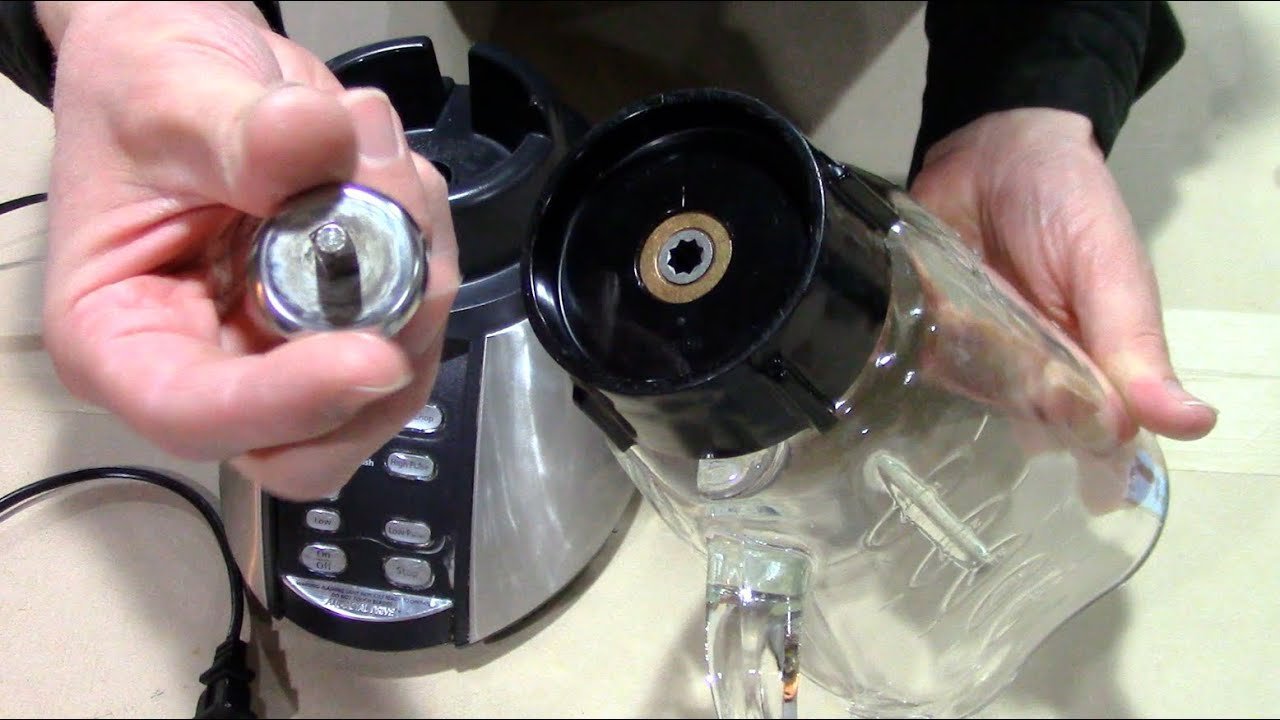
- A worn drive coupling. This is the rubber or plastic piece that links the motor to the blade. If you smell burnt rubber after running, or the motor sounds fine but the blade doesn’t turn, the coupling has stripped.
- A blunt or jammed blade. A dull blade pushes food around instead of cutting it, so the motor strains. If the blade won’t turn by hand with the jar empty, something is jammed under it.
- A cracked jar collar. Hairline cracks at the bottom let the jar sit too low or too high, and the interlock never engages. Hold it up to a light and look closely.
- A faulty switch or motor. If every check above passes and the blender is still silent, the fault is inside the base.
That last one is where you stop. The inside of the base holds mains voltage, and a capacitor there can hold a lethal charge even when the blender is unplugged. Don’t open the housing, don’t touch the wiring, and don’t try to confirm for yourself whether a part has failed. Take it to a qualified small-appliance repair shop or contact Oster support directly.
What fixing it usually takes
Most fixes here cost you nothing but a few minutes. Reseating the jar, resetting the breaker, and letting the motor cool are all free, and they cover the majority of cases. If those don’t work, the next step up is a replacement part, and that’s where you need to think about value.
A new jar or lid is the cheapest part to replace, and it’s worth doing if the rest of the blender is fine. A drive coupling is also a small part, but fitting it means getting into the base on most models — so that’s a shop job, not a kitchen-table job. Compare the part cost to what you paid for the blender. If the part is a large share of that, replacing the whole unit usually makes more sense.
For a motor or switch fault, get a quote before you agree to anything. Ask the shop for the diagnosis fee and the repair estimate in writing, and ask whether the repair carries any warranty. If you don’t have a local shop, Oster’s own support page lists the options for your model — check there rather than guessing.
What you’ll pay depends on your model, your country, and which part failed, so no single figure fits. The way to get a real number is to note your model number from the label on the base, then ask the shop or check Oster’s site for that exact model. That’s your number, not someone else’s.
This route isn’t for everyone. If your blender is old, has already been repaired once, or the quote comes close to a new unit, skip the repair. And if you only blend occasionally, a basic replacement will do the same job.
Frequently asked questions
Can I still use my Oster blender if the jar is cracked?
No — stop using it. A cracked collar won’t hold the jar down, so the interlock won’t engage and the blender won’t start. Worse, a crack can let liquid reach the base, which is a shock risk. Replace the jar before you blend again. Check the bottom collar in good light; hairline cracks often show as a thin white line near the threads.
Why does my Oster blender stop in the middle of blending?
The thermal cut-off has tripped, and it usually means the motor got too hot. Turn it off, unplug it, and let it cool for 15 to 30 minutes before trying again. Thick mixes, frozen blocks, and overfilling are the usual triggers. If it keeps cutting out within a minute on a light load, that’s a fault — have it checked.
How long should I wait before using it again after it overheats?
Wait at least 15 minutes, and up to 30 if the base still feels warm. The reset is automatic, so there’s no button to press. How long it takes depends on how hot the motor got and how warm your kitchen is. Feel the vents near the base — if there’s any warmth left, give it more time.
Is it safe to use a blender with a damaged power cord?
No. A cut or flattened cord can expose live wire, and that’s a shock and fire risk. Stop using the blender straight away and don’t tape over the damage. Have a qualified repair shop replace the cord, or replace the blender. Check the cord along its whole length, especially where it meets the plug and the base.
What happens if I keep pressing the button when nothing happens?
Nothing good. If the fault is the interlock or the outlet, pressing harder won’t help and can crack the jar collar. If the motor is failing, repeated attempts push it closer to dead. Do the checks in order instead — jar lock, then outlet, then breaker, then cool-down. If all four pass and it’s still silent, stop and get it looked at.
Does it matter which outlet I use for my Oster blender?
Yes, more than most people think. Use a grounded kitchen outlet on its own circuit where you can. A shared circuit already loaded by a kettle or microwave can trip the breaker when the blender starts. Avoid thin extension cords — blenders pull high current at start-up, and a light cord can overheat. If a breaker trips often, call an electrician.
How do I find my Oster blender model number?
Look on the label under the base or on the back of the unit. It’s usually a short code with letters and numbers, sometimes starting with a letter followed by digits. Note it exactly, then use it when you ask a repair shop for a quote or check Oster’s support pages. The model number decides which parts fit and what the repair involves.
Can a blunt blade stop the blender from working?
It won’t stop the motor, but it makes the motor work much harder, which can trip the thermal cut-off. The clue is a blender that runs but leaves chunks and needs long blend times. Check by turning the blade by hand with the jar empty — it should spin freely. If it’s stiff or won’t turn, something is jammed under it.
Conclusion
Most Oster blenders that stop working aren’t broken at all — the jar isn’t locked, the outlet is dead, or the motor needs to cool. Run those three checks first, in that order, and you’ll solve the common cases in a few minutes without spending anything. Only when all of them pass should you think about parts or a repair shop.