Are All Oster Blender Jars Interchangeable? Thread Sizes Explained
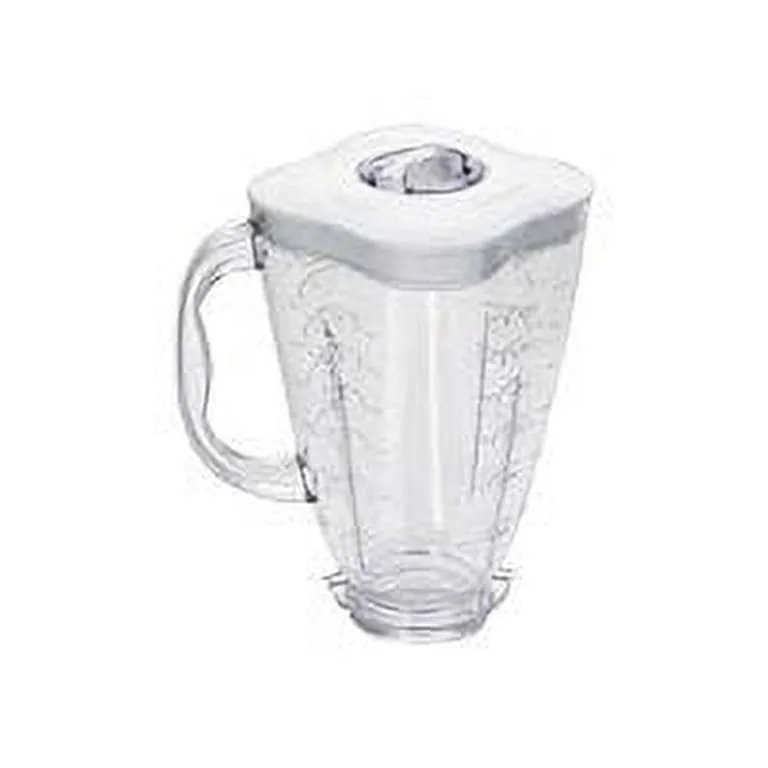
No — not all Oster blender jars are interchangeable, but many of them are. The key fact is the thread size, not the brand name. Oster has used the same jar base thread on most of its full-size blenders for decades, so a jar from one Oster blender usually screws onto another Oster base. The exceptions are the small personal blenders, the older “beehive” glass jars, and some newer dishwasher-safe plastic jars with a locking collar.
Three things change this answer for different readers: which blender model you own, whether your jar is glass or plastic, and whether you’re matching a jar to a base or a blade to a jar. The rest of this page walks through each one.
Who needs interchangeable Oster blender jars
Three kinds of people type this question. The first owns an Oster blender with a cracked or cloudy jar and wants to buy a replacement without buying a whole new machine. They usually have the base already and just need to know which jars fit.
The second has two Oster blenders at home — maybe one inherited, one bought new — and wants to swap jars between them instead of storing two machines. The third is shopping for a used jar online and can’t tell from the photo whether it’ll work.
The first reader gets the most from this page. If you have a standard full-size Oster base and a jar that’s broken, the section on thread sizes and the step-by-step check will tell you exactly what to look for before you spend money. The second reader will find the variation table useful, because mixing two Oster models sometimes works and sometimes doesn’t.
This page assumes you have a full-size Oster blender base and you’re matching a jar to it. If you have a personal blender, a food processor, or a non-Oster machine, this isn’t the right page for you — check the manual that came with your specific model instead.
What decides whether a jar fits
Thread diameter is the first thing, and it’s the one people get wrong most often. Oster’s standard full-size jar base uses a wide thread that’s been consistent across most models since the 1970s. If your jar and base both have that wide thread, they’ll mate.
If one is narrower, they won’t, no matter what the brand says. Measure across the opening of the jar base with a ruler — if it’s roughly the same width as the base collar, you’re likely fine.
Jar material matters too. Glass jars and plastic jars use the same thread on standard Oster bases, so you can swap one for the other. But glass jars are heavier and can crack if you drop them; plastic jars scratch over time and hold onto smells. Neither is “better” — it depends on what you blend and how careful you are.
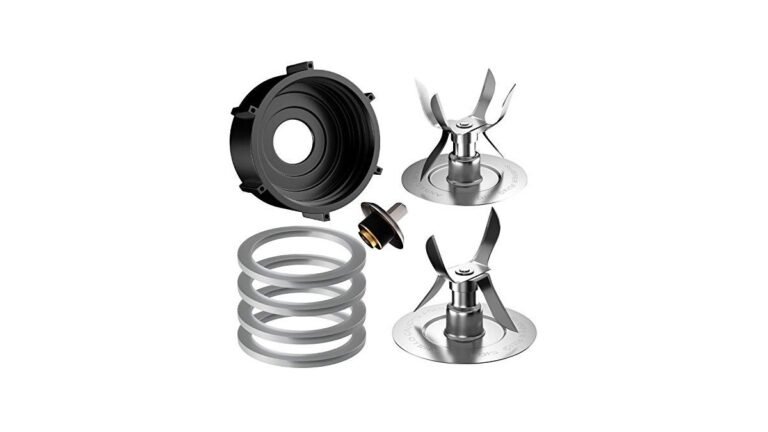
The blade assembly is a separate part from the jar on many Oster models. If you’re keeping your old jar and just replacing the blade, or keeping the blade and replacing the jar, check that the blade’s rubber gasket seats properly against the new jar’s rim. A gasket that doesn’t sit flat will leak.
Age of the model is the fourth factor. Older Oster blenders from the 1960s and early 1970s sometimes used a different jar base. If your base has a metal collar rather than a plastic one, measure before you buy.
The fifth thing is the locking collar on some newer jars. A few Oster jars have a collar that twists and locks into the base rather than screwing on. Those only fit bases designed for them.
Checking your jar and base before you buy
- Unplug the blender and take the jar off the base. Set both on a flat table.
- Look at the bottom of the jar where it meets the base. You’ll see a threaded ring — the jar base. Note whether it’s plastic or metal.
- Measure the widest point of that threaded ring with a ruler. Write the number down.
- Check the blade assembly. Lift it out of the jar and look at the rubber gasket. If it’s cracked, hard, or missing, replace it — a bad gasket leaks no matter how well the jar fits.
- Look for a locking collar. If your jar has one, your base must have matching tabs. No tabs means that jar won’t lock.
- Note your blender’s model number. It’s usually on a sticker on the bottom of the base. Write it down before you shop.
- When buying a replacement jar, ask the seller for the jar’s base measurement. Compare it to your number from step 3.
- Test-fit the new jar on the base before you blend anything. It should screw on smoothly with light pressure and stop firmly.
- Fill the jar with 2 cups of water and run it on low for 5 seconds. If water leaks from the base, the gasket or the thread is wrong.
The judgement call that separates a proper fit from a “good enough” fit is how the jar feels when it stops. A correct jar seats firmly and doesn’t wobble. If you can rock the jar side to side after tightening, the thread is wrong even if it seems to hold.
If your blender base is cracked, smells burnt, or trips your breaker, stop here. That’s electrical work — take it to a repair technician or replace the base. Don’t open the housing yourself; a capacitor inside can hold a lethal charge even when unplugged.
Jar swaps at a glance
| Your situation | What to do | What it takes | What to watch for |
|---|---|---|---|
| Cracked jar, same model | Buy the same jar model | 5 minutes to order | Match the model number exactly |
| Two full-size Oster bases | Swap jars between them | 1 minute to test | Check thread width first |
| Glass jar, want plastic | Buy a plastic jar with same thread | 5 minutes to order | Plastic scratches over time |
| Plastic jar, want glass | Buy a glass jar with same thread | 5 minutes to order | Glass is heavier and can chip |
| Older base, metal collar | Measure before buying | 10 minutes with a ruler | Older threads may differ |
| Personal blender jar | Don’t swap with full-size | Not possible | Different thread entirely |
| Locking collar jar | Match base with locking tabs | Check base first | No tabs means no fit |
What experienced buyers check first
Measure the thread, not the brand
The thread width is the number that decides fit, and it’s the one thing a photo online won’t show you. Experienced buyers ask for that measurement before they pay. A jar listed as “fits Oster” without a thread measurement is a gamble.
Keep the gasket and blade with the jar
The rubber gasket and blade assembly travel with the jar, not the base. If you buy a used jar without a gasket, budget for a new one. A gasket that’s been sitting in a drawer for years will be hard and won’t seal.
What goes wrong, and what to do
| What you notice | What it usually means | What to do first | How to stop it happening again |
|---|---|---|---|
| Jar wobbles after tightening | Thread width doesn’t match | Stop, don’t blend | Measure before buying |
| Water leaks from base | Gasket is worn or missing | Replace the gasket | Check gasket before each use |
| Jar won’t screw on at all | Wrong thread or locking collar | Compare thread widths | Match base and jar type |
| Jar screws on but stops early | Thread or collar doesn’t match | Don’t force it | Ask seller for thread size |
| Blender smells hot | Base issue, not jar | Unplug and let cool | Take to a technician if it repeats |
| Jar cracks near the base | Overtightening or thermal shock | Replace the jar | Hand-tighten only, never force |
| Blade spins but nothing blends | Blade or gasket seated wrong | Re-seat blade assembly | Check gasket sits flat |
Rules and standards that apply
Oster jars and bases aren’t covered by a single interchangeability standard. The fit is set by the manufacturer’s own design, and Oster has changed it a few times over the decades. That means there’s no public chart that lists every jar that fits every base.
The safest source is the manual that came with your blender, or the model page on Oster’s own website. Oster’s customer service can confirm which jars fit a given model number if you give them the number from the sticker on your base.
For anything electrical — a base that sparks, smells burnt, or trips your breaker — that’s a job for a qualified appliance technician. Never open the housing yourself. A capacitor inside can hold a lethal charge even after the blender is unplugged.
What a replacement jar costs
A replacement Oster jar usually costs less than a new blender, which is why people ask this question in the first place. Prices vary by jar type: a basic plastic jar costs less than a glass one, and a jar with a blade assembly included costs more than a bare jar.
Because prices change, check Oster’s own site or a major retailer for today’s number rather than trusting a figure from an old review. The bigger cost is often time — waiting for a jar to ship, or hunting through listings to find one with the right thread measurement.
The thing that moves the cost up or down most is whether you need the blade and gasket too. A jar alone is one purchase. A jar plus blade plus gasket is three, and the gasket is the cheapest but the one most likely to be missing from a used listing.
Keeping a jar working longer
Hand-tighten the jar onto the base — never force it past the point where it stops. Overtightening cracks the jar base over time, and that’s the most common way a jar dies early.
Wash glass jars by hand if you can. The heat cycle in a dishwasher stresses glass, and a jar that’s been through hundreds of cycles is more likely to crack when you pour hot soup into it. Plastic jars handle the dishwasher better but scratch, and scratches hold onto smells and stains.
The sign a jar needs attention is a hairline crack near the base, a gasket that feels hard rather than rubbery, or a leak during a test run. Any of those means replace the part before you blend again — a leak onto the base is how blenders get ruined.
When this isn’t the right fix
If your blender base itself is damaged — cracked housing, burnt smell, sparking, or a motor that won’t turn — a new jar won’t help. Take the base to a qualified appliance technician or replace the whole unit. Don’t try to repair the motor or wiring yourself.
If you have a personal blender, a food processor, or a non-Oster machine, this page doesn’t apply. Those use their own jar designs, and swapping parts across brands usually doesn’t work. Check the manual for your specific model.
If you need a jar for a commercial kitchen or you’re blending every day for a business, buy a commercial-grade blender instead of patching a home model. The duty cycle on home blenders isn’t built for that kind of use.
Frequently asked questions
Can I use any Oster jar on any Oster blender?
No. Most full-size Oster jars fit most full-size Oster bases because the thread is the same, but personal blenders, older models with metal collars, and jars with locking collars won’t fit standard bases. Measure the thread width before you buy.
Why won’t my Oster jar screw onto my Oster base?
The thread width or the collar type doesn’t match. If your jar has a locking collar, your base needs matching tabs.
How long does an Oster blender jar last?
It depends on use and care. A glass jar that’s hand-washed and hand-tightened can last many years. A plastic jar used daily and put through the dishwasher will scratch and cloud sooner. Watch for cracks near the base or a leaking gasket.
Is it safe to use a cracked Oster jar?
No. A cracked jar can shatter while the blade spins, and glass or plastic pieces can end up in your food. Stop using it and replace the jar. A hairline crack near the base is the warning sign to look for.
What happens if I use the wrong jar on my Oster base?
The jar may wobble, leak, or not seal properly. In the worst case it can come loose during blending and spill hot or sharp contents. If the jar doesn’t seat firmly with light pressure, don’t use it.
Does it matter if my Oster jar is glass or plastic?
Not for fit — glass and plastic jars use the same thread on standard Oster bases. It matters for weight and durability. Glass is heavier and can chip; plastic is lighter but scratches and holds smells over time.
How do I find my Oster blender model number?
Look for a sticker on the bottom of the base. It usually lists the model number and sometimes the serial number. Write it down and give it to Oster customer service or a seller when you ask about jar fit.
Can I buy just the jar without the blade and gasket?
Yes, but check what’s included. Many listings sell the jar alone, and you’ll need to move your old blade and gasket over. If your gasket is hard or cracked, buy a new one at the same time.
What to do next
Measure your jar base and your blender base opening with a ruler before you buy anything. If the jar wobbles after tightening, or water leaks during a 5-second test run, stop — that’s the sign to take the base to a technician or replace the unit.