Is An Immersion Blender Worth It? Pros, Cons, and Expert Tips
Is An Immersion Blender Worth It
Modern kitchens are filled with gadgets promising to make cooking easier, faster, and more enjoyable. Among these, the immersion blender—also called a stick blender or hand blender—stands out as a favorite for many home cooks and professionals. But is it really worth buying? With so many tools already available, you may wonder if an immersion blender adds real value or if it’s just another device that will collect dust in your cabinet.
To answer this question, we need to look at what an immersion blender does, how it compares with other appliances, and whether it fits your cooking style. We’ll explore its practical uses, benefits, drawbacks, and the hidden factors that beginners often miss.
By the end, you’ll have a clear picture of whether an immersion blender deserves a spot in your kitchen.
What Is An Immersion Blender?
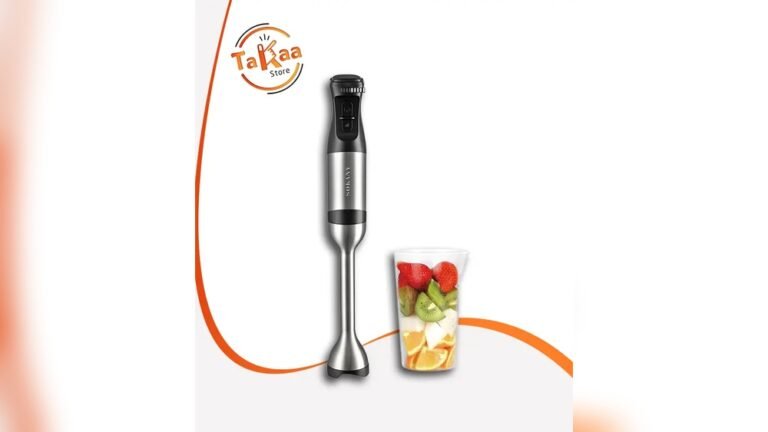
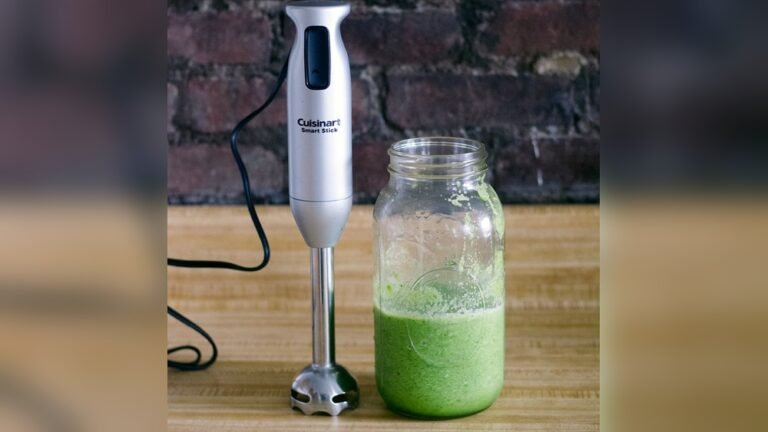
An immersion blender is a small, handheld device with a motor on one end and a blade on the other. Unlike traditional blenders, which require you to pour ingredients into a jug, an immersion blender lets you blend directly in the pot, bowl, or cup.
It’s ideal for soups, smoothies, sauces, and even some batters.
Most immersion blenders have two main parts:
- Motor handle: The top part, usually with buttons to control speed.
- Blending shaft: The bottom part, which has the blade and sometimes a guard to protect against splashes.
Some models come with extra attachments, like a whisk or a chopper bowl. They vary in power, size, and features.
Key Features And Uses
Immersion blenders are known for their versatility. Here are the most common ways people use them:
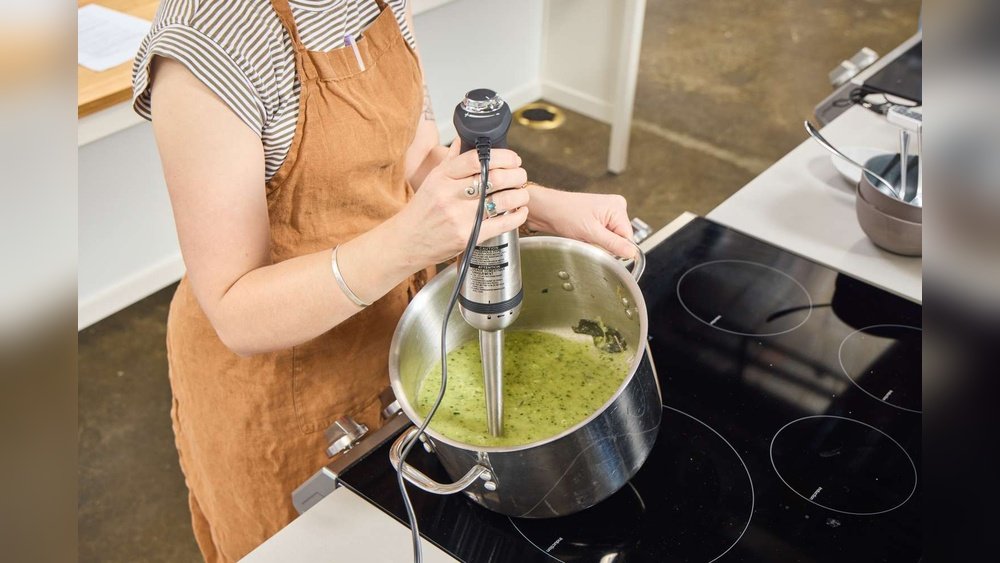
- Pureeing soups: You can blend hot soup right in the pot, making it smooth and creamy without moving it to another container.
- Making smoothies: Mix fruits, yogurt, and ice directly in a glass or pitcher.
- Emulsifying sauces: Create mayonnaise, salad dressings, or hollandaise with ease.
- Blending baby food: Puree cooked vegetables and fruits for homemade baby meals.
- Mixing batters: Quick pancake or crepe batters without lumps.
- Whipping cream or eggs: Some models have a whisk attachment for this.
Some immersion blenders can also crush ice or chop nuts, but this depends on the model.
Immersion Blender Vs. Traditional Blender
Many people already own a stand blender. So, how does an immersion blender compare? Let’s look at the main differences:
| Feature | Immersion Blender | Traditional Blender |
|---|---|---|
| Portability | Lightweight, handheld | Bulky, needs counter space |
| Ease of Cleaning | Easy—just rinse the shaft | Jug and blade assembly need washing |
| Blending Capacity | Best for small to medium batches | Ideal for large batches |
| Heat Handling | Can blend hot liquids directly | Some models can, but risk of splashes |
| Versatility | Soups, sauces, smoothies, small tasks | Smoothies, ice crushing, dough, larger tasks |
| Price Range | $20–$150 | $40–$300 |
Immersion blenders are best for quick jobs and hot foods. Traditional blenders are better for larger amounts and tough tasks like ice crushing.
Real-life Examples: How People Use Immersion Blenders
Let’s look at some practical situations:
- Busy parents: Need to puree cooked vegetables for baby food? An immersion blender lets you blend right in the pot, saving time and extra dishes.
- Soup lovers: Making creamy tomato or pumpkin soup is easy. Just blend directly in the pot without transferring hot liquid.
- Health enthusiasts: Want a quick smoothie? You can blend fruits and yogurt in a tall glass and clean up in seconds.
- Home bakers: Whisk eggs or mix batter with less mess.
One less obvious use is emulsifying salad dressings. You can create a smooth vinaigrette in a jar, then store it right away.
Pros Of Owning An Immersion Blender
Immersion blenders are popular for good reasons. Here are the key benefits:
- Easy to use: Simple controls and lightweight design make them beginner-friendly.
- Quick cleanup: Most models have detachable shafts that rinse clean in seconds.
- Space-saving: Takes up little room compared to stand blenders or food processors.
- Affordable: Entry-level models cost less than many kitchen appliances.
- Blends hot foods: No need to cool soups before blending.
- Versatile: Can handle many tasks beyond blending—whipping, chopping, emulsifying.
Non-obvious insight: Immersion blenders are also great for reducing waste. You can use leftover cooked vegetables or fruits to make soups or smoothies, blending directly in whatever container you have.
Cons And Limitations
No kitchen gadget is perfect. Here are the main drawbacks:
- Limited power: Most immersion blenders struggle with hard foods (like raw carrots or ice).
- Small batch size: Not ideal for large quantities.
- Potential for splatter: If not used carefully, hot liquids can splash.
- Uneven blending: Some cheaper models leave chunks unless you move slowly.
- Corded models: Can be less convenient than cordless, but cordless ones may have lower power.
Non-obvious insight: Some immersion blenders overheat if used too long, especially for tough jobs. Always check the manufacturer’s guidance for maximum run time.
Immersion Blender Attachments And Accessories
Many modern immersion blenders come with attachments. These expand their abilities:
- Whisk: For whipping cream or eggs.
- Chopper bowl: Turns the blender into a mini food processor.
- Milk frother: For coffee drinks.
- Beaker: Helps blend small amounts without splashing.
While attachments add versatility, they also mean more parts to clean and store.
Cleaning And Maintenance
Immersion blenders are easier to clean than most kitchen appliances. Here’s how to do it:
- Detach the blending shaft: Most models have a release button.
- Rinse under water: For basic cleaning, this is often enough.
- Use soap and a brush: For sticky foods, scrub gently.
- Avoid submerging the motor: Only the shaft is dishwasher-safe.
For deep cleaning, check your model’s instructions. Some shafts are not dishwasher-safe. Keeping the blade clean prevents food buildup and ensures smooth operation.
Price And Value For Money
Immersion blenders come in a wide price range. Basic models start around $20, while premium versions with multiple attachments can cost $100 or more.
| Price Range | Typical Features | Best For |
|---|---|---|
| $20–$40 | Basic speed, simple shaft | Occasional use, simple blending |
| $40–$80 | Multiple speeds, attachments | Regular use, diverse tasks |
| $80–$150 | High power, advanced features | Frequent use, professional results |
Value tip: For most home cooks, a mid-range model ($40–$80) offers the best balance of performance and price. Basic models can struggle with tough ingredients, while premium models may have features you don’t need.
Who Should Buy An Immersion Blender?
An immersion blender is useful for many people, but it’s not essential for everyone. Consider buying one if:
- You often make soups, sauces, or smoothies.
- You want to save space and avoid bulky appliances.
- You prefer quick, easy cleanup.
- You like making baby food or homemade dressings.
If you rarely cook, or only need to blend large amounts or tough ingredients, a traditional blender or food processor might be better.
How To Choose The Right Immersion Blender
There are dozens of models on the market. Here’s what really matters when choosing:
- Power: Look for at least 200 watts for regular tasks. Higher power (300–800 watts) helps with tougher jobs.
- Speed settings: Multiple speeds offer more control for smooth or chunky blends.
- Blade design: Some blades are better for pureeing, others for chopping.
- Attachments: Decide if you need a whisk or chopper.
- Ergonomics: Comfortable grip and easy controls are important.
- Corded vs. cordless: Cordless is more flexible but can be less powerful.
- Cleaning: Detachable, dishwasher-safe shafts make life easier.
Common mistake: Many buyers focus only on power, but blade design and shaft length matter just as much. A poorly designed blade won’t blend smoothly, no matter the wattage.
Immersion Blender Safety Tips
Using an immersion blender is generally safe, but there are important precautions:
- Always unplug before cleaning: Even if you’re just rinsing the shaft.
- Keep fingers away from blades: Blades are sharp and spin fast.
- Avoid blending in shallow containers: This can cause splattering.
- Don’t operate for too long: Overheating can damage the motor.
- Use heat-resistant models for hot foods: Not all blenders are designed for high temperatures.
If children help in the kitchen, supervise them closely when using an immersion blender.
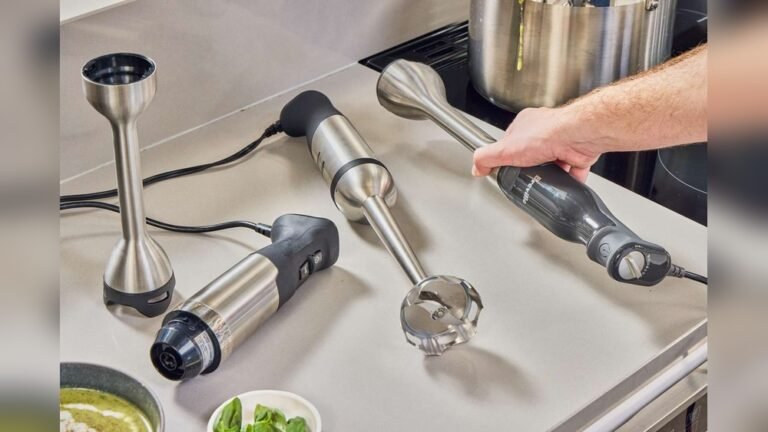
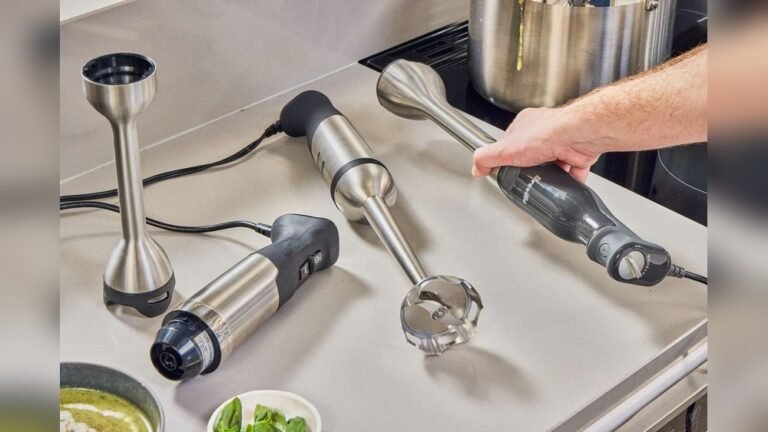
:max_bytes(150000):strip_icc()/sea-immersion-blenders-sep-24-test-all-clad-rkilgore-0176-5ba26578fe9441fa9a1f86950c123177.jpeg)
Credit: www.seriouseats.com
Immersion Blender Recipes: What Can You Make?
One reason immersion blenders are popular is their range of recipes. Here are some examples:
- Creamy soups: Blend cooked vegetables and broth directly in the pot.
- Smoothies: Mix fruit, yogurt, and ice in a tall glass.
- Pesto: Combine basil, nuts, garlic, and olive oil in a jar.
- Mayonnaise: Emulsify egg, oil, and vinegar in a cup.
- Baby food: Puree steamed vegetables or fruits.
- Whipped cream: Use the whisk attachment for desserts.
- Pancake batter: Mix flour, eggs, and milk for lump-free pancakes.
- Salsas: Pulse tomatoes, onions, and herbs for a chunky dip.
- Dips and spreads: Make hummus or bean dips quickly.
Cooking tip: For best results, cut ingredients into smaller pieces before blending. This reduces strain on the motor and ensures a smoother blend.
Common Problems And Solutions
Even the best immersion blenders can have issues. Here are typical problems and fixes:
- Blender not turning on: Check if it’s plugged in securely. Some models have a safety lock.
- Poor blending: Move the blender slowly in circles. Don’t overload with hard ingredients.
- Splattering: Use deeper containers and keep the blade submerged.
- Overheating: Give the blender breaks if blending thick mixtures.
- Blade stuck: Clean after each use to prevent buildup.
If your blender stops working, consult the manual or contact customer support. Sometimes, a simple reset solves the problem.

Credit: www.tasteofhome.com
Immersion Blender Vs. Food Processor
People often compare immersion blenders to food processors. While both can chop and puree, they have different strengths.
| Task | Immersion Blender | Food Processor |
|---|---|---|
| Soup Pureeing | Excellent, blend in pot | Good, but requires transfer |
| Smoothies | Good for small batches | Can handle large batches |
| Chopping Vegetables | Basic (with attachment) | Excellent |
| Dough Mixing | Not recommended | Excellent |
| Whipping Cream | Good (with whisk) | Possible, but not ideal |
| Cleanup | Quick, simple | More parts to wash |
Summary: Food processors excel at chopping, slicing, and dough. Immersion blenders are better for liquids and quick blending.
Environmental Impact: Is It A Sustainable Choice?
Kitchen appliances can have a big environmental impact. Immersion blenders use less energy than many larger devices because:
- They have smaller motors.
- They run for shorter periods.
- They reduce food waste by helping you use leftovers.
Most immersion blenders are durable, but choose models with replaceable parts when possible. Avoid models that use non-recyclable materials.
Eco tip: Use your immersion blender to make plant-based soups and smoothies. This can lower your carbon footprint compared to meat-heavy meals.
Immersion Blender For Special Diets
Immersion blenders are helpful for people following special diets:
- Vegetarian/vegan: Make plant-based soups, dips, and sauces.
- Gluten-free: Create batters for pancakes and baked goods.
- Low-carb: Puree cauliflower for mashed “potatoes” or blend green smoothies.
- Baby food: Puree ingredients to meet specific nutrition needs.
One overlooked benefit: Immersion blenders make it easier to prepare allergen-free foods at home, avoiding cross-contamination from shared appliances.
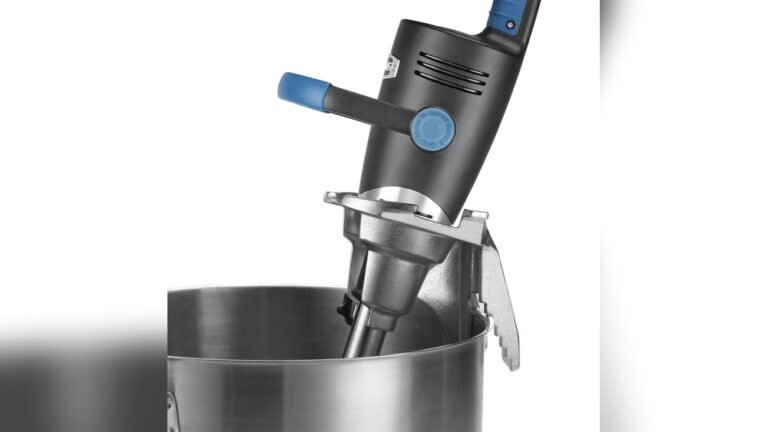
Immersion Blender In Professional Kitchens
In restaurants and catering, immersion blenders are standard tools. Chefs use them to:
- Blend large pots of soup quickly and safely.
- Emulsify sauces to smooth consistency.
- Create foams for modern dishes.
Professional models are larger and more powerful, sometimes called “commercial stick blenders. ” If you cook for groups or want pro-quality results, consider these higher-end models.
How Long Does An Immersion Blender Last?
A good immersion blender should last 3–8 years, depending on use and care. Frequent use or blending tough foods may shorten its life. Some models offer warranties—check before buying.
Maintenance tip: Clean the shaft after each use, avoid blending very hard foods, and store in a dry place. These steps help prevent motor failure and blade damage.
Are There Any Health Risks?
Immersion blenders are safe for food prep, but there are minor risks:
- Injury from blades: Keep fingers away from the blade, even when cleaning.
- Plastic contamination: Some shafts are plastic and may wear over time. If you see cracks or flakes, replace the shaft.
- Hot liquid burns: Use caution when blending soups. Always keep the blender fully submerged.
If you have young children, store the blender out of reach.
Comparing Popular Immersion Blender Brands
Some brands are known for quality and durability. Here are a few top picks:
- Braun: Reliable, ergonomic design.
- KitchenAid: Stylish, many color options, strong performance.
- Cuisinart: Good balance of price and features.
- Breville: Premium build, powerful motor.
- Hamilton Beach: Affordable, basic models.
Each brand offers unique features. Read reviews and check warranty options before buying.
Immersion Blender Troubleshooting Guide
If your immersion blender isn’t working as expected, try these solutions:
- Blender won’t start: Check power connection, try another outlet.
- Motor smells: Stop and let it cool. Avoid overloading.
- Blades not spinning: Clear food stuck in the shaft.
- Weak performance: Sharpen or replace blades if possible.
For more detailed advice, consult your appliance’s manual or visit a manufacturer’s support page.
Immersion Blender Myths And Misconceptions
Several myths surround immersion blenders:
- Myth: They replace all blenders. Reality: They’re best for small batches and liquids.
- Myth: All models can crush ice. Reality: Only high-powered models can handle ice.
- Myth: They’re hard to clean. Reality: Most are easy to rinse, especially with detachable shafts.
- Myth: Cordless is always better. Reality: Cordless models are convenient but sometimes less powerful and have shorter run times.
Knowing these facts helps you set realistic expectations.
How Often Will You Use It?
One key question: Will you use an immersion blender often enough to justify the cost and space? Here are some clues:
- If you cook soups or sauces weekly, it’s a good investment.
- If you only make smoothies once a month, a traditional blender may be better.
- If you enjoy experimenting with recipes, you’ll find new uses regularly.
Non-obvious insight: Sometimes, you won’t realize how much you use it until you have one. Many owners report using their immersion blender for unexpected tasks, like blending dressings or mashing beans.

Credit: www.reddit.com
Upgrading From A Basic Model
If you own a basic immersion blender and find it underpowered, consider upgrading. Signs you need a better model:
- Blending takes too long.
- Blades leave chunks behind.
- Motor overheats.
- You want more attachments.
Mid-range and premium models can handle tougher jobs and last longer.
Is It Worth The Money? A Balanced View
So, is an immersion blender worth it? The answer depends on your needs:
- If you make soups, sauces, or smoothies regularly, the convenience and quick cleanup are hard to beat.
- If you want to save kitchen space and reduce dishwashing, it’s a smart buy.
- If you only need to blend large batches or tough ingredients, stick with a traditional blender or food processor.
Most cooks find an immersion blender useful, even if they already own other blending tools. The ability to blend hot foods directly in the pot is a unique advantage.
Where To Buy And What To Look For
Immersion blenders are available at most kitchen stores and online retailers. Look for:
- Reliable brands
- Warranty coverage
- Customer reviews
- Price matching
For more details, check this Wikipedia page on immersion blenders.
Frequently Asked Questions
Is An Immersion Blender Safe For Hot Liquids?
Yes, immersion blenders are safe for hot foods if the shaft is made from heat-resistant materials. Always keep the blade fully submerged and avoid splashing. Some models are specifically designed for hot soups.
Can An Immersion Blender Crush Ice?
Only high-powered models can crush ice effectively. Basic models may struggle or even break. Always check the manufacturer’s instructions before blending ice.
How Do I Clean An Immersion Blender?
Detach the blending shaft and rinse it under warm water. For sticky foods, use a brush and soap. Most shafts are dishwasher-safe, but never submerge the motor.
Can I Use An Immersion Blender To Make Dough?
Immersion blenders are not designed for dough. The motor and blade are too weak for thick mixtures. Use a stand mixer or food processor for baking.
What Is The Best Container To Use With An Immersion Blender?
Deep, narrow containers work best. They reduce splashing and help create a smoother blend. Many models come with a beaker designed for this purpose.
Buying any new kitchen gadget is a commitment. The immersion blender, for most people, is a practical, affordable, and space-saving tool. Its ability to blend directly in pots and cups, quick cleanup, and versatility make it a favorite for everyday cooking.
If you cook regularly and value convenience, an immersion blender is likely worth it. If you only cook occasionally or need heavy-duty blending, you may not need one. Ultimately, it’s a tool that can help you cook smarter, faster, and with less mess.