Is An Immersion Blender A Must-Have: Top Benefits Explained
If you enjoy cooking at home or want to make your kitchen more efficient, you may have heard about the immersion blender. Some people call it a stick blender or hand blender. It’s a simple tool, but many wonder: is an immersion blender a must-have for every kitchen? Or is it just another gadget that will end up forgotten in a drawer?
This question comes up often because there are so many kitchen tools available today. It’s easy to buy something and never use it. But the immersion blender stands out because of its unique design and functions. In this article, we’ll look at what an immersion blender can do, how it compares to other blenders, its pros and cons, and whether it’s truly essential.
If you’re thinking about buying one or want to know if it’s right for you, read on for clear advice and practical examples.
What Is An Immersion Blender?
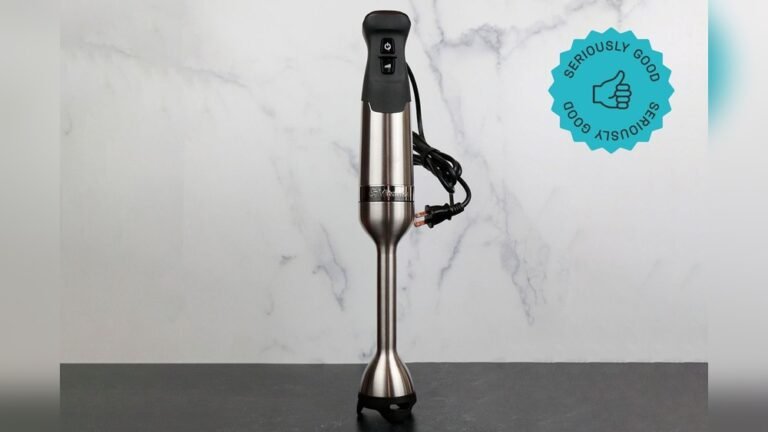
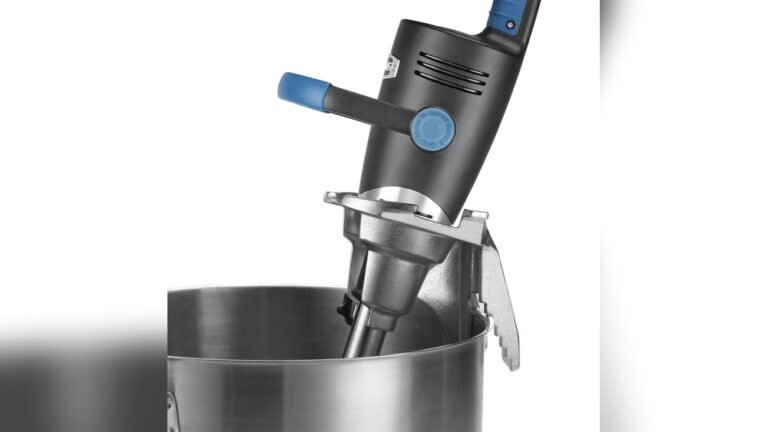
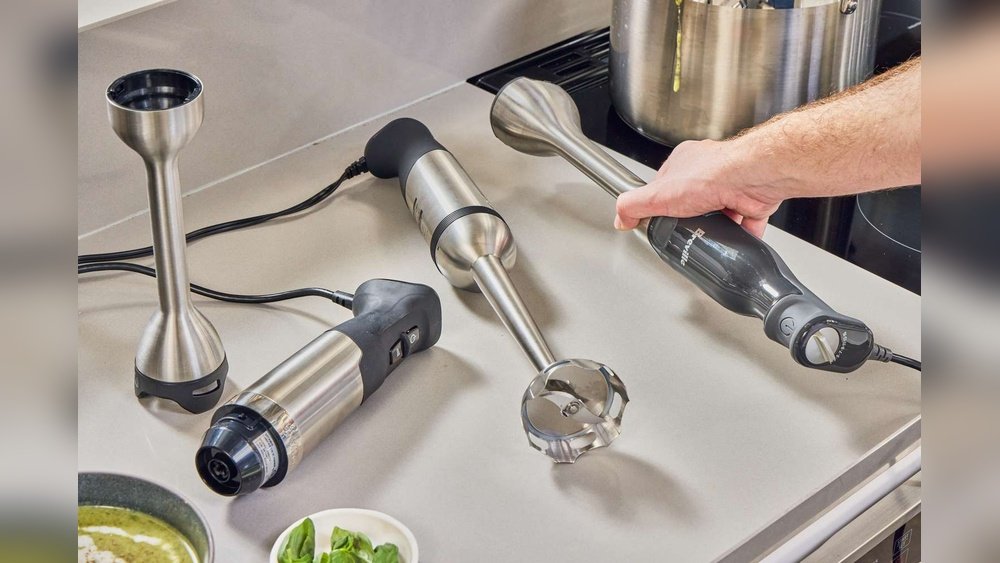
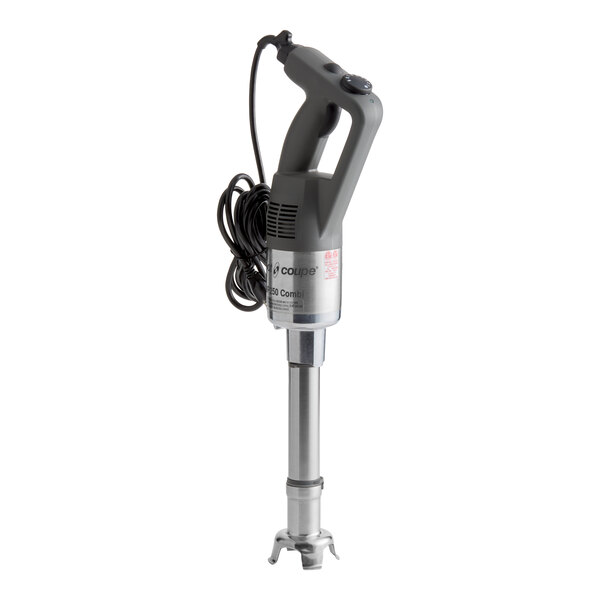
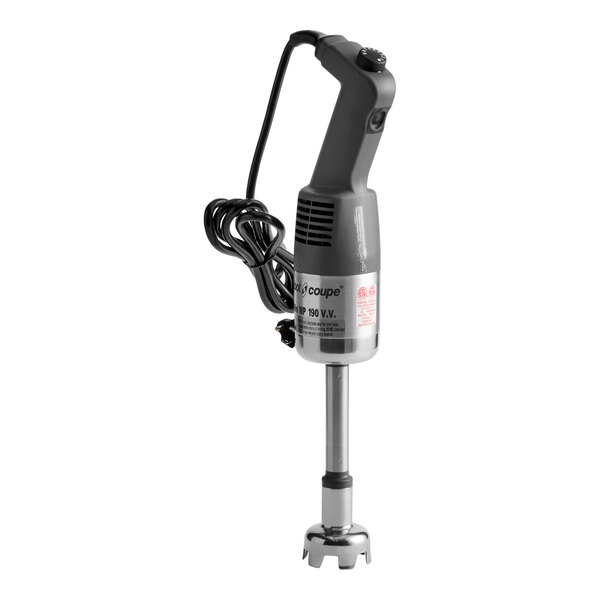
An immersion blender is a handheld kitchen tool used to blend or puree food right in the container where you’re cooking. Unlike a countertop blender, which requires you to transfer food into a pitcher, an immersion blender has a motor in the handle and spinning blades at the end of a stick. You simply dip the blade end into your pot or bowl and blend.
Most immersion blenders are electric, with speeds ranging from low to high. Some come with extra attachments like whisks or mini food processors. They’re usually lightweight, easy to hold, and don’t take up much space.
How Does An Immersion Blender Work?
When you press the power button, the blades spin quickly. You move the blender up and down or around the pot to blend ingredients. This is useful for making soups, sauces, smoothies, and even whipped cream without pouring hot or messy mixtures into another device.
Common Uses Of An Immersion Blender
If you’re wondering why people like immersion blenders, it’s because they’re very versatile. Here are some popular ways to use them:
- Pureeing soups directly in the pot – No need to transfer hot soup to a blender and risk spills.
- Making smoothies – Blend fruits and yogurt right in your cup.
- Emulsifying salad dressings – Mix oil and vinegar until creamy.
- Blending sauces – Make tomato sauce, pesto, or gravy smooth.
- Whipping cream or eggs – Many models come with whisk attachments.
- Chopping small amounts of vegetables – Some have mini food processor bowls.
- Making baby food – Puree small batches quickly and easily.
A non-obvious use is for blending hot drinks like bulletproof coffee or frothy hot chocolate. Many people don’t realize this tool can create perfect foam and texture in seconds.
Immersion Blender Vs. Other Blending Tools
You might already own a countertop blender or a food processor. Is there a real difference? Let’s compare them:
| Feature | Immersion Blender | Countertop Blender | Food Processor |
|---|---|---|---|
| Size & Storage | Small, easy to store | Large, needs counter space | Bulky, needs storage |
| Cleaning | Easy, fewer parts | Can be tricky | Many parts to clean |
| Best For | Soups, sauces, small batches | Smoothies, ice crushing, large batches | Chopping, slicing, dough |
| Hot Foods | Yes, directly in pot | Risky, needs cooling | No, not ideal |
| Price Range | Low to medium | Medium to high | Medium to high |
Key Insights
- Immersion blenders excel at small or hot tasks where you want less mess and quick blending.
- Countertop blenders are better for ice, frozen fruits, or large smoothie batches.
- Food processors are best for chopping, slicing, and mixing dough rather than blending liquids.
One thing beginners often miss: an immersion blender can’t crush ice or handle thick frozen mixtures well. For that, a traditional blender is still better.
Pros And Cons Of Owning An Immersion Blender
It’s helpful to look at both sides before deciding if you really need this tool.
Pros
- Convenience: You blend food right in the pot or bowl—no need to pour.
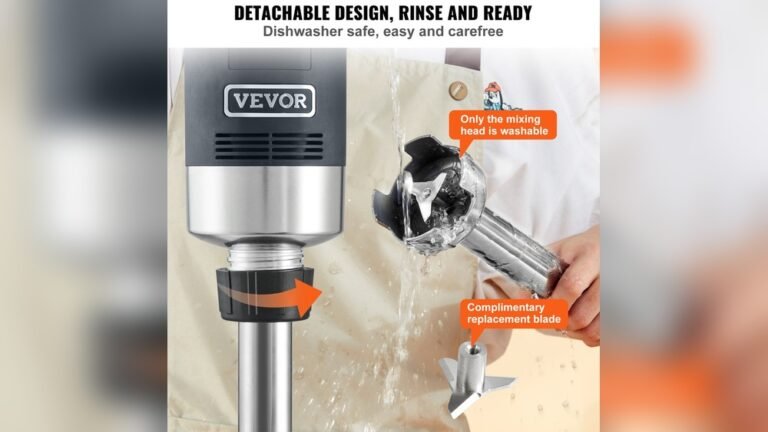
- Easy to clean: Most have detachable shafts that rinse off quickly.
- Saves space: Takes up very little room in your kitchen.
- Versatile: Can handle many tasks with different attachments.
- Affordable: Most models are priced lower than full-size blenders.
Cons
- Not as powerful: May struggle with tough ingredients or ice.
- Batch size is limited: Not ideal for making large quantities at once.
- Can splatter: If not used carefully, hot liquids can splash.
- Attachments can break: Some cheaper models have less durable parts.
A common mistake is to use the immersion blender for thick doughs or very hard foods—this can damage the motor or blades.
Who Really Needs An Immersion Blender?
You might be asking, “Is this just for chefs, or will I really use it? ” The answer depends on your cooking style.
Home Cooks Who Benefit Most
- Soup lovers: If you make blended soups often, this tool is nearly essential.
- Parents of young children: Great for making quick baby food purees.
- People with small kitchens: Saves space compared to big blenders.
- Anyone who hates extra dishes: Fewer bowls to wash.
On the other hand, if you mostly make smoothies with ice or big batches of food, a countertop blender is usually better.
When It’s Not A Must-have
If you rarely cook or mostly eat out, this tool might not get much use. It’s also not ideal for people who need to blend hard or frozen ingredients regularly.
How To Choose The Right Immersion Blender
If you decide an immersion blender is right for you, picking the right one is important. There are many models with different features. Here’s what matters most:
- Motor power: Look for at least 200 watts for basic tasks. More power helps with tough jobs.
- Speed settings: Two or more speeds give you more control.
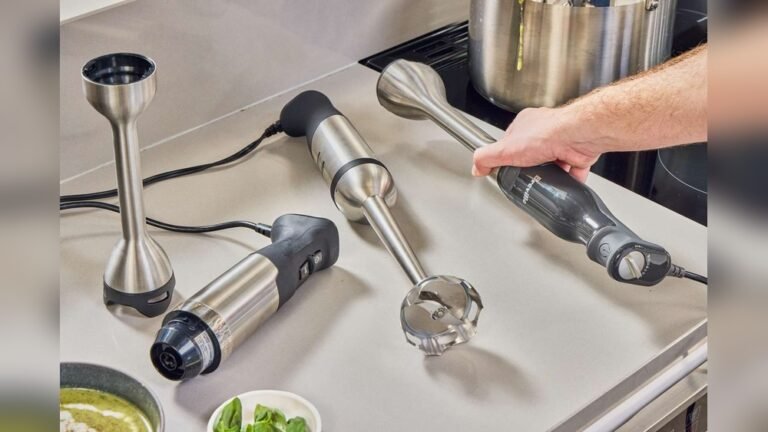
- Detachable shaft: Easier to clean and store.
- Blade quality: Stainless steel blades last longer and are easier to clean.
- Comfort: A comfortable grip makes blending easier.
- Accessories: Some come with whisk, chopper, or beaker attachments.
- Corded vs. cordless: Cordless is more flexible but usually less powerful.
Comparison Of Popular Immersion Blender Models
Here’s a look at how three top models compare on key features:
| Model | Power (Watts) | Speeds | Attachments | Price Range |
|---|---|---|---|---|
| Breville Control Grip | 280 | 15 | Whisk, chopper, beaker | High |
| KitchenAid Variable Speed | 180 | Variable | Whisk, beaker | Medium |
| Cuisinart Smart Stick | 200 | 2 | Beaker | Low to Medium |
Smart Buying Tips
- Avoid the cheapest models if you plan to use your blender often. These may not last long.
- Check the warranty to make sure you’re covered if something breaks.
- Test the grip if possible—some handles are easier to hold, especially for longer jobs.
Practical Examples: How An Immersion Blender Changes Your Cooking
The real value of an immersion blender is shown in daily cooking. Here are some practical examples and non-obvious uses:
Creamy Soups In Minutes
Imagine making a big pot of tomato soup. With a traditional blender, you need to wait for the soup to cool, pour it in batches, and risk spills. An immersion blender lets you blend everything directly in the pot—even if it’s hot—saving time and reducing cleanup.
Quick Smoothies And Protein Shakes
If you’re in a hurry in the morning, you can add fruit, milk, and protein powder to a travel cup and blend with the immersion blender. There’s no need to wash a big blender pitcher, and you can drink from the same cup.
Homemade Mayonnaise Or Aioli
Making mayonnaise by hand is tricky and time-consuming. With an immersion blender, you can add oil, egg, and seasonings to a jar and blend for 30 seconds. The result is creamy, perfect mayonnaise with less effort and no mess.
Pureeing Baby Food
For parents, fresh baby food is healthier and tastier. An immersion blender lets you puree carrots, peas, or potatoes in small amounts, right after cooking, and store them quickly.
Frothing Milk For Coffee
A less obvious use: use your immersion blender to froth warm milk for lattes or cappuccinos. The result is a creamy foam, almost like you’d get at a coffee shop.
Chopping Nuts Or Herbs
If your model includes a mini chopper, it’s easy to quickly chop nuts, garlic, or fresh herbs. This is especially helpful for small recipes.
Cleaning And Maintenance Tips
Many people avoid using blenders because of the cleaning process. Here are tips for keeping your immersion blender clean and lasting longer:
- Unplug before cleaning: Safety first. Always unplug before washing.
- Detachable shaft: Most models let you remove the blade end for easy cleaning.
- Quick rinse: Clean the blades right after use to prevent food from hardening.
- Dishwasher safe: Many shafts are top-rack dishwasher safe, but check your manual.
- Wipe the handle: The motor part should never go in water—just wipe with a damp cloth.
- Check for hidden food: Food can get trapped under the blade guard. Use a brush if needed.
A non-obvious tip: blend a cup of warm, soapy water for a few seconds to clean the blades thoroughly, then rinse.
Credit: www.webstaurantstore.com
Safety Considerations
While immersion blenders are generally safe, they do have sharp blades and a powerful motor. Follow these tips:
- Never touch the blades while the blender is plugged in.
- Keep fingers and utensils away from the blade guard during use.
- Avoid using in nonstick pots if the metal blade could scratch.
- Don’t run the motor for too long without a break—most are designed for short bursts.
If you have children, store the blender out of reach and unplug it after each use.
Energy Use And Cost Efficiency
An immersion blender is one of the most energy-efficient blending tools. Most models use between 150 and 300 watts, much less than a full-size blender (which can use 1000 watts or more). This means lower energy bills, especially if you blend small amounts often.
The cost of a good immersion blender starts around $30 for basic models, going up to $100 or more for high-end types with attachments. Over time, the money you save on fewer take-out soups, smoothies, or baby foods can easily pay for the blender.
What The Experts Say
Professional chefs and food writers often recommend immersion blenders for home cooks. Julia Child, the famous chef, made her potato leek soup with an immersion blender. Today, most food magazines and cooking shows suggest having one for convenience.
A study by America’s Test Kitchen found that home cooks who used an immersion blender made more homemade soups and sauces, reducing their reliance on processed foods.
If you want more expert opinions, you can read reviews and tests from sources like Wirecutter by The New York Times.
When An Immersion Blender Is Not Enough
There are times when an immersion blender is not the best tool. For example, if you want to:
- Crush ice for frozen drinks
- Make nut butters
- Blend very thick batters
A countertop blender or food processor is better for these jobs. Immersion blenders are best for soft or liquid foods in small to medium amounts.
How To Get The Most From Your Immersion Blender
To really enjoy this tool, learn a few simple techniques:
- Keep the blade fully under the food to reduce splatter.
- Use a tall, narrow container for smaller batches—this helps blend evenly.
- Move the blender slowly up and down for smoother results.
- Don’t overload—work in batches if needed.
- Pulse instead of holding the button for better texture in chunky soups.
A common mistake is moving the blender too quickly or pulling it out while running, which creates messes.
Popular Recipes Made Easy With An Immersion Blender
Let’s look at a few classic recipes that are simpler with this tool:
Creamy Tomato Soup
- Sauté onions and garlic in a pot.
- Add canned tomatoes and broth.
- Simmer for 20 minutes.
- Blend directly in the pot until smooth.
- Stir in cream, salt, and pepper.
Green Smoothie
- Add spinach, banana, yogurt, and milk to a tall cup.
- Blend until smooth.
- Drink right away.
Whipped Cream
- Pour cold heavy cream into a mixing bowl.
- Blend with the whisk attachment until soft peaks form.
- Add sugar and vanilla if desired.
Hummus
- Add chickpeas, tahini, lemon juice, garlic, and olive oil to a bowl.
- Blend until smooth and creamy.
Baby Food Puree
- Steam carrots or sweet potatoes.
- Blend with a little water or milk until smooth.
With these recipes, cleanup is quick and you avoid extra dishes.

Credit: www.amazon.com
Real-world User Experiences
Many home cooks find that once they start using an immersion blender, they reach for it often. Here are a few real-world stories:
- Busy parents use it to blend soups and make quick snacks for kids.
- Home bakers whip cream or beat eggs for cakes without dragging out a big mixer.
- Students in small apartments appreciate the space savings.
A less obvious benefit: some people with limited hand strength find immersion blenders easier to handle than heavy blenders.
Troubleshooting Common Problems
If your immersion blender isn’t working well, try these tips:
- Food is not blending evenly: Try using a taller, narrower container.
- Blender is overheating: Let it rest between uses; don’t blend thick mixtures for too long.
- Blades are dull: Replace the blade or buy a new shaft if possible.
- Motor smells burnt: This usually means it’s overloaded or used for too long—let it cool and avoid thick mixtures.
If you have frequent issues, it may be a sign to upgrade to a higher quality model.
Credit: www.webstaurantstore.com
Environmental Impact
Because immersion blenders use less energy and last for years, they’re a good choice for eco-conscious cooks. They help reduce food waste by making it easy to blend leftovers into soups or sauces. Also, fewer parts mean less plastic and electronic waste compared to larger appliances.
However, as with all electronic devices, recycling at the end of life is important. Many cities have small appliance recycling programs—check with your local waste authority.
Comparison With Other Kitchen Gadgets
It’s easy to buy too many gadgets. Here’s how an immersion blender compares to other common tools:
| Task | Immersion Blender | Hand Mixer | Countertop Blender |
|---|---|---|---|
| Blending Soup | Excellent | Poor | Good |
| Whipping Cream | Good (with whisk) | Excellent | Poor |
| Smoothies | Good (soft fruit only) | Poor | Excellent |
| Chopping Nuts | Fair (with chopper) | Poor | Fair |
| Bread Dough | Poor | Excellent (with hooks) | Poor |
This shows that an immersion blender covers many tasks, but not all. It’s most useful for blending and pureeing.
Is An Immersion Blender A Must-have?
So, is this tool essential for everyone? The answer depends on your kitchen habits.
- If you cook soups, sauces, or purees often, an immersion blender is almost a must-have.
- If you value quick cleanup, small batch cooking, or space-saving tools, it’s one of the best gadgets you can own.
- If you mostly make large batches, frozen drinks, or hard mixtures, you may not need it.
For most home cooks, an immersion blender quickly becomes a favorite tool. Its versatility, ease of use, and low price make it a smart buy for many kitchens.
If you are just starting to build your kitchen, consider your cooking style. If you often use recipes that need pureeing or blending, you’ll likely use an immersion blender often. If not, you may want to wait.
Frequently Asked Questions
What Foods Should I Avoid Blending With An Immersion Blender?
Avoid very hard foods like raw carrots, frozen fruit, or ice—they can damage the blades and motor. Thick doughs are also not recommended. Use for soups, sauces, and soft fruits or vegetables.
Can An Immersion Blender Replace My Countertop Blender?
Not completely. Immersion blenders are great for small, soft, or hot blends but struggle with ice, frozen foods, or large batches. Many kitchens find having both tools is useful.
Is It Safe To Blend Hot Soups With An Immersion Blender?
Yes, it’s safe if you keep the blade submerged and move slowly to avoid splashes. Always let the soup cool slightly before blending, and never fill the pot to the top.
How Do I Clean My Immersion Blender Properly?
Detach the blending shaft and rinse under warm water immediately after use. For stuck-on food, blend a cup of soapy water, then rinse. Wipe the handle with a damp cloth—never submerge the motor part.
Are There Cordless Immersion Blenders, And Are They Worth It?
Yes, cordless models are available. They’re convenient for moving around the kitchen, but usually have less power and need to be recharged. For most users, corded models offer better performance.
If you love cooking and want to make tasks like soups, sauces, and smoothies easier, an immersion blender can make a noticeable difference. It’s not a must-have for every kitchen, but for many home cooks, it quickly becomes a tool they use daily.
Consider your needs, space, and budget—and you’ll know if an immersion blender is right for you.