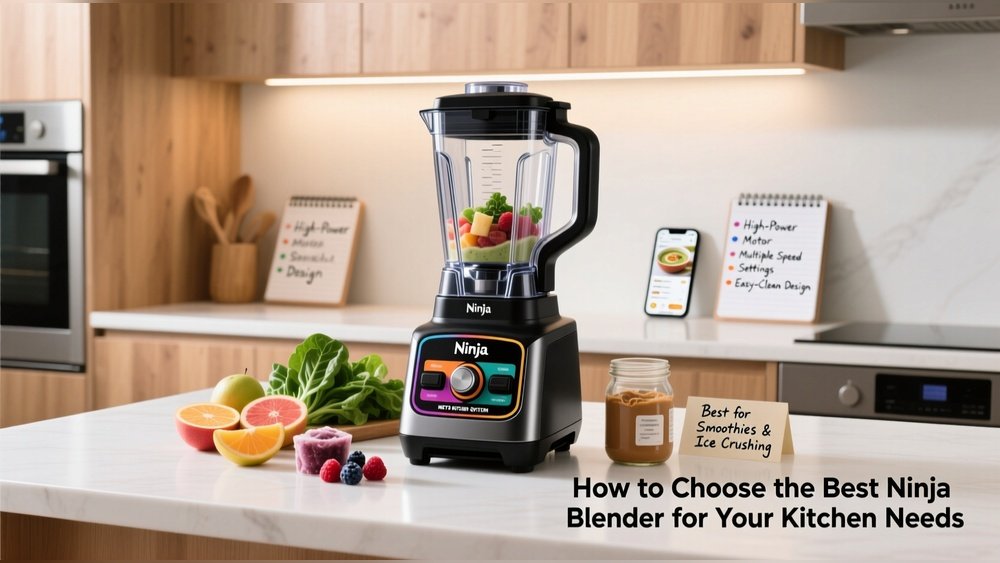
How To Choose A Ninja Blender: Expert Tips for Smart Buying
Choosing the right blender can change how you cook, eat, and even live. For many, a Ninja blender is the top choice. Ninja blenders are popular because they are powerful, reliable, and affordable compared to other brands. But there are many models, features, and price ranges. If you’re unsure which Ninja blender is best for you, this guide will help you make a smart decision.
You’ll learn about power, size, features, and even mistakes people often make. Whether you want to make smoothies, soups, nut butters, or frozen drinks, you’ll find all the information you need right here. Let’s discover how to choose a Ninja blender that fits your kitchen and your needs.
Understanding Ninja Blenders
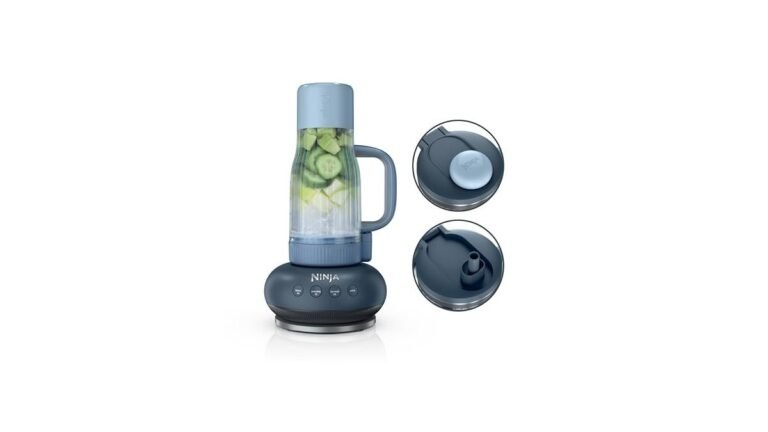
Ninja is a brand known for making high-performance blenders. Their products range from simple personal blenders to advanced multi-function machines. Ninja blenders usually offer strong motors, sharp blades, and easy-to-use controls. They’re good for both beginners and experienced users.
Some Ninja blenders are designed for quick drinks, while others can handle tough jobs like crushing ice or making dough. Knowing the types of Ninja blenders helps you choose the right one.
Types Of Ninja Blenders
- Personal Blenders: Small and portable. Great for single servings and smoothies.
- Countertop Blenders: Larger size. Good for families or big batches.
- Food Processor Combo: Blenders that also chop, slice, and mix food.
- Hot & Cold Blenders: Can make hot soups and cold drinks.
Each type has strengths and weaknesses. Personal blenders are easy to clean but can’t make large amounts. Countertop blenders are powerful but take up more space. Food processor combos are versatile but can be harder to use. Hot & cold blenders are unique but cost more.
Key Factors To Consider
Choosing a Ninja blender is not just about picking the newest model. You need to think about your daily habits, kitchen space, and what you want to blend.
Blender Power (wattage)
The motor’s wattage shows how powerful the blender is. More watts means the blender can handle harder ingredients like ice or nuts. Most Ninja blenders range from 700W to 1500W.
- 700–900W: Good for smoothies and soft fruits.
- 1000–1200W: Can crush ice and blend tough vegetables.
- 1400–1500W: Handles nut butters, dough, and frozen ingredients.
If you often make thick smoothies or frozen drinks, choose a blender with at least 1000W.
Blade Design
Ninja uses stacked blade technology in many models. This means the blades are placed at different heights inside the jar. Stacked blades help blend ingredients more evenly.
Some blenders have removable blades for easy cleaning. Others have fixed blades, which can be less convenient but more durable. If you want to blend leafy greens or seeds, look for models with strong, sharp blades.
Jar Size And Material
Jar size matters for how much you blend at once. Ninja jars come in sizes from 16 oz (personal) to 72 oz (countertop). For families, a bigger jar is better. For single users, a small jar is easier to store.
Material is also important:
- Plastic: Lightweight and less expensive. Can scratch over time.
- Glass: Heavy but won’t absorb smells or stains. Rare in Ninja blenders.
- Tritan: A type of strong plastic used in some Ninja jars. BPA-free and durable.
If you blend hot liquids, check if the jar is heat-resistant.
Speed Settings And Controls
Some Ninja blenders offer only one speed. Others have several speeds and preset programs. Preset programs make blending easier for beginners.
Common speed options:
- Pulse: For quick bursts of power.
- Low/Medium/High: For different ingredients.
- Preset modes: Smoothie, ice crush, puree, etc.
If you want more control, choose a blender with multiple speeds.
Price And Value
Ninja blenders range from $40 to $200+. A higher price usually means more features and power. But you don’t always need the most expensive model.
Ask yourself:
- How often will you use the blender?
- What will you blend?
- Do you need extra features like food processing?
Paying for features you won’t use is a common mistake.

Credit: www.youtube.com
Comparing Popular Ninja Blender Models
To help you pick the right Ninja blender, here’s a comparison of some best-selling models:
| Model | Power (Watts) | Jar Size | Main Features | Price Range |
|---|---|---|---|---|
| Ninja Fit | 700 | 16 oz | Personal, easy to store | $40–$60 |
| Ninja Nutri Pro | 900 | 24 oz | Personal, nutrient extraction | $60–$80 |
| Ninja Professional Plus | 1400 | 72 oz | Large jar, preset modes | $100–$130 |
| Ninja Foodi Power Pitcher | 1400 | 72 oz | Food processor combo | $130–$180 |
| Ninja HB152 | 1400 | 64 oz | Hot & cold blending | $120–$170 |
As you can see, personal models are cheaper and smaller. Countertop models offer more power and features, but cost more.
Assessing Your Needs
Before buying, think about how you’ll use your Ninja blender.
For Smoothies
If you mainly make smoothies, a personal blender like Ninja Fit or Nutri Pro is enough. These models are easy to clean and store. They work well with soft fruits and veggies.
For Family Meals
For bigger groups or families, choose a countertop blender. The Ninja Professional Plus or Foodi Power Pitcher can handle large batches. They also offer preset programs for soups, frozen drinks, or purees.
For Food Processing
If you want to chop, slice, or knead dough, get a food processor combo. The Ninja Foodi Power Pitcher is popular for this. It comes with extra attachments and stronger blades.
For Hot Ingredients
If you want to blend hot soups or sauces, pick a hot & cold blender. The Ninja HB152 is designed for both. It has heating elements for soup and strong blades for ice.
For Small Kitchens
If space is limited, a personal blender is best. It fits in a drawer or cabinet. You can also buy models with smaller jars for countertop blenders.
Features That Matter Most
Some features make using a Ninja blender easier and safer. Here are the most important ones:
Auto-iq Technology
Many Ninja blenders have Auto-iQ. This feature uses preset programs for blending, pulsing, and pausing. It helps you get consistent results without guessing how long to blend.
Auto-iQ is useful for beginners. You press one button, and the blender does the rest.
Dishwasher Safe Parts
Cleaning is often a problem with blenders. Dishwasher-safe jars, lids, and blades save time. Most Ninja jars and accessories are safe for the dishwasher, but always check the manual.
Safety Locks
Safety locks prevent the blender from working unless the jar is secure. This stops accidents and spills. Look for models with good safety features, especially if you have children.
Accessories
Some Ninja blenders come with extra cups, lids, or blades. These accessories help you blend and take drinks on the go. More accessories mean more ways to use your blender.
Warranty
Ninja offers warranties for most models, usually 1–2 years. A longer warranty shows the company trusts its product. Always check the warranty before buying.
Mistakes To Avoid
Many buyers make mistakes when choosing a Ninja blender. Here are some to watch out for:
- Buying too much power: If you never blend ice or nuts, you don’t need a 1400W blender.
- Ignoring jar size: Small jars are not good for families. Large jars waste space for single users.
- Overlooking cleaning: Some models are harder to clean. Dishwasher-safe parts make life easier.
- Not checking warranty: Cheap blenders may break quickly. A good warranty can save money.
- Skipping presets: Preset programs help beginners. If you’re new, choose a model with presets.
- Missing accessories: Extra cups and lids are useful for busy people. Check what’s included.
Performance: Real-world Examples
Let’s look at how Ninja blenders perform in daily life.
Making Smoothies
A Ninja Nutri Pro blends bananas, spinach, and ice in 30 seconds. The smoothie is creamy and smooth. If you use a 700W model, it takes a bit longer and may leave small chunks.
Crushing Ice
A Ninja Professional Plus can crush ice in 10–15 seconds. This is fast compared to many brands. Lower power blenders (700–900W) can struggle with ice.
Making Nut Butter
Only high-power models (1200W+) like Foodi Power Pitcher can blend nuts into smooth butter. Less powerful blenders can leave lumps.
Hot Soup
The Ninja HB152 heats and blends soup at the same time. You add chopped veggies, broth, and spices. In about 20 minutes, you have hot, blended soup. This is unique to hot & cold blenders.
Comparing Ninja To Other Brands
You may wonder how Ninja blenders compare to other brands. Here’s a quick look:
| Brand | Power (Watts) | Jar Size | Price Range | Special Features |
|---|---|---|---|---|
| Ninja | 700–1500 | 16–72 oz | $40–$200 | Auto-iQ, Foodi combo |
| Vitamix | 1000–1800 | 48–64 oz | $250–$500 | Variable speed, tamper |
| Blendtec | 1000–1800 | 32–90 oz | $200–$600 | Touch controls, wide jars |
| NutriBullet | 600–1200 | 24–64 oz | $40–$150 | Personal, easy clean |
Ninja offers good power and features at a lower price than Vitamix or Blendtec. NutriBullet is similar to Ninja’s personal blenders but has fewer options.
Deciding Between Ninja Models
Choosing the right Ninja blender means balancing power, size, price, and features. Here are some tips:
If You Only Make Smoothies
Pick a personal blender. Ninja Fit and Nutri Pro are best. They are easy to use and clean.
If You Blend Daily And Want More Options
Choose a countertop blender with Auto-iQ. Ninja Professional Plus is a smart choice. It blends large batches and has preset modes.
If You Cook And Prep Food
Select a Foodi Power Pitcher. It acts as a blender and food processor. Great for making dough, chopping veggies, and blending sauces.
If You Want Hot Blending
Go for the Ninja HB152. It can heat and blend. Perfect for soups and hot drinks.
How To Test A Blender Before Buying
If you can, test a Ninja blender in-store or at a friend’s house. Here’s what to check:
- Noise level: Some blenders are loud. Test with ice or nuts.
- Ease of cleaning: Try removing the jar and blades.
- Speed and power: Blend a tough ingredient (like carrots or ice).
- Controls: Are they simple or confusing?
- Accessories: Check if extra cups or lids fit well.
Testing helps you avoid surprises after buying.
Advanced Features: Do You Need Them?
Some Ninja blenders have advanced features. Here’s what they mean:
Auto-spiralizer
A few Foodi models come with a spiralizer for making veggie noodles. If you want to eat more vegetables, this is useful.
Smart Touch Controls
Touch controls look modern and are easy to clean. But some people prefer physical buttons for reliability.
Bluetooth Or App Controls
Some blenders connect to apps for recipes and remote control. These features are fun but not necessary for most users.
Multiple Jar Sizes
Some models come with different jars for personal or family use. If you have different needs, this is a good option.
Cleaning And Maintenance Tips
Keeping your Ninja blender clean is important for safety and taste. Here’s how:
- Rinse after each use: Prevents buildup.
- Use dishwasher-safe parts: Saves time.
- Clean blades with a brush: Prevents injury and removes stuck food.
- Check seals and gaskets: Make sure they are tight and not worn out.
- Avoid harsh chemicals: Use mild soap and water.
Most problems with blenders happen because of poor cleaning. Regular maintenance helps your blender last longer.
Ninja Blender Accessories
Accessories make your blender more useful. Here are some common ones:
- Extra cups: Good for busy mornings.
- To-go lids: Let you take drinks anywhere.
- Blade attachments: For chopping, slicing, or kneading.
- Recipe books: Inspire new meals.
- Replacement parts: Useful if something breaks.
Some accessories are sold separately. Check compatibility before buying.
Ninja Blender Safety
Safety is important, especially with powerful blenders.
Tips For Safe Use
- Always lock the jar before blending.
- Never put hands or utensils near blades when running.
- Unplug before cleaning or changing blades.
- Don’t blend hot liquids unless the model allows it.
- Keep blenders away from children.
Most accidents happen when people rush or don’t follow instructions.
Ninja Blender Warranty And Customer Support
Ninja offers warranties for most blenders. Usually, it’s 1–2 years for defects or motor problems. Some stores offer extended warranties.
If something breaks, contact Ninja customer support. They can help with replacement parts or repairs. Keep your receipt and warranty information.
For more details, visit the official Ninja website or check Ninja Kitchen.
Non-obvious Insights
Many buyers focus only on power or price. But here are two insights most beginners miss:
- Noise level matters: High-power blenders can be loud. If you blend early in the morning, noise may disturb others.
- Jar shape affects blending: Wide jars can make blending thick ingredients easier, but may need more scraping. Narrow jars are better for small amounts.
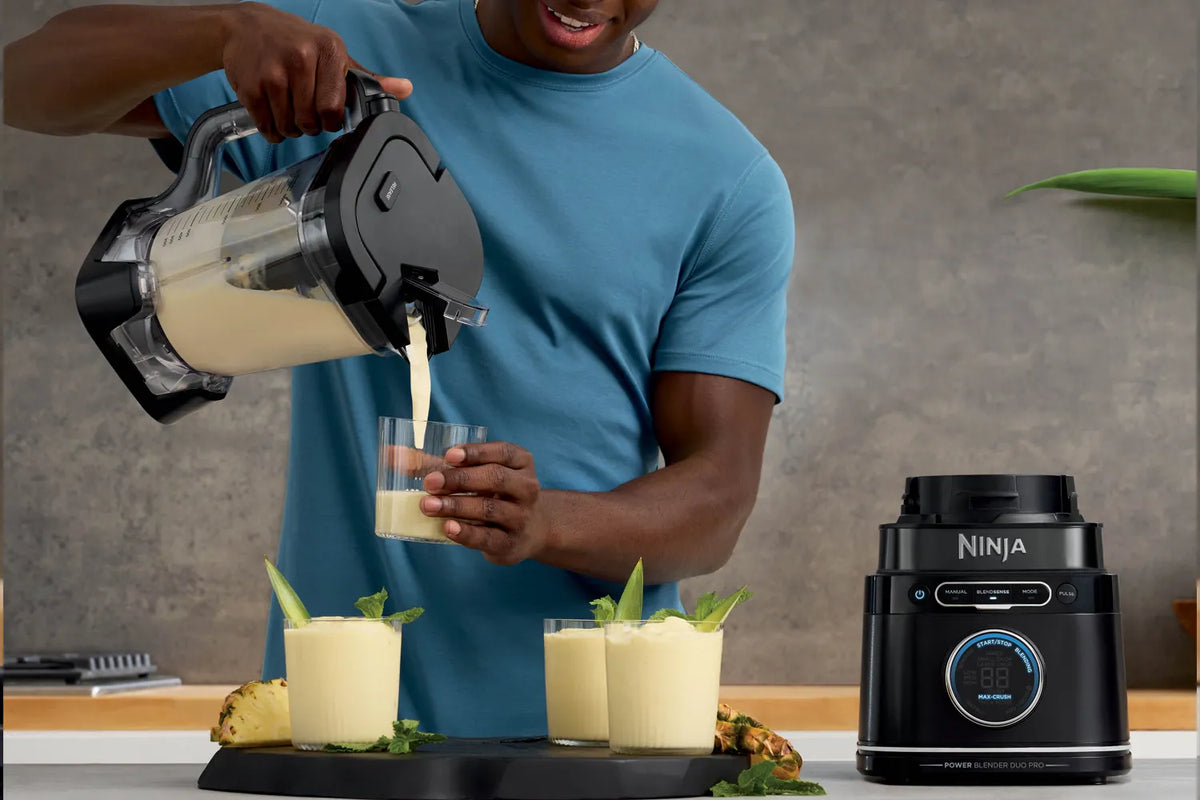
Also, consider where you’ll store the blender. Some models are tall or heavy, and may not fit under cabinets.
Credit: ninjakitchen.com.au
Comparing Blender Performance With Data
Let’s look at how Ninja blenders perform with real data.
| Model | Ice Crush (Seconds) | Smoothie (Seconds) | Noise Level (dB) |
|---|---|---|---|
| Ninja Professional Plus | 15 | 30 | 90 |
| Ninja Nutri Pro | 25 | 35 | 85 |
| Ninja Fit | 30 | 40 | 80 |
| Ninja HB152 | 20 | 32 | 88 |
Higher power models crush ice faster but are louder. Personal blenders are quieter but slower.
How To Choose Based On Kitchen Style
Your kitchen layout and style affect which blender fits best. If you have a modern kitchen, you may want a blender with touch controls and stainless steel design. For small kitchens, look for compact models.
If you entertain guests often, choose a blender with large jar and multiple cups. For people who cook daily, a Foodi combo adds flexibility.
Environmental Impact
Ninja blenders use BPA-free plastic for jars. This is safer and better for the environment. Also, some Ninja models are energy efficient and use less power.
To reduce waste, buy only what you need. Don’t buy extra accessories you won’t use. If your blender breaks, recycle the parts if possible.
Recipes And Uses
Ninja blenders are not just for smoothies. You can make:
- Nut butters
- Salsas
- Soups
- Sauces
- Frozen desserts
- Dough for baking
Try new recipes to get the most from your blender. Ninja often includes recipe books or has online guides.
Credit: smartbuy.alibaba.com
When To Upgrade Your Blender
If your old blender is slow, noisy, or leaves chunks, it’s time to upgrade. New Ninja models are faster, quieter, and easier to clean.
Also upgrade if you want new features like food processing, hot blending, or preset programs.
Frequently Asked Questions
What Is The Best Ninja Blender For Smoothies?
The Ninja Nutri Pro is great for smoothies. It blends fruits, veggies, and ice quickly. It’s easy to clean and store. For large batches, the Ninja Professional Plus is better.
Can Ninja Blenders Crush Ice?
Yes, most Ninja blenders with 1000W or higher can crush ice. The Ninja Professional Plus and Foodi Power Pitcher do this well. Personal blenders can crush ice but take longer.
Are Ninja Blender Parts Dishwasher Safe?
Most Ninja jars, lids, and blades are dishwasher safe. Always check the manual to be sure. Hand washing keeps blades sharp longer.
How Long Do Ninja Blenders Last?
With proper care, Ninja blenders last 3–5 years. High-end models last longer. Clean regularly and avoid overloading to extend life.
Is Ninja Better Than Vitamix Or Blendtec?
Ninja is more affordable and offers good performance. Vitamix and Blendtec are more powerful but cost more. For most users, Ninja is a smart choice.
Choosing a Ninja blender is about finding the right balance of power, size, and features. Take your time, compare models, and pick what fits your kitchen and lifestyle. A good blender makes healthy eating easy and enjoyable.