How To Clean Ninja Blender Top: Quick and Easy Guide
Keeping your Ninja blender top clean is more important than many people realize. A spotless blender lid does not just look better—it helps your blender work smoothly and keeps your drinks, soups, and smoothies safe from bacteria. Many people focus on cleaning the pitcher or the blades, forgetting that the top collects splatters, sticky residue, and even mold if left damp.
If you’ve ever struggled with a smelly or cloudy blender lid, you’re not alone. Learning how to clean your Ninja blender top the right way can save you time and keep your kitchen healthier.
This article will guide you step-by-step through cleaning the Ninja blender top, from basic daily rinsing to deep cleans for tough stains. You’ll learn the differences between various Ninja blender models, find out what cleaning supplies are safe, and get tips that most beginners miss.
Along the way, you’ll see how a few extra minutes of care can extend the life of your blender—and protect your family from germs.
Understanding Your Ninja Blender Top
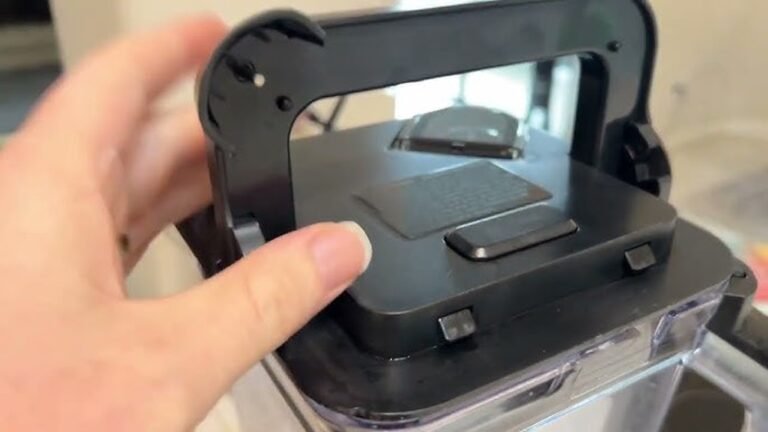
Before you start cleaning, it’s important to know what makes the Ninja blender top unique. The “top” usually refers to the lid and any removable seals, spouts, or locking mechanisms. These parts are designed to fit tightly, but this also means food and liquid can get trapped in small spaces.
Common Materials
Most Ninja blender tops are made from BPA-free plastic and include silicone or rubber seals. These materials are durable but can stain or smell if not cleaned properly. Strong chemicals or harsh scrubbers can scratch the surface, making them look cloudy and even harder to keep clean.
Why The Top Gets Dirty
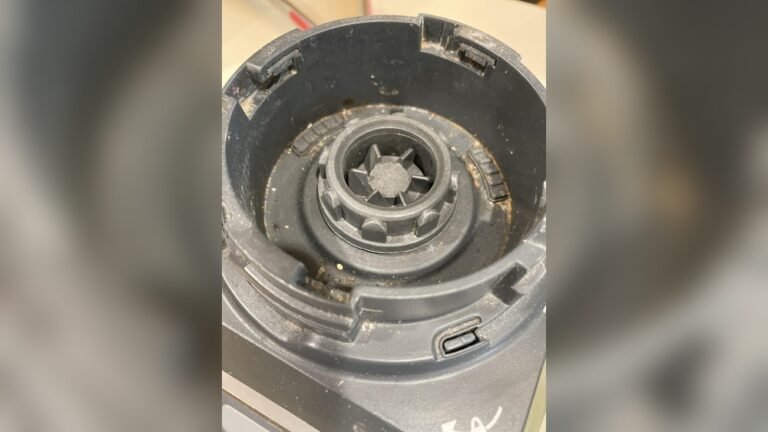
When you blend soups, smoothies, or protein shakes, tiny droplets can splash against the lid. Over time, these splashes can leave sticky spots or dried-on residue. If you leave the lid closed while the blender is still wet, it creates a perfect environment for mold and bacteria.
Model Differences
Ninja offers several types of blenders: single-serve, countertop, and multi-function systems. While the basic design is similar, some tops have extra features like:
- Pour spouts
- Locking arms
- Removable gaskets
Understanding your specific model helps you clean all the hidden spots. Always check your user manual if you’re unsure about which parts are removable or dishwasher-safe.
Essential Cleaning Supplies
For best results, use supplies that are safe for food-contact surfaces. Here’s what you’ll need:
- Mild dish soap: Avoid antibacterial or scented soaps that can leave residue.
- Soft sponge or cloth: Non-abrasive to avoid scratches.
- Bottle brush or old toothbrush: Gets into small corners.
- White vinegar: Natural disinfectant.
- Baking soda: Gentle scrub for odors and stains.
- Warm water: Helps loosen stuck-on food.
- Cotton swabs or toothpicks: For tight spaces.
- Clean towel: For drying.
Never use bleach or ammonia-based cleaners, as these can damage the plastic and leave harmful residues.
Quick Cleaning After Every Use
The easiest way to keep your Ninja blender top clean is a quick rinse right after each use. Here’s how:
- Remove the lid from the pitcher as soon as you finish blending.
- Rinse the lid under warm running water.
- Use a drop of mild dish soap and a soft sponge to wash both sides.
- Rinse thoroughly to remove all soap.
- Shake off excess water and let air dry, or dry with a clean towel.
This fast routine prevents most stains and keeps smells from building up. If you’re short on time, at least rinse the lid and set it aside to wash later.
Deep Cleaning For Stains And Odors
Every week (or after sticky recipes), your Ninja blender top needs a deep clean. This removes stubborn food, dried-on liquids, and hidden mold.
Step-by-step Deep Clean
- Disassemble the lid: Remove any silicone gaskets, spouts, or locking arms if possible. Check your model’s manual.
- Soak in warm, soapy water: Fill a bowl with warm water and a squirt of dish soap. Submerge all parts for 10–15 minutes. This softens dried residue.
- Scrub all surfaces: Use a soft brush or toothbrush to clean around seals, crevices, and under any removable parts.
- Attack stains and smells: Sprinkle baking soda on stubborn spots. Scrub gently with the brush.
- Disinfect with vinegar: Rinse off soap and baking soda. Then, wipe with a cloth dipped in white vinegar, or let parts soak for 5 minutes.
- Final rinse: Wash all parts with clean water to remove any remaining vinegar.
- Dry completely: Let all pieces air dry before reassembling. This prevents mold growth.
Hidden Areas To Check
Many people miss these problem spots:
- Under the gasket: Food can hide under silicone seals. Remove and clean them.
- Pour spout: Open the spout and scrub inside.
- Locking mechanism: Food gets trapped in moving parts. Use a cotton swab to remove debris.
Missing these spots can lead to bad smells and even mold, which is hard to remove later.

Credit: simplicityandastarter.com
Cleaning The Ninja Blender Top In The Dishwasher
Most Ninja blender tops are top-rack dishwasher safe. But there are a few important tips:
- Always check your user manual first.
- Place all small parts (like seals or spouts) in the utensil basket.
- Run a normal or gentle cycle.
- Avoid high-heat drying, which can warp plastic.
- Inspect after washing—sometimes food remains in corners.
Dishwashers save time, but hand washing is still better for removing stubborn stains and for a longer-lasting lid.
Comparing Cleaning Methods
Let’s compare the three main ways to clean your Ninja blender top:
| Method | Time Needed | Removes Stains | Removes Odors | Best For |
|---|---|---|---|---|
| Quick Rinse | 2-3 minutes | No | No | Everyday use |
| Deep Clean | 15-20 minutes | Yes | Yes | Weekly or after sticky recipes |
| Dishwasher | 10-20 minutes (cycle) | Sometimes | Sometimes | Busy days, regular maintenance |
As you can see, deep cleaning is most effective for stains and smells, but a quick rinse is essential every day.

Credit: www.reddit.com
How To Remove Mold And Mildew
If you notice black spots, musty smells, or visible mold, you need to act fast. Mold is dangerous to your health and can ruin your blender lid. Here’s how to get rid of it safely:
- Disassemble everything: Remove all gaskets, spouts, and seals.
- Soak in vinegar: Fill a bowl with equal parts white vinegar and water. Soak all parts for 30 minutes.
- Scrub with baking soda: Make a paste and scrub moldy areas with an old toothbrush.
- Rinse with hot water: Wash away all residue.
- Sun-dry: If possible, dry parts in direct sunlight. UV rays kill mold spores.
- Check for stains: If mold stains remain, repeat the process or replace the part.
If mold keeps coming back, you may need to order a replacement lid or seal from Ninja.
Dealing With Stubborn Stains
Some foods—like turmeric, tomato sauce, or green smoothies—can stain the plastic. Here’s a proven way to remove stains:
- Make a paste of baking soda and water.
- Apply to stains and let sit for 30 minutes.
- Scrub with a soft brush.
- Rinse thoroughly.
For extra stubborn stains, fill the lid with water, add a teaspoon of baking soda, and let it soak overnight. Avoid using bleach, as it can damage the plastic and leave dangerous residues.
Tips For Cleaning Hard-to-reach Areas
Ninja blender tops have many small grooves. Here’s how to clean them:
- Use a toothpick or cotton swab to dislodge dried food.
- Wrap a piece of paper towel around a toothpick to wipe narrow slots.
- Use a narrow bottle brush for corners and spouts.
- Rinse parts under running water, moving them to let water flow through all gaps.
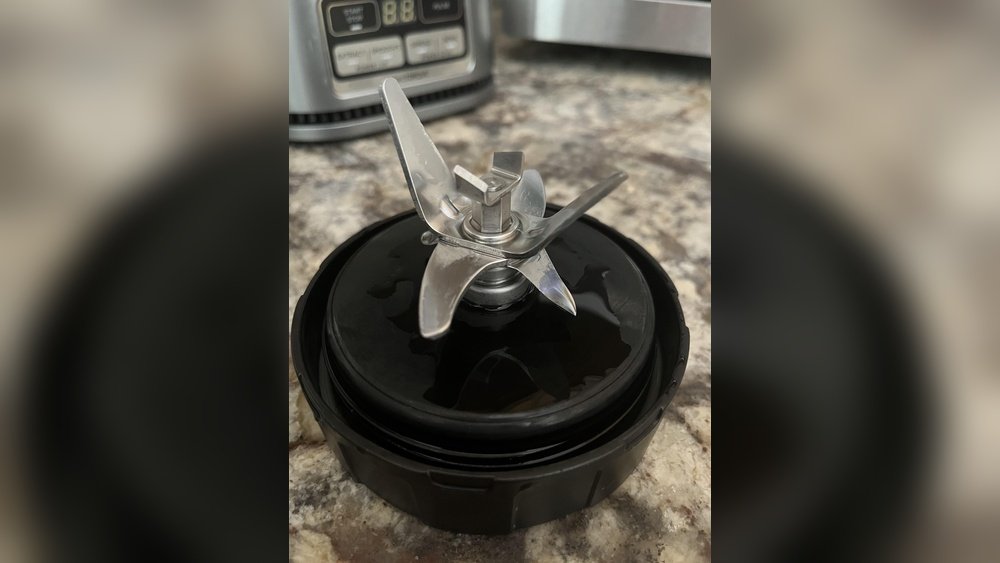
Most people forget to clean the underside of the seal—just pop it out with a spoon or your finger, then rinse and dry before putting it back.
How To Clean The Silicone Gasket
The silicone gasket (the soft ring that seals the lid) is a common place for dirt and mold. Remove it every few uses:
- Gently pry the gasket out.
- Wash with warm, soapy water.
- Scrub with a toothbrush if needed.
- Rinse and let air dry.
- Replace carefully to avoid twisting.
A dirty gasket can cause leaks and bad smells. If it’s cracked or stained, order a replacement from Ninja.
Drying And Storing The Blender Top
Proper drying prevents mold and odors. Here’s what to do:
- Air dry: Set all pieces on a clean towel in a well-ventilated area.
- Avoid stacking: Don’t put the lid on the pitcher until everything is dry.
- Store with lid off: Leave the lid slightly open or off the pitcher. This allows air to circulate and stops smells.
If you need to store the blender for a long time, keep the lid and gasket separate to prevent sticking.
Common Mistakes To Avoid
Many people make these errors when cleaning their Ninja blender top:
- Using abrasive scrubbers: These scratch the plastic, making it cloudy and harder to clean next time.
- Skipping the gasket: Food and bacteria collect under seals.
- Reassembling while wet: This traps moisture and causes mold.
- Using harsh chemicals: Bleach and ammonia break down plastic and leave dangerous residues.
- Not checking all parts: Pour spouts, locking arms, and seals need attention too.
By avoiding these mistakes, you can keep your blender top looking and smelling fresh.
Credit: www.reddit.com
Ninja Blender Top Vs. Other Brands: Cleaning Difficulty
How does the Ninja blender top compare to other brands for cleaning? Here’s a quick look:
| Brand | Removable Parts | Dishwasher Safe | Common Issues |
|---|---|---|---|
| Ninja | Lid, gasket, spout | Yes (top rack) | Food under gasket |
| Vitamix | Lid, plug | Some models | Stains, odor |
| NutriBullet | Lid, seal | Yes | Mold in seal |
| Oster | Lid, measuring cup | Yes | Plastic clouding |
Ninja tops are easy to take apart, but the gasket area is a common trouble spot. Regular cleaning is the best solution.
How Often Should You Clean The Ninja Blender Top?
The best cleaning schedule depends on how often you use your blender and what you make in it.
- After every use: Quick rinse and wash.
- Weekly: Deep clean, including gasket and spout.
- After blending sticky or strong-smelling foods: Immediate deep clean.
- If you see mold or stains: Full disassembly and disinfect.
If you blend daily, a weekly deep clean prevents long-term problems. For rare use, deep clean once a month.
When To Replace The Ninja Blender Top Or Parts
Even with the best care, blender tops and seals wear out. Look for these signs:
- Cracks or chips: Replace the entire lid.
- Gasket is warped or won’t seal: Order a new gasket.
- Persistent stains or odors: Consider a new lid.
- Broken spout or locking arm: Replace the lid.
You can buy authentic Ninja replacement parts online or from the official website. Using damaged lids is risky—they can leak or contaminate your food.
Keeping Your Blender Top Smelling Fresh
Even after cleaning, some lids develop a musty or plastic smell. Here’s how to keep your Ninja blender top fresh:
- Soak in vinegar: Once a month, soak the lid in diluted vinegar for 10 minutes, then rinse well.
- Lemon rub: Rub the inside with a cut lemon to neutralize smells.
- Air out: Store with the lid off between uses.
- Baking soda: Place a small bowl of baking soda in the cabinet where you store your blender.
If smells persist, the problem may be old food in hidden spots—repeat the deep clean process.
Cleaning After Blending Hot Ingredients
Blending hot soups or sauces creates extra mess—steam and splatter can stick to the lid. Here’s the best approach:
- Let the blender cool before opening. Hot steam can burn you.
- Rinse the lid immediately to prevent stains.
- Deep clean as soon as possible, paying special attention to the gasket and spout.
If you often blend hot foods, clean the lid more frequently to prevent long-term stains.
Can You Use Natural Cleaning Solutions?
Yes, natural cleaners like white vinegar and baking soda work well on Ninja blender tops. They:
- Remove odors
- Kill most bacteria
- Are food-safe
Avoid using strong acids (like lemon juice) on rubber gaskets too often, as it can wear them out. Vinegar is safe for short soaks, but rinse thoroughly.
Troubleshooting Common Cleaning Problems
Here’s how to solve some frequent issues:
Cloudy Plastic
If your lid looks cloudy, it’s usually from hard water or scratches. Try this:
- Soak the lid in a solution of vinegar and water for 20 minutes.
- Scrub gently with baking soda.
- Rinse and dry.
If the cloudiness is from scratches, it may not be possible to remove it completely.
Stuck-on Food
For dried food that won’t budge:
- Fill the lid with hot (not boiling) water and a drop of soap.
- Let soak for 30 minutes.
- Scrub with a brush.
Repeat if needed. Never use metal tools—they damage the plastic.
Leaking Lid
If your blender leaks, the gasket is likely dirty, twisted, or worn out. Remove, clean, and replace it. If it still leaks, order a new gasket.
Cleaning Tips Most People Miss
- Clean the vent holes: Some Ninja tops have tiny vents to release steam. Wipe these with a toothpick or brush.
- Dry upside down: Let the lid dry upside down so water drips out.
- Check the spout hinge: Food can get stuck in the hinge—open it and scrub with a brush.
These small steps prevent smells and mold, which are often caused by missed spots.
Safety Reminders
- Never put wet lids directly on electrical bases.
- Don’t use boiling water—it can warp plastic.
- Keep all cleaning supplies out of reach of children.
- If you’re allergic to cleaning chemicals, stick with vinegar and baking soda.
Ninja Blender Top Cleaning: Quick Reference Guide
For busy days, here’s a quick summary:
| Frequency | Action |
|---|---|
| Every use | Rinse and wash with mild soap |
| Weekly | Deep clean, including gasket and spout |
| Monthly | Soak in vinegar to disinfect and deodorize |
| After sticky/strong-smelling recipes | Immediate deep clean |
| If mold appears | Soak in vinegar, scrub, replace if needed |
Where To Find Official Guidance
If you’re ever unsure about cleaning methods for your specific Ninja blender top, check the user manual or visit the official Ninja Kitchen Support website. They offer detailed guides, replacement parts, and troubleshooting.
Frequently Asked Questions
How Do I Remove The Silicone Gasket From My Ninja Blender Lid?
Gently insert a spoon or your fingernail under the edge of the gasket and lift it out. Be careful not to stretch or tear it. Wash with warm, soapy water, rinse, and dry completely before replacing.
Is It Safe To Put The Ninja Blender Lid In The Dishwasher?
Most Ninja blender lids are top-rack dishwasher safe. Always check your user manual first. Remove any silicone seals and place small parts in the utensil basket. Avoid high-heat drying to prevent warping.
What Should I Do If My Blender Lid Smells Bad Even After Washing?
Soak the lid in a mixture of vinegar and water for 10–15 minutes, then rinse well. For persistent odors, rub with a cut lemon or repeat a deep clean, paying extra attention to the gasket and spout.
Can I Use Bleach Or Strong Chemicals On The Blender Top?
No, avoid bleach and harsh chemicals—they can damage plastic, cause cloudiness, and leave harmful residues. Stick to mild dish soap, vinegar, and baking soda for safe, effective cleaning.
How Often Should I Replace The Ninja Blender Lid Or Gasket?
Replace the lid if it’s cracked, chipped, or has stains and smells that won’t go away. Change the gasket if it’s warped, torn, or keeps leaking. Check these parts every few months for signs of wear.
A clean Ninja blender top makes every smoothie, soup, or shake taste better and keeps your kitchen safe. With these simple steps and a bit of regular care, your blender will work like new for years to come.