How To Use Immersion Blender Without Splashing: Expert Tips
Using an immersion blender should be quick and easy, but for many people, the mess is a real problem. If you’ve ever tried to make a smooth soup or a creamy sauce, you know what happens: you start blending, and suddenly, hot liquid splashes everywhere. Not only can this ruin your kitchen, but it can also be dangerous if you’re working with hot food. The good news? Splashing is not inevitable. With the right methods and a few smart tricks, you can use your immersion blender safely and cleanly, even with tricky mixtures.
This guide will show you exactly how to use an immersion blender without splashing. You’ll learn why splashing happens, how to prevent it, and which steps matter most. Whether you’re blending hot soup, making smoothies, or whipping up a sauce, you’ll find practical advice that works every time.
Plus, you’ll discover common mistakes, non-obvious tips, and even how different containers affect your results. By the end, you’ll be blending like a pro—no towels needed.
Why Splashing Happens With Immersion Blenders
Before you can stop splashing, it helps to know why it happens. Immersion blenders are powerful tools. They spin blades at high speed to break down food. But that speed also creates force, which can push liquid up and out of your bowl. The shape of your container, the amount of liquid, and even the angle of the blender all play a role.
The Science Behind Splashing
When the blade spins, it pulls food toward it and pushes liquid out. If the blade is too close to the surface, it creates a whirlpool effect that lifts liquid upward. This is especially true with thin soups, sauces, or batters.
Even thick mixtures can splatter if the blender isn’t used properly.
Common Situations That Cause Mess
- Blending Hot Liquids: Steam and heat increase pressure, making splashes more violent and dangerous.
- Shallow Containers: If your bowl is too wide or shallow, there’s not enough room to contain the movement.
- Lifting the Blender While On: Moving the blender up before turning it off can send food flying.
- Overfilling: Too much liquid in the container leaves no buffer for splashes.
Understanding these causes is the first step to controlling them.
Choosing The Right Container
The container you use can make a big difference in splash control. Not every bowl or pot is a good match for immersion blending.
Height And Width Matter
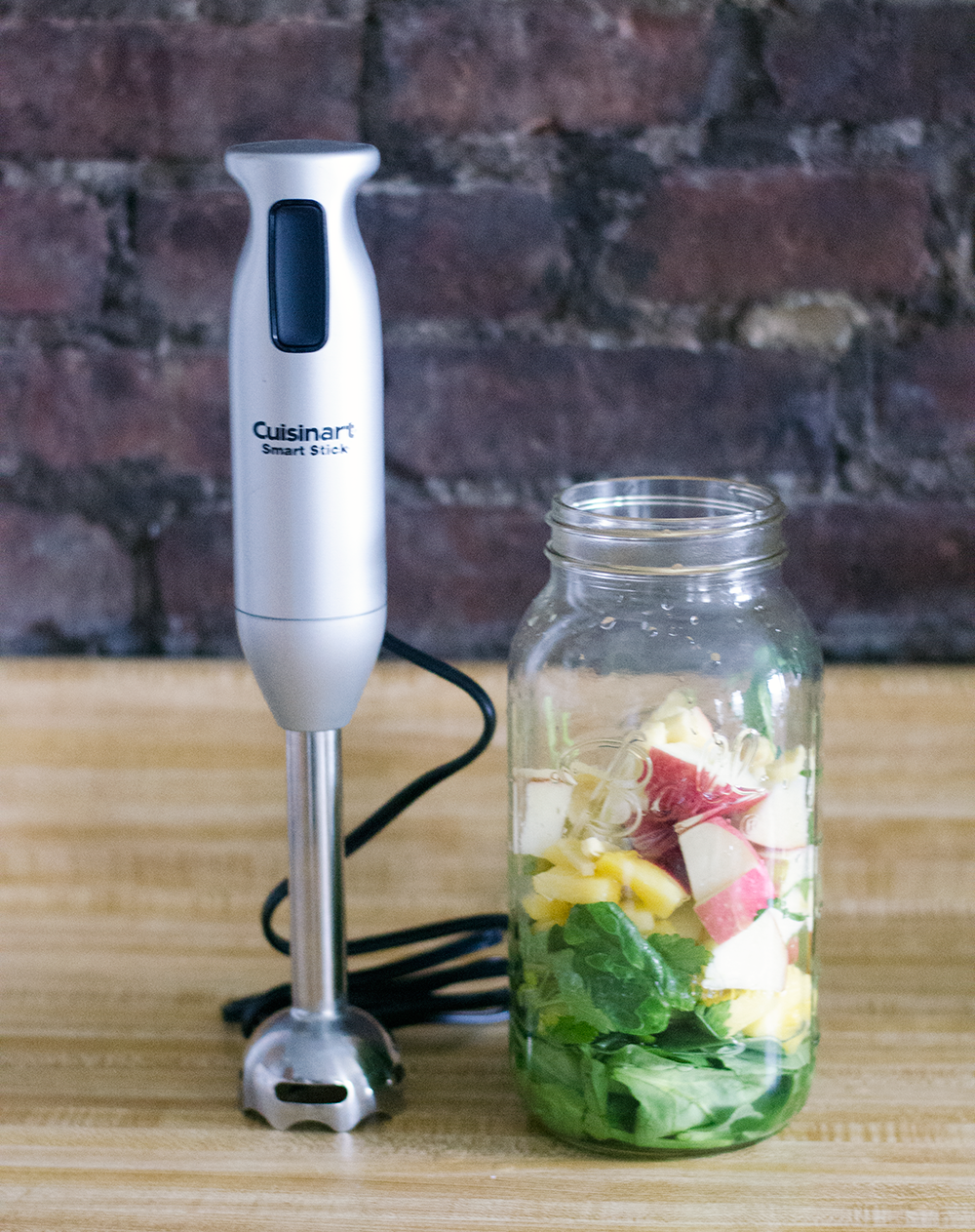
A tall, narrow container is usually best. It keeps the food close to the blades and gives splashes nowhere to go but back down. Wide, shallow bowls let liquid move freely, making splashes almost unavoidable.
Material And Shape
Glass, stainless steel, and high-quality plastic are all good choices. Avoid containers with sloped sides, as food can ride up and out more easily. A straight-sided, deep pot works for large batches.
Comparing Containers
Here’s how different containers perform when using an immersion blender:
| Container Type | Best For | Splatter Risk | Notes |
|---|---|---|---|
| Tall Jar (e.g., mason jar) | Smoothies, dressings | Low | Easy to control splashes |
| Deep Pot | Soups, sauces | Medium | Works if not overfilled |
| Shallow Bowl | Mashed potatoes | High | Hard to avoid mess |
| Measuring Cup (4-cup or larger) | Dressings, batters | Low | Good for small batches |
Pro Tip: Don’t Overfill
Leave at least 2 inches of space at the top of your container. This buffer zone gives splashes somewhere to go without escaping.
Credit: www.thekitchn.com
Preparing Ingredients For Safe Blending
Preparation matters as much as technique. The way you prep your food can make blending much smoother and safer.
Chop Large Items
Immersion blenders work best when food is already in small pieces. Large chunks of vegetables or meat can catch on the blade, causing sudden splashes.
- Chop carrots, potatoes, and fruit into 1-inch pieces or smaller.
- If blending cooked items, let them soften fully before blending.
Let Hot Foods Cool Slightly
Blending boiling-hot soups or sauces is a recipe for burns. Allow hot mixtures to cool for a few minutes, especially if your container is small.
Remove Excess Liquid
If your mixture is very thin, try removing a bit of liquid before blending. You can add it back later for the desired consistency. This simple step reduces the risk of splattering.
Skim Off Fat Or Foam
Fat and foam float to the top and are more likely to splash. Skim them off with a spoon before blending for a cleaner process.
Immersion Blender Setup: Getting Ready
How you set up your blender can have a big impact on splashing. Taking a few moments to prepare makes everything safer and easier.
Attach The Blade Properly
Double-check that the blade attachment is locked in place. A loose blade can wobble or fall off, causing sudden splashes or even injury.
Use The Right Speed Setting
Many immersion blenders have multiple speed settings. Always start at the lowest speed, especially with thin or hot liquids. Higher speeds can be used once the mixture starts to thicken or after the initial blend.
Plug In Safely
Keep the cord away from the container and water. This prevents accidental pulls or tangles that could tip your bowl.
Hold With Confidence
Grip the blender firmly with one hand. Use your other hand to steady the container if necessary. This two-handed approach gives you more control, especially when blending dense or thick mixtures.
Step-by-step: How To Use An Immersion Blender Without Splashing
Here’s a practical, step-by-step approach to splash-free blending.
1. Place Blade Below Surface
Insert the blade end of the immersion blender into your mixture before turning it on. Make sure the entire blade is submerged. This keeps the initial suction from pulling air and liquid upward.
2. Start At Low Speed
Begin blending on the lowest speed setting. This gives you more control and lets you check for splashes before increasing power.
3. Use A Gentle Up-and-down Motion
Move the blender slowly up and down, but keep the blade mostly under the surface. Avoid moving too quickly or lifting the head out of the liquid while it’s running.
4. Keep The Blender Vertical
Hold the blender straight up and down. Tilting the blender can direct liquid outward, causing splashes to escape the container.
5. Stop The Motor Before Removing
When you need to check consistency or move to a new spot, turn off the blender completely before lifting it out of the mixture. This one habit prevents most messes.
6. Scrape Down Sides As Needed
If food collects on the sides of the container, use a spatula to push it back down. Don’t use the blender itself to scrape the sides, as this can send food flying.
7. Increase Speed Gradually
Once the mixture thickens and splashing is under control, you can slowly increase the speed for a smoother finish.
8. Repeat Until Smooth
Continue blending in short bursts, checking texture as you go. Remember to always stop the motor before removing the blender.
Best Practices For Different Foods
Some foods are more prone to splashing than others. Here’s how to handle common blending tasks:
Soups
Soups are often hot and thin, making them risky for splashing. Let soup cool for a few minutes, blend in batches if needed, and keep the blade submerged at all times.
Smoothies
Thick smoothies are less likely to splash, but starting slow is still best. Add frozen fruit in small amounts to avoid jamming the blade.
Sauces
If making a thin sauce, blend in a tall, narrow container. For thick sauces, use short pulses to avoid over-agitating the mixture.
Mashed Potatoes
Immersion blenders can make potatoes gluey if over-blended. Use low speed and blend only until just smooth. Keep the head deep in the bowl to prevent starchy splatters.
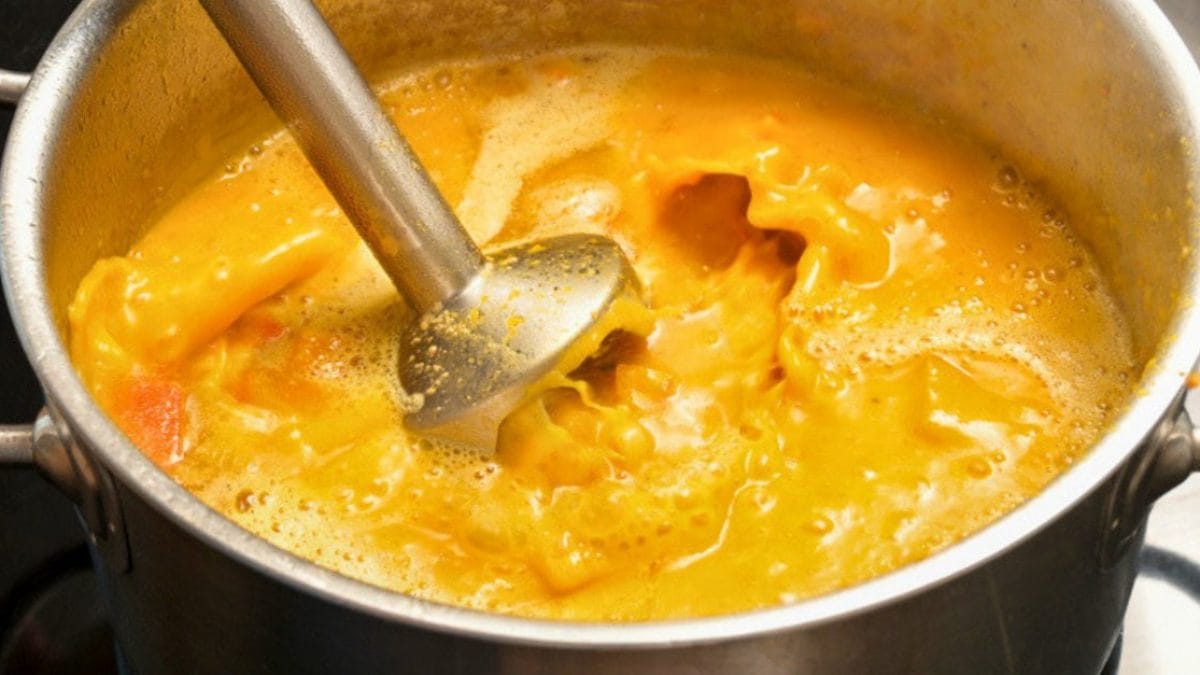
Credit: www.cookist.com
Comparing Immersion Blenders: Which Features Help Prevent Splashing?
Not all immersion blenders are created equal. Some have special features designed to reduce splatter.
| Feature | How It Helps | Typical Brands |
|---|---|---|
| Anti-Splash Guard | Shields liquid from escaping the blade area | Braun, KitchenAid |
| Variable Speed Control | Lets you start slow and increase power as needed | Breville, Cuisinart |
| Ergonomic Handle | Gives better grip for steady hands | Hamilton Beach, Braun |
| Detachable Shaft | Easier to clean, reducing risk of trapped food | All major brands |
If you’re shopping for a new blender, these features are worth considering for cleaner results.
Non-obvious Tips Most Beginners Miss
You might have heard the basic advice before, but there are some clever tricks that even experienced cooks overlook.
Use A Splatter Guard Or Lid
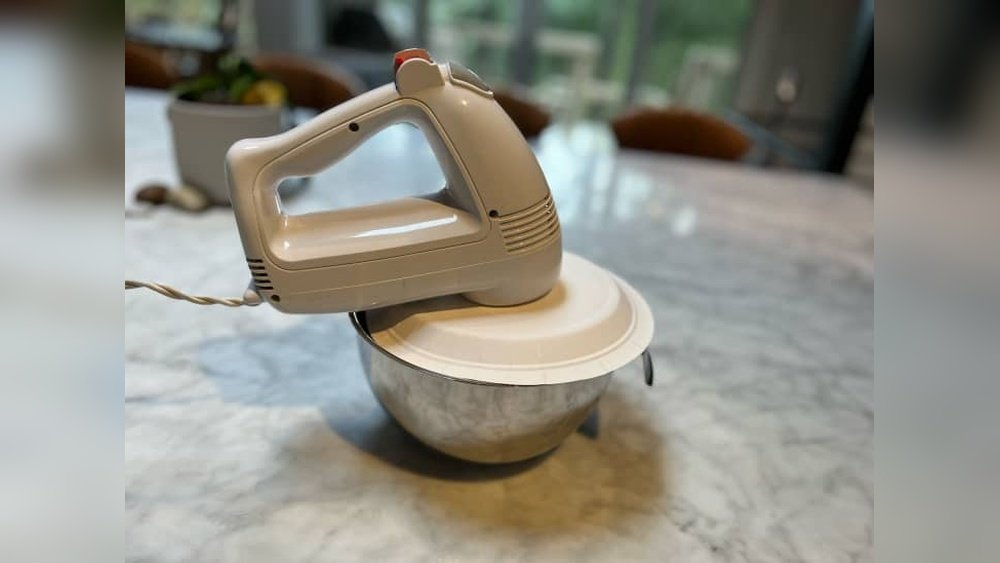
If you’re blending a very full or shallow container, place a silicone or mesh splatter guard over the top. Some people use a plate with a hole cut in the center for the blender shaft. This blocks most of the upward spray.
Let Ingredients Settle
After pouring hot soup or sauce into your blending container, let it sit for 30 seconds. This allows bubbling and steam to settle, reducing the risk of sudden eruptions when you start blending.
Blend In Pulses
Instead of running the blender continuously, try short bursts. This gives the liquid a chance to calm down between blends and can prevent splashing, especially with thin liquids.
Hold A Towel Around The Top
If you’re worried about splashes, wrap a clean kitchen towel loosely around the top of the container while blending. Keep your hands clear of the blade, but the towel will catch stray drops.
Test With Water First
If you’re new to using an immersion blender, try practicing with water in your chosen container. You’ll quickly see how the liquid moves and where splashes might occur—without wasting expensive ingredients.
Cleaning Up Splashes: What To Do If Mess Happens
Even with the best technique, accidents can happen. Here’s how to deal with splashes quickly and safely.
Clean Up Immediately
Food splatters are easier to clean when fresh. Wipe up any spills on counters, walls, or floors right away to avoid stains.
Unplug Before Cleaning
Always unplug your blender before wiping the shaft or blades. Safety first—never clean around the blade while it’s still connected to power.
Wash Parts Separately
Most immersion blender shafts can be detached. Remove and wash them under warm water, using a small brush to remove stuck food. Dry thoroughly before reassembling.
Don’t Forget The Underside
Food can collect underneath the blade guard. Check for hidden splatters and rinse these areas well.
Common Mistakes And How To Avoid Them
Many people repeat the same errors that lead to messy results. Watch out for these frequent mistakes:
- Blending Too Close to the Surface: This sends liquid up and out. Always keep the blade well below the surface.
- Using the Wrong Container: Shallow or wide bowls are the most common cause of splashing.
- Forgetting to Turn Off Before Lifting: Removing the blender while it’s running is almost guaranteed to make a mess.
- Overfilling: Leave space at the top of your container for safety.
- Ignoring Speed Settings: High speed from the start creates chaos. Begin slow and increase gradually.
- Blending Boiling Liquid: Hot liquid can erupt. Allow to cool slightly before blending.
Avoid these mistakes, and your kitchen will stay cleaner.
Safety Tips For Using Immersion Blenders
Splashing isn’t just a mess—it can be a safety hazard, especially with hot foods. Follow these safety tips:
Protect Your Hands And Arms
Wear long sleeves or use oven mitts when blending hot mixtures. This can protect you from burns if splashes do happen.
Watch For Steam
If blending in a pot on the stove, turn off the heat and let steam escape before blending. Steam can cause sudden eruptions.
Keep Children And Pets Away
Immersion blenders are powerful and can be dangerous if misused. Keep kids and pets out of the kitchen during blending.
Never Touch The Blades
Even when the blender is off, the blades are sharp. Handle with care during cleaning and assembly.
How Immersion Blender Design Affects Splattering
Some immersion blenders are simply better designed for splash control. Here’s what to look for:
- Deeper blade guards: These cover the blades more completely, keeping food inside.
- Wide versus narrow guards: Narrow guards with deep wells usually make less mess.
- Hole patterns: Some models have side holes to direct food downward rather than up.
- Blade shape: Blades with more curve or multiple edges tend to blend more efficiently and smoothly.
If you’re buying a new blender, look for these features in product descriptions or reviews. For technical comparisons, check manufacturer specs or test kitchen reviews. You can find more detailed reviews at Consumer Reports.
When To Use A Traditional Blender Instead
Immersion blenders are great, but they’re not perfect for every job. There are times when a traditional countertop blender is safer and cleaner.
- Very large batches: If your pot is full to the brim, transferring to a regular blender might be safer.
- Super-smooth purees: Traditional blenders can sometimes deliver a finer texture.
- Very hot liquids: Most countertop blenders have vented lids, reducing risk of steam explosions.
If you do switch to a traditional blender, fill only halfway and vent the lid to prevent pressure buildup.
Troubleshooting Splashing: What To Do If It Keeps Happening
Still getting splashes, even after following these tips? Here’s how to troubleshoot:
Check Your Container
Are you using a deep, narrow vessel? If not, switch to one and see if the problem improves.
Slow Down
Are you starting at high speed? Go back to the lowest setting and blend in short pulses.
Submerge The Blade
Is the blade completely under the liquid? If not, adjust your technique.
Reduce Quantity
Try blending less at a time. Overfilling is a common reason for splashes.
Let Food Cool
Especially with hot soups, a few minutes of cooling can make a big difference.
How To Minimize Splashing When Blending Hot Liquids
Hot foods are the most dangerous when it comes to splashing. Here’s how to stay safe:
- Let cool for 5-10 minutes before blending.
- Blend in small batches if needed—don’t force everything at once.
- Hold a towel loosely over the top for extra protection.
- Keep the blade submerged at all times.
- Use a deep, narrow pot to contain any splashes.
Never rush blending hot liquids. Safety is more important than speed.
Quick Comparison: Immersion Blender Vs. Hand Mixer
Some people confuse immersion blenders with hand mixers. Here’s how they compare for splash control:
| Feature | Immersion Blender | Hand Mixer |
|---|---|---|
| Best For | Soups, sauces, smoothies | Cake batter, whipped cream |
| Risk of Splashing | Medium (if misused) | High (especially with thin liquids) |
| Control | High (if submerged) | Medium |
| Ease of Cleaning | High (detachable shaft) | Medium |
For most liquid tasks, a good immersion blender is easier to control and less likely to make a mess.
Advanced Tricks For Mess-free Blending
If you want to take your blending skills to the next level, try these expert tricks:
Use Pre-emulsification
If you’re blending oil and vinegar (like in a dressing), start with a small amount of liquid and blend until it thickens before adding the rest. This prevents splashing from a too-thin mixture.
Add Ingredients Gradually
Don’t dump everything in at once. Add new ingredients slowly while blending for better control.
Tilt The Container, Not The Blender
If you need to reach a corner, tilt your bowl or pot slightly instead of angling the blender. This keeps the blade submerged.
Use A Damping Pad
Place a damp kitchen towel under your container. This stabilizes it, so you can blend with one hand and avoid accidental spills.
How To Store And Maintain Your Immersion Blender
A well-maintained blender is safer and less likely to create messes.
- Clean immediately after use: Dried food is harder to remove and can affect performance.
- Check for cracks or loose parts: These can cause leaks and splashes.
- Store with blade guard on: This protects both the blade and your fingers.
- Wind the cord neatly: Avoid tangles that might pull the blender off the counter.
Proper storage means your blender will work better and last longer.
When To Replace Your Immersion Blender
Even with good care, immersion blenders don’t last forever. Signs you need a new one:
- Cracked or warped shaft: This can leak or spray food.
- Loose blade: Makes splashing more likely and is unsafe.
- Weak motor: Blades spin slower, making blending less efficient.
- Broken speed controls: Hard to manage splashing if you can’t adjust power.
Replacing an old, worn blender can solve splashing problems that no technique can fix.
Frequently Asked Questions
How Do I Blend Hot Soup Without Splashing?
Let the soup cool for a few minutes first. Use a deep pot and keep the blade fully submerged. Start on low speed and blend in short bursts. You can also cover the top loosely with a towel to catch any splashes.
Can I Use An Immersion Blender In A Nonstick Pot?
Yes, but check that the blender’s blade guard is smooth and free of sharp edges. Some models have plastic guards that are safer for nonstick surfaces. Move the blender gently to avoid scratching.
Why Does My Immersion Blender Splash More With Thin Liquids?
Thin liquids move faster and have less resistance, so the spinning blade pushes them upward more easily. Use a tall, narrow container and start at low speed to reduce splashing.
Is It Safe To Blend Hot Food With An Immersion Blender?
It’s safe if you let the food cool slightly and use proper technique. Keep the blade submerged and start slowly. Never blend boiling liquids, as steam and pressure can cause burns.
How Do I Clean My Immersion Blender After Splashing?
Unplug the blender and detach the shaft. Rinse under warm water and use a brush for stuck food. Wipe up any splashes in the kitchen immediately to prevent stains.
Blending doesn’t have to mean cleaning up a mess every time. With the right container, smart preparation, and careful technique, you can use your immersion blender without splashing. Remember the key habits: keep the blade submerged, start slow, and choose the right tools for the job. Practice these steps, and soon your kitchen will stay as clean as your soups are smooth.

Credit: www.dailyherald.com