How To Use Vitamix 5200 Blender: Step-by-Step Guide
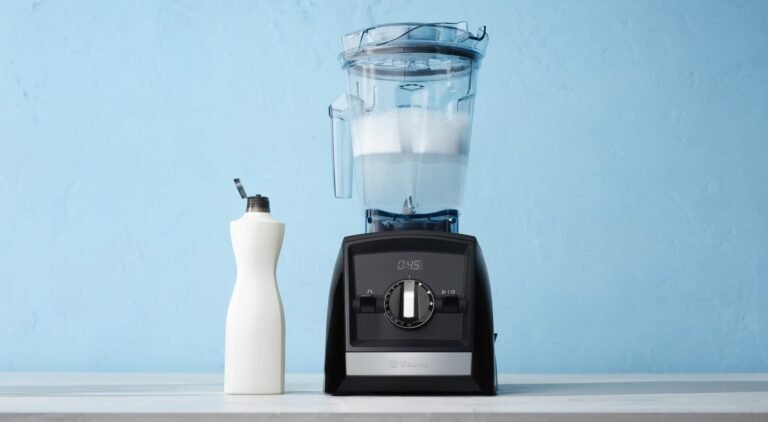
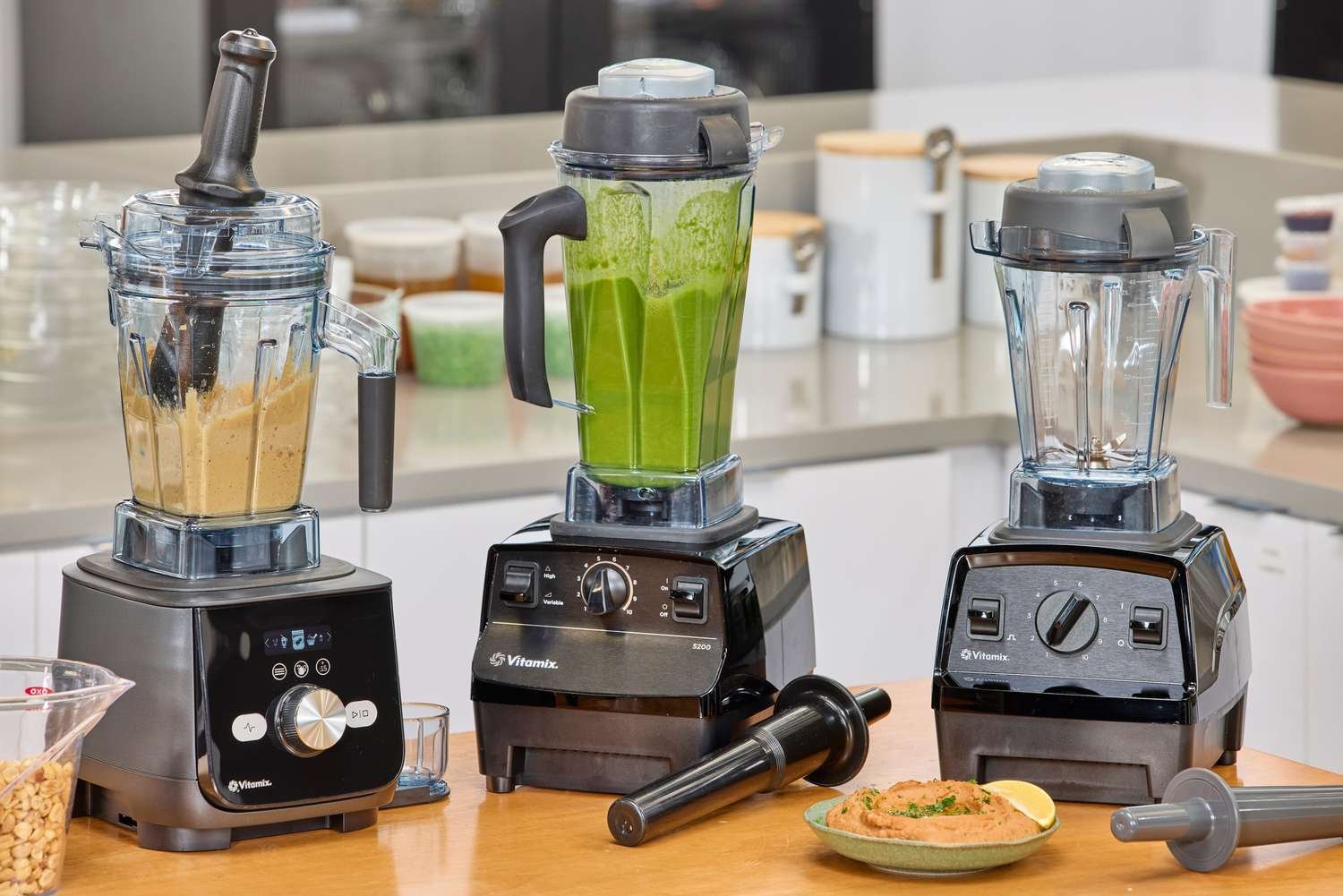
You can use a vitamix 5200 blender by starting at the lowest speed setting and slowly turning the dial to high while the motor runs. This machine uses a high-speed motor and a tamper to process ingredients without needing a liquid base for every recipe.
The process changes depending on the texture you want. If you’re making hot soup, the friction of the blades heats the liquid over time. If you’re blending frozen fruit, you must use the tamper to push ingredients into the blades.
Who needs a Vitamix blender
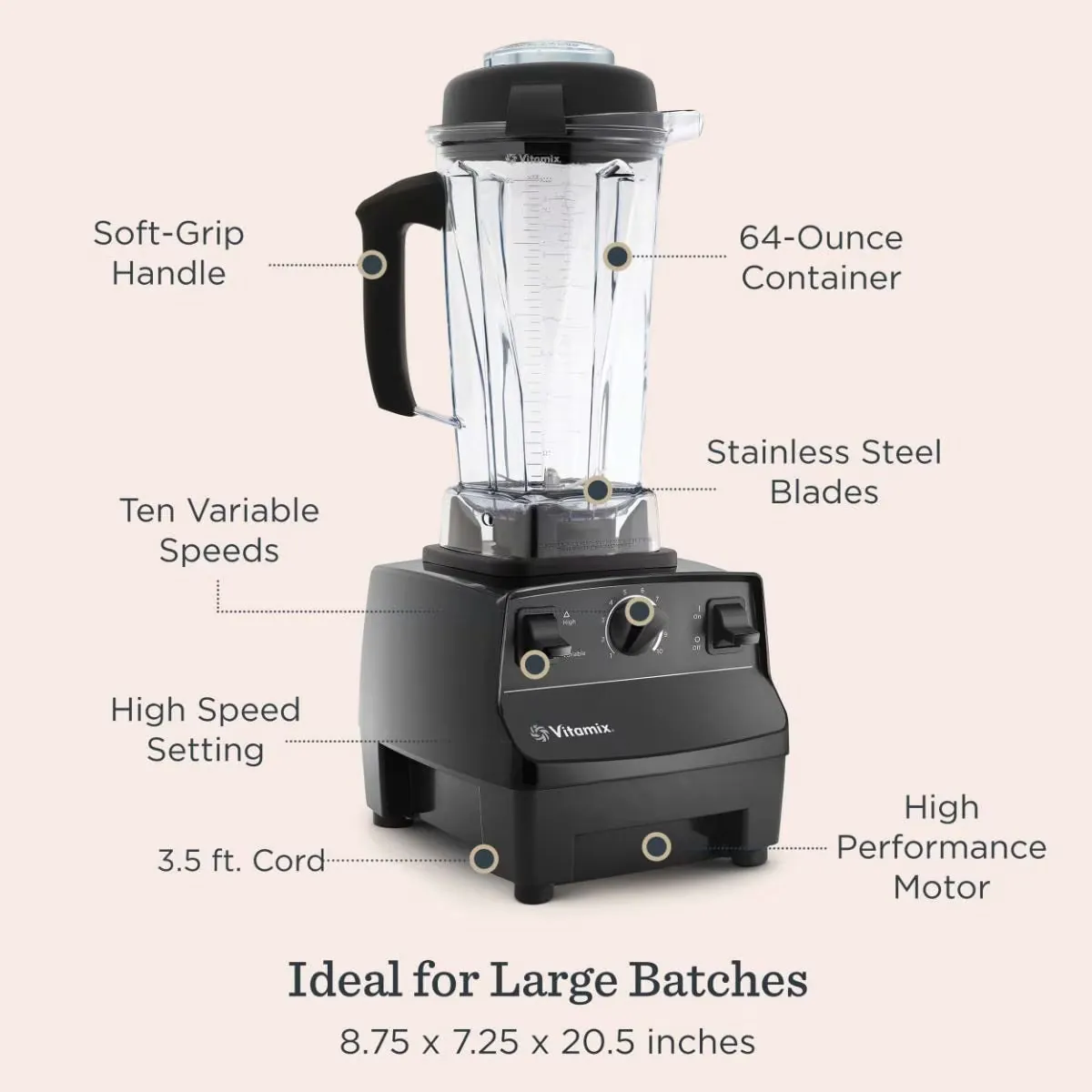
This guide serves home cooks who own the Vitamix 5200 and want to understand its manual speed dial and tamper system. If you’re using a newer model with pre-programmed buttons or a digital touchscreen, this manual control method will still work, but your interface will look different.
The Vitamix 5200 is designed for people who prefer total control over their blends. It doesn’t have an automatic “smoothie” or “soup” button. You must stand by the machine and manually adjust the speed as the food breaks down. This page is perfect for you if you have the classic tall container and the plastic tamper tool.
If you’re looking for a “set it and forget it” blender, this model might frustrate you because it requires your attention during the cycle. We assume you have the standard 64-ounce container that comes with the unit. If you’re using a smaller personal cup adapter, the blending times will be significantly shorter. Always ensure your container is properly seated on the base before you flip the power switch to avoid damaging the drive socket.
Factors that change your blend
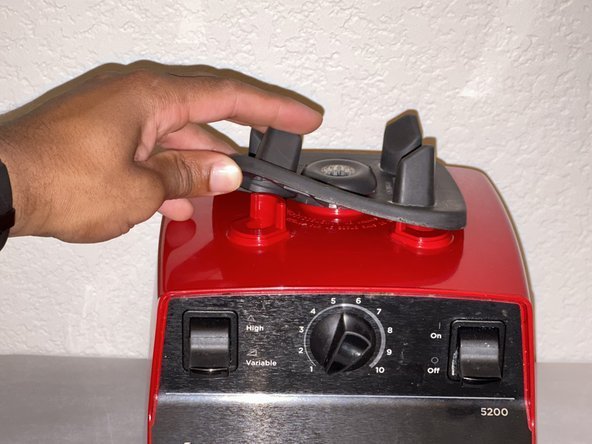
The most important factor is the speed dial position. Always start with the dial at “1” or the lowest setting. If you start on “10” or “High,” the ingredients will splash and the motor may struggle to catch the food. Gradually moving the dial up allows the blades to pull the ingredients down into a vortex.
The second factor is the use of the tamper. This tool is designed to reach into the container through the lid plug while the blades are moving. If your blend stops moving or creates an air pocket, the ingredients are stuck above the blades. Using the tamper to push them down is the only way to fix this without stopping the motor.
The amount of liquid you add is the third factor. While this machine can process thick mixtures, a small amount of liquid helps the vortex form. If you’re grinding dry grains or nuts, you’ll need to use a higher speed quickly to create a powder.
Finally, the temperature of your ingredients affects the outcome. Cold, frozen items require more power and time. Room temperature ingredients blend faster. People often make the mistake of overfilling the container. Never fill the container past the maximum line, as this prevents the ingredients from circulating properly and puts extra strain on the motor.
How to operate the blender
- Place the container on the center of the motor base.
- Ensure the lid is locked in place with the lid plug inserted into the center opening.
- Turn the power switch to the “On” position.
- Set the variable speed dial to the lowest setting, which is “1”.
- Turn the speed dial immediately to the high setting, or increase it slowly to reach the desired texture.
- Use the tamper to push ingredients down into the blades if the mixture stops circulating.
- Blend for 30 to 60 seconds for most tasks, such as smoothies or sauces.
- Turn the speed dial back to “1” before flipping the power switch to “Off.”
- Wait for the blades to stop moving completely before you remove the lid or container.
The key judgment call is knowing when the mixture is smooth. You should see a steady vortex in the center of the container. If you see the ingredients jumping around without moving toward the blades, you need to add more liquid or use the tamper. If you’re blending for safety, the FDA recommends that you heat leftovers or blended meat mixtures to an internal temperature of 165°F to ensure they’re safe to consume.
Common blending variations
| Situation | Speed Setting | Tool Use | What to watch for |
|---|---|---|---|
| Green smoothies | Start 1, move to High | Tamper as needed | Consistent vortex |
| Hot soup | High | None | Steam escaping lid |
| Nut butter | High | Tamper constantly | Motor sound changes |
| Frozen desserts | High | Tamper firmly | Smooth, thick texture |
| Dry grinding | High | None | Fine powder consistency |
For green smoothies, aim for a tight, central vortex that pulls ingredients down into the blades. If the mixture stalls, you’re likely using too much frozen fruit or not enough liquid. Add water in two-ounce increments until the blades catch.
When blending hot liquids, never fill the container past the halfway mark. Expanding steam creates immense pressure that can blow the lid off if the container is too full. Always remove the center plug to allow steam to escape while the machine runs.
Nut butters require patience. The motor will labor and change pitch as the mixture transitions from a crumbly paste to a smooth liquid. If the sound becomes a high-pitched whine, stop immediately to prevent overheating.
Frozen desserts demand a firm, steady hand with the tamper. If you don’t push the ingredients into the blades, you’ll create air pockets that prevent a smooth finish. You know you’re finished when the motor sound deepens and the mixture stops moving.
For dry grinding, ensure the container is bone-dry before starting. Even a small amount of moisture turns grains into a gummy paste rather than a fine powder. Run the machine for no more than 45 seconds at a time to avoid heating the flour and altering its chemical structure.
Professional blending techniques
Preparing your ingredients
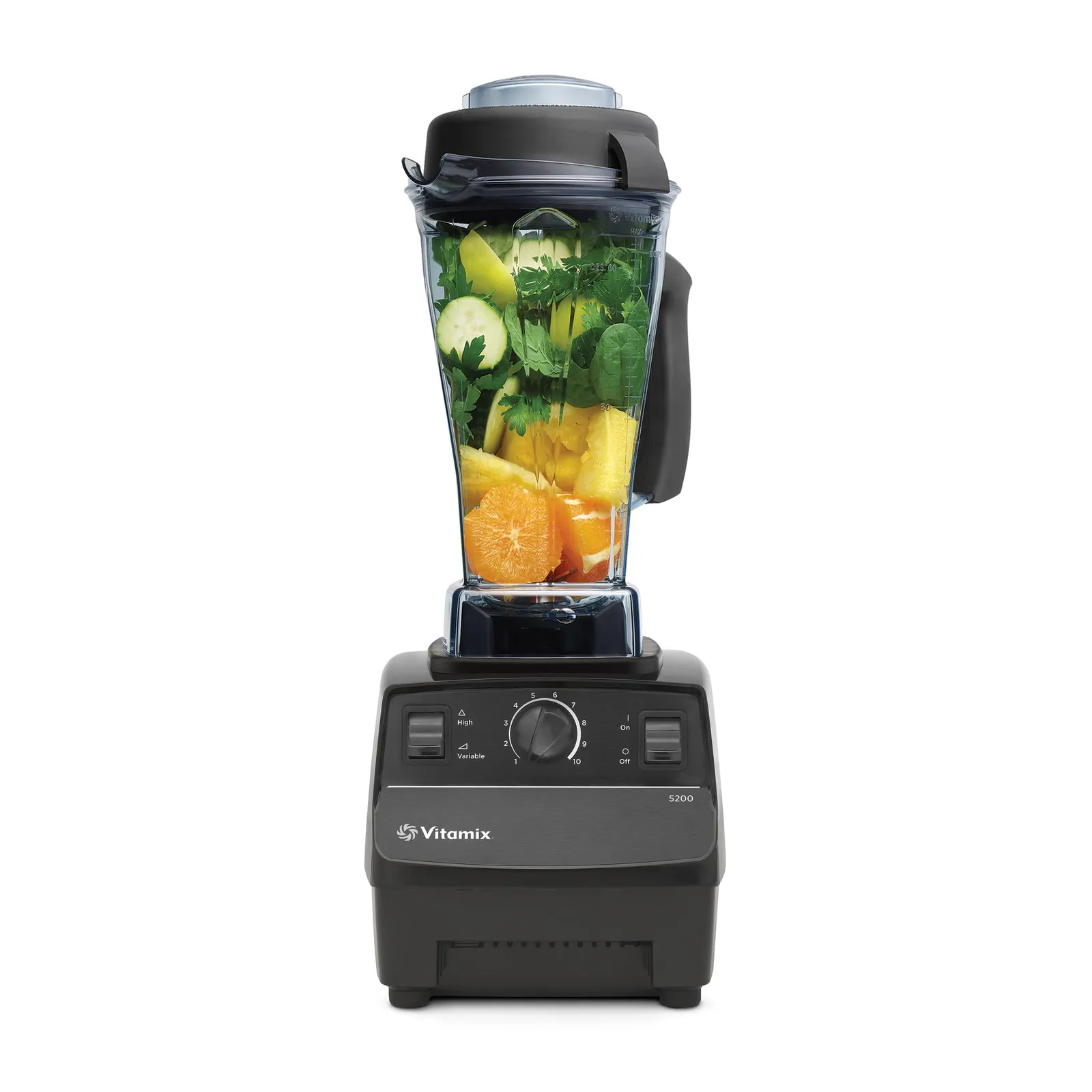
Experienced users always chop large vegetables or fruits into 1-inch pieces before putting them into the container. This size allows the blades to grab the food immediately. If you drop in whole carrots or large apples, they will bounce off the blades and take longer to break down. Always load liquids first, then soft items, and frozen or hard items last.
Managing the motor
Never leave the machine running on a low speed for more than 1 minute. The motor is designed to cool itself when running at high speeds. If you notice a burning smell, turn the unit off, unplug it, and discontinue use, as this indicates a potential electrical or mechanical failure.
Common issues and quick fixes
| What you notice | What it usually means | What to do first | How to stop it |
|---|---|---|---|
| Air pocket forms | Ingredients too thick | Use the tamper | Add more liquid |
| Burning smell | Motor overheating | Turn off immediately | Blend on high speed |
| Leaking lid | Lid not sealed | Re-seat the lid | Clean the rim |
| Loud rattling | Container loose | Center the container | Check the base |
| Won’t turn on | Power issue | Check the outlet | Reset the breaker |
If you see a vortex stall, your mixture is likely too viscous to circulate. Add two tablespoons of water or broth before trying the tamper again. If the blades spin freely but nothing moves, you have overloaded the container. Remove one-third of the volume to restore proper flow.
A burning smell often stems from running the motor at low speeds for too long. If you must blend thick pastes, limit the cycle to 45 seconds.
Leaking usually occurs because of microscopic food debris on the gasket. Wipe the rim with a damp cloth before every use to ensure a vacuum seal. If the container rattles, check the drive socket for worn rubber teeth. A loose fit creates vibration that eventually damages the motor bearings.
If the machine refuses to start, check the thermal reset button underneath the base. This safety switch trips if the motor exceeds its heat threshold. Wait ten minutes for the unit to cool before pressing the button firmly. If the machine still remains silent, test the outlet with a lamp to rule out a tripped circuit breaker in your home.
Rules for safe operation
The Vitamix 5200 is a powerful appliance that requires careful handling. Never reach into the container with your hands while it’s plugged in, even if it’s turned off. The blades are sharp and move fast enough to cause serious injury. Always use the provided tamper, which is shaped to reach the bottom without hitting the blades.
If you’re preparing food for others, ensure you follow basic hygiene rules. Clean the container with warm water and a drop of dish soap immediately after use. If you’re blending raw ingredients, don’t let them sit in the container at room temperature for more than 2 hours. This prevents the growth of harmful bacteria.
If you experience mechanical issues like smoke, sparks, or a grinding noise from the base, don’t attempt to repair the housing yourself. A capacitor inside can hold a lethal charge even when the unit is unplugged. Contact the manufacturer for service or take the unit to an authorized repair technician.
Understanding the real cost
The cost of using this blender is mostly electricity and your time. A 1,200-watt motor has a maximum power draw of 1.2 kilowatts, though actual energy consumption varies based on the load and speed setting. In most regions, this costs a few cents per blend. The real cost comes from wear on the drive socket. If you frequently blend very thick mixtures, the plastic teeth on the drive socket will wear down and need replacement.
Most owners make the mistake of ignoring the “whine” that occurs when the pitcher isn’t fully seated. This friction strips the plastic teeth in seconds, turning a ten-minute repair into a permanent failure of the motor coupling. If you hear a high-pitched grinding noise, stop the motor immediately.
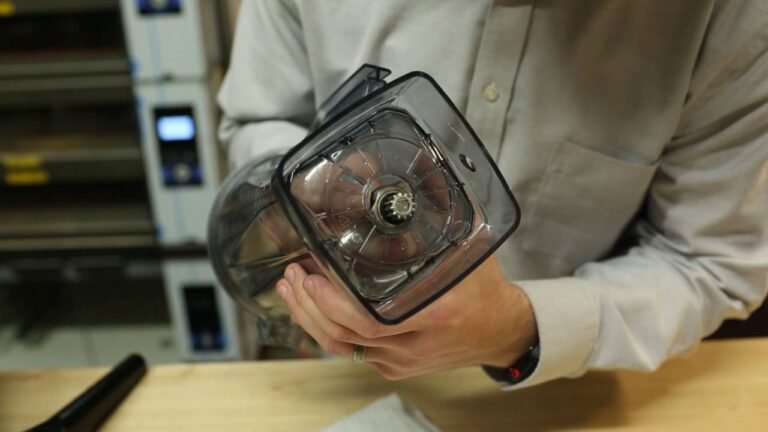
You can check the condition of your drive socket by looking at the small plastic gear on top of the motor base. If the teeth look rounded or shredded, it’s time for a new part. This is a standard wear item that you can replace yourself if you follow the official guidance.
If the gear teeth remain sharp but the blender struggles to turn, the issue is likely the blade assembly bearings rather than the socket. Replace the socket if you see plastic shavings inside the base; replace the blade assembly if the pitcher feels hot to the touch after only thirty seconds of operation.
Keeping a spare socket on hand is inexpensive and prevents a total loss of function during your morning routine. Always unplug the unit before inspecting these components to avoid accidental activation.
Keeping your machine clean
After you finish blending, fill the container halfway with warm water and a small drop of dish soap. Run the blender on the lowest speed for 30 seconds, then increase to high for another 30 seconds. This method cleans the blades and the sides of the container without you needing to touch the sharp edges.
If you see residue under the blade assembly, don’t try to take the blades apart. This can break the seal and cause leaks. Instead, soak the container in warm soapy water for 10 minutes and rinse it thoroughly.
Most users make the mistake of leaving the lid on while the container dries. This traps moisture, which leads to a musty smell or mildew growth inside the jar. Always store the container upside down or with the lid off to allow it to dry completely.
If you notice a cloudy film forming on the plastic, add a half-cup of white vinegar to your soap mixture before running the cleaning cycle. This acidic rinse breaks down mineral deposits from hard water. If the film persists after three cycles, the plastic has likely developed micro-scratches from abrasive sponges. In that case, stop scrubbing with scouring pads immediately. Use only a soft microfiber cloth to prevent further damage to the container’s structural integrity.
When to seek another method
If you process more than two cups of heavy dough or dense meat mixtures, the friction from the high-speed blades will prematurely overheat the motor. A stand mixer remains the superior choice for bread because its hook attachment mimics manual kneading without generating heat. If your mixture feels warm to the touch after sixty seconds of blending, stop immediately. Continuing past this point risks burning out the internal thermal fuse, which often costs more to replace than the unit itself.
When your goal is uniform vegetable preparation, a food processor is the only reliable tool. Blenders rely on a vortex to pull ingredients toward the center, which inherently creates a gradient of textures. You’ll inevitably end up with a layer of liquid puree at the bottom and jagged, oversized chunks at the top.
Apply the rule of consistency: if the final product should hold its shape on a cutting board, use a processor. If the final product should pour from a spout, the blender is the correct tool.
Avoid the common mistake of pulsing the blender to achieve a chop; it only creates uneven waste that requires manual sorting. If you find yourself needing to scrape down the sides of the jar more than twice to reach the desired texture, you have already exceeded the machine’s functional limit.
Frequently asked questions
Can I blend hot liquids in the container?
Yes, you can blend hot liquids because the friction of the blades will keep them hot or even increase the temperature. Always remove the center lid plug to allow steam to escape while blending. Never fill the container more than halfway when processing hot ingredients to prevent pressure buildup.
How long should I blend a smoothie?
You should blend a smoothie for 45 to 60 seconds on the high setting to ensure all frozen fruit and ice are smooth. If you stop too early, you may find small chunks of ice or fruit skins. The texture should be consistent throughout the entire mixture.
Is it safe to put the container in the dishwasher?
Most Vitamix containers are dishwasher safe, but hand washing is recommended to prolong the life of the blade bearings. The high heat of a dishwasher can cause the plastic to become brittle over time. A quick rinse with soap and water is usually enough to keep it clean.
What happens if I don’t use the tamper?
If you don’t use the tamper, air pockets will form around the blades, causing the machine to run without processing the food. This creates a “whirring” sound and prevents the ingredients from moving. You’ll need to stop the machine, stir the food manually, and start again.
Does the blender need a specific liquid amount?
The blender works best when there’s enough liquid to cover the blades and allow a vortex to form. For a standard smoothie, use at least 1 cup of liquid for every 2 cups of solid ingredients. Adjust this amount based on how thick you want your final result to be.
How do I know if the blades are dull?
Blades in a high-speed blender aren’t designed to be “sharp” like a kitchen knife, so you don’t need to sharpen them. They work by pulverizing ingredients at high speed rather than slicing them. If the blender stops producing a smooth texture, the issue is usually the motor or the container, not the blades.
Conclusion
Start by checking that your container is clean and the lid is locked securely. Begin your blend on the lowest speed to avoid splashing and slowly turn the dial to high to achieve a smooth consistency. If you hear a loud grinding noise or notice smoke, turn the machine off immediately and stop using it until a qualified technician can inspect the motor base.