Is a KitchenAid Blender as Good as a Vitamix? The Verdict
A kitchenaid blender is as good as a vitamix only if your primary goal is making simple smoothies or processing soft ingredients for daily home use. Vitamix blenders consistently outperform KitchenAid models in durability and the ability to pulverize tough fibers like kale or whole seeds into a smooth texture.
Your choice depends on how often you blend and what ingredients you use. If you need a machine for basic tasks, a KitchenAid is a solid pick; if you require high-powered blending for professional-grade results, a Vitamix remains the better choice.
Who should choose a Kitchenaid or Vitamix
This guide serves home cooks who are deciding between these two brands for their kitchen. It’s written for someone who values efficiency and wants to know if the higher price of a premium blender is worth the investment. Some readers already own a base-model blender and feel frustrated by chunks left in their drinks, while others are buying their first serious appliance and want to avoid a mistake.
This page focuses on the performance differences between standard residential models from both brands. It assumes you’re comparing modern, full-sized countertop blenders rather than portable or immersion versions. If you’re a professional chef or someone who blends daily for a large family, your needs will differ from a casual user. This information helps you decide if you need the extra torque of a Vitamix or if the features of a KitchenAid model satisfy your specific daily habits.
What decides the performance outcome
The motor power and blade design are the main factors that separate these two brands. Vitamix blenders generally use motors that maintain high torque even under heavy loads, which prevents the motor from stalling when you blend thick frozen fruit or nut butters. KitchenAid motors are often sufficient for lighter tasks but can struggle if you push them to process dense, dry ingredients for long periods.
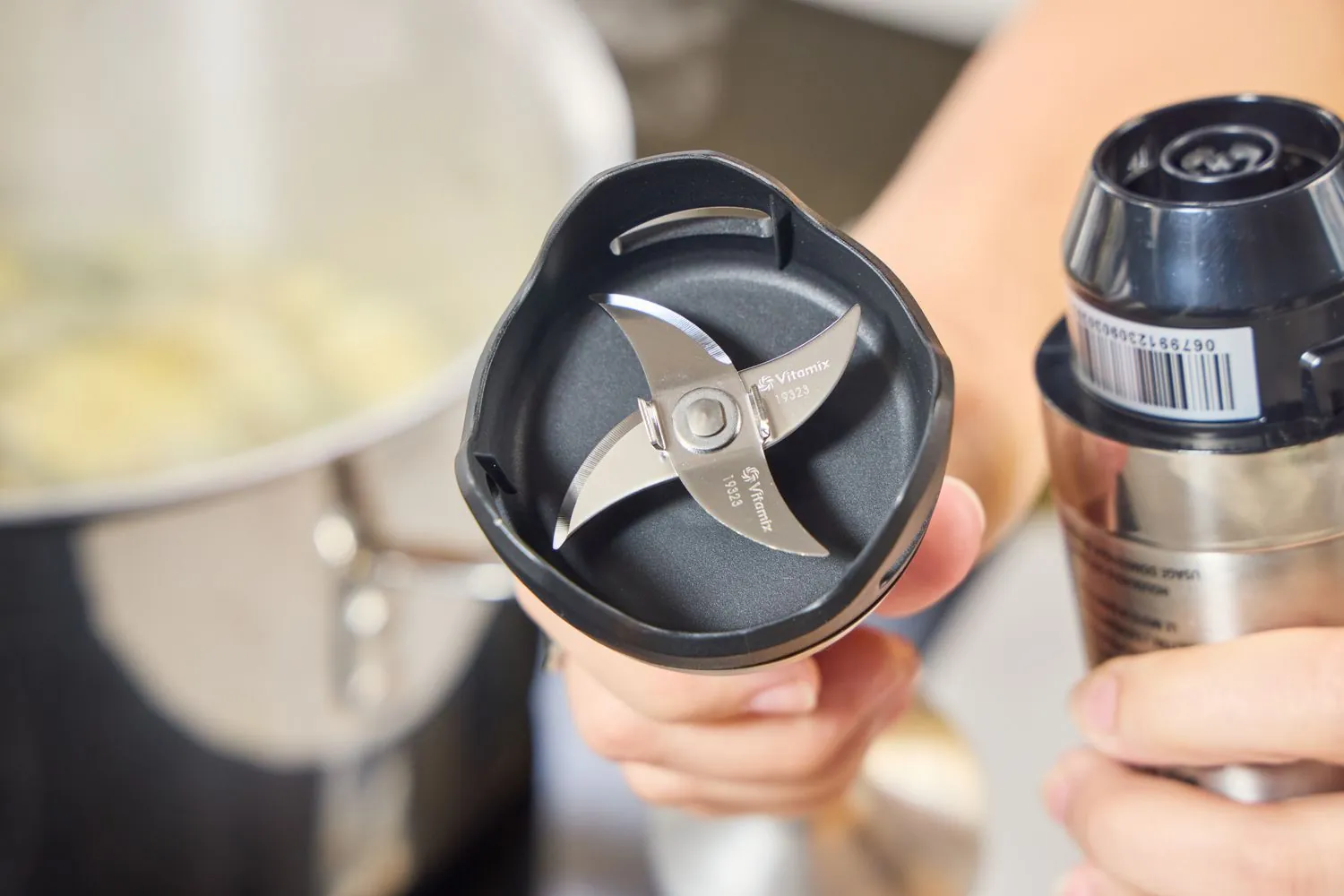
Blade sharpness is another major difference. KitchenAid often uses sharper blades that cut through ingredients, while Vitamix uses duller, hardened steel blades that rely on speed and force to pulverize food. If you prefer a very fine, velvety texture in your soups and smoothies, the high-speed pulverizing method of a Vitamix is usually superior.
The build quality of the pitcher also matters for long-term use. Vitamix containers are designed to create a vortex that pulls ingredients down toward the blades, which reduces the need for a tamper. Many KitchenAid models require you to stop and stir the ingredients manually when the mixture gets too thick. If you blend thick mixtures frequently, you’ll notice this difference immediately.
Finally, the warranty coverage varies by model and brand. Vitamix often provides a longer, more comprehensive warranty on their higher-end units, which covers parts and labor for several years. You should check the specific warranty card included in the box of the model you’re looking at, as these terms change based on the series you purchase.
Getting the best results from your blender
- Add your liquids to the container first to help create a smooth flow for the blades.
- Place soft ingredients like yogurt or leafy greens next, followed by frozen fruit or ice on top.
- Secure the lid tightly and ensure the center cap is locked in place to prevent spills.
- Start the motor on the lowest speed setting to begin the movement of the ingredients.
- Increase the speed to the highest setting quickly, letting the motor run for 45 to 60 seconds.
- Use the tamper if your model includes one to push air pockets down toward the blades.
- Turn the machine off once the mixture looks uniform and reaches the desired consistency.
The key judgment call is knowing when to stop blending. If you blend for too long, the friction from the high-speed blades can actually start to heat up your cold ingredients. If you want a chilled smoothie, stop as soon as the mixture is smooth to keep it cold.
Comparing blender performance at a glance
| The situation | What to do | What it takes | What to watch for |
|---|---|---|---|
| Daily smoothies | Use a KitchenAid | Low effort | Frozen fruit chunks |
| Nut butters | Use a Vitamix | High power | Motor heat buildup |
| Hot soups | Use a Vitamix | High speed | Steam pressure buildup |
| Frozen desserts | Use a Vitamix | High torque | Blade clearance gaps |
| Simple sauces | Use a KitchenAid | Low power | Texture consistency |
If your recipe requires emulsifying oils into liquids, stick to the KitchenAid. Its lower-speed pulse settings prevent the mixture from breaking or becoming oily. Use the Vitamix only when you need to pulverize fibrous ingredients like kale or ginger into a microscopic puree.
Most users mistake high wattage for blending quality. Ignore the sticker on the base and check the blade speed instead. If you’re processing frozen fruit, ensure the motor maintains at least 20,000 RPM under load. Anything less will result in jagged ice shards rather than a smooth texture.
Watch the motor base for a burning smell during long cycles. If the blades stall, don’t force the dial higher. Power down, stir the contents manually with a tamper, and restart at the lowest speed setting to clear the jam.
Differences in blender quality
Preparation and technique
Experienced users always prep their ingredients by cutting them into uniform cubes before they hit the container. This simple step reduces the strain on the motor and ensures a consistent result regardless of the brand. Beginners often throw large, frozen chunks directly into the jar, which can cause uneven blending or stall the motor. If you cut your fruit into 1-inch pieces, you’ll get a smooth drink much faster.
Maintenance and usage
You should never force a blender to run if the ingredients aren’t moving. If you see the mixture stop circulating, turn off the power immediately and use a tamper to clear the gap. Many people make the mistake of letting the machine run while the blades spin in a pocket of air, which can overheat the motor and shorten its lifespan.
Common issues and their fixes
| What you notice | What it usually means | What to do first | How to stop it happening again |
|---|---|---|---|
| Air pockets | Too thick | Add more liquid | Use the tamper |
| Burning smell | Overworked motor | Stop and cool | Blend in batches |
| Leaking jar | Worn seal | Inspect the base | Hand wash parts |
| Loud noise | Loose blade | Check the nut | Tighten the assembly |
| Uneven chunks | Dull blades | Pulse the food | Cut pieces smaller |
If you see air pockets, your mixture is likely too viscous to circulate. Add liquid in one-tablespoon increments until the vortex forms again. Never force the motor if the blades stall, as this risks stripping the drive socket.
A burning smell often signals that you have exceeded the motor’s thermal capacity. If the machine shuts down automatically, unplug it and wait for the motor to cool completely before attempting a restart. You can avoid this by limiting heavy blends to sixty seconds of continuous operation.
Leaking at the base usually stems from a degraded rubber gasket. If the seal looks brittle or cracked, replace it immediately to prevent liquid from destroying the internal bearings. Always hand wash the jar assembly, as high-heat dishwasher cycles accelerate the breakdown of these vital rubber components.
Finally, uneven chunks often occur when ingredients are too large. Ensure all produce is cubed to one inch or smaller before starting.
The standards that apply
Performance claims for household appliances are governed by internal testing standards set by each manufacturer. Vitamix follows safety standards that include rigorous testing for motor longevity under continuous heavy load. KitchenAid adheres to its own quality protocols focused on durability for standard kitchen tasks. You can find the specific safety certifications and testing standards listed on the official website for either brand.
If you notice your appliance showing signs of electrical damage, such as frayed cords or a burning smell from the base, stop using it immediately. These issues require a professional repair service authorized by the manufacturer. Never attempt to open the motor housing yourself, as internal capacitors can hold a dangerous electrical charge even when the device is unplugged.
Check the bottom of your unit for a UL or ETL mark. If you see these, the device has passed third-party safety audits beyond the manufacturer’s own tests. Without these marks, the appliance may not meet current fire safety codes. If your machine stalls during a routine task, don’t force it to restart. This often signals a tripped thermal fuse. Wait for the motor to cool completely before resetting.
What it costs you
The cost of a blender isn’t just the sticker price; it’s the long-term value you receive. A Vitamix usually requires a higher initial investment. KitchenAid blenders are often more budget-friendly by comparison. The real cost difference appears over time if you have to replace a cheaper machine every few years.
If you only blend a few times a month, the lower cost of a KitchenAid is a logical choice. If you plan to use the machine daily for years, the higher upfront cost of a Vitamix is offset by the extended lifespan and better performance. Always check current retail prices on the official brand websites to compare the latest models before you buy.
Maintaining your blender
Keep your blender clean by running it with warm water and a drop of dish soap immediately after every use. This prevents food residue from hardening around the blade assembly, which can corrode the seals over time. If you notice a buildup of residue, fill the jar halfway with warm water and soap, then run it on high for 30 seconds.
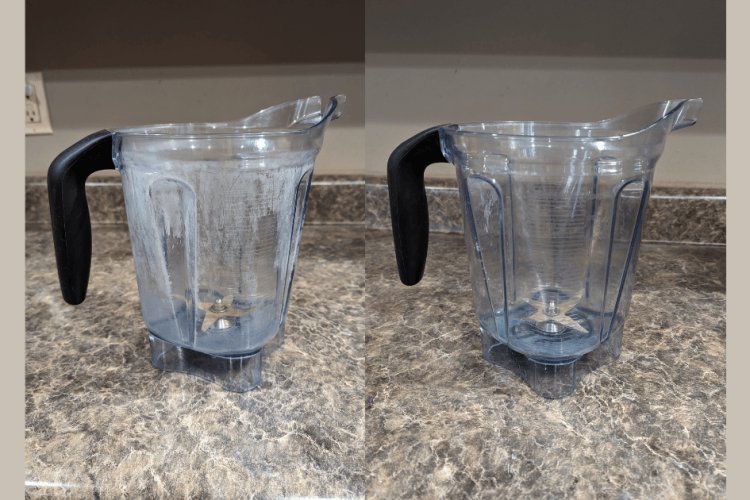
Never submerge the motor base in water, as this will destroy the electronics. Instead, wipe the base with a damp cloth to remove spills. If the jar starts to look cloudy, it’s often due to mineral deposits from hard water; a quick soak in white vinegar can restore the clarity of the plastic.
Avoid the common mistake of storing the jar upside down on the base. This traps moisture inside the motor housing, leading to rust on the internal bearings. If you hear a grinding noise during operation, stop immediately. That sound indicates the blade assembly has lost its lubrication, and continuing will permanently seize the motor. Always store the jar and base separately to ensure proper airflow.
When to choose a different approach

If you’re looking for a commercial-grade machine to run in a busy cafe, neither a standard home KitchenAid nor a residential Vitamix is the right choice. You should look for specific commercial-rated blenders that feature sound enclosures and heavy-duty motors designed for constant use. These machines are built to withstand hundreds of cycles every day without failing.
If you need to process very small amounts, like a single tablespoon of spices, a standard large-capacity blender won’t work well regardless of the brand. In that case, use a dedicated spice grinder or a small food processor. Using the wrong tool for the size of your task results in wasted food and frustration, as the blades will simply spin around the ingredients without making contact.
Frequently asked questions
Can a kitchenaid blender make hot soup?
Yes, a kitchenaid blender can make hot soup through friction if you run the motor on high for several minutes, though it isn’t as efficient as a high-speed vitamix. You must ensure your jar is rated for high-temperature ingredients before attempting this to avoid cracking the material.
How long should a high-end blender last?
A high-end blender should last for many years with regular use and proper maintenance. This assumes you follow the manufacturer’s guidelines for cleaning and don’t overload the motor with ingredients that are too dense or dry.
Is it safe to put blender jars in the dishwasher?
It depends on the specific model, so you must check the owner’s manual for your jar material. Many professional-grade containers are made of materials that can warp or become cloudy in high-heat dishwashers, so hand washing is often the safest way to maintain them.
What happens if the motor starts to smell?
If the motor smells like burning rubber, you’re pushing the machine beyond its power capacity. Turn the unit off immediately, unplug it from the wall, and let it cool down for at least 30 minutes before you try to use it again.
Does it matter if I use frozen fruit?
It matters because frozen fruit adds significant resistance to the blades and requires more motor power to process. If you use a lot of frozen ingredients, you need a blender with high torque to prevent the blades from stalling and the motor from overheating.
How often should I sharpen the blades?
You shouldn’t sharpen the blades yourself, as they’re precision-engineered to work at specific angles. If your blades become dull or damaged, contact the manufacturer to purchase a replacement blade assembly or a new container, as this is the only way to restore performance.
Conclusion
Start by assessing how many times you plan to use the blender each week and what ingredients you’ll process most often. If you prioritize smooth textures and durability for tough tasks, choose a high-torque model. If you experience a burning smell or grinding noise, stop immediately and contact the manufacturer’s support team.