Can Nutribullet 600 Blend Frozen Fruit? Yes, With Limits
Yes, the Nutribullet 600 can blend frozen fruit, as long as you add enough liquid and don’t fill the cup past the MAX line. The one thing that flips this: hard, large frozen chunks — whole strawberries, big mango cubes, frozen banana coins packed tight — can stall the motor or leave lumps, while small frozen berries usually break down fine. So in the next minute, check what’s in your freezer. If it’s berries, go ahead. If it’s big solid chunks, cut them smaller or let them sit 5 minutes first.
When frozen fruit works and when it doesn’t
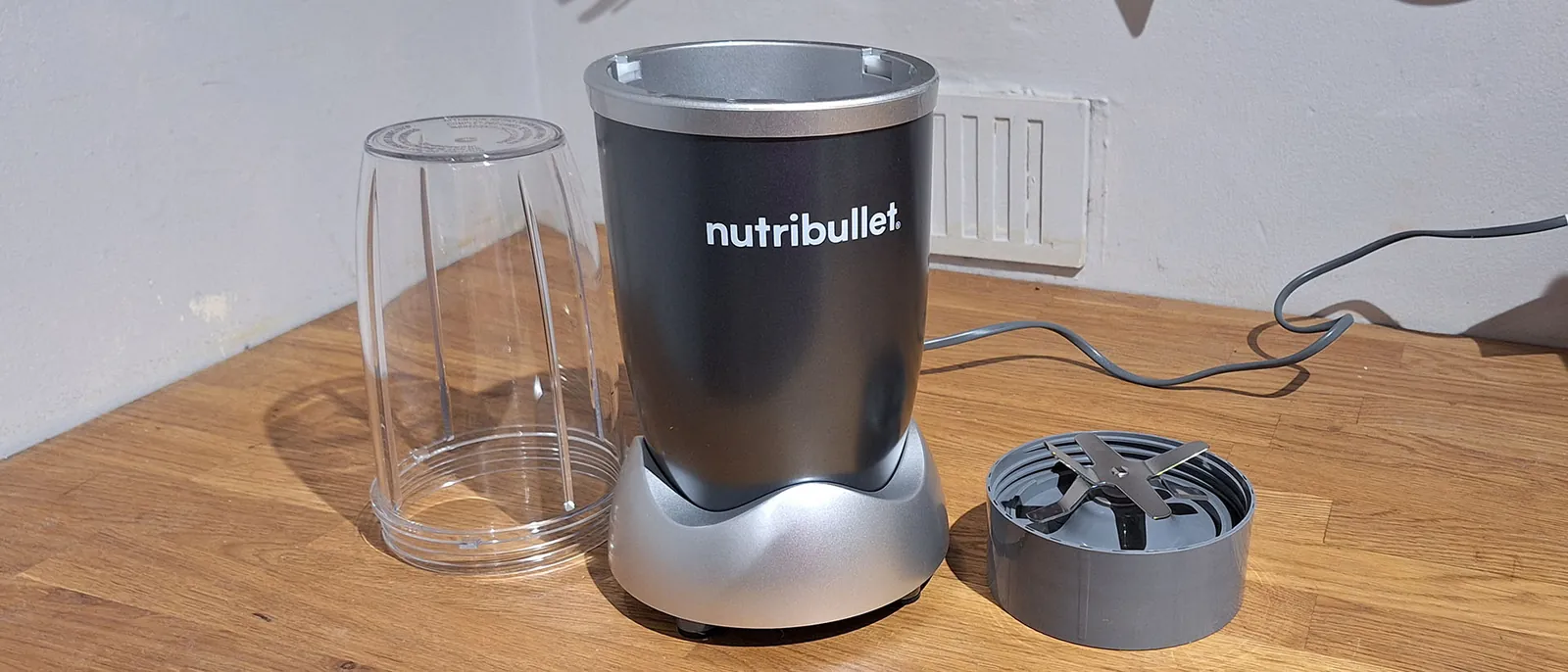
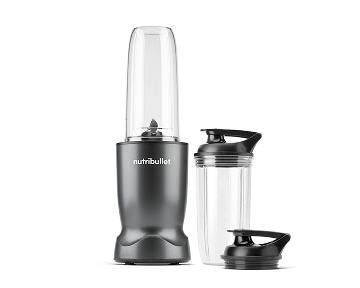
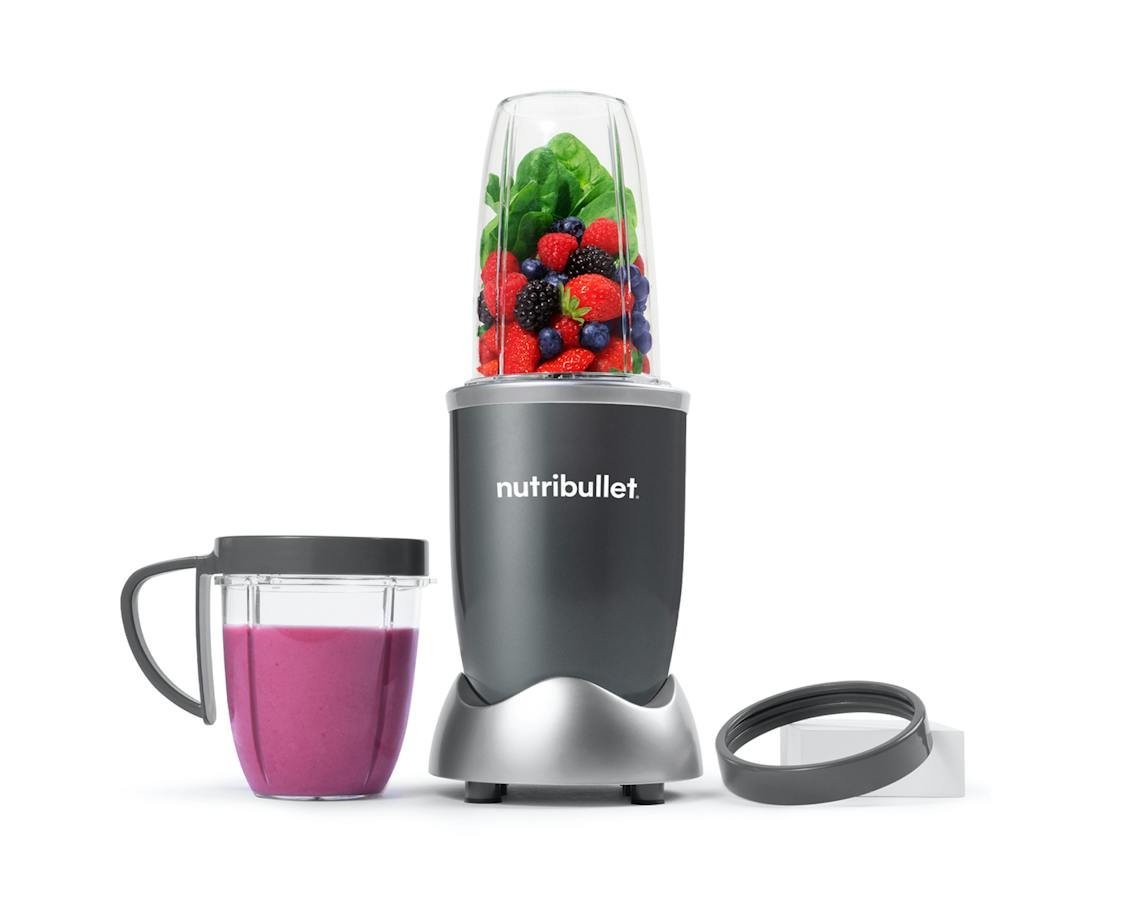
The Nutribullet 600 is a 600-watt personal blender with a 24-ounce cup. It handles frozen fruit well when the pieces are small and there’s enough liquid to keep them moving. It struggles when the load is too dry, too packed, or made of big hard chunks.
| Your situation | Answer | Why |
|---|---|---|
| Frozen berries, 1 cup | Yes | Small pieces, easy to pull down |
| Frozen banana, cut in coins | Yes | Softens fast once blades hit |
| Whole frozen strawberries | Usually yes | Add liquid, pulse first |
| Big frozen mango chunks | Risky | Hard cubes can stall the motor |
| Frozen fruit with no liquid | No | Blades spin air, fruit stays whole |
| Cup filled past MAX line | No | No room for the vortex to form |
| Frozen fruit plus ice cubes | Yes, in small amounts | Too much ice overloads it |
The pattern is simple: small pieces plus liquid equals success. Big pieces plus a dry cup equals a stalled blade and warm, half-crushed fruit.
Start with liquid, not fruit. Pour it in first, up to about a third of the cup. Fruit dropped on top of liquid gets pulled down into the blades. Fruit packed at the bottom just sits there.
If the blend stalls, stop. Don’t run it longer hoping the motor will catch. Ten seconds of a stalled blade heats the fruit and does nothing to break it up. Take the cup off, shake it hard, and put it back.
Big chunks are the real limit. A whole frozen strawberry is mostly water and gives way quickly. A one-inch cube of frozen mango is solid, and the blades skate across it. Cut mango and peach into half-inch pieces before freezing.
Add liquid in small amounts when the mix looks thick. Two tablespoons at a time is enough to get things moving again. Pouring in half a cup at once turns a smoothie thin and watery.
If you want ice in the cup, use three or four cubes at most, and add them after the fruit has broken down. Ice and frozen fruit together ask the same 600 watts to do two jobs at once.
For a single serving, fill the cup to the MAX line and no further. Above it there’s no air pocket, and without that pocket the fruit never circulates.
What actually decides the result
Liquid is the deciding factor, not the motor. A blender needs a vortex — a spinning funnel of liquid — to pull fruit down into the blades. Frozen fruit has no water to give, so it just sits there. Without added liquid, the blades spin in a pocket of air and the fruit never moves.
The Nutribullet 600’s 600-watt motor is modest. It’s built for short bursts, not long grinding. That’s fine for soft and small frozen pieces, but a big hard chunk asks the motor to do work it wasn’t designed for. You’ll hear the sound change — a lower, straining hum instead of a clean whir.
Fill level matters just as much. The MAX line on the 24-ounce cup isn’t decoration. Go past it and there’s no air gap for the fruit to tumble into. The vortex can’t form, and you get a pocket of unblended fruit stuck near the top.
Piece size is the third lever. A whole frozen strawberry is about an inch across. A frozen mango cube can be bigger and much harder. Smaller pieces expose more surface to the blades and thaw faster as they spin.
If your fruit is small and you’ve added at least half a cup of liquid, then blend normally; if your fruit is in big hard chunks or the cup is dry, then cut the fruit smaller and add liquid before you start.
How to blend frozen fruit without stalling it
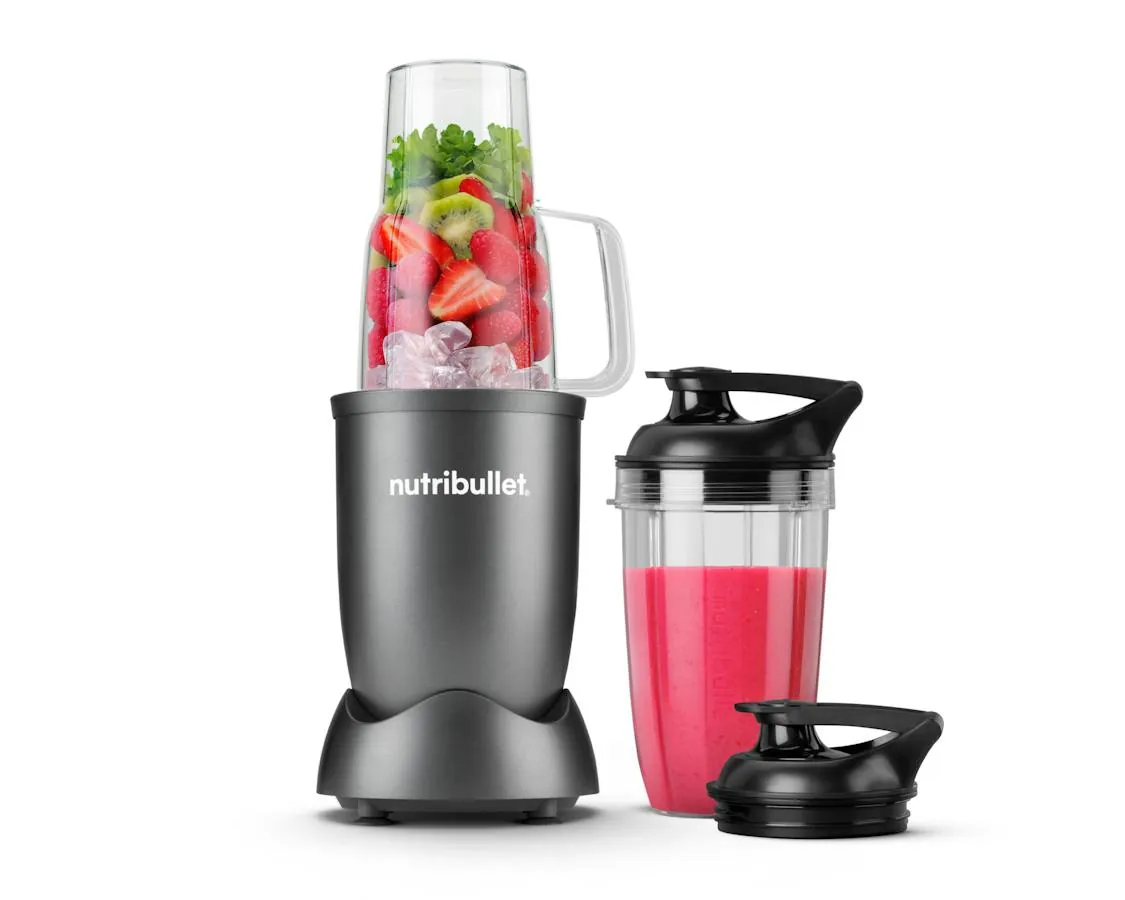
Add liquid first. Pour ½ to 1 cup of milk, water, or juice into the cup before anything else. The liquid sits at the bottom where the blades are, so they catch it immediately. You’ll see the fruit start to circulate within a few seconds.
Load fruit in small pieces. Cut frozen banana into coins about ½ inch thick and break up any clumps. Smaller pieces reach the blades faster and thaw as they spin. If the fruit is still in big blocks, you’ll hear the motor strain instead of hum.
Keep it below the MAX line. Leave at least an inch of space at the top of the 24-ounce cup. That gap lets the fruit tumble and the vortex form. Fill it to the line and the top layer just sits there.
Start with short pulses. Press for 1 second, release, repeat 4 or 5 times. This breaks the fruit loose before you commit to a full run. You’ll see the mixture start to move as a whole, not in fits.
Then blend 30 to 60 seconds. Hold it down and let it run. Stop when the mixture looks smooth and you can’t see fruit chunks against the side of the cup. If it’s still lumpy at 60 seconds, add ¼ cup more liquid and pulse again.
Add ice last, and little of it. Ice is harder than most frozen fruit. Half a cup is plenty alongside frozen fruit. More than that and you’re asking the 600-watt motor to do too much at once.
Scrape down if needed. If fruit sticks to the sides, stop, unplug, and push it down with a spatula. Never use your fingers or a spoon while it’s plugged in.
The mistake that ruins the blend
The most common mistake is dumping frozen fruit into a dry cup and hitting the button. People think the blades will just chew through it. They won’t. Without liquid, the fruit sits in place while the blades spin in air, and nothing blends.
The cost is real. You get a cup of warm, half-crushed fruit with whole pieces still at the top. You also stress the motor. Running it dry and stalled for 30 seconds or more builds heat, and repeated dry runs can shorten the life of a small motor. You may also burn through your fruit for nothing and have to start over.
The check that avoids all of this: before you press the button, tilt the cup. If the contents slide and there’s visible liquid at the bottom, you’re fine. If it’s a solid, dry pile that doesn’t move, add liquid until it does. That one look tells you more than any rule.
There’s a second version of the same mistake, and it’s quieter. You add liquid, but not enough. The blend starts, the fruit spins, and then it stalls halfway with a pocket of dry fruit packed against the wall. If your blender stalls and you can still see chunks, stop. Don’t pulse harder. Add two more tablespoons of liquid, shake the cup, and start again.
How much liquid is enough depends on what you put in. A cup of soft fruit like banana or mango needs less liquid than hard fruit, but still enough to reach the blades. A cup of frozen strawberries or ice cubes needs closer to half a cup of liquid before the blades will catch. If you’re blending ice with frozen fruit, use the larger amount, up to 1 cup.
One more thing people get wrong: they add liquid at the start and then keep adding more when it stalls, until the cup is soup. If you have already added half a cup and it still won’t move, the problem isn’t the liquid. It’s the load. Take out a third of the fruit, blend what is left, then add the rest back in.
When frozen fruit blending needs more than a Nutribullet
The motor smells hot or cuts out mid-blend. A thermal cutout means the motor overheated. Let it cool 15 minutes and use smaller loads. If it keeps happening, the unit needs service or replacement — contact Nutribullet support, not a repair shop. A repair shop will charge you a bench fee for a motor that was never meant to be opened, and the part often costs more than a refurbished base.
You’re blending frozen fruit daily for a family. A 600-watt personal blender isn’t built for that volume. A full-size blender with a 1,000-watt motor or more handles it better — check the wattage on the box or the maker’s page. Wattage is the number that matters, not the jar size or the brand name.
The fruit is rock-hard and won’t break down after several tries. Some freezers run colder and fruit freezes solid. A stronger blender, or thawing the fruit first, solves it. Don’t force the small motor. Ten minutes on the counter takes the edge off berries and mango without turning them to mush.
You need to blend nuts, seeds, or ice alone. These are harder than frozen fruit. The Nutribullet 600 isn’t the right tool — a high-power blender is. Check the maker’s own guidance for what your model is rated to crush. Ice alone is very hard on a small motor, because the blades can stall against it.
You’re blending for one person, a few times a week. Then the 600 is fine, and the fixes above are all you need. The line is frequency and load, not the fruit itself. If you’re running it once a day with a handful of frozen berries and a splash of liquid, keep it. If you’re running it twice a day for four people, no technique will save it.
Frequently asked questions
Can the Nutribullet 600 crush ice and frozen fruit together?
Yes, in small amounts. Keep ice to about ½ cup alongside 1 cup of frozen fruit and at least ½ cup of liquid. Ice is harder than fruit, so too much overloads the 600-watt motor. Add ice last, pulse a few times, then blend. If the motor strains or the sound drops, you’ve added too much — remove some and try again.
Why does my Nutribullet 600 stall on frozen fruit?
It stalls because there’s not enough liquid or the pieces are too big. Without liquid, the blades spin in air and the fruit can’t move down. Big hard chunks jam between the blades. Fix it by adding ½ cup of liquid, cutting the fruit smaller, and pulsing instead of holding the button. A stalled motor also heats up, so stop right away.
How long does it take to blend frozen fruit in a Nutribullet 600?
About 30 to 60 seconds of blending after 4 or 5 short pulses, assuming you’ve added ½ to 1 cup of liquid and kept the cup below the MAX line. Harder fruit like frozen mango takes closer to 60 seconds. If it’s still lumpy past a minute, add ¼ cup more liquid rather than blending longer.
Is it safe to blend frozen fruit in a Nutribullet 600?
Yes, it’s safe when you follow the cup’s MAX line and add liquid. The risks are a hot motor from dry, stalled runs and leaks if the cup isn’t screwed on tight. Always twist the blade base on firmly, never overfill, and unplug before you scrape the sides. Don’t run it continuously for more than a minute at a time.
What happens if I blend frozen fruit with no liquid?
You get a cup of warm, half-crushed fruit with whole pieces stuck at the top. The blades spin without pulling anything down, so nothing blends evenly. The motor also strains and heats up, which can shorten its life over time. Always add at least ½ cup of liquid before you start — milk, water, or juice all work.
Does it matter if the frozen fruit is fresh-frozen or store-bought?
Not much. What matters is piece size and how hard the fruit froze. Store-bought frozen berries are usually small and loose, so they blend easily. Home-frozen fruit in big blocks is harder. If your fruit froze into one solid lump, break it up or let it sit 5 minutes before blending.
Can I blend frozen fruit without thawing it first?
Yes, you can blend it straight from the freezer — that’s the point of frozen fruit in a smoothie. Small berries and banana coins blend fine frozen. Big hard chunks blend better if you let them sit 5 minutes first. Thawing isn’t required, but it makes the motor’s job easier when the pieces are large.
How full can I fill the cup with frozen fruit?
Fill to the MAX line on the 24-ounce cup and no higher. That leaves about an inch of space at the top for the fruit to tumble. Past the line, the top layer can’t move and stays whole. A good mix is 1 cup of frozen fruit, ½ to 1 cup of liquid, and no more than ½ cup of ice.
What to do with your frozen fruit now
Start with 1 cup of small frozen fruit, add ½ cup of liquid, and pulse 4 or 5 times before blending for 30 to 60 seconds. Expect a smooth, thick smoothie with no visible chunks — that’s the sign it worked.
If the motor strains, the sound drops low, or you smell something hot, stop and let it cool before trying again.
Big frozen strawberries and mango chunks are the usual reason a blender stalls. Cut them to the size of a grape first. If your fruit froze into one solid block, break it up or let it sit on the counter for 10 minutes.
Liquid first, fruit on top. Fruit packed at the bottom traps air under the blades and the motor spins without catching anything.
For a thinner drink, add liquid 2 tablespoons at a time. For a thicker one, use less liquid and more fruit, not more ice.
If you’re working with fruit that was frozen in syrup, drain it and cut the liquid to ⅓ cup. Sweetened fruit plus a full ½ cup of juice tastes syrupy.
Drink it the same day for the best texture. Once blended, frozen fruit loses its texture and separates in the fridge. Stir it back together if it does.
Keep the fruit you aren’t using in the coldest part of the freezer, not the door.