Can You Blend Cashews in a NutriBullet? Yes, Here’s How
Yes, you can blend cashews in a NutriBullet, and for most models it works surprisingly well — but the result depends heavily on which NutriBullet you own, whether you soak the nuts first, and how you load the cup. The original 600-watt NutriBullet can turn soaked cashews into a smooth cream, while the smaller 500-watt Pro and Magic Bullet-style units struggle with dry nuts and may stall or leave grit. The single biggest variable is liquid: cashews need something to move against, so a cup of nuts with no water is a recipe for a burnt-smelling motor and a lumpy paste.
Key Takeaways
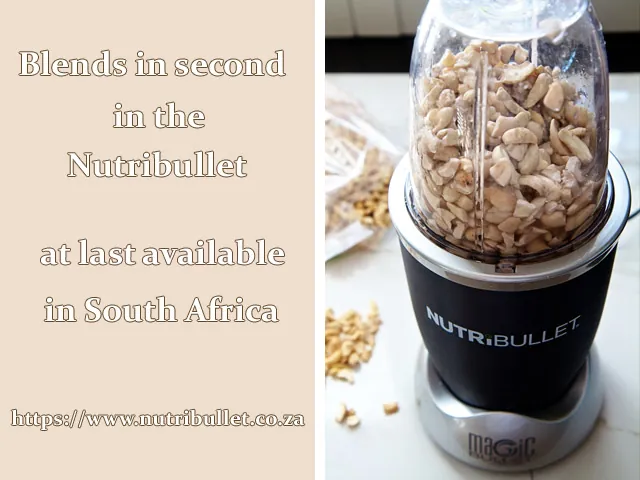
- Soak raw cashews in water for at least 2 hours (overnight is better) before blending — this softens them enough that a 600-watt motor can handle them.
- Add liquid first, then nuts, then any other ingredients. NutriBullet’s own instructions specify liquid at the bottom, near the blades.
- Fill only to the MAX line and never pack the cup tight; overfilling is the number-one cause of stalling and leakage.
- Pulse in 5-10 second bursts for the first 30 seconds, then run continuously once the mixture starts moving.
- A high-speed model (NutriBullet Pro 900, Pro 1000, or Rx) handles cashews far more easily than a 500-watt original or Magic Bullet.
- For cashew flour or dry grinding, skip the NutriBullet and use a dedicated spice or coffee grinder — blades can’t mill dry nuts evenly.
Which NutriBullet Models Handle Cashews
Not every NutriBullet is built the same, and the wattage printed on the base is the clearest predictor of whether cashews will blend or fight back. Wattage determines torque, and torque is what gets a blade through a dense, sticky nut. Here’s how the common models stack up.
| Model | Typical Wattage | Cashew Performance | Best Use for Cashews |
|---|---|---|---|
| Magic Bullet (original) | 250 W | Poor | Only pre-soaked, in small amounts with lots of liquid |
| NutriBullet 600 (original) | 600 W | Fair to good | Soaked cashews, cashew milk, small batches of cream |
| NutriBullet Pro 900 | 900 W | Good | Cashew cream, sauces, dressings, nut milk |
| NutriBullet Pro 1000 | 1000 W | Very good | Thick cashew cream, cashew cheese, larger batches |
| NutriBullet Rx | 1700 W | Excellent | Everything, including tougher blends and hot soups |
| NutriBullet Select / Combo | 1200 W | Very good | Versatile; handles soaked and briefly drained nuts |
The pattern is simple: the more watts, the more forgiving the machine is about soak time and liquid ratio. If you own a 600-watt original, you can absolutely make cashew cream — you just need to respect the soak and the liquid. If you own a 250-watt Magic Bullet, cashews are possible but frustrating, and you’ll get better results treating it as a small-batch tool for already-soft nuts.
Pro Tip: Check the wattage printed on the bottom of your base before you start. If it’s under 600 watts, extend your soak time and cut your batch size in half — the motor will thank you.
Why Cashews Are Hard on Small Blenders
Cashews aren’t the hardest nut to blend — almonds and hazelnuts are tougher — but they have a specific problem: they’re dense, low in oil compared to macadamias, and they turn into a sticky paste rather than a flowing liquid. That paste is what kills small motors.
When you blend a dry or barely soaked cashew, the blade cuts it into a coarse meal. That meal packs down around the blades, creating a vacuum-like pocket with no liquid to circulate. The motor keeps spinning but the contents don’t move, which generates heat, stresses the gear assembly, and eventually triggers a stall or a thermal cutoff. This is why so many people report a burning smell after trying to make cashew butter in a personal blender.
The fix is physics, not technique: you need enough liquid to create a vortex, and soft enough nuts that the blade can shear through them. Soaking does the second part. Liquid order and quantity does the first.
There’s also a capacity issue. NutriBullet cups are narrow at the bottom, which concentrates ingredients right where the blades sit. That’s efficient for smoothies but terrible for thick, dense mixtures, because there’s no room for the material to move. This is the core reason a full-size food processor or a high-powered blender like a Vitamix handles cashew butter easily while a personal blender does not.
Warning: Never run a NutriBullet continuously for more than about a minute without giving it a rest. The manual for most models specifies short run times, and ignoring that’s how motors die.
How to Blend Cashews in a NutriBullet
This is the core method, and it works for cashew milk, cashew cream, sauces, and dressings. Follow the order — it matters more than any single ingredient.
Step 1: Soak the Cashews
Place raw cashews in a bowl and cover with at least two inches of cool water. Soak for a minimum of 2 hours at room temperature, or overnight in the refrigerator. If you’re short on time, pour boiling water over them and let them sit for 20-30 minutes — this works well and is a common shortcut.
Drain and rinse before using. Soaked cashews will look slightly pale and feel slippery. If you’re making cashew milk, you can reserve the soaking water, but most people prefer fresh water for a cleaner taste.
Step 2: Load the Cup in the Right Order
NutriBullet’s own guidance is liquid first, then soft ingredients, then hard ones, then leafy greens on top. For cashews specifically:
- Pour your liquid (water, plant milk, or broth) in first — at least 1 cup for every 1 cup of soaked cashews.
- Add soaked, drained cashews.
- Add soft add-ins like soaked dates, maple syrup, lemon juice, or nutritional yeast.
- Add any powders or spices last.
Don’t exceed the MAX line marked on the cup. For thick cashew cream, stay well below it — around two-thirds full is the practical ceiling.
Step 3: Blend in Stages
Start with 5-10 second pulses. This breaks the nuts down before the mixture thickens. After three or four pulses, the contents should be moving freely. Then run continuously in 20-30 second bursts, scraping down the sides between bursts with a spatula (with the blade removed, obviously).
Total blending time for cashew cream is usually 60-90 seconds with rests. If it’s not smooth by then, add liquid one tablespoon at a time rather than blending longer.
Step 4: Adjust Consistency
Cashew cream thickens as it sits and thickens further when chilled. Blend it slightly thinner than your target and let it firm up in the refrigerator. For a pourable cashew milk, use 3-4 cups of water per cup of nuts. For a thick cream or sour cream substitute, use about ¾ cup water per cup of nuts. For cashew cheese, keep it thick and add a thickener like tapioca starch or agar when cooking.
Step 5: Strain If You Want It Silky
Even a good blend leaves a little fine grit. For cashew milk, pour through a nut milk bag or a fine-mesh strainer lined with cheesecloth. For cashew cream used in sauces, straining is optional but gives a noticeably smoother result. Save the pulp for cookies, oatmeal, or smoothies.
| Target Result | Cashews (soaked) | Liquid | Blend Time | Strain? |
|---|---|---|---|---|
| Cashew milk | 1 cup | 3-4 cups water | 60-90 sec | Yes, for best texture |
| Cashew cream | 1 cup | ¾-1 cup water | 60-90 sec | Optional |
| Cashew sour cream | 1 cup | ½-¾ cup water + lemon | 90 sec | Optional |
| Cashew sauce base | 1 cup | 1-1½ cups broth | 60 sec | No |
| Cashew cheese (cooked) | 1 cup | ½ cup water | 90 sec | No |
Do You Really Have to Soak Cashews?
Soaking is the single most effective thing you can do, and skipping it’s the most common reason people fail. But it isn’t strictly mandatory if you own a high-wattage model.
Soaking does three things: it softens the nut’s cellular structure so blades cut rather than crush, it leaches out some tannins and phytic acid (which is why soaked nuts taste milder), and it adds moisture that helps the mixture circulate. In a 900-watt or higher NutriBullet, unsoaked cashews can be blended into a decent cream if you use plenty of liquid and blend in short bursts — but the result is usually grainier and takes longer.
If you genuinely can’t soak, use these workarounds:
- Boiling water soak: 20-30 minutes, covered. Nearly as effective as a 2-hour cold soak.
- Simmer method: Boil cashews for 10-15 minutes until they’re easily pierced with a fork. Drain and cool slightly.
- Pre-soaked store-bought: Some stores sell already-soaked or “sprouted” cashews; check the refrigerated section of natural grocery chains.
- Cashew butter shortcut: For sauces and soups, start with 2-3 tablespoons of plain cashew butter instead of whole nuts. It blends instantly and tastes nearly identical.
Pro Tip: If a recipe says “soaked cashews” and you’re using a 600-watt machine, treat that as non-negotiable. With a 1000-watt or higher model, you have some wiggle room.
Common Problems and How to Fix Them
Most cashew-blending failures fall into a handful of predictable categories. Here’s the troubleshooting table, followed by detail on the big ones.
| Problem | Likely Cause | Fix |
|---|---|---|
| Gritty, grainy texture | Under-soaked nuts, not enough blending time | Soak longer; blend in more bursts; strain |
| Motor stalls or won’t start | Too thick, too full, or too little liquid | Remove half, add liquid, blend in batches |
| Burning smell | Overheating from continuous run | Stop immediately, let cool 15+ minutes, blend in shorter bursts |
| Leaking from the blade base | Overfilled past MAX, or gasket misaligned | Fill less; check the silicone gasket is seated |
| Mixture stuck to walls | Thick paste with no vortex | Scrape down, add 1 tbsp liquid, pulse |
| Cashews won’t break down | Low-wattage model, dry nuts | Soak, add liquid, or switch to cashew butter |
Fixing a Stalled Motor
If the blades stop moving, turn the machine off and unplug it. Don’t keep pulsing — that’s what damages the motor. Remove the blade, stir the contents, add a few tablespoons of liquid, and try again with shorter pulses. If it stalls twice, you’re overloading it; split the batch.
Fixing Gritty Cashew Cream
Grit usually means two things: the nuts weren’t soft enough, or the mixture got too thick to circulate before it was fully smooth. Blend thinner than you want, then thicken by chilling or by adding a small amount of soaked raw cashew powder. Straining through a nut milk bag solves it outright.
Dealing with the Burning Smell
A faint hot-plastic smell after a long blend is common and usually harmless once the machine cools. A sharp, acrid burning smell means the motor is overheating. Stop, unplug, and let it cool for at least 15-20 minutes. If the smell recurs on a normal blend, the machine may be failing — and repeated overheating shortens its life significantly.
Cashew Recipes That Work in a NutriBullet
These are the preparations that consistently work in a personal blender, ranked roughly from easiest to hardest.
- Cashew milk: 1 cup soaked cashews, 3-4 cups water, pinch of salt, optional vanilla and dates. Strain. Easiest and most reliable.
- Cashew cream: 1 cup soaked cashews, ¾ cup water. Use for soups, pasta sauces, and desserts.
- Cashew sour cream: Cashew cream plus lemon juice, apple cider vinegar, and salt. Let it sit 30 minutes to thicken.
- Cashew-based pasta sauce: Blend cashews with broth, garlic, nutritional yeast, and salt. Toss with hot pasta.
- Cashew dressing: Thin cashew cream with water, add mustard, maple, and vinegar.
- Cashew cheese sauce: Blend thick, then cook with tapioca starch until it stretches.
- Cashew butter: Possible only in high-wattage models, and even then it’s a stretch. A food processor is the better tool.
- Cashew flour: Not recommended in any NutriBullet. Use a spice grinder.
Warning: Don’t attempt cashew butter in a 600-watt or lower NutriBullet. The paste is too dense, and the risk of burning out the motor is real.
What a NutriBullet Can’t Do With Cashews
Being honest about limits saves you a broken appliance. A NutriBullet — even the Rx — isn’t a substitute for a food processor or a high-powered blender when it comes to certain jobs.
It can’t reliably make cashew butter or any thick nut butter. The paste has no liquid to circulate, and personal blender cups are too narrow. It can’t make cashew flour or finely ground nut meal, because blade blenders throw dry material up the walls rather than milling it.
It can’t handle large batches — most cups top out around 2 cups of finished product. And it can’t blend unsoaked nuts into a perfectly smooth cream in low-wattage models, no matter how long you run it.
For those jobs, a food processor (for nut butter and cheese), a spice or coffee grinder (for flour), or a high-powered blender (for large batches of silky cream) is the right tool.
Frequently Asked Questions
Can you blend raw cashews in a NutriBullet without soaking them?
Yes, but only in higher-wattage models and with plenty of liquid. Unsoaked cashews in a 600-watt or lower NutriBullet typically produce a gritty, uneven result and put strain on the motor. If you can’t soak, use boiling water for 20-30 minutes, or start with cashew butter instead of whole nuts.
How long does it take to blend cashews into cream?
With soaked cashews and a 900-watt or higher model, expect 60-90 seconds of total blending time, done in short bursts with rests. Lower-wattage models take longer and may never reach a perfectly smooth texture without straining. Add liquid rather than blending longer if it stalls.
Why is my cashew cream gritty?
Grit comes from under-soaked nuts or a mixture that got too thick to circulate before it was fully broken down. Soak cashews at least 2 hours, blend thinner than your target consistency, and strain through a nut milk bag for a silky finish. A high-wattage model helps but doesn’t replace soaking.
Can I make cashew butter in a NutriBullet?
Generally no. Cashew butter is too thick and dense for a personal blender’s narrow cup and motor. Even high-wattage NutriBullet models struggle, and low-wattage models risk motor damage. Use a food processor for nut butter and reserve the NutriBullet for cashew milk, cream, and sauces.
How much water do I add per cup of cashews?
For cashew milk, use 3-4 cups of water per cup of soaked cashews. For a thick cream or sour cream substitute, use ½-¾ cup. For a sauce base, 1-1½ cups of broth works well. Always start with the liquid in the cup first, then add the nuts.
Does soaking cashews change the nutrition?
Soaking reduces phytic acid and some tannins, which can slightly improve mineral absorption and gives a milder flavor. It also adds water weight, so 1 cup of dry cashews becomes roughly 1½ cups soaked. The calorie and fat content per nut stays essentially the same.
The Bottom Line on Cashews and NutriBullets
Cashews and NutriBullets are a workable pairing as long as you match the job to the machine. Soak your nuts, put liquid in first, keep the cup below the MAX line, and pulse before you commit to a long run. If you own a 900-watt model or higher, you can make genuinely smooth cashew cream and milk without much fuss.
Your next step: soak a cup of raw cashews tonight, and tomorrow blend them with ¾ cup of water in short bursts. That single batch will tell you exactly what your machine can do — and you’ll have cashew cream for dinner either way.