Blender vs NutriBullet: Which Has Higher Quality?
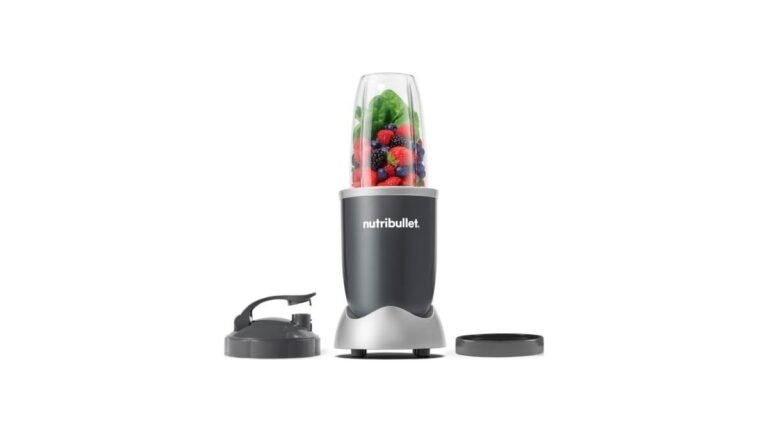
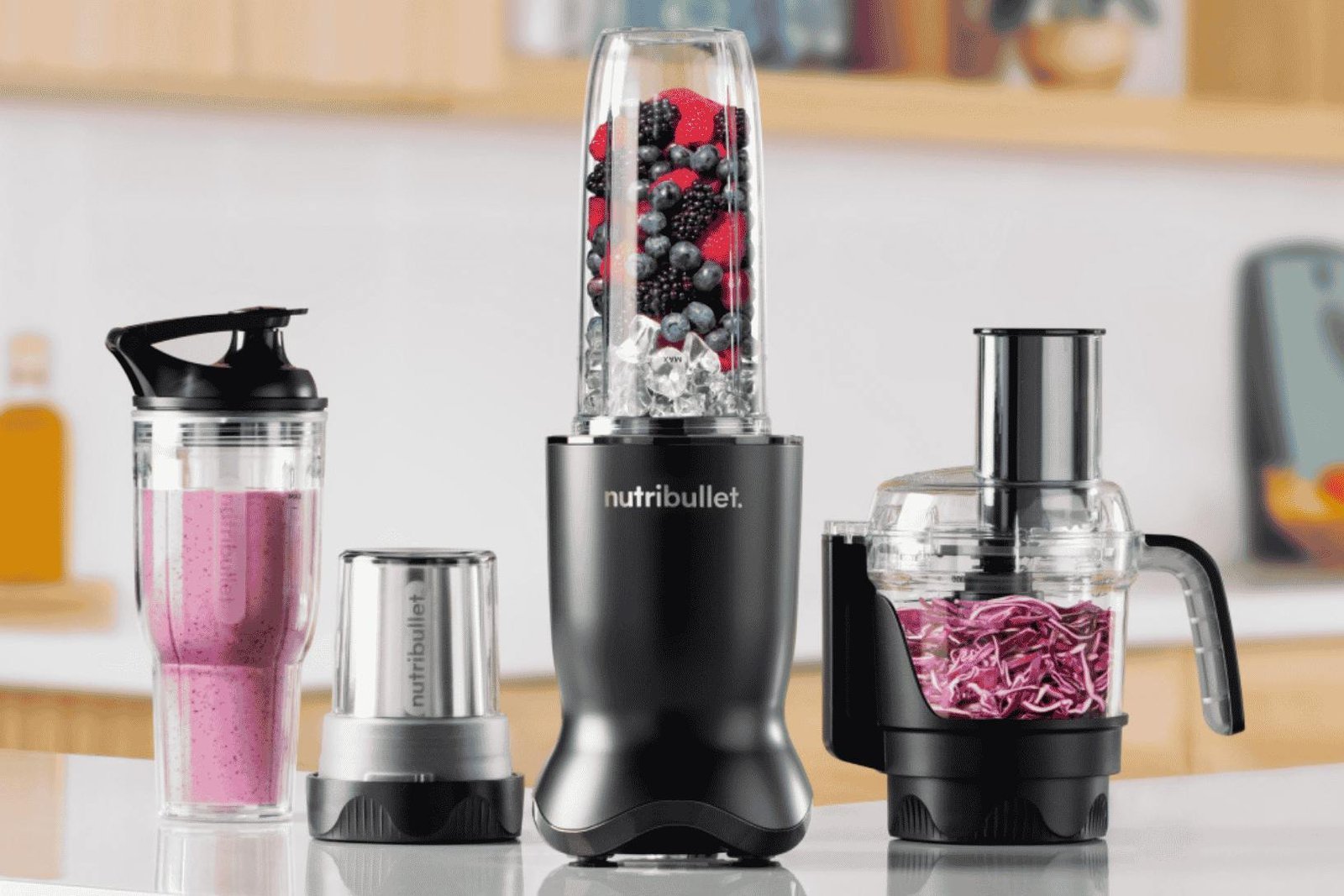
You’re comparing two different product categories more than two brands: NutriBullet makes personal blenders built around a single cup, while the “high-quality blender” label usually refers to full-size machines from Vitamix, Blendtec, Breville, and Ninja that promise restaurant-grade results. If you want the short answer, a high-end full-size blender like a Vitamix or Blendtec beats any NutriBullet on power, texture, and lifespan, but a NutriBullet beats a cheap blender and wins on price, counter space, and convenience for single servings.
Key Takeaways
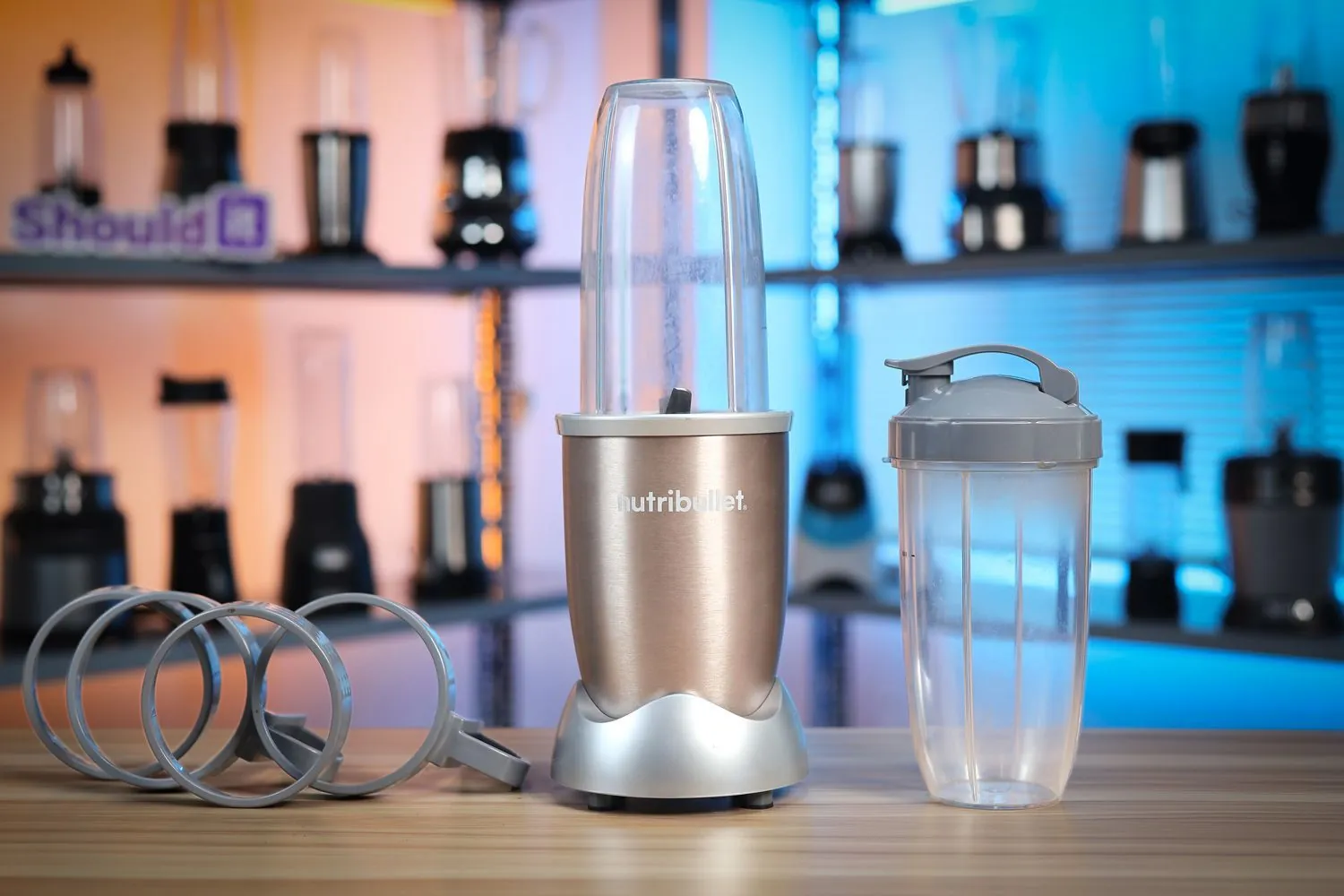
- Full-size premium blenders win on quality. Vitamix, Blendtec, and Breville models typically run 1,200–1,800 watts and cost roughly $200–$600, while NutriBullet machines usually sit between 250 and 1,200 watts and $40–$150.
- NutriBullet isn’t a low-quality brand. It’s a focused brand: personal blenders designed for smoothies, shakes, and quick single-serve tasks, not for hot soup, nut butter, or crushing ice all day.
- Motor wattage is a rough proxy, not the whole story. Blade design, jar shape, and motor cooling matter just as much as raw watts.
- Warranties reveal expected lifespan. NutriBullet typically offers 1–3 years depending on model, while Vitamix and Blendtec commonly offer 7–10 years on their full-size machines.
- Buy for your actual use case. If you make one smoothie a day, a NutriBullet is genuinely enough. If you blend for a family, make nut butters, or want one machine for a decade, buy a premium full-size blender.
- The “best” blender is the one you’ll actually use. A $500 machine that stays in the cabinet loses to a $90 one you use daily.
What “Quality” Actually Means In A Blender
Before comparing brands, it helps to define what you’re actually measuring. “Quality” in a blender splits into five separate traits, and different machines win different categories.
- Motor durability — how long the motor runs before overheating, and how many years it lasts.
- Blade and jar design — whether ingredients circulate properly or get stuck above the blades.
- Texture output — how smooth the final result is, especially with fibrous greens, frozen fruit, and ice.
- Build materials — metal drive sockets, thick Tritan or stainless jars, and bearings that don’t wear out.
- Warranty and service — the manufacturer’s own confidence in the machine, expressed in years.
A high-quality blender typically scores well on all five. A NutriBullet scores very well on texture for its size and price, moderately on materials, and lower on motor durability under heavy, repeated loads.
NutriBullet Vs High-Quality Blenders
Here’s the comparison most people actually want, laid out side by side. Figures are typical ranges across each brand’s lineup, not single models.
| Feature | NutriBullet (personal) | Premium full-size (Vitamix, Blendtec, Breville) |
|---|---|---|
| Typical price | $40–$150 | $200–$600 |
| Typical wattage | 250–1,200 W | 1,200–1,800 W |
| Jar size | 12–32 oz cups | 48–64 oz pitchers |
| Best at | Single smoothies, shakes, protein drinks | Soup, nut butter, ice, family batches |
| Hot soup capability | No | Yes (most models) |
| Typical warranty | 1–3 years | 7–10 years |
| Counter footprint | Small | Large |
| Noise | Moderate | Loud |
| Dishwasher-safe parts | Yes | Yes (jar and lid) |
The pattern is clear: NutriBullet competes on convenience and price, premium blenders compete on power and longevity. They overlap only in the middle of the market, where NutriBullet’s larger models meet entry-level full-size blenders.
Where NutriBullet Genuinely Wins
It’s easy to dismiss NutriBullet once you’ve seen a Vitamix work. That would be a mistake, because NutriBullet wins several categories outright.
- Price. You can buy three or four NutriBullets for the cost of one premium blender.
- Counter space. A NutriBullet base is a fraction of the size of a full-size blender base.
- Single-serve convenience. You blend in the cup you drink from. No pouring, no pitcher to wash.
- Portability. Many NutriBullet cups come with to-go lids, which matters if you blend and leave.
- Simplicity. Press and twist. No variable speed dial, no presets to learn.
- Replacement cost. If it dies after three years, replacing it’s painless.
For someone making one morning smoothie, a NutriBullet isn’t a compromise. It’s the correct tool.
Where Premium Blenders Pull Ahead
The gap shows up the moment you ask a blender to do something hard.
- Frozen fruit and ice. Premium blenders crush ice into snow. Personal blenders often leave chunks unless you add enough liquid.
- Fibrous greens. Kale, celery, and pineapple come out genuinely smooth in a high-power machine.
- Nut butter. Vitamix and Blendtec can turn almonds into butter. Most NutriBullets cannot, or will overheat trying.
- Hot soup. High-speed friction heats soup in the jar. NutriBullet explicitly doesn’t support hot liquids in most models.
- Large batches. A 64-oz pitcher handles family meals. A 24-oz cup does not.
- Lifespan. A 7–10 year warranty reflects a machine built to survive daily heavy use.
Pro Tip: If you blend frozen fruit daily, add liquid first, then frozen ingredients, then fresh. This single habit extends the life of any blender, personal or full-size.
The Wattage Question, Answered
Wattage is the number shoppers fixate on, and it’s the most misunderstood spec in the category.
- Watts measure power draw, not blending ability. A 1,000-watt motor with poor blade geometry can underperform a well-designed 700-watt machine.
- Peak watts vs. continuous watts. Some brands advertise peak wattage, which lasts a fraction of a second. Continuous wattage is the honest number.
- NutriBullet’s higher-end models (like the Rx and Select lines) push toward 1,000–1,200 watts, closing much of the gap with entry-level full-size blenders.
- Premium brands tend to advertise continuous power and back it with long warranties.
If two blenders have similar wattage but a $300 price gap, the difference is in motor cooling, bearings, jar materials, and warranty — not the wattage number.
Matching The Blender To Your Kitchen
The right answer depends entirely on what you blend and how often. Use this table as a decision shortcut.
| Your situation | Better choice | Why |
|---|---|---|
| One smoothie a day, single person | NutriBullet | Cheap, small, fast, easy cleanup |
| Protein shakes and meal replacements | NutriBullet | Exactly the intended use case |
| Family of four, daily use | Premium full-size | Batch size and durability |
| Nut butter, hummus, hot soup | Premium full-size | Personal blenders can’t do these |
| Tiny kitchen, limited outlets | NutriBullet | Footprint and simplicity |
| You hate washing dishes | NutriBullet | Blend-and-drink cup |
| You want one blender for 10 years | Premium full-size | Warranty and serviceability |
| You crush ice constantly | Premium full-size | Motor and blade durability |
NutriBullet Models Worth Knowing
NutriBullet isn’t one product. The lineup spans budget to near-premium, and the differences matter.
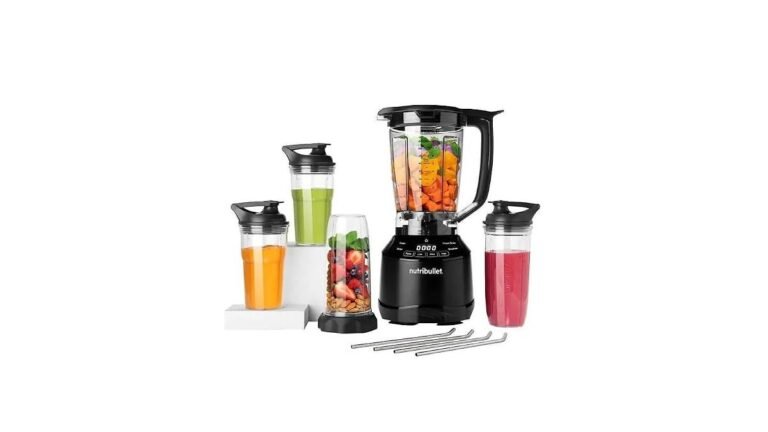
- NutriBullet Pro — around 900 watts, a solid mid-tier personal blender.
- NutriBullet Pro 900 / Pro 1000 — higher wattage, better for frozen ingredients.
- NutriBullet Rx — one of the most powerful personal models, marketed for hot soups and cooking.
- NutriBullet Select — adds speed control and pulse.
- NutriBullet Baby — smaller cups for purees.
- Magic Bullet — the budget sibling brand, lower power, very cheap.
Warning: NutriBullet’s own instructions generally advise against blending hot liquids in standard models, and against running the motor continuously for long periods. Follow the manual or you’ll void the warranty.
Premium Blender Brands Compared
If you’ve decided to go full-size, here’s how the major players differ.
| Brand | Typical wattage | Typical price | Warranty | Known for |
|---|---|---|---|---|
| Vitamix | 1,200–1,800 W | $300–$600 | 7–10 years | Smoothest texture, aircraft-grade build |
| Blendtec | 1,500–1,800 W | $300–$500 | 8–10 years | Blunt blade, square jar, presets |
| Breville | 1,000–1,800 W | $200–$500 | 2–10 years | Features, presets, design |
| Ninja | 1,000–1,500 W | $100–$250 | 1–2 years | Value, multiple jars, food processor combos |
Vitamix and Blendtec are the two names most often cited as the quality ceiling. Ninja sits in the value tier — more power than a NutriBullet, shorter warranty than a Vitamix.
Texture And Taste Differences
This is the part spec sheets don’t capture. Texture is where premium blenders justify their price.
- Smoothies. A NutriBullet produces a good smoothie. A Vitamix produces a silky one with no detectable fiber strands.
- Green smoothies. Kale and spinach show the widest gap. Personal blenders often leave flecks.
- Nut milk. Premium blenders make smoother almond milk with less straining.
- Soups. Only high-speed full-size blenders achieve genuinely smooth purees without a separate pot.
- Frozen desserts. Nice cream and sorbet require power that personal blenders rarely deliver.
If texture is your priority, that’s the strongest argument for spending more.
Noise, Size, And Daily Annoyance
Quality isn’t only about blending. It’s about living with the machine.
- Noise. Premium blenders are loud — often 90+ decibels. NutriBullets are quieter but not silent.
- Height. Full-size blenders may not fit under standard upper cabinets.
- Weight. A Vitamix base is heavy. Moving it daily is a chore.
- Cleanup. NutriBullet cups rinse in seconds. Pitchers take longer.
- Storage. NutriBullet cups stack. Pitchers don’t.
Pro Tip: Measure your cabinet clearance before buying a full-size blender. Many buyers return machines purely because they don’t fit under the counter.
Cleaning And Maintenance Realities
How you clean a blender determines how long it lasts.
- Self-cleaning. Full-size blenders often clean themselves with warm water and a drop of soap on high speed.
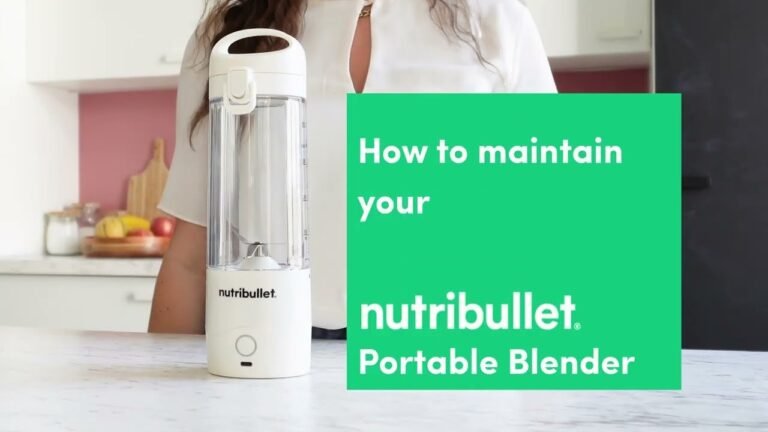
- NutriBullet cleaning. Fill the cup halfway with warm water, add soap, blend, rinse.
- Blade care. Never submerge the blade base of a personal blender in water.
- Gaskets. Remove and wash the rubber gasket regularly or it will smell.
- Descaling. Not usually needed, but hard water leaves film on jars.
Warning: Never put a NutriBullet blade base in the dishwasher unless the manual explicitly says it’s dishwasher-safe. Most are not.
Warranty, Repairs, And Longevity
Warranty length is the clearest signal of how long a manufacturer expects its product to last.
- NutriBullet — typically 1 year on base models, up to 3 years on premium lines.
- Ninja — typically 1–2 years.
- Breville — varies widely, from 2 to 10 years depending on model.
- Vitamix — commonly 7–10 years.
- Blendtec — commonly 8–10 years.
A 10-year warranty on a $400 blender works out to roughly $40 per year. A $90 NutriBullet replaced every three years costs about $30 per year. The math is closer than the sticker prices suggest.
Who Should Buy Which
Skip the agonizing. Here’s the honest breakdown.
Buy a NutriBullet if:
- You make single-serve smoothies or shakes
- You have limited counter space
- You want minimal cleanup
- You’re on a tight budget
- You don’t need hot soup or nut butter
Buy a premium full-size blender if:
- You blend for multiple people
- You make nut butter, hummus, or hot soup
- You crush ice regularly
- You want one machine for the next decade
- Texture quality is your top priority
Buy a mid-range full-size blender (Ninja, entry Breville) if:
- You want more power than a NutriBullet but can’t justify $400+
- You’re unsure how much you’ll actually blend
Common Mistakes Buyers Make
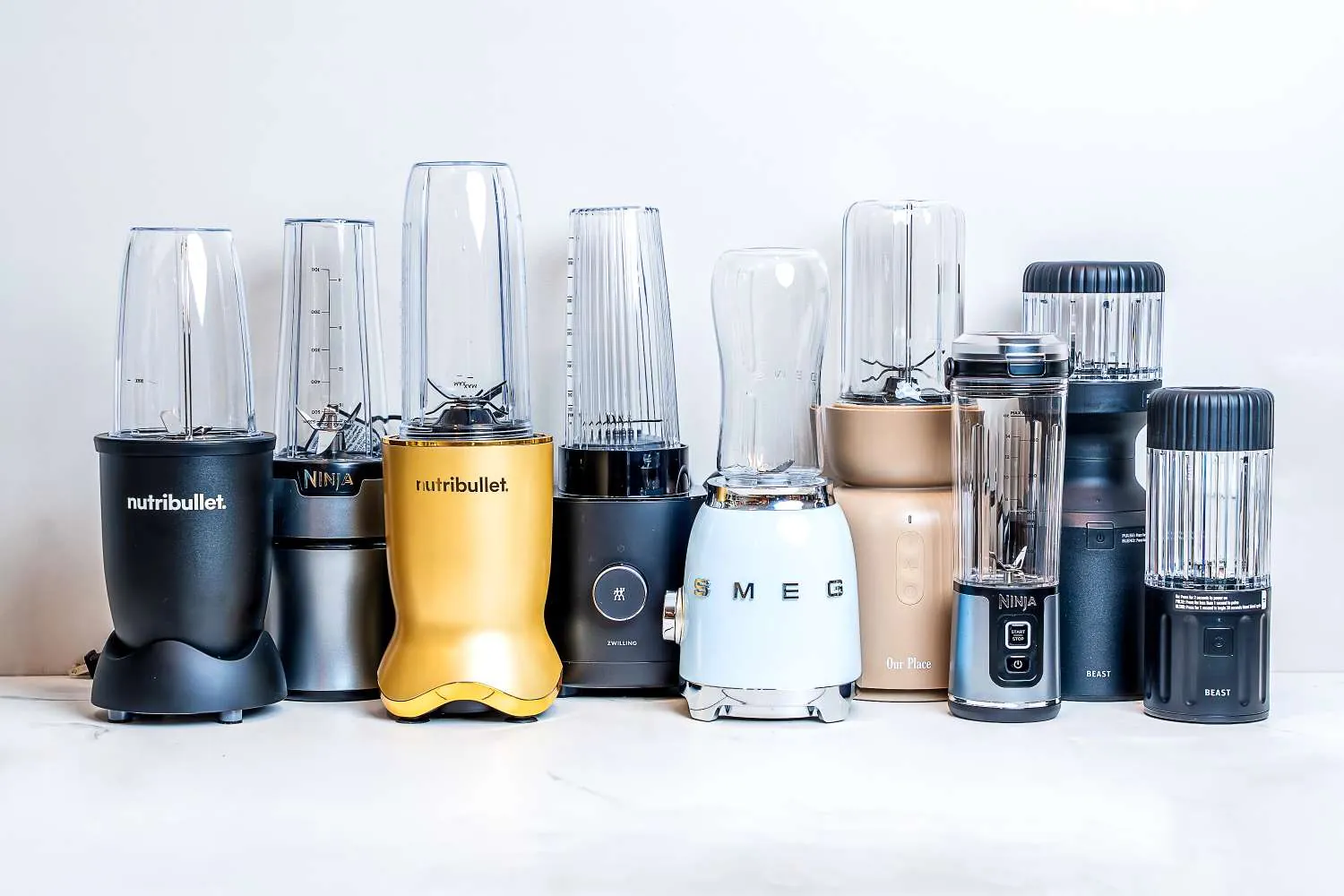
A few predictable errors show up again and again.
- Overbuying. Buying a $500 Vitamix for occasional protein shakes.
- Underbuying. Buying a $50 personal blender for a family of five.
- Chasing wattage. Ignoring jar design and warranty.
- Ignoring counter height. Discovering the machine doesn’t fit after purchase.
- Skipping the manual. Voiding a warranty by blending hot liquids or running the motor too long.
- Assuming brand = model. “NutriBullet” spans wildly different machines, as does “Ninja.”
Frequently Asked Questions
Is a NutriBullet considered a high-quality blender?
NutriBullet is a well-regarded brand within the personal blender category, not the full-size category. Its higher-wattage models blend frozen fruit and greens effectively for single servings. Compared to a Vitamix or Blendtec, it has less power, a shorter warranty, and fewer capabilities, but it costs a fraction of the price.
Can a NutriBullet crush ice?
Higher-wattage NutriBullet models can crush ice, especially with enough liquid in the cup. Budget models and older units often struggle and may leave chunks. For frequent, heavy ice crushing, a full-size blender with a 1,200-watt-or-higher motor is a more reliable choice.
Why are Vitamix blenders so much more expensive?
Vitamix machines use larger, continuously rated motors, thicker jars, metal drive components, and carry warranties of seven to ten years. That build quality and service commitment cost more upfront, but spread over a decade the per-year cost is often comparable to replacing cheaper blenders repeatedly.
Is Ninja better than NutriBullet?
They serve overlapping but different purposes. Ninja offers full-size blenders and combo systems with more power and larger pitchers, usually at $100–$250. NutriBullet focuses on compact personal blenders. For family batches, Ninja wins. For single-serve convenience, NutriBullet wins.
Do I really need a $400 blender?
Only if you blend hard ingredients regularly, make nut butter or hot soup, or want a machine that lasts a decade under daily use. For smoothies and shakes a few times a week, a $40–$150 NutriBullet or a mid-range Ninja will serve you well.
How long should a blender last?
A personal blender used daily typically lasts two to four years. A premium full-size blender used daily commonly lasts ten years or more, which is why Vitamix and Blendtec back theirs with seven-to-ten-year warranties. Usage intensity and cleaning habits heavily influence both numbers.
Conclusion
If you make single servings and want something cheap, compact, and easy to clean, a NutriBullet is the smarter buy and genuinely good at its job. If you blend for a household, tackle hard ingredients, or want one machine for the next decade, save for a Vitamix, Blendtec, or Breville. Pick the one that matches your daily routine, then commit to using it.