Can You Blend Hot Coffee in a Nutribullet? Yes, With Care
Yes, you can blend hot coffee in a Nutribullet, but only if you keep the temperature below the point where pressure builds and the lid seals itself shut—and you follow a few specific steps to avoid a messy, dangerous failure.
The short answer is that hot coffee and high-speed blenders are a risky combination, not an impossible one. Nutribullet’s own instructions warn against blending hot liquids because steam expands inside a sealed cup and can blow the lid off. But thousands of people blend hot coffee every day for bulletproof-style drinks, frothy lattes, and iced coffee bases.
The trick is managing heat, pressure, and fill level. This article walks through exactly how to do it safely, what temperatures to target, which Nutribullet models handle heat best, and what to do when things go wrong.
Key Takeaways
- Never blend coffee above 150°F (65°C) in a sealed Nutribullet cup—steam pressure can pop the lid and spray scalding liquid.
- Fill the cup no more than halfway when the liquid is hot, and never above the max fill line.
- Vent the lid by pulsing in short bursts and cracking the seal between pulses to release steam.
- Let coffee cool 5–10 minutes after brewing before it goes anywhere near the blade.
- The Nutribullet Pro and Rx models handle warm liquids better than the original 600-watt unit, but none are rated for true hot blending.
- Cold or room-temperature coffee is always safer—if you want a hot drink, blend cold and reheat afterward.
Can You Blend Hot Coffee In a Nutribullet?
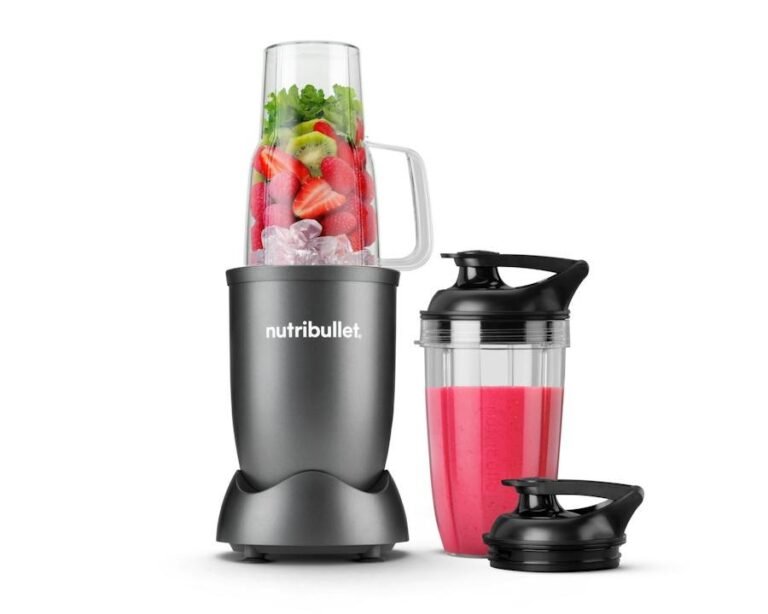
You can blend hot coffee in a Nutribullet, but the manufacturer explicitly advises against it. The official Nutribullet user guide states that the cups and blades aren’t designed for hot liquids and that blending hot ingredients can cause the cup to pressurize and the lid to separate violently.
That warning exists for good reason. A Nutribullet works by spinning a blade at roughly 20,000–24,000 RPM inside a sealed cup. When you add hot liquid, the air above it heats up and expands. In a sealed container, that expansion has nowhere to go. The pressure pushes against the lid, and if the seal gives way while the blade is still spinning, you get a geyser of hot coffee.
The workaround is simple: don’t seal the cup while the contents are hot. Blend in short pulses with the lid vented, or let the coffee cool first. If you’re making a drink that’s served hot—like a frothy bulletproof coffee—blend the coffee warm rather than steaming, then reheat gently on the stove or in the microwave after blending.
What Temperature Is Safe?
The safe ceiling for blending in a Nutribullet is around 150°F (65°C) . Below that, steam production is minimal and pressure buildup is manageable. Above it, you’re gambling with the seal.
Coffee fresh off a drip brewer lands between 180°F and 200°F (82–93°C). That’s well into dangerous territory. Espresso shots pulled at 195–205°F (90–96°C) are even hotter. Both need to cool before blending.
A simple test: touch the outside of the cup. If it’s too hot to hold comfortably for three seconds, it’s too hot to blend. Let it sit for another few minutes.
Why Nutribullet Warns Against Hot Liquids
The warning isn’t legal boilerplate—it’s a genuine mechanical limit. Nutribullet cups are made from Tritan plastic or, on some models, stainless steel. The lids rely on a friction seal and a gasket, not a locking mechanism. There’s no pressure-release valve like you’d find on a pressure cooker or a proper blender lid with a vented cap.
When pressure builds, the weakest point fails. That’s usually the gasket seal or the tab where the lid meets the cup. The result is hot liquid ejected at speed, often directly toward the person holding the cup. Burn injuries from blender accidents are common enough that emergency rooms see them regularly.
Nutribullet Models and Heat Tolerance
Not every Nutribullet is built the same. Motor wattage, cup material, and lid design vary across the lineup, and those differences affect how much heat the unit can tolerate.
| Model | Wattage | Cup Material | Hot Liquid Tolerance | Notes |
|---|---|---|---|---|
| Nutribullet 600 | 600W | Tritan plastic | Low—cool only | Original model; thinnest cups |
| Nutribullet Pro 900 | 900W | Tritan plastic | Low to moderate | Better motor, same cup limits |
| Nutribullet Rx | 1700W | Tritan plastic | Moderate—warm only | Soup mode runs long; still not sealed-hot safe |
| Nutribullet Pro+ 1200 | 1200W | Tritan plastic | Moderate | Slightly thicker cups |
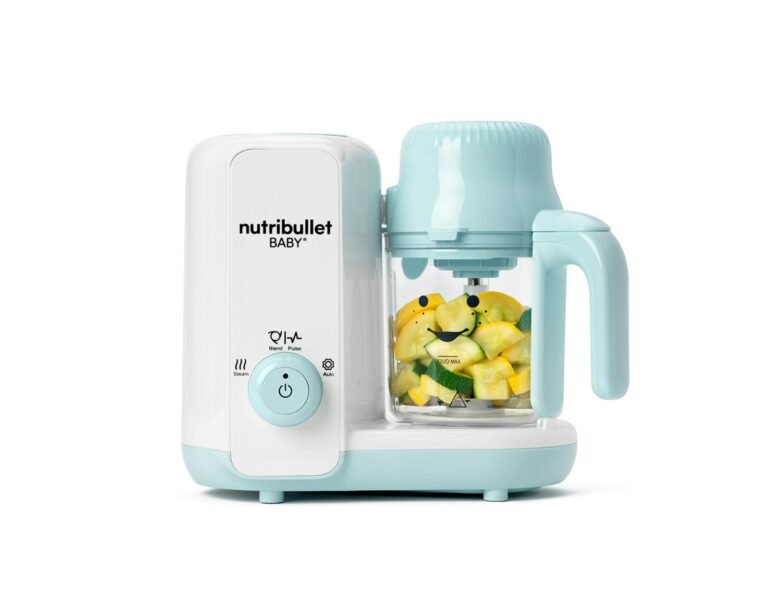
| Nutribullet Baby | 200W | Plastic | Low | Small cups, fast pressure buildup |
| Nutribullet Select | 1000W | Tritan plastic | Moderate | Similar to Pro |
Even the highest-wattage models don’t change the physics. A stronger motor spins faster and generates more friction heat, which can actually make the pressure problem worse. Wattage tells you how well the blender crushes ice and frozen fruit—it doesn’t tell you the cup can handle boiling liquid.
Stainless steel cups, available as accessories for some models, handle heat better than plastic but still seal the same way. The lid is the failure point, not the cup.
Step-by-Step: How to Blend Hot Coffee Safely
Follow these steps in order. Skipping any one of them increases the risk of a lid blowout.
- Brew your coffee and let it cool. Aim for 140–150°F (60–65°C). Five to ten minutes on the counter usually does it. If you’re in a hurry, pour it into a metal bowl and stir for a minute.
- Add your other ingredients first. Put butter, coconut oil, protein powder, cocoa, or sweetener in the cup before the liquid. This gives the blade something to grab and reduces splashing.
- Pour coffee to the halfway mark—maximum. Never fill past half when the liquid is warm. Steam needs headroom.
- Leave the lid slightly loose, or use a vented lid if you have one. Don’t twist it down tight. You want steam to escape.
- Pulse in one-second bursts. Press and release. Don’t hold the button down. Between pulses, stop and let the steam vent for a second.
- Hold a folded towel over the lid. This protects your hand if anything escapes and adds a layer of safety.
- Stop when the mixture is smooth. Usually 15–30 seconds of pulsing is enough for coffee drinks.
- Let it rest for 30 seconds before opening. Residual pressure needs time to equalize.
- Open the lid away from your face. Tilt the cup away from you and peel the lid back slowly.
- Reheat if you want it hot. Pour into a mug and microwave in 15-second increments, or warm gently on the stove.
What You Need Before You Start
- A Nutribullet with a clean blade assembly
- A cup no more than half full of warm liquid
- A folded kitchen towel
- Your add-ins (butter, MCT oil, protein powder, spices)
- A mug or thermos for the finished drink
Best Uses for Blended Hot Coffee
Blending hot coffee isn’t just about froth. Certain drinks genuinely benefit from a quick spin in the Nutribullet.
- Bulletproof coffee — butter and MCT oil emulsified into coffee for a creamy, frothy texture
- Frothy lattes — warm milk and coffee blended for café-style foam without a steam wand
- Mocha — cocoa powder dissolved evenly instead of clumping
- Spiced coffee — cinnamon, cardamom, and nutmeg distributed through the liquid
- Protein coffee — powder blended smooth instead of stirred into lumps
- Vietnamese-style egg coffee — egg yolk and condensed milk whipped into hot coffee
Each of these works best when the coffee is warm, not scalding. The blending step is about emulsification and texture, not heat.
Bulletproof Coffee in a Nutribullet
Bulletproof coffee is the most common reason people reach for a blender with hot coffee. The goal is to emulsify butter and MCT oil into the coffee so it stays mixed instead of separating into an oily layer.
Use 8–12 oz of coffee at 140–150°F. Add 1–2 tablespoons of grass-fed butter and 1 tablespoon of MCT oil. Pulse for 20–30 seconds. The result is a thick, foamy drink with a latte-like head. If you blend it too hot, the butter melts fully but the foam collapses fast—and you risk the lid popping.
Frothy Latte Without a Steam Wand
Warm 4 oz of milk to about 140°F. Pour it into the cup with 4 oz of coffee at the same temperature. Pulse for 10–15 seconds. The blade aerates the milk and creates a light foam. Whole milk foams better than skim. Oat milk and soy milk work reasonably well; almond milk foams poorly because of its low protein content.
What Happens If You Blend Coffee That’s Too Hot
The failure mode is predictable. Here’s what actually occurs when you seal boiling coffee in a Nutribullet cup and hit the button.
| Time Elapsed | What’s Happening Inside | Risk Level |
|---|---|---|
| 0–2 seconds | Blade spins, liquid heats further from friction | Low |
| 3–5 seconds | Steam builds above the liquid line | Moderate |
| 5–10 seconds | Pressure pushes against the gasket seal | High |
| 10–15 seconds | Lid tabs flex; seal begins to leak | Very high |
| 15+ seconds | Lid separates; hot liquid ejects | Severe burn risk |
The whole sequence takes less than 20 seconds. That’s faster than most people expect, which is why so many blender burns happen to people who “just looked away for a second.”
Warning: If you ever hear a hissing or popping sound while blending, stop immediately. Don’t open the lid. Unplug the unit, wait two full minutes for pressure to drop, then open the lid facing away from you.
Cold Brew and Iced Coffee: The Safer Route
If your goal is an iced coffee drink, you’re in luck—cold coffee is completely safe to blend. There’s no steam, no pressure, and no risk of a lid blowout.
Cold brew concentrate, chilled drip coffee, and leftover coffee from the fridge all blend beautifully. You can add ice, milk, sweetener, and flavorings without any of the precautions listed above. Fill the cup to the max line, seal it tight, and blend normally.
This is also the better route for protein coffee shakes, frappé-style drinks, and iced mochas. Blend cold, pour over ice, and you’re done.
Reheating After Blending
If you want a hot drink but blended cold for safety, reheat after blending. Pour the blended mixture into a microwave-safe mug and heat in 15-second bursts, stirring between each. Or warm it gently in a small saucepan over low heat, whisking to keep the foam intact.
Don’t reheat in the Nutribullet cup. The plastic isn’t designed for microwave use, and the blade assembly shouldn’t go in the microwave either.
Common Mistakes to Avoid
Most blender accidents trace back to one of these errors. Avoid all of them.
- Sealing the lid tight on hot liquid — the single biggest cause of blowouts
- Filling past the halfway mark — leaves no room for steam expansion
- Using boiling water or freshly brewed coffee — always cool first
- Blending for 60+ seconds continuously — friction adds heat and pressure
- Opening the lid immediately after blending — wait 30 seconds minimum
- Pointing the lid at your face when opening — tilt away, always
- Ignoring a swollen or bulging lid — that’s a pressure warning sign
- Using a damaged gasket — a worn seal fails faster under pressure
Pro Tip: Keep a dedicated “hot drink” cup with a slightly worn lid for warm blending. A lid that doesn’t seal perfectly is actually safer for hot liquids because it vents pressure naturally. Never use a lid with a torn gasket for cold blending, though—it’ll leak.
Cleaning Up After Hot Coffee
Coffee leaves oils and tannins behind that can stain plastic cups and leave a stale taste in your next smoothie. Clean promptly.
- Rinse the cup and blade assembly with warm water immediately after use.
- Fill the cup halfway with warm water and a drop of dish soap.
- Blend for 10–15 seconds to loosen residue.
- Rinse thoroughly and air-dry upside down.
- Once a week, scrub the gasket with a small brush—coffee residue hides in the groove.
Don’t put Nutribullet cups or blades in the dishwasher unless your model’s manual says they’re dishwasher-safe. Most are top-rack only, and heat from the drying cycle can warp the plastic and degrade the gasket.
Alternatives If You’d Rather Not Risk It
If the pressure risk isn’t worth it to you, several alternatives deliver the same result without the danger.
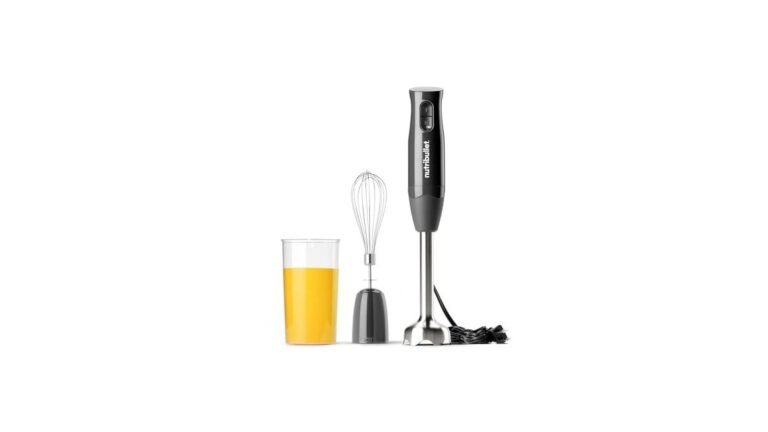
- Immersion blender (stick blender) — designed for hot liquids, no sealed cup, no pressure
- Countertop blender with a vented lid — Vitamix and Blendtec both make lids with removable vent caps rated for hot liquids
- Milk frother — perfect for lattes and cappuccinos without blending coffee at all
- Hand whisk or milk frother wand — works for bulletproof coffee if you whisk hard for 30 seconds
- French press — plunge and pour, then froth the milk separately
An immersion blender is the closest match to a Nutribullet in convenience. You blend directly in the mug or a deep bowl, there’s no sealed container, and steam escapes freely. For bulletproof coffee specifically, a stick blender produces nearly identical emulsification.
Frequently Asked Questions
Can you put hot coffee in a Nutribullet?
You can put warm coffee in a Nutribullet, but not hot coffee straight off the brewer. Nutribullet advises against hot liquids because steam builds pressure inside the sealed cup and can force the lid off. Keep coffee below 150°F (65°C), fill the cup no more than halfway, and pulse with the lid vented.
Will hot coffee crack a Nutribullet cup?
Tritan plastic cups can warp or crack if you pour near-boiling liquid into them, especially if the cup is cold from the fridge. Thermal shock is real. The bigger risk, though, is the lid blowing off, not the cup cracking. Let coffee cool for five to ten minutes before pouring.
How do you blend hot coffee without the lid popping off?
Leave the lid loose or vented, fill the cup only halfway, and pulse in one-second bursts instead of running it continuously. Hold a folded towel over the lid. Stop between pulses to let steam escape. Never seal the lid tight on hot liquid, and wait 30 seconds after blending before opening.
Can you make bulletproof coffee in a Nutribullet?
Yes. Use coffee at 140–150°F, add butter and MCT oil, and pulse for 20–30 seconds with the lid vented. The blade emulsifies the fats into the coffee, creating a frothy texture. Reheat gently in a mug afterward if you want it hotter. Cold-brewed bulletproof coffee is even safer.
Is it safe to blend soup in a Nutribullet?
Nutribullet markets a “soup mode” on some higher-wattage models, but the same pressure rules apply. Blend in batches, keep the cup half full, vent the lid, and pulse. Never seal boiling soup in a Nutribullet cup. An immersion blender is the safer tool for hot soup.
What temperature is too hot for a blender?
Most blenders with sealed lids, including Nutribullet, are unsafe above 150°F (65°C). Vented countertop blenders like Vitamix and Blendtec can handle hotter liquids because steam escapes through the lid cap. If your blender has no vent, treat 150°F as the ceiling.
Conclusion
If you want hot coffee in a Nutribullet, cool it to 150°F or below, fill the cup halfway, vent the lid, and pulse in short bursts with a towel over the top. For anything steaming, blend cold and reheat afterward—or reach for an immersion blender instead.